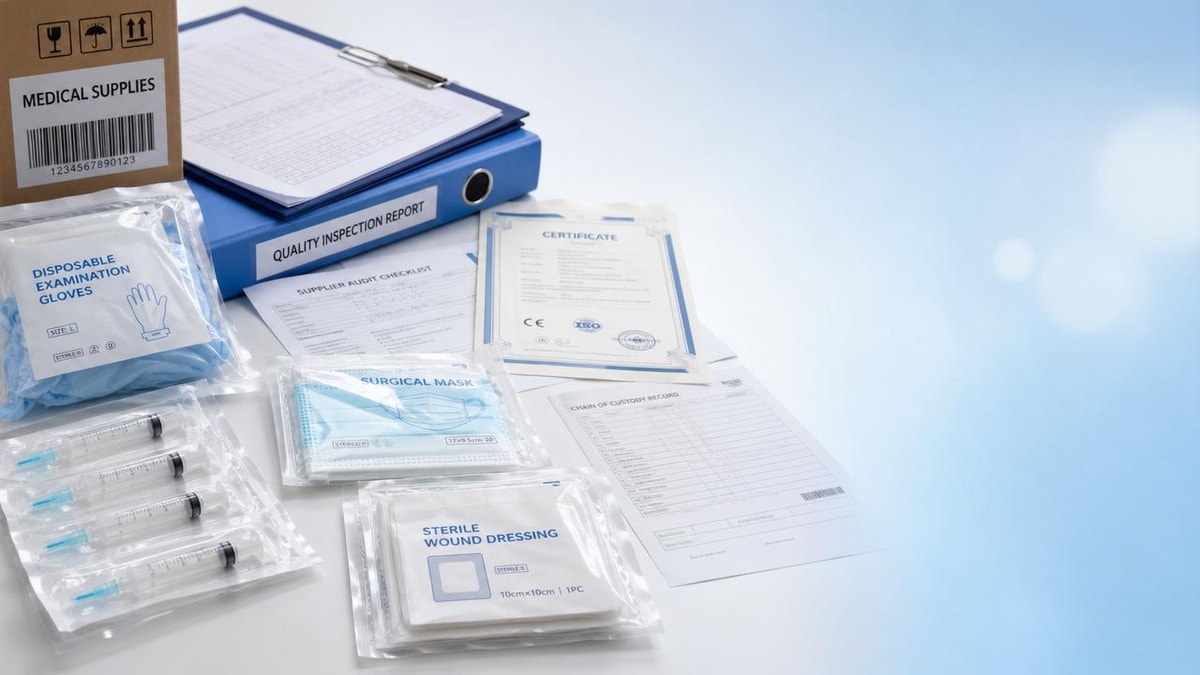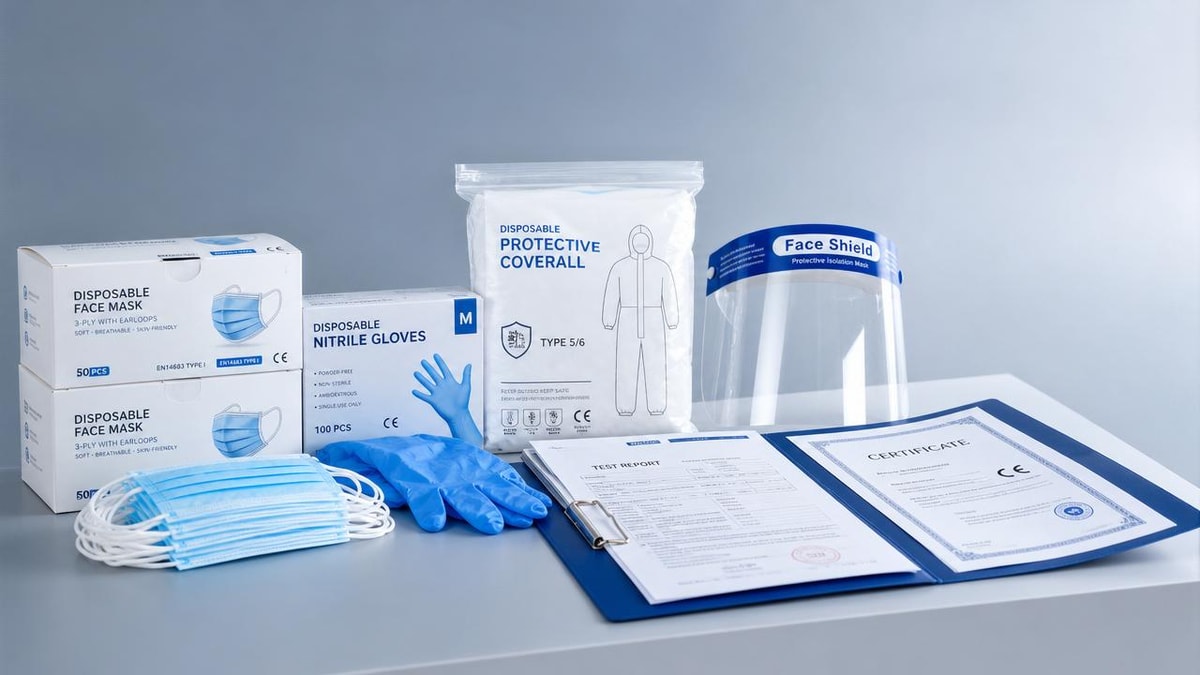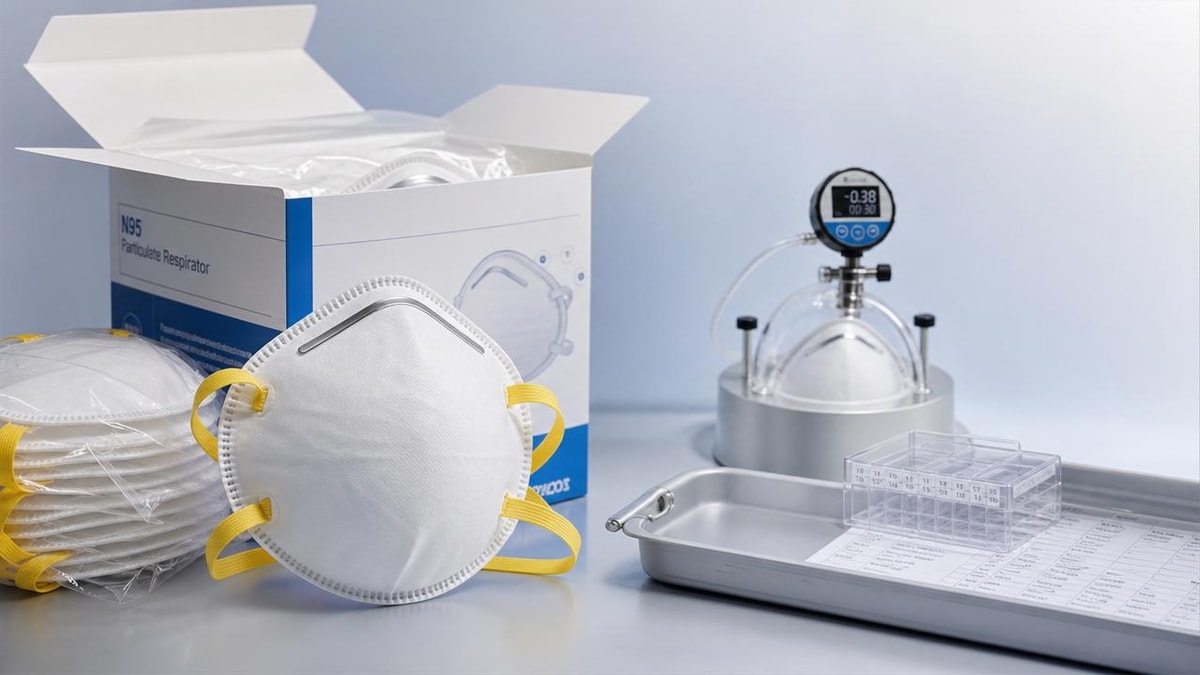
Medical disposables sourcing gets risky when prices drop too fast
When medical disposables prices fall too fast, procurement teams face more than cost opportunities—they face rising risks in quality consistency, compliance, supplier reliability, and hidden supply chain disruptions. For buyers under pressure to save without compromising patient safety or operational continuity, understanding what drives sudden price drops is essential before signing the next contract.
Why price declines in medical disposables matter differently by procurement scenario
In healthcare procurement, the same low quote can mean very different things depending on where the product will be used. A hospital sourcing examination gloves for daily patient contact, a distributor buying mixed SKUs for regional resale, and a private-label importer planning large-volume tenders all face different operational consequences when medical disposables prices drop sharply. What looks like a savings opportunity in one setting may create recall exposure, stock instability, or audit trouble in another.
This is why procurement professionals should not evaluate medical disposables on price movement alone. They need to assess use case criticality, replacement frequency, user tolerance for quality variation, local regulatory expectations, and the supplier’s ability to maintain stable output over time. In fast-moving categories such as gloves, syringes, masks, gowns, specimen consumables, and wound care items, aggressive pricing often changes the risk profile before it changes the total cost.
For buyers working in global B2B environments, especially those using intelligence-driven sourcing platforms such as TradeNexus Pro, the real advantage comes from reading price drops as a signal. The signal may point to oversupply, resin or polymer cost shifts, exchange-rate changes, market entry by new manufacturers, underutilized factories, or more concerning issues such as downgraded materials, compliance shortcuts, or distressed suppliers seeking cash flow.
Common sourcing situations where cheap medical disposables create very different risks
Medical disposables sourcing decisions become risky when buyers apply one purchasing logic to all situations. Below are the most common business scenarios where falling prices need to be interpreted carefully rather than celebrated automatically.
Scenario 1: Acute care and hospital operations
In hospitals, low-cost medical disposables can affect frontline performance immediately. Nurses, physicians, and support staff notice issues such as glove tearing, poor catheter finish, syringe plunger inconsistency, weak mask straps, or sterile barrier failures faster than procurement teams do. In this scenario, a small unit-price reduction can be offset by product waste, clinician dissatisfaction, infection-control concerns, and emergency spot buying when a shipment fails internal checks.
Scenario 2: Distributor and wholesaler inventory management
Distributors often welcome lower prices because margin pressure is constant. Yet the risk is different here: inconsistent product batches can create customer returns, fragmented SKU histories, and loss of trust from clinics, labs, and pharmacies. A distributor may survive one cheap shipment, but repeated variability in medical disposables can damage account retention and complicate after-sales claims.
Scenario 3: Public tenders and group purchasing
Tender-based procurement frequently rewards the lowest compliant offer. When medical disposables prices fall too fast, buyers in this scenario must verify whether the quoted specification truly matches the tested sample and awarded file. Tender pricing can be artificially low to win volume, with future risks appearing as delayed deliveries, specification substitutions, or requests for renegotiation after award.
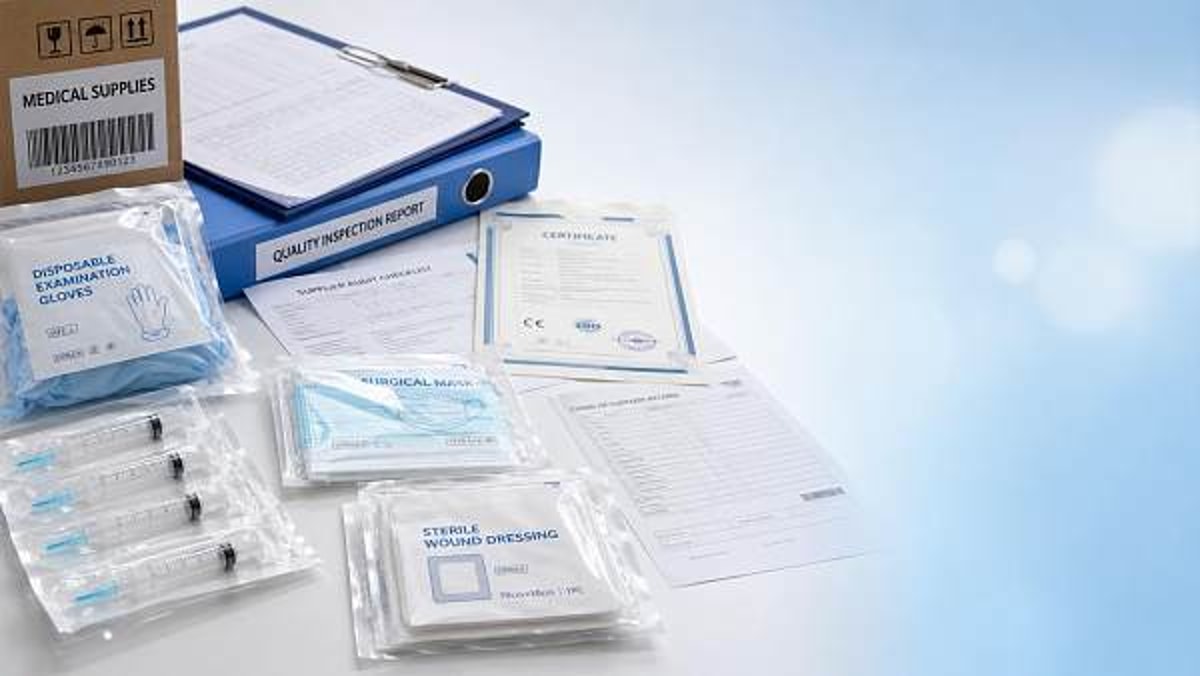
Scenario 4: OEM and private-label sourcing
For importers building their own brand, lower-cost medical disposables may improve market entry economics, but only if documentation, labeling control, packaging integrity, and complaint handling are mature. In this scenario, the hidden risk lies in brand damage. A quality issue does not stay with the factory; it becomes the buyer’s market problem.
Scenario 5: Emergency replenishment or shortage recovery
After shortages, buyers may find unusually low quotes as capacity normalizes. This can be legitimate. However, emergency-driven sourcing often reduces audit time. Procurement teams may accept medical disposables from unfamiliar suppliers with limited validation, making them vulnerable to certificate misuse, unstable lead times, and logistics surprises.
Scenario comparison: what procurement teams should check before accepting a low quote
How demand differences change the right sourcing decision
Not all medical disposables carry the same risk sensitivity. Procurement teams should group products by consequence of failure rather than by catalog category alone. This makes it easier to decide where a falling price is acceptable and where caution is mandatory.
High-touch, high-frequency products
Products used constantly by many staff members, such as gloves, masks, drapes, and swabs, generate rapid user feedback. For these medical disposables, comfort, fit, defect rate, and packaging usability matter because variation affects workflow every day. In this scenario, a lower price can work if performance is stable across large batches and delivery schedules are reliable.
Sterile and procedure-critical items
Syringes, infusion components, surgical consumables, and other sterile medical disposables deserve the most conservative supplier review. Here, small savings rarely justify elevated risk. Buyers should focus on sterilization validation, packaging integrity, complaint rates, and lot traceability rather than headline discount levels.
Commodity-like support consumables
Some medical disposables are easier to substitute if specifications are standardized and performance impact is limited. In these cases, procurement may use falling prices to renegotiate, dual-source, or improve inventory economics. Even then, documentation consistency and supplier capacity should still be tested, because commodity does not mean risk-free.
Red flags behind sudden price cuts in medical disposables
Procurement leaders should ask what specifically changed to make the price possible. If a supplier cannot answer clearly, the quote deserves extra scrutiny. Common warning signs include:
- A large price gap versus the recent market range with no raw material explanation
- Revised product specs that look similar but reduce weight, thickness, or component quality
- Certificates that are valid in form but not clearly linked to the exact medical disposables offered
- Strong pricing combined with vague lead times or limited production transparency
- Pressure to commit to large prepaid volumes before trial orders are completed
- Frequent changes in account managers, bank details, or shipping origin
In many global sourcing cases, the issue is not fraud but instability. A factory may discount heavily to fill idle lines, then fail to maintain that price or service level once demand returns. For buyers, unstable low pricing is often more dangerous than moderately higher but predictable pricing.
Practical sourcing strategies by buyer type
The best response to falling medical disposables prices depends on your procurement role and business model.
For hospital procurement teams
Use a cross-functional approval model. Involve infection control, nursing users, quality teams, and logistics before changing suppliers. Run side-by-side evaluations on real usage conditions, not just paper specs. Keep a backup source active for critical SKUs.
For distributors
Treat low-cost medical disposables as a portfolio decision. Do not switch all accounts at once. Test selected customers, monitor complaint frequency, and map which products are margin-sensitive versus reputation-sensitive. A controlled rollout protects customer trust.
For importers and private-label buyers
Strengthen supplier onboarding. Confirm technical files, packaging proofs, labeling ownership, post-market complaint procedures, and product liability expectations. Savings only become real when the brand owner can defend the product in its target market.
For tender managers and large-volume buyers
Build commercial protection into the contract. Define approved materials, acceptable tolerances, shipment schedules, rejection rules, and service penalties. With medical disposables, contract discipline is often the difference between a good tender and a disruptive one.
Frequent misjudgments procurement teams make when prices fall
One common mistake is assuming that all price drops come from efficiency improvements. Some do, especially when automation improves or resin costs ease. But procurement should verify whether the savings came from process gains, volume optimization, or product compromise.
Another misjudgment is focusing only on unit price instead of total landed risk. If cheaper medical disposables increase inspection burden, return rates, expedited freight, or emergency reordering, the final cost can exceed the original baseline. This is especially true in healthcare settings where disruption carries operational and reputational consequences.
A third mistake is ignoring scenario fit. A product that is acceptable for low-risk outpatient use may not be suitable for intensive care, surgical support, or tightly regulated resale markets. Procurement decisions work best when buyers define the use environment before evaluating the quote.
FAQ: scenario-based questions buyers ask about medical disposables
Can lower-priced medical disposables still be a good sourcing decision?
Yes, if the lower price comes from genuine scale, improved manufacturing efficiency, better freight planning, or temporary raw material relief. The key is proving that quality, compliance, and fulfillment remain stable in your actual application scenario.
Which scenarios require the most caution?
Sterile, patient-contact, and procedure-critical medical disposables require the most caution, followed by branded resale programs where complaint exposure is high. In these settings, a low quote should trigger more validation, not faster approval.
How should buyers test a new low-cost supplier?
Start with a limited order, compare multiple batches, verify documents against the exact SKU, and collect end-user feedback. Then review whether the supplier can maintain the same standard over repeat shipments before expanding volume.
A smarter next step for procurement teams
When medical disposables prices drop too fast, the right question is not “How much can we save?” but “Which sourcing scenario are we in, and what risk can we actually afford?” Buyers who separate hospital use, distribution, tenders, emergency buys, and private-label programs make better decisions because they match validation depth to business exposure.
For procurement professionals navigating global supplier options, the strongest approach is data-led and scenario-specific: benchmark market pricing, confirm compliance alignment, test operational performance, and contract for continuity. That is how lower-cost medical disposables become a competitive advantage rather than a hidden liability. If your team is reviewing new suppliers or unexpected price shifts, use your own application scenario as the first filter before any negotiation moves forward.
Get weekly intelligence in your inbox.
No noise. No sponsored content. Pure intelligence.
 May 05, 2026Inventory management systems that fix stock errors at the sourceInventory management systems that fix stock errors at the source
 May 05, 2026Medical disposables sourcing gets risky when prices drop too fastMedical disposables sourcing gets risky when prices drop too fast
 May 05, 2026Supply Chain Management gaps that create hidden inventory costsSupply Chain Management gaps that create hidden inventory costs
 May 05, 2026Why ERP software rollouts fail even with strong vendor supportWhy ERP software rollouts fail even with strong vendor support
 May 05, 2026Patient monitors: which features actually improve bedside responsePatient monitors: which features actually improve bedside response
 May 05, 2026Medical PPE shortages are easing, but quality gaps remainMedical PPE shortages are easing, but quality gaps remain
 May 05, 2026Portable oxygen concentrators: what matters beyond battery lifePortable oxygen concentrators: what matters beyond battery life
 May 05, 2026Medical diagnostic equipment buying mistakes that cost more laterMedical diagnostic equipment buying mistakes that cost more later
 May 05, 2026Cold chain logistics failures often start before transitCold chain logistics failures often start before transit
 May 05, 2026Hydrogen energy projects face one cost issue few plan forHydrogen energy projects face one cost issue few plan for
 May 05, 2026Digital Footprint risks that grow when suppliers scale fastDigital Footprint risks that grow when suppliers scale fast
 May 05, 2026Cross border ecommerce fulfillment problems that hurt repeat salesCross border ecommerce fulfillment problems that hurt repeat sales
 May 05, 2026N95 respirators: why fit matters more than many expectN95 respirators: why fit matters more than many expect
 May 05, 2026Ultrasound machines: when image quality and workflow clashUltrasound machines: when image quality and workflow clash
 May 05, 2026LED displays for retail spaces: brightness is not the only issueLED displays for retail spaces: brightness is not the only issue
 May 05, 2026What to check before placing wheelchairs wholesale ordersWhat to check before placing wheelchairs wholesale orders
 May 05, 2026Freight forwarding services that help avoid customs delaysFreight forwarding services that help avoid customs delays
 May 05, 2026Aesthetic lasers: the difference between power and precisionAesthetic lasers: the difference between power and precision
 May 05, 2026How rehabilitation equipment choices affect recovery routinesHow rehabilitation equipment choices affect recovery routines
 May 05, 2026Robot vacuum cleaners with mapping: what changes in daily useRobot vacuum cleaners with mapping: what changes in daily use
 May 05, 2026Where logistics drones make sense and where they still do notWhere logistics drones make sense and where they still do not
 May 05, 2026B2B SaaS solutions that reduce manual trade workflowsB2B SaaS solutions that reduce manual trade workflows
 May 05, 2026What makes 3PL logistics performance hard to measure fairlyWhat makes 3PL logistics performance hard to measure fairly
 May 05, 2026Shipping rates are shifting again: what costs are easy to missShipping rates are shifting again: what costs are easy to miss
 May 05, 2026Trade Leaders in 2026: what will separate winners from the restTrade Leaders in 2026: what will separate winners from the rest
 May 05, 2026Why smart warehousing projects stall after the pilot stageWhy smart warehousing projects stall after the pilot stage
 May 05, 2026AGV robots or forklifts: which fits busy warehouses better?AGV robots or forklifts: which fits busy warehouses better?