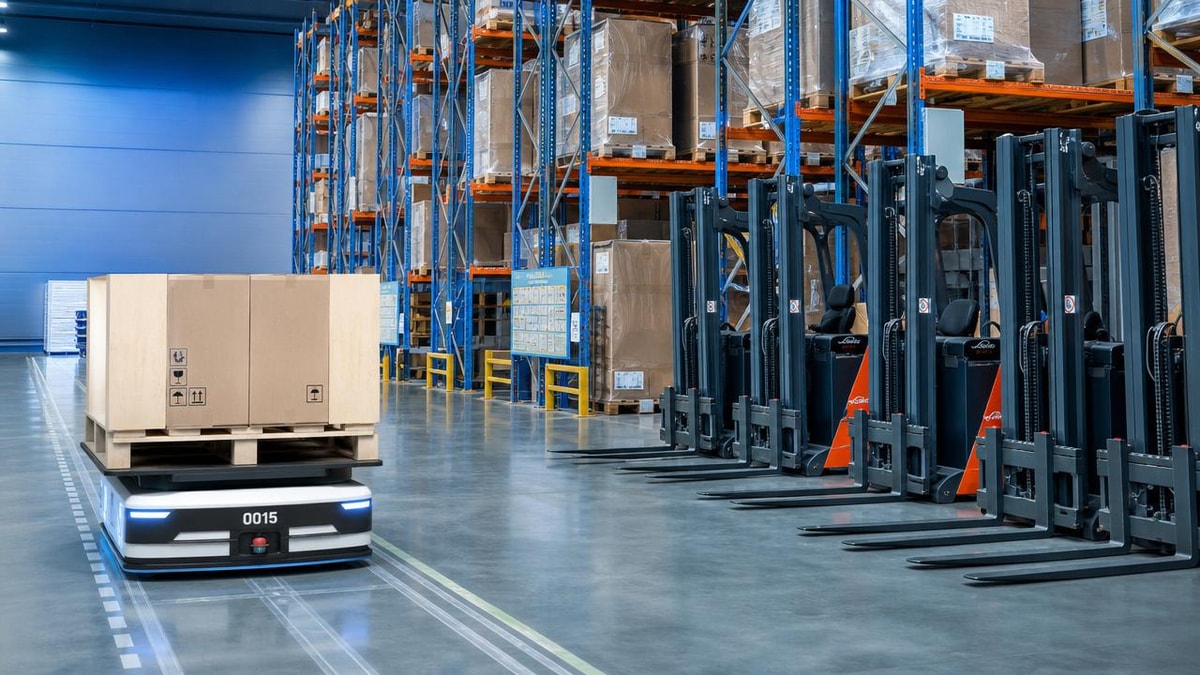
Why smart warehousing projects stall after the pilot stage
Many smart warehousing initiatives show strong early results, yet struggle to scale once the pilot ends. For project managers and engineering leads, the gap often lies not in technology alone, but in integration complexity, unclear ROI ownership, workforce adoption, and fragmented execution across sites. This article explores why smart warehousing projects stall after the pilot stage and what leaders can do to turn isolated success into sustainable operational transformation.
Why do smart warehousing pilots look successful at first?
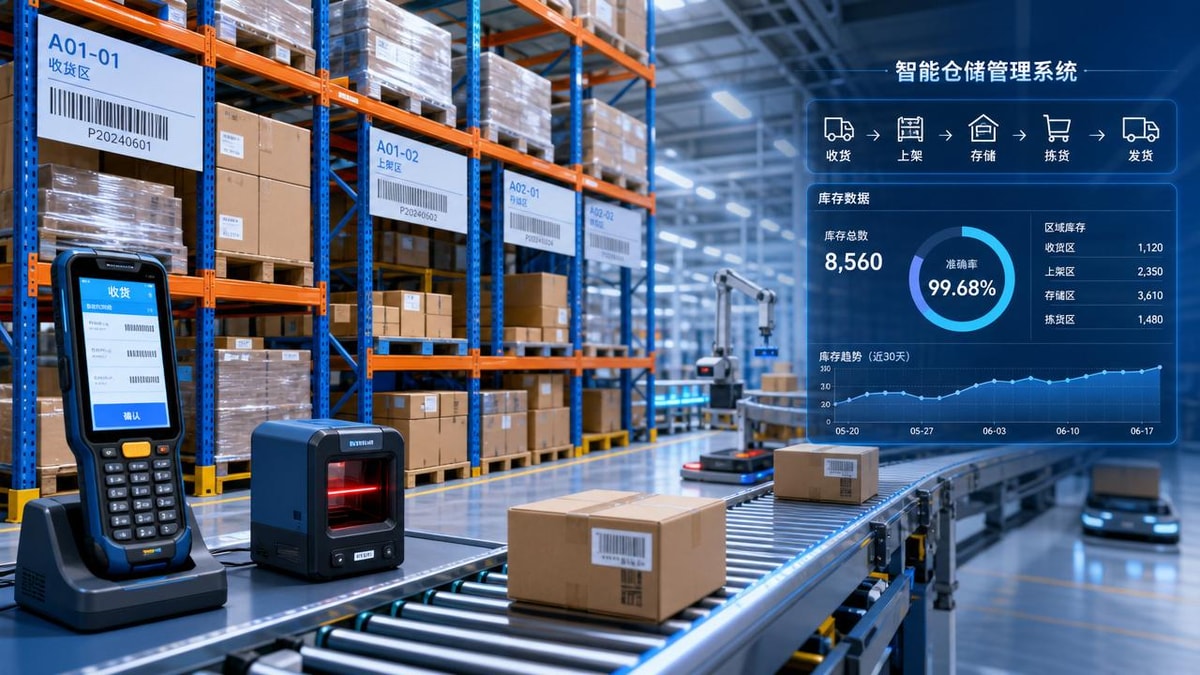
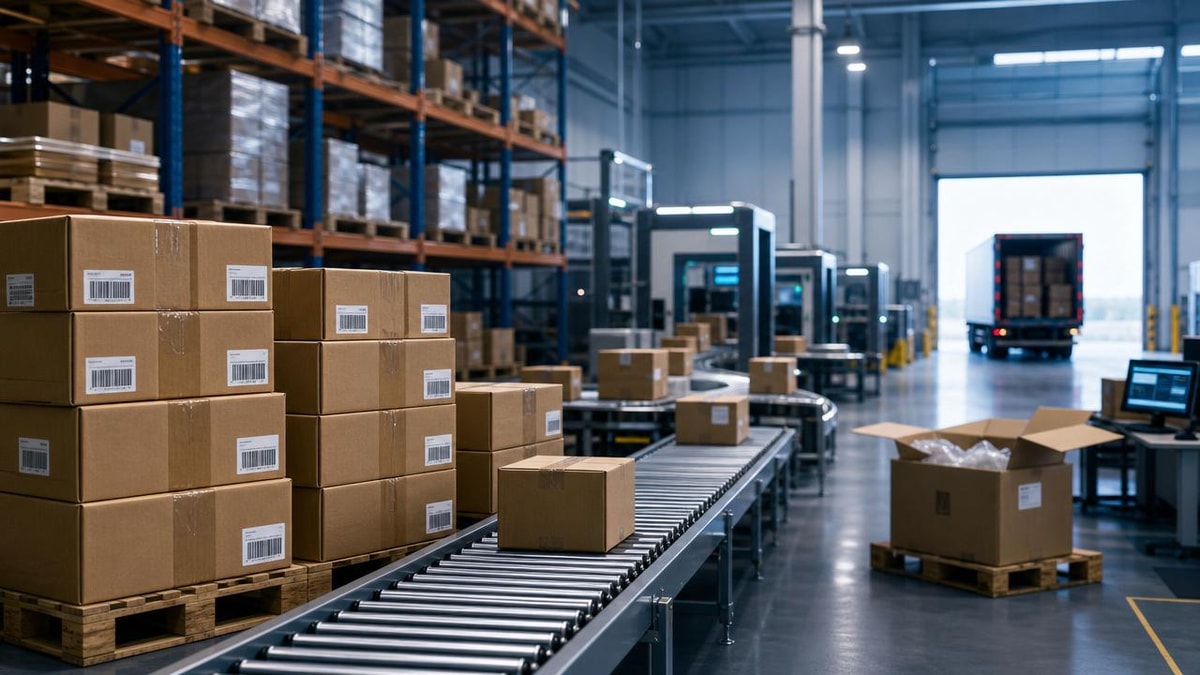
A pilot usually operates under controlled conditions. The scope is narrow, the team is highly engaged, and the chosen process is often one with visible inefficiencies that can be improved quickly. In smart warehousing, this might mean automating one picking zone, introducing warehouse sensors in a limited aisle, or deploying a dashboard for a single site. Under these circumstances, cycle times fall, error rates improve, and stakeholders see early momentum.
The problem is that pilot success does not automatically prove enterprise readiness. A pilot can hide complexity because it depends on temporary support, manual workarounds, extra vendor attention, and exceptional management focus. What appears scalable in one area may become fragile when extended to multiple warehouses, legacy systems, or different labor models.
For project managers, the key lesson is simple: a pilot validates possibility, not repeatability. If the smart warehousing business case is built only on early wins, the scale-up phase often exposes missing governance, weak process standardization, and underestimated integration demands.
What usually causes smart warehousing projects to stall after the pilot stage?
Most stalled smart warehousing programs fail for operational reasons rather than because the technology itself is ineffective. Four causes appear again and again across industries.
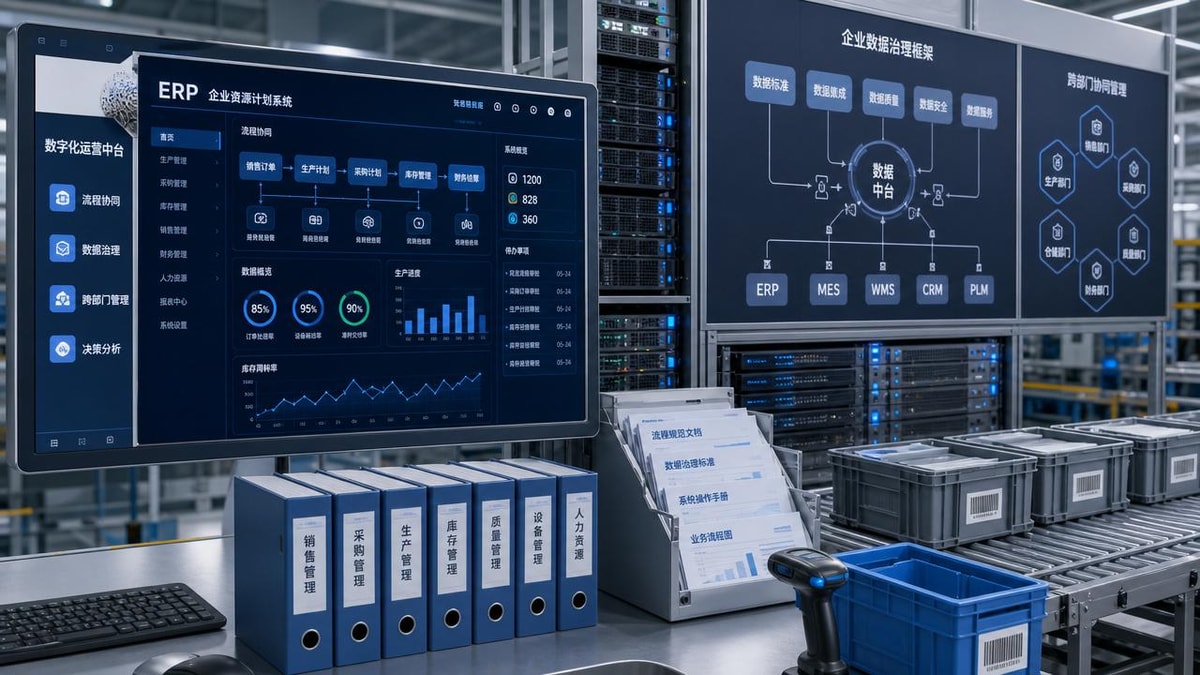
First, integration is harder than expected. A pilot may connect to one warehouse management system, one ERP workflow, and one equipment layer. Expansion often means interfacing with different site configurations, older software versions, local custom rules, and inconsistent data structures. Once exceptions multiply, delivery timelines slip.
Second, ROI ownership becomes unclear. During the pilot, everyone supports the initiative because it is strategic. After that, questions become sharper: who funds site rollout, who owns maintenance, who absorbs downtime risk, and who measures returns? If finance, operations, IT, and engineering define value differently, decisions slow down.
Third, workforce adoption is underestimated. Smart warehousing changes daily routines. Supervisors may have to trust automated task allocation. Operators may need to interact with handheld systems, robots, or digital work instructions. If training is weak or the change story is vague, the solution may be technically live but operationally underused.
Fourth, multi-site execution is fragmented. What works in one facility often depends on local champions. Without a common rollout model, each new site redesigns decisions, reopens debates, and requests new customizations. That creates delay, cost growth, and loss of strategic confidence in the smart warehousing roadmap.

How can project managers tell whether the problem is technology, governance, or execution?
This is one of the most important smart warehousing questions because many organizations misdiagnose the slowdown. They assume the platform is wrong when the actual issue is weak rollout discipline, or they blame site resistance when the architecture is unstable.
A practical way to diagnose the issue is to look at where failure appears first. If the system performs well technically but expansion keeps waiting for approval, the bottleneck is likely governance. If approvals exist but implementation quality varies widely by location, the problem is execution. If site teams follow the plan yet data, controls, or device reliability keep breaking, then the underlying technology stack may indeed need redesign.
Project leaders should also separate solution performance from program performance. A good smart warehousing tool can still fail inside a weak operating model. Likewise, a strong PMO structure cannot compensate for poor interoperability or unreliable infrastructure. The most mature organizations review all three layers together: technical architecture, operating governance, and site delivery capability.
Quick diagnostic table for stalled smart warehousing programs
Use the following table to identify where your smart warehousing initiative is most likely getting stuck before expanding budget or replacing vendors.
Why is ROI so difficult to prove in smart warehousing at scale?
In a pilot, smart warehousing benefits are easy to isolate. Leaders can compare one manual process with one improved workflow. But at scale, value becomes distributed across labor productivity, inventory accuracy, throughput stability, safety, maintenance, customer service, and planning responsiveness. Different stakeholders claim different benefits, and some gains appear only after broader operational changes.
Another challenge is that scaling costs rise faster than expected. Beyond hardware and software, organizations face network upgrades, cybersecurity requirements, change management effort, data cleansing, support staffing, and process redesign. These costs are real, but they are often omitted from early pilot calculations. The result is an apparent decline in ROI, even when the smart warehousing model remains strategically sound.
To avoid this trap, project managers should define value in three layers: direct site savings, cross-site operational resilience, and strategic decision benefits. For example, better warehouse visibility may reduce local picking errors, but its broader value may include better customer promise accuracy and more reliable supply chain planning. TNP frequently sees procurement and operations teams make stronger decisions when value is measured as a system-level outcome rather than a single departmental metric.
What implementation mistakes are most common in smart warehousing rollouts?
One common mistake is scaling too many technologies at once. A site may pilot robotics, IoT visibility, AI slotting, and labor management together, then attempt to replicate the full stack everywhere. That creates a coordination burden that overwhelms engineering and operations teams. Smart warehousing performs better when leaders scale a prioritized sequence, not a bundle of loosely connected innovations.
A second mistake is treating local exceptions as strategic requirements. Not every site difference deserves a new configuration. Too much customization erodes the repeatability that smart warehousing needs to become sustainable.
A third mistake is launching without clear readiness gates. Before each site rollout, leaders should confirm data quality, infrastructure capacity, safety compliance, process ownership, training completion, and support escalation paths. When these gates are missing, smart warehousing deployments go live on paper but struggle in reality.
Finally, many teams underinvest in post-go-live stabilization. The first weeks after launch determine whether users trust the system. If incidents linger, workarounds spread quickly. Once people return to manual habits, recovering confidence becomes expensive.
How should engineering leads and project managers structure a rollout that actually scales?
A scalable smart warehousing rollout usually starts with standardization, not expansion. Before adding sites, define the non-negotiables: core process flows, data model, interface logic, KPI definitions, safety rules, and support ownership. Then classify which elements can vary locally. This creates a practical balance between enterprise control and site reality.
Next, build a phased deployment model. Instead of asking whether the whole smart warehousing vision is ready, ask whether each capability is ready for replication. For instance, automated inventory visibility may be mature enough for broad rollout, while autonomous movement systems may still need narrower validation.
Governance must also be explicit. The strongest programs assign clear owners for technical architecture, site readiness, value tracking, frontline training, and vendor coordination. This reduces the common post-pilot gap where everyone supports the idea but no one owns the hard middle of execution.
Finally, establish a learning loop. Every site should feed implementation lessons back into the next rollout wave. Smart warehousing becomes scalable when deployment knowledge is treated as an asset, not as informal memory held by a few champions.
What should leaders ask before approving the next phase of smart warehousing investment?
Before approving more capital, leaders should ask questions that go beyond vendor capability or pilot metrics. The goal is to test organizational readiness for scale.
Start with these checks: Is the process being automated already stable? Are data standards consistent across sites? Can the target warehouses support the connectivity, maintenance, and support model required? Has the business agreed on how smart warehousing value will be measured after rollout? Are supervisors and operators prepared for changed workflows, or are they simply being informed late in the process?
It is also wise to ask whether the organization is solving a local warehouse issue or building a strategic capability. That distinction matters. A local fix may justify a single-site tool. A strategic smart warehousing platform needs a stronger architecture, governance model, and long-term supplier partnership approach.
A practical pre-scale checklist
- Confirm whether pilot results came from stable system behavior or from manual support around the system.
- Map all upstream and downstream dependencies, including ERP, WMS, transport planning, and maintenance workflows.
- Define a common KPI baseline so every site measures smart warehousing performance the same way.
- Assign budget responsibility for rollout, support, upgrades, and benefit tracking.
- Verify site-level readiness in infrastructure, training, leadership engagement, and exception management.
What does a realistic path from pilot to enterprise smart warehousing look like?
A realistic path is rarely linear. It usually begins with a focused pilot, moves into architecture hardening, then into template creation, controlled multi-site replication, and finally broader optimization. Each stage has a different success test. The pilot proves operational value. The hardening phase proves robustness. Template development proves repeatability. Multi-site rollout proves governance. Enterprise optimization proves long-term strategic payoff.
This is why mature smart warehousing programs do not treat the pilot as the main event. They treat it as one evidence point inside a larger transformation design. For engineering leaders, that means planning supportability and interoperability early. For project managers, it means creating realistic stage gates instead of promising a fast universal rollout based on one site’s results.
For global B2B operators working across advanced manufacturing, healthcare technology, green energy, electronics, or supply chain SaaS environments, the lesson is consistent: smart warehousing scales when technical capability, operational discipline, and commercial accountability move together. When one of those lags, projects often stall right after the pilot glow fades.
What should you clarify first if you want to move forward with a smarter warehouse roadmap?
If you need to confirm the next step in smart warehousing, start by aligning six points before discussing vendors, pricing, or rollout dates: the business problem being solved, the process scope to standardize, the systems that must integrate, the KPI model that will define success, the site readiness criteria, and the ownership model for value realization after go-live.
These questions create a stronger foundation for procurement, engineering, operations, and executive teams to make decisions with fewer surprises. If further evaluation is needed, prioritize conversations around deployment sequence, integration boundaries, support responsibilities, expected payback period, and how local site exceptions will be managed without undermining scale. That is often the difference between a promising smart warehousing pilot and a durable enterprise transformation.
Get weekly intelligence in your inbox.
No noise. No sponsored content. Pure intelligence.
 May 05, 2026Inventory management systems that fix stock errors at the sourceInventory management systems that fix stock errors at the source
 May 05, 2026Medical disposables sourcing gets risky when prices drop too fastMedical disposables sourcing gets risky when prices drop too fast
 May 05, 2026Supply Chain Management gaps that create hidden inventory costsSupply Chain Management gaps that create hidden inventory costs
 May 05, 2026Why ERP software rollouts fail even with strong vendor supportWhy ERP software rollouts fail even with strong vendor support
 May 05, 2026Patient monitors: which features actually improve bedside responsePatient monitors: which features actually improve bedside response
 May 05, 2026Medical PPE shortages are easing, but quality gaps remainMedical PPE shortages are easing, but quality gaps remain
 May 05, 2026Portable oxygen concentrators: what matters beyond battery lifePortable oxygen concentrators: what matters beyond battery life
 May 05, 2026Medical diagnostic equipment buying mistakes that cost more laterMedical diagnostic equipment buying mistakes that cost more later
 May 05, 2026Cold chain logistics failures often start before transitCold chain logistics failures often start before transit
 May 05, 2026Hydrogen energy projects face one cost issue few plan forHydrogen energy projects face one cost issue few plan for
 May 05, 2026Digital Footprint risks that grow when suppliers scale fastDigital Footprint risks that grow when suppliers scale fast
 May 05, 2026Cross border ecommerce fulfillment problems that hurt repeat salesCross border ecommerce fulfillment problems that hurt repeat sales
 May 05, 2026N95 respirators: why fit matters more than many expectN95 respirators: why fit matters more than many expect
 May 05, 2026Ultrasound machines: when image quality and workflow clashUltrasound machines: when image quality and workflow clash
 May 05, 2026LED displays for retail spaces: brightness is not the only issueLED displays for retail spaces: brightness is not the only issue
 May 05, 2026What to check before placing wheelchairs wholesale ordersWhat to check before placing wheelchairs wholesale orders
 May 05, 2026Freight forwarding services that help avoid customs delaysFreight forwarding services that help avoid customs delays
 May 05, 2026Aesthetic lasers: the difference between power and precisionAesthetic lasers: the difference between power and precision
 May 05, 2026How rehabilitation equipment choices affect recovery routinesHow rehabilitation equipment choices affect recovery routines
 May 05, 2026Robot vacuum cleaners with mapping: what changes in daily useRobot vacuum cleaners with mapping: what changes in daily use
 May 05, 2026Where logistics drones make sense and where they still do notWhere logistics drones make sense and where they still do not
 May 05, 2026B2B SaaS solutions that reduce manual trade workflowsB2B SaaS solutions that reduce manual trade workflows
 May 05, 2026What makes 3PL logistics performance hard to measure fairlyWhat makes 3PL logistics performance hard to measure fairly
 May 05, 2026Shipping rates are shifting again: what costs are easy to missShipping rates are shifting again: what costs are easy to miss
 May 05, 2026Trade Leaders in 2026: what will separate winners from the restTrade Leaders in 2026: what will separate winners from the rest
 May 05, 2026Why smart warehousing projects stall after the pilot stageWhy smart warehousing projects stall after the pilot stage
 May 05, 2026AGV robots or forklifts: which fits busy warehouses better?AGV robots or forklifts: which fits busy warehouses better?