AGV robots or forklifts: which fits busy warehouses better?
As warehouses face rising throughput demands, labor constraints, and tighter accuracy targets, the choice between AGV robots and forklifts has become a strategic decision rather than a simple equipment upgrade. For enterprise leaders, understanding how each option affects safety, scalability, operating costs, and workflow efficiency is essential to building a more resilient and competitive logistics operation.
Why are so many warehouses comparing AGV robots with forklifts now?
This question is rising because warehouse operations are under pressure from several directions at once. Order volumes are less predictable, labor availability is tighter, customer service expectations are higher, and operating leaders are expected to improve both speed and accuracy without letting costs spiral. In that environment, traditional forklifts remain familiar and flexible, but AGV robots are increasingly attractive because they promise more consistent movement, lower dependence on manual driving, and better integration with digital warehouse systems.
For decision-makers, the issue is not whether one technology is universally better. It is whether the workflow in a specific facility benefits more from human-operated mobility or from automated, rule-based transport. AGV robots are especially relevant in repetitive routes, predictable material flows, and environments where traceability matters. Forklifts, by contrast, still play a strong role where handling tasks change frequently, aisles are irregular, or operators must make fast judgment calls.
The comparison also matters because the purchase affects far more than equipment utilization. It influences labor planning, layout design, safety management, maintenance strategy, software connectivity, and long-term scalability. A warehouse choosing between AGV robots and forklifts is really choosing between two operating models.
What exactly is the operational difference between AGV robots and forklifts?
At the most basic level, forklifts are manually operated vehicles designed to move, lift, stack, and retrieve materials with a high degree of situational flexibility. A trained operator can respond to unusual loads, congestion, damaged pallets, and changing priorities in real time. That adaptability makes forklifts highly valuable in mixed-use warehouses and facilities that serve multiple SKU profiles.
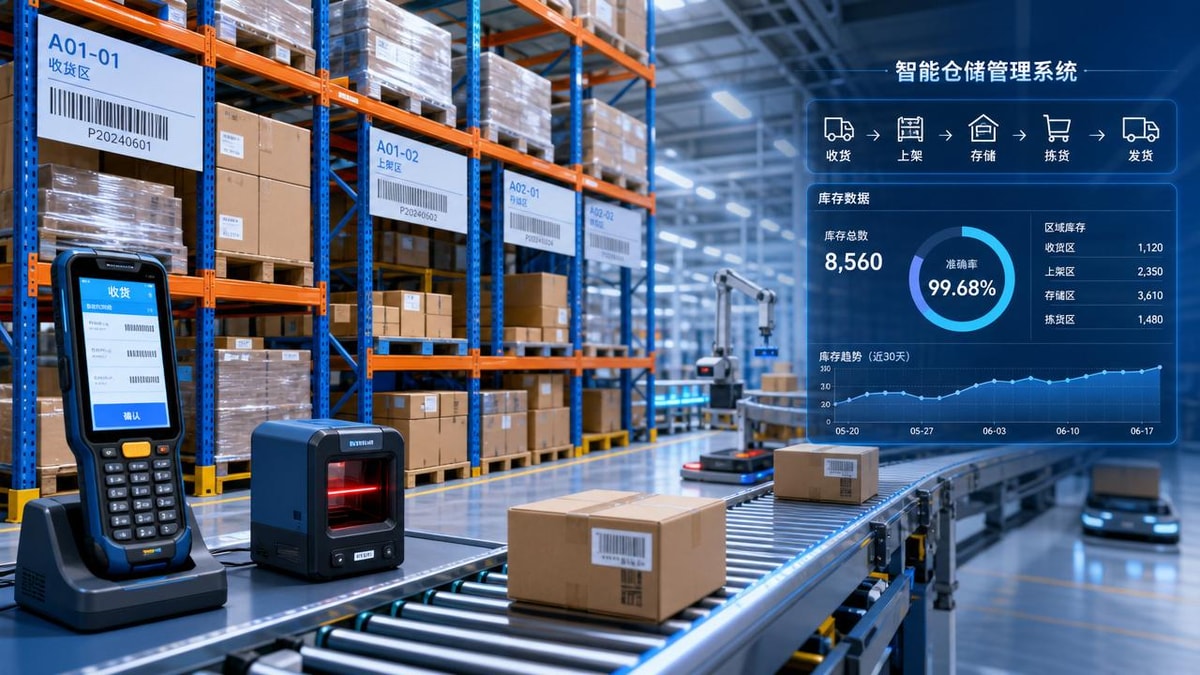
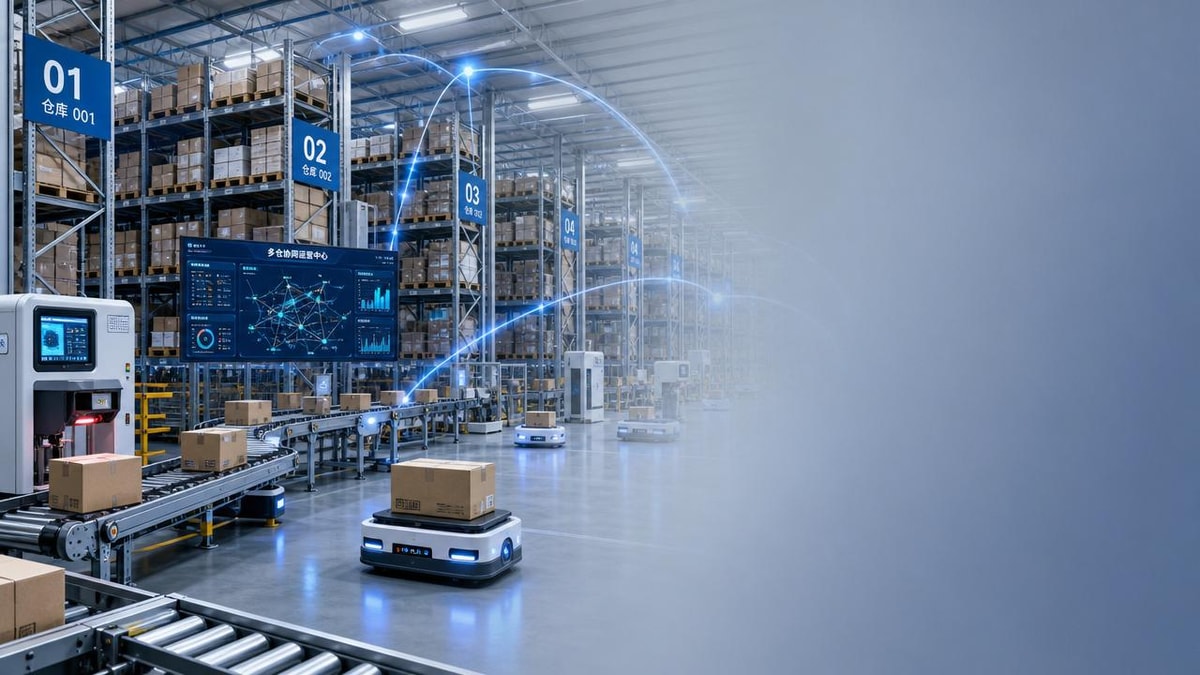
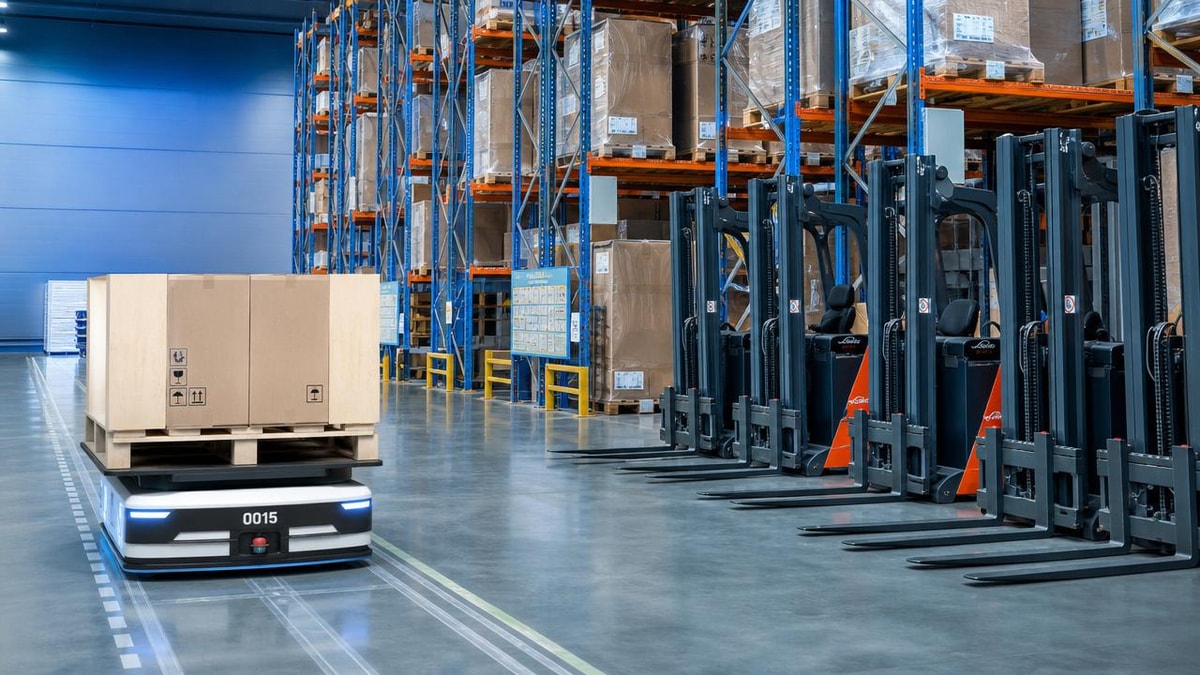
AGV robots, on the other hand, are automated guided vehicles that transport goods along pre-defined routes or system-managed paths. Depending on the solution, they may rely on magnetic strips, QR markers, lasers, LiDAR, cameras, or navigation software. Their advantage is consistency. AGV robots do not get distracted, they follow mission logic, and they can synchronize with warehouse management systems, manufacturing execution systems, or supply chain software to create steady material flow.
The practical difference is this: forklifts are more dynamic in uncertain environments, while AGV robots are stronger in structured movement. If your warehouse depends on repetitive pallet transfers from receiving to buffer zones, staging to production lines, or finished goods to dispatch lanes, AGV robots can reduce variability. If your site constantly reshuffles storage patterns, handles irregular loads, or runs many ad hoc tasks, forklifts may still deliver superior responsiveness.
Which option fits busy warehouses better when throughput is the top priority?
The short answer is: it depends on what creates your bottleneck. Throughput is not only about how fast a vehicle moves. It is about how reliably inventory travels through the entire process, how often delays occur, and how much manual coordination is required. Many busy warehouses assume forklifts win because they can move quickly and handle diverse tasks. In some cases, that is true. But in operations where repeatable transfers dominate, AGV robots can improve throughput by removing waiting time, driver inconsistency, and traffic conflicts.
For example, in facilities with fixed replenishment routes, repetitive pallet shuttling, or line-side delivery, AGV robots often perform better over time because they keep moving according to schedule. They do not depend on shift availability in the same way as forklifts, and they can operate with measurable task timing. That predictability can help warehouse managers smooth peak periods rather than react to them.
However, if throughput pressure comes from variability rather than volume, forklifts may be more efficient. A skilled operator can prioritize urgent moves, reroute instantly, and solve exceptions on the spot. AGV robots are less effective when workflows are poorly standardized, pallet quality is inconsistent, or aisle usage changes constantly. In those environments, automation may create friction unless the process is redesigned first.
Enterprise leaders should therefore define throughput carefully. If the goal is stable, high-frequency movement in a controlled environment, AGV robots often fit better. If the goal is flexible response across changing tasks, forklifts may remain the stronger choice.
How do AGV robots and forklifts compare on safety, labor, and compliance?
Safety is one of the strongest reasons companies explore AGV robots. In busy warehouses, forklift accidents can involve collisions, load drops, pedestrian incidents, and rack damage. Even with strong operator training, the risk cannot be fully eliminated because human attention varies under pressure. AGV robots support safer movement by following defined rules, controlled speeds, and monitored routes. Many systems include obstacle detection, emergency stop logic, and traffic management functions that reduce the probability of sudden impact.
That said, AGV robots do not remove safety responsibility. They require disciplined layout design, pedestrian segregation where possible, clear floor conditions, and reliable system monitoring. A poorly planned automation project can introduce new risks, especially where humans and automated vehicles interact in narrow spaces. Safety benefits come from the full operating model, not from the machine alone.
From a labor perspective, forklifts require licensed or trained operators, and labor shortages can create immediate capacity issues. AGV robots reduce dependence on repetitive driving labor and can help reassign workers toward supervision, exception handling, quality checks, or higher-value logistics tasks. For companies facing turnover, wage inflation, or multi-shift staffing gaps, this can be a major strategic advantage.
Compliance also enters the discussion. Operations in healthcare technology, smart electronics, advanced manufacturing, or other tightly controlled sectors often need better traceability and process discipline. AGV robots can support that by generating clearer task data and integrating with digital records. Forklifts can still meet compliance standards, but they usually rely more on operator discipline and supplemental scanning or tracking workflows.
What does the real cost comparison look like beyond purchase price?
Many procurement teams make the mistake of comparing only acquisition cost. Forklifts usually appear cheaper upfront, especially if the warehouse already has charging infrastructure, operator programs, and maintenance relationships. AGV robots often involve higher initial investment because the project may include navigation technology, fleet software, mapping, systems integration, testing, and site adaptation.
But a serious business case should examine total cost of ownership across several years. That means evaluating labor costs, shift coverage, energy use, fleet utilization, maintenance patterns, accident exposure, damage rates, software support, and process downtime. In repetitive workflows with enough task volume, AGV robots can deliver attractive returns because they reduce recurring labor dependency and support more stable output. In lower-volume or highly variable environments, the payback may be slower or less convincing.
Leaders should also account for hidden costs on both sides. Forklift-heavy environments may absorb costs through injuries, product damage, congestion, retraining, or overtime. AGV robots may require layout changes, stronger IT coordination, and more disciplined master data. The better investment is the one that fits process maturity, not simply the lower quote.
Quick comparison table for enterprise evaluation
What are the most common mistakes companies make when choosing AGV robots?
The first mistake is automating unstable processes. If receiving rules are inconsistent, pallet dimensions vary widely, floor markings are poor, or inventory discipline is weak, AGV robots may expose those weaknesses rather than solve them. Automation works best after basic process control is established.
The second mistake is assuming AGV robots should replace every forklift task. In reality, many successful warehouses use a hybrid model. AGV robots handle fixed-route transport and repetitive replenishment, while forklifts remain available for exceptions, special loads, or urgent manual interventions. This blended approach often produces the best balance between efficiency and flexibility.
A third mistake is underestimating change management. AGV robots affect traffic rules, labor roles, maintenance routines, and software coordination. Teams need training not only on operation, but also on escalation procedures, battery management, safety zones, and performance metrics. Buying the technology is easier than embedding it into daily execution.
Finally, some companies focus too much on vendor claims and too little on site-level evidence. Pilot data, process maps, congestion analysis, and SKU movement patterns should drive the decision. For enterprise buyers, authority comes from operational fit, not presentation quality.
How should an enterprise decision-maker judge whether AGV robots are the right fit?
A practical evaluation starts with workflow segmentation. Do not ask whether AGV robots are good for the whole warehouse. Ask which movement categories are repetitive, measurable, and suitable for automation. Typical candidates include pallet transfer from inbound to storage buffers, scheduled replenishment, production feeding, and movement between fixed zones.
Next, review the physical environment. Are aisles stable? Is floor quality acceptable? Are loads standardized enough for reliable pickup and drop-off? Can human and vehicle traffic be governed clearly? AGV robots perform best in environments that support controlled navigation and repeatable interfaces.
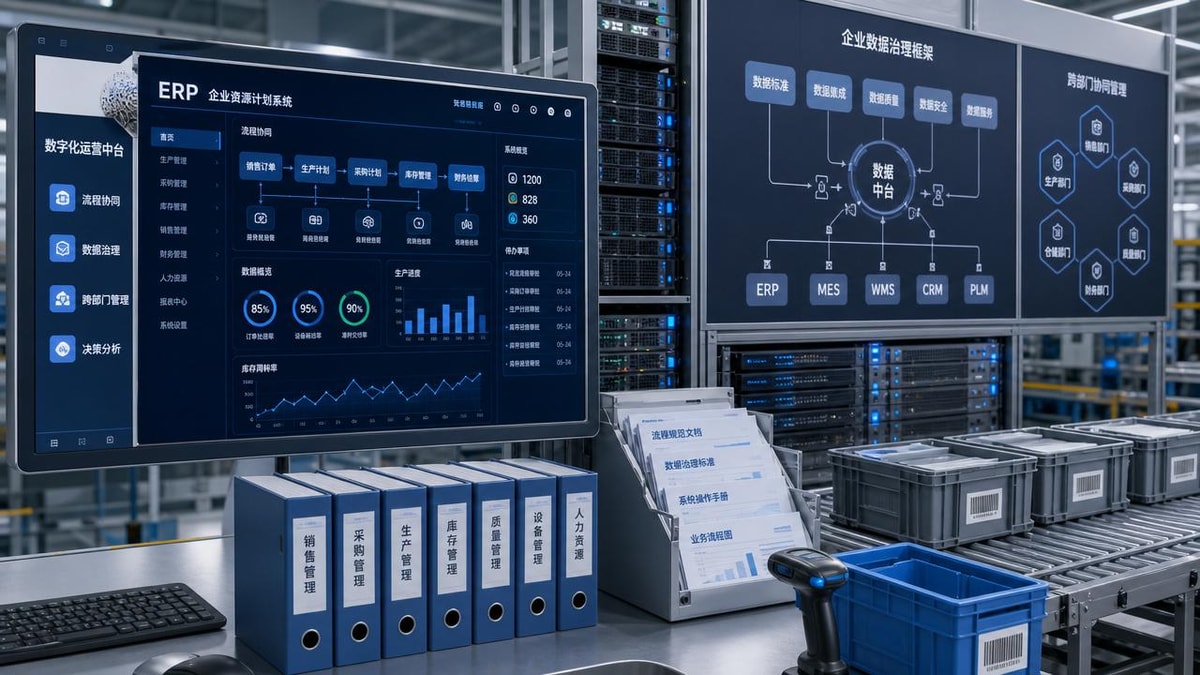
Then assess digital readiness. If your warehouse management and supply chain systems already support task visibility and operational data capture, AGV robots can create much more value. If system maturity is low, implementation may still work, but integration planning becomes more critical.
It is also wise to define success metrics early. These may include labor hours saved, pallet moves per hour, reduction in damage incidents, improvement in order cycle consistency, or higher uptime across shifts. A good investment case for AGV robots should connect directly to measurable business outcomes, not only to innovation goals.
So, should busy warehouses choose AGV robots or forklifts?
Busy warehouses should not frame this as a simple winner-takes-all decision. AGV robots are often the better choice where the operation values predictable flow, repeatable tasks, labor resilience, safety consistency, and scalable automation. Forklifts are often the better fit where flexibility, varied handling, and rapid human judgment remain central to performance.
For many enterprise operations, the smartest answer is selective deployment. Use AGV robots where standardization is high and repetitive transport consumes labor. Keep forklifts where exceptions, unusual loads, or dynamic decision-making are unavoidable. That approach aligns investment with operational reality and reduces the risk of over-automation or under-performance.
If you need to confirm a practical direction, start by discussing a few priority questions: which internal routes are most repetitive, where labor shortages create the biggest service risk, what safety incidents or damage patterns are most costly, how ready your systems are for integration, and what payback period leadership expects. Those questions will clarify whether AGV robots, forklifts, or a hybrid fleet best support your warehouse strategy. For decision-makers seeking deeper market insight, benchmarking, or supplier intelligence across advanced logistics technologies, a specialized platform such as TradeNexus Pro can help turn equipment comparison into a stronger long-term supply chain decision.
Get weekly intelligence in your inbox.
No noise. No sponsored content. Pure intelligence.
 May 05, 2026Inventory management systems that fix stock errors at the sourceInventory management systems that fix stock errors at the source
 May 05, 2026Medical disposables sourcing gets risky when prices drop too fastMedical disposables sourcing gets risky when prices drop too fast
 May 05, 2026Supply Chain Management gaps that create hidden inventory costsSupply Chain Management gaps that create hidden inventory costs
 May 05, 2026Why ERP software rollouts fail even with strong vendor supportWhy ERP software rollouts fail even with strong vendor support
 May 05, 2026Patient monitors: which features actually improve bedside responsePatient monitors: which features actually improve bedside response
 May 05, 2026Medical PPE shortages are easing, but quality gaps remainMedical PPE shortages are easing, but quality gaps remain
 May 05, 2026Portable oxygen concentrators: what matters beyond battery lifePortable oxygen concentrators: what matters beyond battery life
 May 05, 2026Medical diagnostic equipment buying mistakes that cost more laterMedical diagnostic equipment buying mistakes that cost more later
 May 05, 2026Cold chain logistics failures often start before transitCold chain logistics failures often start before transit
 May 05, 2026Hydrogen energy projects face one cost issue few plan forHydrogen energy projects face one cost issue few plan for
 May 05, 2026Digital Footprint risks that grow when suppliers scale fastDigital Footprint risks that grow when suppliers scale fast
 May 05, 2026Cross border ecommerce fulfillment problems that hurt repeat salesCross border ecommerce fulfillment problems that hurt repeat sales
 May 05, 2026N95 respirators: why fit matters more than many expectN95 respirators: why fit matters more than many expect
 May 05, 2026Ultrasound machines: when image quality and workflow clashUltrasound machines: when image quality and workflow clash
 May 05, 2026LED displays for retail spaces: brightness is not the only issueLED displays for retail spaces: brightness is not the only issue
 May 05, 2026What to check before placing wheelchairs wholesale ordersWhat to check before placing wheelchairs wholesale orders
 May 05, 2026Freight forwarding services that help avoid customs delaysFreight forwarding services that help avoid customs delays
 May 05, 2026Aesthetic lasers: the difference between power and precisionAesthetic lasers: the difference between power and precision
 May 05, 2026How rehabilitation equipment choices affect recovery routinesHow rehabilitation equipment choices affect recovery routines
 May 05, 2026Robot vacuum cleaners with mapping: what changes in daily useRobot vacuum cleaners with mapping: what changes in daily use
 May 05, 2026Where logistics drones make sense and where they still do notWhere logistics drones make sense and where they still do not
 May 05, 2026B2B SaaS solutions that reduce manual trade workflowsB2B SaaS solutions that reduce manual trade workflows
 May 05, 2026What makes 3PL logistics performance hard to measure fairlyWhat makes 3PL logistics performance hard to measure fairly
 May 05, 2026Shipping rates are shifting again: what costs are easy to missShipping rates are shifting again: what costs are easy to miss
 May 05, 2026Trade Leaders in 2026: what will separate winners from the restTrade Leaders in 2026: what will separate winners from the rest
 May 05, 2026Why smart warehousing projects stall after the pilot stageWhy smart warehousing projects stall after the pilot stage
 May 05, 2026AGV robots or forklifts: which fits busy warehouses better?AGV robots or forklifts: which fits busy warehouses better?