Cold chain logistics failures often start before transit
Cold chain logistics failures rarely begin on the road—they often start with weak temperature protocols, poor handling discipline, and gaps in quality oversight long before shipment. For quality control and safety managers, identifying these hidden breakdown points is essential to protecting product integrity, reducing compliance risk, and preventing costly disruptions across sensitive supply chains.
Why pre-transit risk matters more than many cold chain teams expect
In many organizations, cold chain logistics is treated as a transport issue: Was the truck refrigerated, did the data logger work, and did the carrier arrive on time? That view is too narrow. For quality control personnel and safety managers, the most expensive failures often emerge before loading begins. A product may already be warming during staging, packed in the wrong sequence, released without validated temperature criteria, or handled by teams that do not understand dwell-time limits. By the time the shipment enters transit, the failure has already been set in motion.
This is especially important because different business scenarios create different failure paths. A vaccine transfer, a seafood export batch, a specialty chemical sample movement, and a meal-kit distribution launch may all use cold chain logistics, but the control points are not identical. The required reaction time, documentation depth, packaging resilience, and handoff discipline vary sharply. That is why quality leaders should assess cold chain logistics by scenario, not by generic policy alone.
The strongest programs define risk upstream: product sensitivity, loading conditions, warehouse behavior, monitoring accountability, and escalation criteria. When these controls are designed around real operating situations, compliance improves and preventable losses decline.
Where cold chain logistics failures usually begin before shipping
Before reviewing specific applications, it helps to identify the recurring pre-transit breakdown points that cut across industries. These are the weak links quality and safety teams should audit first:
- Unclear temperature acceptance ranges between production, quality, and logistics teams.
- Packaging selected for cost or convenience rather than route duration, ambient exposure, and handling intensity.
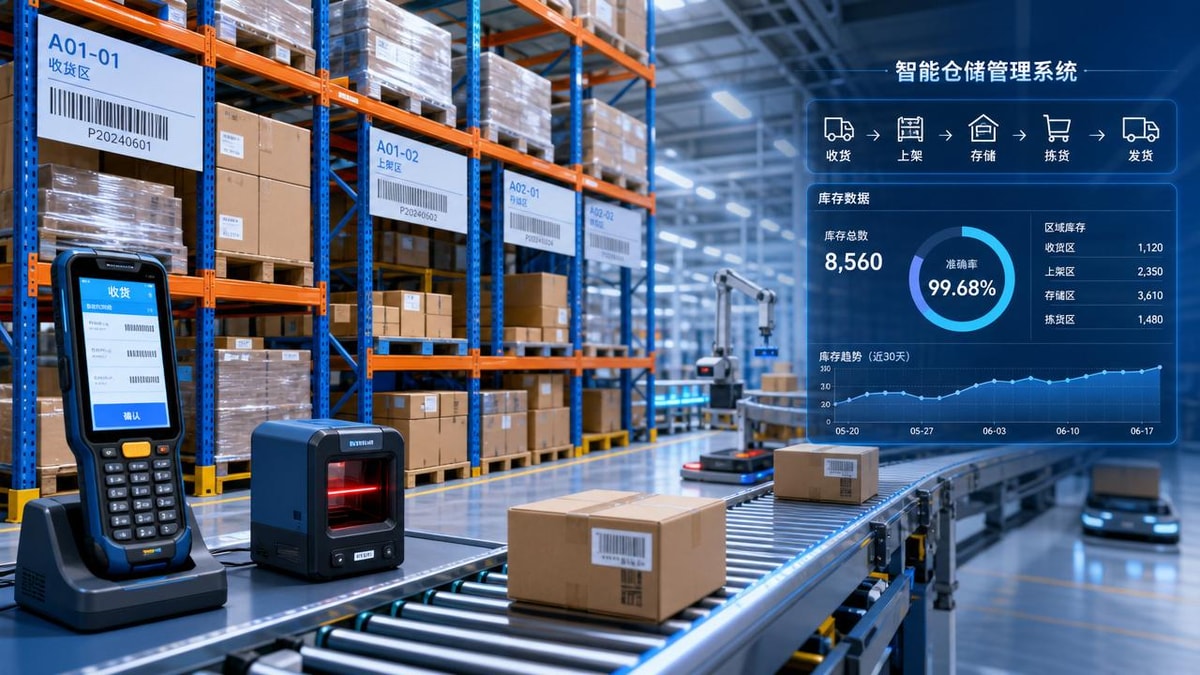
- Staging delays at docks, inspection areas, or cross-functional release points.
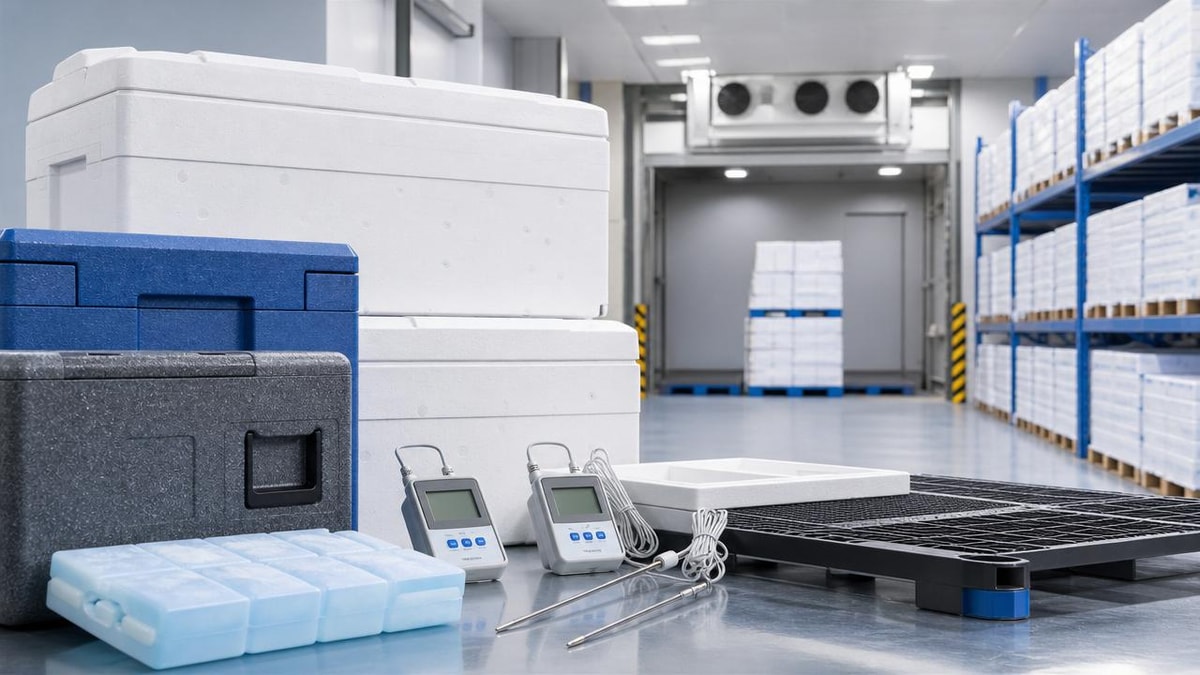
- Improper pre-conditioning of gel packs, phase-change materials, or insulated containers.
- Missing calibration checks for sensors, probes, and monitoring devices.
- Poor documentation of excursion response responsibilities before dispatch.
- Training gaps among warehouse staff, temporary labor, or outsourced handlers.
These issues are common because they sit between departments. No single team fully owns them unless management explicitly assigns responsibility. In practical cold chain logistics management, the handoff zone is often the true risk zone.
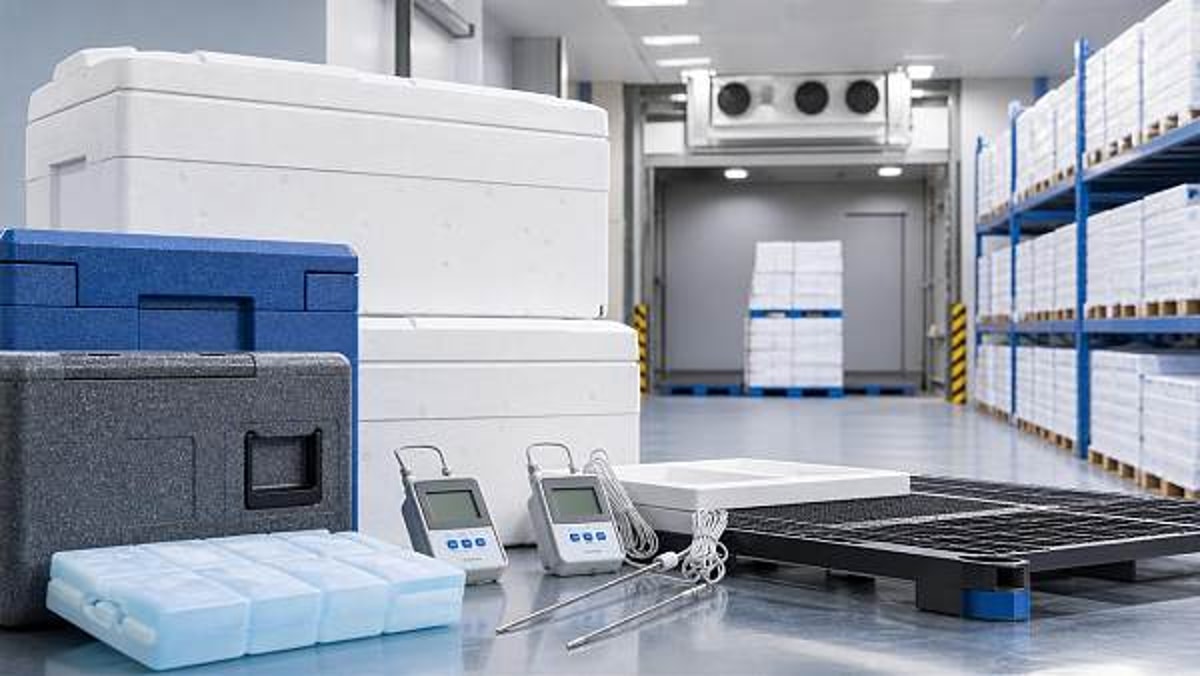
Scenario comparison: the same cold chain process does not fit every operation
Quality control and safety managers should start with a simple question: what kind of failure would hurt this product most before transit begins? The answer changes by application scenario.
Scenario 1: healthcare and pharma require release discipline, not just refrigerated transport
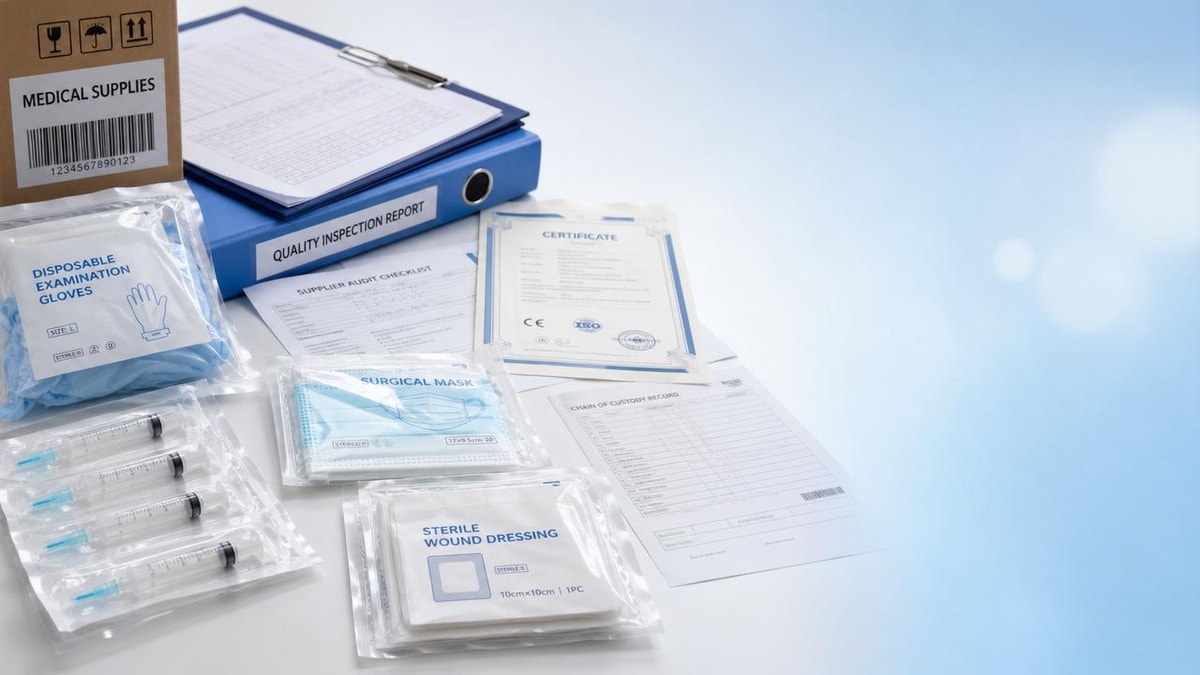
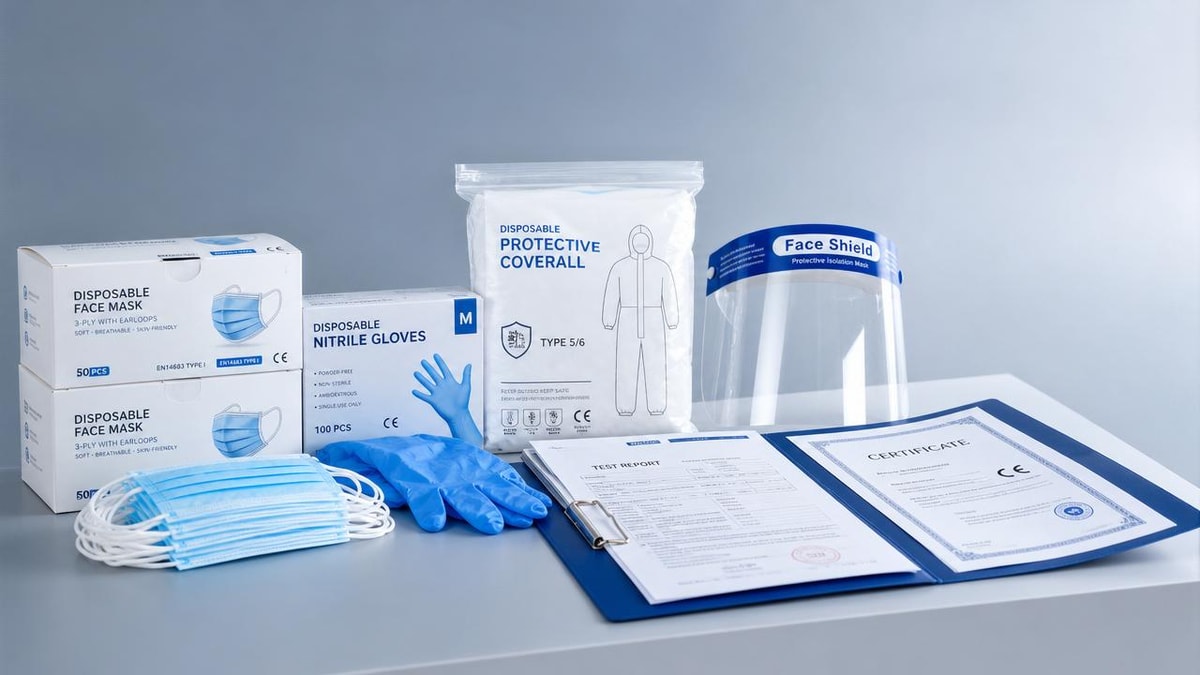
In healthcare technology, biopharma, and temperature-sensitive medical supply flows, cold chain logistics must begin with validated release behavior. The product may be highly sensitive to even short excursions, and documentation standards are usually stricter than in other sectors. Here, the biggest upstream risk is not always a broken reefer unit; it is an uncontrolled waiting period between final quality approval and physical loading.
For this scenario, quality teams should focus on pack-out validation under realistic environmental conditions, exact logger placement, approved dwell-time windows, and escalation paths when dispatch is delayed. Safety managers should also verify that personnel understand how long a pallet, tote, or shipper can remain exposed during inspection, relabeling, or customs preparation. In healthcare-related cold chain logistics, an undocumented exception can become both a product risk and a compliance event.
This scenario is suitable for high-control workflows with strong SOP governance, but it demands caution when multiple third parties handle packaging or release approval. The more nodes involved before transit, the greater the need for a single quality authority.
Scenario 2: fresh food operations fail when product condition is assumed instead of measured
In fresh produce, chilled proteins, seafood, and dairy operations, cold chain logistics often breaks down because teams verify equipment conditions but not product conditions. A loading bay can be cold, a vehicle can be pre-cooled, and insulated packaging can appear acceptable—yet the product itself may have warmed during processing, grading, or temporary storage.
In this application, the right quality question is simple: what was the actual product temperature when it entered the shipping configuration? Safety managers should also evaluate sanitation timing, condensation control, and dock congestion, because hygiene and temperature risks often interact. A well-run fresh food cold chain logistics program measures core temperature, limits pre-load waiting time, and separates hold areas for approved versus pending lots.
This scenario works best when warehouses can support rapid turnover and disciplined first-in-first-out execution. It becomes risky when order batching, labor shortages, or export paperwork create long staging periods.
Scenario 3: e-commerce meal kits and mixed-SKU distribution need packaging logic by lane, season, and order profile
Not all cold chain logistics moves through pallets and truckloads. In direct-to-consumer food delivery and mixed-SKU fulfillment, the major pre-transit failure point is pack inconsistency. The same assembly line may process different box sizes, proteins, vegetables, dairy items, and destination zones in rapid sequence. If the pack-out model is not tied to lane duration and ambient risk, some boxes will be underprotected before they even leave the facility.
For this scenario, QC teams should assess whether packaging instructions change by geography, season, and carrier cut-off time. Safety managers should review how temporary staff are trained to place coolants, avoid puncture damage, and separate frozen and chilled contents. A scalable cold chain logistics design for this environment is modular, clearly visualized, and easy to inspect at line speed.
This scenario is a good fit for standardized digital work instructions and image-based verification. It is a poor fit for operations that still depend on verbal instructions, tribal knowledge, or last-minute substitutions without quality review.
Scenario 4: lab samples and diagnostics depend on time control as much as temperature control
For laboratory samples, biologic materials, and diagnostic kits, cold chain logistics is often misunderstood as a pure temperature challenge. In reality, elapsed time, labeling integrity, and chain of custody may be equally critical. A sample that remains within temperature range but exceeds its viability window can still become unusable.
In this scenario, quality managers should verify timestamp discipline at collection, handoff, packaging, and dispatch. Safety teams should ensure that emergency routing rules are defined before shipment, not after a delay occurs. Pre-transit controls should include barcode accuracy checks, backup materials, and clear go/no-go criteria for late release. Effective cold chain logistics here means controlling total process exposure, not just cooling performance.
How demand differences change what each facility should prioritize
Even within the same company, facilities may need different cold chain logistics priorities. A high-volume export center and a low-volume specialty fulfillment site should not be audited with identical emphasis.
- High-volume sites: prioritize dock flow, staging control, labor training consistency, and real-time exception alerts.
- Low-volume high-value sites: prioritize validation rigor, documentation completeness, and release authorization quality.
- Multi-client 3PL environments: prioritize ownership clarity, segregation rules, and contract-based temperature accountability.
- Cross-border operations: prioritize customs delay planning, secondary packaging resilience, and excursion response authority.
This is where strategic platforms such as TradeNexus Pro become useful to decision-makers. For procurement directors, supply chain leaders, and technical quality stakeholders, scenario-based intelligence is more valuable than broad logistics commentary because it connects operational choices to real sector-specific risk patterns.
Common cold chain logistics misjudgments that quality and safety teams should challenge
Several assumptions repeatedly weaken upstream controls:
- “If the truck is compliant, the shipment is protected.” In reality, pre-load exposure may already have compromised it.
- “One SOP works for all products.” Different temperature sensitivity and hold-time tolerance require different controls.
- “Monitoring starts at departure.” Good cold chain logistics starts when the product enters the shipping preparation process.
- “Packaging vendors own the thermal risk.” Internal handling behavior often determines whether packaging performs as intended.
- “A deviation can be reviewed later.” In safety-critical scenarios, delayed response may destroy both evidence and product value.
A practical fit-check before you approve any cold chain shipment process
Before approving or revising a cold chain logistics workflow, quality control and safety managers can use a simple fit-check:
- Define the product’s actual risk profile, including time sensitivity, not just storage temperature.
- Map every pre-transit touchpoint from release to loading.
- Validate packaging under realistic site and route conditions.
- Assign excursion ownership across departments and partners.
- Train handlers with scenario-specific instructions, not generic awareness slides.
- Review data from near-misses, staging delays, and rejected lots for hidden patterns.
If any of these steps are weak, the cold chain logistics design is probably vulnerable before transit starts.
FAQ: scenario-based questions teams often ask
Which scenario needs the strictest upstream controls?
Healthcare, diagnostics, and high-value biologic products typically need the strictest pre-transit controls because short exposures can trigger both product loss and regulatory consequences.
Is food cold chain logistics mainly a transportation issue?
No. In many food scenarios, product temperature at loading, sanitation timing, and staging discipline matter as much as carrier refrigeration performance.
How can a safety manager quickly identify hidden pre-transit risk?
Observe a live shipment preparation cycle. Look for waiting time, uncontrolled handling, inconsistent packaging, and unclear decision ownership when delays occur.
Turning cold chain logistics into a preventive quality system
The most resilient cold chain logistics programs are not built around transport alone. They are built around application scenarios, real handling behavior, and early intervention points. For quality control and safety managers, the key is to stop asking only whether the shipment stayed cold in transit and start asking whether the process was stable before departure.
If your operation spans food, healthcare technology, advanced manufacturing inputs, or specialized distribution models, scenario-based review is the fastest way to find hidden weaknesses. Start with the pre-transit conditions that your facility controls directly, compare them against the demands of your actual shipment profiles, and tighten the handoff points where product integrity is most often lost. That is where stronger cold chain logistics performance begins.
Get weekly intelligence in your inbox.
No noise. No sponsored content. Pure intelligence.
 May 05, 2026Inventory management systems that fix stock errors at the sourceInventory management systems that fix stock errors at the source
 May 05, 2026Medical disposables sourcing gets risky when prices drop too fastMedical disposables sourcing gets risky when prices drop too fast
 May 05, 2026Supply Chain Management gaps that create hidden inventory costsSupply Chain Management gaps that create hidden inventory costs
 May 05, 2026Why ERP software rollouts fail even with strong vendor supportWhy ERP software rollouts fail even with strong vendor support
 May 05, 2026Patient monitors: which features actually improve bedside responsePatient monitors: which features actually improve bedside response
 May 05, 2026Medical PPE shortages are easing, but quality gaps remainMedical PPE shortages are easing, but quality gaps remain
 May 05, 2026Portable oxygen concentrators: what matters beyond battery lifePortable oxygen concentrators: what matters beyond battery life
 May 05, 2026Medical diagnostic equipment buying mistakes that cost more laterMedical diagnostic equipment buying mistakes that cost more later
 May 05, 2026Cold chain logistics failures often start before transitCold chain logistics failures often start before transit
 May 05, 2026Hydrogen energy projects face one cost issue few plan forHydrogen energy projects face one cost issue few plan for
 May 05, 2026Digital Footprint risks that grow when suppliers scale fastDigital Footprint risks that grow when suppliers scale fast
 May 05, 2026Cross border ecommerce fulfillment problems that hurt repeat salesCross border ecommerce fulfillment problems that hurt repeat sales
 May 05, 2026N95 respirators: why fit matters more than many expectN95 respirators: why fit matters more than many expect
 May 05, 2026Ultrasound machines: when image quality and workflow clashUltrasound machines: when image quality and workflow clash
 May 05, 2026LED displays for retail spaces: brightness is not the only issueLED displays for retail spaces: brightness is not the only issue
 May 05, 2026What to check before placing wheelchairs wholesale ordersWhat to check before placing wheelchairs wholesale orders
 May 05, 2026Freight forwarding services that help avoid customs delaysFreight forwarding services that help avoid customs delays
 May 05, 2026Aesthetic lasers: the difference between power and precisionAesthetic lasers: the difference between power and precision
 May 05, 2026How rehabilitation equipment choices affect recovery routinesHow rehabilitation equipment choices affect recovery routines
 May 05, 2026Robot vacuum cleaners with mapping: what changes in daily useRobot vacuum cleaners with mapping: what changes in daily use
 May 05, 2026Where logistics drones make sense and where they still do notWhere logistics drones make sense and where they still do not
 May 05, 2026B2B SaaS solutions that reduce manual trade workflowsB2B SaaS solutions that reduce manual trade workflows
 May 05, 2026What makes 3PL logistics performance hard to measure fairlyWhat makes 3PL logistics performance hard to measure fairly
 May 05, 2026Shipping rates are shifting again: what costs are easy to missShipping rates are shifting again: what costs are easy to miss
 May 05, 2026Trade Leaders in 2026: what will separate winners from the restTrade Leaders in 2026: what will separate winners from the rest
 May 05, 2026Why smart warehousing projects stall after the pilot stageWhy smart warehousing projects stall after the pilot stage
 May 05, 2026AGV robots or forklifts: which fits busy warehouses better?AGV robots or forklifts: which fits busy warehouses better?