Portable oxygen concentrators: what matters beyond battery life
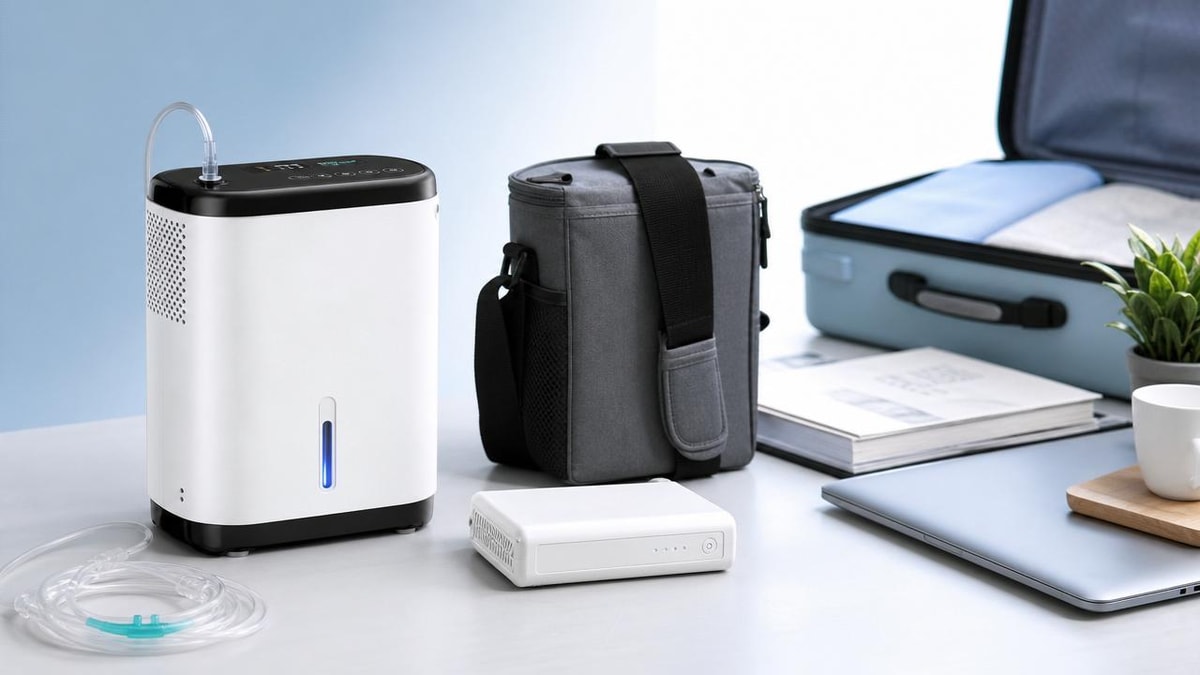
When comparing portable oxygen concentrators, battery life is only part of the story. Comfort, oxygen delivery consistency, noise level, portability, maintenance, and daily usability can make a far bigger difference in real-life use. This guide explores the features that truly matter so consumers can choose a device that fits both medical needs and lifestyle.
A checklist-based approach is the smartest way to evaluate portable oxygen concentrators because these devices are used in real-world conditions, not in ideal showroom settings. A model that looks impressive on paper may feel heavy after an hour, sound too loud in a quiet room, or fail to match your prescribed oxygen needs during walking or sleep. Instead of focusing on a single feature, consumers should compare several practical decision points in a structured way.
Start here: the first questions to answer before comparing models
Before reviewing brands or prices, confirm the basics that determine whether a device is even suitable. Portable oxygen concentrators are not one-size-fits-all products. The right choice depends on prescription details, daily routine, strength, travel habits, and comfort expectations. This first-step screening helps narrow the field quickly and prevents expensive mistakes.
- Check your oxygen prescription carefully. Find out whether you need pulse dose, continuous flow, or both, and whether your needs change during exercise, rest, or sleep.
- List where you will use the device most: at home, in the car, on flights, while shopping, during light walking, or for longer outdoor periods.
- Consider how much weight you can comfortably carry on your shoulder, in a backpack, or on a small cart.
- Think about your tolerance for noise, especially if you spend time in libraries, offices, restaurants, or quiet bedrooms.
- Ask how often you are willing and able to clean filters, charge batteries, and monitor alarms.
- Set a total ownership budget, including spare batteries, accessories, service support, and replacement parts.
Once these answers are clear, it becomes much easier to compare portable oxygen concentrators using meaningful criteria instead of marketing claims.
Core checklist: what matters beyond battery life
1. Oxygen delivery must match real activity, not just rest
This is the most important check. Some portable oxygen concentrators perform well when a user is sitting still but may not keep up during walking, climbing stairs, or recovering from exertion. The question is not simply how many settings a unit has, but whether the delivery system can maintain adequate oxygen saturation during your normal routine. If you are active, ask your clinician or supplier about testing while moving, not only while seated.
2. Weight and carrying style affect daily independence
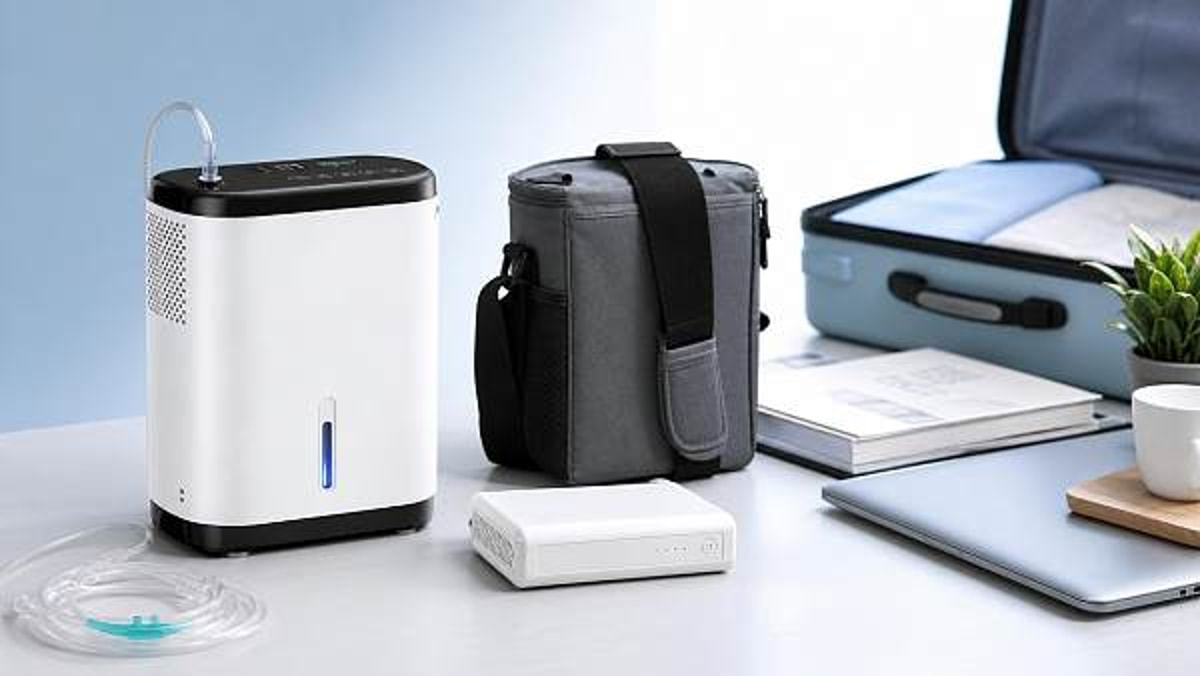
A portable device only helps if it is truly manageable. Compare total carry weight, including battery and cannula. Also evaluate how the unit is worn. A shoulder bag may feel uneven after a while, while a backpack may distribute weight better. For some users, a wheeled cart reduces strain but adds inconvenience on stairs or crowded transport. The best portable oxygen concentrators are not just light; they fit your body and routine.
3. Noise level shapes comfort more than many buyers expect
Noise can become a daily frustration. Compressor cycling, pulse bursts, and fan sound vary by model. A device that seems acceptable in a clinic may feel disruptive in a quiet living room, during phone calls, or at night. If possible, ask to hear the device in a calm environment. For users sensitive to sound, this can be a deciding factor between two otherwise similar portable oxygen concentrators.
4. Size and shape matter for travel and storage
Portability is more than pounds or kilograms. A compact shape may slide easily under an airplane seat or fit beside you in a car, while a bulky design can be awkward even if the official weight is low. Check dimensions, handle position, vent placement, and whether the device can stand securely upright. These details affect convenience every day.
5. Ease of use is essential for confidence and safety
Controls should be easy to understand, especially for older adults or anyone with reduced vision or hand strength. Look for clear displays, readable battery indicators, intuitive buttons, and alarms that are noticeable without being overwhelming. The best portable oxygen concentrators support independence by reducing confusion during regular use.
6. Maintenance needs should fit your ability and routine
Some units require simple filter cleaning, while others may involve more frequent attention. Consumers often overlook how maintenance affects long-term satisfaction. If upkeep feels complicated, there is a higher chance of missed cleaning, reduced performance, or avoidable service issues. Choose a device with care requirements you can realistically manage.
7. Power flexibility often matters as much as battery duration
Battery life is important, but charging options can be just as valuable. Check whether the unit can run from AC power at home, DC power in a car, and external charging setups for spare batteries. Flexible power options make portable oxygen concentrators much easier to integrate into long outings, commuting, and travel days.
A practical comparison table for portable oxygen concentrators
Use this quick-reference table when comparing models side by side. It helps turn technical information into buying decisions that reflect daily life.
Different users should prioritize different features
Not all consumers should rank features the same way. The most suitable portable oxygen concentrators differ depending on lifestyle and physical condition. These scenario-based checks can help refine your shortlist.
For frequent travelers
Prioritize airline compatibility, compact dimensions, car charging options, and simple handling through security and boarding. Also check whether extra batteries are easy to carry and charge. In travel use, convenience and power flexibility often matter more than having the highest maximum setting.
For active users
Focus on oxygen responsiveness during motion, secure carrying comfort, and manageable weight. A unit that feels fine indoors may be frustrating on walks if it swings, slips, or feels too heavy after 20 minutes.
For mainly home-based users who still want portability
Noise level, ease of operation, and comfort during short errands may matter more than extreme compactness. These users often benefit from portable oxygen concentrators that transition smoothly between home power and occasional outside use.
For older adults or caregivers
Choose a model with straightforward controls, visible status indicators, and simple maintenance. If a caregiver will help with charging and cleaning, review those tasks before purchase. A reliable support process can be more important than small differences in advertised specifications.
Commonly overlooked issues that can affect satisfaction
- Testing only while seated. Real use includes movement, conversation, and routine activity.
- Ignoring carry comfort. Even a few extra pounds can feel significant over time.
- Underestimating noise. Daily irritation can reduce use confidence.
- Forgetting accessory costs. Extra batteries, bags, chargers, and replacement filters add up.
- Overlooking service access. Good technical support and warranty handling are part of value.
- Assuming all pulse dose systems feel the same. Breathing sensitivity and response can differ.
A step-by-step buying checklist you can actually use
If you want a simple way to move from research to decision, use this order of evaluation:
- Confirm prescription requirements with a healthcare professional.
- Shortlist portable oxygen concentrators that meet oxygen delivery needs first.
- Compare weight, size, and carry style based on your strength and routine.
- Check noise level in a realistic environment.
- Review charging choices, spare battery options, and travel compatibility.
- Evaluate display clarity, controls, and alarm usability.
- Ask about filter care, service intervals, warranty, and support response.
- Calculate full ownership cost rather than purchase price alone.
FAQ about portable oxygen concentrators
Is the lightest model always the best?
No. A very light unit may offer fewer delivery options or less comfort in certain situations. The best choice balances weight with oxygen performance, usability, and reliability.
Are portable oxygen concentrators good for sleep?
Some are, some are not. Sleep suitability depends on your prescription and the device’s delivery method. This should always be confirmed with your clinician or equipment provider.
How important is after-sales support?
Very important. Even high-quality portable oxygen concentrators may need troubleshooting, replacement parts, or service guidance. Responsive support can reduce disruption and stress.
Final decision guide: what to confirm before you buy
The best portable oxygen concentrators are the ones that work reliably in your actual life, not just the ones with the longest battery claim. Before making a final decision, prioritize oxygen delivery accuracy, comfort, manageable weight, low enough noise, easy controls, realistic maintenance, and flexible power options. These are the factors most likely to shape long-term satisfaction.
If you need to move forward with more confidence, the most useful next step is to discuss a short list of questions: Does the device match your prescription in every activity level? How easy is it to carry for your body type? What support is available if performance issues appear? What accessories are truly necessary? By clarifying these points early, consumers can choose portable oxygen concentrators that fit both medical needs and everyday independence.
Get weekly intelligence in your inbox.
No noise. No sponsored content. Pure intelligence.
 May 05, 2026Inventory management systems that fix stock errors at the sourceInventory management systems that fix stock errors at the source
 May 05, 2026Medical disposables sourcing gets risky when prices drop too fastMedical disposables sourcing gets risky when prices drop too fast
 May 05, 2026Supply Chain Management gaps that create hidden inventory costsSupply Chain Management gaps that create hidden inventory costs
 May 05, 2026Why ERP software rollouts fail even with strong vendor supportWhy ERP software rollouts fail even with strong vendor support
 May 05, 2026Patient monitors: which features actually improve bedside responsePatient monitors: which features actually improve bedside response
 May 05, 2026Medical PPE shortages are easing, but quality gaps remainMedical PPE shortages are easing, but quality gaps remain
 May 05, 2026Portable oxygen concentrators: what matters beyond battery lifePortable oxygen concentrators: what matters beyond battery life
 May 05, 2026Medical diagnostic equipment buying mistakes that cost more laterMedical diagnostic equipment buying mistakes that cost more later
 May 05, 2026Cold chain logistics failures often start before transitCold chain logistics failures often start before transit
 May 05, 2026Hydrogen energy projects face one cost issue few plan forHydrogen energy projects face one cost issue few plan for
 May 05, 2026Digital Footprint risks that grow when suppliers scale fastDigital Footprint risks that grow when suppliers scale fast
 May 05, 2026Cross border ecommerce fulfillment problems that hurt repeat salesCross border ecommerce fulfillment problems that hurt repeat sales
 May 05, 2026N95 respirators: why fit matters more than many expectN95 respirators: why fit matters more than many expect
 May 05, 2026Ultrasound machines: when image quality and workflow clashUltrasound machines: when image quality and workflow clash
 May 05, 2026LED displays for retail spaces: brightness is not the only issueLED displays for retail spaces: brightness is not the only issue
 May 05, 2026What to check before placing wheelchairs wholesale ordersWhat to check before placing wheelchairs wholesale orders
 May 05, 2026Freight forwarding services that help avoid customs delaysFreight forwarding services that help avoid customs delays
 May 05, 2026Aesthetic lasers: the difference between power and precisionAesthetic lasers: the difference between power and precision
 May 05, 2026How rehabilitation equipment choices affect recovery routinesHow rehabilitation equipment choices affect recovery routines
 May 05, 2026Robot vacuum cleaners with mapping: what changes in daily useRobot vacuum cleaners with mapping: what changes in daily use
 May 05, 2026Where logistics drones make sense and where they still do notWhere logistics drones make sense and where they still do not
 May 05, 2026B2B SaaS solutions that reduce manual trade workflowsB2B SaaS solutions that reduce manual trade workflows
 May 05, 2026What makes 3PL logistics performance hard to measure fairlyWhat makes 3PL logistics performance hard to measure fairly
 May 05, 2026Shipping rates are shifting again: what costs are easy to missShipping rates are shifting again: what costs are easy to miss
 May 05, 2026Trade Leaders in 2026: what will separate winners from the restTrade Leaders in 2026: what will separate winners from the rest
 May 05, 2026Why smart warehousing projects stall after the pilot stageWhy smart warehousing projects stall after the pilot stage
 May 05, 2026AGV robots or forklifts: which fits busy warehouses better?AGV robots or forklifts: which fits busy warehouses better?