What Advanced Manufacturing Insights Should First-Time Exporters Know?
Entering an overseas market with an advanced manufacturing offer can feel deceptively straightforward: identify a buyer, send specifications, quote a price, and arrange shipment. In reality, global customers are rarely buying a machine, component, material, or production service in isolation. They are assessing whether a supplier can protect their production schedule, meet technical expectations repeatedly, document compliance, communicate clearly, and remain dependable when conditions change.
That is why the question, “What advanced manufacturing insights should first-time exporters pay attention to?” deserves more than a checklist of trade documents. New exporters need to understand how industrial buyers make decisions, what signals create confidence before a first order, and where apparently small gaps can become costly commercial risks.
For companies moving from domestic supply into international business, the most valuable insight is this: export readiness is not only about having a capable factory. It is about making that capability visible, verifiable, and relevant to the market being served.
Why advanced manufacturing exports are judged differently
In consumer trade, a buyer may be willing to test an unfamiliar product with a small order. In advanced manufacturing, the consequences of a poor purchasing decision can be much higher. A delayed precision part may halt assembly. An inconsistent alloy may affect product safety. A poorly documented automation unit may create commissioning problems at a customer’s site.
Buyers therefore look beyond the catalog. They ask practical questions: Can this manufacturer maintain tolerances at scale? Is the process stable across batches? Are replacement parts available? Who controls quality? Can the supplier explain technical trade-offs rather than simply repeat specifications?
First-time exporters should view every buyer interaction as a technical and operational evaluation. A polished quotation matters, but it cannot compensate for unclear drawings, vague lead times, incomplete inspection records, or an inability to explain how production quality is managed.
FAQ: What should exporters prove before they try to sell?
They should prove repeatability, not merely capability. A factory can often make one excellent sample under close supervision. International buyers need assurance that the same result can be delivered across production runs, shifts, raw-material lots, and future orders.
This is especially important in precision machining, specialty metals, industrial equipment, tooling, automated systems, electronics assemblies, and engineered components. A claim such as “high precision” is less persuasive than a clear explanation of the measurement process, critical tolerances, inspection points, calibration practices, and corrective-action procedure.
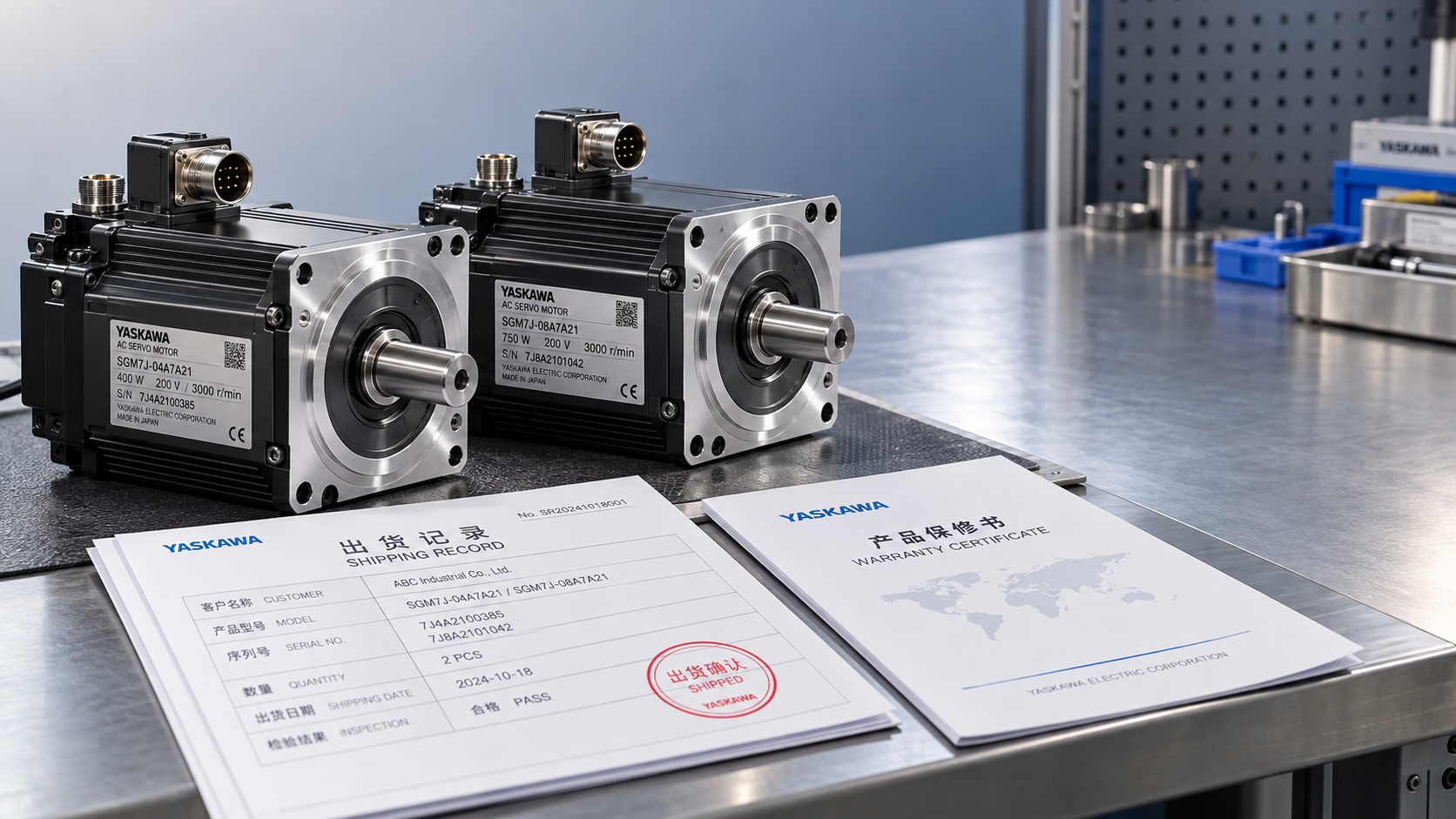
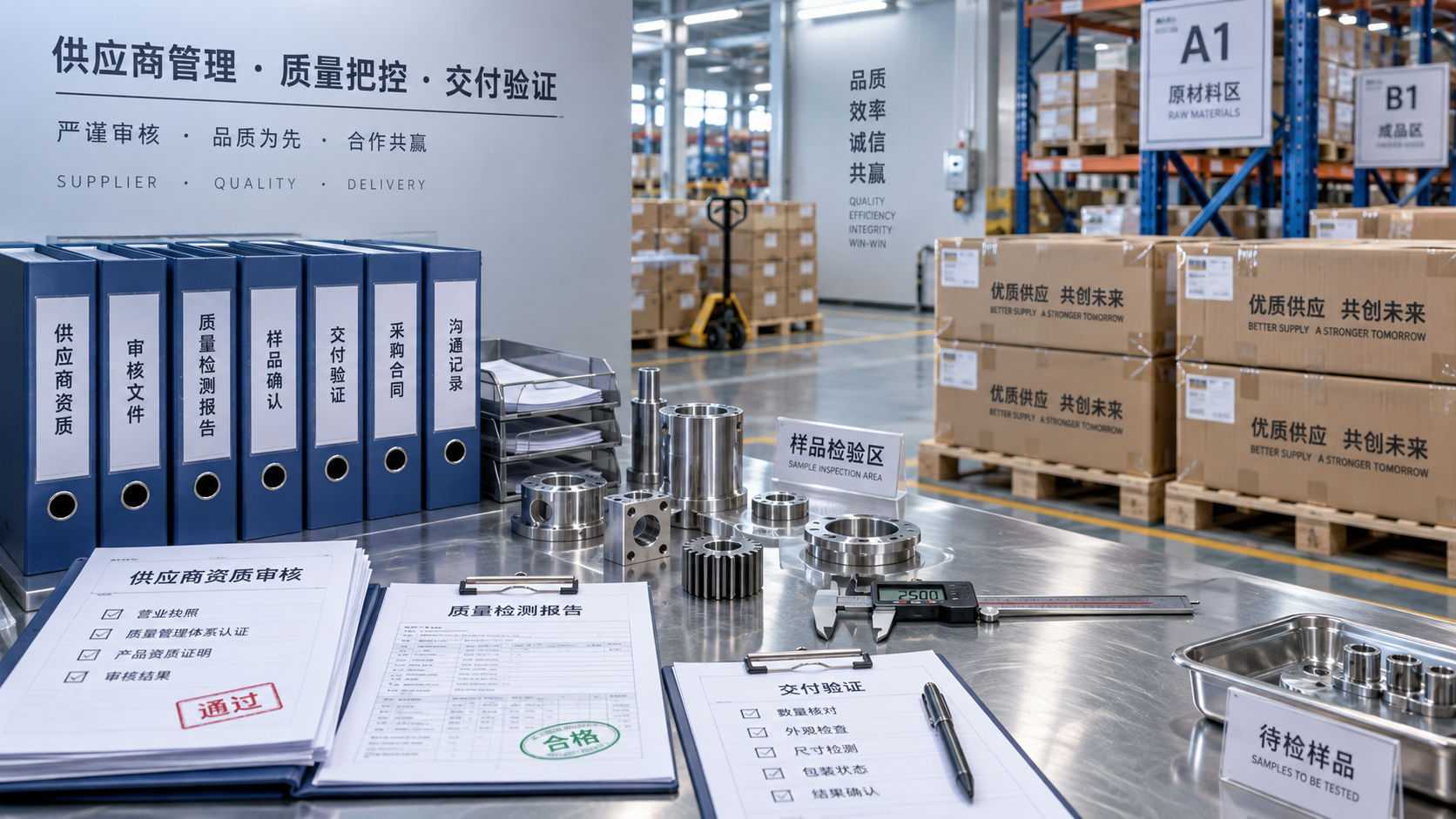
Useful evidence may include process flow diagrams, material traceability records, first-article inspection practices, dimensional reports, quality manuals, maintenance routines, and photographs or descriptions of relevant production equipment. Exporters do not need to overwhelm prospects with every internal document at the first contact. They do need to show that their operation is controlled rather than improvised.
A good rule is to prepare answers for three levels of buyer scrutiny:
- Commercial review: Can the company quote clearly, meet delivery expectations, and communicate in a professional manner?
- Technical review: Can it manufacture to the required drawing, material grade, functional requirement, or system interface?
- Risk review: Can it recover from supply disruption, nonconformity, engineering changes, or an urgent replacement need?
Many new exporters focus only on the second level. Yet procurement teams often reject suppliers because the first and third levels remain uncertain.
How important is automation readiness?
Automation is important, but it should not be treated as a marketing badge. Buyers do not automatically prefer the supplier with the most visible robots or the most ambitious smart-factory language. They want to know whether automation improves consistency, throughput, traceability, safety, or responsiveness for the product they are sourcing.
For example, automated inspection may strengthen confidence in a high-volume precision component. Digital production scheduling may help a supplier provide more realistic lead-time updates. Machine monitoring can support preventive maintenance and reduce unexpected downtime. On the other hand, a highly automated line may be less suitable for low-volume, high-mix orders unless the manufacturer can manage changeovers efficiently.
First-time exporters should describe their automation in operational terms. Instead of saying, “Our factory is fully intelligent,” explain how production data is captured, how work orders are tracked, where human approval remains necessary, and how the system supports the customer’s requirements.
This distinction matters because buyers are increasingly alert to exaggerated claims. They are looking for manufacturing maturity, not fashionable terminology.
FAQ: Which quality signals do overseas buyers trust most?
Specific, consistent, and accessible signals carry more weight than broad promises. Certifications can be useful where they apply to the market and product category, but certificates alone do not answer every buyer concern. A procurement manager may still ask how nonconforming goods are segregated, how subcontracted processes are controlled, or whether material certificates can be linked to finished batches.
Trust is built when the information supplied by sales, engineering, and quality teams tells the same story. If a website states one production capacity, a quotation suggests another, and the sales representative cannot explain the discrepancy, confidence falls quickly.
Exporters should make sure the following information is current and internally aligned:
- Core manufacturing processes and realistic capacity ranges
- Relevant material, component, or equipment standards
- Inspection and testing capabilities
- Traceability practices, where required by the application
- Packaging, preservation, and shipment-preparation procedures
- How engineering changes, complaints, and corrective actions are handled
It is also wise to distinguish between what the company performs in-house and what it manages through qualified external partners. Transparency is usually more valuable than trying to appear vertically integrated in every process. Buyers understand that heat treatment, surface finishing, testing, or specialist fabrication may be outsourced; what concerns them is a lack of control over those steps.
Why compliance should be considered before the first inquiry
Compliance is often discovered too late. A promising conversation can stall when a buyer asks for material declarations, product labeling, safety documentation, export-control information, technical files, or evidence of a market-specific requirement that the exporter has not yet considered.
The exact obligations vary by product, destination, end use, and industry. Medical technology, industrial electronics, energy equipment, machinery, and specialty materials may each face different expectations. Rather than making assumptions, exporters should map the likely requirements for their target markets before committing to a delivery date or specification.
This does not mean every company needs a large compliance department. It means someone must own the process of identifying applicable standards, maintaining documentation, coordinating with freight and customs partners, and escalating unclear questions early.
There is also a commercial reason to do this well. Buyers often interpret compliance readiness as evidence of broader operational discipline. A supplier that can organize technical documentation is more likely, in their view, to manage packaging instructions, revision control, and shipment records responsibly.
FAQ: Should a new exporter target every market where demand exists?
No. A narrower, better-understood market entry is usually safer. Demand for advanced manufacturing products is shaped by local industrial policy, labor costs, energy prices, infrastructure, supply-chain concentration, and the presence of downstream sectors. A product that sells well to automotive suppliers in one region may require a different certification path, sales cycle, or distribution model in another.
Instead of pursuing every inquiry, begin by comparing a small number of markets through questions such as:
- Which industries are expanding production capacity in this region?
- Is the buyer base price-driven, engineering-driven, or compliance-driven?
- What lead times do local competitors offer?
- Are customers accustomed to buying directly from overseas manufacturers?
- Which technical standards and documentation formats are common?
- Can after-sales support be delivered remotely, through a partner, or from inventory held closer to the market?
This approach helps exporters avoid a common mistake: confusing inbound interest with market fit. An inquiry is not automatically a viable opportunity. It may involve an unsuitable payment structure, a one-off specification outside the company’s strengths, or service expectations that cannot yet be supported internationally.
Capacity resilience matters as much as nominal capacity
A factory may have enough machines, people, and floor space to accept an order today. But sophisticated buyers also want to know what happens when a raw material is delayed, a key machine is down, a subcontractor misses a deadline, or demand suddenly increases.
Capacity resilience is the ability to continue meeting commitments under pressure. It can come from qualified alternative material sources, documented maintenance plans, flexible production routing, realistic inventory policies, backup tooling, or well-managed external processing partners. Not every small or mid-sized exporter can offer redundancy in every area. What matters is an honest understanding of the weak points and a credible response plan.
New exporters should avoid promising delivery dates based only on ideal conditions. A slightly more conservative lead time, paired with consistent communication, is usually better for long-term credibility than an aggressive promise followed by silence or repeated revisions.
FAQ: What does supplier reliability look like from a buyer’s perspective?
Reliability is often visible in ordinary moments rather than dramatic ones. Does the supplier ask clarifying questions before quoting? Are units, tolerances, and material grades confirmed? Does the commercial team understand the difference between a preliminary estimate and a firm offer? Are shipping terms clearly stated?
For a first-time exporter, disciplined communication can become a competitive advantage. Many international transactions fail not because the product is technically unsuitable, but because expectations were never fully aligned.
A dependable export process should define who approves drawings, who confirms packaging requirements, when inspection documentation is issued, how shipment status is communicated, and what happens if a deviation is found. Buyers do not expect perfection. They do expect early notice, factual updates, and responsible problem-solving.
Digital visibility is now part of technical credibility
Before contacting a new supplier, buyers increasingly search online, consult professional databases, compare company profiles, and use AI-assisted research tools to understand the market. If a manufacturer has limited or inconsistent digital information, a strong real-world operation may still be overlooked.
This is where an authority-focused industry environment can be valuable. Platforms such as TradeNexus Pro are designed around sector-specific insight rather than generic supplier listings. For exporters in advanced manufacturing, a well-structured company profile, clear technical narrative, relevant case-study-style content, and accurate service descriptions can give buyers more context for evaluating the business.
The aim is not to replace direct sales, factory audits, or engineering discussions. It is to ensure that a buyer’s first digital impression reflects the company’s actual competence. Exporters should make it easy to understand what they produce, which industries they serve, what technical challenges they solve, and how their quality and supply processes are managed.
A practical starting point for first-time exporters
Before launching a broad international campaign, run an internal export-readiness review. Choose one representative product family and trace the complete customer journey: market requirement, quotation, technical confirmation, production planning, inspection, packaging, export documentation, shipping, and after-sales follow-up.
Where does information become unclear? Which claims cannot be supported with evidence? Which process depends too heavily on one person? Those gaps are not reasons to postpone exporting indefinitely. They are the areas that deserve attention before the first major overseas order turns into an avoidable test of the business.
Advanced manufacturing rewards companies that combine production skill with commercial discipline. For first-time exporters, the strongest path is rarely the loudest one. It is the path built on clear capability, realistic commitments, documented quality, market-specific awareness, and a visible record of trustworthiness. Those foundations make it easier for global buyers to say yes—and easier for a new exporter to deliver on that confidence.
Get weekly intelligence in your inbox.
No noise. No sponsored content. Pure intelligence.
 Oct 24, 2026Tesla Q3 2026 Storage Deployments Rank Second Highest as Revenue Falls 16%Tesla Q3 2026 Storage Deployments Rank Second Highest as Revenue Falls 16%
 Oct 24, 2026Freight Forwarding Services Pricing: Comparing Quotes Beyond Base RatesFreight Forwarding Services Pricing: Comparing Quotes Beyond Base Rates
 Oct 23, 2026IndexBox Issues Off-Grid Solar Outlook to 2035, Forecasting 8.2% CAGRIndexBox Issues Off-Grid Solar Outlook to 2035, Forecasting 8.2% CAGR
 Oct 23, 2026NSF/ANSI 49 Biosafety Cabinets: Product Certification vs. Field TestingNSF/ANSI 49 Biosafety Cabinets: Product Certification vs. Field Testing
 Oct 22, 2026Mitsubishi Electric Develops Industry-First Humanoid Robot–CNC Machining SystemMitsubishi Electric Develops Industry-First Humanoid Robot–CNC Machining System
 Oct 22, 2026Aerospace Aluminum Machining: How to Control Distortion in Thin-Wall PartsAerospace Aluminum Machining: How to Control Distortion in Thin-Wall Parts
 Oct 21, 2026Genesis Energy commissions 200 MWh battery storage system at HuntlyGenesis Energy commissions 200 MWh battery storage system at Huntly
 Oct 21, 2026Buying AMI Smart Meters Wholesale: Compatibility Checks and Total CostsBuying AMI Smart Meters Wholesale: Compatibility Checks and Total Costs
 Oct 20, 2026Werner Enterprises Issues Q3 Earnings Warning as Costs RiseWerner Enterprises Issues Q3 Earnings Warning as Costs Rise
 Oct 20, 2026Are Digital Twins Viable for SMEs? Costs, Use Cases, and Data RequirementsAre Digital Twins Viable for SMEs? Costs, Use Cases, and Data Requirements
 Oct 19, 2026Choosing a Wholesale Servo Motor Exporter: Traceability and Warranty ChecksChoosing a Wholesale Servo Motor Exporter: Traceability and Warranty Checks
 Oct 18, 2026Syringe Manufacturing Equipment: Evaluating Throughput and Assembly AccuracySyringe Manufacturing Equipment: Evaluating Throughput and Assembly Accuracy
 Oct 17, 2026Air Freight Forwarding Services: How to Compare Quotes for Urgent ShipmentsAir Freight Forwarding Services: How to Compare Quotes for Urgent Shipments
 Oct 16, 2026Wholesale Solar Panels: How to Compare Bulk Quotes by Total Landed CostWholesale Solar Panels: How to Compare Bulk Quotes by Total Landed Cost
 Oct 15, 2026Supply Chain Intelligence for Sourcing: How to Vet New SuppliersSupply Chain Intelligence for Sourcing: How to Vet New Suppliers
 Oct 14, 2026How energy costs shape smart manufacturing investment in EuropeHow energy costs shape smart manufacturing investment in Europe
 Oct 14, 2026How skills shortages slow smart manufacturing in Southeast AsiaHow skills shortages slow smart manufacturing in Southeast Asia
 Oct 14, 2026How CNC wire-cut machining maintains tight tolerances in thick partsHow CNC wire-cut machining maintains tight tolerances in thick parts
 Oct 14, 2026Can automated feeding stabilize metal forming in smart factories?Can automated feeding stabilize metal forming in smart factories?
 Oct 14, 2026Can CT inspection detect internal defects in metal additive parts?Can CT inspection detect internal defects in metal additive parts?
 Oct 14, 2026When does additive manufacturing reduce lead time for spare parts?When does additive manufacturing reduce lead time for spare parts?
 Oct 14, 2026How production volume affects ROI on an automated painting lineHow production volume affects ROI on an automated painting line
 Oct 14, 2026What data does manufacturing bottleneck analysis consulting need?What data does manufacturing bottleneck analysis consulting need?
 Oct 14, 2026When should you hire a consultant for manufacturing bottlenecks?When should you hire a consultant for manufacturing bottlenecks?
 Oct 14, 2026What Are Electronics Exporters' Top Supply Chain Resilience Gaps in 2026?What Are Electronics Exporters' Top Supply Chain Resilience Gaps in 2026?
 Oct 14, 2026How Do You Measure AI Adoption Maturity in a Traditional Factory?How Do You Measure AI Adoption Maturity in a Traditional Factory?
 Oct 14, 2026Are Chinese AI-Assisted Surgical Devices Gaining Global Trust?Are Chinese AI-Assisted Surgical Devices Gaining Global Trust?