India BIS Updates IS 17872:2026 for Biodegradable Packaging of Medical Supplies
On May 1, 2026, the Bureau of Indian Standards (BIS) released the revised IS 17872:2026 — ‘Specification for Packaging of Medical Dressings and Single-Use Medical Devices’ — mandating biodegradability certification for plastic packaging used in imported medical supplies. This development directly affects exporters and suppliers of medical consumables, packaging manufacturers, and regulatory compliance teams operating in or serving the Indian market.
Event Overview
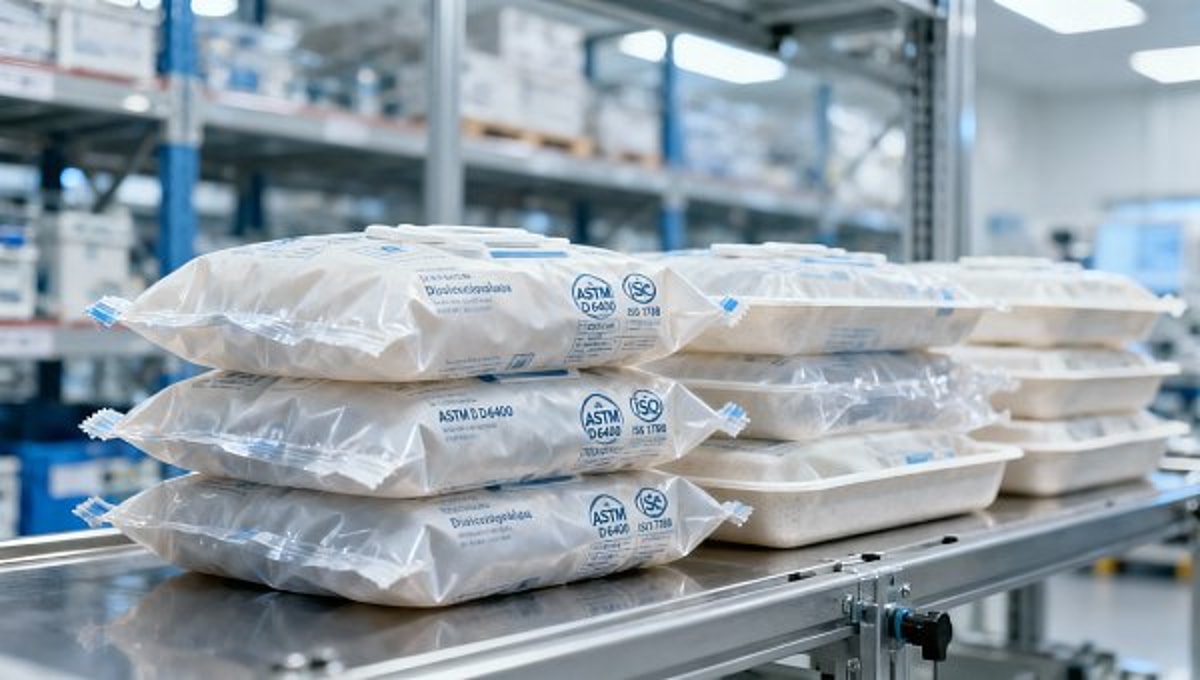
The Bureau of Indian Standards (BIS) published the updated standard IS 17872:2026 on May 1, 2026. The revision requires that all plastic packaging materials used for imported medical dressings and single-use medical devices must comply with either ASTM D6400 or ISO 17088 for industrial compostability, supported by a third-party test report. Enforcement begins on August 1, 2026. The regulation applies specifically to imported medical supplies, with an estimated annual export value from China exceeding USD 420 million.
Industries Affected
Direct Exporters (Medical Consumables)
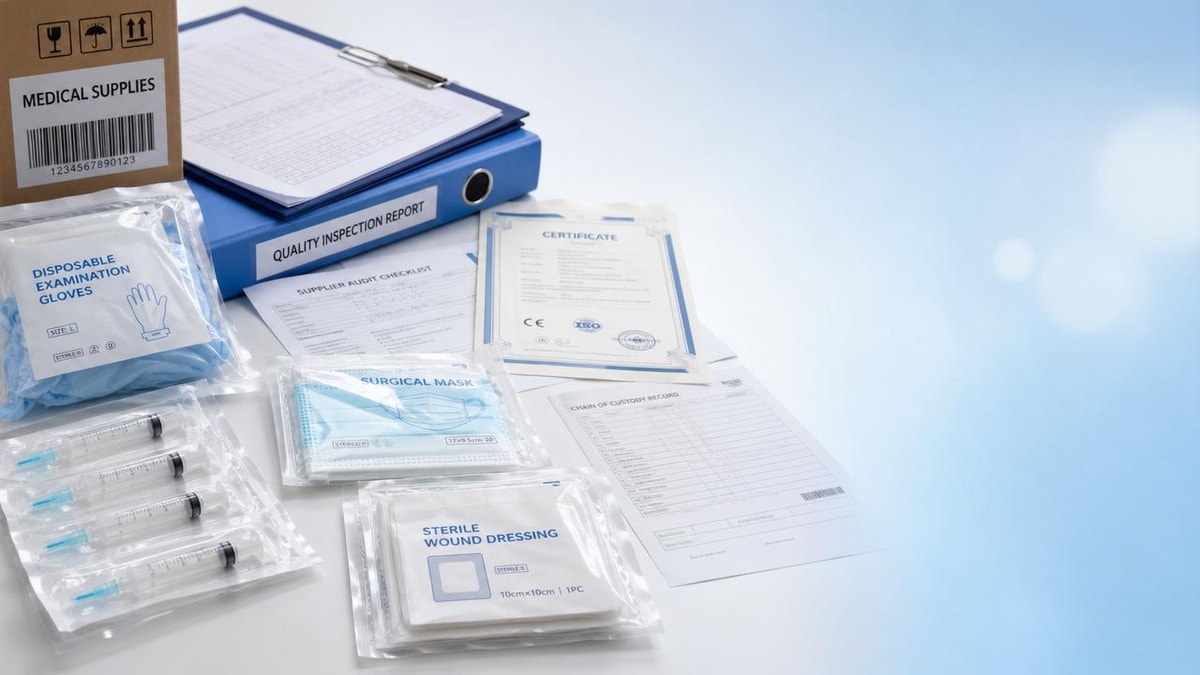
Exporters of wound dressings, syringes, catheters, and other single-use medical devices face direct compliance obligations. Non-compliant packaging may result in customs rejection or delayed clearance at Indian ports. Impact manifests in product labeling, documentation submission, and potential re-packaging costs prior to shipment.
Packaging Material Suppliers
Suppliers of plastic films, pouches, trays, and blister packs used for medical device packaging must now ensure their materials meet ASTM D6400 or ISO 17088. This affects raw material selection, formulation adjustments, and certification timelines. Suppliers without existing biodegradability test reports will need to engage accredited labs for validation.
Contract Manufacturers & OEMs
Manufacturers producing under private label or contract for global brands must verify packaging specifications align with IS 17872:2026. Responsibility for compliance may fall jointly on manufacturer and brand owner, depending on contractual terms — increasing coordination needs across supply chain tiers.
Regulatory & Logistics Service Providers
Customs brokers, regulatory consultants, and freight forwarders handling medical imports into India must update documentation checklists to include valid biodegradability certificates. Failure to flag missing or invalid reports could lead to client non-compliance and operational liability.
What Relevant Enterprises or Practitioners Should Focus On
Monitor official BIS implementation guidance
BIS has not yet published detailed enforcement protocols, such as acceptable lab accreditation scopes or transitional arrangements. Enterprises should track BIS circulars and notifications issued between May and August 2026 for clarification on document formats and verification procedures.
Identify high-volume SKUs and packaging types requiring immediate review
Not all exported medical items use identical packaging. Prioritize SKUs with plastic-based primary packaging (e.g., PE/PP pouches, PET trays) destined for Indian distribution. Avoid blanket assumptions — laminated or multi-layer structures may require re-evaluation even if individual layers are certified.
Distinguish between policy signal and enforceable requirement
The standard is effective August 1, 2026, but BIS has not confirmed whether grandfathering applies to shipments booked before that date but arriving later. Enterprises should treat August 1 as a hard deadline unless explicit transitional rules are announced.
Initiate third-party testing and supplier alignment now
ASTM D6400 and ISO 17088 testing typically takes 6–10 weeks per material formulation. Delays in sample submission or lab capacity constraints could jeopardize readiness. Concurrently, initiate discussions with packaging vendors to confirm certification status and update procurement contracts accordingly.
Editorial Perspective / Industry Observation
Observably, this revision signals India’s broader regulatory shift toward environmental accountability in healthcare infrastructure — extending beyond single-use device bans to upstream packaging requirements. Analysis shows it functions less as an isolated technical update and more as a structural signal: future BIS standards for pharmaceuticals or diagnostics may follow similar sustainability-linked certification pathways. From an industry perspective, the August 2026 deadline offers limited runway for end-to-end validation, especially for complex packaging systems. Current attention should focus less on debating feasibility and more on mapping current packaging inventory against the new criteria and identifying certification bottlenecks.
Conclusion
This revision reflects a tightening of regulatory entry conditions for medical supplies entering India — where packaging is no longer treated as ancillary but as a regulated component. It does not represent a ban on plastic packaging per se, but rather a requirement for verifiable, standardized biodegradability under industrial composting conditions. For stakeholders, the most pragmatic interpretation is that IS 17872:2026 marks the beginning of a compliance baseline — one that prioritizes documentation integrity and material traceability over volume or speed alone.
Information Source
Main source: Bureau of Indian Standards (BIS), IS 17872:2026 — ‘Specification for Packaging of Medical Dressings and Single-Use Medical Devices’, published May 1, 2026.
Note: Implementation details — including list of approved laboratories, document submission format, and possible transitional provisions — remain pending and require ongoing monitoring.
Get weekly intelligence in your inbox.
No noise. No sponsored content. Pure intelligence.
 May 05, 2026Inventory management systems that fix stock errors at the sourceInventory management systems that fix stock errors at the source
 May 05, 2026Medical disposables sourcing gets risky when prices drop too fastMedical disposables sourcing gets risky when prices drop too fast
 May 05, 2026Supply Chain Management gaps that create hidden inventory costsSupply Chain Management gaps that create hidden inventory costs
 May 05, 2026Why ERP software rollouts fail even with strong vendor supportWhy ERP software rollouts fail even with strong vendor support
 May 05, 2026Patient monitors: which features actually improve bedside responsePatient monitors: which features actually improve bedside response
 May 05, 2026Medical PPE shortages are easing, but quality gaps remainMedical PPE shortages are easing, but quality gaps remain
 May 05, 2026Portable oxygen concentrators: what matters beyond battery lifePortable oxygen concentrators: what matters beyond battery life
 May 05, 2026Medical diagnostic equipment buying mistakes that cost more laterMedical diagnostic equipment buying mistakes that cost more later
 May 05, 2026Cold chain logistics failures often start before transitCold chain logistics failures often start before transit
 May 05, 2026Hydrogen energy projects face one cost issue few plan forHydrogen energy projects face one cost issue few plan for
 May 05, 2026Digital Footprint risks that grow when suppliers scale fastDigital Footprint risks that grow when suppliers scale fast
 May 05, 2026Cross border ecommerce fulfillment problems that hurt repeat salesCross border ecommerce fulfillment problems that hurt repeat sales
 May 05, 2026N95 respirators: why fit matters more than many expectN95 respirators: why fit matters more than many expect
 May 05, 2026Ultrasound machines: when image quality and workflow clashUltrasound machines: when image quality and workflow clash
 May 05, 2026LED displays for retail spaces: brightness is not the only issueLED displays for retail spaces: brightness is not the only issue
 May 05, 2026What to check before placing wheelchairs wholesale ordersWhat to check before placing wheelchairs wholesale orders
 May 05, 2026Freight forwarding services that help avoid customs delaysFreight forwarding services that help avoid customs delays
 May 05, 2026Aesthetic lasers: the difference between power and precisionAesthetic lasers: the difference between power and precision
 May 05, 2026How rehabilitation equipment choices affect recovery routinesHow rehabilitation equipment choices affect recovery routines
 May 05, 2026Robot vacuum cleaners with mapping: what changes in daily useRobot vacuum cleaners with mapping: what changes in daily use
 May 05, 2026Where logistics drones make sense and where they still do notWhere logistics drones make sense and where they still do not
 May 05, 2026B2B SaaS solutions that reduce manual trade workflowsB2B SaaS solutions that reduce manual trade workflows
 May 05, 2026What makes 3PL logistics performance hard to measure fairlyWhat makes 3PL logistics performance hard to measure fairly
 May 05, 2026Shipping rates are shifting again: what costs are easy to missShipping rates are shifting again: what costs are easy to miss
 May 05, 2026Trade Leaders in 2026: what will separate winners from the restTrade Leaders in 2026: what will separate winners from the rest
 May 05, 2026Why smart warehousing projects stall after the pilot stageWhy smart warehousing projects stall after the pilot stage
 May 05, 2026AGV robots or forklifts: which fits busy warehouses better?AGV robots or forklifts: which fits busy warehouses better?