Indonesia’s Q1 2026 China FA Equipment Imports +41.2%
Indonesia’s Central Bureau of Statistics (BPS) reported on May 4, 2026, that imports of Factory Automation equipment from China surged 41.2% year-on-year to USD 832 million in Q1 2026 — the highest growth rate among all imported product categories. This development signals accelerating automation demand in Indonesia’s manufacturing sector, particularly driven by localization expansions of Chinese battery and electric vehicle manufacturers. Industrial automation suppliers, cross-border trade operators, and supply chain service providers active in Southeast Asia should monitor this trend closely — as it reflects both near-term procurement shifts and longer-term infrastructure investment patterns.
Event Overview
Indonesia’s Central Bureau of Statistics (BPS) released its quarterly trade statistics on May 4, 2026, covering January–March 2026. According to the report, Indonesia’s imports of Factory Automation equipment from China — including programmable logic controllers (PLCs), servo systems, and industrial vision cameras — totaled USD 832 million, representing a 41.2% increase compared to Q1 2025. This growth rate ranked first across all import categories tracked by BPS.
Impact on Specific Industry Segments
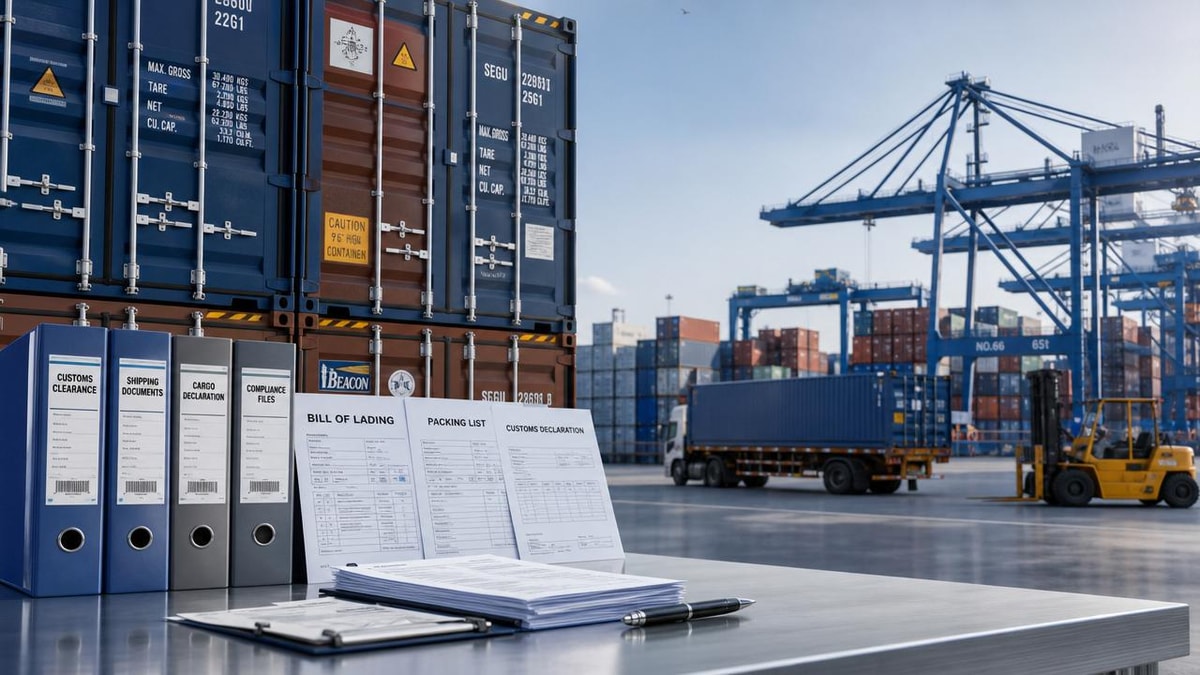
Direct trading enterprises (importers/exporters): These firms face heightened demand for documentation, customs classification, and logistics coordination related to FA equipment. The sharp YoY rise suggests increased order volume and potential pressure on lead times and compliance verification — especially for controlled components such as vision-based inspection systems subject to dual-use regulations.
Manufacturing & assembly enterprises (OEMs/ODMs): Local producers supplying battery or EV assembly lines are likely ramping up automation integration. Their procurement planning, technical validation cycles, and after-sales support requirements for Chinese-sourced PLCs and servo drives may intensify — affecting vendor selection criteria and maintenance capability development.
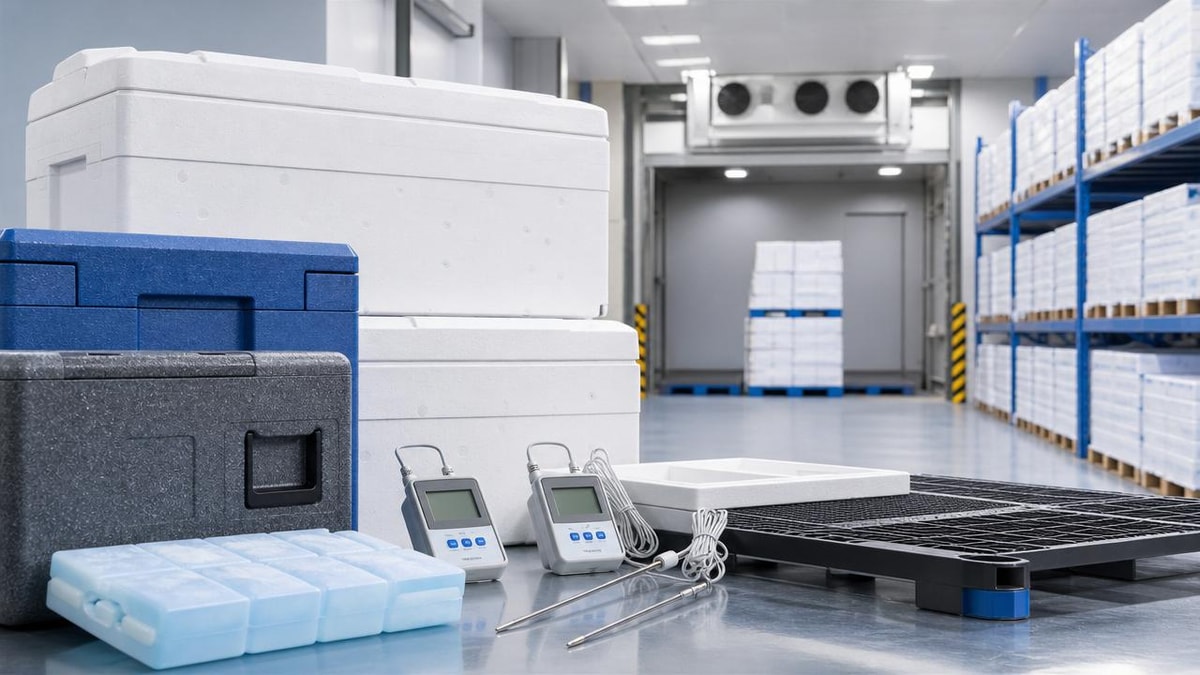
Supply chain service providers (logistics, warehousing, certification): Growth in high-value, precision equipment imports raises demand for temperature-controlled transport, IEC/ISO-compliant handling, and local regulatory conformity assessments (e.g., SNI marking). Providers with regional distribution hubs in Java or Batam may see increased utilization.
What Relevant Enterprises or Practitioners Should Focus On
Monitor official updates on Indonesian import policy and SNI alignment
BPS data reflects actual trade flows, but future import conditions depend on whether Indonesia introduces new technical barriers or tariff adjustments for automation hardware. Stakeholders should track announcements from the Ministry of Trade and the National Standardization Agency (BSN), especially regarding conformity assessment timelines for industrial control devices.
Track inventory and lead time trends for key subcomponents
The 41.2% growth is concentrated in PLCs, servo systems, and industrial vision cameras — not broad automation categories. Procurement teams should benchmark current lead times and minimum order quantities (MOQs) for these specific items, particularly models widely adopted in EV battery production lines.
Distinguish between policy signals and operational readiness
While the BPS figure confirms strong import activity, it does not indicate full local integration maturity. Enterprises should assess whether their partners have certified technical support capacity in Indonesia — e.g., local firmware update capability, calibration services for vision systems — rather than assuming availability based solely on shipment volume.
Prepare for documentation and compliance contingencies
Increased scrutiny on origin declarations and component-level HS codes is common during rapid import growth. Firms should verify current HS classifications for servo drives and vision cameras under Indonesia’s BKPM and DJBC guidelines, and pre-validate labeling and bilingual manual requirements ahead of next quarter’s shipments.
Editorial Observation / Industry Perspective
Observably, this 41.2% YoY increase is less a standalone milestone and more a quantitative confirmation of an ongoing structural shift: Chinese automation suppliers are transitioning from cost-driven component exporters to system-enabling partners in Indonesia’s strategic manufacturing clusters. Analysis shows the growth aligns closely with publicly announced expansion timelines of several Chinese battery cell and EV assembly projects in Karawang and Bintan — suggesting demand is project-led rather than speculative. From an industry perspective, this trend is currently functioning as a leading indicator of upstream capacity build-out, not yet a mature market equilibrium. Continued monitoring is warranted — not only for trade volume but also for localization depth (e.g., local engineering support, spare parts stocking, software localization).
In summary, the Q1 2026 BPS data reflects tangible, project-driven demand acceleration — not generalized market expansion. It signals growing operational interdependence between Chinese automation suppliers and Indonesian manufacturing infrastructure, particularly in electrified mobility value chains. Current interpretation should emphasize measured responsiveness: validating real-time logistics and compliance readiness, rather than scaling capacity based on headline growth alone.
Source: Statistics Indonesia (Badan Pusat Statistik / BPS), Trade Statistics Release, May 4, 2026 (covering Q1 2026). Note: Further granularity — such as breakdowns by port of entry, end-user sector, or model-level import data — remains pending official disclosure and is subject to ongoing observation.
Get weekly intelligence in your inbox.
No noise. No sponsored content. Pure intelligence.
 May 05, 2026Inventory management systems that fix stock errors at the sourceInventory management systems that fix stock errors at the source
 May 05, 2026Medical disposables sourcing gets risky when prices drop too fastMedical disposables sourcing gets risky when prices drop too fast
 May 05, 2026Supply Chain Management gaps that create hidden inventory costsSupply Chain Management gaps that create hidden inventory costs
 May 05, 2026Why ERP software rollouts fail even with strong vendor supportWhy ERP software rollouts fail even with strong vendor support
 May 05, 2026Patient monitors: which features actually improve bedside responsePatient monitors: which features actually improve bedside response
 May 05, 2026Medical PPE shortages are easing, but quality gaps remainMedical PPE shortages are easing, but quality gaps remain
 May 05, 2026Portable oxygen concentrators: what matters beyond battery lifePortable oxygen concentrators: what matters beyond battery life
 May 05, 2026Medical diagnostic equipment buying mistakes that cost more laterMedical diagnostic equipment buying mistakes that cost more later
 May 05, 2026Cold chain logistics failures often start before transitCold chain logistics failures often start before transit
 May 05, 2026Hydrogen energy projects face one cost issue few plan forHydrogen energy projects face one cost issue few plan for
 May 05, 2026Digital Footprint risks that grow when suppliers scale fastDigital Footprint risks that grow when suppliers scale fast
 May 05, 2026Cross border ecommerce fulfillment problems that hurt repeat salesCross border ecommerce fulfillment problems that hurt repeat sales
 May 05, 2026N95 respirators: why fit matters more than many expectN95 respirators: why fit matters more than many expect
 May 05, 2026Ultrasound machines: when image quality and workflow clashUltrasound machines: when image quality and workflow clash
 May 05, 2026LED displays for retail spaces: brightness is not the only issueLED displays for retail spaces: brightness is not the only issue
 May 05, 2026What to check before placing wheelchairs wholesale ordersWhat to check before placing wheelchairs wholesale orders
 May 05, 2026Freight forwarding services that help avoid customs delaysFreight forwarding services that help avoid customs delays
 May 05, 2026Aesthetic lasers: the difference between power and precisionAesthetic lasers: the difference between power and precision
 May 05, 2026How rehabilitation equipment choices affect recovery routinesHow rehabilitation equipment choices affect recovery routines
 May 05, 2026Robot vacuum cleaners with mapping: what changes in daily useRobot vacuum cleaners with mapping: what changes in daily use
 May 05, 2026Where logistics drones make sense and where they still do notWhere logistics drones make sense and where they still do not
 May 05, 2026B2B SaaS solutions that reduce manual trade workflowsB2B SaaS solutions that reduce manual trade workflows
 May 05, 2026What makes 3PL logistics performance hard to measure fairlyWhat makes 3PL logistics performance hard to measure fairly
 May 05, 2026Shipping rates are shifting again: what costs are easy to missShipping rates are shifting again: what costs are easy to miss
 May 05, 2026Trade Leaders in 2026: what will separate winners from the restTrade Leaders in 2026: what will separate winners from the rest
 May 05, 2026Why smart warehousing projects stall after the pilot stageWhy smart warehousing projects stall after the pilot stage
 May 05, 2026AGV robots or forklifts: which fits busy warehouses better?AGV robots or forklifts: which fits busy warehouses better?