BIMCO Raises Cross-Border Freight附加险 Rate for新能源 Equipment by 25%
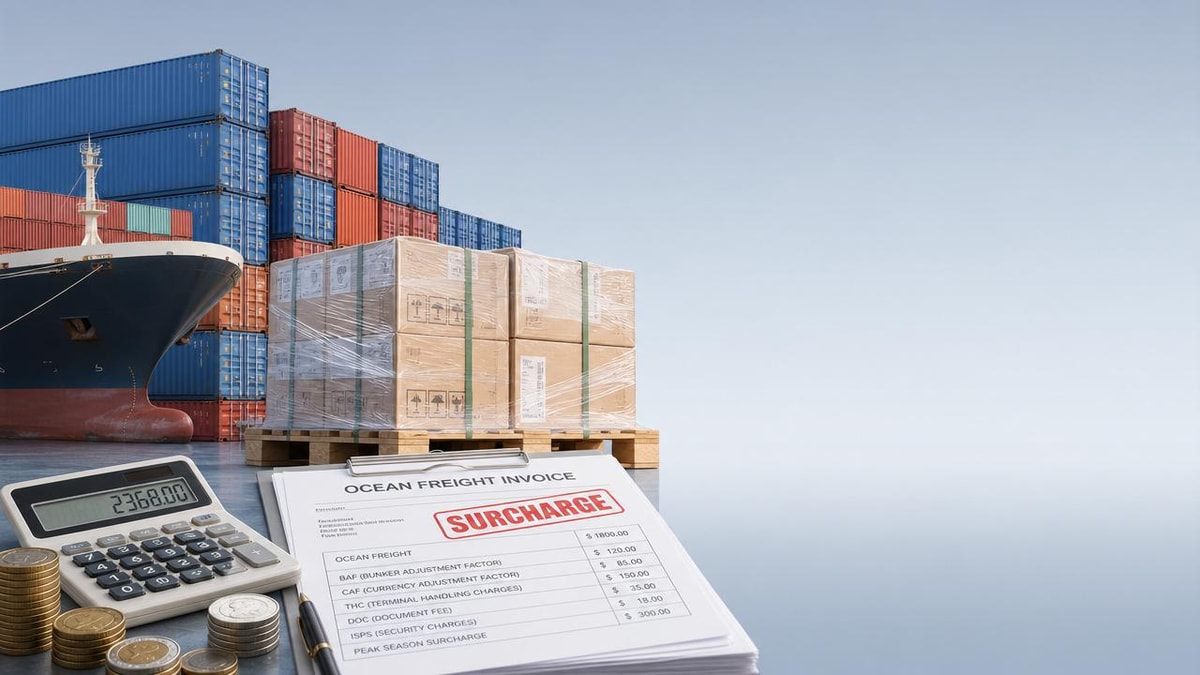
On May 4, 2026, the Baltic and International Maritime Council (BIMCO) updated its Guidance on Insurance for Special Cargo, introducing a 25% average increase in cross-border freight insurance surcharges for high-value, sensitive new energy equipment—including solar PV modules, battery storage containers, and large EV charging infrastructure. This development directly affects export competitiveness for Chinese new energy manufacturers operating under FOB terms, and warrants close attention from exporters, freight forwarders, marine insurers, and supply chain planners.
Event Overview
On May 4, 2026, BIMCO published an update to its Guidance on Insurance for Special Cargo. The revision introduces a new High-Value Sensitive Cargo Claims Surcharge Clause, specifically applicable to solar photovoltaic (PV) components, battery storage containers, and large-scale electric vehicle (EV) infrastructure units such as heavy-duty charging stations. As a result, major global shipping lines have announced an average 25% increase in marine cargo insurance surcharges for these categories. The adjustment takes effect on May 15, 2026.
Industries Affected by Segment
Direct Exporters (FOB-based New Energy Equipment Manufacturers)
These companies bear full responsibility for arranging ocean freight and associated insurance under FOB terms. The 25% insurance surcharge increases landed cost risk exposure for buyers—potentially eroding price competitiveness, especially in highly competitive markets like Europe and Southeast Asia where buyers increasingly demand all-inclusive CIF or DAP quotations.
Freight Forwarders & NVOCCs Serving New Energy Clients
Forwarders quoting fixed-rate ocean freight packages must now reassess margin assumptions. The surcharge applies at the carrier level but flows through to client-facing pricing; failure to adjust quotes may compress margins or trigger disputes post-shipment if claims arise and coverage gaps emerge due to underinsurance.
Marine Insurance Brokers & Underwriters
Brokers handling new energy cargo policies face revised risk modeling requirements. The new clause implies stricter valuation documentation, enhanced packaging compliance verification, and potentially higher deductibles or sub-limits—particularly for lithium-ion battery shipments subject to IMDG Code Class 9 classification.
Logistics & Supply Chain Planners in OEM Procurement Teams
For OEMs sourcing components globally (e.g., battery enclosures from China to German assembly plants), the surcharge adds a non-negotiable cost layer to landed cost calculations. It may prompt re-evaluation of incoterm selection (e.g., shifting from FOB to CFR or CIF where feasible) or drive requests for supplier-led insurance coordination.
What Enterprises and Practitioners Should Monitor and Do Now
Track official implementation notices from individual carriers
The 25% figure reflects an industry-wide average cited by BIMCO; actual surcharge levels may vary by carrier, trade lane, and equipment type. Companies should obtain written confirmation from their contracted lines on effective dates, calculation methodology (e.g., % of freight value vs. flat fee), and whether it applies to all legs of multimodal shipments.
Review current cargo insurance policies for coverage alignment
Analysis shows many existing policies do not explicitly reference BIMCO’s new clause or define ‘high-value sensitive cargo’ thresholds. Exporters should verify whether their current marine cargo insurance includes automatic endorsement of this clause—and whether premium adjustments have already been applied retroactively or prospectively.
Update FOB quotation templates and commercial terms
From industry perspective, quoting FOB without clarifying that insurance surcharges are buyer-responsible (and subject to mid-contract adjustment) carries growing contractual risk. Current best practice is to include a clear insurance cost rider in pro forma invoices and sales contracts—specifying that marine insurance premiums are subject to change per BIMCO guidance effective May 15, 2026.
Prepare documentation for high-value cargo certification
Observably, carriers may request additional proof of cargo value, packaging compliance (e.g., IEC 61215 for PV modules), and thermal management validation (for battery shipments) to qualify for standard—not surcharged—coverage. Exporters should compile and pre-validate these documents for priority shipment lanes.
Editorial Perspective / Industry Observation
This update is better understood as a formalized risk signal—not yet a fully standardized regulatory outcome. BIMCO’s guidance carries strong industry weight but is not legally binding; adoption remains carrier-discretionary. That said, the 25% average reflects consensus among major container lines, suggesting rapid operational uptake. From industry angle, the move signals tightening insurer appetite for unmitigated exposure to new energy cargo—driven less by incident frequency and more by valuation volatility, evolving safety standards, and longer claims resolution cycles. Continuous monitoring of BIMCO’s upcoming Q3 2026 technical bulletin on battery transport protocols is recommended.
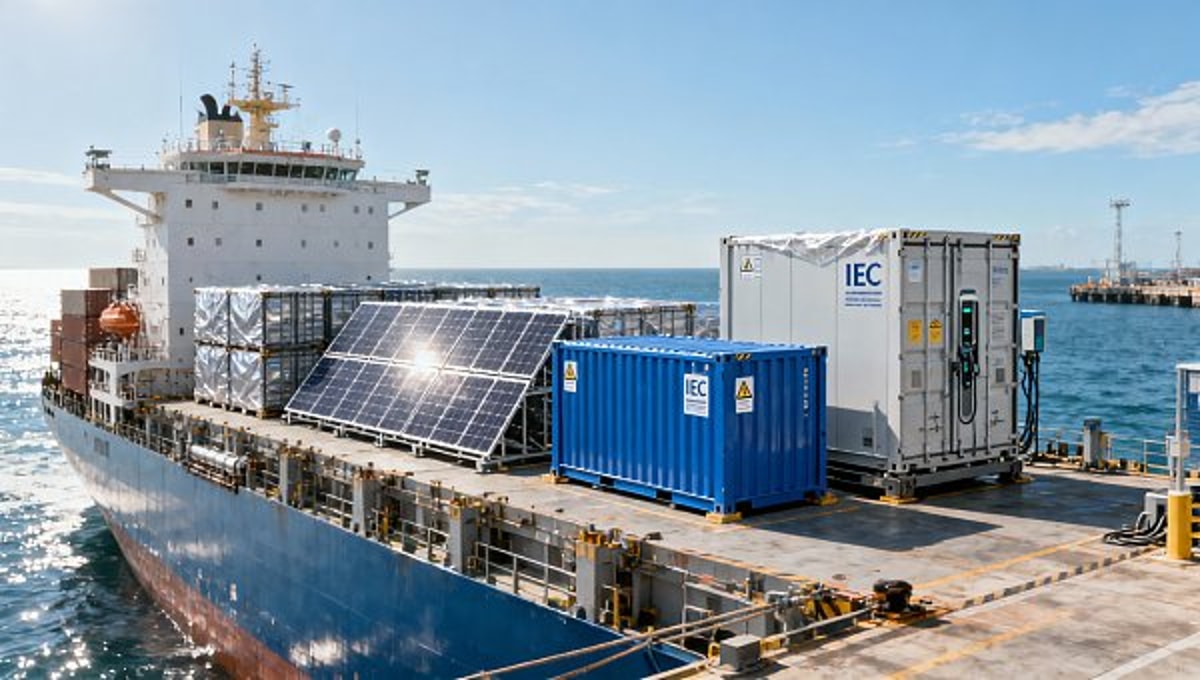
In summary, BIMCO’s May 4, 2026 update marks a structural shift in how marine insurance costs are allocated across the new energy equipment supply chain—not merely a temporary rate adjustment. It underscores the growing cost of compliance and risk transparency in clean-tech logistics. For stakeholders, the development is best interpreted as a catalyst for revisiting incoterm strategy, insurance governance, and documentation rigor—not as a standalone cost event.
Source: Baltic and International Maritime Council (BIMCO), Guidance on Insurance for Special Cargo, issued May 4, 2026. Note: Carrier-specific implementation details and final surcharge structures remain under observation as of May 2026.
Get weekly intelligence in your inbox.
No noise. No sponsored content. Pure intelligence.
 May 05, 2026Inventory management systems that fix stock errors at the sourceInventory management systems that fix stock errors at the source
 May 05, 2026Medical disposables sourcing gets risky when prices drop too fastMedical disposables sourcing gets risky when prices drop too fast
 May 05, 2026Supply Chain Management gaps that create hidden inventory costsSupply Chain Management gaps that create hidden inventory costs
 May 05, 2026Why ERP software rollouts fail even with strong vendor supportWhy ERP software rollouts fail even with strong vendor support
 May 05, 2026Patient monitors: which features actually improve bedside responsePatient monitors: which features actually improve bedside response
 May 05, 2026Medical PPE shortages are easing, but quality gaps remainMedical PPE shortages are easing, but quality gaps remain
 May 05, 2026Portable oxygen concentrators: what matters beyond battery lifePortable oxygen concentrators: what matters beyond battery life
 May 05, 2026Medical diagnostic equipment buying mistakes that cost more laterMedical diagnostic equipment buying mistakes that cost more later
 May 05, 2026Cold chain logistics failures often start before transitCold chain logistics failures often start before transit
 May 05, 2026Hydrogen energy projects face one cost issue few plan forHydrogen energy projects face one cost issue few plan for
 May 05, 2026Digital Footprint risks that grow when suppliers scale fastDigital Footprint risks that grow when suppliers scale fast
 May 05, 2026Cross border ecommerce fulfillment problems that hurt repeat salesCross border ecommerce fulfillment problems that hurt repeat sales
 May 05, 2026N95 respirators: why fit matters more than many expectN95 respirators: why fit matters more than many expect
 May 05, 2026Ultrasound machines: when image quality and workflow clashUltrasound machines: when image quality and workflow clash
 May 05, 2026LED displays for retail spaces: brightness is not the only issueLED displays for retail spaces: brightness is not the only issue
 May 05, 2026What to check before placing wheelchairs wholesale ordersWhat to check before placing wheelchairs wholesale orders
 May 05, 2026Freight forwarding services that help avoid customs delaysFreight forwarding services that help avoid customs delays
 May 05, 2026Aesthetic lasers: the difference between power and precisionAesthetic lasers: the difference between power and precision
 May 05, 2026How rehabilitation equipment choices affect recovery routinesHow rehabilitation equipment choices affect recovery routines
 May 05, 2026Robot vacuum cleaners with mapping: what changes in daily useRobot vacuum cleaners with mapping: what changes in daily use
 May 05, 2026Where logistics drones make sense and where they still do notWhere logistics drones make sense and where they still do not
 May 05, 2026B2B SaaS solutions that reduce manual trade workflowsB2B SaaS solutions that reduce manual trade workflows
 May 05, 2026What makes 3PL logistics performance hard to measure fairlyWhat makes 3PL logistics performance hard to measure fairly
 May 05, 2026Shipping rates are shifting again: what costs are easy to missShipping rates are shifting again: what costs are easy to miss
 May 05, 2026Trade Leaders in 2026: what will separate winners from the restTrade Leaders in 2026: what will separate winners from the rest
 May 05, 2026Why smart warehousing projects stall after the pilot stageWhy smart warehousing projects stall after the pilot stage
 May 05, 2026AGV robots or forklifts: which fits busy warehouses better?AGV robots or forklifts: which fits busy warehouses better?