Côte d'Ivoire Launches $500M Grid Storage Tender, Chinese BESS Fast-Tracked
On April 22, 2026, Côte d’Ivoire — in partnership with the OPEC Fund for International Development (OFID) — launched a $500 million national electricity resilience upgrade program, initiating an open tender for microgrids and battery energy storage systems (BESS). The initiative directly impacts stakeholders in energy infrastructure export, power system integration, and West African distributed energy markets — particularly those engaged in certified BESS supply, local service deployment, and OFID-financed project bidding.
Event Overview
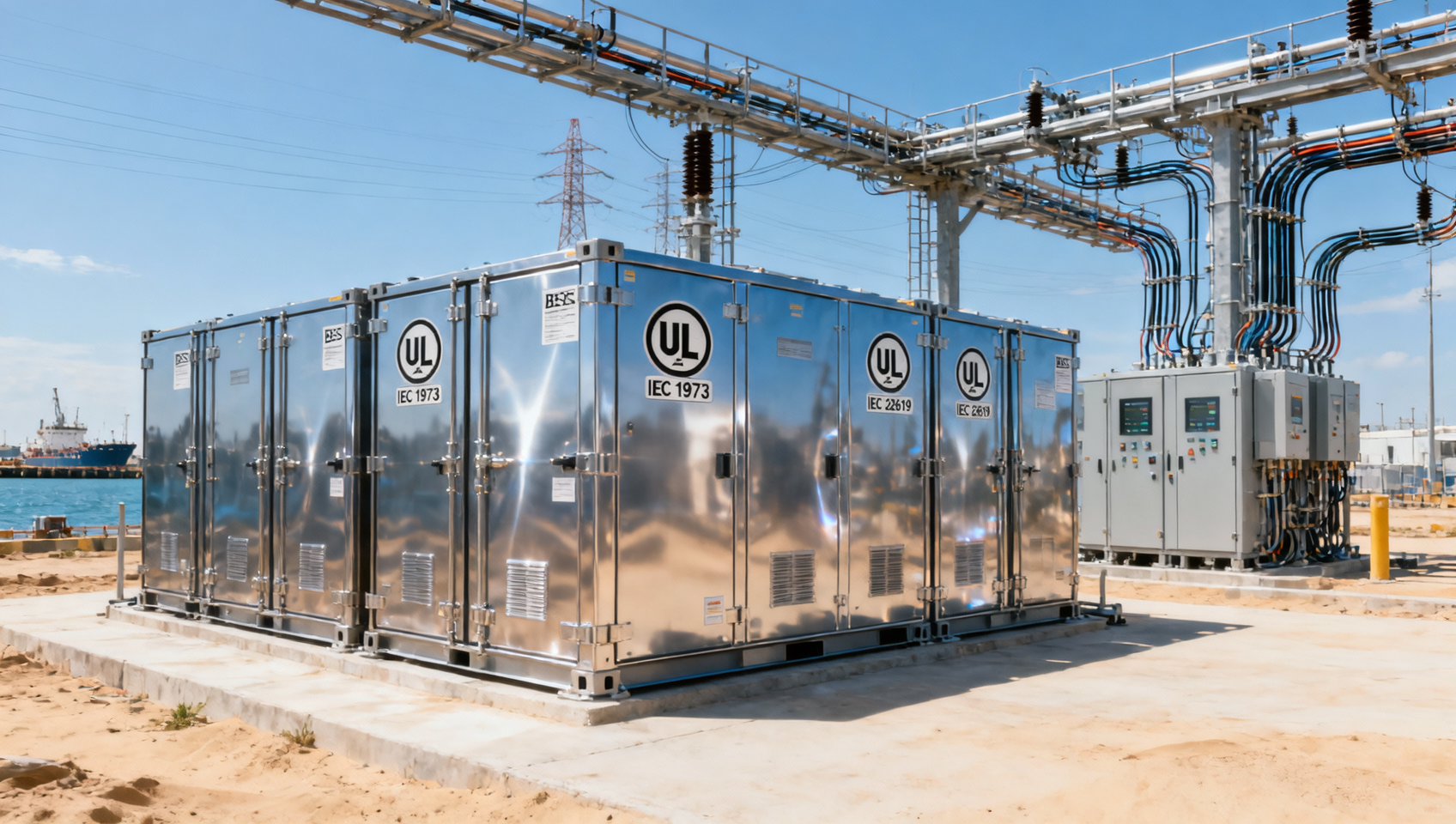
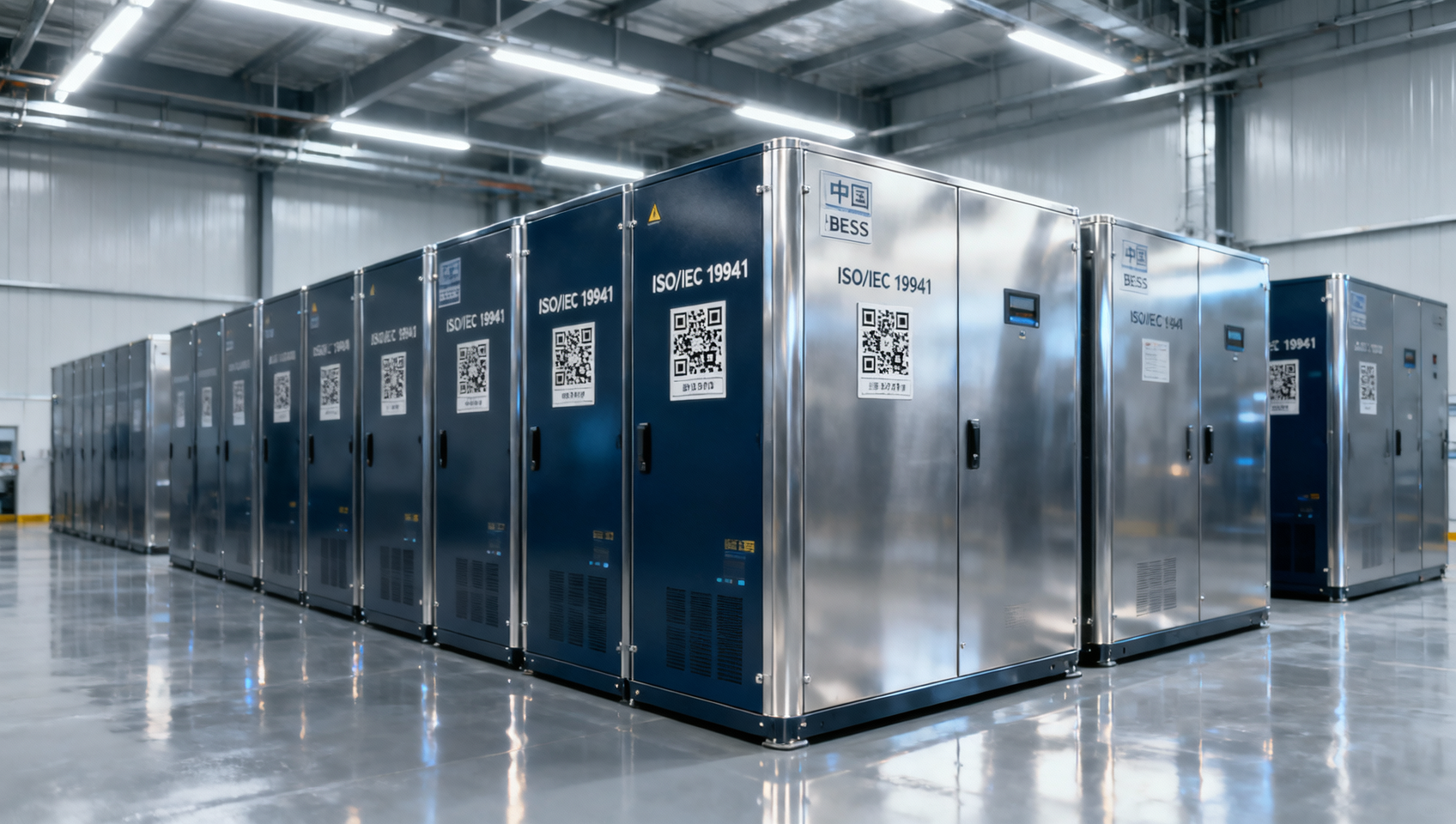
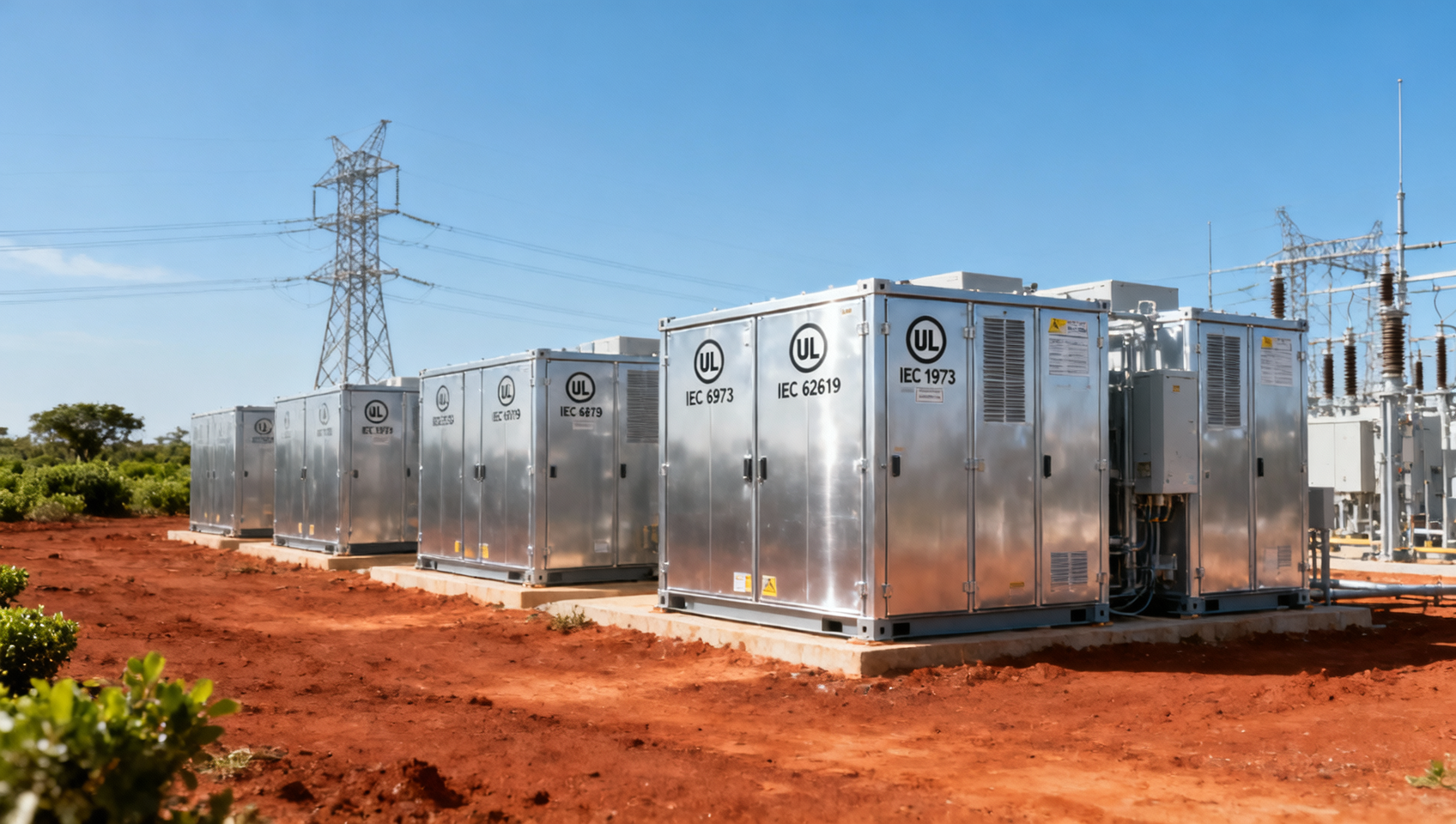
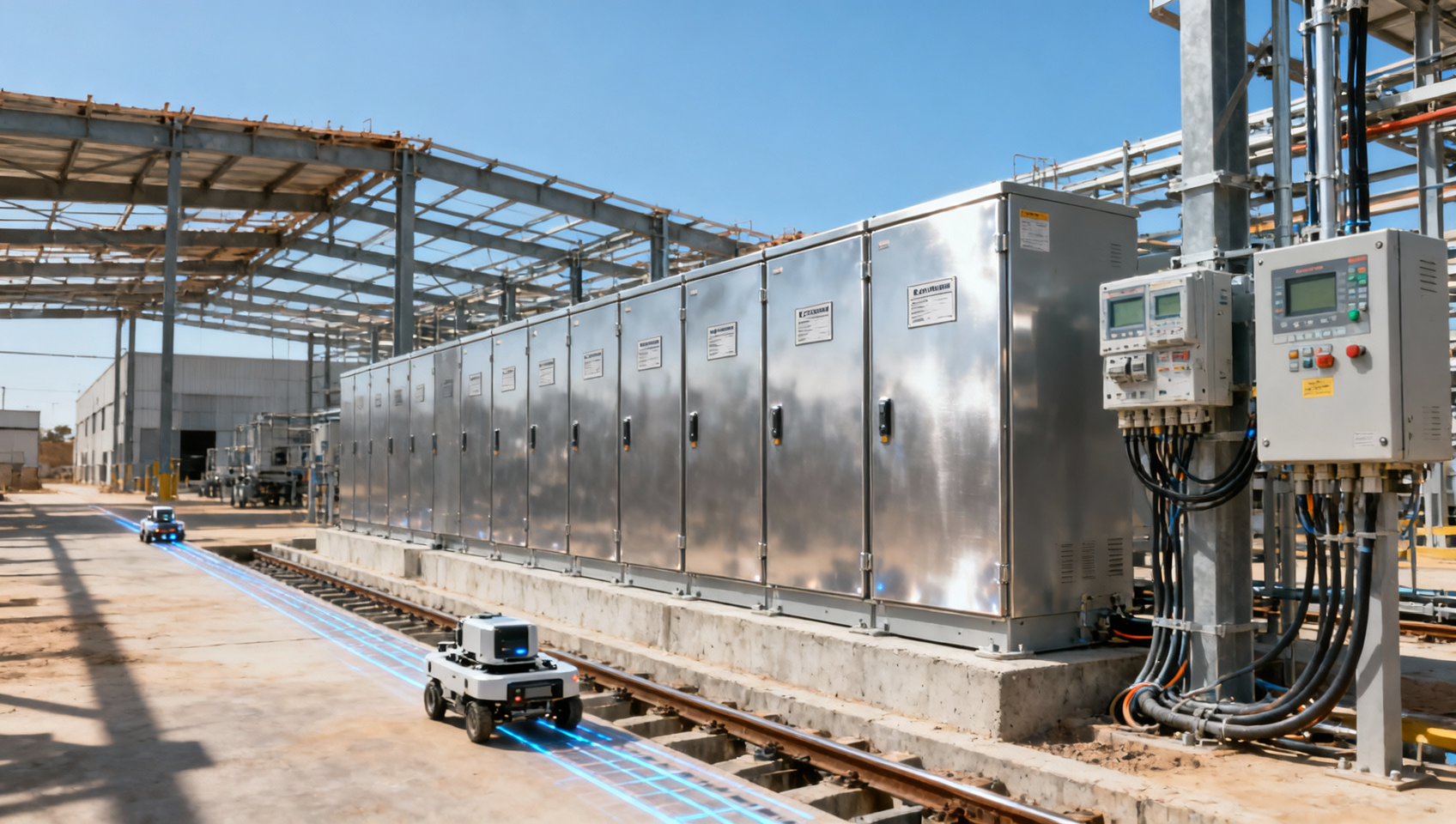
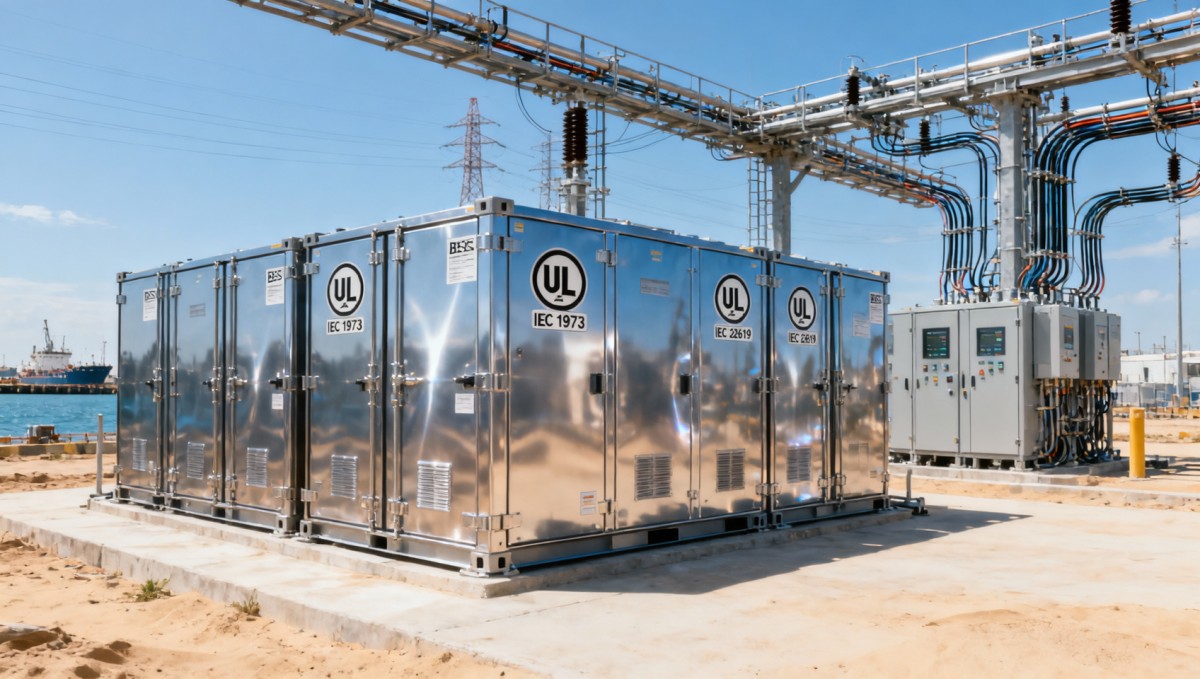
On April 22, 2026, the Government of Côte d’Ivoire and the OPEC Fund for International Development (OFID) jointly announced the National Electricity Resilience Upgrade Plan. A $500 million tender was formally launched for microgrid and energy storage system deployment. Chinese Battery Storage enterprises holding both UL 1973 and IEC 62619 certifications — and having registered local West African operations and maintenance teams — are eligible for OFID’s prequalification fast-track process, reducing review time to 18 working days. The first tender lots cover six priority nodes: Abidjan Port, Bouaké Industrial Park, and four additional sites (not further specified in source material). Delivery is scheduled for Q4 2026.
Industries Affected
Direct Exporters of Energy Storage Systems
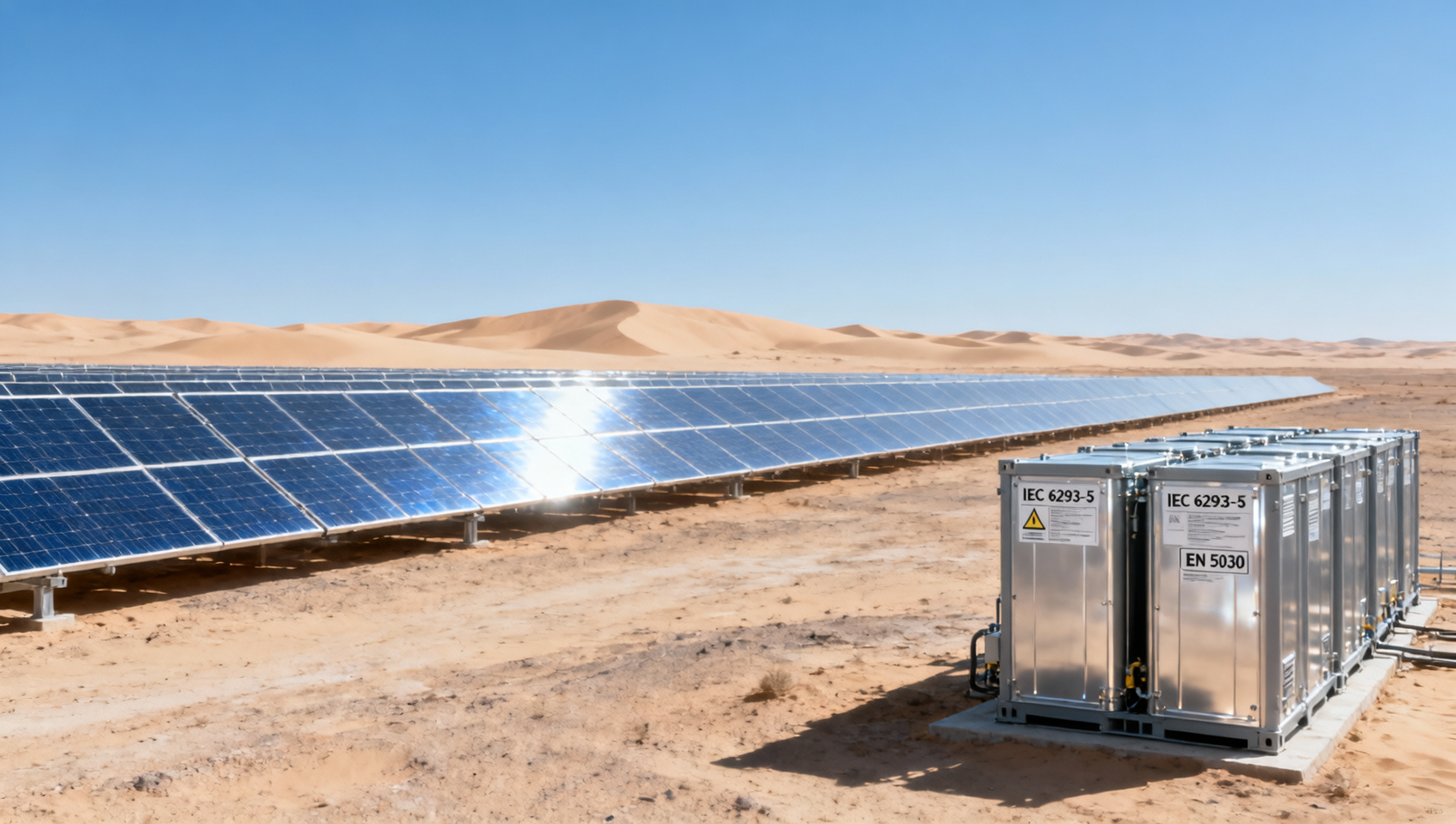
Companies exporting grid-scale lithium-ion BESS to West Africa face immediate procedural implications: eligibility for OFID’s fast-track hinges on dual certification (UL 1973 + IEC 62619) and documented local O&M capacity in West Africa — not just regional representation. This shifts competitive advantage toward exporters with verified technical compliance and operational footprints, rather than those relying solely on distributor partnerships or generic CE/IEC marking.
Power System Integrators & EPC Contractors
Integrators bidding on Côte d’Ivoire’s microgrid projects must now verify supplier eligibility early in proposal development. Since OFID prequalification timing affects overall bid schedule, delays in vendor fast-track approval could compress engineering and commissioning windows — especially given the concentrated Q4 2026 delivery deadline. Integration scope may need explicit alignment with OFID’s technical and local-service requirements from outset.
Supply Chain & Logistics Service Providers
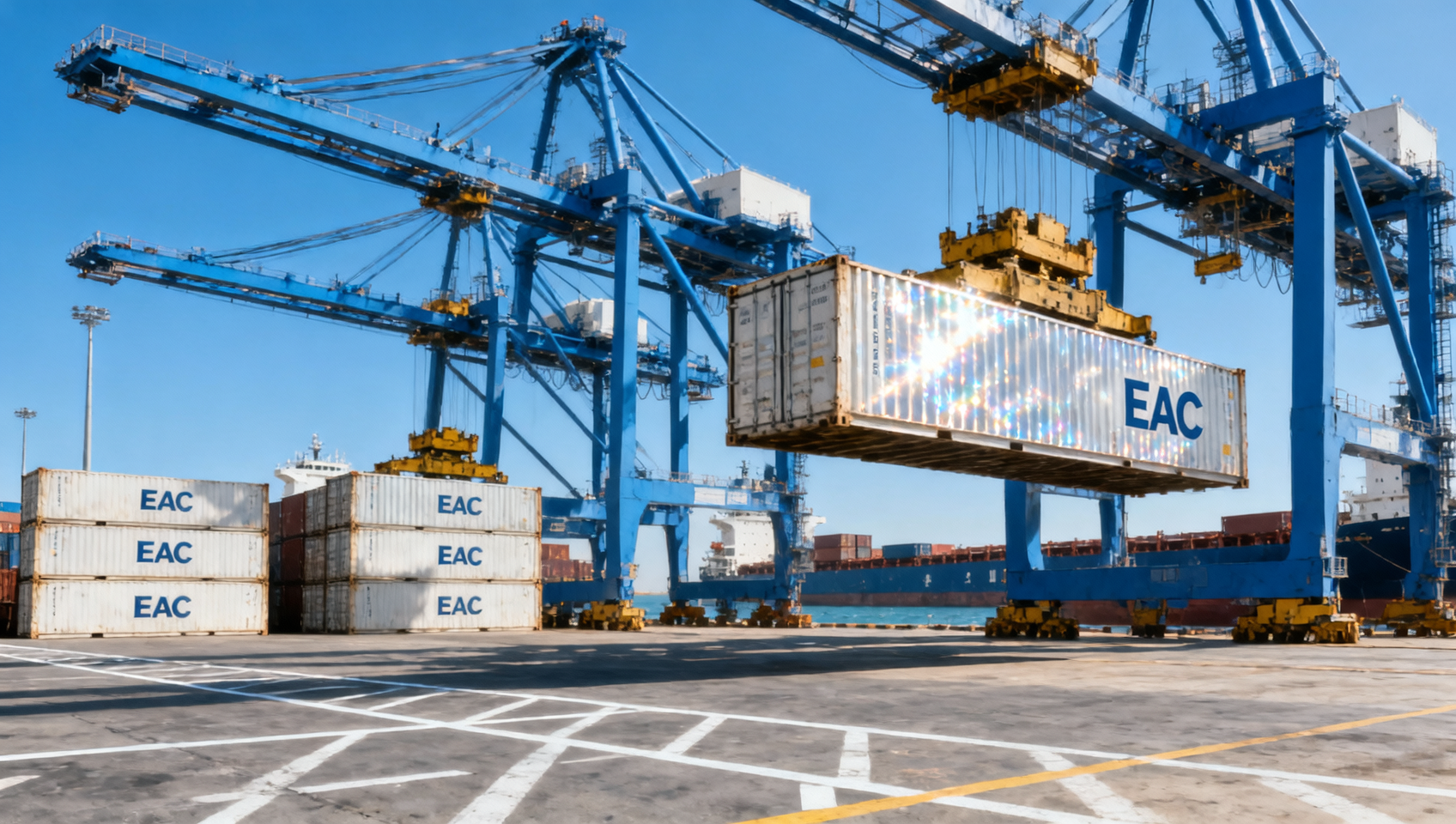
Freight forwarders, customs brokers, and warehousing operators serving the West African energy equipment corridor should anticipate increased volume targeting Abidjan and Bouaké in late 2026. However, OFID financing conditions likely impose stricter documentation requirements (e.g., certified test reports, local O&M team registration proof), meaning logistics partners must coordinate closely with suppliers on compliance paperwork — not just shipping schedules.
What Stakeholders Should Monitor and Do Now
Track official tender documents and OFID’s fast-track application guidelines
The current announcement confirms eligibility criteria but does not publish full tender specifications or the formal fast-track application checklist. Exporters and integrators must monitor the OFID procurement portal and Côte d’Ivoire’s national procurement platform for release of bid documents — expected imminently — as these will define technical scope, warranty terms, and local content obligations beyond the initial summary.
Verify certification validity and local O&M registration status
UL 1973 and IEC 62619 certifications must be current and issued by accredited bodies recognized by OFID. ‘West African local O&M team备案’ (as stated) implies formal registration with relevant Ivorian authorities — not just office presence. Companies should confirm whether registration requires licensing, tax ID, or labor permits in Côte d’Ivoire specifically, as OFID’s fast-track depends on this step being demonstrably completed.
Distinguish between policy signal and binding procurement terms
This is a tender launch — not a contract award. While the fast-track pathway is confirmed, actual bid evaluation weightings (e.g., price vs. local service capability vs. certification depth) remain undefined. Stakeholders should avoid treating the 18-day prequalification timeline as indicative of overall award speed; final award decisions depend on full technical and financial evaluation per OFID’s standard procedures.
Prepare for compressed delivery and commissioning planning
With delivery window concentrated in Q4 2026, manufacturers and integrators should assess production lead times, port clearance capacity at Abidjan, and availability of certified local technicians for commissioning. Early engagement with Ivorian regulatory agencies on import approvals for battery systems — which may require separate safety or environmental clearances — is advisable, as these are not covered by OFID’s fast-track.
Editorial Observation / Industry Perspective
Observably, this tender represents a concrete procurement milestone — not merely a policy statement. Its linkage to OFID financing adds enforceable contractual discipline and transparency, raising the bar for supplier readiness. Analysis shows the fast-track mechanism prioritizes verifiable technical compliance and on-the-ground execution capacity over brand reputation or historical presence alone. From an industry perspective, it signals a broader shift in West African infrastructure finance: international lenders are increasingly embedding local operational capability — not just hardware specs — into eligibility criteria. This makes the initiative less a one-off opportunity and more a preview of future OFID- and multilateral-funded energy tenders across the region. Continued monitoring is warranted, as follow-up lots or expansion phases are not confirmed in the current announcement.
In summary, this tender marks a procedurally significant entry point for qualified BESS suppliers into Côte d’Ivoire’s grid modernization — but its impact remains conditional on adherence to OFID’s certification and localization requirements. It is best understood not as a broad market opening, but as a narrowly defined, compliance-driven procurement window requiring precise alignment between technical documentation, local operational setup, and multilateral financing rules.
Source: Official joint announcement by the Government of Côte d’Ivoire and the OPEC Fund for International Development (OFID), dated April 22, 2026. Note: Tender specifications, site-level technical requirements, and OFID’s detailed fast-track application protocol remain pending publication and are subject to ongoing observation.
Get weekly intelligence in your inbox.
No noise. No sponsored content. Pure intelligence.
 Apr 29, 2026USITC Launches Section 337 Investigation into Chinese Wi-Fi 7 RF ModulesUSITC Launches Section 337 Investigation into Chinese Wi-Fi 7 RF Modules
 Apr 29, 2026Côte d'Ivoire Launches $500M Grid Storage Tender, Chinese BESS Fast-TrackedCôte d'Ivoire Launches $500M Grid Storage Tender, Chinese BESS Fast-Tracked
 Apr 29, 2026Morocco Enforces IEC 61427-2:2025 PV Mounting Certification from Q3 2026Morocco Enforces IEC 61427-2:2025 PV Mounting Certification from Q3 2026
 Apr 29, 2026UAE Becomes Global AI Hub: New CE-ADAS+ Path for Chinese Smart Industrial EquipmentUAE Becomes Global AI Hub: New CE-ADAS+ Path for Chinese Smart Industrial Equipment
 Apr 29, 2026Red Sea Crisis: Suez Canal Fees Up 12%, China-Europe Rail Premium at 35%Red Sea Crisis: Suez Canal Fees Up 12%, China-Europe Rail Premium at 35%
 Apr 29, 2026TÜV Rheinland Launches Fast-Track Certification for Chinese Warehouse RobotsTÜV Rheinland Launches Fast-Track Certification for Chinese Warehouse Robots
 Apr 29, 2026Vietnam's SMT Expansion Drives CNC Fixture Export DelaysVietnam's SMT Expansion Drives CNC Fixture Export Delays
![]() Apr 29, 2026NEOM Smart Infrastructure Phase II Opens Bidding: Chinese PV Mounting & BESS Pre-QualifiedNEOM Smart Infrastructure Phase II Opens Bidding: Chinese PV Mounting & BESS Pre-Qualified
Apr 29, 2026NEOM Smart Infrastructure Phase II Opens Bidding: Chinese PV Mounting & BESS Pre-QualifiedNEOM Smart Infrastructure Phase II Opens Bidding: Chinese PV Mounting & BESS Pre-Qualified Apr 29, 2026EU Enforces Battery Passport for Energy Storage Imports from July 2026EU Enforces Battery Passport for Energy Storage Imports from July 2026
 Apr 29, 2026Maine Bans New >20MW Data Centers — AI Hardware Delivery ImpactedMaine Bans New >20MW Data Centers — AI Hardware Delivery Impacted
 Apr 28, 2026Suez Canal Fee Hike & China-Europe Rail Premium: Q2 2026 ImpactSuez Canal Fee Hike & China-Europe Rail Premium: Q2 2026 Impact
 Apr 28, 2026TÜV Rheinland Launches Fast-Track Certification for Chinese Warehouse RobotsTÜV Rheinland Launches Fast-Track Certification for Chinese Warehouse Robots
 Apr 28, 2026EU Enforces Battery Passport Rule for Chinese ESS Exports from 2027EU Enforces Battery Passport Rule for Chinese ESS Exports from 2027
 Apr 28, 2026ADB Raises Vietnam GDP Forecast to 7.2%: SMT & Precision Fixture Demand RisesADB Raises Vietnam GDP Forecast to 7.2%: SMT & Precision Fixture Demand Rises
 Apr 28, 2026US ITC Launches Section 337 Investigation into Chinese Wi-Fi 7 RF FEMsUS ITC Launches Section 337 Investigation into Chinese Wi-Fi 7 RF FEMs
 Apr 28, 2026Côte d'Ivoire Opens $500M Power Tender: Chinese BESS Get Fast-Track AccessCôte d'Ivoire Opens $500M Power Tender: Chinese BESS Get Fast-Track Access
 Apr 28, 2026BP’s Algeria East Basin Permit Spurs Valve Demand, Lead Times Extend to 18 WeeksBP’s Algeria East Basin Permit Spurs Valve Demand, Lead Times Extend to 18 Weeks
") Apr 28, 2026Vietnam Mandates V-Trust for Smart Appliances Export (July 2026)Vietnam Mandates V-Trust for Smart Appliances Export (July 2026)
Apr 28, 2026Vietnam Mandates V-Trust for Smart Appliances Export (July 2026)Vietnam Mandates V-Trust for Smart Appliances Export (July 2026) Apr 28, 2026Morocco Enforces PV Mounting Structure Certification from Q3 2026Morocco Enforces PV Mounting Structure Certification from Q3 2026
 Apr 28, 2026UAE Establishes AI Hub Status, Opens CE-ADAS+ Pathway for Chinese Smart Industrial EquipmentUAE Establishes AI Hub Status, Opens CE-ADAS+ Pathway for Chinese Smart Industrial Equipment
 Apr 27, 2026Algeria’s Oil & Steel FDI Push Opens Valve, Corrosion-Resistant Material OrdersAlgeria’s Oil & Steel FDI Push Opens Valve, Corrosion-Resistant Material Orders
 Apr 27, 2026Azerbaijan’s New PV Mounting Standard Opens Path for Chinese SuppliersAzerbaijan’s New PV Mounting Standard Opens Path for Chinese Suppliers
 Apr 27, 2026Fitch Cuts East Africa Growth Forecasts, Raises Cross-Border Trade RisksFitch Cuts East Africa Growth Forecasts, Raises Cross-Border Trade Risks
 Apr 27, 2026ADB Raises Vietnam GDP Forecast to 7.2% on Electronics Export GrowthADB Raises Vietnam GDP Forecast to 7.2% on Electronics Export Growth
 Apr 27, 2026Maine Halts Large Data Centers: AI Server Export ImpactMaine Halts Large Data Centers: AI Server Export Impact
 Apr 27, 2026OFID $500M for Côte d'Ivoire: Boost to Factory Automation & Warehouse RoboticsOFID $500M for Côte d'Ivoire: Boost to Factory Automation & Warehouse Robotics
 Apr 27, 2026Morocco Ranks 4th in EU Energy Aid to AfricaMorocco Ranks 4th in EU Energy Aid to Africa