NEOM Smart Infrastructure Phase II Opens Bidding: Chinese PV Mounting & BESS Pre-Qualified
On April 27, 2026, NEOM — the flagship development of Saudi Arabia’s Public Investment Fund (PIF) — launched the tender for Smart Infrastructure Phase II, pre-qualifying Chinese solar photovoltaic (PV) mounting structure and battery energy storage system (BESS) suppliers under strict technical and operational criteria. This development signals immediate implications for global PV hardware manufacturers, energy storage integrators, and desert-adapted infrastructure supply chain players.
Event Overview
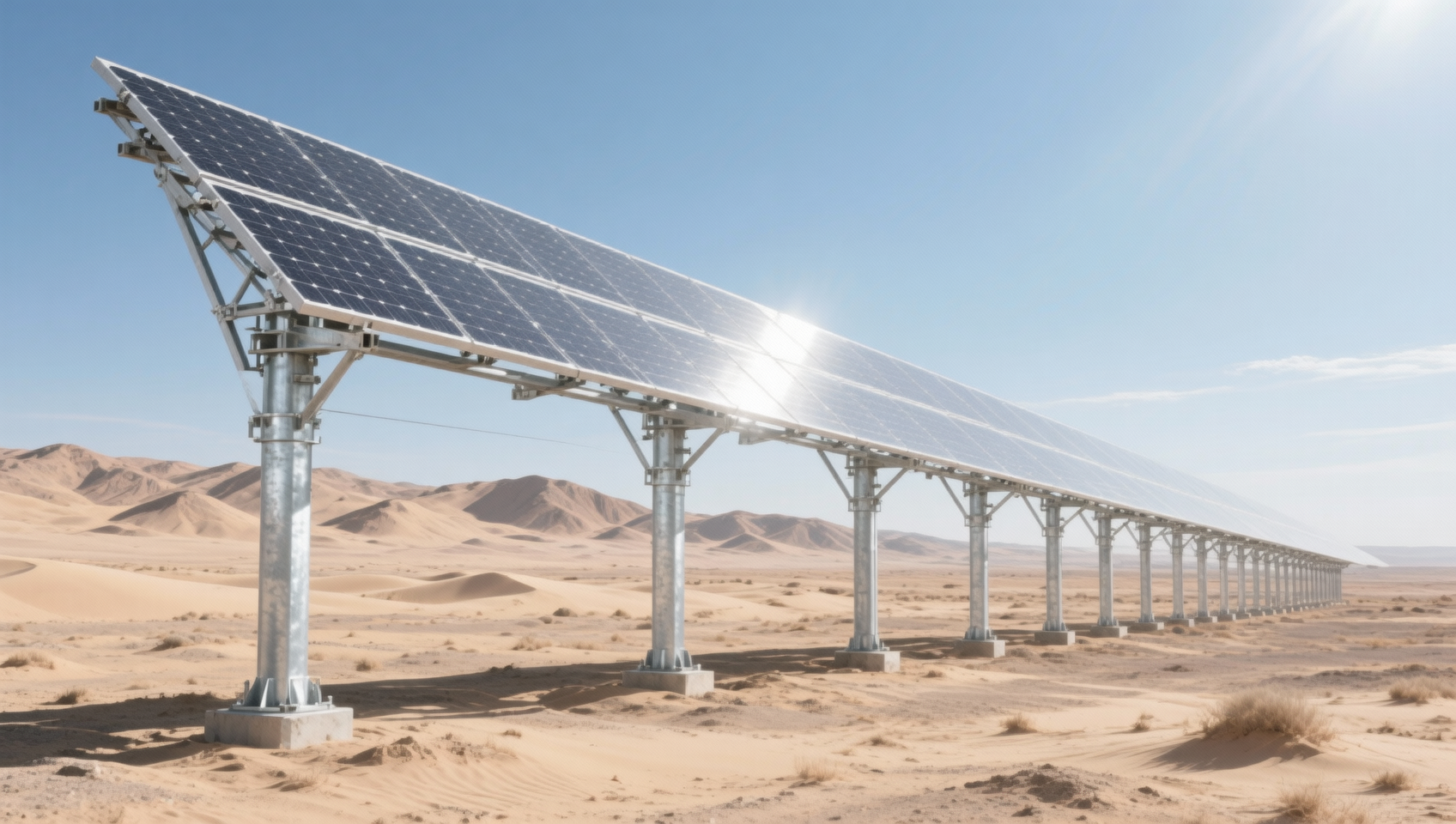
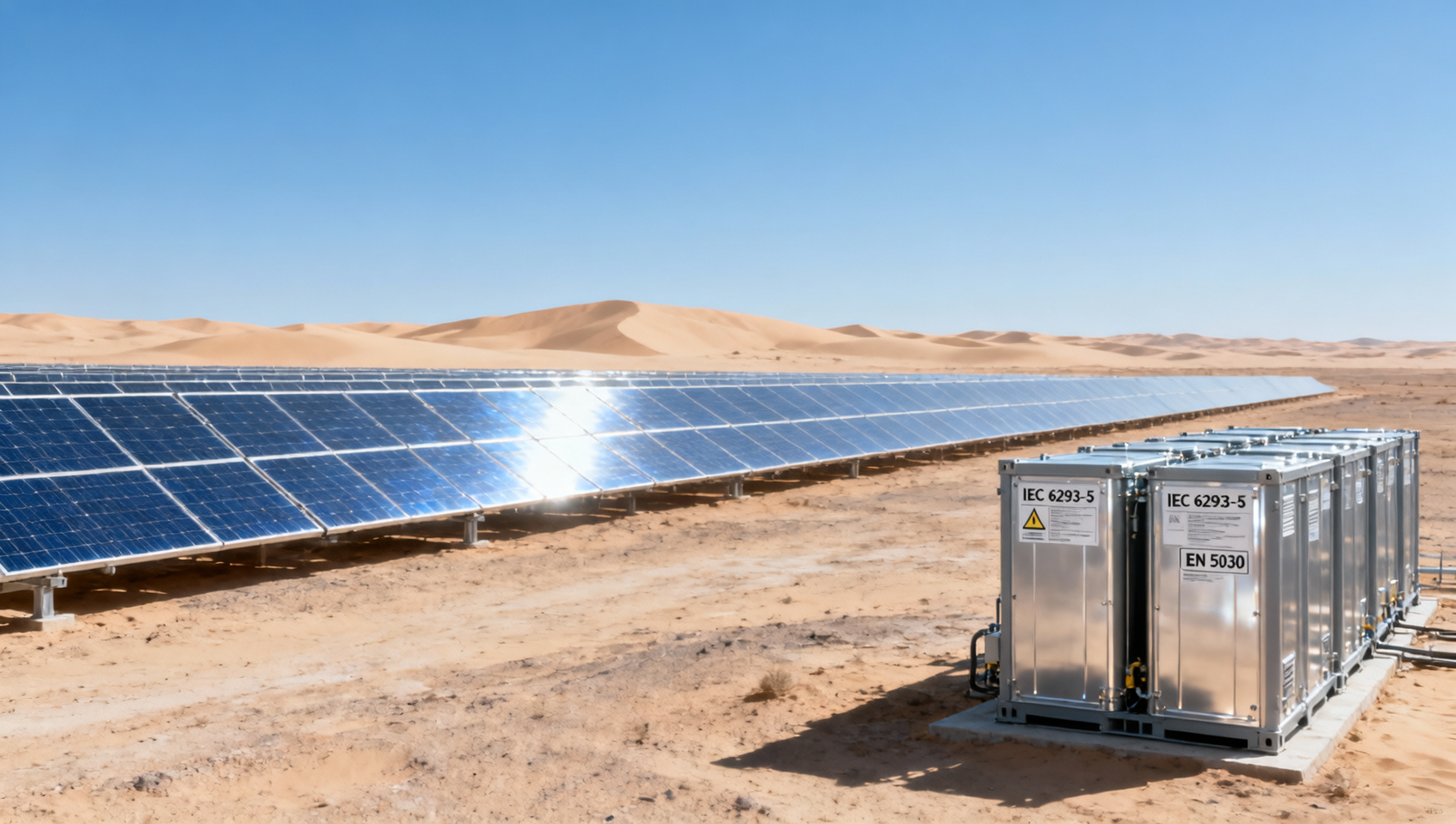
On April 27, 2026, NEOM published the official tender documents for Smart Infrastructure Phase II. The procurement covers approximately 1.2 GW of solar PV capacity and 800 MWh of battery storage systems. Chinese manufacturers of PV mounting structures and BESS have been included in the Pre-Qualified List (PQL), contingent upon compliance with IEC 61427-2:2025 sand-dust resistance certification and a verified local operations & maintenance response time of ≤24 hours. Project delivery is scheduled between Q4 2026 and Q1 2027.
Industries Affected
Direct Exporters of PV Mounting Structures
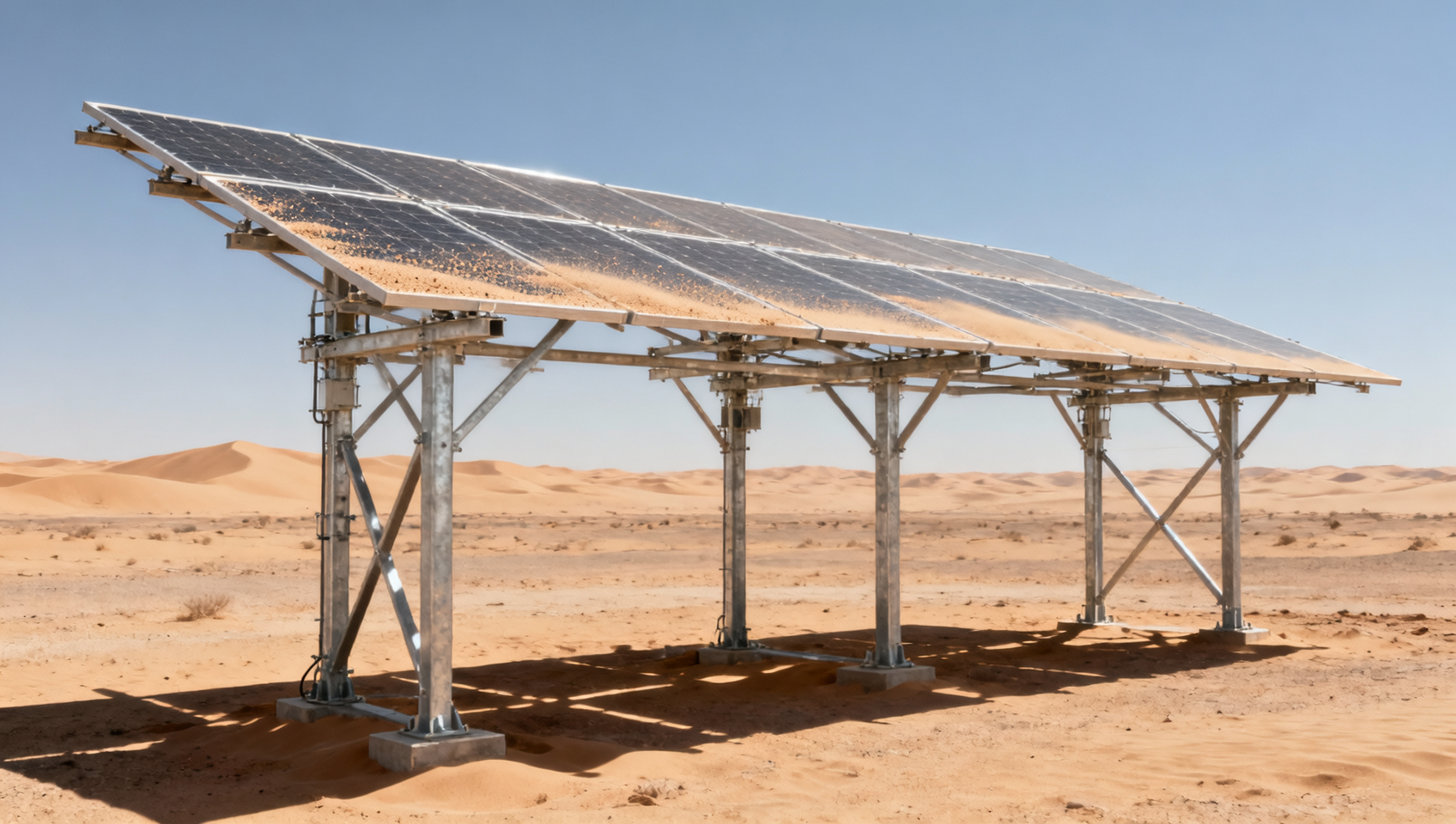
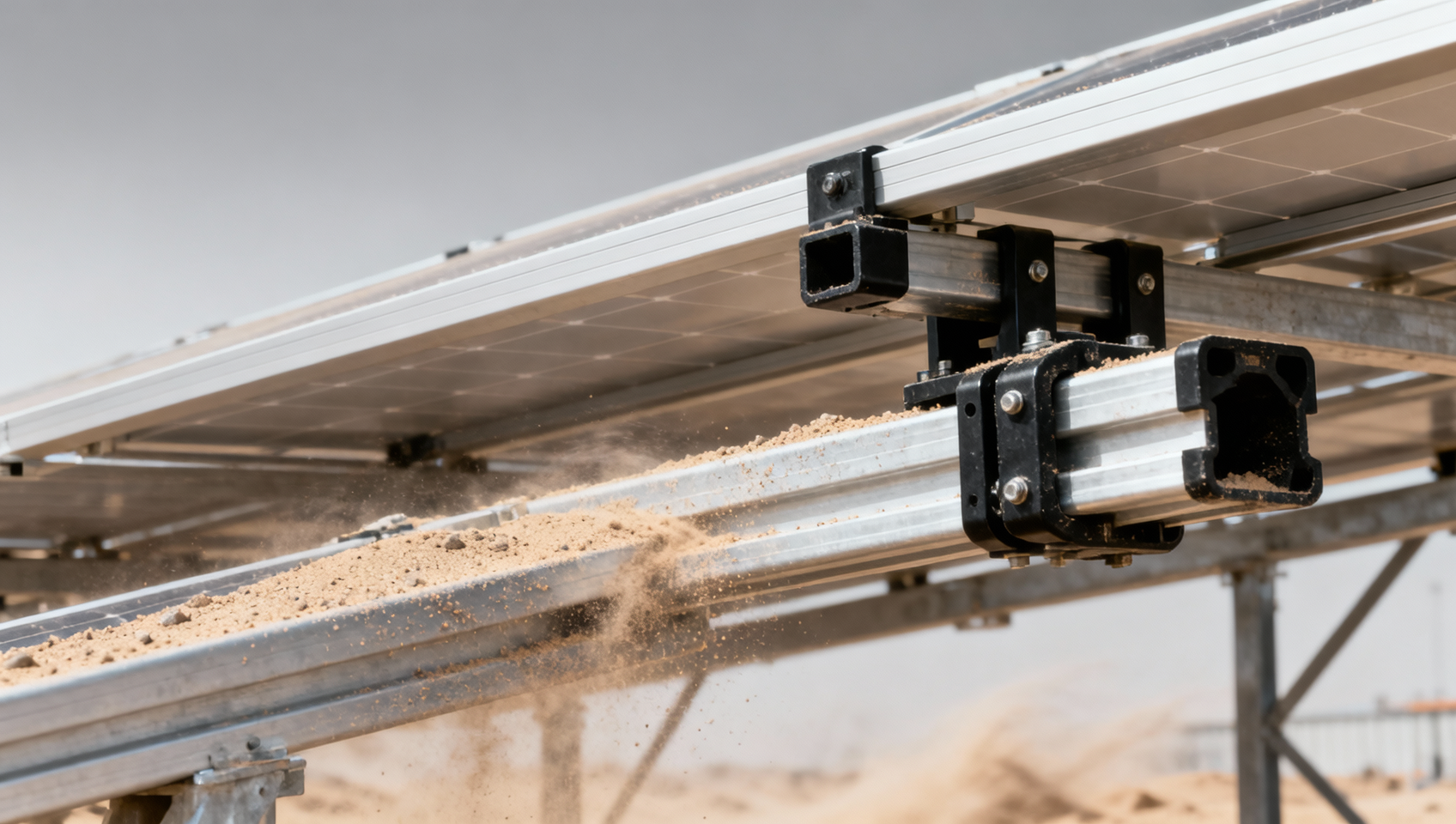
Manufacturers exporting fixed-tilt or single-axis tracking structures to GCC markets are directly impacted. The IEC 61427-2:2025 requirement introduces a new, desert-specific mechanical durability benchmark — distinct from standard IEC 61215 or IEC 62109 testing — affecting structural design validation and corrosion protection protocols.
BEES System Integrators & Cell-Level Suppliers
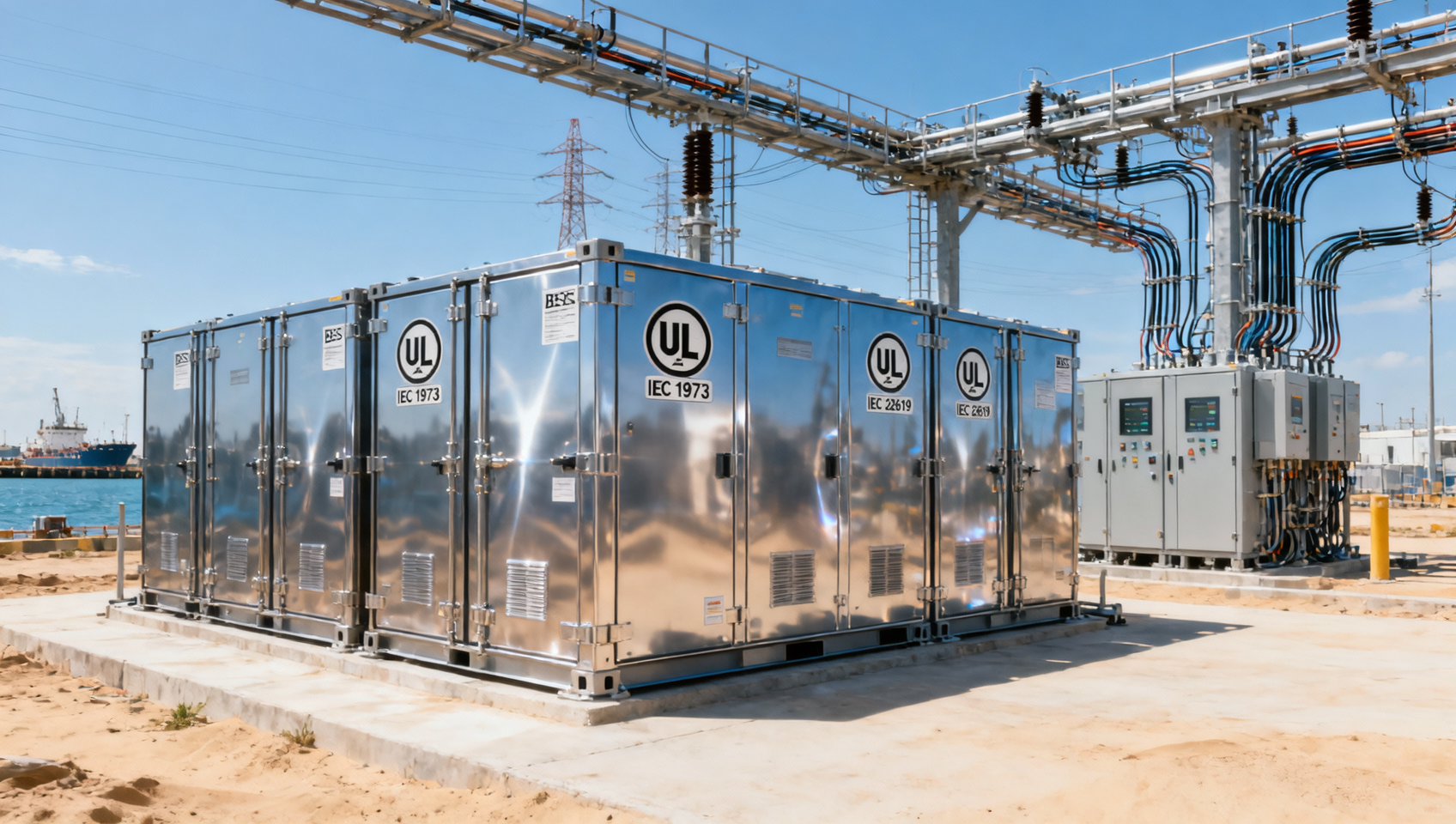
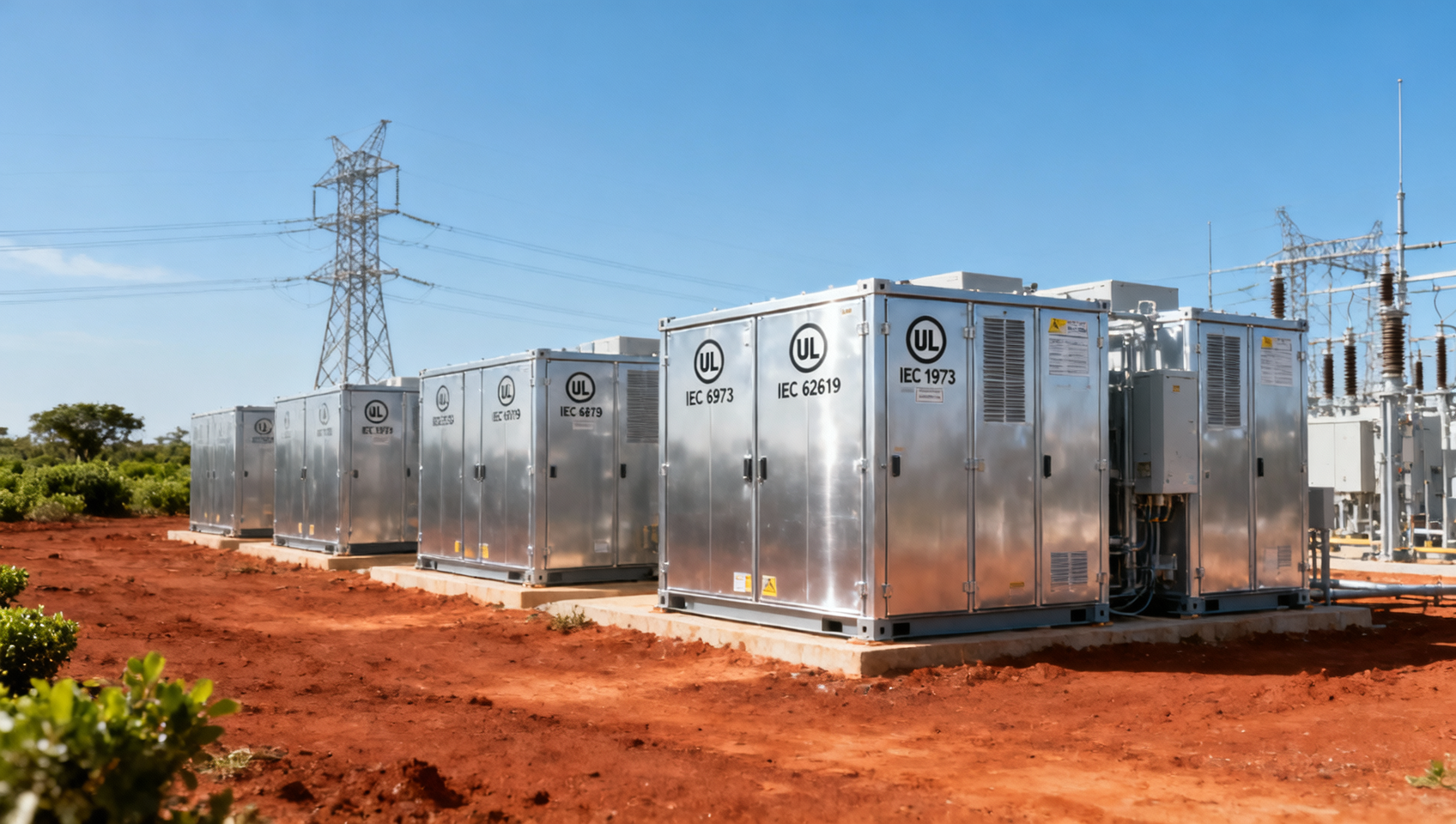
Companies supplying containerized or modular BESS solutions must demonstrate not only cell-level safety certifications (e.g., UL 9540A, IEC 62619), but also full-system validation under high-temperature, high-dust conditions per IEC 61427-2:2025. This affects thermal management architecture, enclosure IP rating, and dust filtration integration — components often outsourced separately.
Supply Chain Service Providers (Logistics, Certification, Local Representation)
Firms offering third-party IEC 61427-2:2025 test coordination, Saudi Arabian Standards Organization (SASO) conformity assessment support, or certified local after-sales service networks face rising demand. The ≤24-hour O&M response commitment requires verifiable on-ground presence — not just regional offices — making local partnership models more critical than standalone export licensing.
What Enterprises & Practitioners Should Monitor and Act On
Track official NEOM technical addenda and PQL updates
The current PQL status is conditional and subject to final verification during bid submission. Companies should monitor NEOM’s official portal for clarifications on documentation requirements for IEC 61427-2:2025 test reports — including acceptable labs, required environmental stress cycles, and reporting formats.
Validate product readiness against desert-specific performance thresholds
IEC 61427-2:2025 mandates accelerated sand abrasion, particulate ingress, and thermal cycling tests under simulated NEOM ambient conditions (e.g., 50°C max operating temp, >5 g/m³ airborne dust load). Firms should cross-check existing test data against these parameters before initiating formal qualification submissions.
Distinguish between pre-qualification eligibility and contract award criteria
Inclusion in the PQL does not guarantee bid evaluation advantage. NEOM’s tender evaluation matrix weights technical compliance (40%), local value-add (30%), and price (30%). Suppliers should prepare evidence of local assembly, training programs for Saudi technicians, or joint ventures registered under the Saudi Industrial Development Fund (SIDF) framework.
Prepare logistics and documentation for tight delivery windows
With delivery concentrated in Q4 2026–Q1 2027, lead times for customs clearance, SASO CoC issuance, and port-handling at King Abdullah Port must be stress-tested. Firms should confirm freight forwarder capacity for oversized PV mounting components and temperature-controlled BESS transport prior to bid submission.
Editorial Perspective / Industry Observation
Observably, this move represents a calibrated signal — not an immediate procurement outcome. NEOM’s inclusion of Chinese suppliers in the PQL reflects growing recognition of their cost-performance ratio and rapid engineering adaptation to harsh environments; however, the stringent IEC 61427-2:2025 and local response requirements serve as de facto technical gatekeepers. Analysis shows that the initiative prioritizes long-term infrastructure resilience over short-term cost savings — suggesting future tenders across Saudi Vision 2030 projects may adopt similar desert-readiness benchmarks. From an industry perspective, this is less about market access expansion and more about raising the baseline for environmental certification in arid-region energy infrastructure.
[[IMG:img_01]]
NEOM’s Smart Infrastructure Phase II tender marks a pivot toward performance-based, environment-specific qualification — one that redefines competitiveness beyond price or nominal certification. For stakeholders, it is best understood not as a broad opportunity, but as a precision-aligned inflection point demanding technical specificity, local operational credibility, and supply chain discipline. Current readiness hinges less on scale and more on demonstrable, auditable adaptation to extreme desert conditions.
Source: Official NEOM Tender Notice (April 27, 2026); IEC 61427-2:2025 Standard (International Electrotechnical Commission); Public Investment Fund (PIF) NEOM project disclosures.
Note: Final bidder selection timeline, contract award volume per supplier, and potential scope adjustments remain pending official announcement and require ongoing monitoring.
Get weekly intelligence in your inbox.
No noise. No sponsored content. Pure intelligence.
 Apr 29, 2026USITC Launches Section 337 Investigation into Chinese Wi-Fi 7 RF ModulesUSITC Launches Section 337 Investigation into Chinese Wi-Fi 7 RF Modules
 Apr 29, 2026Côte d'Ivoire Launches $500M Grid Storage Tender, Chinese BESS Fast-TrackedCôte d'Ivoire Launches $500M Grid Storage Tender, Chinese BESS Fast-Tracked
 Apr 29, 2026Morocco Enforces IEC 61427-2:2025 PV Mounting Certification from Q3 2026Morocco Enforces IEC 61427-2:2025 PV Mounting Certification from Q3 2026
 Apr 29, 2026UAE Becomes Global AI Hub: New CE-ADAS+ Path for Chinese Smart Industrial EquipmentUAE Becomes Global AI Hub: New CE-ADAS+ Path for Chinese Smart Industrial Equipment
 Apr 29, 2026Red Sea Crisis: Suez Canal Fees Up 12%, China-Europe Rail Premium at 35%Red Sea Crisis: Suez Canal Fees Up 12%, China-Europe Rail Premium at 35%
 Apr 29, 2026TÜV Rheinland Launches Fast-Track Certification for Chinese Warehouse RobotsTÜV Rheinland Launches Fast-Track Certification for Chinese Warehouse Robots
 Apr 29, 2026Vietnam's SMT Expansion Drives CNC Fixture Export DelaysVietnam's SMT Expansion Drives CNC Fixture Export Delays
![]() Apr 29, 2026NEOM Smart Infrastructure Phase II Opens Bidding: Chinese PV Mounting & BESS Pre-QualifiedNEOM Smart Infrastructure Phase II Opens Bidding: Chinese PV Mounting & BESS Pre-Qualified
Apr 29, 2026NEOM Smart Infrastructure Phase II Opens Bidding: Chinese PV Mounting & BESS Pre-QualifiedNEOM Smart Infrastructure Phase II Opens Bidding: Chinese PV Mounting & BESS Pre-Qualified Apr 29, 2026EU Enforces Battery Passport for Energy Storage Imports from July 2026EU Enforces Battery Passport for Energy Storage Imports from July 2026
 Apr 29, 2026Maine Bans New >20MW Data Centers — AI Hardware Delivery ImpactedMaine Bans New >20MW Data Centers — AI Hardware Delivery Impacted
 Apr 28, 2026Suez Canal Fee Hike & China-Europe Rail Premium: Q2 2026 ImpactSuez Canal Fee Hike & China-Europe Rail Premium: Q2 2026 Impact
 Apr 28, 2026TÜV Rheinland Launches Fast-Track Certification for Chinese Warehouse RobotsTÜV Rheinland Launches Fast-Track Certification for Chinese Warehouse Robots
 Apr 28, 2026EU Enforces Battery Passport Rule for Chinese ESS Exports from 2027EU Enforces Battery Passport Rule for Chinese ESS Exports from 2027
 Apr 28, 2026ADB Raises Vietnam GDP Forecast to 7.2%: SMT & Precision Fixture Demand RisesADB Raises Vietnam GDP Forecast to 7.2%: SMT & Precision Fixture Demand Rises
 Apr 28, 2026US ITC Launches Section 337 Investigation into Chinese Wi-Fi 7 RF FEMsUS ITC Launches Section 337 Investigation into Chinese Wi-Fi 7 RF FEMs
 Apr 28, 2026Côte d'Ivoire Opens $500M Power Tender: Chinese BESS Get Fast-Track AccessCôte d'Ivoire Opens $500M Power Tender: Chinese BESS Get Fast-Track Access
 Apr 28, 2026BP’s Algeria East Basin Permit Spurs Valve Demand, Lead Times Extend to 18 WeeksBP’s Algeria East Basin Permit Spurs Valve Demand, Lead Times Extend to 18 Weeks
") Apr 28, 2026Vietnam Mandates V-Trust for Smart Appliances Export (July 2026)Vietnam Mandates V-Trust for Smart Appliances Export (July 2026)
Apr 28, 2026Vietnam Mandates V-Trust for Smart Appliances Export (July 2026)Vietnam Mandates V-Trust for Smart Appliances Export (July 2026) Apr 28, 2026Morocco Enforces PV Mounting Structure Certification from Q3 2026Morocco Enforces PV Mounting Structure Certification from Q3 2026
 Apr 28, 2026UAE Establishes AI Hub Status, Opens CE-ADAS+ Pathway for Chinese Smart Industrial EquipmentUAE Establishes AI Hub Status, Opens CE-ADAS+ Pathway for Chinese Smart Industrial Equipment
 Apr 27, 2026Algeria’s Oil & Steel FDI Push Opens Valve, Corrosion-Resistant Material OrdersAlgeria’s Oil & Steel FDI Push Opens Valve, Corrosion-Resistant Material Orders
 Apr 27, 2026Azerbaijan’s New PV Mounting Standard Opens Path for Chinese SuppliersAzerbaijan’s New PV Mounting Standard Opens Path for Chinese Suppliers
 Apr 27, 2026Fitch Cuts East Africa Growth Forecasts, Raises Cross-Border Trade RisksFitch Cuts East Africa Growth Forecasts, Raises Cross-Border Trade Risks
 Apr 27, 2026ADB Raises Vietnam GDP Forecast to 7.2% on Electronics Export GrowthADB Raises Vietnam GDP Forecast to 7.2% on Electronics Export Growth
 Apr 27, 2026Maine Halts Large Data Centers: AI Server Export ImpactMaine Halts Large Data Centers: AI Server Export Impact
 Apr 27, 2026OFID $500M for Côte d'Ivoire: Boost to Factory Automation & Warehouse RoboticsOFID $500M for Côte d'Ivoire: Boost to Factory Automation & Warehouse Robotics
 Apr 27, 2026Morocco Ranks 4th in EU Energy Aid to AfricaMorocco Ranks 4th in EU Energy Aid to Africa