Morocco Enforces IEC 61427-2:2025 PV Mounting Certification from Q3 2026
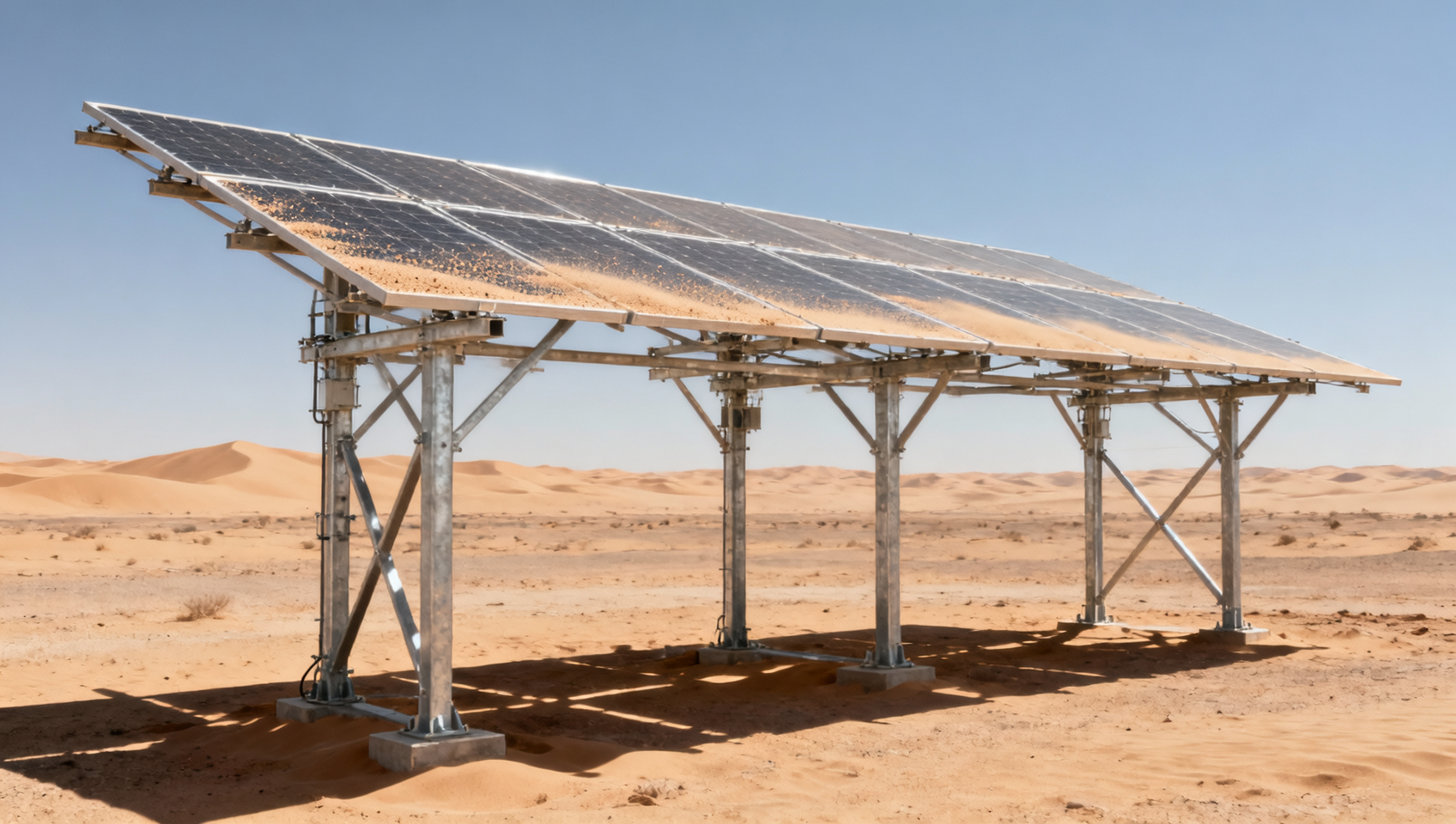
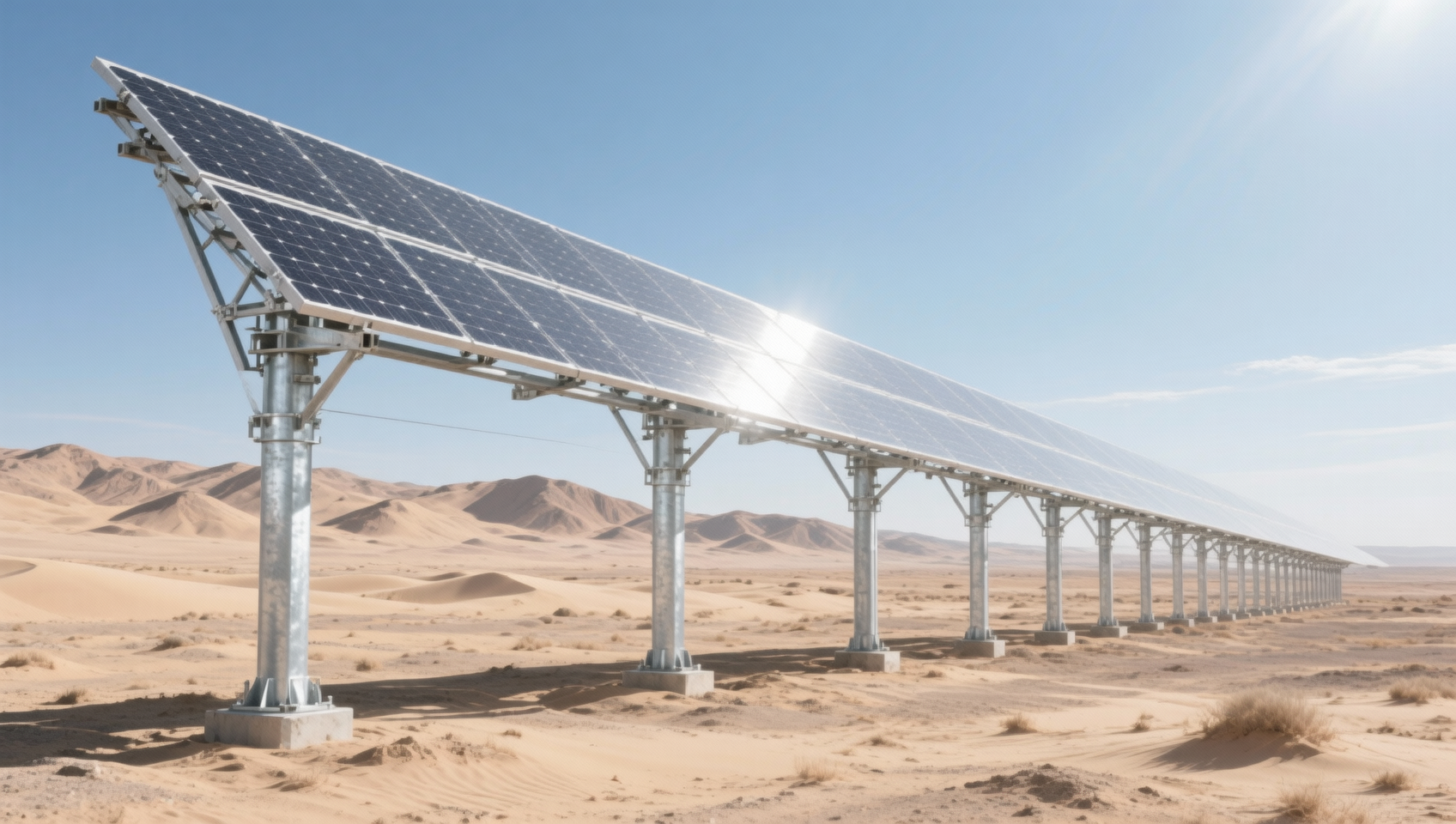
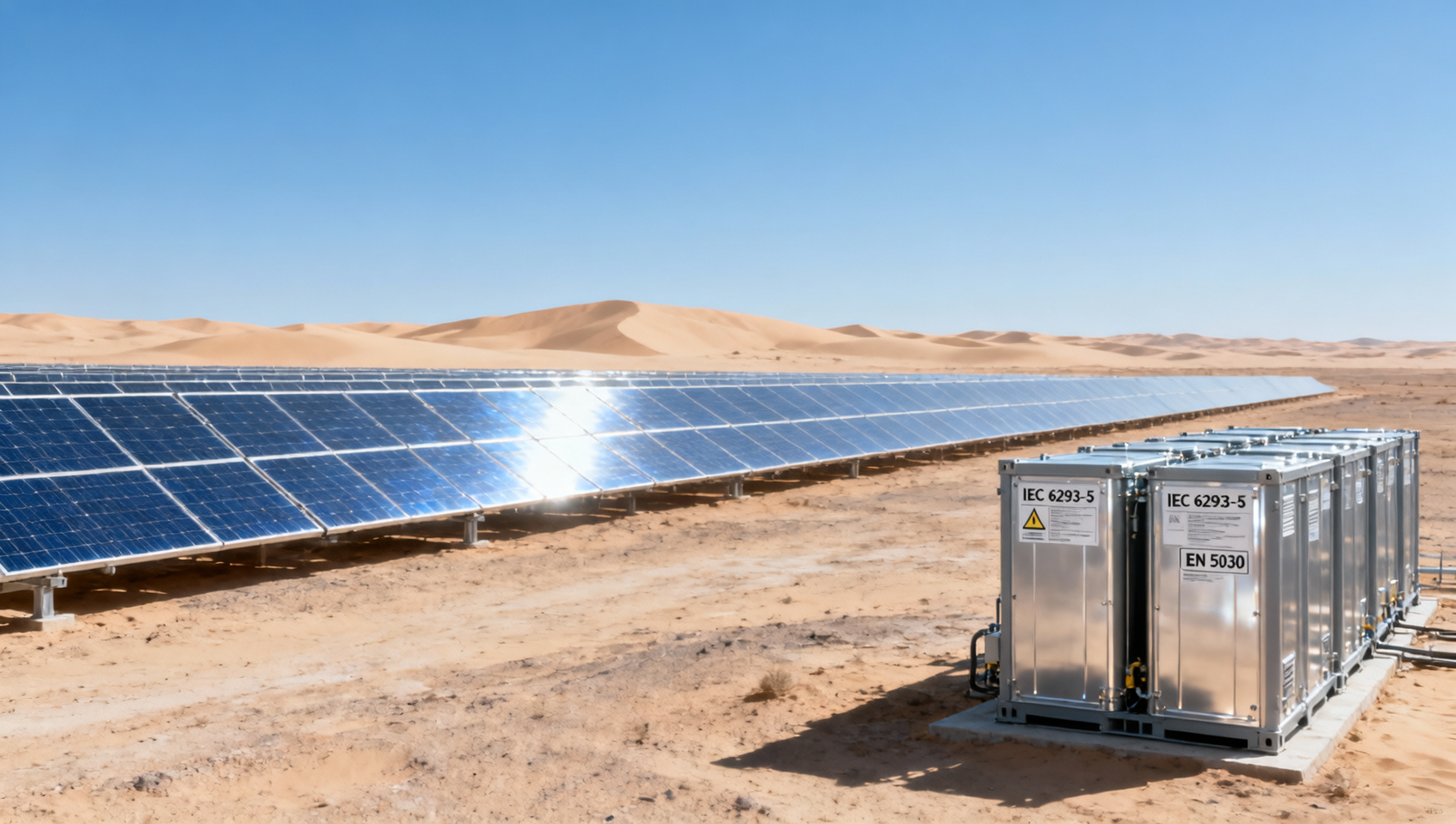
Morocco’s Ministry of Energy issued Administrative Order No. 2026-117 on April 28, 2026, mandating IEC 61427-2:2025-based local sand-wind testing for photovoltaic mounting systems used in southern desert projects—effective October 1, 2026. This development directly impacts solar PV manufacturers, exporters, and project integrators serving the Moroccan market, particularly those based in China. It signals a shift from generic international certification to location-specific environmental validation, raising new technical and operational thresholds for market access.
Event Overview
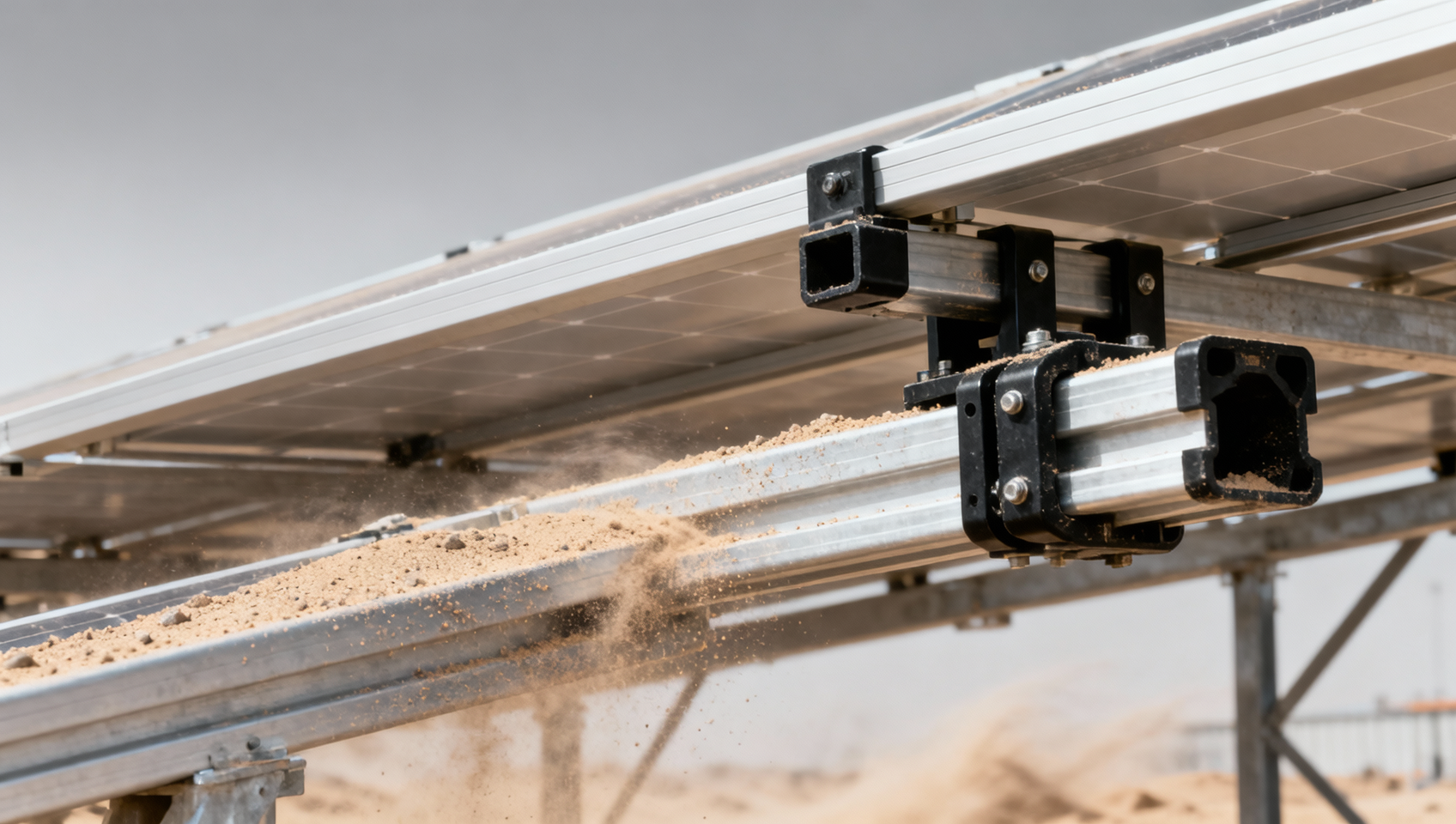
On April 28, 2026, Morocco’s Ministry of Energy published Administrative Order No. 2026-117. The order stipulates that, starting October 1, 2026 (Q3 2026), all photovoltaic mounting systems deployed in southern desert solar projects must obtain certification through physical wind-sand environmental testing conducted in accordance with IEC 61427-2:2025. Testing must be performed at locally established sampling points in Agadir or Rabat. Chinese solar PV enterprises without such local sampling infrastructure will be disqualified from bidding on relevant projects. Multiple Chinese manufacturers have jointly initiated construction of localized test centers with TÜV SÜD.
Impact on Specific Industry Segments
Direct Exporters & OEM Manufacturers: Affected because compliance is now tied to physical presence and local test execution—not just factory-level certification. Impact manifests as loss of tender eligibility, delayed project timelines, and increased pre-bid verification costs.
Supply Chain & Logistics Service Providers: Affected due to new requirements for sample transportation, on-site coordination, and documentation traceability between manufacturing sites and Moroccan test locations. Impact includes revised service scope, tighter lead-time planning, and need for certified logistics handover protocols.
Engineering, Procurement & Construction (EPC) Contractors: Affected as mounting system qualification becomes a mandatory pre-contract condition for southern desert projects. Impact includes stricter vendor pre-qualification checks, extended procurement cycles, and potential redesign risks if certified mounts are not available in required configurations.
Third-Party Certification & Testing Agencies: Affected by the emergence of demand for localized IEC 61427-2:2025 implementation—including test facility setup, personnel accreditation, and cross-border audit alignment. Impact includes new business development focus on North African infrastructure and calibration partnerships.
Key Focus Areas and Recommended Actions for Stakeholders
Monitor official updates on implementation guidance
Administrative Order No. 2026-117 is effective October 1, 2026, but supporting technical annexes, sampling frequency rules, and recognized test lab criteria remain pending. Stakeholders should track publications from Morocco’s National Office of Electricity and Drinking Water (ONEE) and the Moroccan Agency for Sustainable Energy (MASEN).
Confirm eligibility of current and planned mounting product lines
Manufacturers must verify whether existing IEC 61427-1 or IEC 61427-2:2016 certifications meet the new IEC 61427-2:2025 requirement—and whether their structural designs pass real-world sand abrasion and dynamic wind load tests under Moroccan desert conditions. Re-testing may be required even for previously certified models.
Evaluate feasibility of establishing or partnering with local sampling infrastructure
As the order requires sampling points in Agadir or Rabat, companies without local entities must assess options: co-location with TÜV SÜD or other accredited partners, joint venture arrangements, or dedicated small-scale sampling hubs. Lead time for facility approval and equipment commissioning should be factored into 2025–2026 planning.
Update procurement and tender documentation workflows
Exporters and EPCs must revise internal checklists to include proof of local sampling point registration, test report issuance dates, and conformity statements referencing IEC 61427-2:2025—not earlier editions. Bid submissions lacking these elements will be rejected outright post-October 2026.
Editorial Perspective / Industry Observation
Observably, this regulation marks Morocco’s transition from adopting global standards to enforcing context-specific validation—a move increasingly common among emerging solar markets with extreme environmental conditions. Analysis shows it functions less as an immediate trade barrier and more as a signal of long-term market maturation: technical due diligence is shifting downstream, from design-stage compliance to site-relevant performance assurance. From an industry perspective, the requirement reflects growing emphasis on asset longevity and O&M predictability in arid zones—not just initial cost or LCOE modeling. Current developments suggest stakeholders should treat this as both a compliance milestone and a strategic inflection point for localization strategy.
Current more suitable understanding is that this is a policy signal with phased operational impact—not yet a fully enforced regime. While the deadline is fixed, the absence of finalized test protocols and accredited lab lists means practical implementation remains subject to further clarification over the next 18 months.
This regulatory step underscores how environmental specificity is becoming a non-negotiable layer of solar infrastructure certification in high-irradiance, high-abrasion regions. For global suppliers, it reinforces that standardization alone no longer suffices; adaptive, geography-aware compliance is now central to market access in key growth corridors.
Information Source: Morocco Ministry of Energy, Administrative Order No. 2026-117 (issued April 28, 2026). Pending details—including test methodology specifications, list of authorized laboratories, and transitional provisions—are under active observation and require ongoing monitoring.
Get weekly intelligence in your inbox.
No noise. No sponsored content. Pure intelligence.
 Apr 29, 2026USITC Launches Section 337 Investigation into Chinese Wi-Fi 7 RF ModulesUSITC Launches Section 337 Investigation into Chinese Wi-Fi 7 RF Modules
 Apr 29, 2026Côte d'Ivoire Launches $500M Grid Storage Tender, Chinese BESS Fast-TrackedCôte d'Ivoire Launches $500M Grid Storage Tender, Chinese BESS Fast-Tracked
 Apr 29, 2026Morocco Enforces IEC 61427-2:2025 PV Mounting Certification from Q3 2026Morocco Enforces IEC 61427-2:2025 PV Mounting Certification from Q3 2026
 Apr 29, 2026UAE Becomes Global AI Hub: New CE-ADAS+ Path for Chinese Smart Industrial EquipmentUAE Becomes Global AI Hub: New CE-ADAS+ Path for Chinese Smart Industrial Equipment
 Apr 29, 2026Red Sea Crisis: Suez Canal Fees Up 12%, China-Europe Rail Premium at 35%Red Sea Crisis: Suez Canal Fees Up 12%, China-Europe Rail Premium at 35%
 Apr 29, 2026TÜV Rheinland Launches Fast-Track Certification for Chinese Warehouse RobotsTÜV Rheinland Launches Fast-Track Certification for Chinese Warehouse Robots
 Apr 29, 2026Vietnam's SMT Expansion Drives CNC Fixture Export DelaysVietnam's SMT Expansion Drives CNC Fixture Export Delays
![]() Apr 29, 2026NEOM Smart Infrastructure Phase II Opens Bidding: Chinese PV Mounting & BESS Pre-QualifiedNEOM Smart Infrastructure Phase II Opens Bidding: Chinese PV Mounting & BESS Pre-Qualified
Apr 29, 2026NEOM Smart Infrastructure Phase II Opens Bidding: Chinese PV Mounting & BESS Pre-QualifiedNEOM Smart Infrastructure Phase II Opens Bidding: Chinese PV Mounting & BESS Pre-Qualified Apr 29, 2026EU Enforces Battery Passport for Energy Storage Imports from July 2026EU Enforces Battery Passport for Energy Storage Imports from July 2026
 Apr 29, 2026Maine Bans New >20MW Data Centers — AI Hardware Delivery ImpactedMaine Bans New >20MW Data Centers — AI Hardware Delivery Impacted
 Apr 28, 2026Suez Canal Fee Hike & China-Europe Rail Premium: Q2 2026 ImpactSuez Canal Fee Hike & China-Europe Rail Premium: Q2 2026 Impact
 Apr 28, 2026TÜV Rheinland Launches Fast-Track Certification for Chinese Warehouse RobotsTÜV Rheinland Launches Fast-Track Certification for Chinese Warehouse Robots
 Apr 28, 2026EU Enforces Battery Passport Rule for Chinese ESS Exports from 2027EU Enforces Battery Passport Rule for Chinese ESS Exports from 2027
 Apr 28, 2026ADB Raises Vietnam GDP Forecast to 7.2%: SMT & Precision Fixture Demand RisesADB Raises Vietnam GDP Forecast to 7.2%: SMT & Precision Fixture Demand Rises
 Apr 28, 2026US ITC Launches Section 337 Investigation into Chinese Wi-Fi 7 RF FEMsUS ITC Launches Section 337 Investigation into Chinese Wi-Fi 7 RF FEMs
 Apr 28, 2026Côte d'Ivoire Opens $500M Power Tender: Chinese BESS Get Fast-Track AccessCôte d'Ivoire Opens $500M Power Tender: Chinese BESS Get Fast-Track Access
 Apr 28, 2026BP’s Algeria East Basin Permit Spurs Valve Demand, Lead Times Extend to 18 WeeksBP’s Algeria East Basin Permit Spurs Valve Demand, Lead Times Extend to 18 Weeks
") Apr 28, 2026Vietnam Mandates V-Trust for Smart Appliances Export (July 2026)Vietnam Mandates V-Trust for Smart Appliances Export (July 2026)
Apr 28, 2026Vietnam Mandates V-Trust for Smart Appliances Export (July 2026)Vietnam Mandates V-Trust for Smart Appliances Export (July 2026) Apr 28, 2026Morocco Enforces PV Mounting Structure Certification from Q3 2026Morocco Enforces PV Mounting Structure Certification from Q3 2026
 Apr 28, 2026UAE Establishes AI Hub Status, Opens CE-ADAS+ Pathway for Chinese Smart Industrial EquipmentUAE Establishes AI Hub Status, Opens CE-ADAS+ Pathway for Chinese Smart Industrial Equipment
 Apr 27, 2026Algeria’s Oil & Steel FDI Push Opens Valve, Corrosion-Resistant Material OrdersAlgeria’s Oil & Steel FDI Push Opens Valve, Corrosion-Resistant Material Orders
 Apr 27, 2026Azerbaijan’s New PV Mounting Standard Opens Path for Chinese SuppliersAzerbaijan’s New PV Mounting Standard Opens Path for Chinese Suppliers
 Apr 27, 2026Fitch Cuts East Africa Growth Forecasts, Raises Cross-Border Trade RisksFitch Cuts East Africa Growth Forecasts, Raises Cross-Border Trade Risks
 Apr 27, 2026ADB Raises Vietnam GDP Forecast to 7.2% on Electronics Export GrowthADB Raises Vietnam GDP Forecast to 7.2% on Electronics Export Growth
 Apr 27, 2026Maine Halts Large Data Centers: AI Server Export ImpactMaine Halts Large Data Centers: AI Server Export Impact
 Apr 27, 2026OFID $500M for Côte d'Ivoire: Boost to Factory Automation & Warehouse RoboticsOFID $500M for Côte d'Ivoire: Boost to Factory Automation & Warehouse Robotics
 Apr 27, 2026Morocco Ranks 4th in EU Energy Aid to AfricaMorocco Ranks 4th in EU Energy Aid to Africa