EU Enforces Battery Passport for Energy Storage Imports from July 2026
On 28 April 2026, the European Commission announced mandatory pre-shipment verification of the Battery Passport for all energy storage batteries entering the EU market starting 1 July 2026. This development directly affects battery manufacturers, exporters, and supply chain service providers — particularly those based in China — due to new digital identity, traceability, and customs clearance requirements.
Event Overview
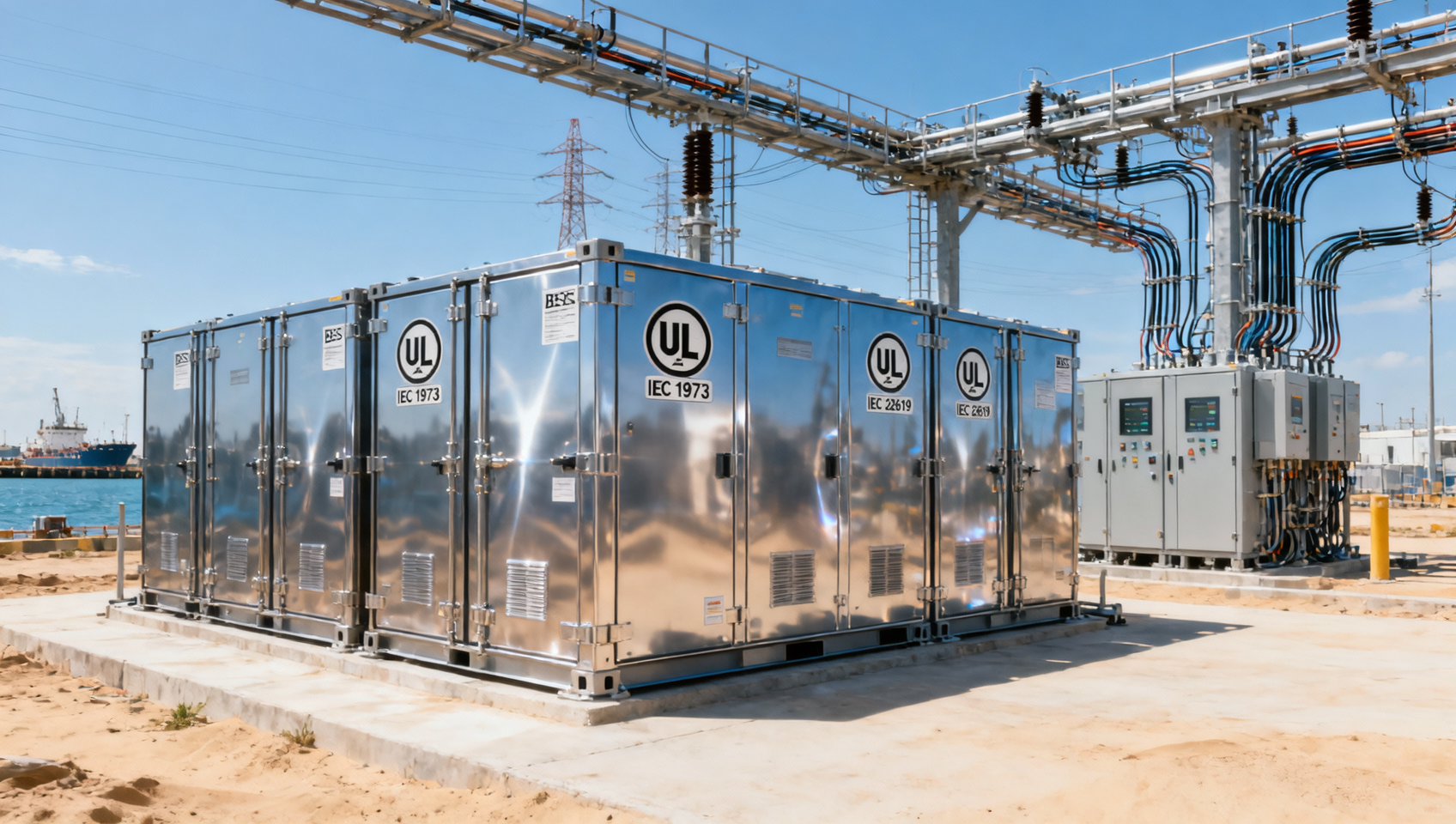
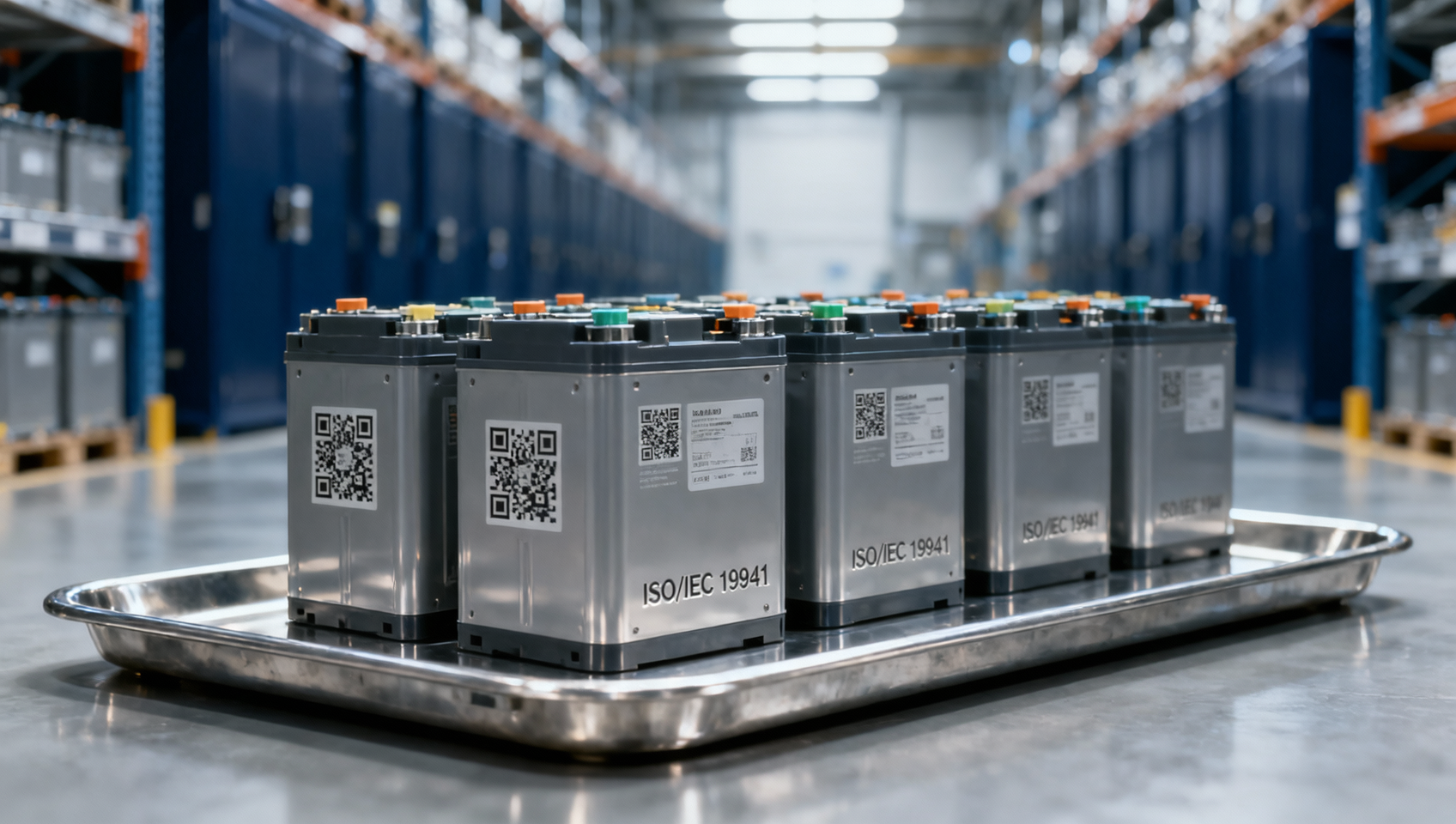
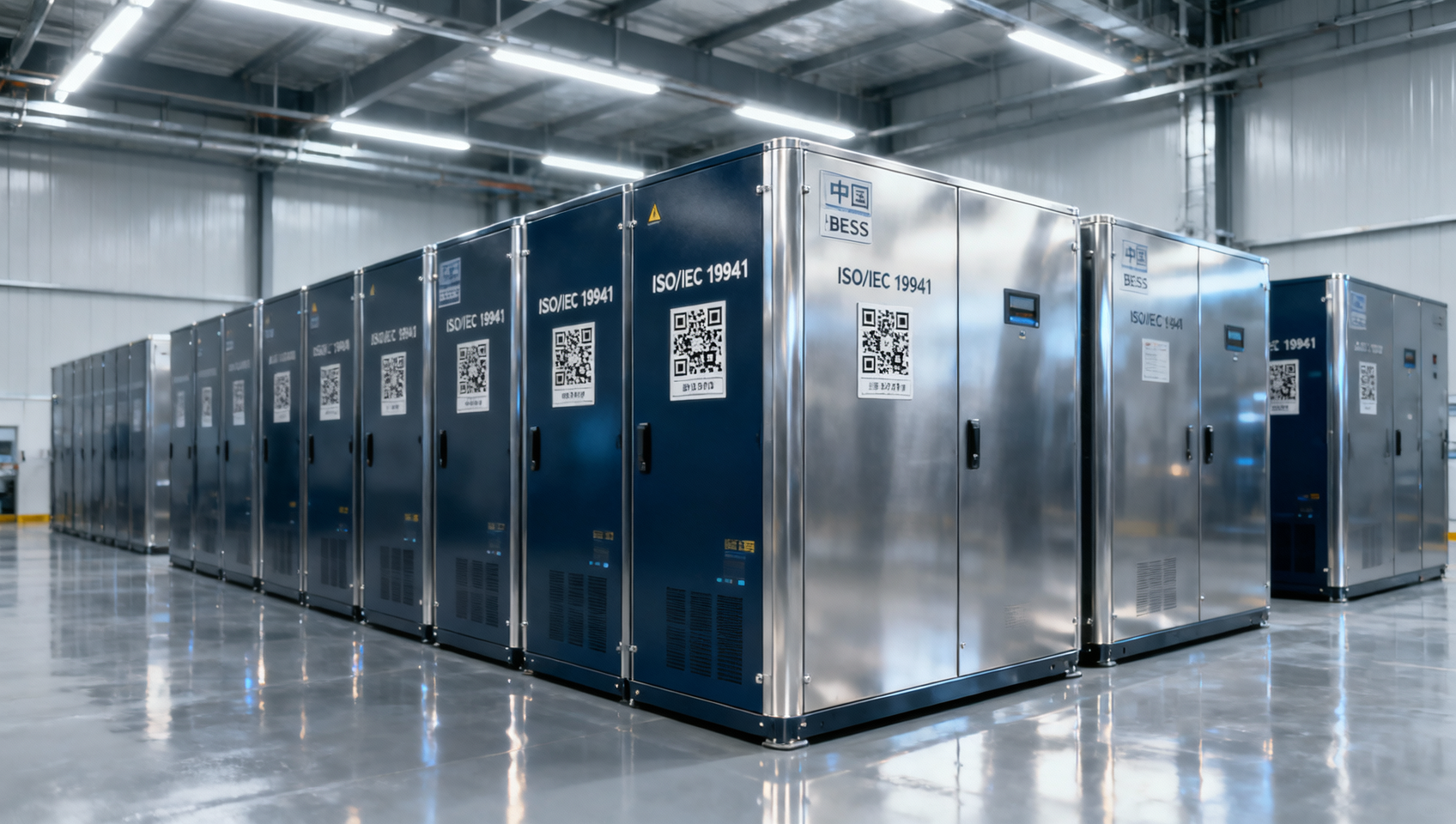
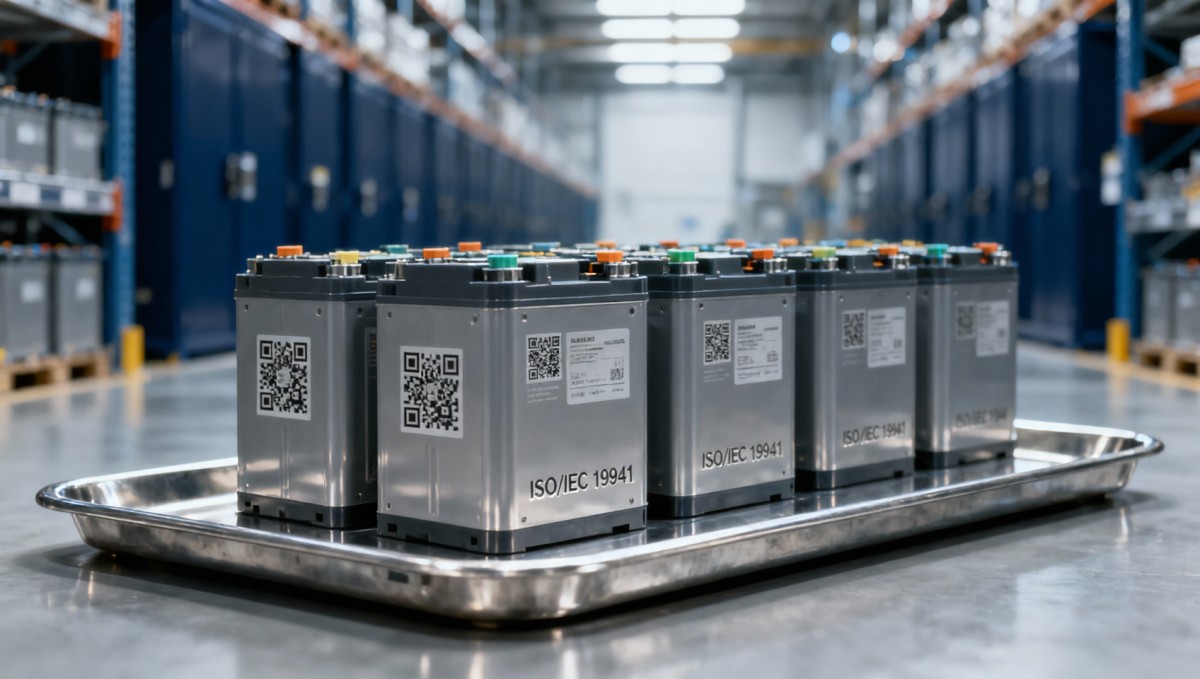
According to the European Commission’s official announcement dated 28 April 2026, all stationary energy storage batteries placed on the EU market from 1 July 2026 must embed a compliant digital identifier per ISO/IEC 19941 and undergo third-party validation via designated platforms (e.g., EcoVadis or EU-BatteryPass). German and Dutch customs authorities have already begun piloting front-loaded data verification at entry points. Non-compliant shipments will not be released.
Which Sub-Sectors Are Affected
Direct Exporters (Battery Storage Manufacturers)
Chinese battery storage manufacturers exporting to the EU face extended documentation lead times — now adding 5–7 working days per shipment — to generate and validate digital identifiers. The requirement applies regardless of shipment size or destination EU member state.
Supply Chain Service Providers (Certification & Compliance Platforms)
Third-party verification platforms such as EcoVadis and EU-BatteryPass are now de facto gatekeepers for market access. Firms not yet integrated into these systems — especially SMEs with limited digital infrastructure — report delays and repeated rejections during customs data submission.
Component & BOM Management Teams
The Battery Passport mandates traceable mapping between Bill of Materials (BOM) and production batch records. This affects internal quality and documentation teams responsible for maintaining version-controlled, auditable product data — a shift beyond traditional export paperwork.
What Relevant Enterprises or Practitioners Should Focus On — And How to Respond
Register digital identities immediately via official EU-BatteryPass or authorized platforms
Registration is not optional post-July 2026. Delayed registration risks shipment holds; early adopters may identify integration gaps before volume ramp-up.
Validate and synchronize BOM-to-batch mapping across ERP and production systems
ISO/IEC 19941 compliance requires real-time alignment between physical manufacturing records and digital identifiers. Cross-departmental coordination (R&D, production, QA, IT) is essential to avoid mismatch errors flagged during verification.
Monitor pilot outcomes in Germany and the Netherlands for procedural signals
As frontline customs authorities, German and Dutch agencies are refining data validation logic and rejection criteria. Their feedback — though not formal policy — informs near-term operational expectations across the EU.
Allocate buffer time in logistics planning for 2026 Q3 onward
Given the confirmed 5–7-day extension in documentation preparation, forwarders and export managers should revise shipment timelines and customer delivery commitments accordingly — especially for contracts with strict SLA clauses.
Editorial Perspective / Industry Observation
Observably, this is not merely a technical documentation update but a structural shift toward regulatory-driven digital traceability in energy storage trade. Analysis shows the Battery Passport functions less as a standalone certification and more as an embedded layer of market access control — linking environmental reporting, supply chain due diligence, and customs enforcement. From an industry perspective, the July 2026 deadline marks the transition from voluntary alignment to mandatory compliance. Current implementation remains platform-dependent and jurisdictionally uneven, meaning real-world friction — especially for non-EU-based SMEs — is likely to persist through 2026 Q3. It is therefore more accurate to interpret this phase as a regulatory signal with immediate operational consequences, rather than a fully stabilized regime.
Conclusion
This measure signals a tightening of digital and administrative thresholds for energy storage exports to the EU. Its significance lies not in novelty — the Battery Passport framework was previewed years earlier — but in enforceability: it is now binding, verifiable at border, and tied to release authority. For stakeholders, the most rational interpretation is that this is a fixed operational requirement, not a pending proposal. Preparedness hinges on system integration, not policy interpretation.
Information Sources
Main source: European Commission official announcement, 28 April 2026.
Note: Ongoing verification protocols in Germany and the Netherlands remain under observation; no consolidated EU-wide customs guidance has been published as of the announcement date.
Get weekly intelligence in your inbox.
No noise. No sponsored content. Pure intelligence.
 Apr 29, 2026USITC Launches Section 337 Investigation into Chinese Wi-Fi 7 RF ModulesUSITC Launches Section 337 Investigation into Chinese Wi-Fi 7 RF Modules
 Apr 29, 2026Côte d'Ivoire Launches $500M Grid Storage Tender, Chinese BESS Fast-TrackedCôte d'Ivoire Launches $500M Grid Storage Tender, Chinese BESS Fast-Tracked
 Apr 29, 2026Morocco Enforces IEC 61427-2:2025 PV Mounting Certification from Q3 2026Morocco Enforces IEC 61427-2:2025 PV Mounting Certification from Q3 2026
 Apr 29, 2026UAE Becomes Global AI Hub: New CE-ADAS+ Path for Chinese Smart Industrial EquipmentUAE Becomes Global AI Hub: New CE-ADAS+ Path for Chinese Smart Industrial Equipment
 Apr 29, 2026Red Sea Crisis: Suez Canal Fees Up 12%, China-Europe Rail Premium at 35%Red Sea Crisis: Suez Canal Fees Up 12%, China-Europe Rail Premium at 35%
 Apr 29, 2026TÜV Rheinland Launches Fast-Track Certification for Chinese Warehouse RobotsTÜV Rheinland Launches Fast-Track Certification for Chinese Warehouse Robots
 Apr 29, 2026Vietnam's SMT Expansion Drives CNC Fixture Export DelaysVietnam's SMT Expansion Drives CNC Fixture Export Delays
![]() Apr 29, 2026NEOM Smart Infrastructure Phase II Opens Bidding: Chinese PV Mounting & BESS Pre-QualifiedNEOM Smart Infrastructure Phase II Opens Bidding: Chinese PV Mounting & BESS Pre-Qualified
Apr 29, 2026NEOM Smart Infrastructure Phase II Opens Bidding: Chinese PV Mounting & BESS Pre-QualifiedNEOM Smart Infrastructure Phase II Opens Bidding: Chinese PV Mounting & BESS Pre-Qualified Apr 29, 2026EU Enforces Battery Passport for Energy Storage Imports from July 2026EU Enforces Battery Passport for Energy Storage Imports from July 2026
 Apr 29, 2026Maine Bans New >20MW Data Centers — AI Hardware Delivery ImpactedMaine Bans New >20MW Data Centers — AI Hardware Delivery Impacted
 Apr 28, 2026Suez Canal Fee Hike & China-Europe Rail Premium: Q2 2026 ImpactSuez Canal Fee Hike & China-Europe Rail Premium: Q2 2026 Impact
 Apr 28, 2026TÜV Rheinland Launches Fast-Track Certification for Chinese Warehouse RobotsTÜV Rheinland Launches Fast-Track Certification for Chinese Warehouse Robots
 Apr 28, 2026EU Enforces Battery Passport Rule for Chinese ESS Exports from 2027EU Enforces Battery Passport Rule for Chinese ESS Exports from 2027
 Apr 28, 2026ADB Raises Vietnam GDP Forecast to 7.2%: SMT & Precision Fixture Demand RisesADB Raises Vietnam GDP Forecast to 7.2%: SMT & Precision Fixture Demand Rises
 Apr 28, 2026US ITC Launches Section 337 Investigation into Chinese Wi-Fi 7 RF FEMsUS ITC Launches Section 337 Investigation into Chinese Wi-Fi 7 RF FEMs
 Apr 28, 2026Côte d'Ivoire Opens $500M Power Tender: Chinese BESS Get Fast-Track AccessCôte d'Ivoire Opens $500M Power Tender: Chinese BESS Get Fast-Track Access
 Apr 28, 2026BP’s Algeria East Basin Permit Spurs Valve Demand, Lead Times Extend to 18 WeeksBP’s Algeria East Basin Permit Spurs Valve Demand, Lead Times Extend to 18 Weeks
") Apr 28, 2026Vietnam Mandates V-Trust for Smart Appliances Export (July 2026)Vietnam Mandates V-Trust for Smart Appliances Export (July 2026)
Apr 28, 2026Vietnam Mandates V-Trust for Smart Appliances Export (July 2026)Vietnam Mandates V-Trust for Smart Appliances Export (July 2026) Apr 28, 2026Morocco Enforces PV Mounting Structure Certification from Q3 2026Morocco Enforces PV Mounting Structure Certification from Q3 2026
 Apr 28, 2026UAE Establishes AI Hub Status, Opens CE-ADAS+ Pathway for Chinese Smart Industrial EquipmentUAE Establishes AI Hub Status, Opens CE-ADAS+ Pathway for Chinese Smart Industrial Equipment
 Apr 27, 2026Algeria’s Oil & Steel FDI Push Opens Valve, Corrosion-Resistant Material OrdersAlgeria’s Oil & Steel FDI Push Opens Valve, Corrosion-Resistant Material Orders
 Apr 27, 2026Azerbaijan’s New PV Mounting Standard Opens Path for Chinese SuppliersAzerbaijan’s New PV Mounting Standard Opens Path for Chinese Suppliers
 Apr 27, 2026Fitch Cuts East Africa Growth Forecasts, Raises Cross-Border Trade RisksFitch Cuts East Africa Growth Forecasts, Raises Cross-Border Trade Risks
 Apr 27, 2026ADB Raises Vietnam GDP Forecast to 7.2% on Electronics Export GrowthADB Raises Vietnam GDP Forecast to 7.2% on Electronics Export Growth
 Apr 27, 2026Maine Halts Large Data Centers: AI Server Export ImpactMaine Halts Large Data Centers: AI Server Export Impact
 Apr 27, 2026OFID $500M for Côte d'Ivoire: Boost to Factory Automation & Warehouse RoboticsOFID $500M for Côte d'Ivoire: Boost to Factory Automation & Warehouse Robotics
 Apr 27, 2026Morocco Ranks 4th in EU Energy Aid to AfricaMorocco Ranks 4th in EU Energy Aid to Africa