Xinjiang Huayu Textile Full Production of Medical-Grade Nonwovens
On April 14, Huayu Textile Technology Co., Ltd. in Awat County, Xinjiang commenced full-capacity operation of its industrial nonwoven production line — a development with direct implications for medical protective equipment and rehabilitation device manufacturers sourcing certified raw materials, particularly those exporting to regulated markets including the U.S. and EU.
Event Overview
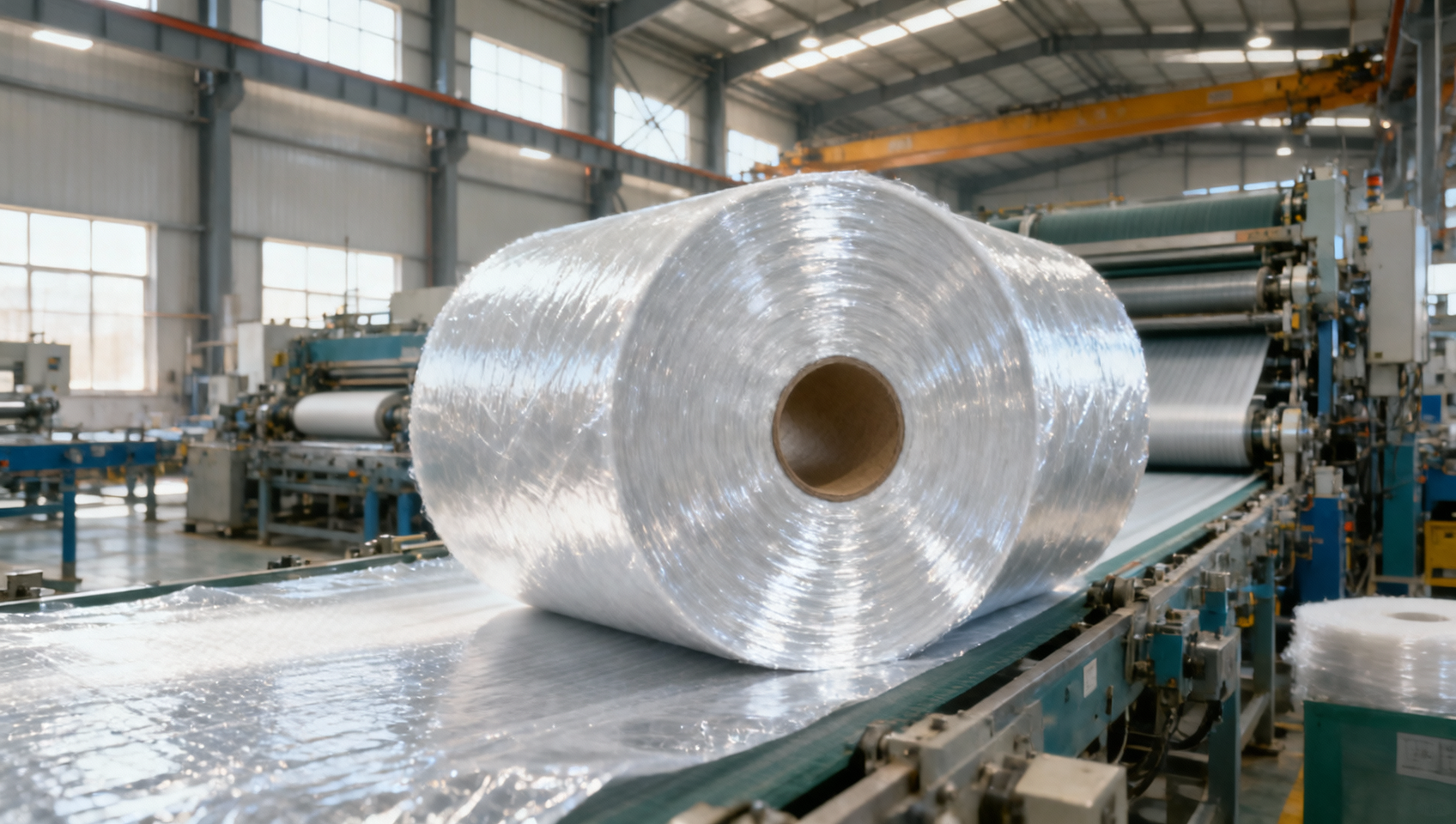
On April 14, Huayu Textile Technology’s production facility in Awat County, Xinjiang entered full-capacity operation. Its annual output capacity for melt-blown and SMS composite nonwovens stands at 12,000 metric tons. The products have completed FDA 510(k) pre-submission and are certified to EN 14683:2019 Class I/II standards. The company is currently fulfilling orders from medical device and diagnostic consumables manufacturers based in Guangdong and Shandong provinces, supplying base materials for surgical masks, isolation gowns, and disposable ECG electrode patches. Overseas medical device distributors are invited to assess Huayu Textile as a potential secondary raw material supplier.
Industries Affected by This Development
Direct Trade Enterprises (Exporters & Importers)
These firms may face revised sourcing options for certified nonwoven substrates used in Class I/II medical devices. As Huayu Textile’s FDA and EN-certified output enters commercial supply chains, importers targeting U.S. or EU markets could consider regional diversification of raw material origin — especially where documentation traceability and regulatory alignment are critical.
Raw Material Procurement Teams (OEM/ODM Manufacturers)
Procurement units supporting medical PPE or rehabilitation device production now have an additional domestic source meeting international regulatory benchmarks. Impact centers on supply continuity risk mitigation: Huayu’s location in Xinjiang introduces logistical and customs clearance considerations distinct from coastal suppliers, requiring updated lead time and documentation planning.
Contract Manufacturing & Assembly Firms
Firms assembling finished medical devices or consumables using nonwoven components may encounter shifts in vendor qualification timelines. Since Huayu’s certifications are at the material level (FDA 510(k) pre-submission, EN 14683), downstream manufacturers remain responsible for final product registration — but must verify compatibility of Huayu-sourced substrates with their own validation protocols.
Distribution & Channel Partners (Medical Device Distributors)
Distributors serving emerging markets or acting as tier-2 procurement agents may assess Huayu as a stable secondary supplier — especially where primary vendors face capacity constraints or geopolitical exposure. However, distributor due diligence must include verification of current batch-level compliance documentation, not just certification status.
What Relevant Enterprises or Practitioners Should Monitor and Act On
Track official updates on certification scope and validity
FDA 510(k) pre-submission is not equivalent to clearance; EN 14683:2019 Class I/II certification applies to material performance only — not finished-device conformity. Procurement teams should request formal letters of conformance and audit-ready technical files before committing to volume orders.
Assess logistics readiness for inland-sourced materials
Xinjiang-based production introduces longer inland transport legs and potential variations in export documentation handling versus Jiangsu or Guangdong hubs. Buyers should confirm Incoterms, customs classification (HS code), and origin documentation requirements early in evaluation.
Distinguish between material certification and finished-product compliance
Analysis来看, Huayu’s certifications support — but do not replace — end-product regulatory obligations. OEMs must retain full responsibility for biocompatibility testing, sterilization validation, and labeling compliance when integrating these substrates.
Prepare for supplier qualification timelines
From industry角度看, onboarding a new raw material supplier into a medical device quality management system (e.g., ISO 13485) typically requires 3–6 months. Early engagement with Huayu — including sample testing and process audits — is advisable for firms planning mid-2024 material transitions.
Editorial Perspective / Industry Observation
Observation来看, this development signals growing domestic capability in regulated nonwoven manufacturing — not yet a market shift, but a tangible expansion of qualified supply options. It is better understood as an infrastructure milestone than an immediate competitive disruption: capacity is confirmed, but commercial scale-up across global distribution channels remains unverified. The relevance lies less in displacement of existing suppliers and more in resilience-building — particularly for firms managing dual-sourcing strategies amid tightening regulatory scrutiny on material provenance.
Current more relevant interpretation is that this reflects incremental progress in China’s upstream medical material certification ecosystem — one that merits monitoring, not immediate procurement pivots.
Conclusion
This full-capacity launch represents a verified addition to China’s pool of internationally certified nonwoven producers. Its significance lies in supply chain diversification potential — not near-term substitution — for medical device firms prioritizing regulatory-aligned raw materials. For now, it is best interpreted as a developing option requiring due diligence, not a validated alternative.
Information Source
Main source: Public operational announcement by Huayu Textile Technology Co., Ltd., dated April 14. Note: FDA 510(k) pre-submission status and EN 14683:2019 certification are confirmed per company statement; ongoing verification of batch-level compliance and export documentation consistency remains advised.
Get weekly intelligence in your inbox.
No noise. No sponsored content. Pure intelligence.
 Apr 16, 2026Guangzhou Yangsen Pharma’s Sensitive-Skin Patents Shift ODM LandscapeGuangzhou Yangsen Pharma’s Sensitive-Skin Patents Shift ODM Landscape
 Apr 16, 2026Xinjiang Huayu Textile Full Production of Medical-Grade NonwovensXinjiang Huayu Textile Full Production of Medical-Grade Nonwovens
 Apr 16, 2026Linklog AI Audit Case in China Supply Chain Finance YearbookLinklog AI Audit Case in China Supply Chain Finance Yearbook
 Apr 16, 2026Wuhan China-Europe Express Launches PV-Dedicated Train to EUWuhan China-Europe Express Launches PV-Dedicated Train to EU
 Apr 16, 2026Gaode Unveils First Quadruped Robot, Boosting China's Warehouse Robotics ExportsGaode Unveils First Quadruped Robot, Boosting China's Warehouse Robotics Exports
 Apr 16, 2026Polysilicon Price Falls Below $4,000/ton: PV Module Export Window ReopensPolysilicon Price Falls Below $4,000/ton: PV Module Export Window Reopens
 Apr 16, 2026Zanglong Island Semiconductor Park Land Acquisition Starts in WuhanZanglong Island Semiconductor Park Land Acquisition Starts in Wuhan
") Apr 16, 2026Intel Mass-Produces World’s Thinnest GaN Chip (19μm)Intel Mass-Produces World’s Thinnest GaN Chip (19μm)
Apr 16, 2026Intel Mass-Produces World’s Thinnest GaN Chip (19μm)Intel Mass-Produces World’s Thinnest GaN Chip (19μm) Apr 16, 2026Lithium Carbonate Prices Rebound, Export Cost Pressure ReturnsLithium Carbonate Prices Rebound, Export Cost Pressure Returns
 Apr 16, 2026EU CBAM Enters Enforcement Phase on April 1, 2026EU CBAM Enters Enforcement Phase on April 1, 2026
 Apr 16, 2026Smart Rings Are Getting Better, but Where Do They Still Fall Short?Smart Rings Are Getting Better, but Where Do They Still Fall Short?
 Apr 16, 2026Rapid Prototyping or CNC Machining: Which Fits Low-Volume Parts?Rapid Prototyping or CNC Machining: Which Fits Low-Volume Parts?
 Apr 16, 2026Solar Panel Efficiency Drops: Dirt, Heat, or Installation Error?Solar Panel Efficiency Drops: Dirt, Heat, or Installation Error?
 Apr 16, 2026Why Some EV Charging Stations Cost More to Operate Than ExpectedWhy Some EV Charging Stations Cost More to Operate Than Expected
 Apr 16, 2026What Makes a Bluetooth Speaker Sound Good Outdoors?What Makes a Bluetooth Speaker Sound Good Outdoors?
 Apr 16, 2026Metal stamping parts look simple until tooling wear starts to showMetal stamping parts look simple until tooling wear starts to show
 Apr 16, 2026Precision casting vs machining for complex parts with tight specsPrecision casting vs machining for complex parts with tight specs
 Apr 16, 2026Plastic extrusion problems that usually appear after shipmentPlastic extrusion problems that usually appear after shipment
 Apr 16, 2026Urethane casting is ideal for prototypes, until tolerance becomes criticalUrethane casting is ideal for prototypes, until tolerance becomes critical
 Apr 16, 2026Rapid tooling works fast, but what gets sacrificed first?Rapid tooling works fast, but what gets sacrificed first?
 Apr 16, 2026Low volume manufacturing sounds flexible, but where do delays start?Low volume manufacturing sounds flexible, but where do delays start?
 Apr 16, 2026Why surface finishing services change part quality more than expectedWhy surface finishing services change part quality more than expected
 Apr 16, 2026Anodizing services or paint? Where the cost gap really showsAnodizing services or paint? Where the cost gap really shows
 Apr 16, 2026Powder coating defects that often trace back to pretreatmentPowder coating defects that often trace back to pretreatment
 Apr 16, 2026When digital twin manufacturing pays off on the factory floorWhen digital twin manufacturing pays off on the factory floor
 Apr 16, 2026Wire EDM services make sense when tight corners really matterWire EDM services make sense when tight corners really matter
 Apr 16, 2026Gear manufacturing tolerances that affect noise and service lifeGear manufacturing tolerances that affect noise and service life