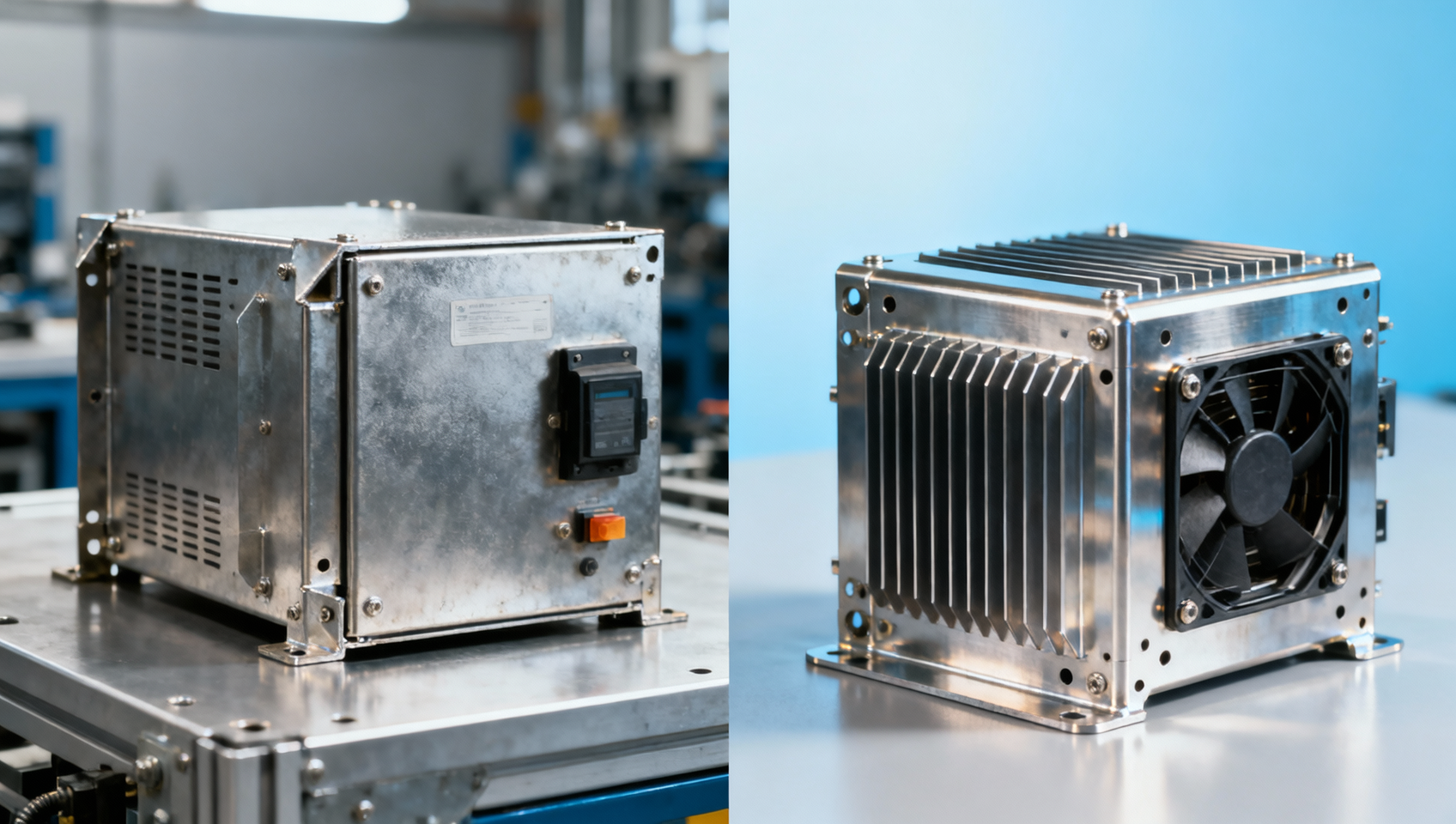
Why surface finishing services change part quality more than expected
Surface finishing services often influence part quality more than design teams initially expect, affecting durability, corrosion resistance, appearance, and downstream assembly performance. From powder coating and anodizing services to demands in low volume manufacturing, the right finishing choice can reduce failure risks, control costs, and strengthen brand value. This article explains why finishing decisions deserve earlier attention across sourcing, engineering, quality control, and commercial strategy.
For manufacturers, procurement teams, quality managers, project leaders, and commercial decision-makers, finishing is not a cosmetic afterthought. It directly shapes whether a part survives 500 hours of salt spray exposure, holds a tolerance after plating buildup, or reaches the customer with a surface that supports premium positioning. In cross-border B2B supply chains, where a single finish mismatch can delay production by 2 to 6 weeks, finishing decisions deserve the same discipline as material selection and process planning.
Why surface finishing affects part quality at multiple levels
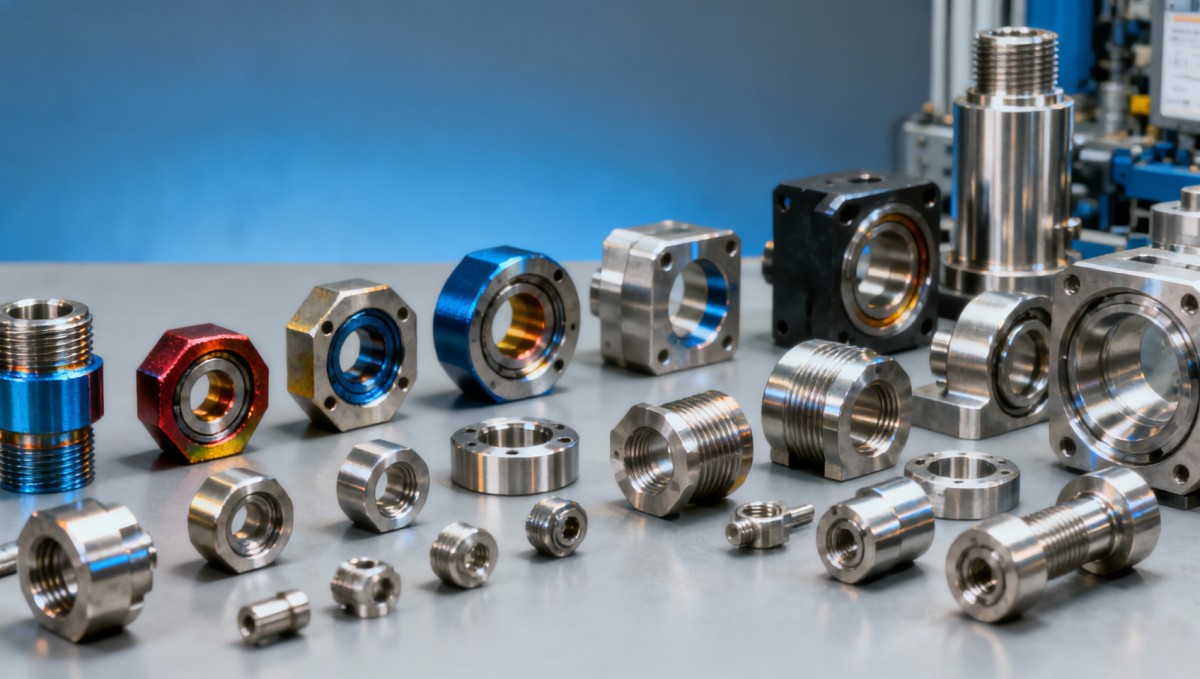
A surface finish changes how a part performs in real operating conditions. The base material may define core strength, but the outer layer often determines resistance to humidity, UV exposure, chemicals, abrasion, and handling damage. In sectors such as advanced manufacturing, smart electronics, healthcare technology, and green energy equipment, this outer layer can be the difference between a 12-month service issue and a 5-year stable deployment.
The first impact is durability. Powder coating, anodizing, electroplating, passivation, polishing, and bead blasting each alter how a surface reacts to wear and corrosion. A part exposed to coastal air, industrial cleaners, or repeated assembly cycles may fail early even when the geometry is correct. In many cases, teams focus on tensile strength or dimensional tolerance while underestimating how much finishing governs field performance.
The second impact is dimensional function. Some finishing services add measurable thickness. Electroplating may add 5 to 25 microns, while anodizing on aluminum can create both penetration and buildup. On precision components with fit requirements of ±0.02 mm to ±0.10 mm, that additional layer can affect mating, thread engagement, electrical contact, or sealing performance. This matters even more in low volume manufacturing, where process tuning may vary more between batches of 20, 50, or 200 parts.
The third impact is consistency across the supply chain. Surface finishing services affect lead time, reject rate, packaging requirements, and rework risk. If finishing is decided too late, buyers may discover that a selected vendor has a 7-day machining lead time but a 15-day finishing queue, changing the full project timeline. For enterprise teams working on launches, audits, or approved vendor programs, that delay quickly becomes a cost issue rather than a technical detail.
The table below shows how finishing decisions influence quality in ways that design and procurement teams often experience only after pilot builds or first deliveries.
The key point is that finishing modifies both visible quality and hidden performance. It influences how a part looks on day 1, how it behaves after 1,000 cycles, and whether downstream users experience smooth assembly or repeated troubleshooting. That is why surface finishing services often change part quality more than expected.
How to match finishing methods to application, material, and volume
Choosing the right finish starts with context, not preference. A finish that works well for a steel enclosure in indoor electronics may be the wrong choice for an aluminum housing used outdoors near salt, dust, and UV exposure. Teams should align the finish with at least 4 variables: substrate material, use environment, cosmetic requirement, and production volume. Ignoring any one of these can create avoidable cost or quality drift.
Powder coating is often selected for steel and aluminum parts that need durable color coverage and good visual consistency. It typically provides a coating thickness around 60 to 120 microns, which supports impact resistance but can affect edges, holes, and masking complexity. For brackets, cabinets, machinery covers, and commercial hardware, it offers a strong balance between appearance and protection, especially in medium to high-volume runs.
Anodizing services are more common for aluminum parts where corrosion resistance, controlled appearance, and a harder surface are required. Typical anodic films range from 5 to 25 microns for decorative use and up to 50 microns or more for hard anodizing. In smart electronics, medical support devices, and lightweight assemblies, anodizing is often preferred because it retains a metallic feel while improving wear behavior. However, color uniformity can vary depending on alloy, surface preparation, and lot size.
Low volume manufacturing adds another layer of complexity. A finish that is economical at 5,000 units may be expensive at 30 units because setup, masking, jigging, and inspection are spread across fewer parts. In prototype or bridge production, buyers often need to compare not only unit cost but also whether the chosen finish can be repeated later in mass production without a visual or performance shift.
A practical comparison of common surface finishing services
The comparison below helps engineering, sourcing, and quality teams evaluate which surface finishing services are generally suitable for different B2B scenarios.
The best choice usually comes from a trade-off analysis, not a single performance claim. If visual consistency matters more than conductivity, one finish may win. If a component needs thread fit, chemical resistance, and repeatable appearance across 3 production stages, another finish may be safer. This is why finishing selection should be reviewed before tooling, pilot approval, or RFQ finalization.
Key evaluation questions before approval
- What is the base material, and does the finish interact differently with 6061 aluminum, stainless steel, zinc alloy, or carbon steel?
- Will the part operate indoors, outdoors, near chemicals, or in environments above 60°C or below -10°C?
- How much coating buildup can the design accept before fit, thread, or sealing performance changes?
- Is the order a prototype batch of 20 parts, a pilot run of 300, or a production order above 10,000 units?
Where projects fail when finishing is treated too late
One of the most common project mistakes is freezing geometry first and asking finishing suppliers for recommendations only after samples are cut. At that stage, buyers may discover that holes need masking, contact areas cannot be coated, edges become visually inconsistent, or cure temperatures affect distortion. Each issue may appear small, but together they can turn a stable drawing package into a 3-round rework cycle.
Late finishing decisions also distort cost expectations. A purchasing team may approve a supplier based on machining price, only to learn later that surface preparation, racking, masking, color matching, and finish inspection add 15% to 40% to the total landed cost. This is especially relevant in global sourcing, where freight packaging standards change once parts carry cosmetic finishes that scratch easily in transit.
Quality issues often appear downstream rather than at receiving inspection. Parts may pass dimensional checks before finishing but fail functional fit after coating. Electronics housings may lose grounding continuity. Brackets may show acceptable appearance under factory light but reveal color mismatch under retail lighting. For distributors and brand owners, these defects affect sell-through and returns, not just internal quality metrics.
In regulated or safety-sensitive sectors, documentation gaps create another risk. Even when no special certification is required, buyers should still ask for process records, surface preparation details, coating thickness ranges, inspection methods, and agreed acceptance standards. Without this baseline, the same part number can ship with visibly different outcomes between batches produced 30 days apart.
Common late-stage failure patterns
- Tolerance stack-up is not recalculated after a 10 to 80 micron coating layer is added.
- Color or gloss standards are not defined, leading to subjective acceptance disputes.
- Masking requirements are omitted from the drawing, increasing scrap and manual correction.
- The supply plan ignores finishing capacity, causing delivery slips of 1 to 3 weeks.
- Prototype finish and mass-production finish are treated as interchangeable when they are not.
These failure patterns are not limited to large industrial programs. They also affect low volume manufacturing, aftermarket spares, custom equipment, and premium consumer-facing hardware. Early finishing reviews reduce commercial uncertainty as much as technical risk.
What procurement and quality teams should verify before placing orders
A reliable sourcing process for surface finishing services should combine engineering checks, process capability review, and commercial controls. Teams do not need to overcomplicate it, but they do need a repeatable checklist. In most B2B projects, 5 areas matter most: substrate compatibility, coating specification, appearance standard, inspection method, and delivery planning. If one is missing, disputes become harder to resolve after shipment.
From a quality perspective, coating thickness and adhesion are baseline requirements, but they should not be the only ones. Teams should also define sample approval criteria, allowed cosmetic defect zones, packaging method, and whether rework is permitted. For example, a hidden internal bracket can tolerate more visual variation than a front-panel housing in healthcare technology or smart electronics. Separating functional and cosmetic surfaces helps control cost without weakening standards.
From a financial perspective, decision-makers should compare total delivered value rather than unit price alone. A lower quote may come with a longer lead time, higher reject risk, or weaker lot consistency. In many sourcing programs, saving 3% on finish price is not worth a line stop, a distributor complaint, or a delayed customer launch. This is why approved process windows and communication speed matter as much as the quote itself.
The table below provides a practical procurement review framework that can be used across advanced manufacturing, electronics, green energy components, and other B2B applications.
A disciplined review process improves both supplier alignment and internal approval speed. It gives quality teams clearer acceptance rules, project managers better schedule visibility, and finance stakeholders a more realistic view of total project cost.
A 5-step order readiness checklist
- Define the finish on the drawing or specification sheet, including masked areas and critical surfaces.
- Approve a visual and functional sample before full production, especially if color is customer-facing.
- Confirm how thickness will be measured and recorded for each lot or batch.
- Review the real lead time, including external finishing queues and transport between processes.
- Align on packaging and handling instructions for finished parts to reduce damage during shipment.
Implementation strategy for low volume manufacturing and scalable production
Low volume manufacturing requires a different finishing strategy from high-volume production. In runs of 10 to 200 parts, setup labor, fixture design, and manual inspection can represent a much larger share of cost. That means the “best” finish is not always the one with the highest technical performance. It is often the one that can be controlled reliably, documented clearly, and transitioned smoothly into later-scale production if demand increases.
A practical approach is to divide the rollout into 3 phases. Phase 1 is feasibility, where teams validate material compatibility, color behavior, masking practicality, and dimensional effects. Phase 2 is pilot control, usually covering first articles and small-batch confirmation. Phase 3 is scale alignment, where the chosen finish is reviewed for throughput, batch repeatability, and cost stability over 6 to 12 months. This phased model reduces surprises while keeping early-stage spending controlled.
For project managers and engineering leads, communication between machining, finishing, and final assembly is essential. A part can be fully acceptable at the finishing supplier yet still create assembly issues if contact surfaces, mating edges, or fastener zones were not identified early. Cross-functional review meetings do not need to be long; even a structured 30-minute check before production release can prevent expensive backtracking later.
For distributors, agents, and commercial teams, finishing consistency also affects market credibility. If one batch arrives in matte black and another appears slightly glossier, buyers may assume product inconsistency even when function is unchanged. In premium or specification-driven channels, appearance consistency becomes part of product trust. That is why surface finishing services should be considered part of brand delivery, not just technical processing.
FAQ for sourcing and technical review
How early should finishing be discussed in a project?
Ideally during the drawing review or RFQ stage, before prototype release. If the finish adds 10 to 100 microns, requires masking, or changes visual acceptance criteria, leaving it until after machining can create rework and schedule delays of 1 to 3 weeks.
Is powder coating always better than anodizing for durability?
Not always. Powder coating usually provides thicker coverage and strong impact resistance, while anodizing integrates with aluminum and can offer excellent wear and corrosion behavior with a metallic appearance. The better option depends on material, environment, tolerance sensitivity, and cosmetic goals.
What should buyers ask for in low volume manufacturing?
Ask for sample approval criteria, expected finish variation, real setup cost, and whether the same process can scale later. For batches under 100 parts, repeatability and handling controls may matter more than headline unit price.
How can companies reduce disputes over appearance?
Use a signed reference sample, define visible surfaces, specify gloss or texture expectations, and agree on acceptable defect zones. This simple step can prevent subjective rejection after delivery, especially in customer-facing products.
Surface finishing services shape corrosion resistance, fit, appearance, handling durability, and total project cost more than many teams expect. Whether the requirement involves powder coating, anodizing services, plating, or another finish, the right decision depends on the interaction between material, tolerance, application, volume, and supply chain timing. Organizations that address finishing early gain better quality control, fewer downstream failures, and stronger commercial consistency across prototypes, pilot runs, and full production.
For companies evaluating suppliers, launching new programs, or improving sourcing decisions across industrial sectors, a more structured finishing strategy creates measurable value. If you want support comparing finishing options, refining procurement criteria, or identifying the most suitable route for your parts and market goals, contact TradeNexus Pro to explore tailored solutions and deeper B2B intelligence.
Get weekly intelligence in your inbox.
No noise. No sponsored content. Pure intelligence.
 Apr 18, 2026TradeNexus Pro Launches Global Compliance RadarTradeNexus Pro Launches Global Compliance Radar
 Apr 18, 2026JIS T 2304:2026 Takes Effect June 1, 2026 for IVD SoftwareJIS T 2304:2026 Takes Effect June 1, 2026 for IVD Software
 Pathway for Rehab Devices with AI Modules") Apr 18, 2026FDA Updates 510(k) Pathway for Rehab Devices with AI ModulesFDA Updates 510(k) Pathway for Rehab Devices with AI Modules
Apr 18, 2026FDA Updates 510(k) Pathway for Rehab Devices with AI ModulesFDA Updates 510(k) Pathway for Rehab Devices with AI Modules Apr 18, 2026India BIS Approves 3 Chinese IoT Labs for IS 16444:2026 CertificationIndia BIS Approves 3 Chinese IoT Labs for IS 16444:2026 Certification
 Apr 18, 2026THE Alliance Launches Green Slot Priority for China PortsTHE Alliance Launches Green Slot Priority for China Ports
 Apr 18, 2026TÜV Rheinland Releases Dual-Standard ESS Certification Guide for ChinaTÜV Rheinland Releases Dual-Standard ESS Certification Guide for China
 Apr 18, 2026Vietnam Imposes AD Duties on Chinese Electronic ComponentsVietnam Imposes AD Duties on Chinese Electronic Components
 Apr 18, 2026SASO Launches PV Carbon Footprint Labeling from July 2026SASO Launches PV Carbon Footprint Labeling from July 2026
 Apr 18, 2026U.S. Adds 17 Smart Warehouse Robot Components to Export Control ListU.S. Adds 17 Smart Warehouse Robot Components to Export Control List
 Apr 18, 2026EU Enforces EN IEC 62443-4-2:2026 for Industrial Control Devices from 18 Apr 2026EU Enforces EN IEC 62443-4-2:2026 for Industrial Control Devices from 18 Apr 2026
 Apr 17, 2026Temperature data loggers drift unpredictably inside lithium-ion battery storage enclosuresTemperature data loggers drift unpredictably inside lithium-ion battery storage enclosures
 Apr 17, 2026Are solar microinverters really worth the extra cost?Are solar microinverters really worth the extra cost?
 Apr 17, 2026Bifacial solar panels: How much more energy can they generate?Bifacial solar panels: How much more energy can they generate?
 Apr 17, 2026Gear manufacturing: How to optimize production for high precision?Gear manufacturing: How to optimize production for high precision?
 Apr 17, 2026Why power transmission components fail earlier than expectedWhy power transmission components fail earlier than expected
 Apr 17, 2026Linear motion systems: belt drive or ball screw for speed?Linear motion systems: belt drive or ball screw for speed?
 Apr 17, 2026Industrial bearing suppliers: what signals reliable quality?Industrial bearing suppliers: what signals reliable quality?
 Apr 17, 2026When pneumatic valves wholesale gets expensive laterWhen pneumatic valves wholesale gets expensive later
 Apr 17, 2026Hydraulic cylinder fabrication mistakes that cause oil leaksHydraulic cylinder fabrication mistakes that cause oil leaks
 Apr 17, 2026Heavy equipment manufacturing delays often start hereHeavy equipment manufacturing delays often start here
 Apr 17, 2026Custom heatsinks: when a larger size solves nothingCustom heatsinks: when a larger size solves nothing
 Apr 17, 2026Electronic enclosure fabrication: steel or aluminum?Electronic enclosure fabrication: steel or aluminum?
 Apr 17, 2026Automotive parts machining tolerances that drive up scrapAutomotive parts machining tolerances that drive up scrap
 Apr 17, 2026Medical device manufacturing changes under tighter traceabilityMedical device manufacturing changes under tighter traceability
 Apr 17, 2026How to Choose Solid State Batteries in 2026How to Choose Solid State Batteries in 2026
 Apr 17, 2026Are Solid State Batteries Worth the Cost Yet?Are Solid State Batteries Worth the Cost Yet?
 Apr 17, 2026Commercial Energy Storage Sizing: What Matters Most?Commercial Energy Storage Sizing: What Matters Most?