Wuhan China-Europe Express Launches PV-Dedicated Train to EU
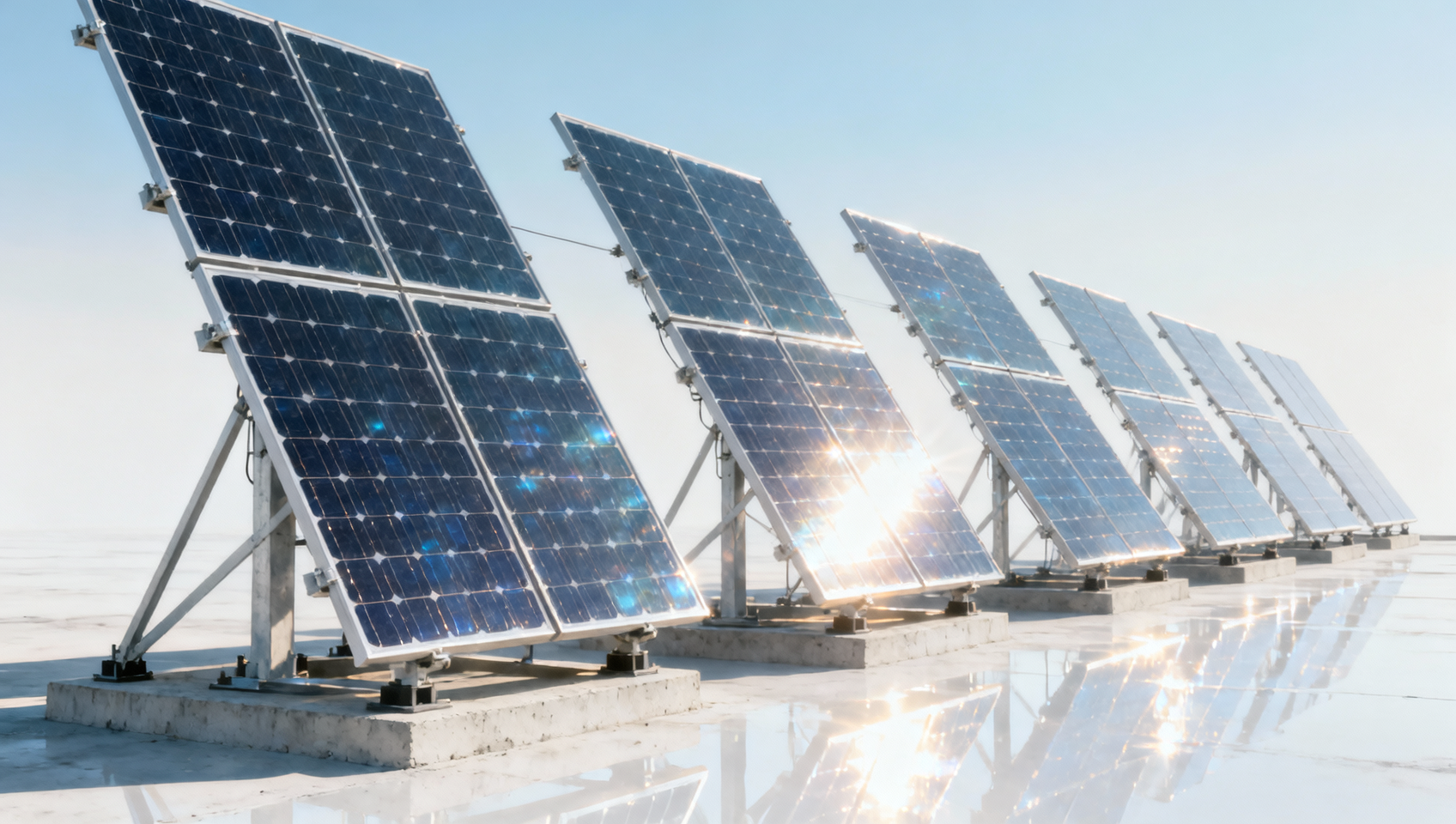
On April 10, 2026, the Wuhan China-Europe Express launched a fixed-frequency dedicated train for photovoltaic (PV) modules — the first such service in its route network — targeting Germany’s Duisburg terminal. With transit time reduced to 14 days (35 days faster than sea freight) and mixed-container capability for IGBT modules and inverters, the initiative directly supports TOPCon module exporters’ delivery schedules ahead of Europe’s summer solar installation season. This development is particularly relevant for PV manufacturing, cross-border logistics, component distribution, and supply chain planning stakeholders.
Event Overview
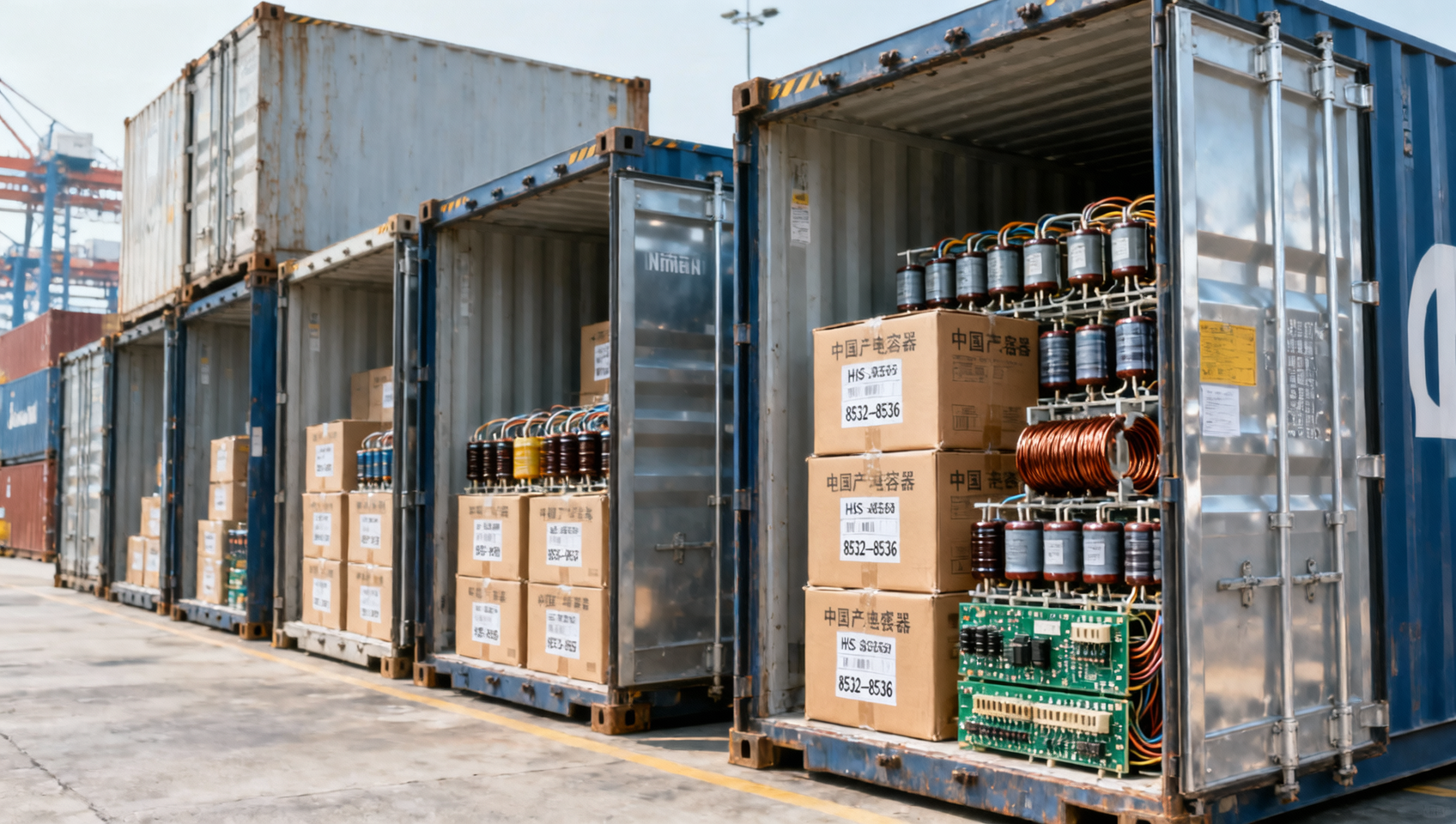
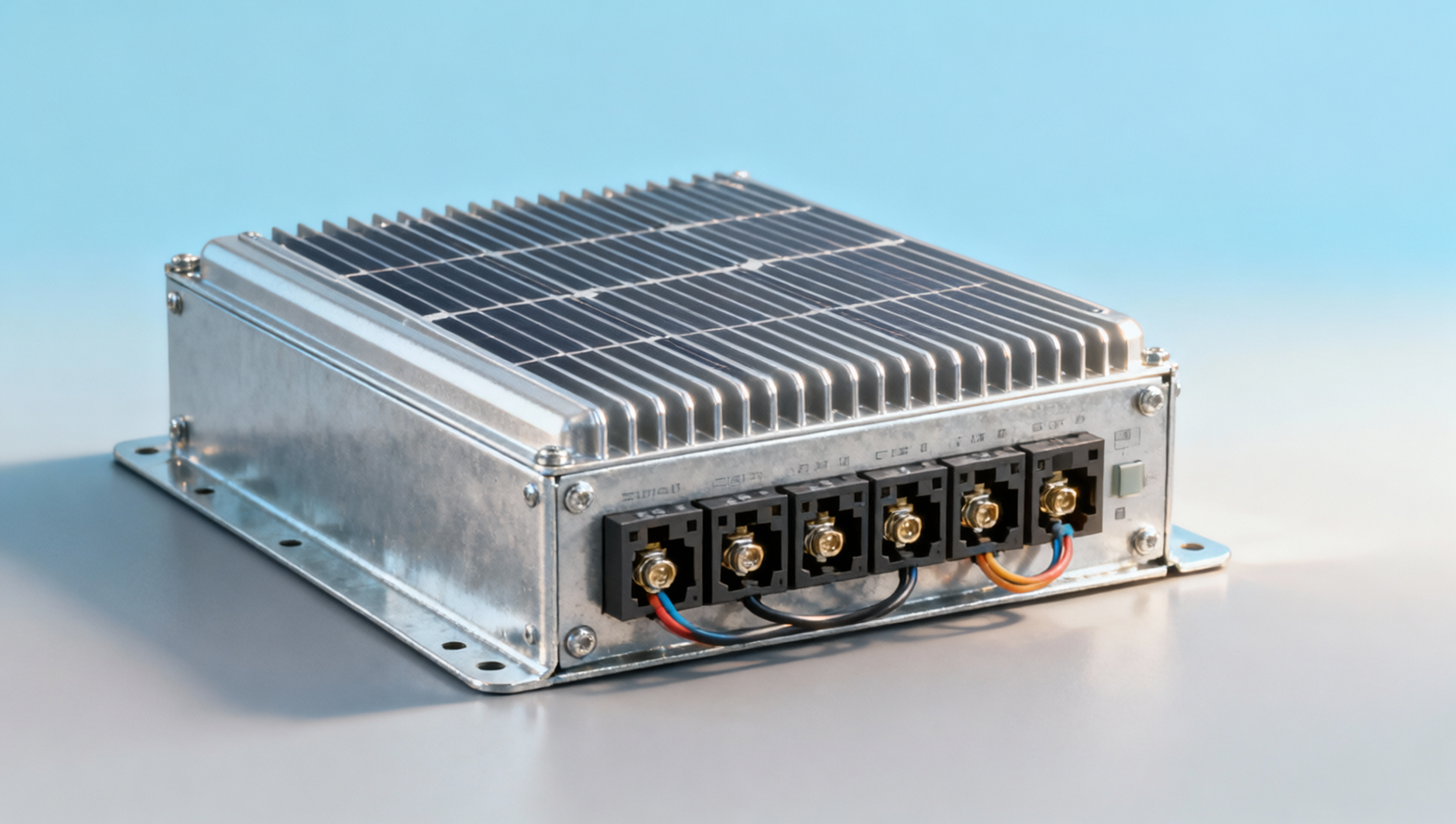
Effective April 10, 2026, the Wuhan China-Europe Express introduced a regularly scheduled, dedicated rail service for photovoltaic components, with direct routing to Duisburg, Germany. The end-to-end transit time is confirmed at 14 days. The service allows co-loading of PV modules with complementary equipment — including IGBT modules and inverters — in the same container. Three inaugural trains departed fully loaded, primarily carrying export orders from PV module manufacturers based in Jiangsu and Zhejiang provinces. European distributors are now able to align delivery timelines with seasonal demand peaks.
Impact on Specific Industry Segments
Direct Exporting Manufacturers (e.g., TOPCon Module Producers)
These companies face compressed lead-time expectations from European buyers ahead of summer installation cycles. The 14-day rail option introduces a new logistical benchmark — shorter than maritime shipping but more predictable than air freight — affecting production scheduling, order batching, and inventory buffer strategies.
Supply Chain & Logistics Service Providers
Rail-forwarders, customs brokers, and multimodal integrators must adapt documentation workflows and capacity planning to accommodate mixed-load consignments (modules + electronics). The fixed-frequency nature implies demand for standardized slot booking, real-time tracking integration, and harmonized EU import compliance support — especially for dual-category shipments.
European Distributors & Channel Partners
Distributors gain improved visibility into mid-season replenishment windows. With reliable 14-day inland transit from Wuhan, they can reduce safety stock levels for high-turnover items and better synchronize warehouse intake with installer project calendars — particularly critical during Q2–Q3 deployment surges.
Component & Subsystem Suppliers (e.g., Inverter, IGBT Producers)
Suppliers previously reliant on separate shipment channels for balance-of-system (BOS) components may now explore bundled logistics with module OEMs. Co-loading eligibility signals regulatory and operational alignment between PV module and power electronics classifications under current EU rail customs protocols — a factor influencing future packaging and labeling decisions.
What Relevant Enterprises or Practitioners Should Monitor and Act On
Track official frequency expansion and corridor validation
Confirm whether the ‘fixed frequency’ designation implies weekly, biweekly, or another cadence — and whether this applies year-round or only during peak seasons. Monitor announcements from China Railway Group or Wuhan United International Land Port Development Co., Ltd. for timetable updates or additional origin/destination nodes.
Verify mixed-load operational scope and documentation requirements
Confirm which specific IGBT and inverter models qualify for co-loading under current customs and safety regulations. Review updated packing lists, HS code declarations, and EU CE marking alignment needed for combined consignments — especially where module and electronics certifications differ.
Assess feasibility of shifting partial volume from sea to rail for summer-bound orders
Evaluate cost–time trade-offs for Q2–Q3 shipments: compare all-in landed cost (including rail surcharges, transshipment fees, and potential demurrage avoidance) against the 35-day time saving. Prioritize orders with tight commissioning deadlines or those supporting utility-scale tenders with inflexible start dates.
Align internal planning systems with rail-based lead-time logic
Update ERP/MRP parameters to reflect 14-day inland transit as a distinct option alongside ocean (49 days) and air (5–7 days). Adjust order cut-off dates, production release triggers, and warehouse receiving forecasts accordingly — particularly for factories supplying both domestic and export channels.
Editorial Perspective / Industry Observation
From an industry perspective, this initiative is best understood not as a wholesale shift in global PV logistics, but as a targeted infrastructure response to a seasonal bottleneck: the mismatch between Chinese production ramp-up cycles and European summer installation windows. Analysis来看, the 14-day benchmark reflects optimization of existing rail capacity rather than new track construction — suggesting scalability depends on coordination across border checkpoints and terminal handling capacity in Duisburg. Observation来看, the inclusion of IGBT modules and inverters signals growing recognition of system-level shipment logic in EU market access strategies. Current更值得关注的是 whether this model proves replicable for other origin cities (e.g., Xi’an, Chengdu) or expands to include battery storage components — which would indicate broader strategic intent beyond near-term seasonal relief.
This is not yet a systemic replacement for maritime transport, but rather a calibrated, high-reliability lane for time-sensitive, high-value segments of the PV value chain. Its significance lies less in absolute volume and more in its role as a timing anchor for downstream planning — making it a signal worth watching, not a standalone outcome.
Conclusion
The launch of the Wuhan PV-dedicated train represents a functional adaptation in cross-continental solar supply chains — one that narrows the gap between production readiness and seasonal demand execution in Europe. It does not alter the fundamental cost structure of PV exports, nor does it eliminate maritime dependence. Instead, it offers a verified, repeatable timing lever for specific use cases: summer-bound TOPCon modules, coordinated BOS deliveries, and distributor-led just-in-time replenishment. Currently, it is more accurately interpreted as an operational enabler than a structural shift — and its true impact will be measured by adoption consistency, not initial fanfare.
Source Attribution
Main source: Official announcement issued by Wuhan United International Land Port Development Co., Ltd., effective April 10, 2026.
Points requiring ongoing observation: Frequency schedule details (e.g., weekly/biweekly), long-term capacity allocation, and potential extension to additional product categories (e.g., energy storage systems).
Get weekly intelligence in your inbox.
No noise. No sponsored content. Pure intelligence.
 Apr 18, 2026TradeNexus Pro Launches Global Compliance RadarTradeNexus Pro Launches Global Compliance Radar
 Apr 18, 2026JIS T 2304:2026 Takes Effect June 1, 2026 for IVD SoftwareJIS T 2304:2026 Takes Effect June 1, 2026 for IVD Software
 Pathway for Rehab Devices with AI Modules") Apr 18, 2026FDA Updates 510(k) Pathway for Rehab Devices with AI ModulesFDA Updates 510(k) Pathway for Rehab Devices with AI Modules
Apr 18, 2026FDA Updates 510(k) Pathway for Rehab Devices with AI ModulesFDA Updates 510(k) Pathway for Rehab Devices with AI Modules Apr 18, 2026India BIS Approves 3 Chinese IoT Labs for IS 16444:2026 CertificationIndia BIS Approves 3 Chinese IoT Labs for IS 16444:2026 Certification
 Apr 18, 2026THE Alliance Launches Green Slot Priority for China PortsTHE Alliance Launches Green Slot Priority for China Ports
 Apr 18, 2026TÜV Rheinland Releases Dual-Standard ESS Certification Guide for ChinaTÜV Rheinland Releases Dual-Standard ESS Certification Guide for China
 Apr 18, 2026Vietnam Imposes AD Duties on Chinese Electronic ComponentsVietnam Imposes AD Duties on Chinese Electronic Components
 Apr 18, 2026SASO Launches PV Carbon Footprint Labeling from July 2026SASO Launches PV Carbon Footprint Labeling from July 2026
 Apr 18, 2026U.S. Adds 17 Smart Warehouse Robot Components to Export Control ListU.S. Adds 17 Smart Warehouse Robot Components to Export Control List
 Apr 18, 2026EU Enforces EN IEC 62443-4-2:2026 for Industrial Control Devices from 18 Apr 2026EU Enforces EN IEC 62443-4-2:2026 for Industrial Control Devices from 18 Apr 2026
 Apr 17, 2026Temperature data loggers drift unpredictably inside lithium-ion battery storage enclosuresTemperature data loggers drift unpredictably inside lithium-ion battery storage enclosures
 Apr 17, 2026Are solar microinverters really worth the extra cost?Are solar microinverters really worth the extra cost?
 Apr 17, 2026Bifacial solar panels: How much more energy can they generate?Bifacial solar panels: How much more energy can they generate?
 Apr 17, 2026Gear manufacturing: How to optimize production for high precision?Gear manufacturing: How to optimize production for high precision?
 Apr 17, 2026Why power transmission components fail earlier than expectedWhy power transmission components fail earlier than expected
 Apr 17, 2026Linear motion systems: belt drive or ball screw for speed?Linear motion systems: belt drive or ball screw for speed?
 Apr 17, 2026Industrial bearing suppliers: what signals reliable quality?Industrial bearing suppliers: what signals reliable quality?
 Apr 17, 2026When pneumatic valves wholesale gets expensive laterWhen pneumatic valves wholesale gets expensive later
 Apr 17, 2026Hydraulic cylinder fabrication mistakes that cause oil leaksHydraulic cylinder fabrication mistakes that cause oil leaks
 Apr 17, 2026Heavy equipment manufacturing delays often start hereHeavy equipment manufacturing delays often start here
 Apr 17, 2026Custom heatsinks: when a larger size solves nothingCustom heatsinks: when a larger size solves nothing
 Apr 17, 2026Electronic enclosure fabrication: steel or aluminum?Electronic enclosure fabrication: steel or aluminum?
 Apr 17, 2026Automotive parts machining tolerances that drive up scrapAutomotive parts machining tolerances that drive up scrap
 Apr 17, 2026Medical device manufacturing changes under tighter traceabilityMedical device manufacturing changes under tighter traceability
 Apr 17, 2026How to Choose Solid State Batteries in 2026How to Choose Solid State Batteries in 2026
 Apr 17, 2026Are Solid State Batteries Worth the Cost Yet?Are Solid State Batteries Worth the Cost Yet?
 Apr 17, 2026Commercial Energy Storage Sizing: What Matters Most?Commercial Energy Storage Sizing: What Matters Most?