EU Enforces Battery Passport Checks: Storage Export Delays Rise
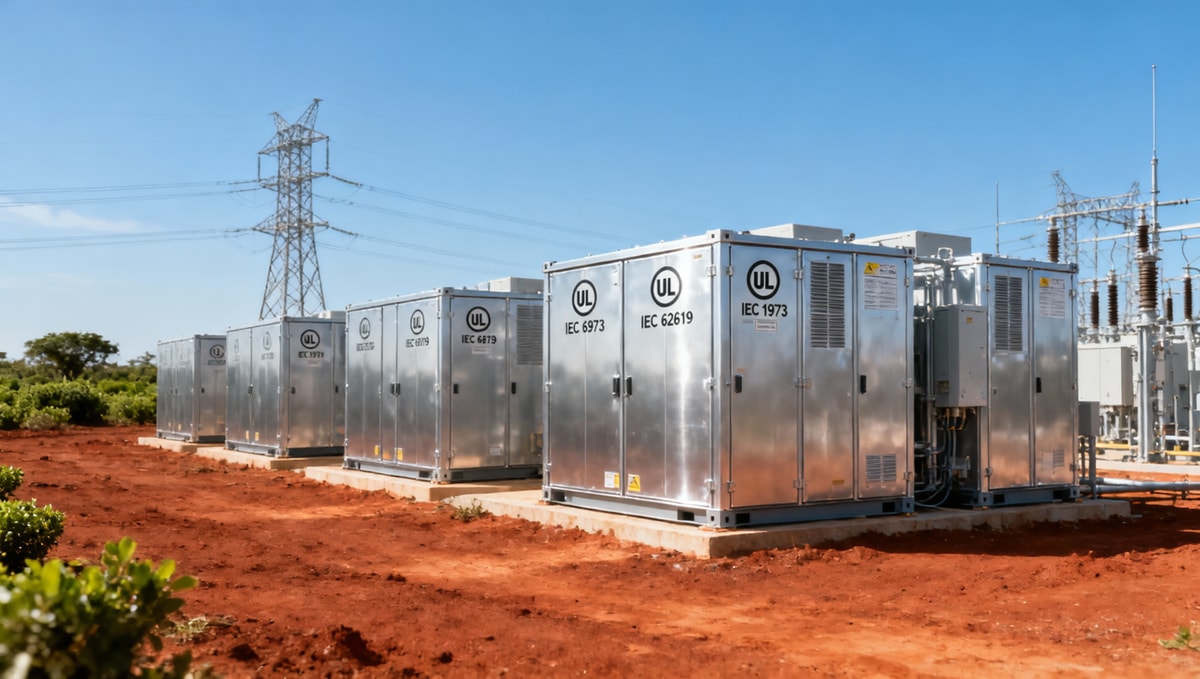
On 29 April 2026, the European Commission activated real-time system verification for the mandatory Battery Passport under Regulation (EU) 2023/1542. This development directly affects manufacturers and exporters of battery energy storage systems — particularly those based in China — as non-compliant shipments now face customs delays at major EU ports.
Event Overview
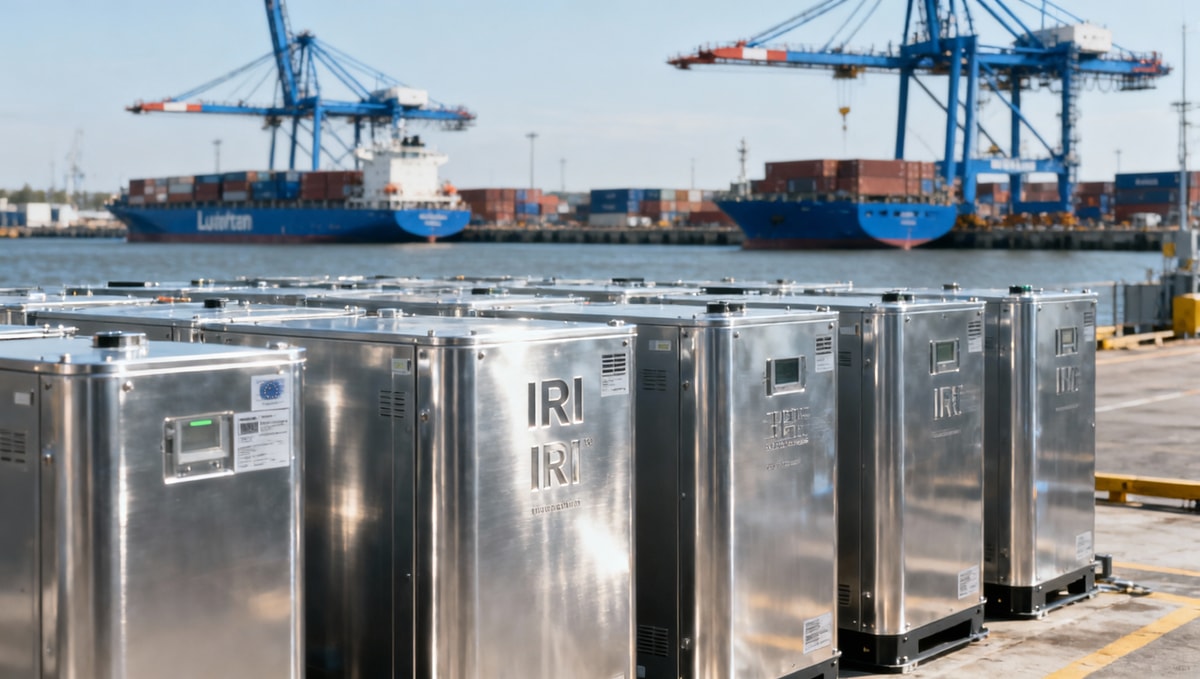
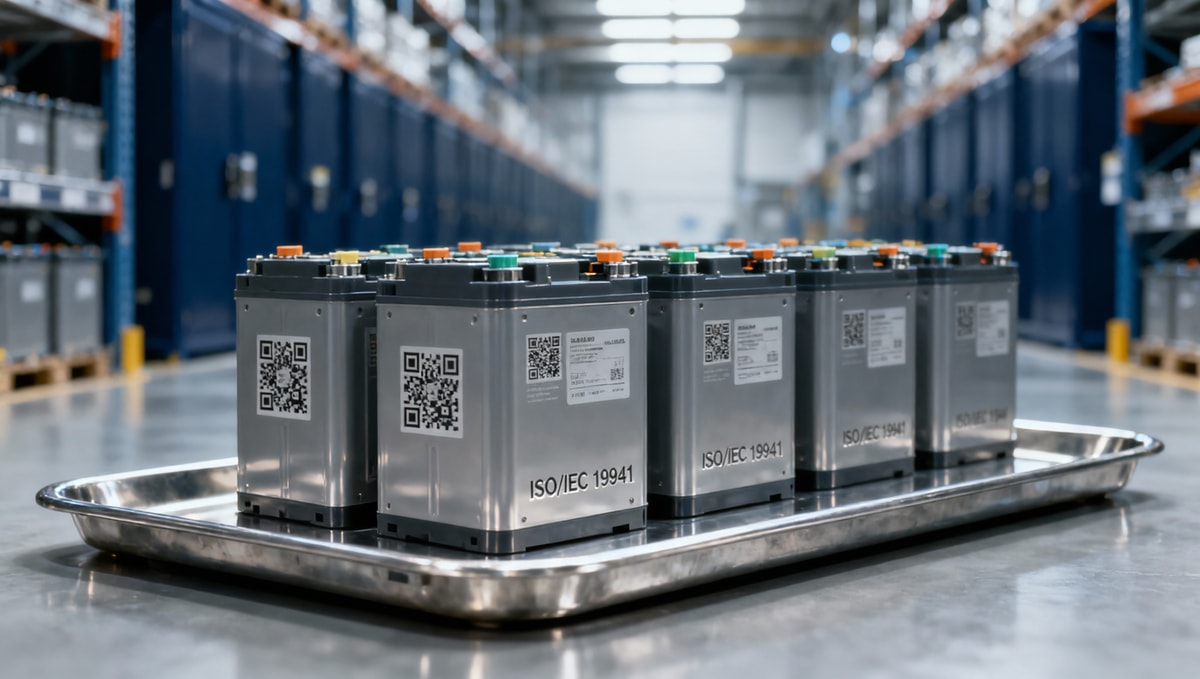
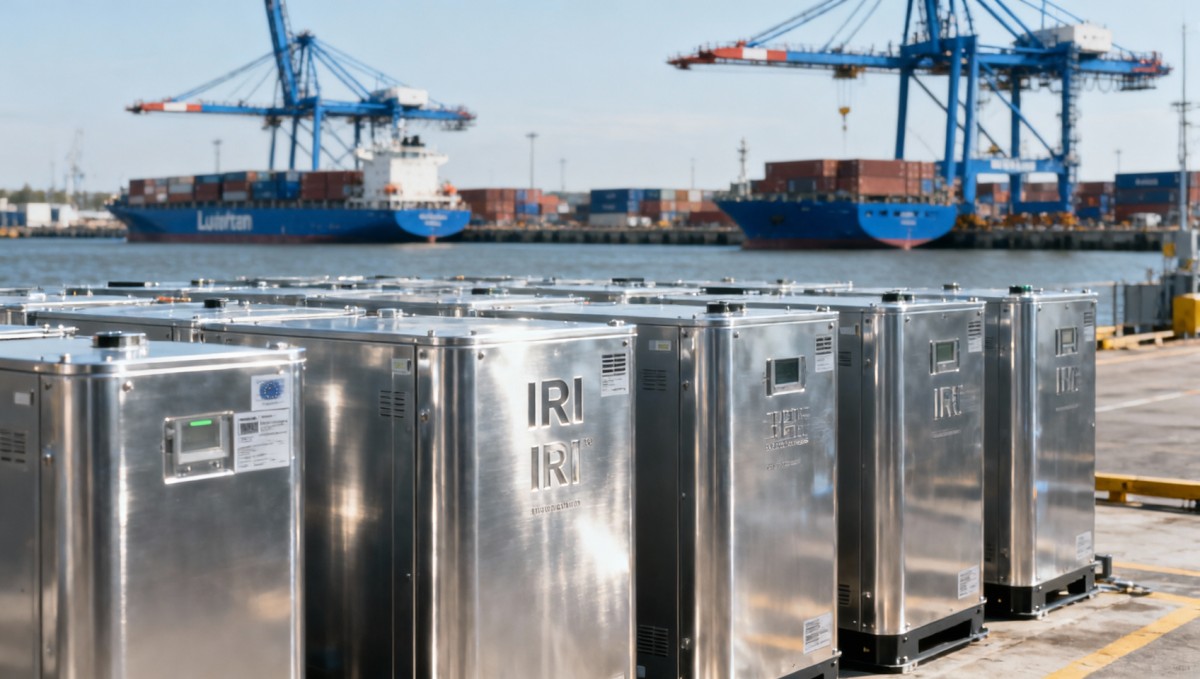
Effective 29 April 2026, the European Commission launched the operational phase of digital Battery Passport verification for all portable, industrial, and electric vehicle (EV) batteries placed on the EU market. Under Regulation (EU) 2023/1542, batteries must carry an IRI (International Reference Identifier) code and pre-load full lifecycle data before entry. At key EU ports—including Rotterdam and Hamburg—non-compliant consignments are subject to customs hold, with average clearance delays of 7–10 working days confirmed.
Industries Affected
Direct Exporters of Battery Energy Storage Systems
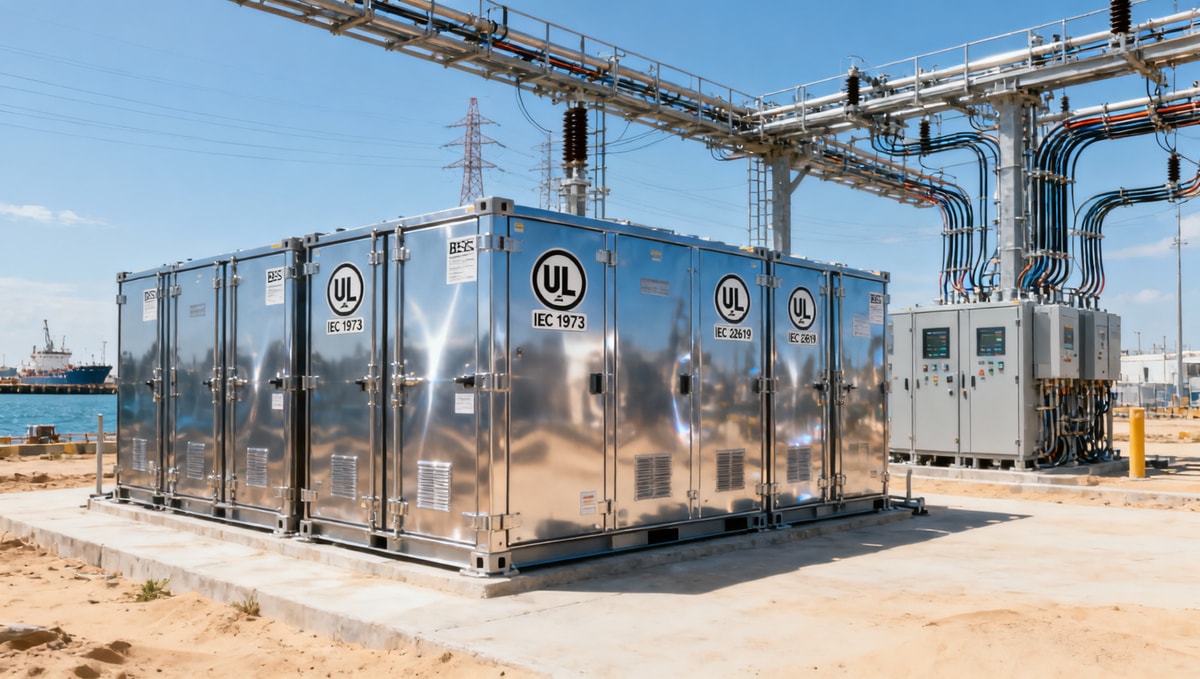
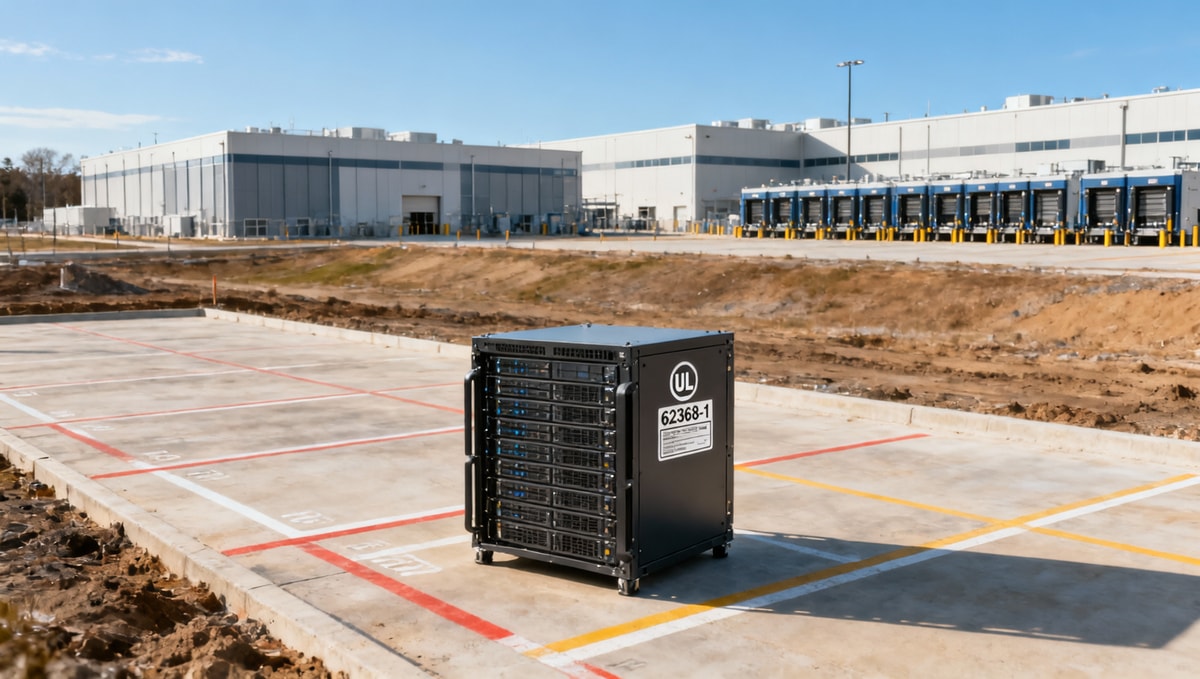
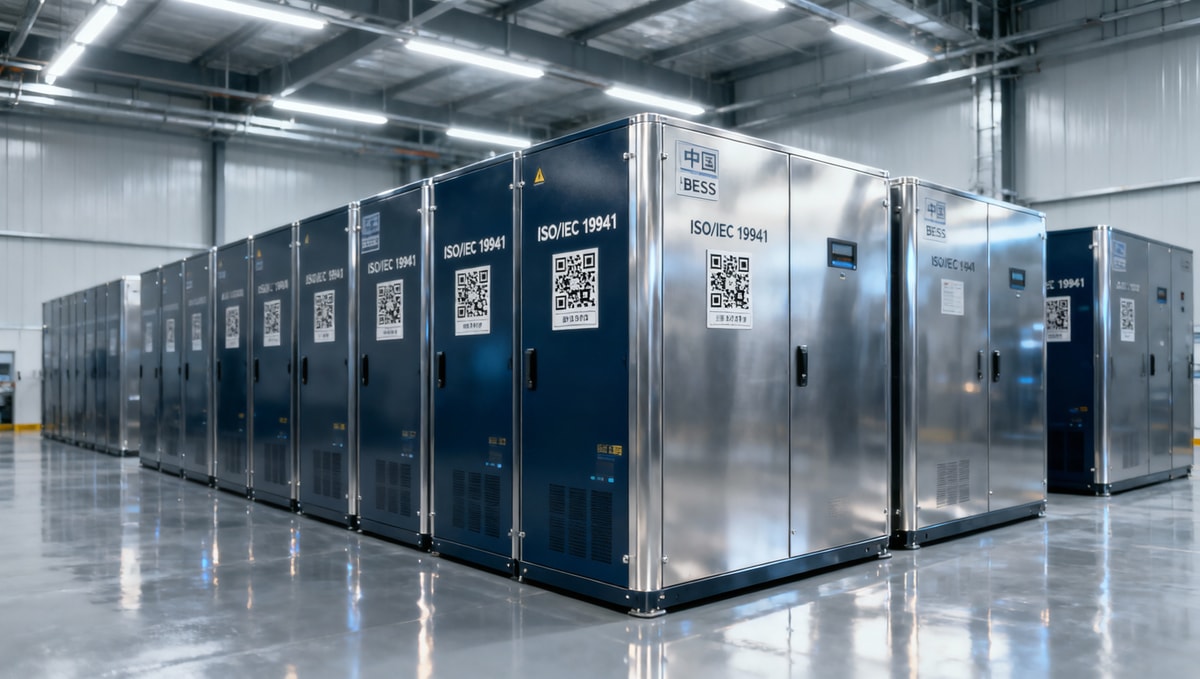
Chinese manufacturers exporting stationary battery storage units to the EU are directly impacted because compliance requires pre-registration of IRI codes and integration of verified environmental data. Those lacking prior alignment with Catena-X or incomplete EPD (Environmental Product Declaration) and LCA (Life Cycle Assessment) data submission face immediate shipment rejection or extended port dwell time.
Manufacturers Without Digital Infrastructure Integration
Small- and medium-sized battery producers without internal systems capable of generating, validating, and uploading standardized lifecycle data are encountering a de facto technical barrier. The requirement to pre-load data—not merely declare it—means legacy documentation workflows no longer suffice.
Supply Chain Service Providers (e.g., Customs Agents, Logistics Operators)
Third-party logistics and customs intermediaries handling Chinese battery exports must now verify Battery Passport readiness prior to vessel booking or inland transport. Absence of verified IRI registration triggers automatic flagging in EU’s new customs interface, increasing administrative overhead and liability exposure for documentation gaps.
What Enterprises Should Monitor and Do Now
Track official guidance on IRI registration timelines and validation rules
The European Commission has not yet published detailed implementation guidelines for third-country manufacturers. Exporters should monitor updates from the EU Joint Research Centre (JRC) and the Battery Passport platform operator, as interpretation of ‘pre-loading’ and acceptable data formats remains subject to clarification.
Confirm readiness for core data requirements: EPD, LCA, and material traceability
Current enforcement focuses on whether data is registered and accessible—not whether it meets advanced sustainability thresholds. However, verified EPD/LCA documentation aligned with EN 15804 or ISO 14040/44 standards is required for IRI activation. Firms should prioritize completing these assessments with accredited providers before submitting to the portal.
Distinguish between regulatory signal and operational enforcement
While the system went live on 29 April 2026, initial checks appear targeted at high-volume importers and known non-compliant filers. Enforcement intensity may increase gradually over Q2–Q3 2026. That said, delays are already occurring — meaning ‘compliance readiness’ cannot be deferred to later phases.
Prepare documentation handover protocols with EU importers
Under current practice, the EU-based importer or authorized representative bears legal responsibility for Battery Passport validity. Chinese exporters must formalize data-sharing agreements and secure written confirmation that IRI-linked data has been successfully ingested into the EU system prior to shipment release.
Editorial Observation / Industry Perspective
Observably, this marks the first fully operational enforcement of digital product-level environmental traceability for batteries in the EU — not merely a reporting obligation, but a condition of market access. Analysis shows it functions less as a standalone regulation and more as a structural gatekeeper, reinforcing the convergence of digital infrastructure (Catena-X), sustainability accounting (EPD/LCA), and supply chain governance. From an industry perspective, the April 2026 activation is best understood not as a policy shift, but as the transition point where procedural compliance becomes a prerequisite for physical movement — making it a critical inflection for export-oriented manufacturing ecosystems.
Conclusion
This enforcement step signals the operationalization of battery-specific digital sustainability requirements in the EU. It does not introduce new substantive environmental standards, but enforces existing data obligations through automated customs integration. For affected enterprises, the current priority is verifying IRI registration status and confirming end-to-end data interoperability — not awaiting further regulatory announcements. The measure is better understood as an enforcement milestone than a warning phase.
Information Sources
Main source: European Commission announcement dated 29 April 2026, referencing Regulation (EU) 2023/1542 and the live deployment of the Battery Passport verification system.
Note: Implementation details for third-country manufacturer onboarding — including language support, regional helpdesk availability, and appeals procedures — remain under observation and have not been formally published as of publication date.
Get weekly intelligence in your inbox.
No noise. No sponsored content. Pure intelligence.
 Apr 30, 2026Tangshan Beijiao Thermal Power Unit #1 A-Grade Maintenance LaunchTangshan Beijiao Thermal Power Unit #1 A-Grade Maintenance Launch
 Apr 30, 2026SAMR to Finalize 1,800+ Standards in 2026 Affecting Industrial Materials ExportsSAMR to Finalize 1,800+ Standards in 2026 Affecting Industrial Materials Exports
 Apr 30, 2026UAE Becomes Global AI Hub: New CE-ADAS+ Pathway for Chinese Smart Industrial EquipmentUAE Becomes Global AI Hub: New CE-ADAS+ Pathway for Chinese Smart Industrial Equipment
 Apr 30, 2026Vietnam’s SMT Expansion Drives CNC Fixture Export DelaysVietnam’s SMT Expansion Drives CNC Fixture Export Delays
 Apr 30, 2026USITC Launches 337 Investigation on Wi-Fi 7 RF Modules from ChinaUSITC Launches 337 Investigation on Wi-Fi 7 RF Modules from China
 Apr 30, 2026Morocco Enforces PV Mounting Structure Certification from Q3 2026Morocco Enforces PV Mounting Structure Certification from Q3 2026
 Apr 30, 2026TÜV Rheinland Launches Fast-Track Certification for Chinese Warehouse RobotsTÜV Rheinland Launches Fast-Track Certification for Chinese Warehouse Robots
 Apr 30, 2026Red Sea Crisis Deepens: Suez Canal Fees Up 12%, China-Europe Rail Premium Hits 35%Red Sea Crisis Deepens: Suez Canal Fees Up 12%, China-Europe Rail Premium Hits 35%
 Apr 30, 2026EU Enforces Battery Passport Checks: Storage Export Delays RiseEU Enforces Battery Passport Checks: Storage Export Delays Rise
 Apr 29, 2026USITC Launches Section 337 Investigation into Chinese Wi-Fi 7 RF ModulesUSITC Launches Section 337 Investigation into Chinese Wi-Fi 7 RF Modules
 Apr 29, 2026Côte d'Ivoire Launches $500M Grid Storage Tender, Chinese BESS Fast-TrackedCôte d'Ivoire Launches $500M Grid Storage Tender, Chinese BESS Fast-Tracked
 Apr 29, 2026Morocco Enforces IEC 61427-2:2025 PV Mounting Certification from Q3 2026Morocco Enforces IEC 61427-2:2025 PV Mounting Certification from Q3 2026
 Apr 29, 2026UAE Becomes Global AI Hub: New CE-ADAS+ Path for Chinese Smart Industrial EquipmentUAE Becomes Global AI Hub: New CE-ADAS+ Path for Chinese Smart Industrial Equipment
 Apr 29, 2026Red Sea Crisis: Suez Canal Fees Up 12%, China-Europe Rail Premium at 35%Red Sea Crisis: Suez Canal Fees Up 12%, China-Europe Rail Premium at 35%
 Apr 29, 2026TÜV Rheinland Launches Fast-Track Certification for Chinese Warehouse RobotsTÜV Rheinland Launches Fast-Track Certification for Chinese Warehouse Robots
 Apr 29, 2026Vietnam's SMT Expansion Drives CNC Fixture Export DelaysVietnam's SMT Expansion Drives CNC Fixture Export Delays
![]() Apr 29, 2026NEOM Smart Infrastructure Phase II Opens Bidding: Chinese PV Mounting & BESS Pre-QualifiedNEOM Smart Infrastructure Phase II Opens Bidding: Chinese PV Mounting & BESS Pre-Qualified
Apr 29, 2026NEOM Smart Infrastructure Phase II Opens Bidding: Chinese PV Mounting & BESS Pre-QualifiedNEOM Smart Infrastructure Phase II Opens Bidding: Chinese PV Mounting & BESS Pre-Qualified Apr 29, 2026EU Enforces Battery Passport for Energy Storage Imports from July 2026EU Enforces Battery Passport for Energy Storage Imports from July 2026
 Apr 29, 2026Maine Bans New >20MW Data Centers — AI Hardware Delivery ImpactedMaine Bans New >20MW Data Centers — AI Hardware Delivery Impacted
 Apr 28, 2026Suez Canal Fee Hike & China-Europe Rail Premium: Q2 2026 ImpactSuez Canal Fee Hike & China-Europe Rail Premium: Q2 2026 Impact
 Apr 28, 2026TÜV Rheinland Launches Fast-Track Certification for Chinese Warehouse RobotsTÜV Rheinland Launches Fast-Track Certification for Chinese Warehouse Robots
 Apr 28, 2026EU Enforces Battery Passport Rule for Chinese ESS Exports from 2027EU Enforces Battery Passport Rule for Chinese ESS Exports from 2027
 Apr 28, 2026ADB Raises Vietnam GDP Forecast to 7.2%: SMT & Precision Fixture Demand RisesADB Raises Vietnam GDP Forecast to 7.2%: SMT & Precision Fixture Demand Rises
 Apr 28, 2026US ITC Launches Section 337 Investigation into Chinese Wi-Fi 7 RF FEMsUS ITC Launches Section 337 Investigation into Chinese Wi-Fi 7 RF FEMs
 Apr 28, 2026Côte d'Ivoire Opens $500M Power Tender: Chinese BESS Get Fast-Track AccessCôte d'Ivoire Opens $500M Power Tender: Chinese BESS Get Fast-Track Access
 Apr 28, 2026BP’s Algeria East Basin Permit Spurs Valve Demand, Lead Times Extend to 18 WeeksBP’s Algeria East Basin Permit Spurs Valve Demand, Lead Times Extend to 18 Weeks
") Apr 28, 2026Vietnam Mandates V-Trust for Smart Appliances Export (July 2026)Vietnam Mandates V-Trust for Smart Appliances Export (July 2026)
Apr 28, 2026Vietnam Mandates V-Trust for Smart Appliances Export (July 2026)Vietnam Mandates V-Trust for Smart Appliances Export (July 2026)