Home automation systems that solve everyday annoyances first
The best home automation systems do more than feel futuristic—they remove the small frustrations that interrupt daily life. From lights that adjust themselves to routines that simplify mornings, today’s smart solutions are increasingly designed around real household needs. For consumers exploring practical upgrades, understanding which features solve everyday annoyances first is the smartest place to begin.
What problems should home automation systems solve first?
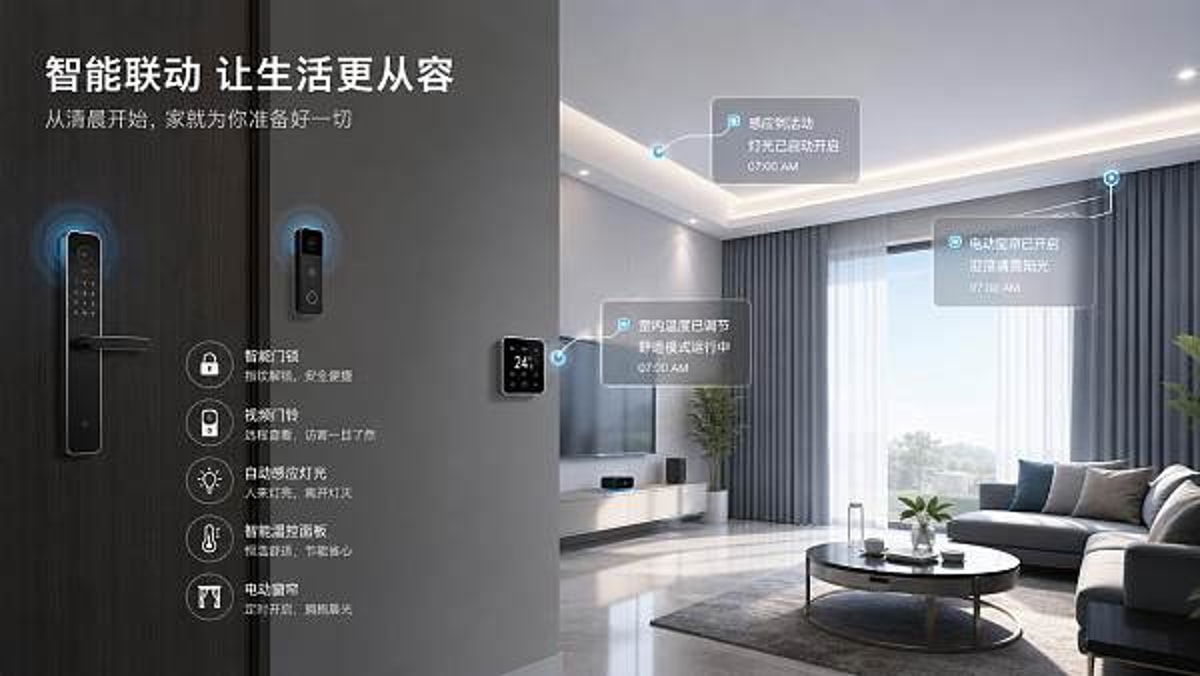
Many buyers start with gadgets, not problems. That often leads to an expensive collection of disconnected devices. A better approach is to evaluate home automation systems by the irritations they remove every week: forgetting lights, adjusting the thermostat repeatedly, checking if doors are locked, managing deliveries, or waking up to a chaotic morning routine.
For end consumers, convenience matters, but reliability matters more. A smart home setup should save time without adding complexity. In practice, the most valuable systems are not those with the largest feature list, but those that reduce friction in predictable, repeatable ways.
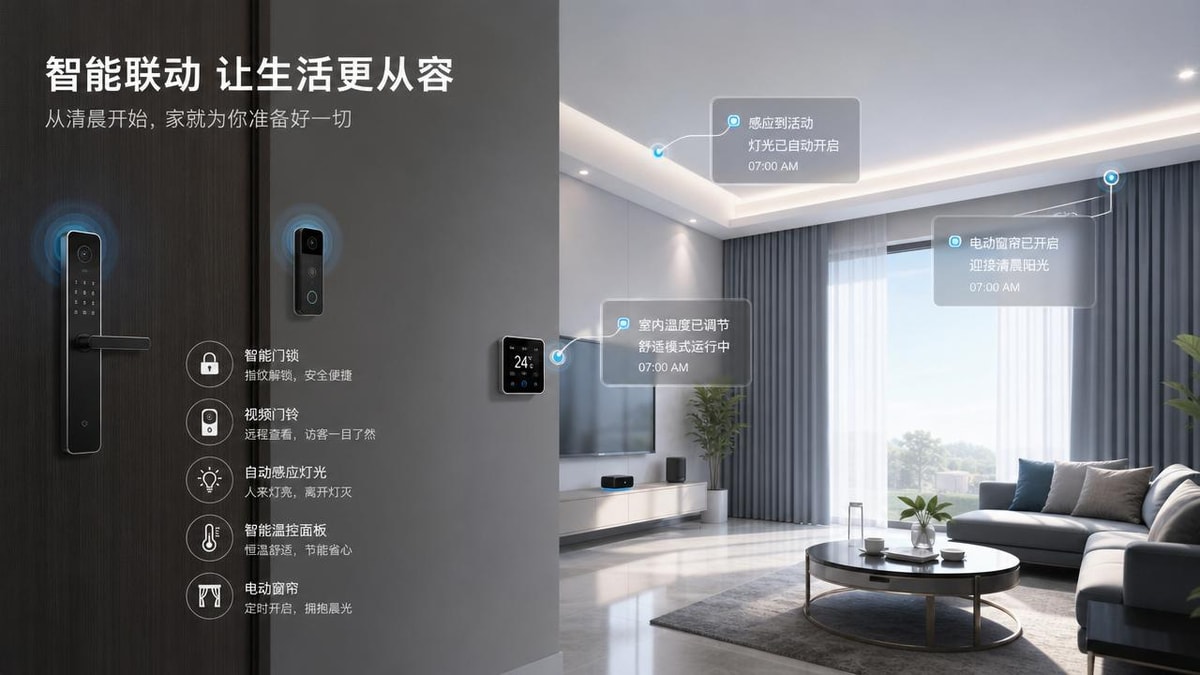
- Lighting routines that respond to occupancy, time of day, or sunset, so family members stop walking into dark rooms or leaving lights on.
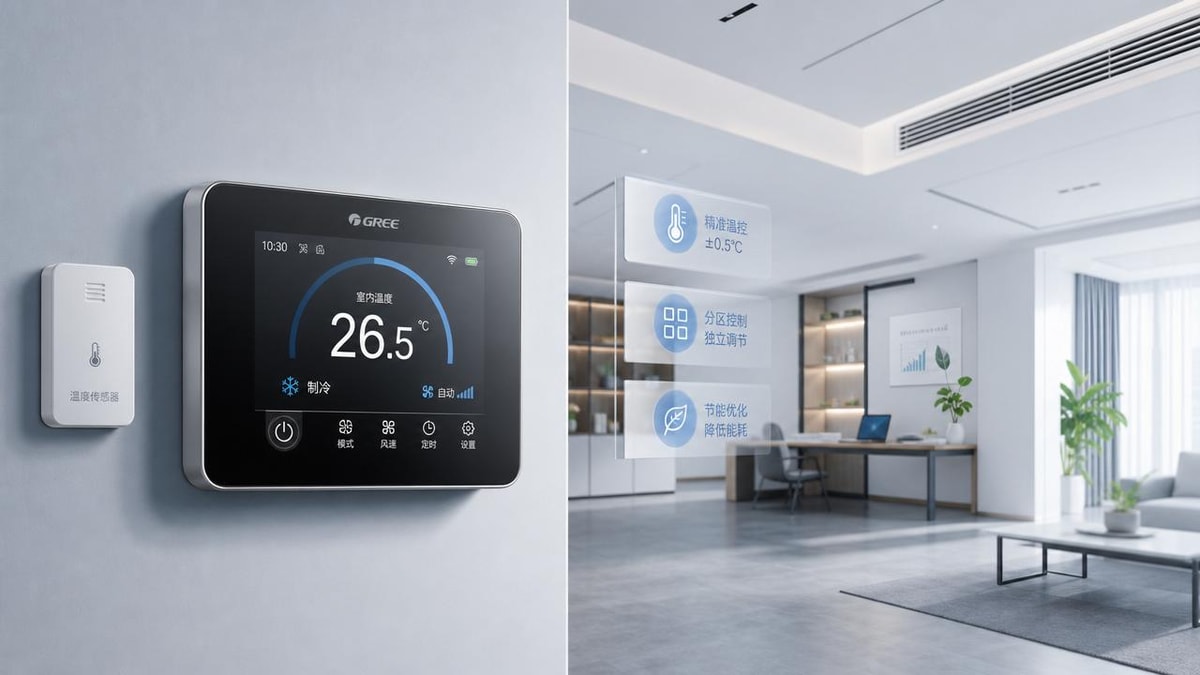
- Climate automation that keeps rooms comfortable without constant manual changes and helps control energy bills.
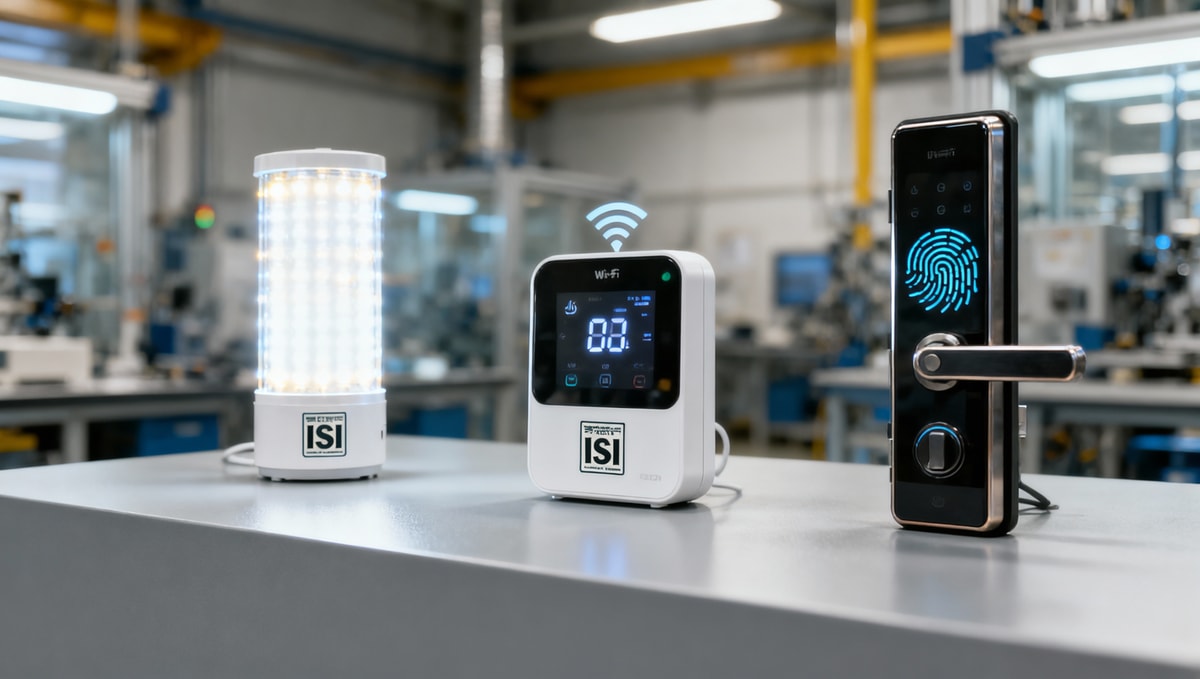
- Entry and security controls that reduce worry about unlocked doors, missed visitors, or package theft.
- Morning and evening scenes that coordinate alarms, blinds, lights, coffee makers, and media with one trigger.
- Alerts and remote control that help households manage pets, children, older family members, and service access.
TradeNexus Pro tracks how smart electronics, green energy integration, and connected device supply chains shape consumer options. That broader industry lens helps buyers look past marketing slogans and focus on practical use cases, device interoperability, and long-term support.
Which everyday annoyances deliver the fastest return?
Not every automation brings the same value. Some upgrades pay back in convenience within days, while others are only worthwhile for specific households. The table below compares common frustrations, the smart fix, and what consumers should watch before buying home automation systems.
For most households, lighting, climate, and entry control produce the most visible improvement first. These areas combine frequent use, measurable convenience, and relatively manageable installation compared with more specialized automations.
How to choose between simple, expandable, and advanced smart home setups
Consumers often face a confusing choice: buy a starter kit, build a custom setup, or invest in a more centralized smart home platform. The right answer depends on budget, home layout, tolerance for setup work, and whether the household expects to expand later.
Starter systems
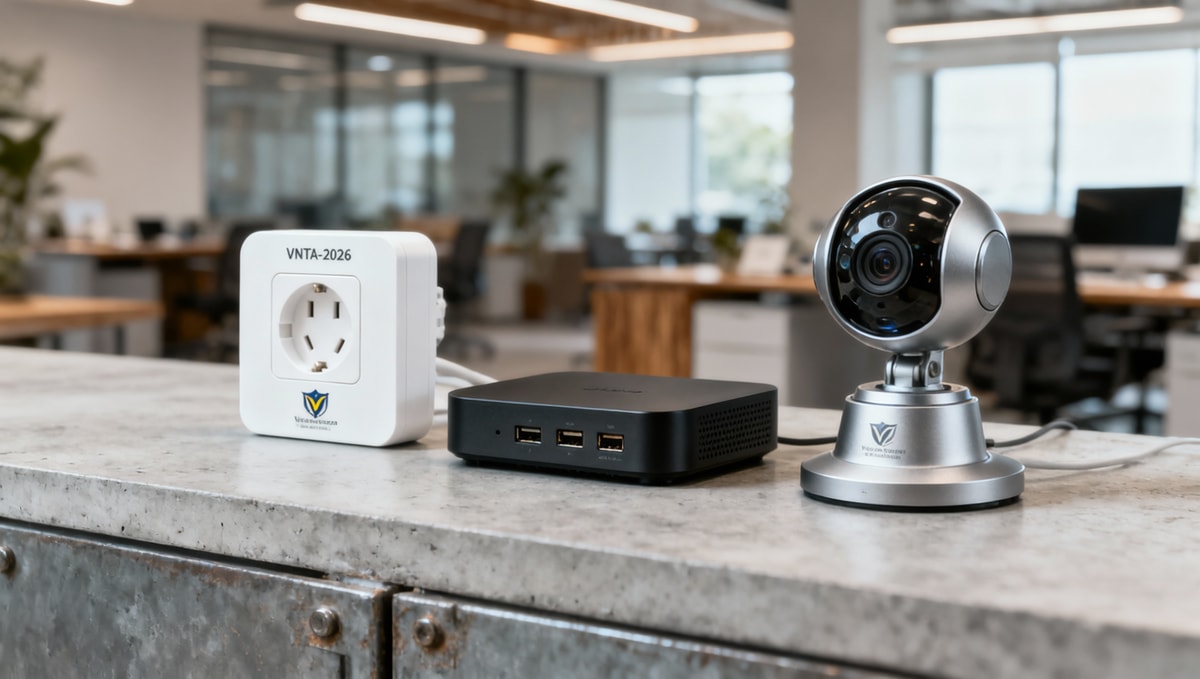
A starter approach usually includes a voice assistant, a few bulbs or switches, and one plug or camera. It is cost-accessible and easy to understand. The trade-off is limited flexibility, especially if buyers later want cross-device scenes, local automation, or more advanced sensors.
Expandable systems
This is the strongest fit for most homes. Buyers begin with high-value pain points and add layers over time. A smart thermostat may come first, then door access, then lighting scenes, then leak detection. Expandable home automation systems reduce wasted spending because each upgrade can be tied to a visible household problem.
Advanced integrated systems
Larger homes or renovation projects may benefit from deeper integration across lighting, climate, shading, security, and energy management. These systems can feel seamless, but they require stronger planning. Buyers should ask harder questions about maintenance, installer dependence, software updates, and future replacement costs.
To make the comparison clearer, the following table outlines how different home automation systems align with consumer priorities.
If buyers are unsure, modular usually wins. It keeps the entry point manageable while protecting room for better decisions later. This matters in a fast-moving smart electronics market where standards, apps, and device ecosystems keep evolving.
What technical features matter more than flashy extras?
When evaluating home automation systems, consumers often focus on app screenshots and voice commands. Those matter, but the foundation is more important. A smart home becomes frustrating when it responds slowly, loses connections, or depends entirely on cloud access.
Prioritize interoperability
A practical system should support broad compatibility across locks, lights, sensors, plugs, cameras, and thermostats. Consumers should check whether devices work with common smart home ecosystems and whether future expansion requires replacing earlier purchases.
Look for resilient connectivity
Wi-Fi is convenient, but not every device performs best on Wi-Fi alone. Depending on the setup, buyers may also encounter Zigbee, Z-Wave, Thread, or hub-based architectures. The point is not to chase technical buzzwords. The point is to reduce lag, improve battery life, and avoid network congestion.
Keep local control in mind
If internet service drops, some household functions should still work. Light switches, door access, and basic scenes are more dependable when local control remains available. For everyday living, that reliability is often more valuable than advanced remote features used only occasionally.
- Response time: delayed actions make automation feel broken, even when devices technically work.
- App usability: multi-person households need clear permissions, notifications, and scene editing.
- Firmware support: device value declines quickly if updates stop or security patches lag.
- Power and battery planning: sensors and locks must be easy to maintain, not forgotten until failure.
Because TNP follows supply chain software and smart electronics trends, it is easier to identify which product categories are improving in interoperability and which may carry hidden lock-in risks. That perspective helps consumers avoid short-term purchases that create long-term inconvenience.
Which rooms and household scenarios benefit most?
The best home automation systems are not installed evenly across every room from day one. Value is usually highest in locations where routines repeat or where household mistakes create stress. Consumers can prioritize by impact rather than trying to automate everything at once.
Entryway and front door
This is often the strongest starting point. Smart locks, video doorbells, and entry lighting reduce anxiety around keys, visitors, and package delivery. Temporary codes are useful for cleaners, dog walkers, or relatives without handing out physical keys.
Bedroom and morning routine
Automated wake-up lighting, smart blinds, climate presets, and bedside controls can remove daily friction before the day even starts. For shift workers or households with children, small improvements here feel significant because they happen every day.
Kitchen and utility areas
Motion lighting, leak detection, and appliance monitoring are practical rather than flashy. Water issues, in particular, are worth attention. A leak sensor under a sink or near a washer may not feel glamorous, but it targets one of the most disruptive problems a homeowner can face.
Living room and shared spaces
Lighting scenes, media control, and temperature balancing improve comfort for everyone. In open-plan homes, these areas also reveal whether automations are genuinely useful or merely novel. If the family uses the scenes consistently, expansion makes sense.
How should buyers plan budget, installation, and future upgrades?
Budget is one of the biggest barriers to adopting home automation systems, but overspending usually comes from poor sequencing rather than from the category itself. Buyers can control costs by starting with high-frequency annoyances and choosing products that do not block future expansion.
- Map the top three frustrations in the home. If everyone complains about temperature, focus there before buying decorative lighting effects.
- Separate fixed-home upgrades from portable devices. Renters may prefer plugs, sensors, and portable cameras, while homeowners can justify switches, locks, and thermostats.
- Set aside part of the budget for infrastructure, including stronger Wi-Fi coverage, hub devices, or electrician support where needed.
- Avoid buying too many single-purpose devices that each require separate apps and accounts.
Installation complexity varies widely. Battery sensors and smart plugs are usually simple. Thermostats, wired switches, door hardware, and integrated shading may require more confidence or professional help. Consumers should not underestimate setup time, especially when automations involve multiple family members and notification rules.
Future-proofing also matters. Home automation systems should be assessed like an evolving household utility, not just as consumer electronics. That means considering replacement cycles, software support, and whether later additions such as solar-linked energy monitoring or home health alerts could become relevant.
What standards, privacy, and risk checks should consumers not ignore?
Even for consumer purchases, basic compliance and privacy thinking are essential. Smart locks, cameras, sensors, and voice-enabled devices collect or process sensitive household information. Good buying decisions include checking data handling policies, firmware support, and electrical safety suitability for the local market.
- Verify that electrical products match local voltage, plug format, and installation requirements.
- Check for clear update policies and whether the manufacturer publishes security guidance.
- Review camera and microphone permissions carefully, especially for bedrooms, nurseries, and indoor shared spaces.
- Use strong account protection, including unique passwords and multi-factor authentication where available.
A common misconception is that more automation always means less effort. In reality, poor configuration can create alert fatigue, app clutter, and family confusion. The best smart home is not the one with the most triggers. It is the one where automations run quietly, predictably, and only when useful.
FAQ: practical questions consumers ask about home automation systems
How do I know if home automation systems are worth it for a small apartment?
They can be worthwhile if the focus is on routine friction, not square footage. In a small apartment, smart plugs, lighting schedules, leak sensors, and a video doorbell often deliver more value than a large multi-room setup. Start with portable devices if you rent and avoid permanent changes unless allowed.
What should I prioritize if my budget is limited?
Prioritize the annoyance that happens most often. For many homes, that means entry control, thermostat automation, or motion-based lighting. Choose one ecosystem carefully and build in stages. A small, reliable setup is better than a larger system that creates app fatigue and poor performance.
Are home automation systems difficult for older family members to use?
They can be easy if physical controls remain available and automation works in the background. Smart switches are usually better than smart bulbs alone because wall controls still behave naturally. Clear routines, simple notifications, and limited dependence on voice commands improve accessibility.
How long does it take to build a useful smart home setup?
A basic setup can be useful in a weekend. A more polished system usually evolves over weeks or months as households learn which routines truly matter. That gradual rollout is often healthier because it reduces wasted purchases and reveals real usage patterns before expansion.
Why choose us for smarter buying decisions?
TradeNexus Pro brings a broader intelligence layer to consumer-facing technology decisions. Because our coverage connects smart electronics, supply chain resilience, manufacturing quality, and emerging energy-linked home technology, we help readers assess home automation systems beyond surface-level product hype.
If you are comparing options, you can use TNP insights to clarify which device categories are maturing, which integration paths are more flexible, and which purchase criteria deserve closer review before you spend. That is especially useful when you need help with product selection, compatibility checks, expected delivery timing, privacy concerns, upgrade planning, or evaluating whether a premium setup is justified.
Contact us if you want focused guidance on smart home product selection, integration priorities, budget staging, ecosystem compatibility, installation planning, or questions related to sourcing trends that may affect availability and long-term value. A better smart home starts with solving the right annoyance first.
Get weekly intelligence in your inbox.
No noise. No sponsored content. Pure intelligence.
 May 04, 2026FDA AI Diagnostic Software Guidance: Continuous Validation for Overseas FirmsFDA AI Diagnostic Software Guidance: Continuous Validation for Overseas Firms
 May 04, 2026MIIT Launches Export Compliance Support for Warehouse RoboticsMIIT Launches Export Compliance Support for Warehouse Robotics
 May 04, 2026India BIS Mandates ISI Certification for Smart Home Devices from July 2026India BIS Mandates ISI Certification for Smart Home Devices from July 2026
 May 04, 2026Global Shipping Alliance Raises Heavy-Lift Surcharges from May 2026Global Shipping Alliance Raises Heavy-Lift Surcharges from May 2026
 May 04, 2026GCC EV Charging Certification Unified: 35% Cost Cut for Chinese ExportersGCC EV Charging Certification Unified: 35% Cost Cut for Chinese Exporters
 May 04, 2026TÜV Rheinland Updates IoT Security Standard with AI Voice Data AnonymizationTÜV Rheinland Updates IoT Security Standard with AI Voice Data Anonymization
 May 04, 2026Yangshan Port Launches Green Energy Equipment Express LaneYangshan Port Launches Green Energy Equipment Express Lane
 May 04, 2026Vietnam Enforces Local IoT Certification for Smart Home Devices from May 2026Vietnam Enforces Local IoT Certification for Smart Home Devices from May 2026
 May 04, 2026US CBP Launches Battery Cargo Inspection: ESS Export Delays to 7–12 DaysUS CBP Launches Battery Cargo Inspection: ESS Export Delays to 7–12 Days
 May 04, 2026EU SVHC Update Effective May 1, 2026: Impact on Electronic Components ExportsEU SVHC Update Effective May 1, 2026: Impact on Electronic Components Exports
 May 04, 2026Portable power stations: what matters more than wattage on paperPortable power stations: what matters more than wattage on paper
 May 04, 2026Automotive injection molding machines and the scrap rate problemAutomotive injection molding machines and the scrap rate problem
 May 04, 2026Smart thermostats save energy only when setup is done rightSmart thermostats save energy only when setup is done right
 May 04, 2026Why TWS earbuds sound great in ads but not on callsWhy TWS earbuds sound great in ads but not on calls
 May 04, 2026Industrial robotics for material handling: where downtime startsIndustrial robotics for material handling: where downtime starts
 May 04, 2026LiFePO4 battery lifespan drops faster under these conditionsLiFePO4 battery lifespan drops faster under these conditions
 May 04, 2026Solar grid systems: when storage changes the project mathSolar grid systems: when storage changes the project math
 May 04, 2026Smart manufacturing for pharma fails when data stays isolatedSmart manufacturing for pharma fails when data stays isolated
 May 04, 2026Wearable technology trends that are finally useful in 2026Wearable technology trends that are finally useful in 2026
 May 04, 2026Bluetooth speakers: why battery life claims often miss real useBluetooth speakers: why battery life claims often miss real use
 May 04, 2026Home automation systems that solve everyday annoyances firstHome automation systems that solve everyday annoyances first
 May 04, 2026Solar street lights that underperform after the first rainy seasonSolar street lights that underperform after the first rainy season
 May 04, 2026Why sheet metal bending services in Canada cost more than expectedWhy sheet metal bending services in Canada cost more than expected
 May 04, 2026Factory automation systems for electronics and the ROI gapFactory automation systems for electronics and the ROI gap
 May 04, 2026OEM machined parts supplier Vietnam: quality checks that matterOEM machined parts supplier Vietnam: quality checks that matter
 May 04, 2026What to check before choosing a 5 axis machine for defenseWhat to check before choosing a 5 axis machine for defense
 May 04, 2026Smart grid solutions that fix peak load without major rebuildsSmart grid solutions that fix peak load without major rebuilds