India BIS Mandates ISI Certification for Smart Home Devices from July 2026
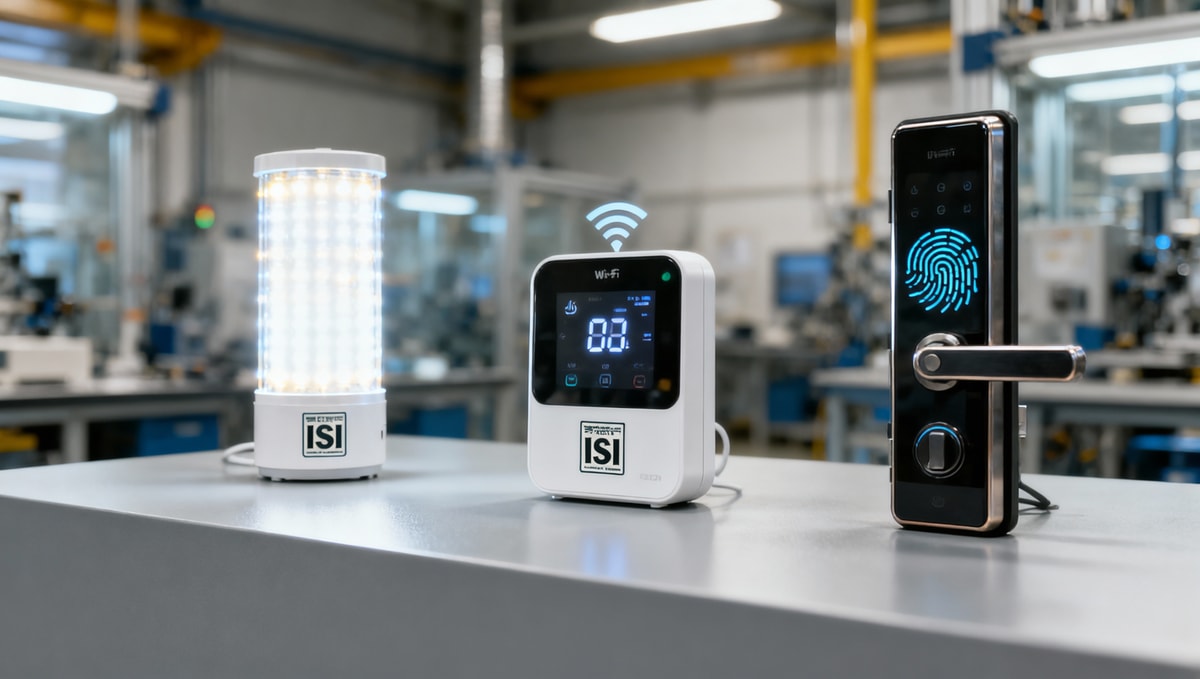
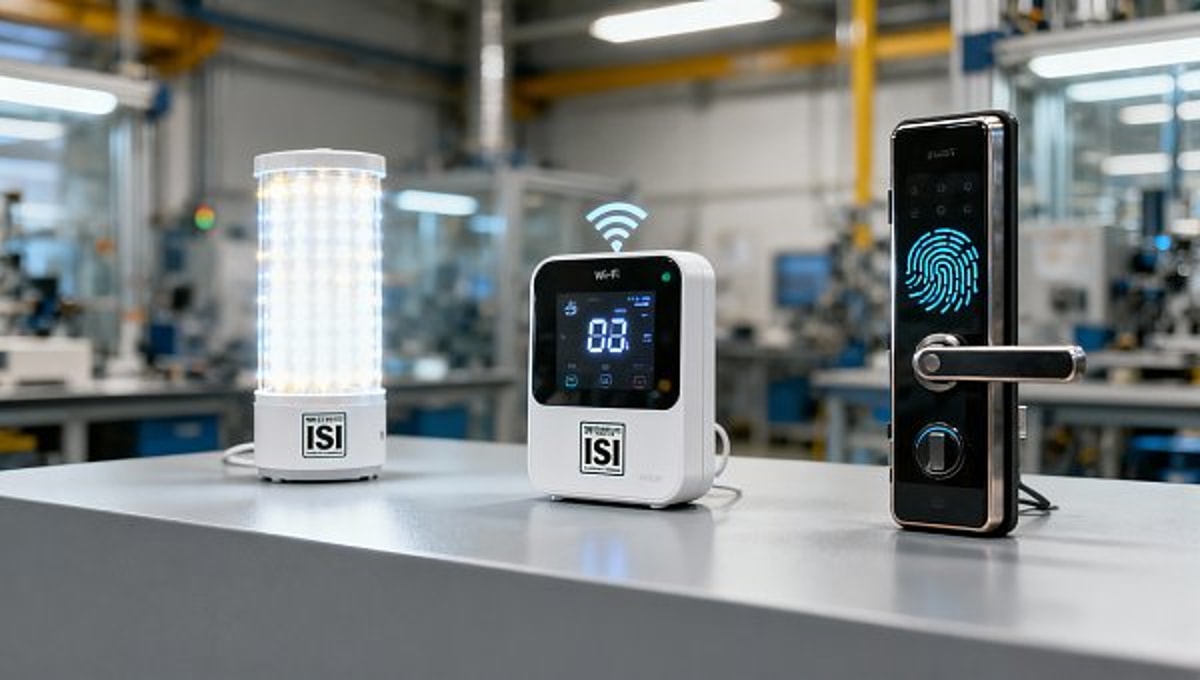
India’s Bureau of Indian Standards (BIS) announced on May 2, 2026, that smart lighting, smart thermostats, and smart door locks will be subject to mandatory ISI certification. Effective July 1, 2026, no such smart home products may be sold in India without a valid BIS registration and the ISI mark. Exporters—particularly manufacturers based in China—must complete factory audits and product testing by June 15, 2026, or face delisting from e-commerce platforms and customs detention. This development directly impacts exporters, OEM/ODM suppliers, distributors, and compliance service providers serving the Indian smart home market.
Event Overview
On May 2, 2026, the Bureau of Indian Standards (BIS) issued an urgent notification adding three smart home product categories—smart lighting systems, smart thermostats, and smart door locks—to its list of items requiring compulsory ISI certification. The requirement takes effect on July 1, 2026. From that date onward, all units imported or sold in India must bear the ISI mark and be covered under an active BIS registration. Chinese manufacturers are required to complete factory inspections and sample testing by June 15, 2026; failure to do so may result in removal from major Indian e-commerce platforms and detention at Indian ports.
Which Subsectors Are Affected
Direct Exporters and OEM/ODM Manufacturers
These entities supply finished smart home devices to Indian importers or brands. They are directly responsible for BIS registration, factory audits, and test reports. Impact includes production delays if audits or testing are not completed before the June 15 deadline, potential loss of shelf space, and increased pre-shipment compliance costs.
Distributors and Brand Owners Operating in India
Indian-based distributors and private-label brands sourcing from overseas—especially China—face immediate inventory risk. Stock received after July 1, 2026, without valid ISI marking may be blocked at customs or rejected by online marketplaces. Their ability to maintain continuity of supply hinges on upstream supplier readiness.
Supply Chain and Compliance Service Providers
Firms offering BIS registration support, testing coordination, or audit preparation are seeing accelerated demand for services related to these three product categories. However, capacity constraints may arise given the tight June 15 deadline—particularly for labs accredited by BIS and auditors with domain experience in smart home electronics.
What Relevant Companies or Practitioners Should Focus On Now
Confirm BIS Registration Status and Timeline Immediately
Manufacturers exporting to India must verify whether their current BIS registration covers any of the newly added categories. If not, initiate the application process without delay—factory audits and testing cannot begin retroactively after June 15, 2026.
Validate Product Scope Against BIS’ Official Definitions
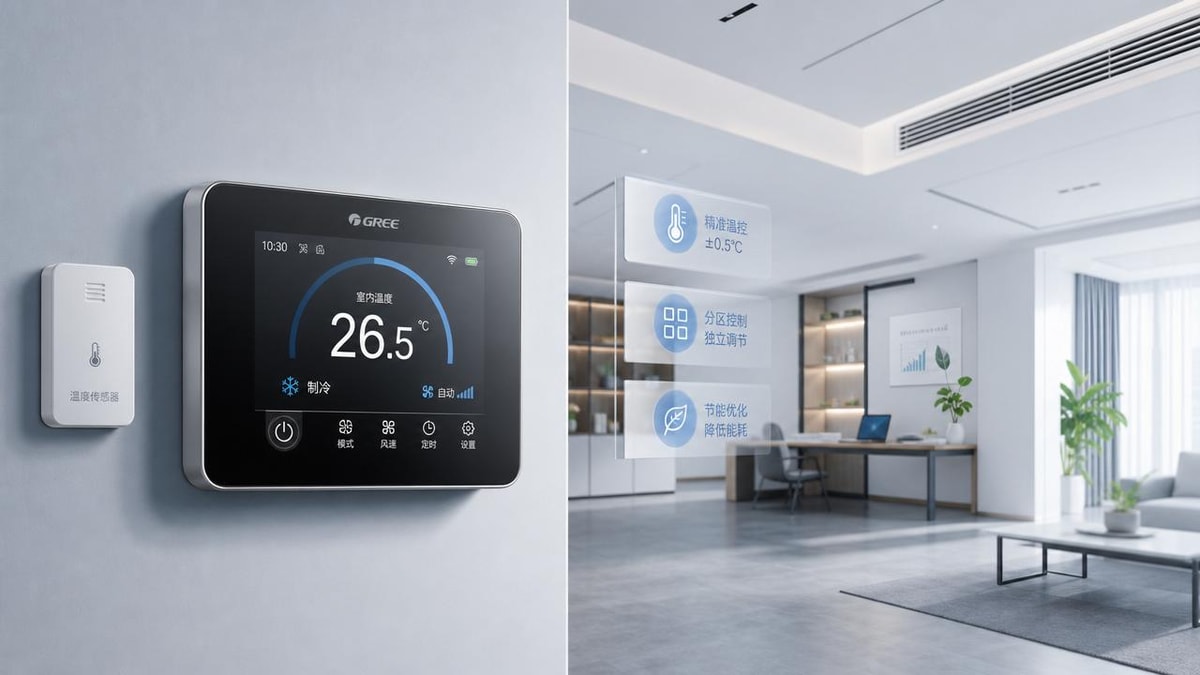
The notification specifies ‘smart lighting’, ‘smart thermostats’, and ‘smart door locks’. Analysis shows that BIS is likely applying functional—not branding-based—criteria: devices with wireless connectivity (e.g., Bluetooth, Wi-Fi, Zigbee), remote control capability, or integration with central home automation platforms fall within scope. Products lacking these features may remain outside mandatory coverage.
Coordinate with Indian Importers on Documentation and Labeling
ISI marking must appear on product packaging, user manuals, and—where feasible—on the device itself. Exporters should align with Indian partners on labeling requirements and ensure traceability documentation (e.g., test reports, audit summaries) is available for customs and marketplace verification upon request.
Monitor for Potential Scope Expansion Signals
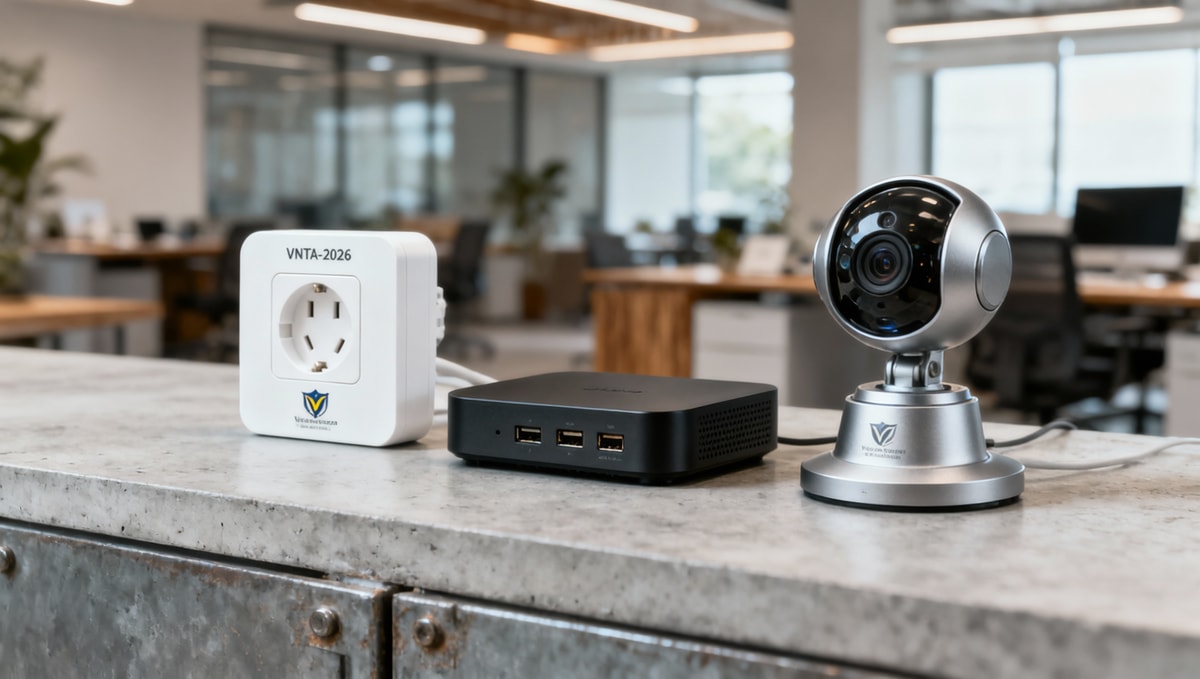
Observably, this tri-category rollout follows prior BIS expansions into IoT-enabled consumer electronics. While only three categories are confirmed now, the timing and structure suggest further additions—including smart plugs, smart switches, or voice-controlled hubs—may follow in subsequent notifications. Current more suitable interpretation is that this is a targeted enforcement step, not yet a broad regulatory wave.
Editorial Perspective / Industry Observation
This notification is best understood as a concrete enforcement milestone—not merely a policy signal. It reflects BIS’s increasing focus on interoperability, cybersecurity baseline assurance, and electrical safety in networked residential devices. From industry angle, it marks the point where ‘smart’ functionality triggers formal conformity assessment in India, moving beyond traditional appliance standards. That shift carries implications for R&D planning, certification budgeting, and time-to-market calculations for any smart home vendor targeting India. Continued attention is warranted—not just for upcoming deadlines, but for how BIS interprets ‘smart’ in future updates and whether enforcement extends to software update mechanisms or data handling practices.
Conclusion
This mandate signals India’s formal integration of smart home devices into its national product safety framework. It does not represent a sudden barrier, but rather the operationalization of long-anticipated regulatory alignment. For affected businesses, the priority is not speculation about future categories—but execution against the confirmed July 1, 2026, go-live date and the June 15, 2026, compliance cutoff. The current situation is better understood as a defined, time-bound compliance obligation—not an open-ended regulatory uncertainty.
Information Source
Main source: Bureau of Indian Standards (BIS), official notification dated May 2, 2026.
Note: Ongoing monitoring is advised for potential clarifications on scope definitions, accepted testing laboratories, or transitional arrangements—none of which have been published as of the notification date.
Get weekly intelligence in your inbox.
No noise. No sponsored content. Pure intelligence.
 May 04, 2026FDA AI Diagnostic Software Guidance: Continuous Validation for Overseas FirmsFDA AI Diagnostic Software Guidance: Continuous Validation for Overseas Firms
 May 04, 2026MIIT Launches Export Compliance Support for Warehouse RoboticsMIIT Launches Export Compliance Support for Warehouse Robotics
 May 04, 2026India BIS Mandates ISI Certification for Smart Home Devices from July 2026India BIS Mandates ISI Certification for Smart Home Devices from July 2026
 May 04, 2026Global Shipping Alliance Raises Heavy-Lift Surcharges from May 2026Global Shipping Alliance Raises Heavy-Lift Surcharges from May 2026
 May 04, 2026GCC EV Charging Certification Unified: 35% Cost Cut for Chinese ExportersGCC EV Charging Certification Unified: 35% Cost Cut for Chinese Exporters
 May 04, 2026TÜV Rheinland Updates IoT Security Standard with AI Voice Data AnonymizationTÜV Rheinland Updates IoT Security Standard with AI Voice Data Anonymization
 May 04, 2026Yangshan Port Launches Green Energy Equipment Express LaneYangshan Port Launches Green Energy Equipment Express Lane
 May 04, 2026Vietnam Enforces Local IoT Certification for Smart Home Devices from May 2026Vietnam Enforces Local IoT Certification for Smart Home Devices from May 2026
 May 04, 2026US CBP Launches Battery Cargo Inspection: ESS Export Delays to 7–12 DaysUS CBP Launches Battery Cargo Inspection: ESS Export Delays to 7–12 Days
 May 04, 2026EU SVHC Update Effective May 1, 2026: Impact on Electronic Components ExportsEU SVHC Update Effective May 1, 2026: Impact on Electronic Components Exports
 May 04, 2026Portable power stations: what matters more than wattage on paperPortable power stations: what matters more than wattage on paper
 May 04, 2026Automotive injection molding machines and the scrap rate problemAutomotive injection molding machines and the scrap rate problem
 May 04, 2026Smart thermostats save energy only when setup is done rightSmart thermostats save energy only when setup is done right
 May 04, 2026Why TWS earbuds sound great in ads but not on callsWhy TWS earbuds sound great in ads but not on calls
 May 04, 2026Industrial robotics for material handling: where downtime startsIndustrial robotics for material handling: where downtime starts
 May 04, 2026LiFePO4 battery lifespan drops faster under these conditionsLiFePO4 battery lifespan drops faster under these conditions
 May 04, 2026Solar grid systems: when storage changes the project mathSolar grid systems: when storage changes the project math
 May 04, 2026Smart manufacturing for pharma fails when data stays isolatedSmart manufacturing for pharma fails when data stays isolated
 May 04, 2026Wearable technology trends that are finally useful in 2026Wearable technology trends that are finally useful in 2026
 May 04, 2026Bluetooth speakers: why battery life claims often miss real useBluetooth speakers: why battery life claims often miss real use
 May 04, 2026Home automation systems that solve everyday annoyances firstHome automation systems that solve everyday annoyances first
 May 04, 2026Solar street lights that underperform after the first rainy seasonSolar street lights that underperform after the first rainy season
 May 04, 2026Why sheet metal bending services in Canada cost more than expectedWhy sheet metal bending services in Canada cost more than expected
 May 04, 2026Factory automation systems for electronics and the ROI gapFactory automation systems for electronics and the ROI gap
 May 04, 2026OEM machined parts supplier Vietnam: quality checks that matterOEM machined parts supplier Vietnam: quality checks that matter
 May 04, 2026What to check before choosing a 5 axis machine for defenseWhat to check before choosing a 5 axis machine for defense
 May 04, 2026Smart grid solutions that fix peak load without major rebuildsSmart grid solutions that fix peak load without major rebuilds