Yangshan Port Launches Green Energy Equipment Express Lane
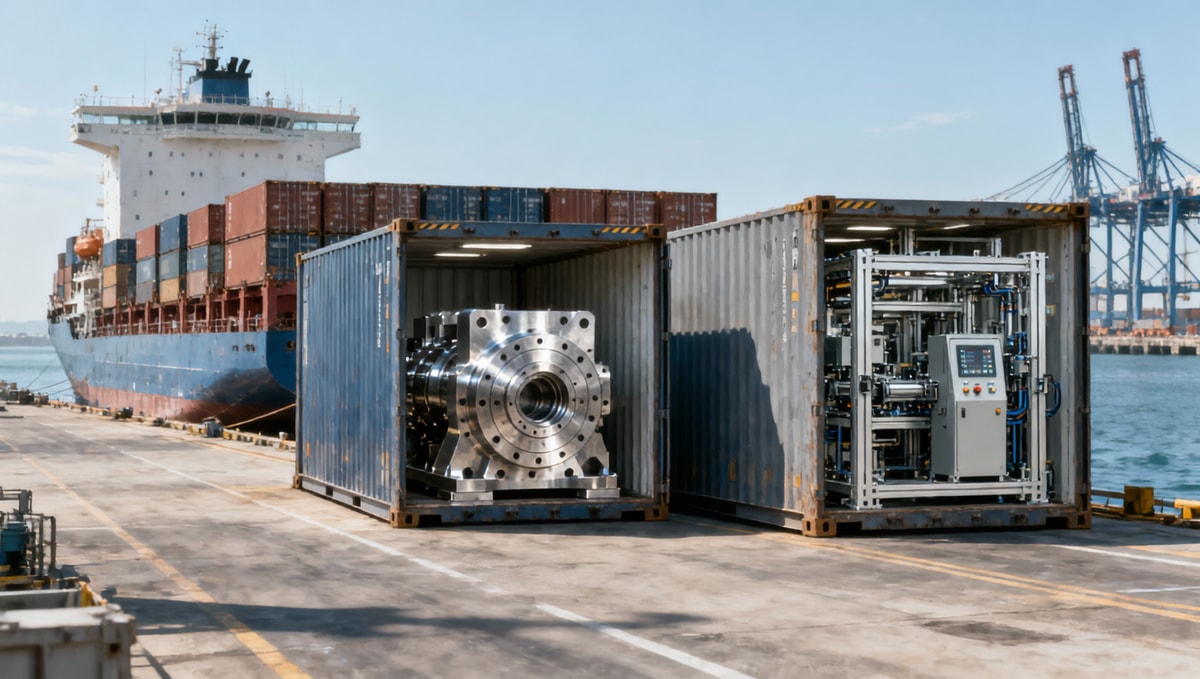
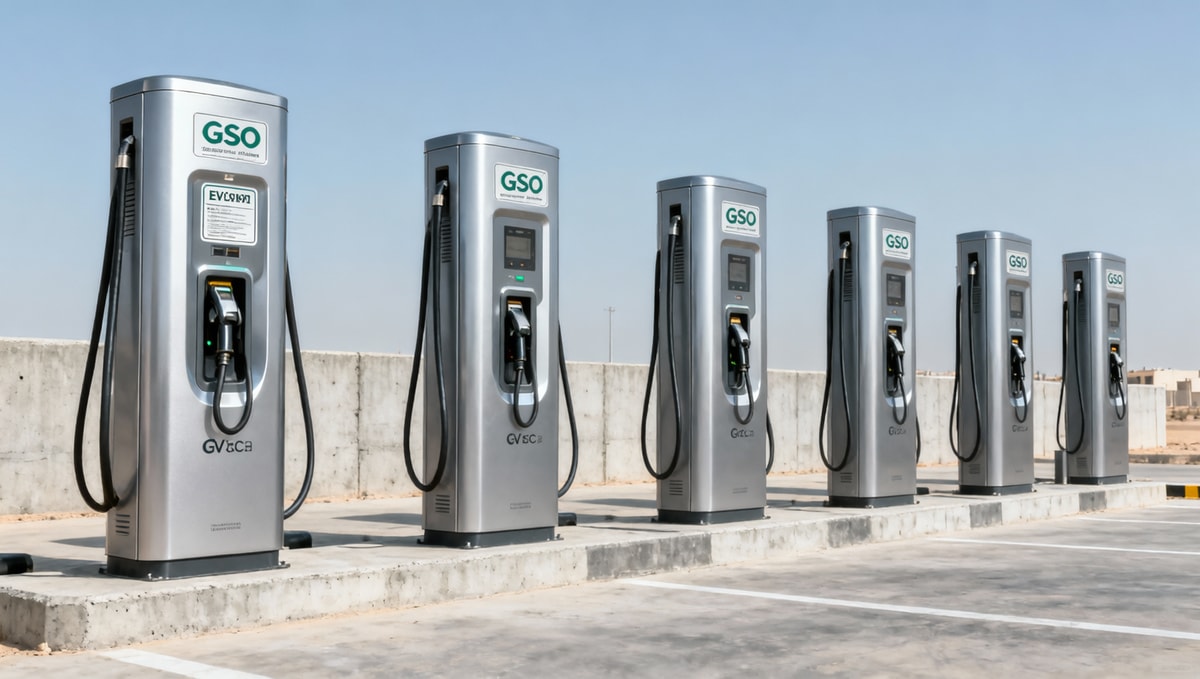
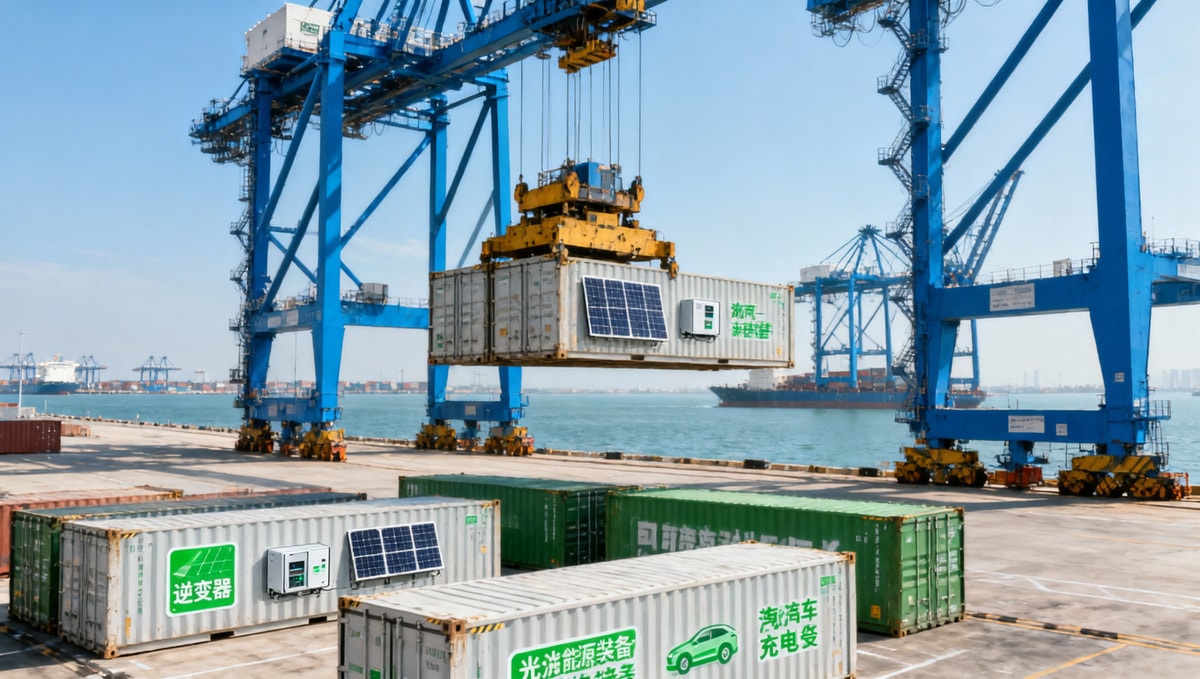
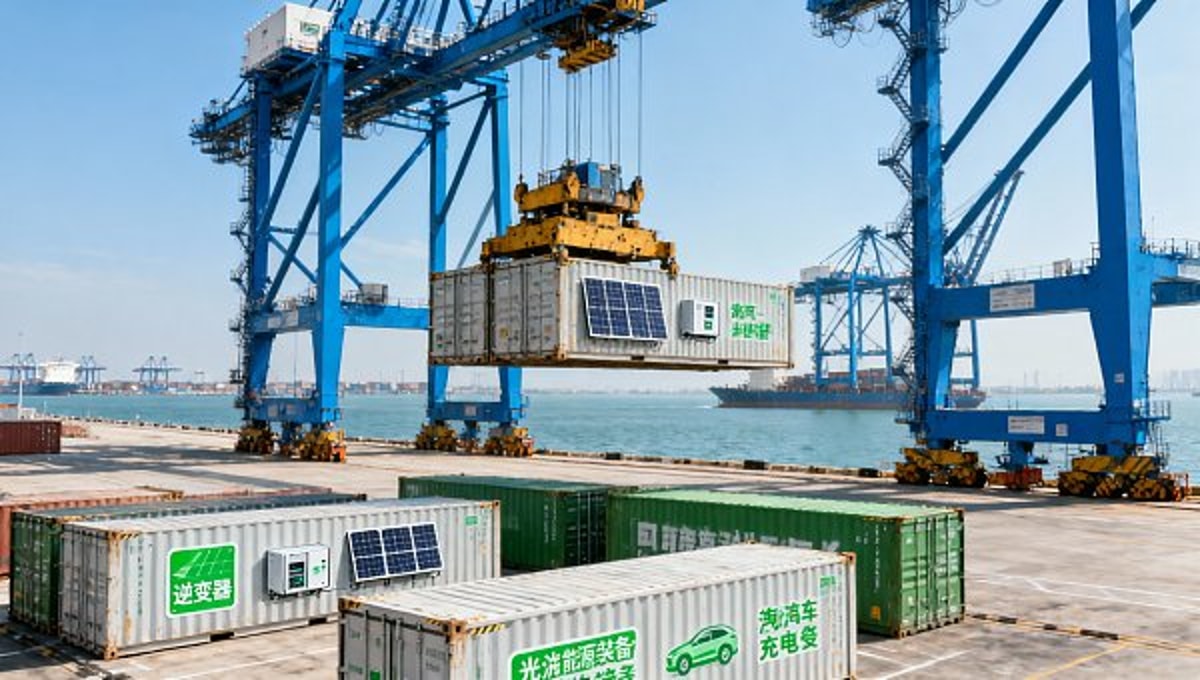
Starting May 1, 2026, Yangshan Deep-Water Port in Shanghai has activated a dedicated ‘Green Energy Equipment Express Lane’ for solar photovoltaic (PV) modules, inverters, EV chargers, and battery-swap station modules — accelerating export clearance by 40% and signaling tangible operational shifts for manufacturers, exporters, and logistics providers in the global clean energy supply chain.
Event Overview
Effective May 1, 2026, Shanghai Customs and Shanghai International Port Group (SIPG) jointly launched a pilot initiative at Yangshan Deep-Water Port: the ‘Green Equipment Customs Integration Channel’. Under this scheme, certified export enterprises may apply for expedited handling—including ‘dock-side direct loading’, intelligent gate clearance, and priority inspection—for listed green energy equipment. Average export customs clearance time decreased from 3.2 days to 1.9 days. The pilot covers 217 pre-qualified exporters, including Longi, Sungrow, and Shenzhen盛弘 (Shenghong Power).
Industries Affected
Direct Exporters & OEM Manufacturers
Companies exporting PV modules, inverters, EV chargers, or modular swap stations from Yangshan face reduced dwell time and improved shipment predictability. This directly affects order-to-delivery cycle times, especially for time-sensitive tenders or contractual delivery windows in overseas markets such as the EU, U.S., and Southeast Asia.
Supply Chain & Logistics Service Providers
Firms offering port agency, customs brokerage, or inland transport services must align with the new lane’s procedural requirements—e.g., real-time cargo tracking integration, documentation readiness for automated gate systems, and coordination with priority inspection schedules. Delayed submission of compliant documents may negate the time savings.
Component & Subsystem Suppliers
Suppliers feeding into the certified export products (e.g., aluminum frames, DC connectors, thermal management units for chargers) are indirectly impacted: tighter downstream lead times may compress their own production and delivery buffers, increasing pressure on just-in-time delivery reliability.
Distribution & Channel Partners with Import/Export Functions
Regional distributors or joint-venture entities managing cross-border inventory replenishment from Yangshan will observe faster inbound availability of key SKUs—potentially improving local stock turnover and reducing working capital tied up in port inventories.
What Enterprises and Practitioners Should Monitor and Do Now
Track official expansion criteria and eligibility updates
The current list of covered products and certified enterprises is provisional. Analysis shows that future inclusion of energy storage systems (ESS), smart metering hardware, or hydrogen-related components remains possible—but unconfirmed. Stakeholders should monitor announcements from Shanghai Customs and SIPG for formalized category expansions or application windows.
Verify product classification and HS code alignment
Only items explicitly listed under the pilot’s product directory qualify. Observably, misclassification—e.g., grouping a hybrid inverter under general power electronics—may exclude shipments from the lane. Exporters must cross-check their declared HS codes against the official list before filing declarations.
Distinguish between policy signal and operational readiness
While the 40% clearance improvement is verified for pilot participants, actual time gains depend on consistent document accuracy, container scheduling precision, and real-time data sharing with port systems. Current more suitable understanding is that the benefit is conditional—not automatic—upon compliance rigor.
Pre-align internal logistics workflows with dock-side timing
‘Dock-side direct loading’ requires synchronized arrival of goods, trucks, and vessel berthing slots. Manufacturers and 3PLs should review and adjust warehouse dispatch planning, truck appointment systems, and EDI interfaces with SIPG’s port management platform to avoid bottlenecks at the gate or quay.
Editorial Perspective / Industry Observation
This initiative is better understood as an operational signal—not yet a structural shift. It reflects growing institutional recognition of clean energy equipment as strategic export cargo, warranting differentiated customs treatment. However, its scope remains narrow: limited to one port, one customs jurisdiction, and a fixed product set. From industry perspective, it does not yet indicate broad tariff or regulatory reform, but rather a targeted efficiency upgrade within existing frameworks. Continued observation is warranted for replication at Ningbo-Zhoushan, Guangzhou Nansha, or Tianjin ports—and for linkage to China’s broader ‘green trade facilitation’ pilot policies announced under the 14th Five-Year Plan.
Conclusion
Yangshan’s Green Equipment Express Lane delivers measurable, near-term process gains for qualified exporters of solar PV and EV infrastructure. Its significance lies less in scale than in precedent: it marks one of the first port-level customs mechanisms explicitly designed around clean energy hardware categories. For stakeholders, the current takeaway is pragmatic—not transformative. It rewards preparation, classification discipline, and system interoperability; it does not replace due diligence or alter underlying trade compliance obligations.
Information Sources
Primary source: Official announcement issued jointly by Shanghai Customs and Shanghai International Port Group (SIPG), effective May 1, 2026. Pending observation: Expansion timeline beyond the initial 217 enterprises and current product list remains unspecified and subject to further notice.
Get weekly intelligence in your inbox.
No noise. No sponsored content. Pure intelligence.
 May 04, 2026FDA AI Diagnostic Software Guidance: Continuous Validation for Overseas FirmsFDA AI Diagnostic Software Guidance: Continuous Validation for Overseas Firms
 May 04, 2026MIIT Launches Export Compliance Support for Warehouse RoboticsMIIT Launches Export Compliance Support for Warehouse Robotics
 May 04, 2026India BIS Mandates ISI Certification for Smart Home Devices from July 2026India BIS Mandates ISI Certification for Smart Home Devices from July 2026
 May 04, 2026Global Shipping Alliance Raises Heavy-Lift Surcharges from May 2026Global Shipping Alliance Raises Heavy-Lift Surcharges from May 2026
 May 04, 2026GCC EV Charging Certification Unified: 35% Cost Cut for Chinese ExportersGCC EV Charging Certification Unified: 35% Cost Cut for Chinese Exporters
 May 04, 2026TÜV Rheinland Updates IoT Security Standard with AI Voice Data AnonymizationTÜV Rheinland Updates IoT Security Standard with AI Voice Data Anonymization
 May 04, 2026Yangshan Port Launches Green Energy Equipment Express LaneYangshan Port Launches Green Energy Equipment Express Lane
 May 04, 2026Vietnam Enforces Local IoT Certification for Smart Home Devices from May 2026Vietnam Enforces Local IoT Certification for Smart Home Devices from May 2026
 May 04, 2026US CBP Launches Battery Cargo Inspection: ESS Export Delays to 7–12 DaysUS CBP Launches Battery Cargo Inspection: ESS Export Delays to 7–12 Days
 May 04, 2026EU SVHC Update Effective May 1, 2026: Impact on Electronic Components ExportsEU SVHC Update Effective May 1, 2026: Impact on Electronic Components Exports
 May 04, 2026Portable power stations: what matters more than wattage on paperPortable power stations: what matters more than wattage on paper
 May 04, 2026Automotive injection molding machines and the scrap rate problemAutomotive injection molding machines and the scrap rate problem
 May 04, 2026Smart thermostats save energy only when setup is done rightSmart thermostats save energy only when setup is done right
 May 04, 2026Why TWS earbuds sound great in ads but not on callsWhy TWS earbuds sound great in ads but not on calls
 May 04, 2026Industrial robotics for material handling: where downtime startsIndustrial robotics for material handling: where downtime starts
 May 04, 2026LiFePO4 battery lifespan drops faster under these conditionsLiFePO4 battery lifespan drops faster under these conditions
 May 04, 2026Solar grid systems: when storage changes the project mathSolar grid systems: when storage changes the project math
 May 04, 2026Smart manufacturing for pharma fails when data stays isolatedSmart manufacturing for pharma fails when data stays isolated
 May 04, 2026Wearable technology trends that are finally useful in 2026Wearable technology trends that are finally useful in 2026
 May 04, 2026Bluetooth speakers: why battery life claims often miss real useBluetooth speakers: why battery life claims often miss real use
 May 04, 2026Home automation systems that solve everyday annoyances firstHome automation systems that solve everyday annoyances first
 May 04, 2026Solar street lights that underperform after the first rainy seasonSolar street lights that underperform after the first rainy season
 May 04, 2026Why sheet metal bending services in Canada cost more than expectedWhy sheet metal bending services in Canada cost more than expected
 May 04, 2026Factory automation systems for electronics and the ROI gapFactory automation systems for electronics and the ROI gap
 May 04, 2026OEM machined parts supplier Vietnam: quality checks that matterOEM machined parts supplier Vietnam: quality checks that matter
 May 04, 2026What to check before choosing a 5 axis machine for defenseWhat to check before choosing a 5 axis machine for defense
 May 04, 2026Smart grid solutions that fix peak load without major rebuildsSmart grid solutions that fix peak load without major rebuilds