Why sheet metal bending services in Canada cost more than expected
Why do sheet metal bending services Canada buyers source often cost more than initial quotes suggest? For business evaluators comparing vendors, the answer goes far beyond labor rates. Material grade, tooling complexity, tolerance requirements, batch size, logistics, and compliance standards all shape final pricing. This article breaks down the hidden cost drivers so procurement teams can assess suppliers more accurately and make smarter sourcing decisions.
Why scenario differences matter when evaluating Canadian bending quotes
For business evaluators, the biggest mistake is treating all sheet metal bending services Canada suppliers as if they are selling the same output. They are not. A bracket for agricultural equipment, a stainless enclosure for food processing, and a precision component for healthcare technology all require different setups, controls, risk buffers, and post-processing steps. The quote may look similar on the surface, but the cost structure underneath can be radically different.
This is especially important in Canada, where buyers often face longer transport routes, regional labor differences, fluctuating material availability, and compliance expectations tied to export markets. A supplier serving high-mix, low-volume industrial buyers will price differently from one optimized for repeat production runs. If procurement teams compare only piece price, they can misread the true value of a quote and underestimate total landed cost.
In practical terms, evaluating sheet metal bending services Canada sourcing should start with the use case: prototype development, custom industrial fabrication, regulated product manufacturing, or scale production. Once the scenario is clear, cost drivers become easier to understand and benchmark.
Where higher-than-expected costs usually appear
Unexpected price increases rarely come from one single line item. They usually come from a stack of technical and operational requirements that were not fully visible during early quoting. For buyers of sheet metal bending services Canada, these hidden costs often appear in five places: engineering review, machine setup, tooling selection, handling and packaging, and quality documentation.
- Engineering review costs rise when drawings are incomplete, tolerances are unclear, or bend relief design creates forming risk.
- Setup costs increase when the part requires multiple bend sequences, frequent tool changes, or first-article validation.
- Tooling costs go up when the radius, flange length, or material thickness needs specialized punches and dies.
- Handling costs expand for large parts, polished surfaces, fragile finishes, or nested packaging requirements.
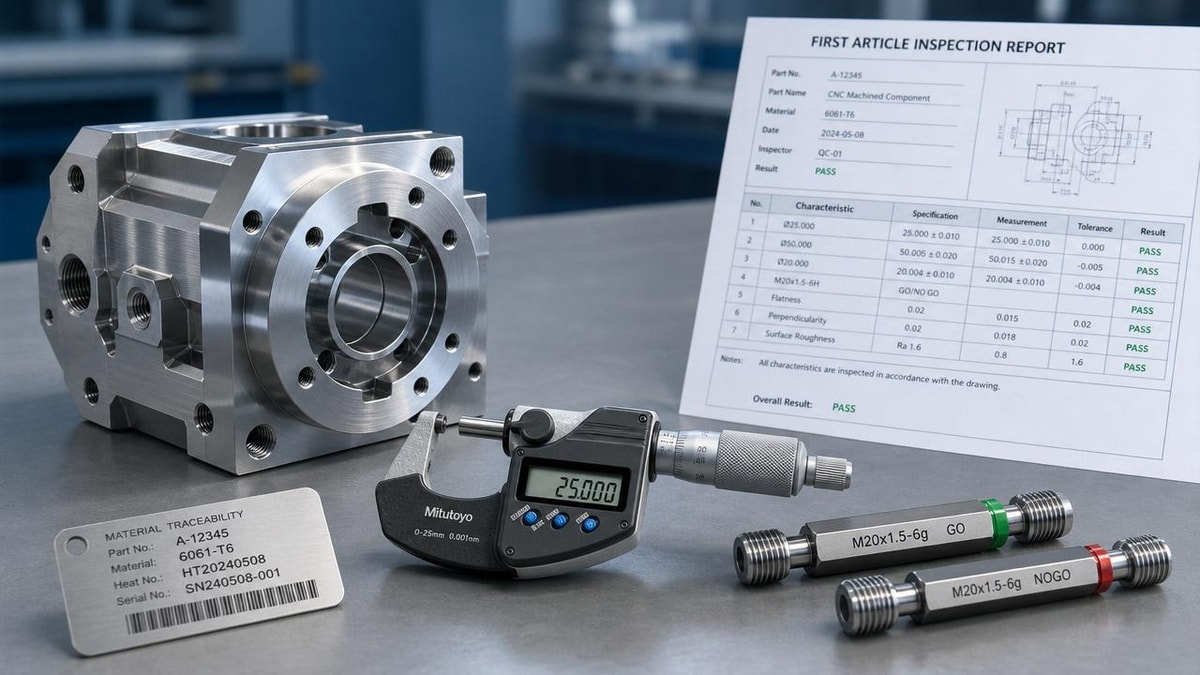
- Documentation costs become significant when PPAP-style files, material certificates, inspection reports, or traceability records are required.
These cost layers do not affect every project equally. That is why scenario-based evaluation is more useful than generic price comparison.
Scenario comparison: why one bending job is not priced like another
The table below shows how common buying scenarios change the economics of sheet metal bending services Canada procurement.
A quote that seems high may actually be reasonable if it reflects the real demands of the application. The more regulated, custom, or low-volume the scenario, the less useful a simple price-per-part comparison becomes.
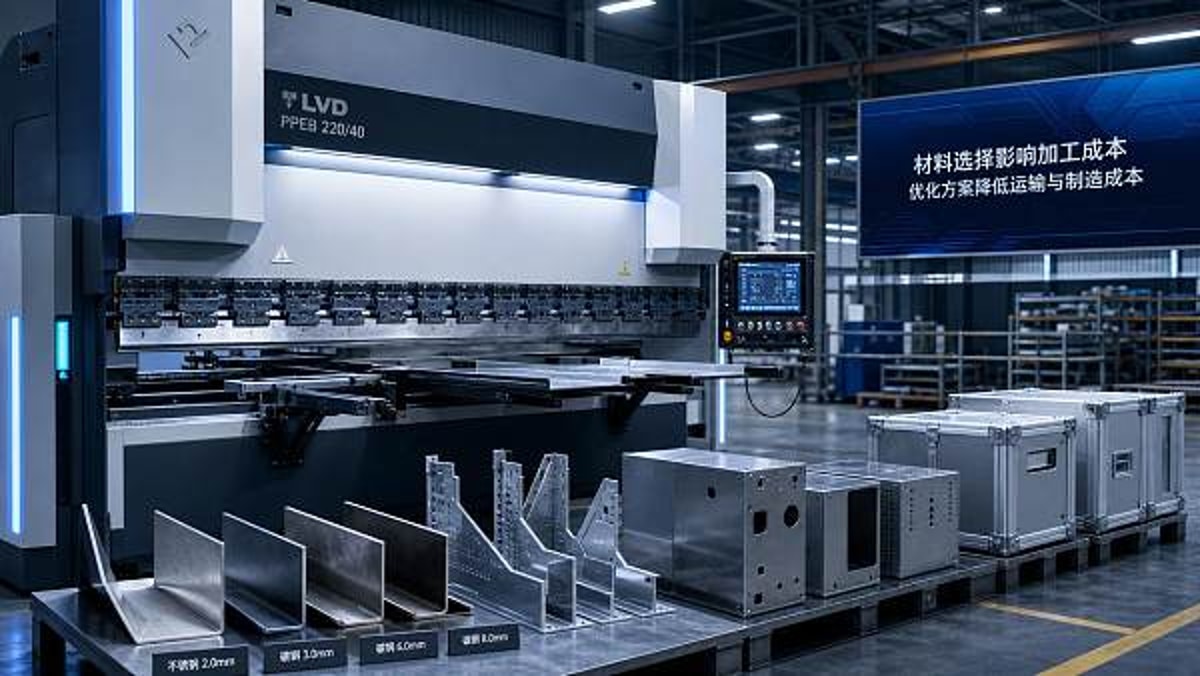
Scenario 1: Prototype and custom project sourcing often looks expensive first
In prototype environments, buyers often expect sheet metal bending services Canada pricing to be close to production rates. That expectation creates frustration. For one-off and early-stage programs, suppliers must spend time on drawing review, bend sequence planning, blank development, tooling checks, and first-piece verification. Even if only ten parts are needed, the supplier still performs much of the same preparation required for a larger order.
This scenario is common in advanced manufacturing, smart electronics enclosures, and custom machine building. The hidden expense is not inefficiency; it is technical uncertainty. Parts may be revised after fit tests, flange dimensions may change, and hole-to-bend relationships may require redesign. A lower quote can sometimes mean less engineering support, which may increase total cost later through delays and rework.
For evaluators, the key questions are: Does the supplier include design for manufacturability input? Are setup charges separated or buried in the piece price? How many revisions are covered? What is the lead time for corrected samples? These points matter more than initial unit cost in prototype sourcing.
Scenario 2: Heavy industrial parts carry machine, labor, and freight premiums
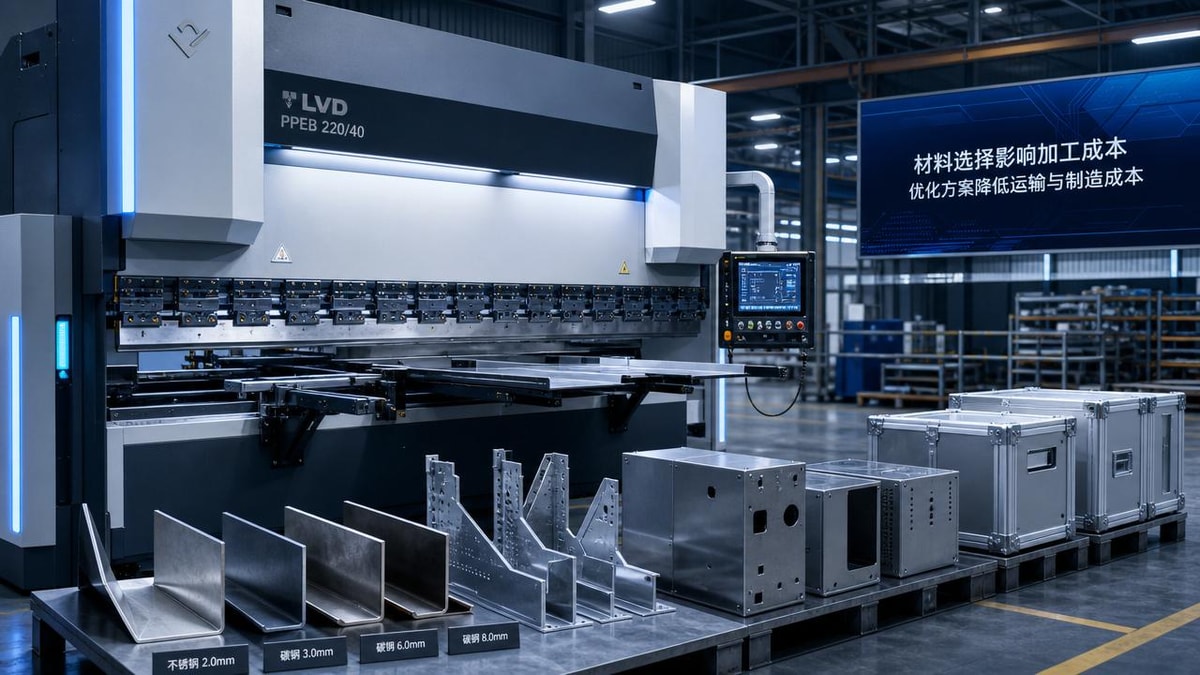
When the application involves structural brackets, transport components, agricultural machinery, or energy equipment, the economics change again. Thicker materials require higher tonnage press brakes, more experienced operators, and stricter process control to avoid springback and cracking. Cycle times slow down, part handling becomes harder, and safety procedures become more demanding.
In this case, sheet metal bending services Canada costs can also rise due to freight geometry. Large bent parts are not shipped as efficiently as flat blanks. Once formed, they consume more cubic space, need more protective packaging, and may trigger higher transport charges across provinces or into the United States. Buyers who compare only fabrication line items often overlook this logistics multiplier.
A good sourcing assessment should separate fabrication cost from landed cost. Ask whether the supplier can nest production with cutting, welding, coating, or final assembly to reduce handling steps. A quote that includes integrated processing may look higher than a bending-only price, but it can still be the better commercial option.
Scenario 3: Regulated and high-finish applications cost more for valid reasons
For healthcare technology, food equipment, clean-energy control boxes, and export-oriented electronics, the visible bend is only part of the deliverable. Buyers may require stainless steel with protective film, cosmetic-grade surfaces, validated bend radii, serialized traceability, and inspection records. In these cases, sheet metal bending services Canada suppliers are pricing quality risk as much as machine time.
A brushed stainless panel that must arrive without surface defects cannot be handled like a general industrial bracket. Operators may use slower methods, more separators, and extra packaging. If the job demands certificate packages or documented quality checks, administrative effort grows too. The supplier may also hold more contingency because rejected cosmetic parts are expensive to remake.
Business evaluators should therefore avoid asking why a “simple bend” costs so much without examining finish, traceability, and downstream assembly risk. In regulated scenarios, the cheapest quote may expose the buyer to the highest nonconformance cost.
Scenario 4: Repeat production should be cheaper, but only if demand is stable
Many buyers assume that once a part enters repeat production, pricing from sheet metal bending services Canada vendors should automatically fall. Sometimes it does, but only when volumes are predictable and specifications remain stable. If order quantities swing sharply, releases are irregular, or engineering changes continue, suppliers cannot fully optimize labor planning, tooling retention, and material purchasing.
Canadian suppliers may also build in costs related to inventory exposure. If they reserve capacity, stock material, or maintain dedicated tools for a customer program, they are taking commercial risk. That risk is often priced into long-term agreements, especially when buyers request short lead times or rush replenishment.
In this scenario, evaluators should compare pricing models, not just current rates. Is there a clear break at volume tiers? Are surcharges tied to alloy indexes or energy costs? Does the quote assume annual blanket orders? Stable demand usually earns better pricing; unstable demand usually prevents it.
How to judge whether a higher quote is justified
A practical review of sheet metal bending services Canada proposals should focus on cost transparency and fit to application. Higher pricing is not automatically poor value. It may reflect stronger process capability, lower failure risk, or better service alignment with the buyer’s operating model.
- Check whether material grade, temper, thickness, and finish are exactly aligned across all quotes.
- Confirm whether tooling, setup, and first-article costs are included or billed separately.
- Review tolerance assumptions, especially angle tolerance and dimensional stack-up after multiple bends.
- Ask about scrap risk, minimum flange rules, and bend sequence constraints that could impact yield.
- Evaluate logistics, packaging, and delivery reliability, not only fabrication cost.
- Verify documentation scope if your scenario involves regulated sectors or customer audits.
This approach helps procurement teams move from price comparison to sourcing judgment, which is exactly where better decisions are made.
Common misjudgments buyers make in sheet metal bending services Canada sourcing
Several recurring errors distort supplier evaluation. First, buyers often compare domestic and offshore rates without adjusting for transport, communication cycles, engineering revision speed, and duty-related complexity. Second, they may assume all press brake shops can handle the same material and tolerance profile. Third, they underestimate the cost impact of cosmetic requirements and protective packaging.
Another common issue is sending RFQs with incomplete drawings. Missing bend callouts, ambiguous tolerances, or unspecified grain direction force suppliers to quote with assumptions. Those assumptions later become change orders or pricing disputes. For business evaluators, quote quality often reflects RFQ quality.
Finally, some teams focus on machine rate but ignore responsiveness. In sectors such as green energy systems, healthcare technology devices, and supply chain hardware infrastructure, delays can cost more than fabrication premiums. A more expensive but dependable Canadian source may protect project schedules better than a cheaper but less agile alternative.
FAQ for business evaluators
Why are low-volume orders priced so high?
Because setup, engineering, and validation costs are spread over fewer parts. In prototype-focused sheet metal bending services Canada projects, fixed preparation cost matters more than raw machine time.
Does a higher quote always mean better quality?
No, but it may indicate broader scope. A higher quote can include stronger materials control, better packaging, documented inspection, or capacity commitments that lower operational risk.
What should we request in an RFQ to reduce hidden costs?
Provide clear drawings, material specifications, finish requirements, tolerance expectations, forecast volumes, packaging needs, and delivery cadence. Better RFQ inputs lead to more accurate sheet metal bending services Canada pricing.
A smarter next step for procurement teams
The real question is not whether sheet metal bending services Canada costs are high, but whether the quote fits the actual business scenario. Prototype programs need engineering agility. Heavy industrial parts need tonnage and freight planning. Regulated products need traceability and finish protection. Repeat production needs demand stability and commercial clarity.
For evaluators working in globally connected sectors, the strongest sourcing decisions come from matching vendor capability to application context. TradeNexus Pro encourages procurement teams to compare suppliers through that lens: scenario, risk, total cost, and long-term fit. Before moving forward, validate your drawings, define your true service scope, and ask each supplier to explain what their price includes. That is how a quote becomes a decision-ready sourcing assessment instead of just a number on a spreadsheet.
Get weekly intelligence in your inbox.
No noise. No sponsored content. Pure intelligence.
 May 04, 2026FDA AI Diagnostic Software Guidance: Continuous Validation for Overseas FirmsFDA AI Diagnostic Software Guidance: Continuous Validation for Overseas Firms
 May 04, 2026MIIT Launches Export Compliance Support for Warehouse RoboticsMIIT Launches Export Compliance Support for Warehouse Robotics
 May 04, 2026India BIS Mandates ISI Certification for Smart Home Devices from July 2026India BIS Mandates ISI Certification for Smart Home Devices from July 2026
 May 04, 2026Global Shipping Alliance Raises Heavy-Lift Surcharges from May 2026Global Shipping Alliance Raises Heavy-Lift Surcharges from May 2026
 May 04, 2026GCC EV Charging Certification Unified: 35% Cost Cut for Chinese ExportersGCC EV Charging Certification Unified: 35% Cost Cut for Chinese Exporters
 May 04, 2026TÜV Rheinland Updates IoT Security Standard with AI Voice Data AnonymizationTÜV Rheinland Updates IoT Security Standard with AI Voice Data Anonymization
 May 04, 2026Yangshan Port Launches Green Energy Equipment Express LaneYangshan Port Launches Green Energy Equipment Express Lane
 May 04, 2026Vietnam Enforces Local IoT Certification for Smart Home Devices from May 2026Vietnam Enforces Local IoT Certification for Smart Home Devices from May 2026
 May 04, 2026US CBP Launches Battery Cargo Inspection: ESS Export Delays to 7–12 DaysUS CBP Launches Battery Cargo Inspection: ESS Export Delays to 7–12 Days
 May 04, 2026EU SVHC Update Effective May 1, 2026: Impact on Electronic Components ExportsEU SVHC Update Effective May 1, 2026: Impact on Electronic Components Exports
 May 04, 2026Portable power stations: what matters more than wattage on paperPortable power stations: what matters more than wattage on paper
 May 04, 2026Automotive injection molding machines and the scrap rate problemAutomotive injection molding machines and the scrap rate problem
 May 04, 2026Smart thermostats save energy only when setup is done rightSmart thermostats save energy only when setup is done right
 May 04, 2026Why TWS earbuds sound great in ads but not on callsWhy TWS earbuds sound great in ads but not on calls
 May 04, 2026Industrial robotics for material handling: where downtime startsIndustrial robotics for material handling: where downtime starts
 May 04, 2026LiFePO4 battery lifespan drops faster under these conditionsLiFePO4 battery lifespan drops faster under these conditions
 May 04, 2026Solar grid systems: when storage changes the project mathSolar grid systems: when storage changes the project math
 May 04, 2026Smart manufacturing for pharma fails when data stays isolatedSmart manufacturing for pharma fails when data stays isolated
 May 04, 2026Wearable technology trends that are finally useful in 2026Wearable technology trends that are finally useful in 2026
 May 04, 2026Bluetooth speakers: why battery life claims often miss real useBluetooth speakers: why battery life claims often miss real use
 May 04, 2026Home automation systems that solve everyday annoyances firstHome automation systems that solve everyday annoyances first
 May 04, 2026Solar street lights that underperform after the first rainy seasonSolar street lights that underperform after the first rainy season
 May 04, 2026Why sheet metal bending services in Canada cost more than expectedWhy sheet metal bending services in Canada cost more than expected
 May 04, 2026Factory automation systems for electronics and the ROI gapFactory automation systems for electronics and the ROI gap
 May 04, 2026OEM machined parts supplier Vietnam: quality checks that matterOEM machined parts supplier Vietnam: quality checks that matter
 May 04, 2026What to check before choosing a 5 axis machine for defenseWhat to check before choosing a 5 axis machine for defense
 May 04, 2026Smart grid solutions that fix peak load without major rebuildsSmart grid solutions that fix peak load without major rebuilds