Vietnam Enforces Local IoT Certification for Smart Home Devices from May 2026
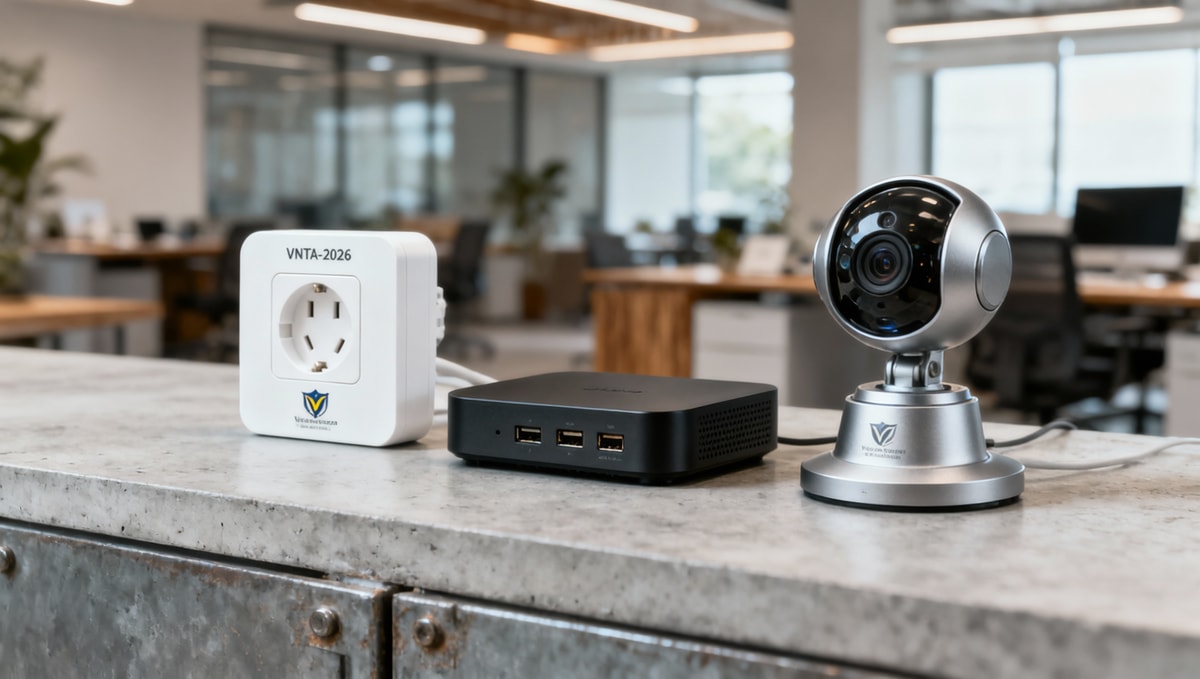
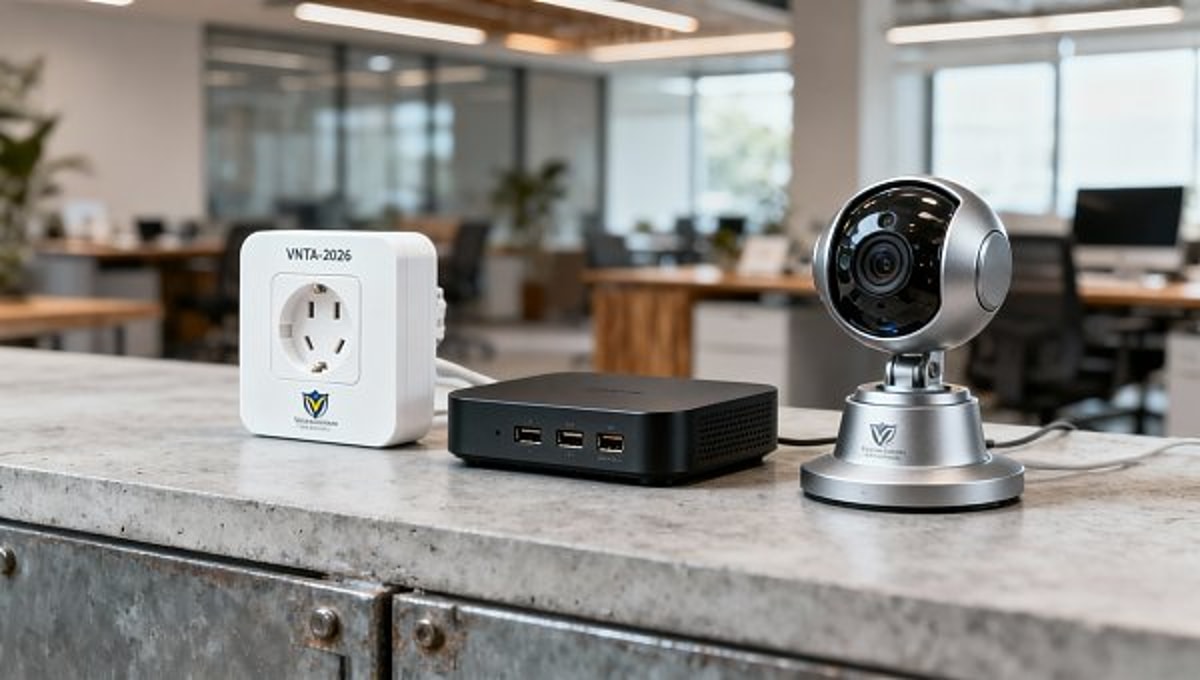
Vietnam’s Ministry of Information and Communications (MIC) will implement the IoT Device Cybersecurity Certification Implementation Rules (VNTA-2026) on 1 May 2026. This regulation mandates local certification for all Smart Home devices—including smart plugs, gateways, and security cameras—that connect to public networks in Vietnam. Exporters, especially manufacturers based in China, must now prepare for extended timelines and added compliance costs.
Event Overview
Effective 1 May 2026, the Vietnamese Ministry of Information and Communications (MIC) enforces VNTA-2026, a mandatory cybersecurity certification framework for IoT devices intended for the Vietnamese market. Under this rule, Smart Home devices accessing public networks must undergo firmware penetration testing and data localization storage verification—both conducted exclusively by MIC-authorized laboratories within Vietnam. Chinese exporters are required to add approximately 4–6 weeks to their certification timeline and incur an estimated USD $2,800 in additional certification fees.
Industries Affected
Direct Exporters (OEM/ODM Manufacturers)
Manufacturers exporting Smart Home hardware directly to Vietnam—particularly those based in China—face immediate operational impact. The requirement for local lab testing means existing international certification reports (e.g., CE, FCC) are insufficient; retesting must occur in Vietnam, introducing delays and cost uplifts.
Supply Chain & Contract Manufacturers
Firms managing production for branded Smart Home products must coordinate firmware revisions and documentation updates to meet VNTA-2026’s technical requirements—including evidence of local data storage logic and hardened OTA update mechanisms. Firmware development cycles may need adjustment to accommodate pre-certification validation.
Distribution & Channel Partners
Importers, distributors, and e-commerce platforms selling Smart Home devices in Vietnam must verify certification status before customs clearance or retail listing. Non-compliant devices risk rejection at border control or post-market suspension, affecting inventory planning and shelf availability.
Certification & Compliance Service Providers
Third-party labs and consultants supporting cross-border IoT compliance must now secure or confirm authorization under MIC’s VNTA-2026 framework. Those without Vietnamese lab presence or accreditation will be unable to issue valid reports for market access.
What Enterprises Should Monitor and Do Now
Track official MIC guidance and authorized lab lists
The MIC has not yet published the full list of accredited laboratories or detailed test protocols for VNTA-2026. Enterprises should monitor MIC’s official portal and Vietnam Standards and Quality Institute (STAMEQ) announcements for updated implementation guidelines and lab eligibility criteria.
Prioritize high-volume SKUs and assess firmware readiness
Exporters should identify top-selling Smart Home models destined for Vietnam and audit their firmware architecture against VNTA-2026’s two core requirements: (i) demonstrable resistance to common firmware-level exploits, and (ii) verifiable local storage of user data (e.g., video clips, device logs) within Vietnam’s jurisdiction.
Distinguish between policy announcement and enforcement readiness
While the effective date is fixed (1 May 2026), actual customs enforcement capacity and inspection frequency remain unconfirmed. Businesses should treat the regulation as binding but allow for a short grace period during initial rollout—without assuming leniency.
Adjust procurement and logistics timelines
Integrate the additional 4–6 week certification window into product launch schedules. Where possible, align firmware finalization with early submission to Vietnamese labs to avoid bottlenecks ahead of peak sales periods (e.g., Q3 2026).
Editorial Observation / Industry Insight
Observably, VNTA-2026 signals Vietnam’s deliberate shift toward sovereign digital infrastructure governance—not merely harmonization with global standards. Analysis shows this is less about technical interoperability and more about asserting control over data flows and device behavior within national networks. From an industry perspective, it reflects a growing trend among ASEAN economies to treat IoT consumer devices as critical digital assets requiring localized oversight. Current enforcement appears procedural rather than punitive; however, sustained non-compliance could trigger broader import restrictions beyond Smart Home categories.
This regulation is best understood not as an isolated compliance hurdle, but as an indicator of tightening digital sovereignty frameworks across emerging markets. For hardware exporters, it underscores the need to embed regional cybersecurity requirements earlier in product design—not as a final certification step, but as a foundational architecture consideration.
Information Source: Vietnam Ministry of Information and Communications (MIC), official announcement of VNTA-2026 effective date and scope (2026). Note: Full technical annexes, accredited laboratory list, and enforcement procedures remain pending publication and are subject to ongoing observation.
Get weekly intelligence in your inbox.
No noise. No sponsored content. Pure intelligence.
 May 04, 2026FDA AI Diagnostic Software Guidance: Continuous Validation for Overseas FirmsFDA AI Diagnostic Software Guidance: Continuous Validation for Overseas Firms
 May 04, 2026MIIT Launches Export Compliance Support for Warehouse RoboticsMIIT Launches Export Compliance Support for Warehouse Robotics
 May 04, 2026India BIS Mandates ISI Certification for Smart Home Devices from July 2026India BIS Mandates ISI Certification for Smart Home Devices from July 2026
 May 04, 2026Global Shipping Alliance Raises Heavy-Lift Surcharges from May 2026Global Shipping Alliance Raises Heavy-Lift Surcharges from May 2026
 May 04, 2026GCC EV Charging Certification Unified: 35% Cost Cut for Chinese ExportersGCC EV Charging Certification Unified: 35% Cost Cut for Chinese Exporters
 May 04, 2026TÜV Rheinland Updates IoT Security Standard with AI Voice Data AnonymizationTÜV Rheinland Updates IoT Security Standard with AI Voice Data Anonymization
 May 04, 2026Yangshan Port Launches Green Energy Equipment Express LaneYangshan Port Launches Green Energy Equipment Express Lane
 May 04, 2026Vietnam Enforces Local IoT Certification for Smart Home Devices from May 2026Vietnam Enforces Local IoT Certification for Smart Home Devices from May 2026
 May 04, 2026US CBP Launches Battery Cargo Inspection: ESS Export Delays to 7–12 DaysUS CBP Launches Battery Cargo Inspection: ESS Export Delays to 7–12 Days
 May 04, 2026EU SVHC Update Effective May 1, 2026: Impact on Electronic Components ExportsEU SVHC Update Effective May 1, 2026: Impact on Electronic Components Exports
 May 04, 2026Portable power stations: what matters more than wattage on paperPortable power stations: what matters more than wattage on paper
 May 04, 2026Automotive injection molding machines and the scrap rate problemAutomotive injection molding machines and the scrap rate problem
 May 04, 2026Smart thermostats save energy only when setup is done rightSmart thermostats save energy only when setup is done right
 May 04, 2026Why TWS earbuds sound great in ads but not on callsWhy TWS earbuds sound great in ads but not on calls
 May 04, 2026Industrial robotics for material handling: where downtime startsIndustrial robotics for material handling: where downtime starts
 May 04, 2026LiFePO4 battery lifespan drops faster under these conditionsLiFePO4 battery lifespan drops faster under these conditions
 May 04, 2026Solar grid systems: when storage changes the project mathSolar grid systems: when storage changes the project math
 May 04, 2026Smart manufacturing for pharma fails when data stays isolatedSmart manufacturing for pharma fails when data stays isolated
 May 04, 2026Wearable technology trends that are finally useful in 2026Wearable technology trends that are finally useful in 2026
 May 04, 2026Bluetooth speakers: why battery life claims often miss real useBluetooth speakers: why battery life claims often miss real use
 May 04, 2026Home automation systems that solve everyday annoyances firstHome automation systems that solve everyday annoyances first
 May 04, 2026Solar street lights that underperform after the first rainy seasonSolar street lights that underperform after the first rainy season
 May 04, 2026Why sheet metal bending services in Canada cost more than expectedWhy sheet metal bending services in Canada cost more than expected
 May 04, 2026Factory automation systems for electronics and the ROI gapFactory automation systems for electronics and the ROI gap
 May 04, 2026OEM machined parts supplier Vietnam: quality checks that matterOEM machined parts supplier Vietnam: quality checks that matter
 May 04, 2026What to check before choosing a 5 axis machine for defenseWhat to check before choosing a 5 axis machine for defense
 May 04, 2026Smart grid solutions that fix peak load without major rebuildsSmart grid solutions that fix peak load without major rebuilds