OFID $500M Funding for Côte d'Ivoire Energy Projects
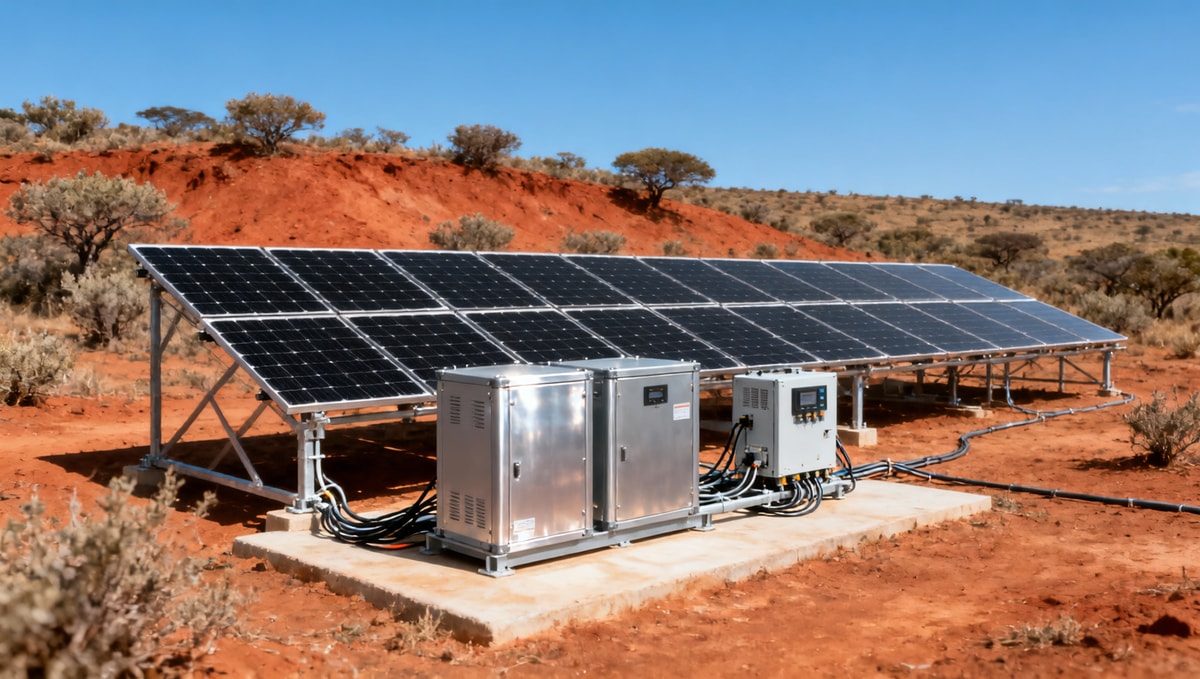
On April 24, 2026, the OPEC Fund for International Development (OFID) announced a $500 million financing package for Côte d’Ivoire’s national development plan (2026–2030), targeting energy infrastructure, rural electrification, and off-grid solar PV projects. This commitment is expected to drive increased import demand in West Africa for solar PV modules, battery storage systems, and IoT-based monitoring equipment — with implications for international suppliers, particularly those based in China.
Event Overview
On April 24, 2026, the OPEC Fund for International Development (OFID) confirmed it will provide $500 million in funding to support Côte d’Ivoire’s national development plan over the 2026–2030 period. The allocation is explicitly directed toward energy infrastructure development, rural electrification initiatives, and off-grid photovoltaic (PV) projects.
Which Sub-Sectors Are Affected
Direct Trade Enterprises
Companies engaged in exporting solar PV modules, lithium-ion battery storage systems, and IoT-enabled remote monitoring hardware to West Africa may see expanded tender opportunities and import volume growth. The funding signals formalized budgetary backing for procurement — potentially accelerating customs clearance timelines and reducing payment risk in public-sector tenders.
Manufacturing & Component Suppliers
Manufacturers of balance-of-system (BOS) components — including mounting structures, charge controllers, and smart inverters certified to IEC 62109 or IEC 62477 — may face rising specification requirements. OFID-funded projects typically require compliance with international technical standards and local adaptation (e.g., dust-resistant enclosures, extended temperature tolerance), which could affect product qualification pathways.
Engineering, Procurement & Construction (EPC) Service Providers
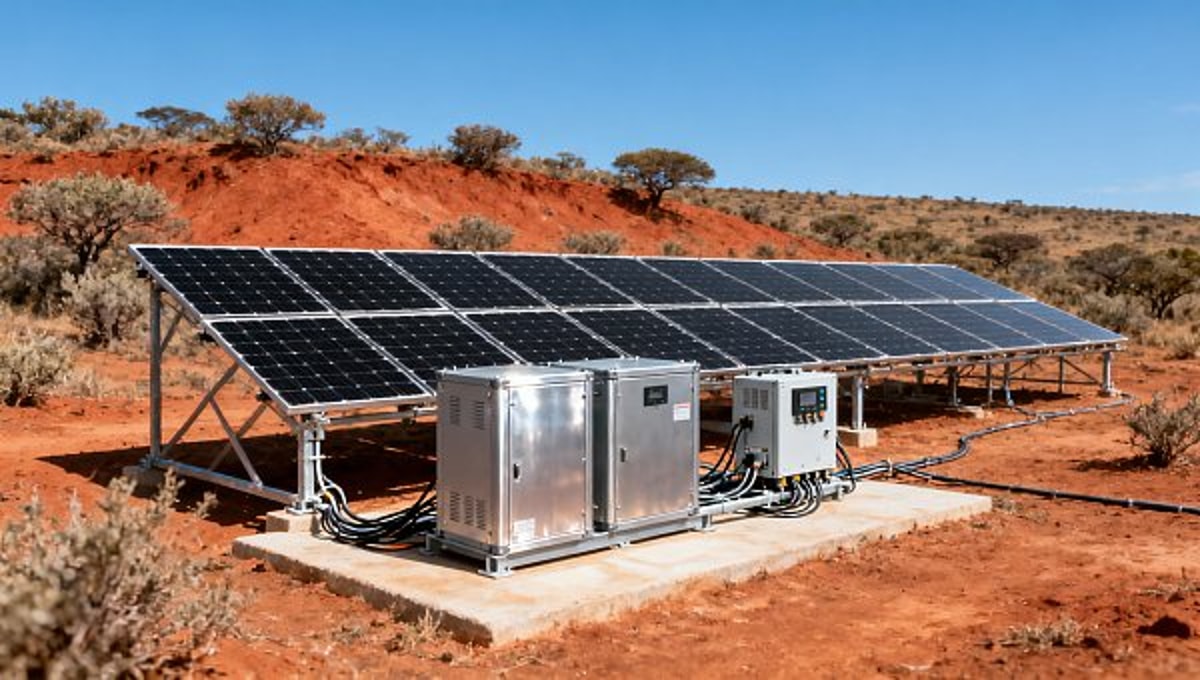
EPC firms with experience in decentralized solar deployment — especially those offering integrated design-build-maintenance packages for mini-grids or village-scale systems — are likely to be prioritized in upcoming bid rounds. The emphasis on rural electrification and off-grid solutions suggests demand for modular, scalable system architectures rather than utility-scale centralized plants.
Supply Chain & Logistics Service Providers
Freight forwarders and warehousing operators serving Abidjan and secondary inland hubs (e.g., Bouaké, Korhogo) may observe higher throughput for containerized solar equipment. Given Côte d’Ivoire’s reliance on port-based imports, lead-time planning for customs documentation, CE/IEC certification verification, and local VAT handling becomes more operationally critical.
What Relevant Enterprises or Practitioners Should Focus On
Monitor official procurement timelines and eligibility criteria
OFID funding is channeled through Côte d’Ivoire’s Ministry of Energy and national agencies such as Energie Solaire de Côte d’Ivoire (ESCI). Enterprises should track published tender notices on the government’s e-procurement portal and OFID’s project database — noting that implementation may begin only after final loan agreement ratification and environmental and social safeguards approval.
Verify certification alignment for priority product categories
Solar PV modules, battery storage units, and IoT gateways intended for OFID-backed projects must meet internationally recognized standards (e.g., IEC 61215, UL 9540A, IEC 62040-3). Analysis shows that many recent West African tenders also reference local adaptation clauses — such as French-language user interfaces or compatibility with UEMOA regional grid codes — requiring pre-submission validation.
Distinguish between policy signal and near-term procurement volume
The $500 million is a multi-year commitment, not an immediate disbursement. Observably, OFID typically disburses funds in tranches tied to milestone completion. Current procurement activity remains limited to preparatory studies and feasibility assessments; large-scale equipment orders are unlikely before Q3 2026 at the earliest.
Prepare localized delivery and after-sales coordination capacity
OFID-financed projects often require local presence or partnership for commissioning, training, and warranty enforcement. From an industry perspective, Chinese suppliers seeking engagement should consider early dialogue with certified local agents or joint venture partners — particularly those with prior experience under similar multilateral programs (e.g., World Bank IDA, AfDB grants).
Editorial View / Industry Observation
This announcement is best understood as a strong policy signal — not yet a market trigger. Analysis shows OFID’s involvement significantly improves project bankability and reduces sovereign risk perception, but actual import demand will depend on how quickly Côte d’Ivoire’s implementing agencies finalize technical specifications, select contractors, and issue purchase orders. It reflects a broader trend: multilateral development finance increasingly targets distributed clean energy in low-electrification regions — making certification readiness, regional logistics integration, and stakeholder alignment more decisive than price alone.
It is not yet a realized procurement pipeline, but it is a credible indicator of where near-term institutional demand will concentrate. For supply-side actors, the value lies less in immediate sales and more in strategic positioning ahead of formal bidding cycles.
Conclusion
This OFID commitment does not represent an immediate surge in orders, but rather a structurally meaningful shift in West African energy investment priorities — one that elevates technical compliance, local service capability, and project-level integration over standalone product supply. It is better interpreted as a medium-term alignment opportunity than a short-term revenue catalyst.
Information Sources
Primary source: OPEC Fund for International Development (OFID) official press release dated April 24, 2026. No additional background data, country-level implementation plans, or tender documents have been publicly released as of publication. Further developments — including procurement schedules, technical annexes, and agency-level implementation frameworks — remain under observation.
Get weekly intelligence in your inbox.
No noise. No sponsored content. Pure intelligence.
 May 03, 2026AI Boom Drives Data Center Power Demand, Liquid Cooling Gains UrgencyAI Boom Drives Data Center Power Demand, Liquid Cooling Gains Urgency
 May 03, 2026Low-Altitude Economy in China's 15th Five-Year Plan Boosts Warehouse Robotics ExportsLow-Altitude Economy in China's 15th Five-Year Plan Boosts Warehouse Robotics Exports
 May 03, 2026EU REACH Adds 5 Organotin Compounds to SVHC List for ElectronicsEU REACH Adds 5 Organotin Compounds to SVHC List for Electronics
 May 03, 2026Western Land-Sea Expressway Boosts Solar PV Exports to ASEANWestern Land-Sea Expressway Boosts Solar PV Exports to ASEAN
 May 03, 2026Southeast Asia Smart Home E-commerce Grows 27.4% Amid New Matter 1.3+ Certification RulesSoutheast Asia Smart Home E-commerce Grows 27.4% Amid New Matter 1.3+ Certification Rules
 May 03, 2026FDA Updates IVD Software Guidance: AI Diagnostic Tools Require Independent Algorithm ValidationFDA Updates IVD Software Guidance: AI Diagnostic Tools Require Independent Algorithm Validation
 May 03, 2026Global Methanol EV Ecosystem Alliance LaunchedGlobal Methanol EV Ecosystem Alliance Launched
 May 03, 2026Vietnam GDP Growth Forecast Raised to 7.2% for 2026Vietnam GDP Growth Forecast Raised to 7.2% for 2026
 May 03, 2026UAE Emerges as Global AI Hub, Driving Demand for AI-Quality Inspection SystemsUAE Emerges as Global AI Hub, Driving Demand for AI-Quality Inspection Systems
 May 03, 2026OFID $500M Funding for Côte d'Ivoire Energy ProjectsOFID $500M Funding for Côte d'Ivoire Energy Projects
 May 03, 20265 Axis Milling Machines for Automotive: Buy New or Retrofit?5 Axis Milling Machines for Automotive: Buy New or Retrofit?
 May 03, 2026What to Check Before Sourcing OEM Machined Parts from IndiaWhat to Check Before Sourcing OEM Machined Parts from India
 May 03, 2026Why Sheet Metal Bending Machine Price Varies So MuchWhy Sheet Metal Bending Machine Price Varies So Much
 May 03, 2026Plastic Injection Molding Process Guide for Common Defect ControlPlastic Injection Molding Process Guide for Common Defect Control
 May 03, 2026Smart Manufacturing Technology Trends Reshaping Factory UpgradesSmart Manufacturing Technology Trends Reshaping Factory Upgrades
 May 03, 2026Automotive Die Casting Parts and the Hidden Cost of PorosityAutomotive Die Casting Parts and the Hidden Cost of Porosity
 May 03, 2026Assembly Line Robots: Flexibility Can Matter More Than SpeedAssembly Line Robots: Flexibility Can Matter More Than Speed
 May 03, 2026Smart Manufacturing in Energy: Which Upgrades Pay Back FasterSmart Manufacturing in Energy: Which Upgrades Pay Back Faster
 May 03, 2026Why Robotics Integration Fails After a Successful DemoWhy Robotics Integration Fails After a Successful Demo
 May 03, 2026How to Spot a Reliable Precision Components ManufacturerHow to Spot a Reliable Precision Components Manufacturer
 May 03, 2026Sheet Metal Bending Machine Specifications That Affect AccuracySheet Metal Bending Machine Specifications That Affect Accuracy
 May 03, 2026Oil and Gas Fabrication: Where Material Mismatch Gets ExpensiveOil and Gas Fabrication: Where Material Mismatch Gets Expensive
 May 03, 2026Construction Fabrication Delays Often Start at the Drawing StageConstruction Fabrication Delays Often Start at the Drawing Stage
 May 03, 2026Industrial Robotics Maintenance Guide for Fewer Surprise StopsIndustrial Robotics Maintenance Guide for Fewer Surprise Stops
 May 03, 2026Smart Manufacturing Technology Benefits Beyond Labor SavingsSmart Manufacturing Technology Benefits Beyond Labor Savings
 May 03, 2026Defense Components Need More Than Tight TolerancesDefense Components Need More Than Tight Tolerances
 May 03, 2026How to Vet a Die Casting Parts Supplier in MexicoHow to Vet a Die Casting Parts Supplier in Mexico