Defense Components Need More Than Tight Tolerances
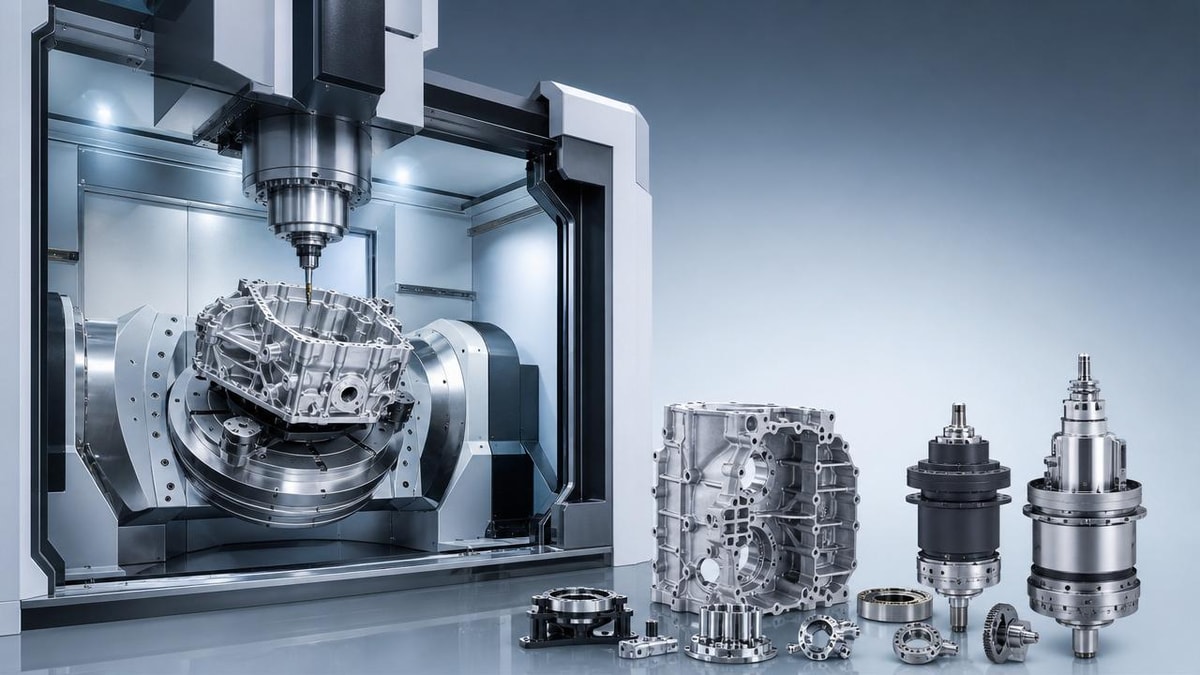
In defense manufacturing, success depends on more than meeting micron-level specs. Today’s enterprise leaders must evaluate how precision engineering components for defense perform under extreme environments, complex compliance demands, and evolving supply chain risks. This article explores why reliability, traceability, and strategic sourcing are now just as critical as tight tolerances in building resilient defense programs.
For procurement leaders, supply chain managers, and senior decision-makers, the key question is no longer whether a supplier can machine to a tight tolerance. Many can. The real question is whether those components will perform consistently in mission-critical applications, remain compliant across audit cycles, and arrive through a supply chain resilient enough to support long program lifetimes.
That shift matters because defense systems are exposed to a combination of operational stress, regulatory scrutiny, and lifecycle complexity that commercial sourcing models often underestimate. In practice, the value of precision engineering components for defense lies not just in geometric accuracy, but in the supplier’s ability to deliver repeatable performance, documented quality, and strategic continuity over time.
Why Tight Tolerances Alone No Longer Define Defense-Grade Value
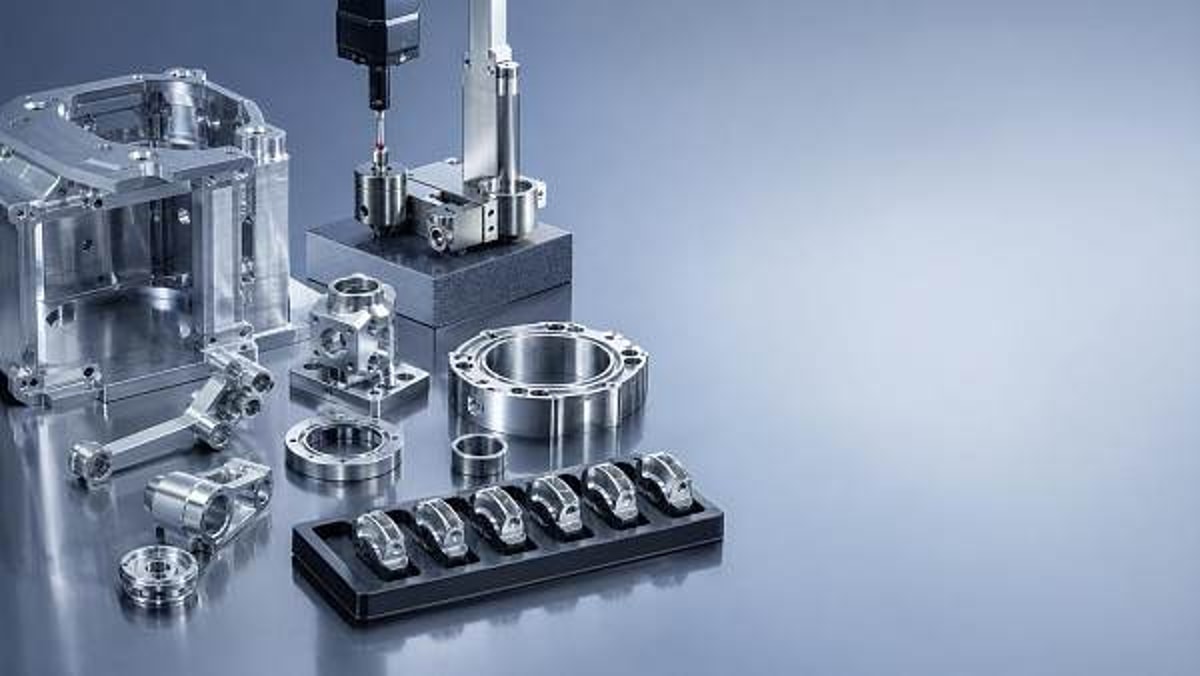
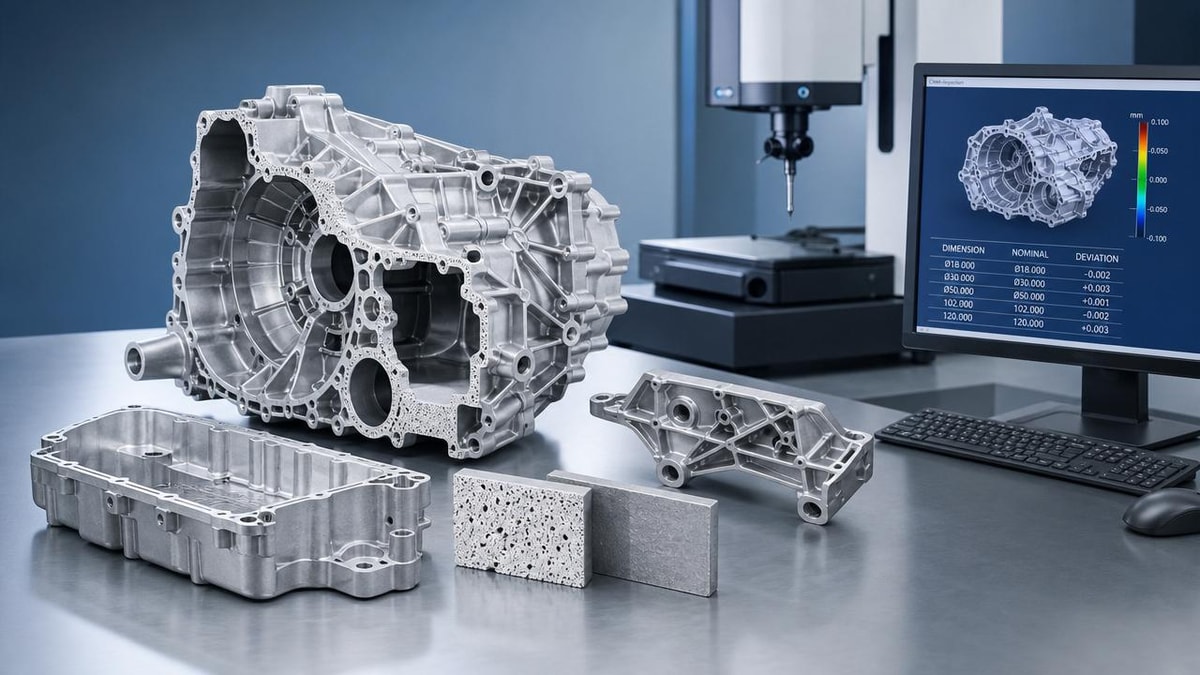
Tight tolerances are still essential, but they are only one layer of the decision. A component can pass dimensional inspection and still fail where it matters most: under thermal cycling, vibration, corrosion exposure, electromagnetic stress, or extended duty cycles. In defense applications, those failure modes are not secondary concerns. They are central to qualification, field reliability, and total program risk.
Enterprise buyers increasingly assess precision components through a broader lens. They want to know how a part behaves in real operational environments, how stable the process is across production lots, and how quickly root-cause analysis can be performed if quality deviations emerge. This is especially important for systems with low tolerance for failure, such as guidance assemblies, avionics housings, secure communications hardware, propulsion subassemblies, and battlefield sensing devices.
From a management perspective, “tight tolerance” has become a minimum entry requirement, not a standalone differentiator. What differentiates suppliers now is the ability to support defense-grade outcomes: consistent material integrity, validated process control, full traceability, secure documentation, and dependable long-term production support.
What Enterprise Decision-Makers Actually Need to Evaluate
When organizations search for precision engineering components for defense, they are often trying to make a strategic sourcing decision, not merely a technical one. The buyer may be comparing suppliers for a new defense program, reassessing incumbent risk, or trying to reduce exposure to quality escapes and delivery disruption. In each case, the evaluation framework should extend well beyond tolerance capability.
The first concern is operational reliability. Leaders need confidence that a component will function as intended across its full service envelope, not just under lab conditions. This means reviewing validation data, environmental testing protocols, historical defect trends, process capability indicators, and how the supplier manages corrective action when deviations occur.
The second concern is compliance readiness. Defense manufacturing often involves layered standards, customer-specific documentation, export controls, cybersecurity expectations, and audit requirements that can affect both direct suppliers and sub-tier partners. A technically strong machine shop may still be a weak defense supplier if it cannot maintain the compliance discipline expected across the program lifecycle.
The third concern is supply continuity. Defense contracts frequently outlast commercial product cycles, making obsolescence, workforce turnover, geopolitical exposure, and raw material dependency serious issues. Decision-makers therefore need to assess whether a supplier can maintain consistent output, preserve tribal knowledge, and support reorders or design iterations years after the initial award.
Reliability Is a Board-Level Risk Issue, Not Just a Quality Metric
In commercial markets, a defective component might create warranty costs or customer dissatisfaction. In defense environments, the same issue can trigger mission degradation, field maintenance burdens, contractual penalties, reputational damage, or even strategic risk. That is why reliability should be treated as a business risk variable with executive visibility, rather than a narrow engineering metric handled in isolation.
For leadership teams, the financial consequences of poor component reliability are often underestimated. Unit price can look attractive at sourcing stage, yet downstream costs can multiply through qualification delays, nonconformance investigations, inventory quarantine, retesting, platform downtime, and schedule slippage. The lowest quoted part is rarely the lowest-cost decision if it increases program fragility.
A more mature sourcing model asks different questions. How robust is the supplier’s control plan? What is the historical process repeatability on similar programs? How are special processes validated and monitored? What is the documented response time for deviations? How much in-house engineering support exists to handle design-for-manufacturability feedback before errors become expensive?
These questions help leaders connect technical risk with business outcomes. In defense procurement, reliability is not simply about avoiding failure. It is about protecting schedules, preserving contract performance, and reducing lifecycle volatility.
Traceability Has Become a Competitive Requirement
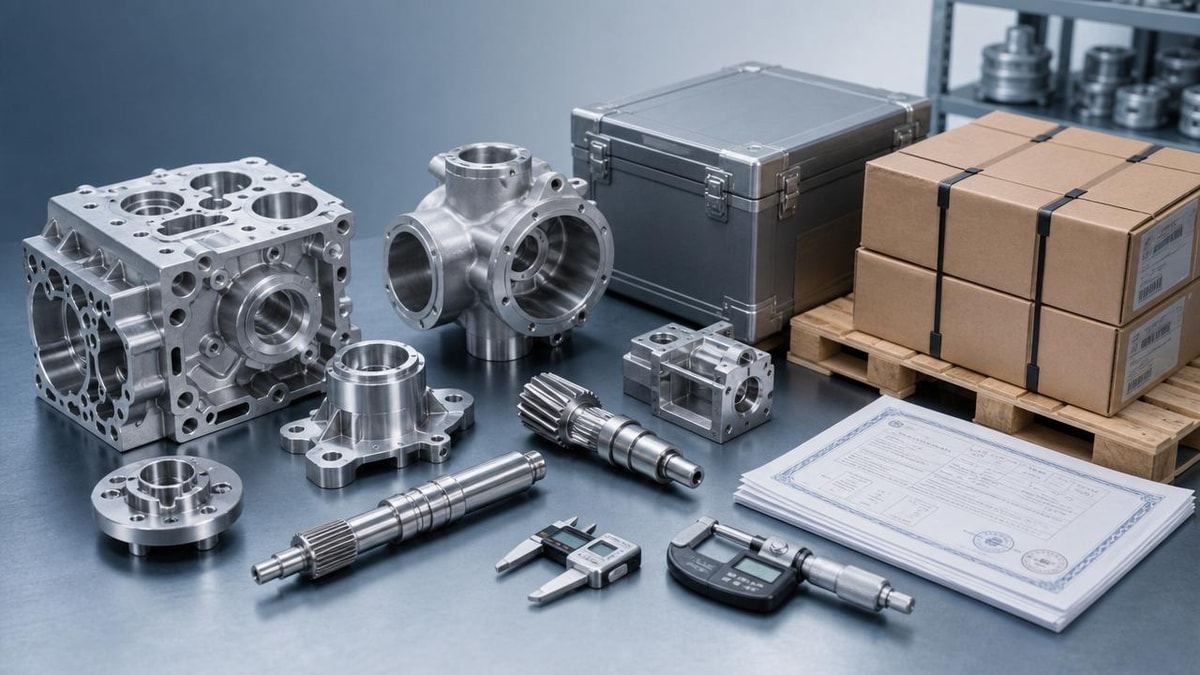
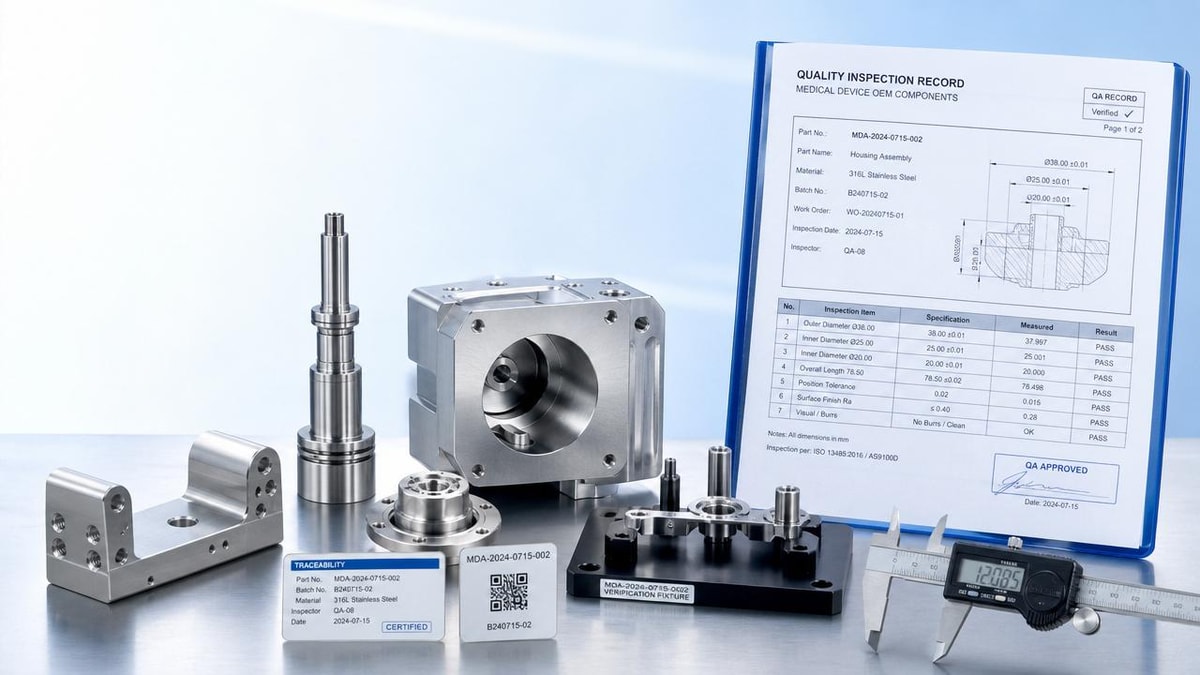
Traceability is one of the most practical indicators of whether a supplier is truly prepared for defense work. Buyers increasingly expect documented lineage for materials, machining steps, finishing processes, inspections, and sub-tier inputs. If a component issue arises, the ability to isolate impacted lots quickly can determine whether the problem is contained or escalates into a broader program disruption.
Strong traceability also supports faster audits, better change management, and more credible quality assurance. It enables defense contractors and OEMs to demonstrate control not only to customers, but also to regulatory bodies and internal governance teams. In complex programs, this visibility can materially reduce administrative friction and shorten investigation cycles.
From a sourcing standpoint, traceability should not be treated as a paperwork exercise. It is a structural capability. Suppliers that invest in digital documentation, serial-level tracking where needed, controlled revision management, and disciplined record retention are better positioned to support high-consequence applications. They are also more likely to withstand supplier reviews and customer surveillance without introducing avoidable risk.
For decision-makers comparing vendors, asking to see how traceability works in practice is often more revealing than asking whether the supplier “offers” it. The real test is whether records are integrated, retrievable, current, and usable under pressure.
Compliance Complexity Is Expanding Faster Than Many Supply Chains
Another reason defense components need more than tight tolerances is that compliance obligations are growing in scope. Requirements may include quality certifications, customer flow-downs, export regulations, cybersecurity controls, counterfeit part prevention, special process approvals, and documentation standards linked to both domestic and international defense programs.
What complicates matters is that compliance weakness often sits below the surface. A supplier may appear capable on paper, yet rely on poorly controlled sub-tier processors, outdated data handling practices, or informal documentation habits that create audit exposure. For enterprise buyers, this means supplier qualification must examine system maturity, not just certificates and capability brochures.
Leaders should also remember that compliance is dynamic. Standards evolve, geopolitical restrictions change, and customer expectations tighten. Suppliers supporting precision engineering components for defense need the organizational discipline to adapt without destabilizing production. That includes training, internal audits, configuration control, and a culture where documentation accuracy is treated as operationally important, not administrative overhead.
In short, compliance readiness is inseparable from delivery confidence. The more critical the application, the more costly it becomes to discover compliance gaps after award.
Strategic Sourcing Must Account for Long Program Lifecycles
Defense procurement differs from many industrial sectors because products, platforms, and support obligations can span many years. A sourcing decision made today may shape maintenance, replenishment, and redesign options far into the future. This makes supplier durability as important as present-day production capability.
Decision-makers should assess whether a supplier can support lifecycle realities such as low-volume repeat orders, engineering changes, raw material substitutions, and legacy documentation retrieval. A provider optimized only for short-run commercial efficiency may struggle when faced with the slow, exacting cadence of defense sustainment.
Geographic and geopolitical exposure also deserve close attention. Concentrated sourcing in one region, dependence on scarce alloys, or limited backup capacity can all turn a precise component into a strategic bottleneck. In recent years, many procurement teams have learned that a technically approved source is not necessarily a resilient source.
That is why strategic sourcing for defense increasingly includes dual-source planning, supplier segmentation, inventory buffering for critical parts, and deeper collaboration with manufacturers that can offer process transparency. Leaders are not just buying parts; they are building continuity into the supply architecture.
How to Identify a High-Confidence Supplier for Defense Components
For executives and procurement teams, practical evaluation criteria matter more than generic claims. The most reliable suppliers of precision engineering components for defense usually demonstrate a combination of technical depth, operational discipline, and business stability. They can explain not only what they make, but how they control risk across the full production chain.
Start with process evidence. Review capability studies, first article practices, inspection methods, nonconformance handling, and environmental or performance testing where relevant. Then assess documentation discipline, including traceability structure, revision control, material cert management, and audit preparedness.
Next, examine supply chain architecture. Ask which critical processes are internal versus outsourced, how sub-tier suppliers are qualified, and what contingency planning exists for material shortages or special-process interruptions. In defense environments, opaque subcontracting chains often create hidden risk that surfaces too late.
Finally, evaluate organizational fit. Does the supplier understand the pace, rigor, and confidentiality expectations of defense programs? Can they support engineering collaboration, long-term scheduling visibility, and lifecycle communication? Capability is not only about equipment. It is also about whether the supplier behaves like a dependable program partner.
The Business Case: Why Broader Evaluation Improves ROI
For enterprise leaders, expanding the evaluation criteria beyond tolerances is not about adding bureaucracy. It is about improving return on procurement decisions. When sourcing teams select suppliers based on total program performance rather than quoted precision alone, they often reduce hidden costs that otherwise emerge later through quality issues, delays, and corrective action burdens.
Better supplier selection can improve launch timing, reduce requalification events, strengthen audit outcomes, and lower the internal management effort required to keep programs on track. It can also protect customer relationships by preventing failures that undermine confidence in delivery and technical execution.
There is also a strategic upside. Organizations that build robust supplier ecosystems are better positioned to win complex defense work because they can demonstrate stronger execution confidence. In competitive bids, supply assurance, compliance maturity, and quality governance increasingly support commercial credibility alongside engineering capability.
Viewed this way, paying for a more mature supplier capability is often not a cost premium at all. It is a risk-adjusted investment in schedule protection, contract performance, and long-term resilience.
Conclusion: In Defense, Precision Must Be Matched by Assurance
The central lesson for decision-makers is clear: defense components need more than tight tolerances because defense programs demand more than dimensional accuracy. They require reliability under real-world stress, traceability that stands up to scrutiny, compliance systems that can evolve with regulations, and sourcing strategies built for longevity.
For teams evaluating precision engineering components for defense, the strongest procurement decisions come from treating component sourcing as a strategic risk and value exercise. The right supplier is not simply the one that can machine accurately. It is the one that can prove control, sustain performance, and support the mission over time.
In a market shaped by rising complexity and tighter accountability, that broader standard is becoming the true definition of defense-grade precision.
Get weekly intelligence in your inbox.
No noise. No sponsored content. Pure intelligence.
 May 03, 20265 Axis Milling Machines for Automotive: Buy New or Retrofit?5 Axis Milling Machines for Automotive: Buy New or Retrofit?
 May 03, 2026What to Check Before Sourcing OEM Machined Parts from IndiaWhat to Check Before Sourcing OEM Machined Parts from India
 May 03, 2026Why Sheet Metal Bending Machine Price Varies So MuchWhy Sheet Metal Bending Machine Price Varies So Much
 May 03, 2026Plastic Injection Molding Process Guide for Common Defect ControlPlastic Injection Molding Process Guide for Common Defect Control
 May 03, 2026Smart Manufacturing Technology Trends Reshaping Factory UpgradesSmart Manufacturing Technology Trends Reshaping Factory Upgrades
 May 03, 2026Automotive Die Casting Parts and the Hidden Cost of PorosityAutomotive Die Casting Parts and the Hidden Cost of Porosity
 May 03, 2026Assembly Line Robots: Flexibility Can Matter More Than SpeedAssembly Line Robots: Flexibility Can Matter More Than Speed
 May 03, 2026Smart Manufacturing in Energy: Which Upgrades Pay Back FasterSmart Manufacturing in Energy: Which Upgrades Pay Back Faster
 May 03, 2026Why Robotics Integration Fails After a Successful DemoWhy Robotics Integration Fails After a Successful Demo
 May 03, 2026How to Spot a Reliable Precision Components ManufacturerHow to Spot a Reliable Precision Components Manufacturer
 May 03, 2026Sheet Metal Bending Machine Specifications That Affect AccuracySheet Metal Bending Machine Specifications That Affect Accuracy
 May 03, 2026Oil and Gas Fabrication: Where Material Mismatch Gets ExpensiveOil and Gas Fabrication: Where Material Mismatch Gets Expensive
 May 03, 2026Construction Fabrication Delays Often Start at the Drawing StageConstruction Fabrication Delays Often Start at the Drawing Stage
 May 03, 2026Industrial Robotics Maintenance Guide for Fewer Surprise StopsIndustrial Robotics Maintenance Guide for Fewer Surprise Stops
 May 03, 2026Smart Manufacturing Technology Benefits Beyond Labor SavingsSmart Manufacturing Technology Benefits Beyond Labor Savings
 May 03, 2026Defense Components Need More Than Tight TolerancesDefense Components Need More Than Tight Tolerances
 May 03, 2026How to Vet a Die Casting Parts Supplier in MexicoHow to Vet a Die Casting Parts Supplier in Mexico
 May 03, 2026Food Processing Automation Systems and the Cost of DowntimeFood Processing Automation Systems and the Cost of Downtime
 May 03, 20265 Axis Milling for Aerospace: When Extra Precision Is Worth It5 Axis Milling for Aerospace: When Extra Precision Is Worth It
 May 03, 2026How OEM Medical Equipment Parts Affect Validation TimelinesHow OEM Medical Equipment Parts Affect Validation Timelines
 May 03, 2026Packaging Robotics Integration Problems That Slow CommissioningPackaging Robotics Integration Problems That Slow Commissioning
 May 03, 2026What Causes Rework in OEM Aerospace Machined PartsWhat Causes Rework in OEM Aerospace Machined Parts
 May 03, 2026Choosing Sheet Metal Bending Services in Europe Without DelaysChoosing Sheet Metal Bending Services in Europe Without Delays
 May 03, 2026Die Casting Parts for Electronics: Tolerance or Heat Control?Die Casting Parts for Electronics: Tolerance or Heat Control?
 May 03, 2026Marine Metal Fabrication Mistakes That Raise Corrosion RiskMarine Metal Fabrication Mistakes That Raise Corrosion Risk
 May 03, 2026When Welding Robots Improve Quality More Than ThroughputWhen Welding Robots Improve Quality More Than Throughput
 May 03, 2026Medical Device Molding Machines: What Specs Matter MostMedical Device Molding Machines: What Specs Matter Most