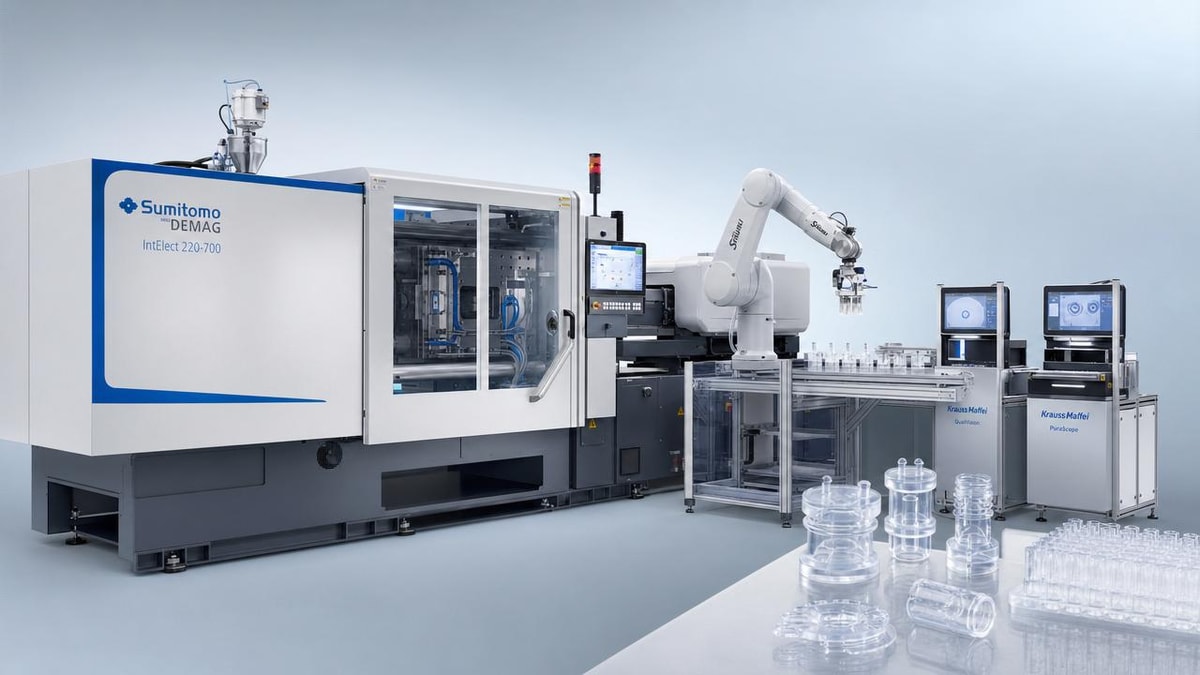
Assembly Line Robots: Flexibility Can Matter More Than Speed
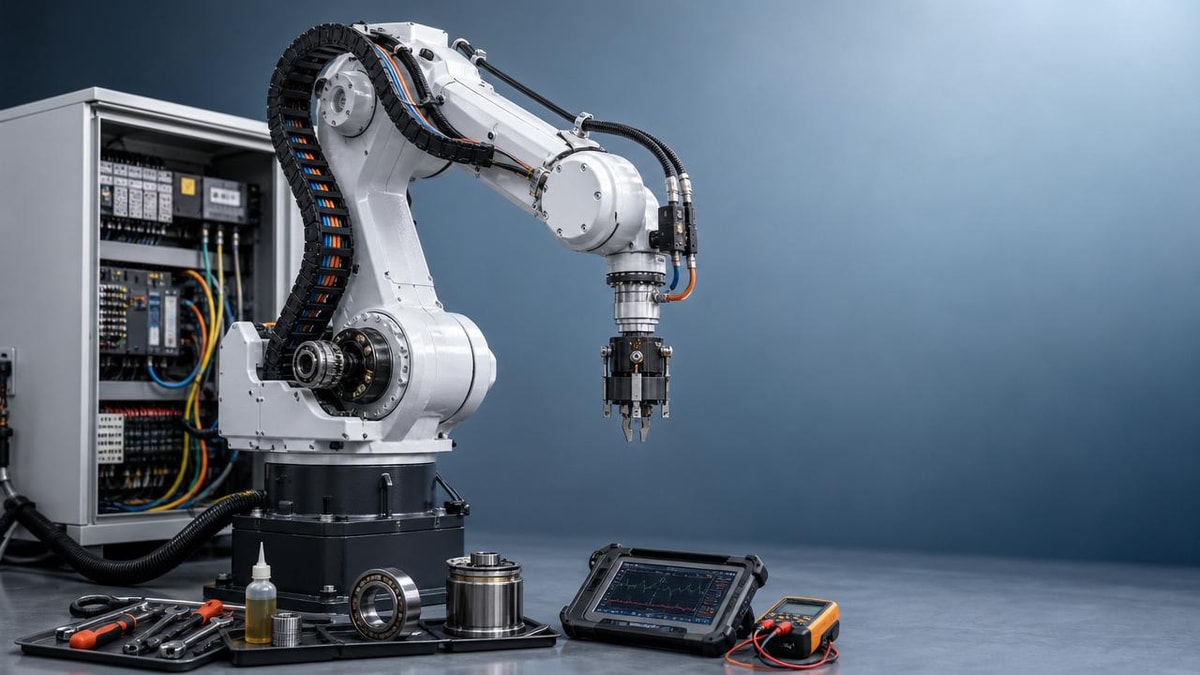
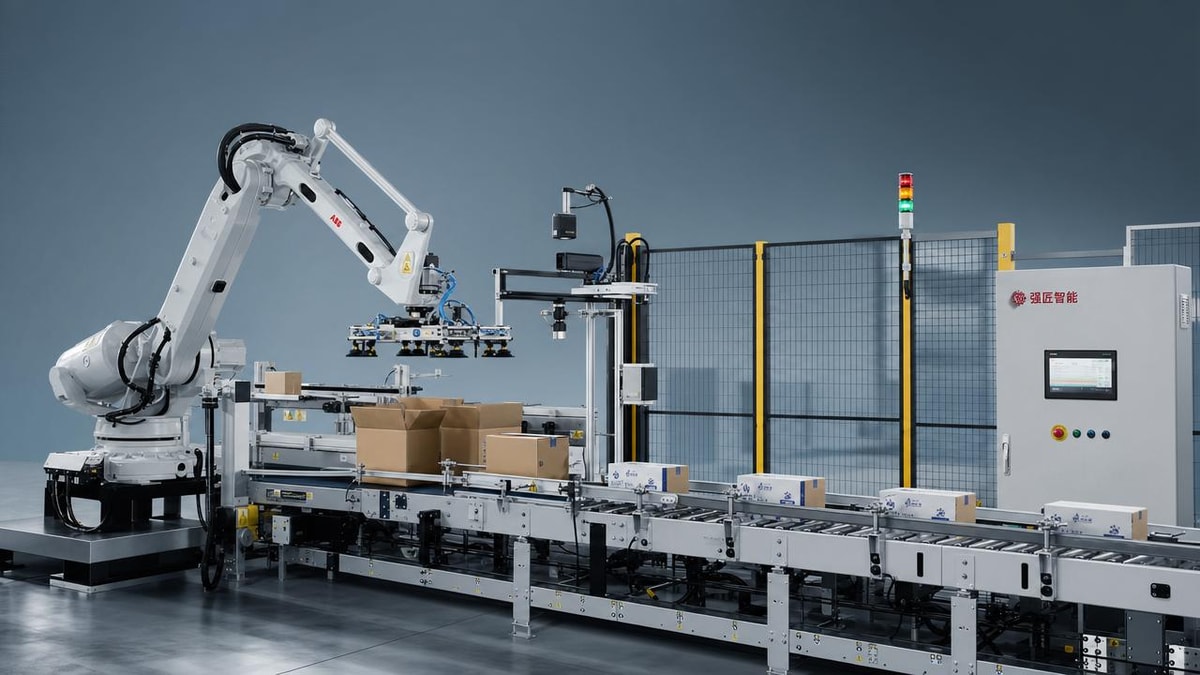
In modern production, the fastest robot is not always the most valuable. For technical evaluators assessing industrial robotics for assembly line performance, flexibility often determines how well a system handles product variation, changeovers, and future scaling. This article examines why adaptable robotic solutions can deliver stronger long-term efficiency, lower integration risk, and better alignment with evolving manufacturing demands.
Why a checklist approach is the right way to evaluate flexibility
When teams compare industrial robotics for assembly line deployment, speed is often the first specification on the sheet: cycle time, pick rate, repeatability at peak output, or maximum payload. Those numbers matter, but they rarely tell the full story. Technical evaluators must judge how a robot performs after engineering changes, SKU expansion, line balancing shifts, labor constraints, and software upgrades. That is why a checklist-based method is more reliable than a single benchmark comparison.
A flexible system reduces the cost of adaptation. It can support mixed-model production, shorter product life cycles, variable lot sizes, and phased automation programs. In sectors covered by TradeNexus Pro, from advanced manufacturing to healthcare technology and smart electronics, the most successful robotics investments are usually not the fastest in isolation. They are the ones that can be repurposed, reprogrammed, integrated, and maintained without heavy disruption.
For this reason, evaluators should use practical judgment criteria: what can change, how often it changes, how much effort adaptation requires, and whether the vendor ecosystem supports long-term evolution. The sections below provide a structured guide.
First-pass evaluation: the core checklist before comparing vendors
Before requesting detailed quotations, technical teams should confirm these priority items. This early screen helps determine whether a supplier of industrial robotics for assembly line use is aligned with the production reality rather than just marketing headline performance.
- Product variability: Check how many product variants, package sizes, or assembly configurations the line must support today and within the next 24 to 36 months.
- Changeover frequency: Measure how often tooling, recipes, fixture positions, or motion sequences need to change between runs.
- Programming burden: Assess whether changes can be handled by plant engineers or require external robotics specialists for each update.
- End-of-arm adaptability: Review gripper modularity, quick-change options, sensor integration, and suitability for multiple part geometries.
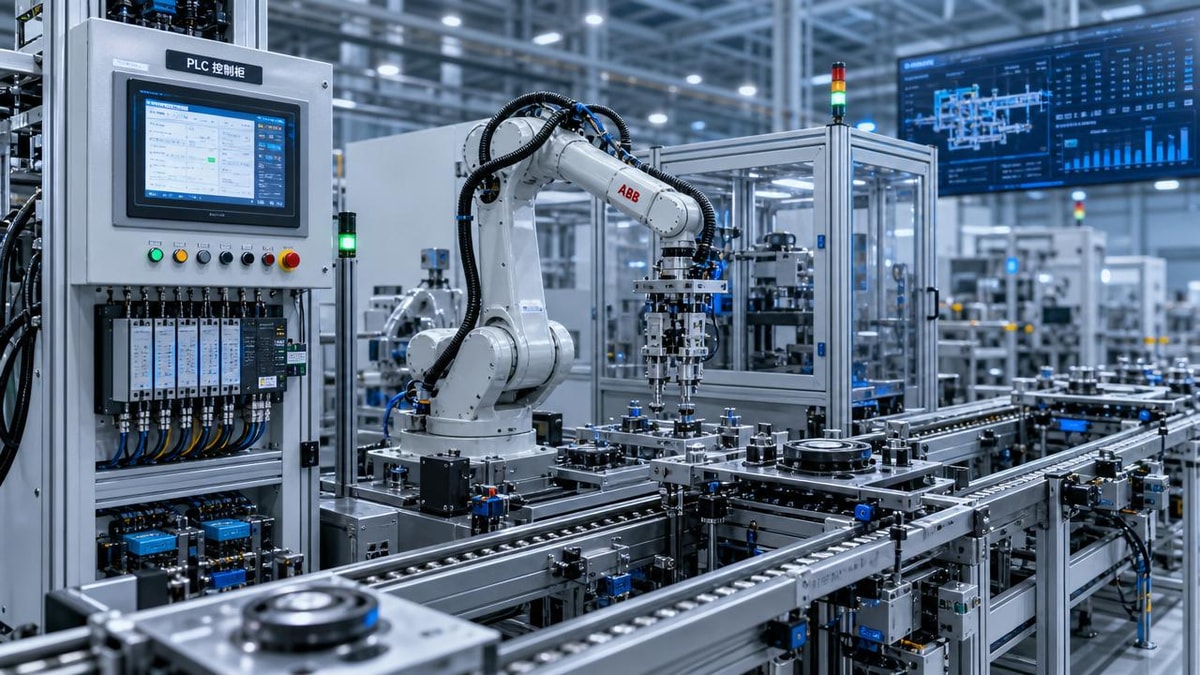
- Integration compatibility: Confirm PLC, MES, vision system, conveyor, and safety architecture compatibility across the line.
- Scalability path: Determine whether the same platform can expand from one cell to multiple stations without replacing software logic and operator workflows.
- Downtime exposure: Estimate how long reconfiguration, maintenance, or fault recovery takes under actual plant conditions.
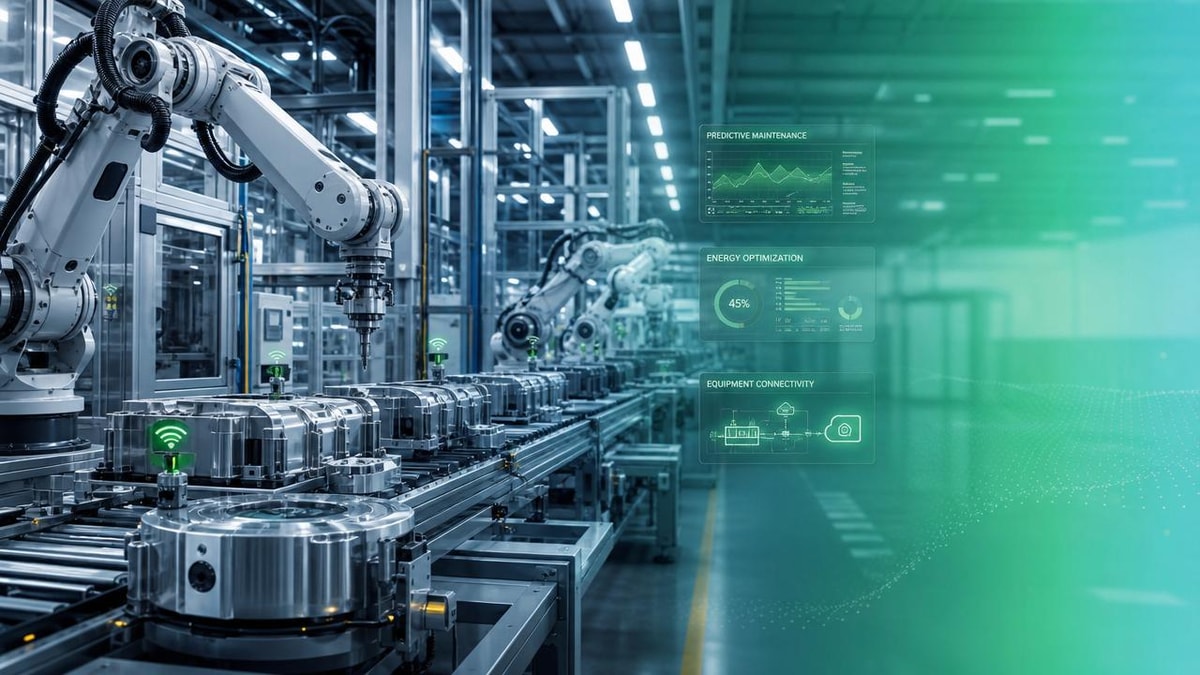
- Data readiness: Verify whether the robot platform provides useful diagnostics, event logs, cycle analytics, and API support for continuous improvement.
Key judgment standards: what flexibility actually looks like on an assembly line
1. Flexibility in motion planning and task changes
True flexibility means more than adjustable speed settings. In industrial robotics for assembly line operations, evaluators should ask whether motion paths can be modified without reworking the entire sequence. A robot that handles new part positions, revised tolerances, or altered feeder logic with limited engineering effort usually delivers better lifecycle value than a faster but rigid machine.
Useful check points include offline programming support, simulation accuracy, recipe-based task switching, and the ease of validating changes before restarting production. If a small process update creates a long validation cycle, the system is less flexible than it appears.
2. Flexibility in tooling and part handling
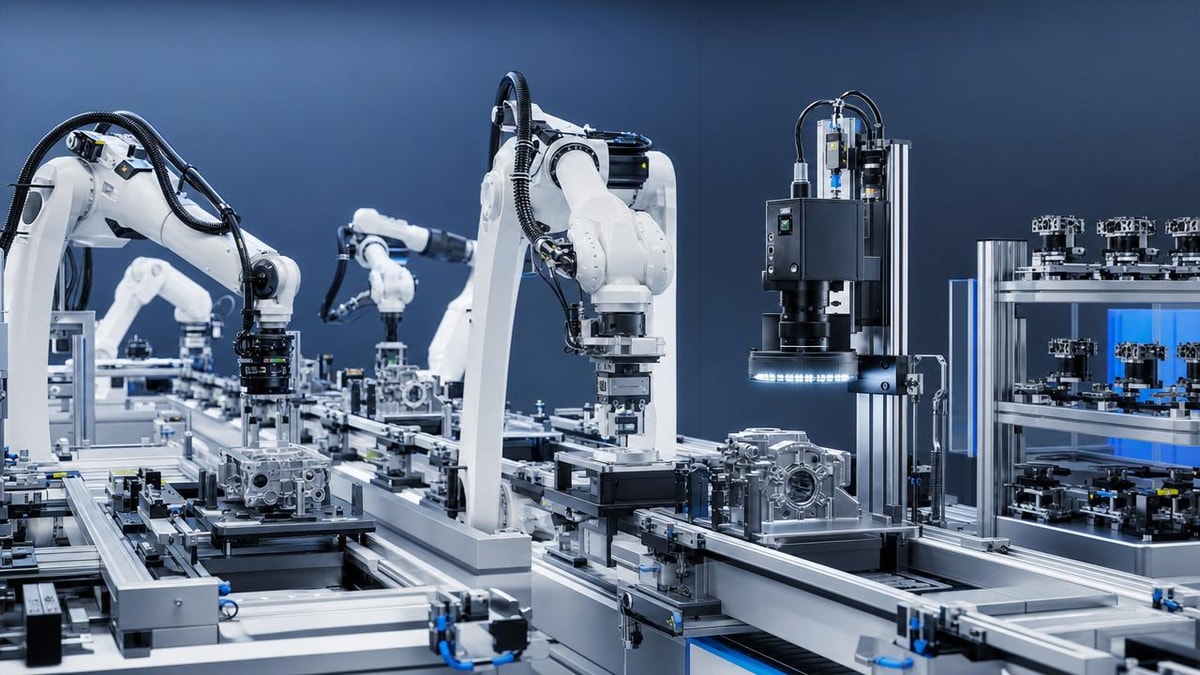
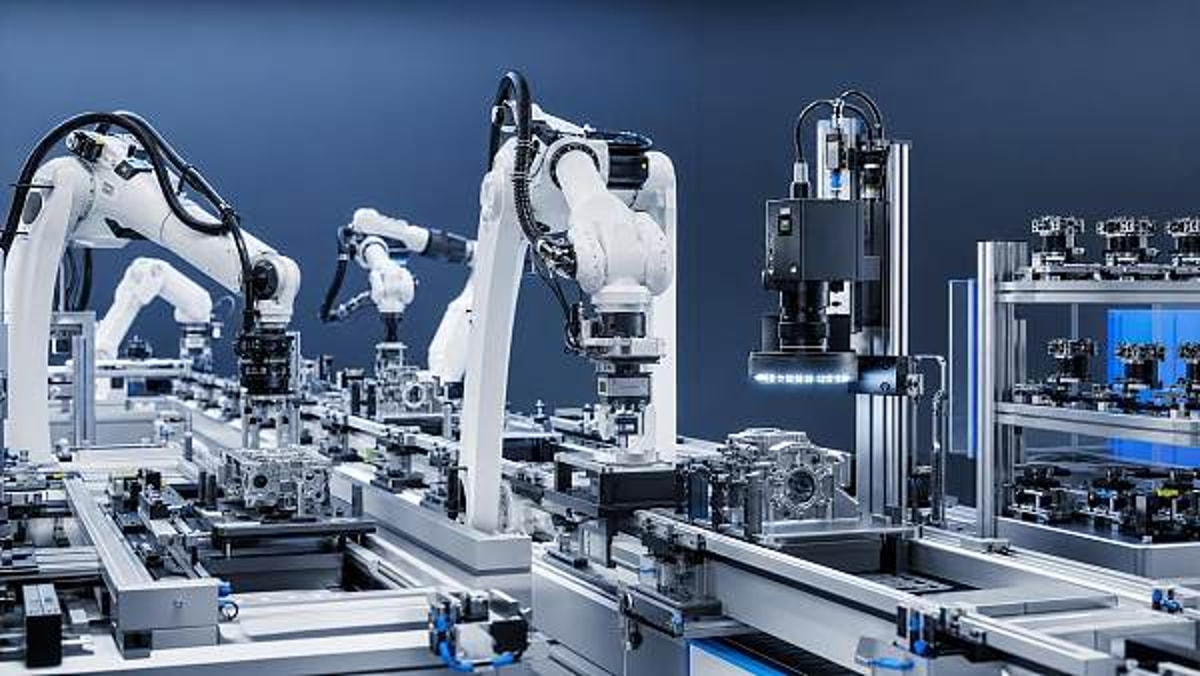
Many projects fail the flexibility test at the gripper level. A robot arm may be capable, but the end-of-arm tooling is optimized for only one part size or surface condition. Technical evaluators should prioritize modular gripping systems, force sensing, vision-guided correction, and tooling change methods that do not require extended line stoppage. In mixed manufacturing environments, tooling adaptability often matters more than robot top speed.
3. Flexibility in controls and software ecosystem
A common mistake is evaluating only the robot hardware. For industrial robotics for assembly line programs, software architecture can determine whether the platform remains useful after the first deployment. Review native protocol support, user permissions, diagnostics visibility, version management, and interoperability with upstream and downstream systems. Flexible controls allow line expansion and process refinement without creating a patchwork of unsupported custom code.
4. Flexibility in staffing and maintenance
If only one expert can maintain or reprogram the robot, operational flexibility is limited. Evaluators should examine training requirements, interface usability, spare parts availability, remote support quality, and fault recovery procedures. A moderately fast robot that plant technicians can reset and reconfigure quickly may outperform a high-speed system that depends on scarce specialist intervention.
A practical comparison table for technical evaluators
The table below can help procurement teams, automation engineers, and cross-functional reviewers compare industrial robotics for assembly line decisions in a more balanced way.
Scenario-based checks: where flexibility becomes more valuable than raw speed
High-mix, low-volume production
In this scenario, industrial robotics for assembly line use must absorb frequent changes. The best fit usually includes fast recipe recall, adaptable vision guidance, and minimal fixture dependence. Maximum speed matters less because stoppages and engineering interventions often dominate real productivity loss.
Regulated or quality-sensitive assembly
In healthcare technology or electronics assembly, process repeatability must coexist with traceability and controlled change management. Flexibility here means software-controlled parameter changes, documented validation workflows, and inspection integration. A robot that moves faster but complicates compliance may create more risk than benefit.
Phased automation strategies
Many manufacturers do not automate an entire line at once. They start with one bottleneck station and expand later. In these cases, industrial robotics for assembly line planning should prioritize modular deployment, common control frameworks, and data continuity between cells. Flexibility protects the investment when the automation roadmap evolves.
Common oversight risks that distort evaluation results
- Using peak speed from a vendor demo instead of measured throughput under plant-specific conditions.
- Ignoring fixture redesign costs, gripper replacement cycles, and changeover labor time.
- Assuming software customization done during commissioning will remain easy to maintain later.
- Overlooking cybersecurity, patching discipline, and network governance in connected robotics environments.
- Failing to involve operations, maintenance, and quality teams early in the evaluation process.
- Not modeling future product introductions that may stress payload range, reach envelope, or sensor requirements.
These oversights often lead to a system that looks efficient on paper but becomes expensive during real production change. For technical evaluators, the central lesson is simple: speed is easy to quote, while flexibility is where long-term value is won or lost.
Execution guide: what to prepare before moving to supplier discussions
To evaluate industrial robotics for assembly line implementation with less uncertainty, prepare a structured internal package before requesting final proposals.
- Map current and forecasted product variants, including dimensional ranges, handling requirements, and annual change frequency.
- Document actual bottlenecks, not assumed ones: cycle constraints, micro-stops, quality escapes, and labor-intensive adjustments.
- Define changeover targets in minutes, not general statements about agility or flexibility.
- List control system standards already used across the plant to reduce integration friction.
- Set acceptance criteria for uptime, training, spare parts response, and post-installation support.
- Request scenario demonstrations that reflect real product variation rather than idealized sample tasks.
Final decision guidance for long-term robotics value
For technical evaluators, the best industrial robotics for assembly line investment is usually the one that maintains performance as conditions change. A fast robot can improve output in a stable process, but a flexible robot can support business resilience, product diversification, and digital integration over time. That distinction matters in nearly every modern industry.
If your organization is moving toward supplier engagement, prioritize questions around adaptation cost, software maintainability, changeover effort, operator usability, and future expansion path. Ask vendors to show how the system handles new SKUs, revised process logic, and cross-line standardization. Those answers will often be more valuable than a headline speed number.
For enterprises seeking stronger decision confidence, TradeNexus Pro recommends beginning with a cross-functional review of application parameters, integration constraints, expected product variation, implementation timeline, budget boundaries, and support model expectations. With that foundation, teams can identify industrial robotics for assembly line solutions that are not only fast enough, but flexible enough to remain strategic assets.
Get weekly intelligence in your inbox.
No noise. No sponsored content. Pure intelligence.
 May 03, 20265 Axis Milling Machines for Automotive: Buy New or Retrofit?5 Axis Milling Machines for Automotive: Buy New or Retrofit?
 May 03, 2026What to Check Before Sourcing OEM Machined Parts from IndiaWhat to Check Before Sourcing OEM Machined Parts from India
 May 03, 2026Why Sheet Metal Bending Machine Price Varies So MuchWhy Sheet Metal Bending Machine Price Varies So Much
 May 03, 2026Plastic Injection Molding Process Guide for Common Defect ControlPlastic Injection Molding Process Guide for Common Defect Control
 May 03, 2026Smart Manufacturing Technology Trends Reshaping Factory UpgradesSmart Manufacturing Technology Trends Reshaping Factory Upgrades
 May 03, 2026Automotive Die Casting Parts and the Hidden Cost of PorosityAutomotive Die Casting Parts and the Hidden Cost of Porosity
 May 03, 2026Assembly Line Robots: Flexibility Can Matter More Than SpeedAssembly Line Robots: Flexibility Can Matter More Than Speed
 May 03, 2026Smart Manufacturing in Energy: Which Upgrades Pay Back FasterSmart Manufacturing in Energy: Which Upgrades Pay Back Faster
 May 03, 2026Why Robotics Integration Fails After a Successful DemoWhy Robotics Integration Fails After a Successful Demo
 May 03, 2026How to Spot a Reliable Precision Components ManufacturerHow to Spot a Reliable Precision Components Manufacturer
 May 03, 2026Sheet Metal Bending Machine Specifications That Affect AccuracySheet Metal Bending Machine Specifications That Affect Accuracy
 May 03, 2026Oil and Gas Fabrication: Where Material Mismatch Gets ExpensiveOil and Gas Fabrication: Where Material Mismatch Gets Expensive
 May 03, 2026Construction Fabrication Delays Often Start at the Drawing StageConstruction Fabrication Delays Often Start at the Drawing Stage
 May 03, 2026Industrial Robotics Maintenance Guide for Fewer Surprise StopsIndustrial Robotics Maintenance Guide for Fewer Surprise Stops
 May 03, 2026Smart Manufacturing Technology Benefits Beyond Labor SavingsSmart Manufacturing Technology Benefits Beyond Labor Savings
 May 03, 2026Defense Components Need More Than Tight TolerancesDefense Components Need More Than Tight Tolerances
 May 03, 2026How to Vet a Die Casting Parts Supplier in MexicoHow to Vet a Die Casting Parts Supplier in Mexico
 May 03, 2026Food Processing Automation Systems and the Cost of DowntimeFood Processing Automation Systems and the Cost of Downtime
 May 03, 20265 Axis Milling for Aerospace: When Extra Precision Is Worth It5 Axis Milling for Aerospace: When Extra Precision Is Worth It
 May 03, 2026How OEM Medical Equipment Parts Affect Validation TimelinesHow OEM Medical Equipment Parts Affect Validation Timelines
 May 03, 2026Packaging Robotics Integration Problems That Slow CommissioningPackaging Robotics Integration Problems That Slow Commissioning
 May 03, 2026What Causes Rework in OEM Aerospace Machined PartsWhat Causes Rework in OEM Aerospace Machined Parts
 May 03, 2026Choosing Sheet Metal Bending Services in Europe Without DelaysChoosing Sheet Metal Bending Services in Europe Without Delays
 May 03, 2026Die Casting Parts for Electronics: Tolerance or Heat Control?Die Casting Parts for Electronics: Tolerance or Heat Control?
 May 03, 2026Marine Metal Fabrication Mistakes That Raise Corrosion RiskMarine Metal Fabrication Mistakes That Raise Corrosion Risk
 May 03, 2026When Welding Robots Improve Quality More Than ThroughputWhen Welding Robots Improve Quality More Than Throughput
 May 03, 2026Medical Device Molding Machines: What Specs Matter MostMedical Device Molding Machines: What Specs Matter Most