5 Axis Milling Machines for Automotive: Buy New or Retrofit?
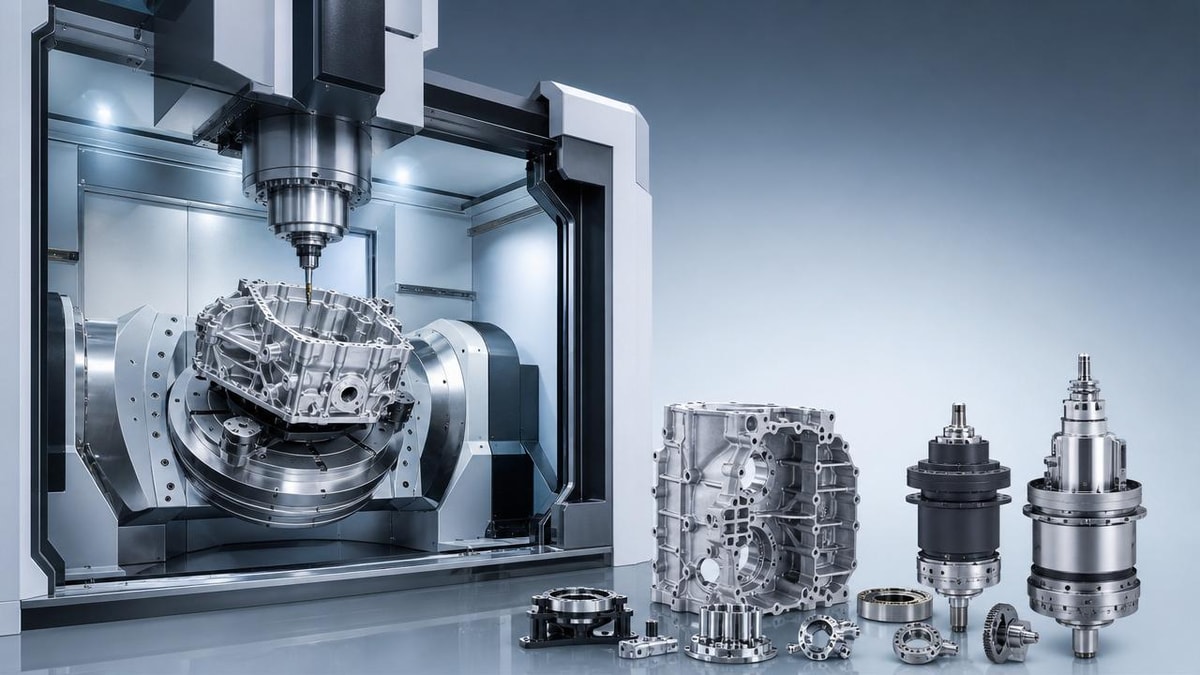
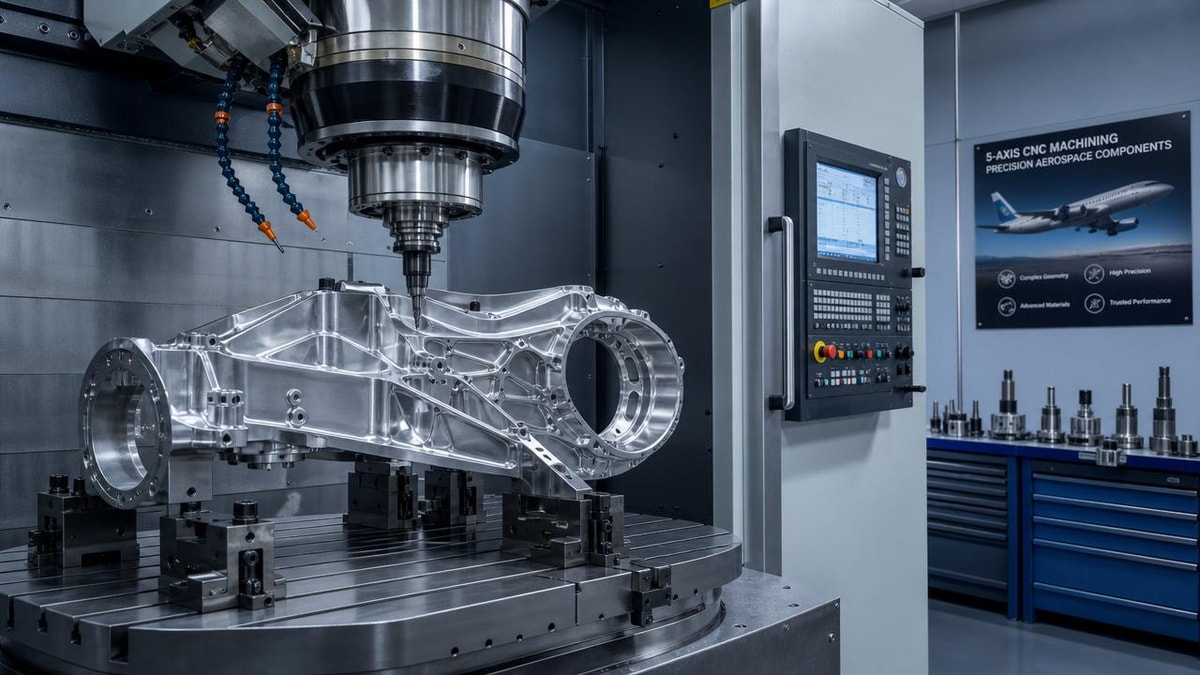
For automotive manufacturers weighing capital efficiency against machining performance, choosing the right 5 axis milling machine for automotive production is a strategic decision. Whether you plan to invest in new equipment or retrofit existing assets, the best path depends on accuracy needs, throughput targets, integration costs, and long-term ROI. This guide explores the key factors enterprise buyers should assess before making that decision.
Why scenario differences matter more than headline price
In automotive manufacturing, the same machine choice can create very different outcomes depending on the production scenario. A Tier 1 supplier producing aluminum structural parts, a powertrain specialist machining hardened components, and an EV platform manufacturer developing battery tray prototypes may all search for a 5 axis milling machine for automotive use, yet their priorities are not the same. One may value spindle uptime above all else, another may prioritize geometric complexity, while a third may need fast changeovers and digital traceability for mixed production.
That is why the question is not simply “new or retrofit?” It is “new or retrofit for which application, under what quality requirements, at what production volume, and with what integration constraints?” For enterprise decision-makers, the best answer comes from matching machine strategy to business context rather than comparing capital expenditure in isolation.
Common automotive applications where the decision appears
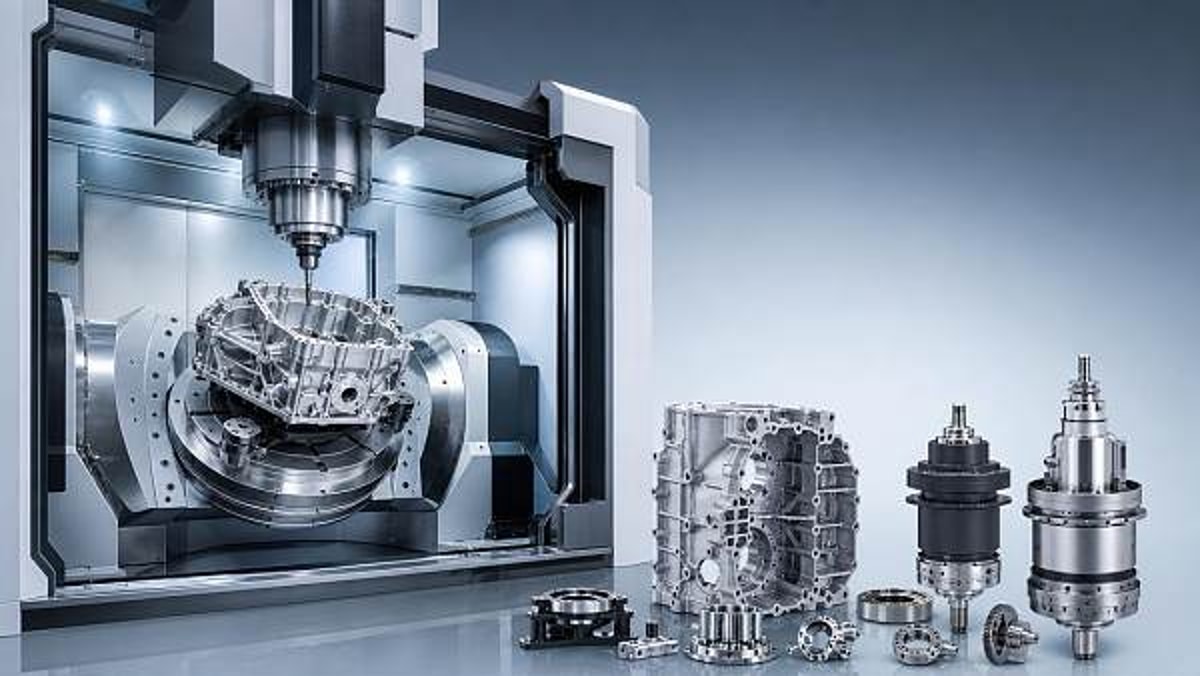
A 5 axis milling machine for automotive production typically enters procurement discussions in a few recurring scenarios. These include new EV program launches, replacement of aging 3-axis or 4-axis assets, expansion of precision machining capacity, localization of complex parts previously outsourced, and digital factory upgrades. In each case, the machine is expected to do more than cut metal. It must support cost control, quality consistency, scheduling flexibility, and often customer audit readiness.
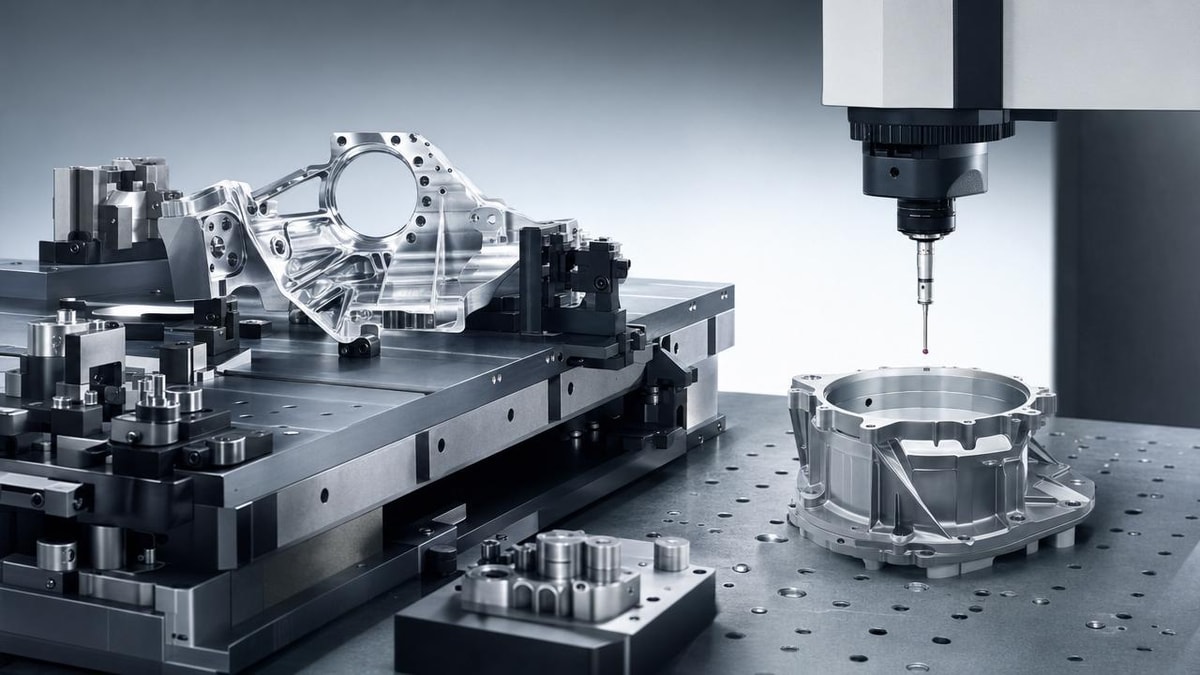
Typical workpieces include engine components, transmission housings, steering knuckles, turbocharger parts, molds, fixtures, battery enclosures, lightweight chassis elements, and complex prototype parts. The level of contouring, part size, material type, and tolerance window will determine whether buying a new platform delivers the strongest return or whether retrofitting a capable base machine can achieve the needed result at lower cost.
Scenario comparison: when new equipment and retrofit lead to different outcomes
The table below helps procurement leaders, plant managers, and operations teams compare the most common application scenarios for a 5 axis milling machine for automotive investment.
Scenario 1: High-volume automotive production lines
If your plant runs repeat production of components tied to strict PPAP, traceability, and customer quality metrics, a new 5 axis milling machine for automotive manufacturing is usually the safer strategic decision. In this environment, machine downtime is expensive, process capability must be stable, and software compatibility with MES, tool monitoring, and predictive maintenance platforms can materially affect OEE.
A retrofit can look attractive on paper because it lowers upfront spend, but high-volume operations must examine the hidden risk of rebuilding around an old cast structure, uncertain wear history, and limited support for modern automation. If the line depends on pallet changers, robotic loading, in-process probing, and continuous quality feedback loops, the integration burden of retrofit may erase apparent savings. New equipment tends to win when uptime guarantees and future standardization matter more than immediate capex relief.
Scenario 2: EV ramp-up, prototyping, and mixed-model manufacturing
A different answer may apply to EV programs, pilot lines, and R&D-driven operations. Here, the demand pattern is less predictable, engineering changes are frequent, and the mix of parts can shift quickly between battery trays, cooling plates, housings, and support fixtures. In this scenario, decision-makers should evaluate how fast the 5 axis milling machine for automotive work can be programmed, validated, and switched over.
New machines bring modern CAM post compatibility, better digital twins, smoother kinematics, and stronger support for simulation-based verification. That shortens launch cycles. However, retrofit may be justified when the work is low volume, internal teams have strong maintenance capability, and the main goal is to gain 5-axis flexibility without locking capital into a still-evolving product roadmap. If EV demand uncertainty is high, retrofit can be a pragmatic bridge solution—provided accuracy and safety standards are not compromised.
Scenario 3: Suppliers upgrading existing machining capacity
For Tier 1 and Tier 2 suppliers, the decision often arises not from greenfield investment but from incremental capacity expansion. Existing plants may already have foundations, power supply, coolant systems, and trained operators. In such cases, retrofitting a legacy platform can appear especially efficient. The key question is whether the old machine frame still provides the stiffness, thermal behavior, and axis geometry needed for current automotive tolerances.
A retrofit path makes sense when the mechanical base remains robust and the upgrade scope includes modern CNC controls, feedback systems, drives, spindle refurbishment, safety systems, and calibration. But if too many components require replacement, the project can become a disguised new-machine purchase with weaker warranty protection. Decision-makers should insist on a full technical audit before treating retrofit as a low-risk option.
What different stakeholders usually care about
In large organizations, a 5 axis milling machine for automotive purchase rarely belongs to one department alone. Misalignment between stakeholders is a common source of poor decisions, especially when capex, quality, and operations evaluate the machine using different success metrics.
Key evaluation criteria by scenario
To choose the right 5 axis milling machine for automotive operations, enterprise buyers should score each option against actual production scenarios rather than vendor marketing claims. The most useful evaluation categories include:
- Part complexity: simultaneous 5-axis contouring, deep cavities, undercuts, and surface finish targets
- Volume profile: prototype, bridge production, serial production, or seasonal demand
- Material mix: aluminum, cast iron, steel alloys, hardened materials, or composite-related tooling
- Automation requirement: pallet systems, robotic loading, lights-out machining, and tool life monitoring
- Digital integration: ERP, MES, SPC, condition monitoring, and remote diagnostics
- Support model: local service, spare parts lead time, application engineering, and training resources
A retrofit is stronger when production variability is high, the machine base is proven, and internal engineering teams can manage technical complexity. A new machine is stronger when process capability, scalability, warranty coverage, and factory-wide standardization carry more strategic weight.
Common misjudgments in automotive buying decisions
Many organizations underestimate the true cost of a retrofit project. They budget for controls and spindle work, then discover extra spending in guarding, probing, software licenses, fixture redesign, rewiring, compliance updates, and acceptance validation. In regulated supplier environments, documentation burden also matters. If a retrofitted 5 axis milling machine for automotive programs cannot meet audit expectations with clear performance records, approval may slow down.
The opposite mistake also happens: some buyers over-specify a new machine for low-volume support work where extreme automation or ultra-high spindle performance will not materially improve business outcomes. In such cases, a disciplined retrofit or a more modest new machine can protect capital without sacrificing operational usefulness.
Practical guidance: which path fits which business situation?
Choose a new 5 axis milling machine for automotive production if your scenario includes customer-critical serial production, high scrap sensitivity, advanced automation plans, aggressive launch timing, or a need to standardize multiple plants on one digital and maintenance architecture. New equipment is also preferable when your organization values predictable warranties and lower integration uncertainty.
Choose retrofit when your plant has mechanically sound assets, budget discipline is urgent, part volumes are moderate, and your internal team can validate machine geometry, control upgrades, and long-term maintainability. Retrofit is especially suitable for internal toolrooms, development cells, and selective capacity expansion where flexibility matters more than full production-line uniformity.
Final decision framework for enterprise buyers
Before issuing an RFQ, align your teams around five questions: What exact automotive parts will be machined? What tolerance and throughput levels are non-negotiable? How much downtime risk can the business absorb? What level of automation and data integration is required over the next three to five years? And does the chosen option still make sense if customer mix or EV program priorities change?
For decision-makers evaluating a 5 axis milling machine for automotive use, the smartest path is rarely the cheapest line item. It is the option that best fits the production scenario, protects quality performance, and supports the plant’s future operating model. If your next step is supplier engagement, begin with a scenario-based requirement list, request application-specific test evidence, and compare new versus retrofit on lifecycle value—not purchase price alone.
Get weekly intelligence in your inbox.
No noise. No sponsored content. Pure intelligence.
 May 03, 20265 Axis Milling Machines for Automotive: Buy New or Retrofit?5 Axis Milling Machines for Automotive: Buy New or Retrofit?
 May 03, 2026What to Check Before Sourcing OEM Machined Parts from IndiaWhat to Check Before Sourcing OEM Machined Parts from India
 May 03, 2026Why Sheet Metal Bending Machine Price Varies So MuchWhy Sheet Metal Bending Machine Price Varies So Much
 May 03, 2026Plastic Injection Molding Process Guide for Common Defect ControlPlastic Injection Molding Process Guide for Common Defect Control
 May 03, 2026Smart Manufacturing Technology Trends Reshaping Factory UpgradesSmart Manufacturing Technology Trends Reshaping Factory Upgrades
 May 03, 2026Automotive Die Casting Parts and the Hidden Cost of PorosityAutomotive Die Casting Parts and the Hidden Cost of Porosity
 May 03, 2026Assembly Line Robots: Flexibility Can Matter More Than SpeedAssembly Line Robots: Flexibility Can Matter More Than Speed
 May 03, 2026Smart Manufacturing in Energy: Which Upgrades Pay Back FasterSmart Manufacturing in Energy: Which Upgrades Pay Back Faster
 May 03, 2026Why Robotics Integration Fails After a Successful DemoWhy Robotics Integration Fails After a Successful Demo
 May 03, 2026How to Spot a Reliable Precision Components ManufacturerHow to Spot a Reliable Precision Components Manufacturer
 May 03, 2026Sheet Metal Bending Machine Specifications That Affect AccuracySheet Metal Bending Machine Specifications That Affect Accuracy
 May 03, 2026Oil and Gas Fabrication: Where Material Mismatch Gets ExpensiveOil and Gas Fabrication: Where Material Mismatch Gets Expensive
 May 03, 2026Construction Fabrication Delays Often Start at the Drawing StageConstruction Fabrication Delays Often Start at the Drawing Stage
 May 03, 2026Industrial Robotics Maintenance Guide for Fewer Surprise StopsIndustrial Robotics Maintenance Guide for Fewer Surprise Stops
 May 03, 2026Smart Manufacturing Technology Benefits Beyond Labor SavingsSmart Manufacturing Technology Benefits Beyond Labor Savings
 May 03, 2026Defense Components Need More Than Tight TolerancesDefense Components Need More Than Tight Tolerances
 May 03, 2026How to Vet a Die Casting Parts Supplier in MexicoHow to Vet a Die Casting Parts Supplier in Mexico
 May 03, 2026Food Processing Automation Systems and the Cost of DowntimeFood Processing Automation Systems and the Cost of Downtime
 May 03, 20265 Axis Milling for Aerospace: When Extra Precision Is Worth It5 Axis Milling for Aerospace: When Extra Precision Is Worth It
 May 03, 2026How OEM Medical Equipment Parts Affect Validation TimelinesHow OEM Medical Equipment Parts Affect Validation Timelines
 May 03, 2026Packaging Robotics Integration Problems That Slow CommissioningPackaging Robotics Integration Problems That Slow Commissioning
 May 03, 2026What Causes Rework in OEM Aerospace Machined PartsWhat Causes Rework in OEM Aerospace Machined Parts
 May 03, 2026Choosing Sheet Metal Bending Services in Europe Without DelaysChoosing Sheet Metal Bending Services in Europe Without Delays
 May 03, 2026Die Casting Parts for Electronics: Tolerance or Heat Control?Die Casting Parts for Electronics: Tolerance or Heat Control?
 May 03, 2026Marine Metal Fabrication Mistakes That Raise Corrosion RiskMarine Metal Fabrication Mistakes That Raise Corrosion Risk
 May 03, 2026When Welding Robots Improve Quality More Than ThroughputWhen Welding Robots Improve Quality More Than Throughput
 May 03, 2026Medical Device Molding Machines: What Specs Matter MostMedical Device Molding Machines: What Specs Matter Most