Packaging Robotics Integration Problems That Slow Commissioning
Commissioning delays in packaging lines rarely come from robotics alone—they stem from integration gaps across controls, vision, conveyors, and safety systems. For project leaders managing factory automation robotics for packaging, understanding these failure points early can reduce downtime, protect budgets, and keep go-live schedules on track. This article examines the most common integration problems and what teams can do to solve them before they stall deployment.
Why do packaging robotics projects slip during commissioning even when the robot itself works?
This is one of the most common and costly questions in factory automation robotics for packaging. A robot can pass factory acceptance testing, move correctly, and still fail to support production readiness on site. The reason is simple: commissioning success depends on the entire system behaving as one coordinated machine, not on the robot controller in isolation.
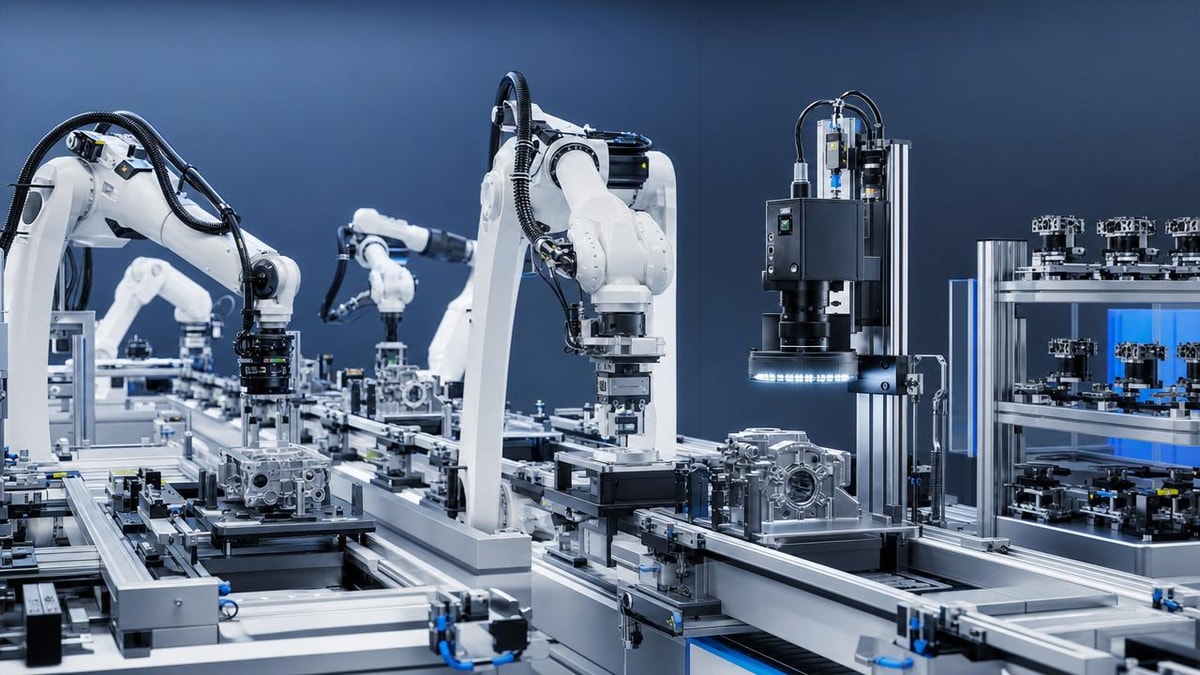
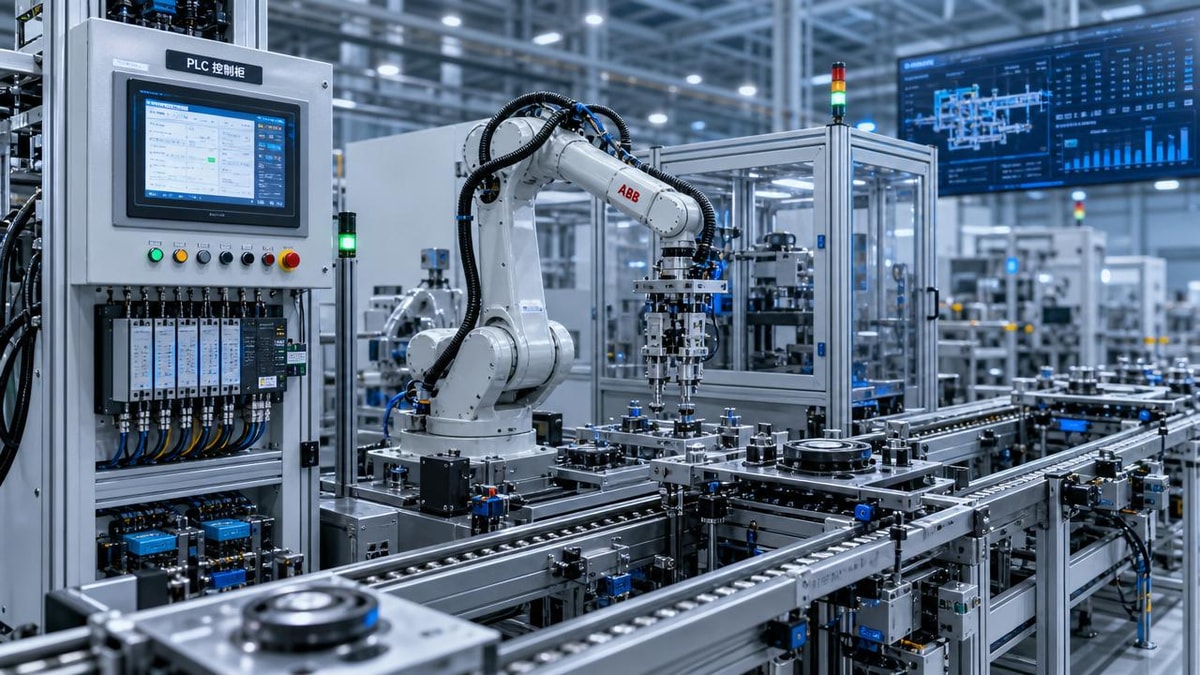
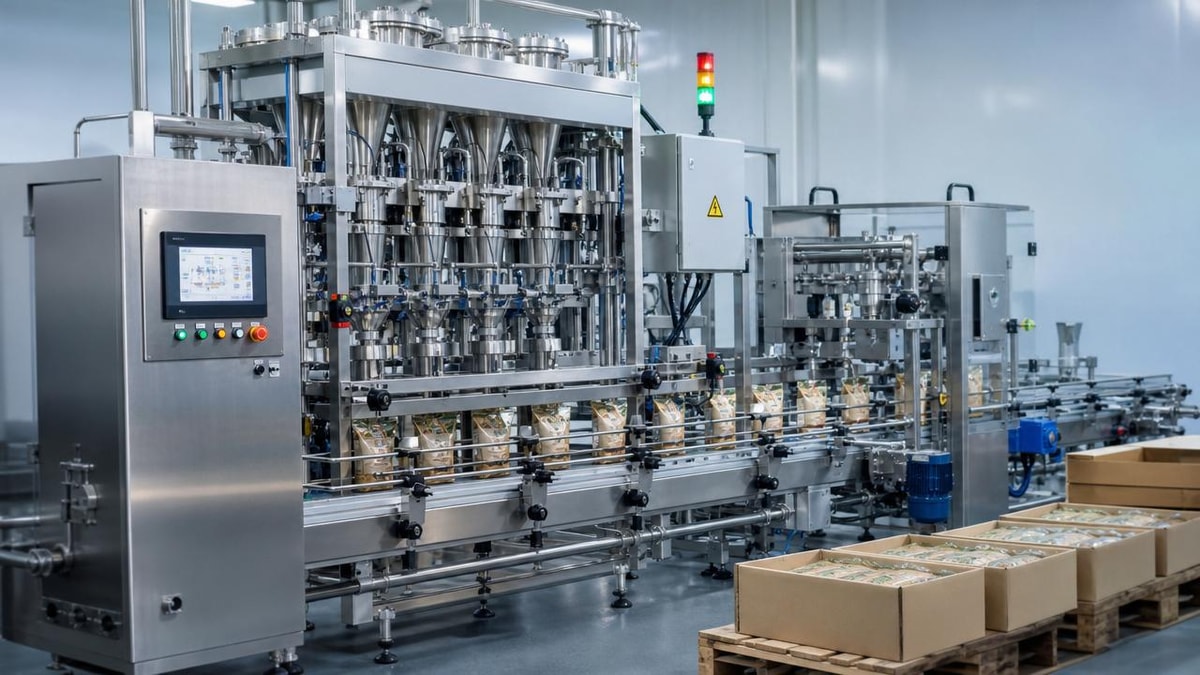
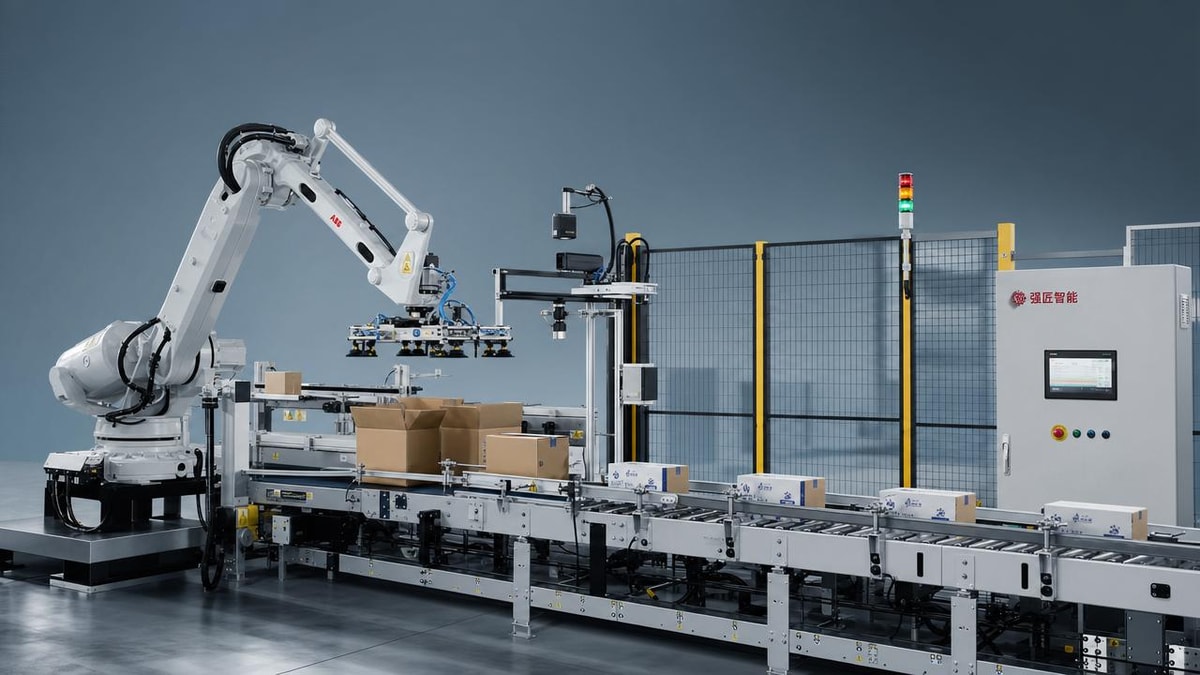
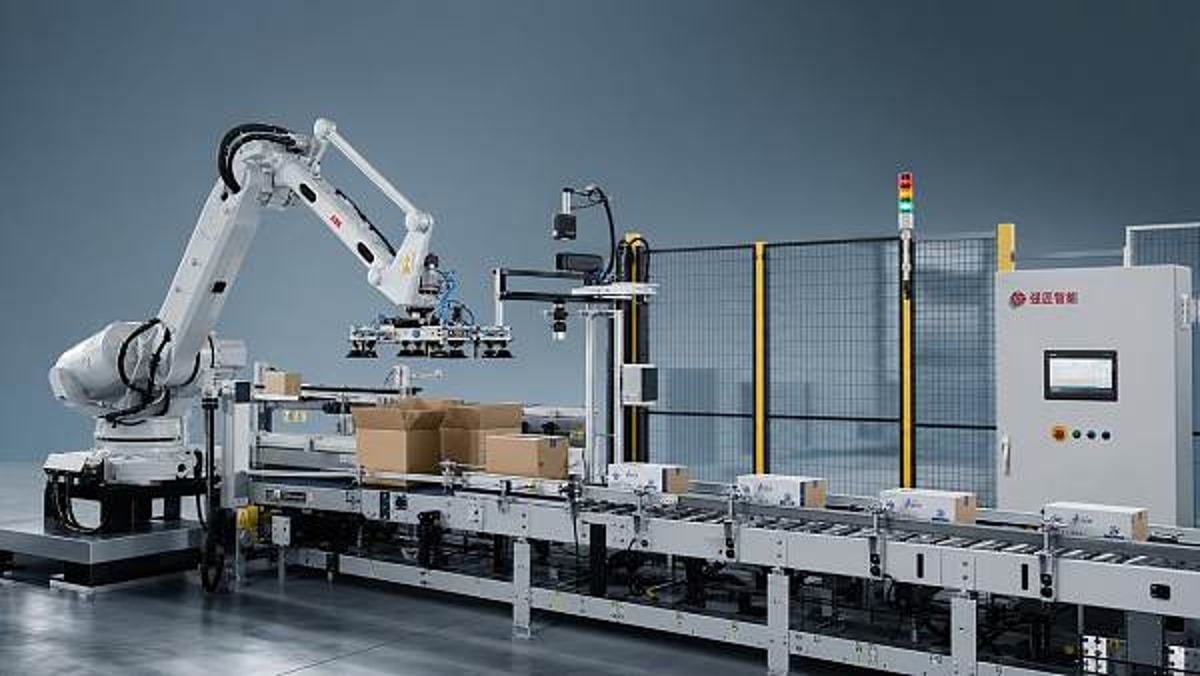
In packaging environments, integration usually spans robot arms, end-of-arm tooling, servo indexing, conveyor tracking, barcode or vision inspection, PLC logic, HMI screens, machine guarding, and upstream or downstream equipment. If just one data handshake is missing, one safety zone is mapped incorrectly, or one product recipe is not synchronized, the line may stop repeatedly even though each individual component appears healthy.
Project leaders often discover that the real bottleneck is not hardware installation but interface definition. Questions such as who owns conveyor start permissives, how rejected packs are tracked, or when the robot should recover after a fault are often left too vague during design. That ambiguity surfaces during site commissioning, when every minute of uncertainty turns into labor cost, schedule pressure, and finger-pointing between vendors.
For teams deploying factory automation robotics for packaging, the lesson is clear: integration risk should be treated as a first-order project workstream, not as a final-stage technical detail.
Which integration points most often create hidden delays?
Most delays come from a short list of recurring problem areas. They are “hidden” because they may not be visible in mechanical layouts or vendor quotations, yet they determine whether the line reaches target throughput.
The first is controls architecture. In many packaging projects, the PLC supplier, robot integrator, and OEM machine builder use different naming conventions, signal ownership assumptions, and fault reset logic. The result is delayed debugging because nobody has a single source of truth for machine states, interlocks, or recipe transitions.
The second is conveyor and product tracking. In pick-and-place, case packing, palletizing, and secondary packaging, timing is everything. Encoder scaling errors, conveyor slippage, latency between sensors and robot commands, or inconsistent product spacing can all make a robot appear inaccurate when the real issue is tracking quality.
Third, vision integration frequently slows commissioning. Camera position, lighting, lens selection, reject logic, and communication timing often need real-world tuning that was underestimated earlier. A vision system that works under ideal test conditions may become unstable once reflective film, variable carton print, dust, or line vibration enters the picture.
Fourth, safety integration is a major schedule risk. Safe torque off, zone muting, interlocked access, emergency stops, and restart validation must all align with local standards and plant procedures. A packaging cell may be mechanically complete, but it cannot run if safety acceptance is unresolved.
Finally, end-of-arm tooling is often underestimated. Vacuum grippers, soft tooling, mechanical fingers, or custom multi-pick heads may struggle with product variability, film wrap, corrugated dust, or compressed air quality. This quickly affects cycle time and reliability.
How can project managers spot factory automation robotics for packaging risks before site installation?
Early detection starts with asking better coordination questions, not just reviewing Gantt charts. Project managers and engineering leads should push every supplier to define interfaces in detail before equipment ships. That means documenting not only I/O counts, but signal timing, fault behavior, recipe ownership, recovery logic, and performance assumptions.
A practical way to reduce commissioning surprises is to run an interface review workshop focused on edge cases. For example: what happens if the infeed starves for 4 seconds? What happens when a case is detected but not confirmed by vision? How does the robot cell respond after an E-stop in manual mode versus auto mode? These are the scenarios that expose integration gaps.
Another strong practice is phased simulation and pre-validation. Even if full digital twin capability is not available, teams can still validate PLC-to-robot handshakes, recipe changes, and fault trees through emulation, dry-run logic tests, and offline sequence reviews. In factory automation robotics for packaging, this upfront effort often saves more time than it costs.
Project leaders should also verify who is responsible for line-level performance. Many contracts define equipment function but not integrated throughput. If ownership is fragmented, every supplier may claim success while the complete packaging line still misses OEE targets. Defining integrated acceptance criteria early helps close this gap.
What warning signs suggest the commissioning plan is too weak?
A weak plan usually reveals itself long before startup. One warning sign is when FAT focuses only on component operation rather than line interaction. If the robot demonstrated motion but never tested with real cartons, production speeds, actual product tolerances, and full alarm handling, the site team will inherit unfinished engineering work.
Another warning sign is missing ownership across disciplines. Packaging robotics projects often require mechanical, electrical, controls, IT, quality, safety, and operations alignment. If no one is accountable for cross-functional decisions, commissioning slows because every issue waits for clarification from another group.
Incomplete spare parts and support readiness are also red flags. A line that depends on vision, servo motion, and robotic handling should not enter commissioning without backup sensors, vacuum components, key cables, and remote support availability. Otherwise, a small failure can turn into a multi-day shutdown.
The table below summarizes common issues in factory automation robotics for packaging and the actions that reduce schedule risk.
Are vision, safety, and conveyor interfaces more difficult than robot programming itself?
In many packaging projects, yes. Robot programming is important, but it is often more structured than the surrounding line interactions. A well-programmed robot can still underperform if the vision system is unstable, if conveyor tracking drifts, or if safety zoning causes unnecessary stop conditions.
Vision systems are difficult because packaging materials are rarely perfect. Glossy pouches, transparent wraps, damaged labels, and changing SKU graphics all challenge repeatable detection. Safety systems are difficult because they combine compliance, practical operator access, and restart behavior. Conveyor interfaces are difficult because they connect mechanical reality to digital timing. Small physical variations quickly become logical faults.
For decision-makers evaluating factory automation robotics for packaging, this means vendor selection should not focus only on robot brand or cycle time claims. It should also assess line integration depth, application references, support capability, and the supplier’s experience with real packaging environments.
What are the most expensive misconceptions in packaging robotics integration?
One misconception is that FAT completion means the system is production-ready. In reality, FAT often proves basic function under controlled conditions. Site acceptance, utility variation, line balancing, operator behavior, and material variation still have to be resolved.
Another costly mistake is assuming the fastest robot creates the best outcome. In factory automation robotics for packaging, the true performance limit may come from carton indexing, vacuum response time, vision cycle time, or product presentation quality. Overinvesting in robot speed while underengineering upstream consistency usually produces disappointing returns.
A third misconception is that commissioning can absorb design uncertainty. It cannot, at least not cheaply. Unclear sequence logic, open mechanical tolerances, or unresolved software ownership will eventually be solved, but during commissioning they are solved under deadline pressure. That is when labor premiums, change orders, and launch delays escalate.
There is also a people-related misconception: some teams assume operators can adapt to whatever the automation delivers. In packaging lines, poor HMI design, unclear alarms, and awkward jam recovery create sustained losses after startup. Usability is not a soft issue; it is part of integration quality.
How should teams structure a better commissioning approach for factory automation robotics for packaging?
A stronger approach starts with front-end definition. Before build completion, teams should finalize interface matrices, network architecture, safety philosophy, product tolerance assumptions, and acceptance metrics. Every ambiguous handoff becomes a likely startup delay.
Next, commissioning should be staged. Instead of waiting for full-line startup, verify utilities, I/O, safety, dry cycle logic, product tracking, vision calibration, and fault recovery in a planned sequence. This reduces chaos and allows root causes to surface in an orderly way.
It is also wise to define a startup command center. That does not require bureaucracy; it requires visible decision authority. A daily issue log, prioritized punch list, and agreed response times from integrators and plant stakeholders help maintain momentum. For project managers, governance discipline is often as valuable as technical depth.
Finally, measure success beyond first motion. In factory automation robotics for packaging, a line is not truly commissioned when the robot runs once. It is commissioned when it sustains repeatable throughput, safe recovery, acceptable scrap levels, and operator-ready reliability across shifts.
What should buyers and project leaders ask vendors before moving forward?
This is where many expensive problems can still be avoided. Ask vendors for application-specific references in packaging, not just generic robotics experience. Request examples involving your product type, line speed, changeover frequency, and required quality checks.
Ask who owns each interface: PLC logic, robot programming, vision tuning, safety validation, MES or ERP data exchange, and line performance ramp-up. Clarify whether the supplier supports site acceptance testing, production stabilization, and operator training. Confirm spare parts strategy, remote diagnostics, and response commitments.
You should also ask how the solution handles non-ideal conditions. Can the cell recover from misfeeds? How are rejects tracked? What is the expected mean time to recover from common faults? What assumptions were made about product presentation, compressed air quality, ambient dust, film reflectivity, or washdown requirements? These are practical questions that often determine whether factory automation robotics for packaging delivers ROI on schedule.
If you need to confirm a specific automation roadmap, integration scope, timeline, budget, or supplier fit, the most useful next conversation should focus on interface ownership, real production conditions, SAT criteria, operator recovery scenarios, and post-launch support expectations. Those questions will reveal far more than a simple equipment specification sheet ever can.
Get weekly intelligence in your inbox.
No noise. No sponsored content. Pure intelligence.
 May 03, 20265 Axis Milling Machines for Automotive: Buy New or Retrofit?5 Axis Milling Machines for Automotive: Buy New or Retrofit?
 May 03, 2026What to Check Before Sourcing OEM Machined Parts from IndiaWhat to Check Before Sourcing OEM Machined Parts from India
 May 03, 2026Why Sheet Metal Bending Machine Price Varies So MuchWhy Sheet Metal Bending Machine Price Varies So Much
 May 03, 2026Plastic Injection Molding Process Guide for Common Defect ControlPlastic Injection Molding Process Guide for Common Defect Control
 May 03, 2026Smart Manufacturing Technology Trends Reshaping Factory UpgradesSmart Manufacturing Technology Trends Reshaping Factory Upgrades
 May 03, 2026Automotive Die Casting Parts and the Hidden Cost of PorosityAutomotive Die Casting Parts and the Hidden Cost of Porosity
 May 03, 2026Assembly Line Robots: Flexibility Can Matter More Than SpeedAssembly Line Robots: Flexibility Can Matter More Than Speed
 May 03, 2026Smart Manufacturing in Energy: Which Upgrades Pay Back FasterSmart Manufacturing in Energy: Which Upgrades Pay Back Faster
 May 03, 2026Why Robotics Integration Fails After a Successful DemoWhy Robotics Integration Fails After a Successful Demo
 May 03, 2026How to Spot a Reliable Precision Components ManufacturerHow to Spot a Reliable Precision Components Manufacturer
 May 03, 2026Sheet Metal Bending Machine Specifications That Affect AccuracySheet Metal Bending Machine Specifications That Affect Accuracy
 May 03, 2026Oil and Gas Fabrication: Where Material Mismatch Gets ExpensiveOil and Gas Fabrication: Where Material Mismatch Gets Expensive
 May 03, 2026Construction Fabrication Delays Often Start at the Drawing StageConstruction Fabrication Delays Often Start at the Drawing Stage
 May 03, 2026Industrial Robotics Maintenance Guide for Fewer Surprise StopsIndustrial Robotics Maintenance Guide for Fewer Surprise Stops
 May 03, 2026Smart Manufacturing Technology Benefits Beyond Labor SavingsSmart Manufacturing Technology Benefits Beyond Labor Savings
 May 03, 2026Defense Components Need More Than Tight TolerancesDefense Components Need More Than Tight Tolerances
 May 03, 2026How to Vet a Die Casting Parts Supplier in MexicoHow to Vet a Die Casting Parts Supplier in Mexico
 May 03, 2026Food Processing Automation Systems and the Cost of DowntimeFood Processing Automation Systems and the Cost of Downtime
 May 03, 20265 Axis Milling for Aerospace: When Extra Precision Is Worth It5 Axis Milling for Aerospace: When Extra Precision Is Worth It
 May 03, 2026How OEM Medical Equipment Parts Affect Validation TimelinesHow OEM Medical Equipment Parts Affect Validation Timelines
 May 03, 2026Packaging Robotics Integration Problems That Slow CommissioningPackaging Robotics Integration Problems That Slow Commissioning
 May 03, 2026What Causes Rework in OEM Aerospace Machined PartsWhat Causes Rework in OEM Aerospace Machined Parts
 May 03, 2026Choosing Sheet Metal Bending Services in Europe Without DelaysChoosing Sheet Metal Bending Services in Europe Without Delays
 May 03, 2026Die Casting Parts for Electronics: Tolerance or Heat Control?Die Casting Parts for Electronics: Tolerance or Heat Control?
 May 03, 2026Marine Metal Fabrication Mistakes That Raise Corrosion RiskMarine Metal Fabrication Mistakes That Raise Corrosion Risk
 May 03, 2026When Welding Robots Improve Quality More Than ThroughputWhen Welding Robots Improve Quality More Than Throughput
 May 03, 2026Medical Device Molding Machines: What Specs Matter MostMedical Device Molding Machines: What Specs Matter Most