Food Processing Automation Systems and the Cost of Downtime
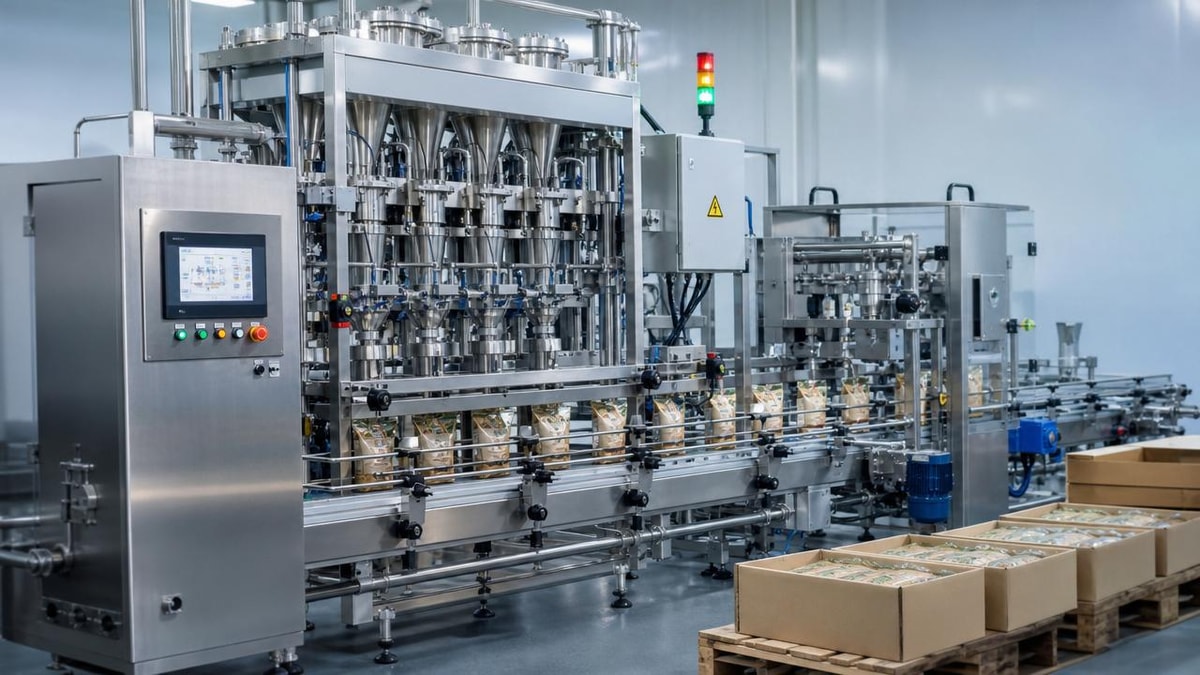
For finance approvers, downtime in food production is not just an operational issue—it is a direct threat to margins, cash flow, and customer commitments. As factory automation systems for food processing become more advanced, the real question is no longer whether to invest, but how to measure the cost of inaction. This article explores where losses occur, how automation reduces risk, and what decision-makers should evaluate before approving capital spending.
Why downtime costs more than most budgets assume
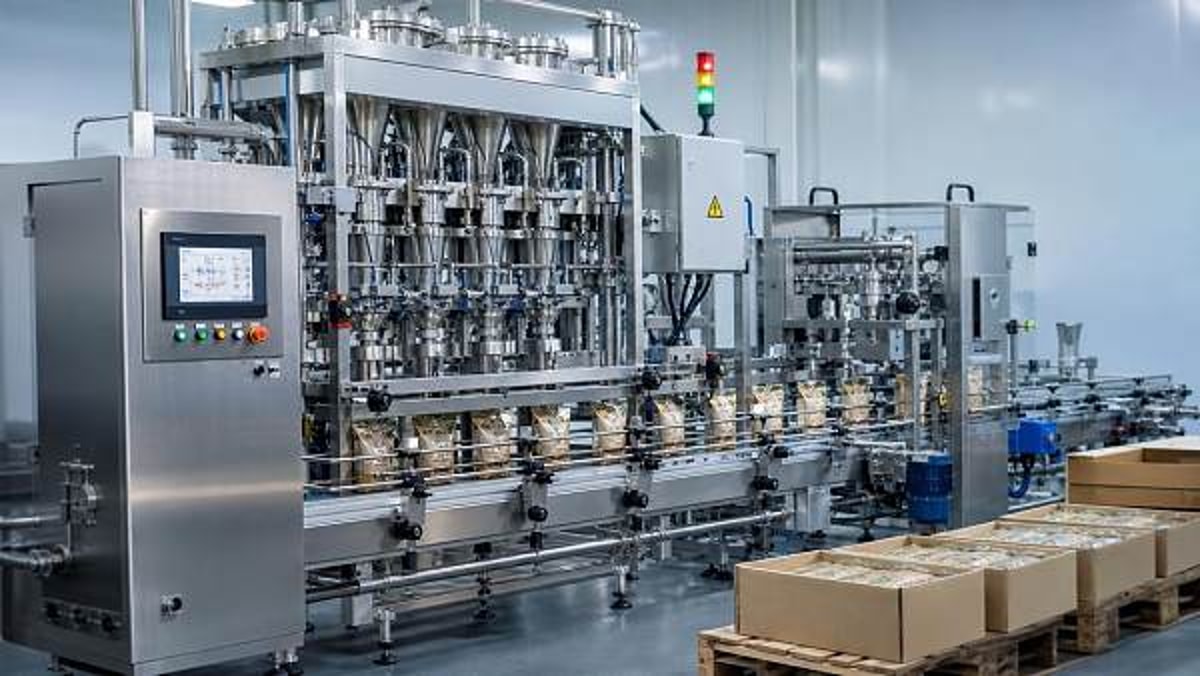
In food manufacturing, one hour of lost production rarely equals one hour of lost output. The financial effect usually compounds across labor, raw materials, utilities, packaging, scheduling, expedited freight, contract penalties, and customer trust. That is why factory automation systems for food processing are increasingly reviewed not only by plant teams, but also by finance leaders responsible for capital discipline and risk control.
A stoppage on a filling line, baking line, chilling system, or palletizing cell can trigger waste in upstream and downstream operations. Ingredients may spoil. Cleaning cycles may need to restart. Labor may sit idle while overtime later becomes necessary to recover service levels. For finance approvers, the issue is not simply maintenance expense. It is margin erosion that spreads across the income statement.
Where the hidden losses appear
- Lost throughput: units that were planned but never produced during the downtime window.
- Scrap and rework: partially processed batches, rejected packs, temperature excursions, and label errors.
- Labor inefficiency: paid operators, sanitation staff, quality teams, and supervisors waiting for restart approval.
- Recovery costs: overtime, urgent material purchases, line changeover disruption, and premium freight.
- Commercial damage: missed retailer delivery windows, reduced fill rates, and higher risk of losing future volume.
These costs explain why a cheaper but fragile control environment can become more expensive over a 3- to 7-year horizon than a better-designed automation platform. Financial approval should therefore be tied to total cost of downtime, not equipment purchase price alone.
How factory automation systems for food processing reduce financial risk
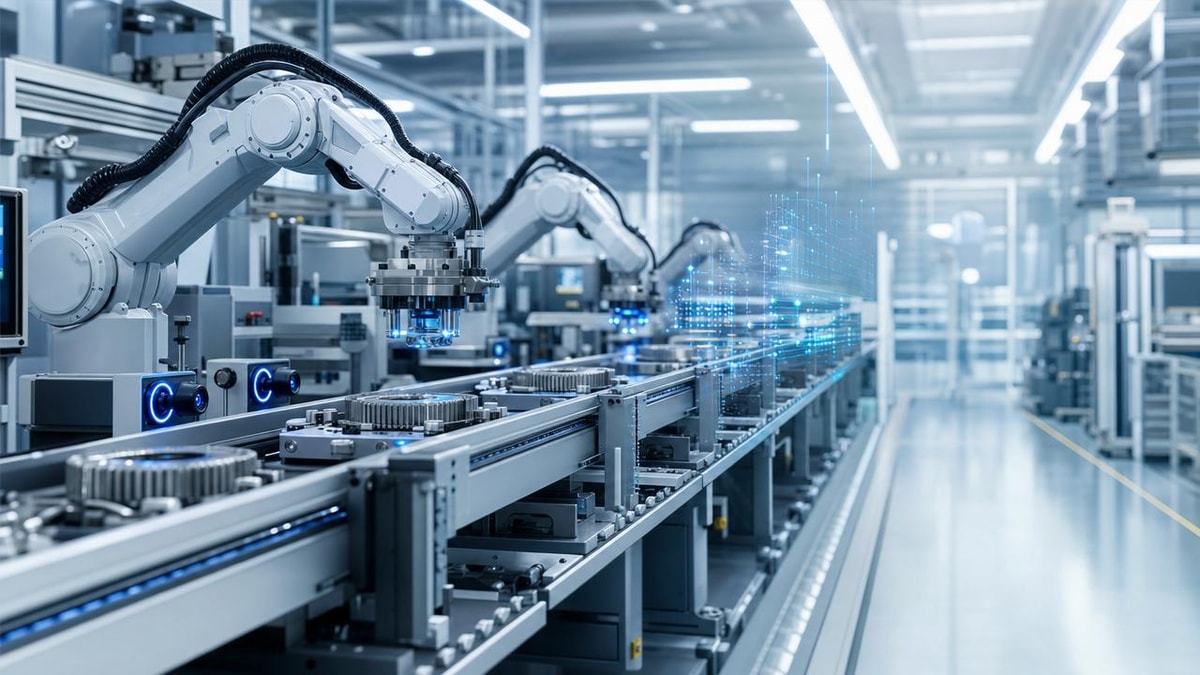
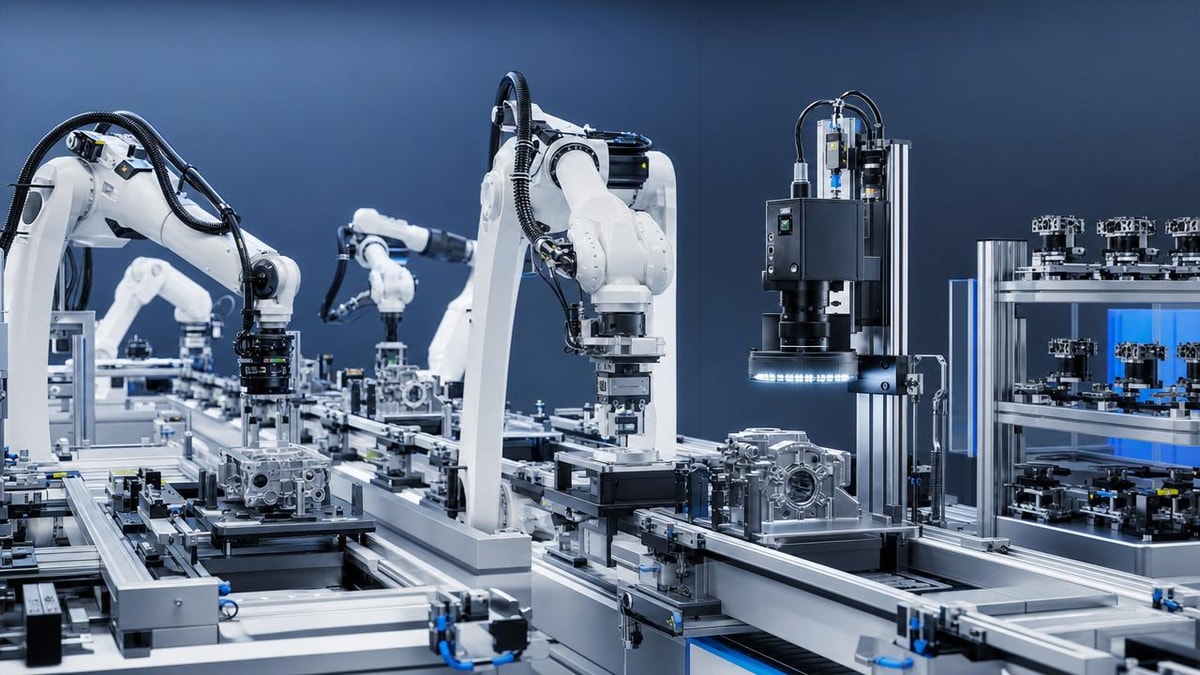
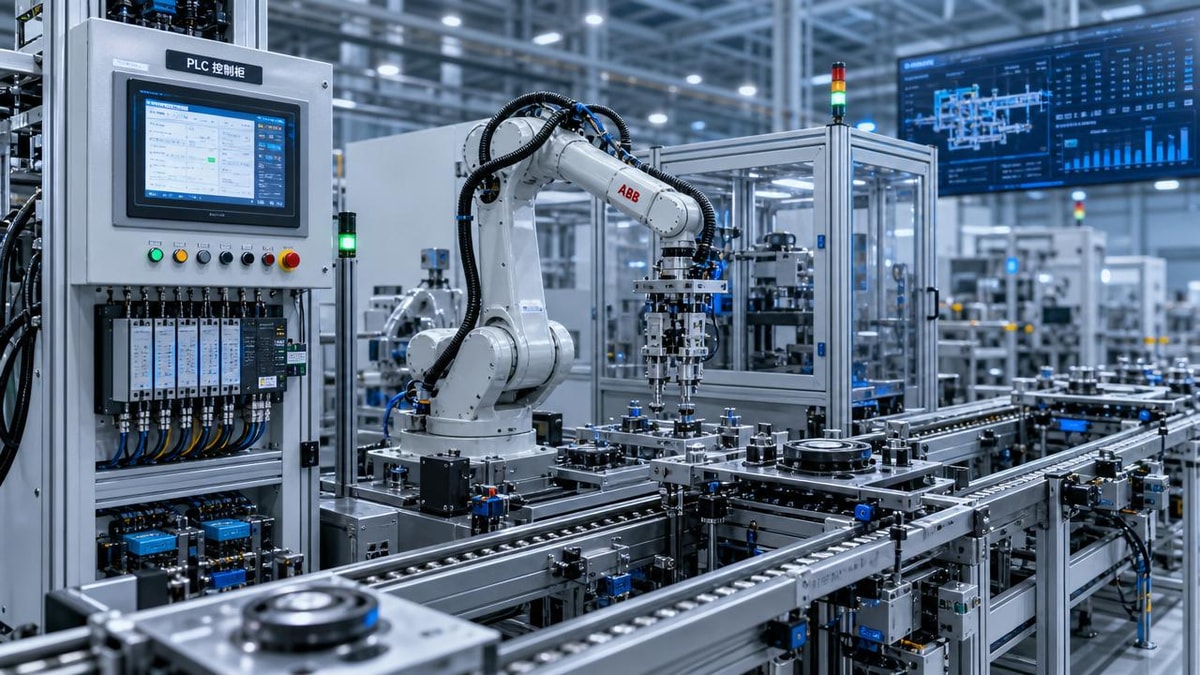
Modern factory automation systems for food processing do more than replace manual work. They connect sensing, control, motion, traceability, and line analytics into a coordinated production environment. For finance teams, the core value lies in variability reduction. Stable output makes planning more reliable, lowers working capital shocks, and reduces expensive firefighting.
Key mechanisms that lower the cost of downtime
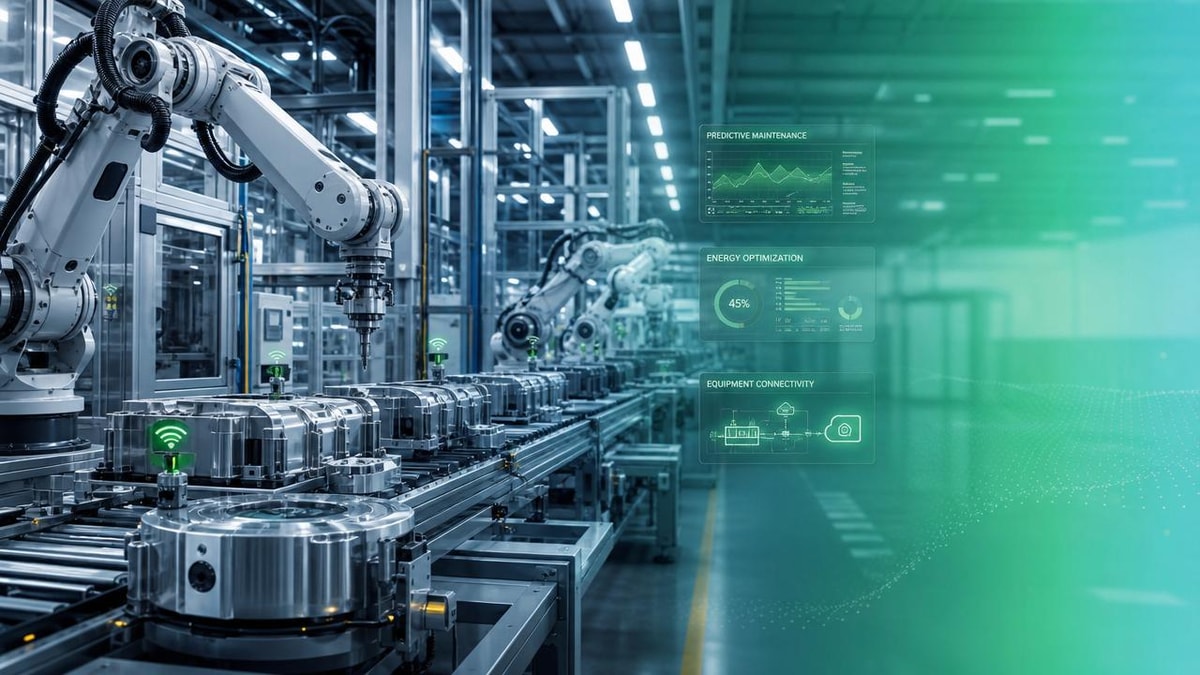
- Predictive alerts identify wear, vibration changes, temperature drift, or control faults before a line stops completely.
- Automated recipe control reduces changeover errors and lowers the chance of off-spec batches.
- Integrated quality checks catch sealing, fill level, coding, or contamination issues earlier in the process.
- Remote diagnostics shorten troubleshooting time and improve first-time fix rates for technical teams.
- Real-time performance dashboards help managers isolate recurring bottlenecks instead of treating symptoms.
This is especially relevant in facilities producing perishable, regulated, or retailer-sensitive goods. In those environments, even a short interruption can create compliance, shelf-life, and service-level consequences. Properly specified factory automation systems for food processing reduce both direct breakdowns and the secondary losses that finance teams often discover too late.
What should finance approvers measure before approving capital spend?
A finance-led review works best when it converts technical discussion into measurable business variables. The table below outlines practical metrics that can be used to assess automation investments for food plants with mixed product lines, seasonal demand swings, or strict customer service requirements.
When these metrics are quantified, the business case becomes easier to defend. The strongest approvals typically combine avoided downtime, lower waste, better labor use, and improved planning reliability rather than relying on a single payback assumption.
A practical approval checklist
- Confirm whether the proposed system addresses the top three causes of unplanned stoppages.
- Validate if the line can keep running safely during partial component failure or fault isolation.
- Check integration impact on existing ERP, MES, quality, and maintenance workflows.
- Review spare parts strategy, support response model, and expected software lifecycle.
- Compare the capital request against the cost of repeated reactive maintenance over multiple budget cycles.
Comparison analysis: reactive operation vs targeted automation investment
Finance teams often need a side-by-side view. The next table compares a reactive production model with a line upgraded by factory automation systems for food processing designed around uptime, traceability, and controllable recovery procedures.
This comparison is useful because it reframes automation as an operating resilience decision. In many plants, the cost of maintaining a reactive model remains hidden across multiple budget lines, while automation appears as one visible capital line. Good financial governance makes those hidden costs visible.
Which food processing scenarios justify faster approval?
Not every line needs the same level of automation at the same time. However, several scenarios usually support a stronger business case for factory automation systems for food processing, especially when capacity pressure and service risk are already measurable.
High-priority situations
- Lines with frequent micro-stoppages that gradually reduce shift output but rarely trigger a major maintenance review.
- Operations using expensive ingredients, strict thermal control, or short shelf-life products where spoilage multiplies the cost of every interruption.
- Multi-SKU facilities where changeovers are frequent and recipe errors lead to rework, relabeling, or waste.
- Plants supplying retail, foodservice, or export channels with tight compliance expectations and narrow delivery windows.
- Sites facing labor constraints, where dependence on a few experienced operators creates continuity risk.
For finance approvers, these scenarios matter because they shorten the path from technical problem to financial impact. They also increase the value of phased projects, where the first upgrade targets the most loss-intensive bottleneck before wider rollout.
Procurement guide: what to ask suppliers before approving factory automation systems for food processing
A strong procurement process should test whether the supplier can reduce downtime in the real operating environment, not only in a proposal document. Finance approvers benefit when technical and commercial questions are linked from the start.
Questions that improve decision quality
- What failure modes does the proposed system address first, and how will success be measured after commissioning?
- How compatible is the architecture with existing controls, line equipment, and traceability requirements?
- What is the expected support model for spare parts, remote assistance, software updates, and operator training?
- Can the supplier stage the investment to match budget timing, production shutdown windows, or site expansion plans?
- How will sanitation conditions, washdown exposure, and food-contact area constraints affect system design?
These questions help separate a technically attractive quote from a financially resilient one. In food environments, reliability depends not only on machine capability, but also on serviceability, integration quality, and plant-fit execution.
Standards, compliance, and risk control finance teams should not overlook
Compliance is often discussed as a quality issue, but it has direct financial consequences. If automation changes process controls, data capture, or equipment interaction, the project must align with the site’s hygiene practices, validation approach, and documented control procedures. Overlooking this can delay startup and increase capital overruns.
Depending on product category and geography, buyers may need to review electrical safety, machine guarding, sanitation design, traceability, calibration control, and documented change management. The exact framework varies, but the discipline is universal: factory automation systems for food processing should support consistent operation under audit and customer review conditions.
Minimum governance points
- Clear responsibility for software changes, version control, and user access permissions.
- Documented restart, alarm, and exception-handling procedures that operators can follow consistently.
- Maintenance records and spare parts discipline to avoid avoidable repeat failures.
- Validation and acceptance criteria defined before installation begins.
Common misconceptions that delay good decisions
Several assumptions often prevent timely approval. One is that downtime is mainly a maintenance problem. In reality, it is a finance, service, inventory, and planning problem at the same time. Another is that full-line replacement is the only option. Many plants reduce risk through targeted automation on the highest-loss points first.
A third misconception is that automation value comes only from labor reduction. In food processing, the bigger gains frequently come from consistency, lower waste, faster recovery, and fewer customer disruptions. Those benefits may be less visible in early discussions, but they are often more durable than labor savings alone.
FAQ: practical questions finance approvers ask
How do we estimate the real cost of one hour of downtime?
Start with lost contribution from missed output, then add scrap, labor idle time, recovery overtime, energy waste, and likely service penalties. If the plant serves major retailers or export channels, include the probability-weighted cost of missed delivery commitments. This usually produces a far more realistic number than using throughput loss alone.
Are factory automation systems for food processing suitable for medium-size plants?
Yes, especially where product mix is growing, skilled labor is tight, or traceability pressure is rising. Medium-size sites often benefit from phased upgrades because they can target the most disruptive bottlenecks without funding a full redesign in one cycle.
What procurement mistake is most common?
Approving on purchase price without validating integration, support, and recovery performance. A lower initial quote can become costly if spare parts are slow, controls are hard to service, or the system adds complexity during sanitation and changeover.
How long does implementation usually take?
It depends on line complexity, shutdown windows, and integration scope. The right question is not just calendar duration, but how the supplier minimizes production interruption during installation, testing, and operator adoption. A well-planned phased rollout can reduce revenue risk during transition.
Why decision-makers use TradeNexus Pro for automation evaluation
TradeNexus Pro supports procurement directors, supply chain managers, and enterprise decision-makers who need deeper market intelligence than generic supplier listings can provide. For buyers evaluating factory automation systems for food processing, that matters because the decision crosses operations, capital budgeting, compliance, service continuity, and long-term sourcing strategy.
Through focused analysis across advanced manufacturing, smart electronics, healthcare technology, green energy, and supply chain software, TNP helps buyers interpret how automation choices affect broader resilience and competitiveness. That perspective is valuable when finance approvers need to compare vendors, timing, risk exposure, and rollout pathways with greater precision.
Contact us for a more defensible automation business case
If you are reviewing factory automation systems for food processing and need a clearer investment case, TradeNexus Pro can help structure the decision around measurable commercial outcomes. You can consult with us on downtime cost modeling, supplier comparison criteria, phased investment planning, integration risk, and line-specific procurement priorities.
We can also support parameter confirmation, solution selection logic, expected delivery timelines, compliance review points, custom implementation scope, and quotation discussions across cross-border sourcing scenarios. For finance approvers, the goal is simple: approve capital with stronger visibility into risk, payback drivers, and the true cost of waiting.
Get weekly intelligence in your inbox.
No noise. No sponsored content. Pure intelligence.
 May 03, 20265 Axis Milling Machines for Automotive: Buy New or Retrofit?5 Axis Milling Machines for Automotive: Buy New or Retrofit?
 May 03, 2026What to Check Before Sourcing OEM Machined Parts from IndiaWhat to Check Before Sourcing OEM Machined Parts from India
 May 03, 2026Why Sheet Metal Bending Machine Price Varies So MuchWhy Sheet Metal Bending Machine Price Varies So Much
 May 03, 2026Plastic Injection Molding Process Guide for Common Defect ControlPlastic Injection Molding Process Guide for Common Defect Control
 May 03, 2026Smart Manufacturing Technology Trends Reshaping Factory UpgradesSmart Manufacturing Technology Trends Reshaping Factory Upgrades
 May 03, 2026Automotive Die Casting Parts and the Hidden Cost of PorosityAutomotive Die Casting Parts and the Hidden Cost of Porosity
 May 03, 2026Assembly Line Robots: Flexibility Can Matter More Than SpeedAssembly Line Robots: Flexibility Can Matter More Than Speed
 May 03, 2026Smart Manufacturing in Energy: Which Upgrades Pay Back FasterSmart Manufacturing in Energy: Which Upgrades Pay Back Faster
 May 03, 2026Why Robotics Integration Fails After a Successful DemoWhy Robotics Integration Fails After a Successful Demo
 May 03, 2026How to Spot a Reliable Precision Components ManufacturerHow to Spot a Reliable Precision Components Manufacturer
 May 03, 2026Sheet Metal Bending Machine Specifications That Affect AccuracySheet Metal Bending Machine Specifications That Affect Accuracy
 May 03, 2026Oil and Gas Fabrication: Where Material Mismatch Gets ExpensiveOil and Gas Fabrication: Where Material Mismatch Gets Expensive
 May 03, 2026Construction Fabrication Delays Often Start at the Drawing StageConstruction Fabrication Delays Often Start at the Drawing Stage
 May 03, 2026Industrial Robotics Maintenance Guide for Fewer Surprise StopsIndustrial Robotics Maintenance Guide for Fewer Surprise Stops
 May 03, 2026Smart Manufacturing Technology Benefits Beyond Labor SavingsSmart Manufacturing Technology Benefits Beyond Labor Savings
 May 03, 2026Defense Components Need More Than Tight TolerancesDefense Components Need More Than Tight Tolerances
 May 03, 2026How to Vet a Die Casting Parts Supplier in MexicoHow to Vet a Die Casting Parts Supplier in Mexico
 May 03, 2026Food Processing Automation Systems and the Cost of DowntimeFood Processing Automation Systems and the Cost of Downtime
 May 03, 20265 Axis Milling for Aerospace: When Extra Precision Is Worth It5 Axis Milling for Aerospace: When Extra Precision Is Worth It
 May 03, 2026How OEM Medical Equipment Parts Affect Validation TimelinesHow OEM Medical Equipment Parts Affect Validation Timelines
 May 03, 2026Packaging Robotics Integration Problems That Slow CommissioningPackaging Robotics Integration Problems That Slow Commissioning
 May 03, 2026What Causes Rework in OEM Aerospace Machined PartsWhat Causes Rework in OEM Aerospace Machined Parts
 May 03, 2026Choosing Sheet Metal Bending Services in Europe Without DelaysChoosing Sheet Metal Bending Services in Europe Without Delays
 May 03, 2026Die Casting Parts for Electronics: Tolerance or Heat Control?Die Casting Parts for Electronics: Tolerance or Heat Control?
 May 03, 2026Marine Metal Fabrication Mistakes That Raise Corrosion RiskMarine Metal Fabrication Mistakes That Raise Corrosion Risk
 May 03, 2026When Welding Robots Improve Quality More Than ThroughputWhen Welding Robots Improve Quality More Than Throughput
 May 03, 2026Medical Device Molding Machines: What Specs Matter MostMedical Device Molding Machines: What Specs Matter Most