Smart Manufacturing Technology Benefits Beyond Labor Savings
For enterprise decision-makers, the smart manufacturing technology benefits extend far beyond reducing labor costs. From real-time visibility and predictive maintenance to stronger supply chain resilience and faster response to market shifts, smart factories are reshaping competitive advantage. This article explores how manufacturers can turn digital investment into measurable operational, strategic, and long-term business value.
Why Scenario Differences Matter More Than the Technology Label
Many companies evaluate digital factory initiatives as if one blueprint fits all. In practice, the most important smart manufacturing technology benefits depend on business context: product complexity, order volatility, regulatory pressure, asset intensity, supplier risk, and customer service expectations. A plant running stable, high-volume output needs different capabilities than a multi-SKU facility serving short lead times. A healthcare device producer must prioritize traceability and compliance, while an advanced manufacturing exporter may focus on quality consistency across global sites.
This is why enterprise leaders should avoid asking only, “What technologies should we buy?” A better question is, “In which operating scenarios will digital tools create the highest value first?” When assessed this way, smart manufacturing technology benefits become easier to measure across throughput, working capital, downtime, quality losses, planning accuracy, and customer responsiveness. For platforms such as TradeNexus Pro, which support data-driven B2B decision-making across advanced manufacturing, green energy, smart electronics, healthcare technology, and supply chain SaaS, this scenario-based lens is essential for separating strategic investment from hype.
A Quick Comparison of Common Smart Factory Scenarios
Before selecting systems, leaders should map their primary operating scenario. The table below highlights where smart manufacturing technology benefits typically show up first.
Scenario 1: High-Volume Plants Seeking Stable Output
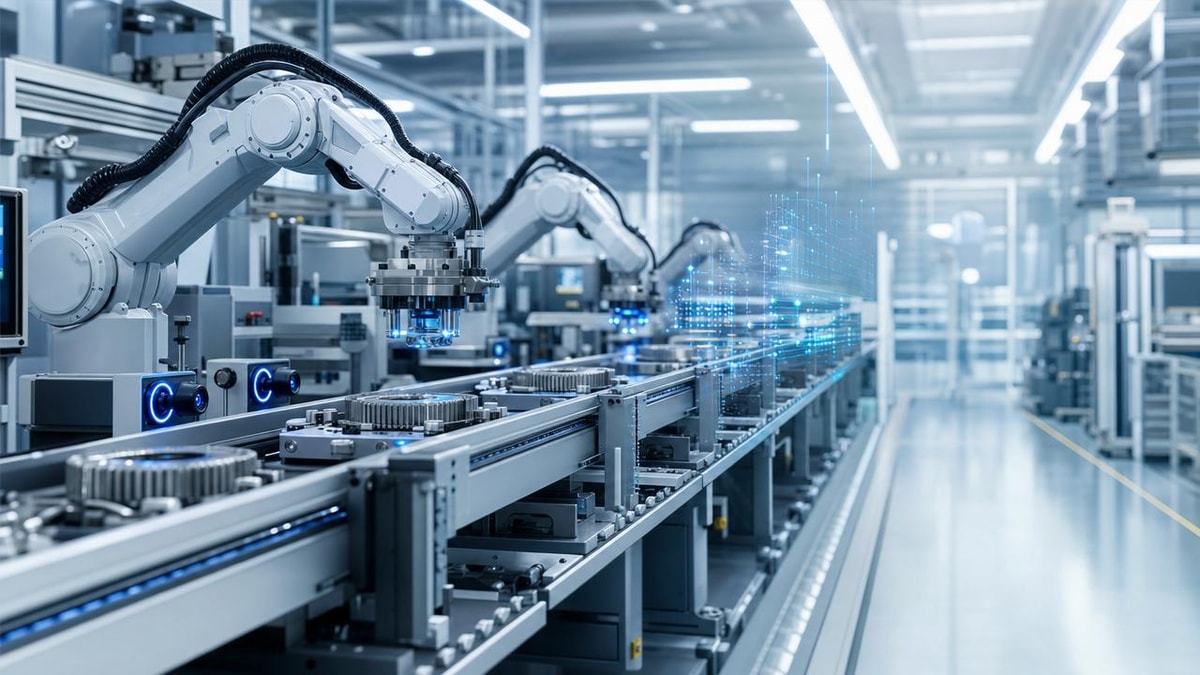
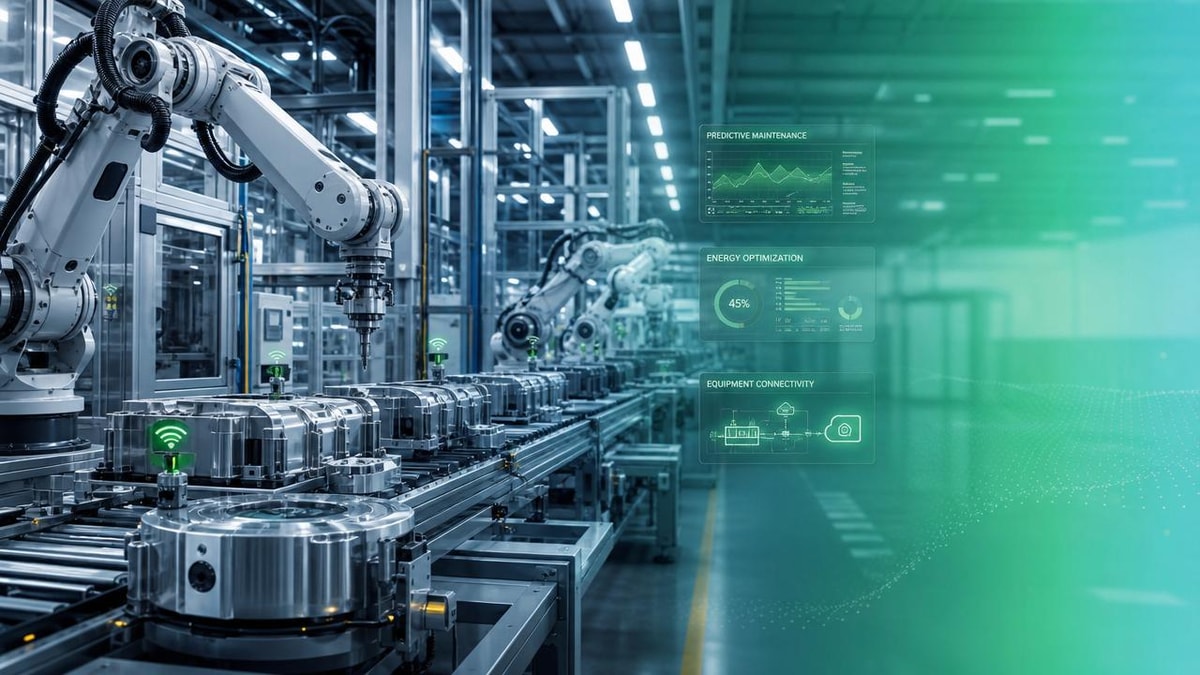
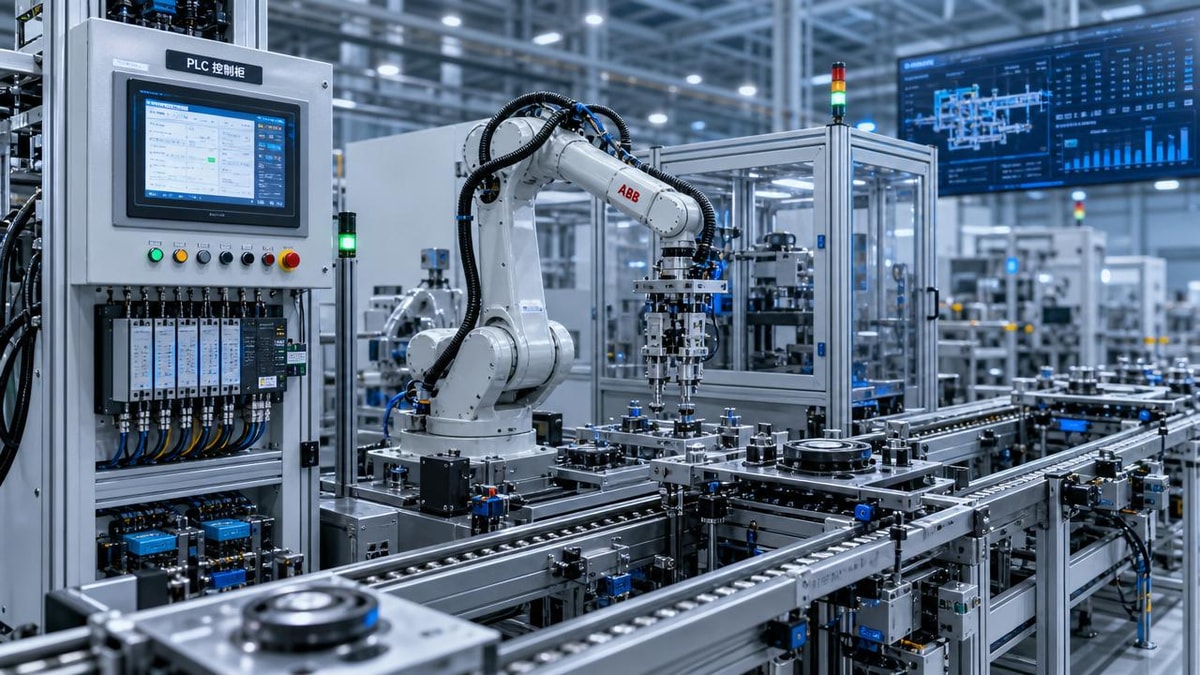
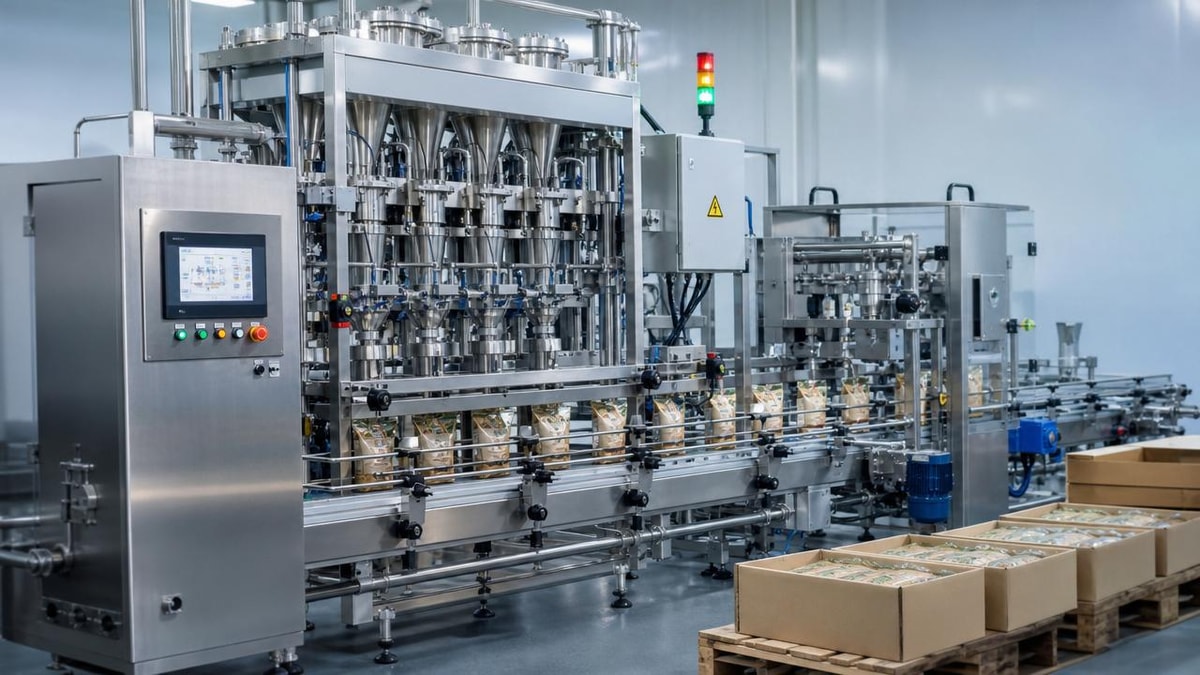
In repetitive production environments, smart manufacturing technology benefits are usually operational first and strategic second. Leaders care about uptime, line balance, scrap reduction, and consistent cycle time. Here, the strongest business case often comes from industrial IoT sensors, machine monitoring, automated alerts, and predictive maintenance models that reduce unplanned stoppages before they affect customer deliveries.
The mistake in this scenario is to overemphasize labor substitution. The bigger gain is process reliability. A one-hour outage on a bottleneck line can cost far more than daily direct labor savings. Real-time dashboards also help supervisors identify hidden losses such as micro-stoppages, speed drift, tool wear, or material inconsistency. Over time, these data loops support continuous improvement, stronger root-cause analysis, and more reliable capacity planning.
Decision-makers in advanced manufacturing and smart electronics often find that the most valuable investment is not a fully autonomous line from day one, but a staged architecture: connect key assets, define baseline KPIs, automate exception reporting, and build maintenance intelligence around the most expensive failure points.
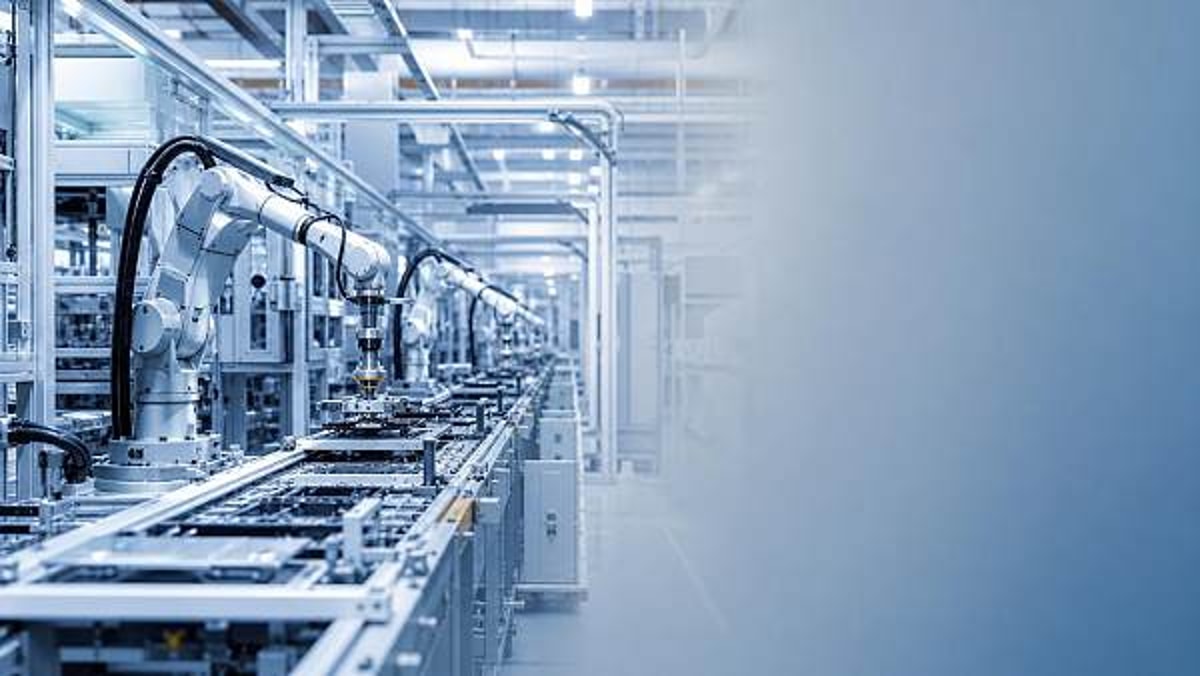
Scenario 2: High-Mix, Low-Volume Operations Needing Speed and Flexibility
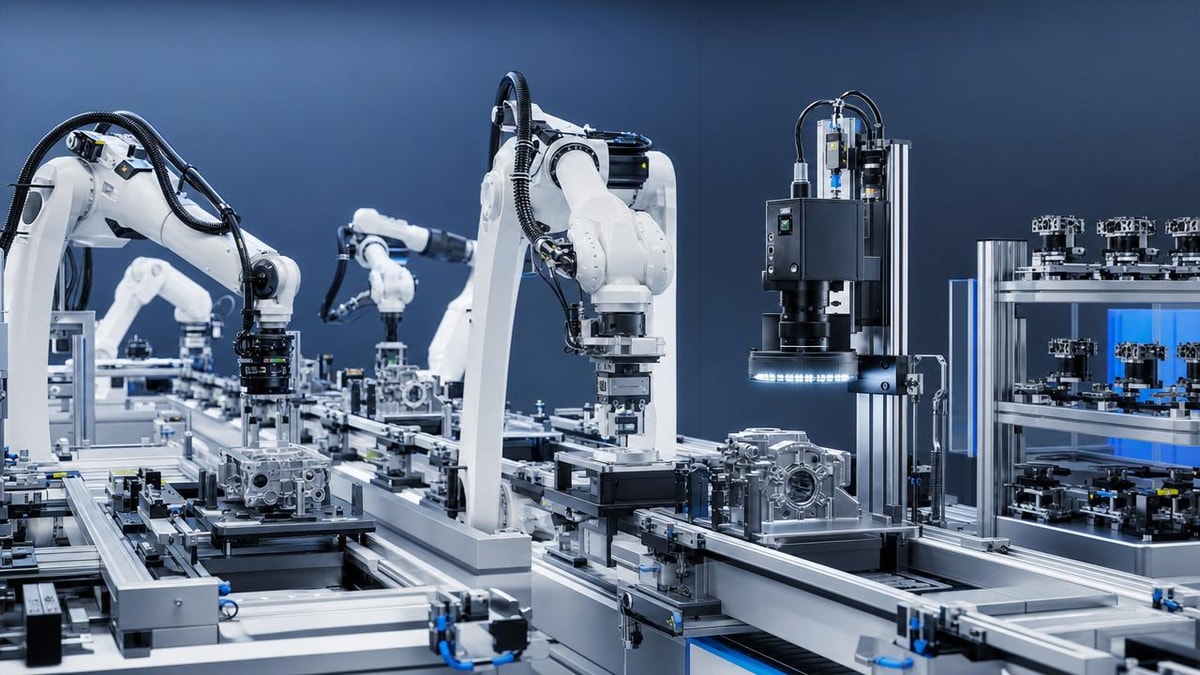
For plants dealing with product variety, engineering changes, custom configurations, or volatile order patterns, the smart manufacturing technology benefits are less about pure automation and more about orchestration. These environments suffer when information is delayed between planning, production, quality, and procurement. Even a small scheduling error can trigger late shipments, excess setup time, and material shortages.
In this scenario, manufacturing execution systems, digital work instructions, and integrated production planning deliver outsized value. Operators get the right version of the process at the right station. Planners can adjust sequencing based on machine status, urgent orders, or labor constraints. Procurement teams gain earlier visibility into material consumption changes. The result is not just cost control, but improved customer responsiveness and lower disruption risk.
This matters especially for exporters and contract manufacturers serving multiple industries. A smart factory that can absorb changes without losing control becomes a commercial advantage. For enterprise buyers, that flexibility can be as important as price, because it reduces the risk of supply interruption and quality escapes.
Scenario 3: Regulated and Quality-Critical Production
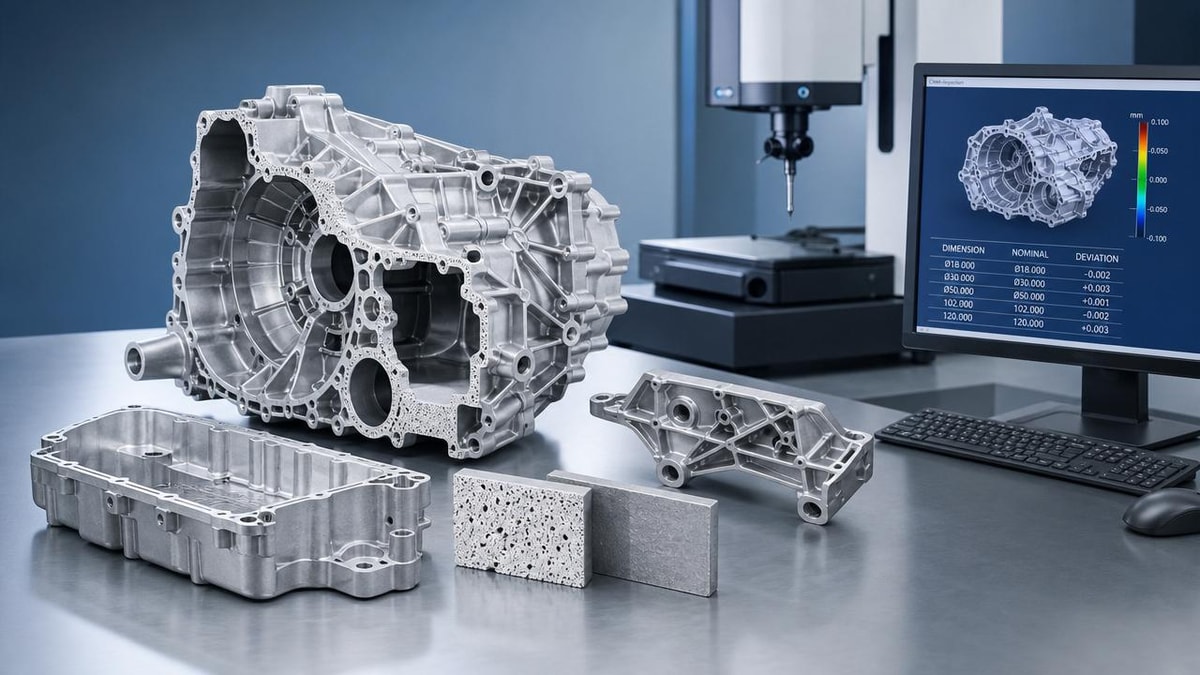
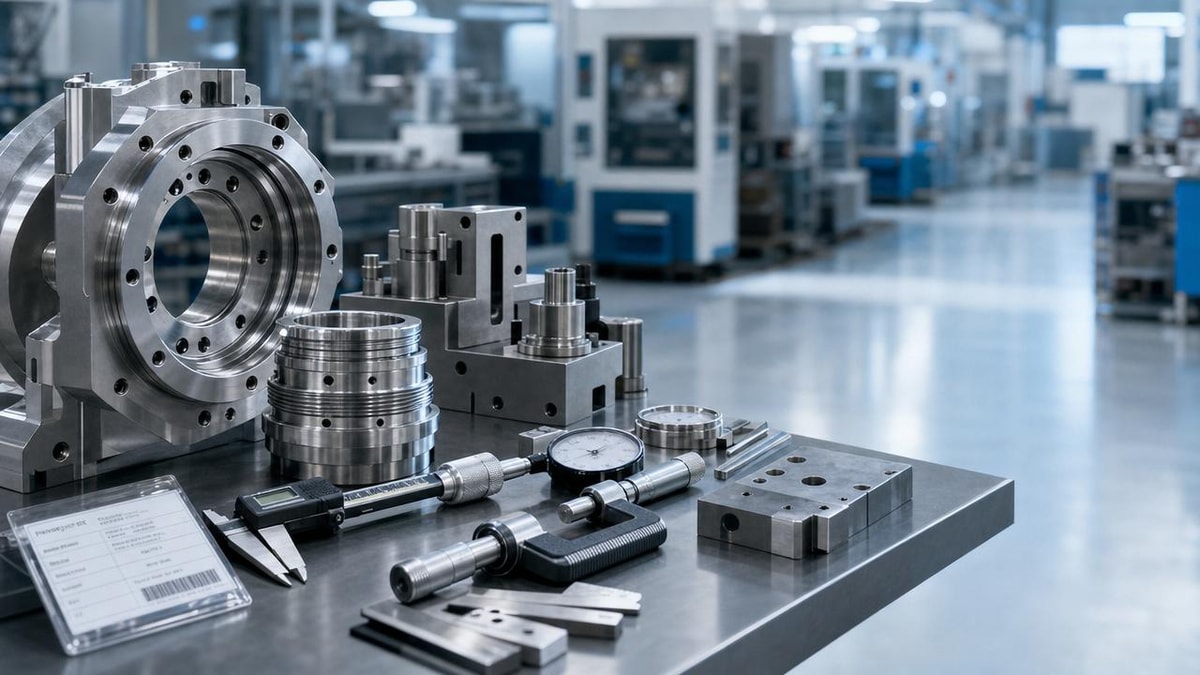
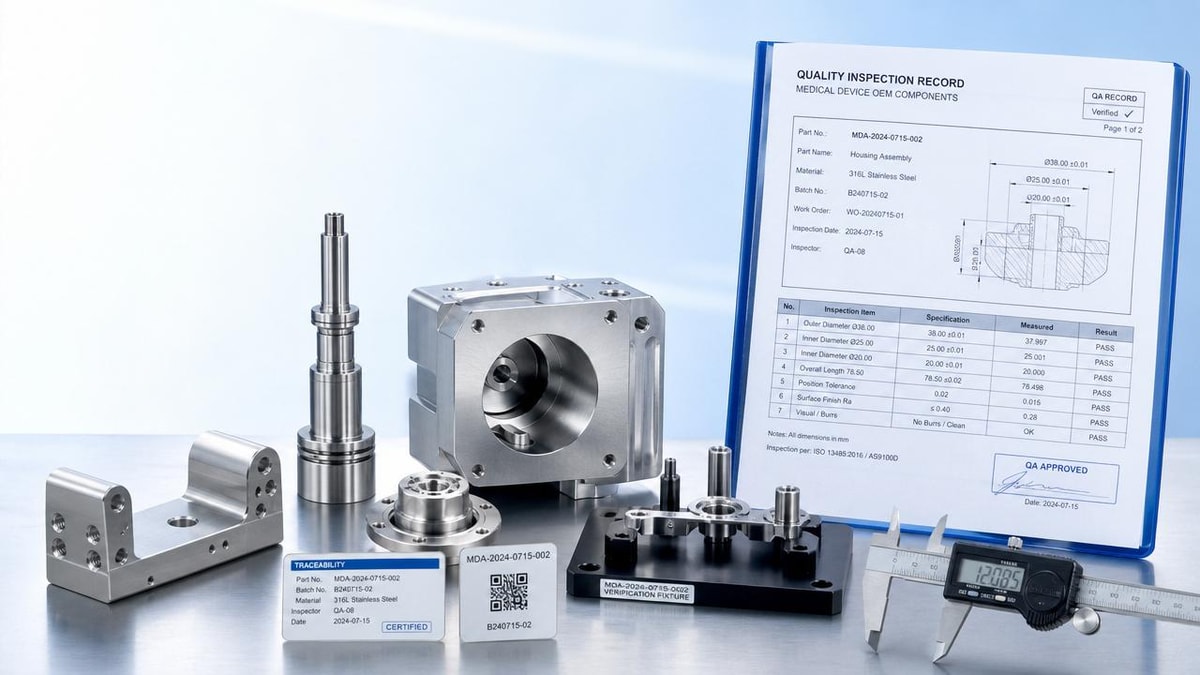
In healthcare technology, precision components, and other regulated settings, smart manufacturing technology benefits often center on traceability, documentation, and quality assurance. The ability to capture who performed each step, which batch of material was used, what process conditions occurred, and whether deviations were contained is a major business asset. It reduces audit stress, shortens investigation time, and protects brand trust.
Digital traceability also improves recall management. If a quality event occurs, manufacturers can isolate the problem faster and avoid broad, expensive corrective actions. In industries where a defect can lead to compliance penalties or patient risk, this capability moves well beyond efficiency. It becomes part of enterprise risk management.
Leaders should prioritize systems that preserve data integrity and connect shop floor events with quality management workflows. In these scenarios, investing in better records, alarms, and process verification may generate greater long-term value than adding more standalone automation hardware.
Scenario 4: Supply Chain Volatility and Multi-Site Coordination
Another area where smart manufacturing technology benefits stand out is supply chain resilience. When companies face supplier delays, freight variability, geopolitical uncertainty, or demand swings, disconnected factories become vulnerable. Production teams may discover shortages too late, planners may rely on outdated assumptions, and executives may lack a current view of risk exposure across sites.
Smart manufacturing tools help by creating a shared operational picture. Inventory signals, machine status, order progress, and supplier updates can feed into faster exception management. This enables manufacturers to resequence jobs, reallocate inventory, or shift production before service levels deteriorate. In sectors such as green energy and supply chain SaaS-enabled ecosystems, this visibility is increasingly linked to customer retention and strategic account performance.
For decision-makers, the key takeaway is clear: digital manufacturing investment is also a resilience investment. It improves the ability to absorb shocks, not just produce at lower cost.
How Priorities Change by Company Type and Decision Role
The same technology can mean different things to different stakeholders. Understanding this internal difference is critical when building alignment around smart manufacturing technology benefits.
Common Misjudgments When Evaluating Smart Manufacturing Technology Benefits
A frequent mistake is starting with a technology list instead of a business bottleneck list. Companies may invest in robotics, analytics, or AI tools without confirming whether the real constraint is machine uptime, engineering change control, supplier unreliability, or poor master data. This weakens adoption and makes ROI harder to prove.
Another misjudgment is underestimating integration. Smart manufacturing technology benefits become meaningful when equipment data, quality records, planning logic, and inventory signals work together. Isolated tools may produce dashboards, but not better decisions. For this reason, architecture discipline matters as much as feature selection.
Decision-makers should also be cautious about copying another company’s roadmap. A mature electronics producer with standardized lines may benefit from aggressive automation. A mid-sized multi-product manufacturer may get more value from digital work instructions, better scheduling, and traceability first. Fit matters more than trend adoption.
A Practical Fit Check Before Investing
To determine where smart manufacturing technology benefits will appear fastest, leaders should validate several conditions:
- Is the business problem clearly tied to downtime, quality, lead time, traceability, or supply chain volatility?
- Are baseline metrics available, or can they be established quickly?
- Which plant, product family, or line offers a manageable pilot with measurable impact?
- Do operations, IT, quality, and supply chain teams share ownership of the outcome?
- Can the chosen solution scale across sites, customers, or regulatory requirements?
This fit-check approach is especially useful for enterprise decision-makers comparing vendors, reviewing digital transformation budgets, or preparing sourcing and modernization plans. The goal is not to digitize everything at once. It is to target the highest-value scenario first, prove the model, and expand based on evidence.
FAQ: What Enterprise Leaders Commonly Ask
Are smart manufacturing technology benefits only relevant for large enterprises?
No. Mid-sized manufacturers often gain quickly because they have visible bottlenecks but less system complexity than global giants. The right entry point may be machine monitoring, digital quality control, or scheduling visibility rather than a full platform overhaul.
Which scenario usually delivers the fastest ROI?
High-cost downtime and high scrap environments typically deliver fast returns. However, in regulated sectors, traceability and compliance gains can be just as valuable because they reduce risk exposure and customer trust erosion.
How should procurement teams evaluate these projects?
They should look beyond purchase price and assess interoperability, support quality, cyber readiness, scalability, and the provider’s understanding of the plant’s actual operating scenario.
Turning Scenario Insight Into a Smarter Next Step
The real value of smart manufacturing technology benefits is not found in generic automation claims. It appears when a company aligns technology with the scenario that most affects profit, resilience, and customer performance. For some manufacturers, that means eliminating unplanned downtime. For others, it means gaining control over high-mix complexity, strengthening traceability, or improving response to supply chain shocks.
Enterprise leaders should begin with a clear scenario diagnosis, define measurable outcomes, and build a roadmap that reflects their operating reality rather than market buzz. In a fast-changing B2B landscape, manufacturers that make this shift will capture smarter returns, stronger digital credibility, and more durable competitive advantage. That is where the broad promise of smart manufacturing technology benefits becomes practical, defensible business value.
Get weekly intelligence in your inbox.
No noise. No sponsored content. Pure intelligence.
 May 03, 20265 Axis Milling Machines for Automotive: Buy New or Retrofit?5 Axis Milling Machines for Automotive: Buy New or Retrofit?
 May 03, 2026What to Check Before Sourcing OEM Machined Parts from IndiaWhat to Check Before Sourcing OEM Machined Parts from India
 May 03, 2026Why Sheet Metal Bending Machine Price Varies So MuchWhy Sheet Metal Bending Machine Price Varies So Much
 May 03, 2026Plastic Injection Molding Process Guide for Common Defect ControlPlastic Injection Molding Process Guide for Common Defect Control
 May 03, 2026Smart Manufacturing Technology Trends Reshaping Factory UpgradesSmart Manufacturing Technology Trends Reshaping Factory Upgrades
 May 03, 2026Automotive Die Casting Parts and the Hidden Cost of PorosityAutomotive Die Casting Parts and the Hidden Cost of Porosity
 May 03, 2026Assembly Line Robots: Flexibility Can Matter More Than SpeedAssembly Line Robots: Flexibility Can Matter More Than Speed
 May 03, 2026Smart Manufacturing in Energy: Which Upgrades Pay Back FasterSmart Manufacturing in Energy: Which Upgrades Pay Back Faster
 May 03, 2026Why Robotics Integration Fails After a Successful DemoWhy Robotics Integration Fails After a Successful Demo
 May 03, 2026How to Spot a Reliable Precision Components ManufacturerHow to Spot a Reliable Precision Components Manufacturer
 May 03, 2026Sheet Metal Bending Machine Specifications That Affect AccuracySheet Metal Bending Machine Specifications That Affect Accuracy
 May 03, 2026Oil and Gas Fabrication: Where Material Mismatch Gets ExpensiveOil and Gas Fabrication: Where Material Mismatch Gets Expensive
 May 03, 2026Construction Fabrication Delays Often Start at the Drawing StageConstruction Fabrication Delays Often Start at the Drawing Stage
 May 03, 2026Industrial Robotics Maintenance Guide for Fewer Surprise StopsIndustrial Robotics Maintenance Guide for Fewer Surprise Stops
 May 03, 2026Smart Manufacturing Technology Benefits Beyond Labor SavingsSmart Manufacturing Technology Benefits Beyond Labor Savings
 May 03, 2026Defense Components Need More Than Tight TolerancesDefense Components Need More Than Tight Tolerances
 May 03, 2026How to Vet a Die Casting Parts Supplier in MexicoHow to Vet a Die Casting Parts Supplier in Mexico
 May 03, 2026Food Processing Automation Systems and the Cost of DowntimeFood Processing Automation Systems and the Cost of Downtime
 May 03, 20265 Axis Milling for Aerospace: When Extra Precision Is Worth It5 Axis Milling for Aerospace: When Extra Precision Is Worth It
 May 03, 2026How OEM Medical Equipment Parts Affect Validation TimelinesHow OEM Medical Equipment Parts Affect Validation Timelines
 May 03, 2026Packaging Robotics Integration Problems That Slow CommissioningPackaging Robotics Integration Problems That Slow Commissioning
 May 03, 2026What Causes Rework in OEM Aerospace Machined PartsWhat Causes Rework in OEM Aerospace Machined Parts
 May 03, 2026Choosing Sheet Metal Bending Services in Europe Without DelaysChoosing Sheet Metal Bending Services in Europe Without Delays
 May 03, 2026Die Casting Parts for Electronics: Tolerance or Heat Control?Die Casting Parts for Electronics: Tolerance or Heat Control?
 May 03, 2026Marine Metal Fabrication Mistakes That Raise Corrosion RiskMarine Metal Fabrication Mistakes That Raise Corrosion Risk
 May 03, 2026When Welding Robots Improve Quality More Than ThroughputWhen Welding Robots Improve Quality More Than Throughput
 May 03, 2026Medical Device Molding Machines: What Specs Matter MostMedical Device Molding Machines: What Specs Matter Most