Oil and Gas Fabrication: Where Material Mismatch Gets Expensive
In oil and gas projects, a small material mismatch can trigger major downtime, safety risks, and costly rework. That is why custom metal fabrication for oil and gas demands more than basic production capacity—it requires precise material selection, compliance awareness, and application-specific engineering. For technical evaluators, understanding where fabrication choices fail is the first step toward protecting performance, reliability, and long-term asset value.
What custom fabrication means in oil and gas
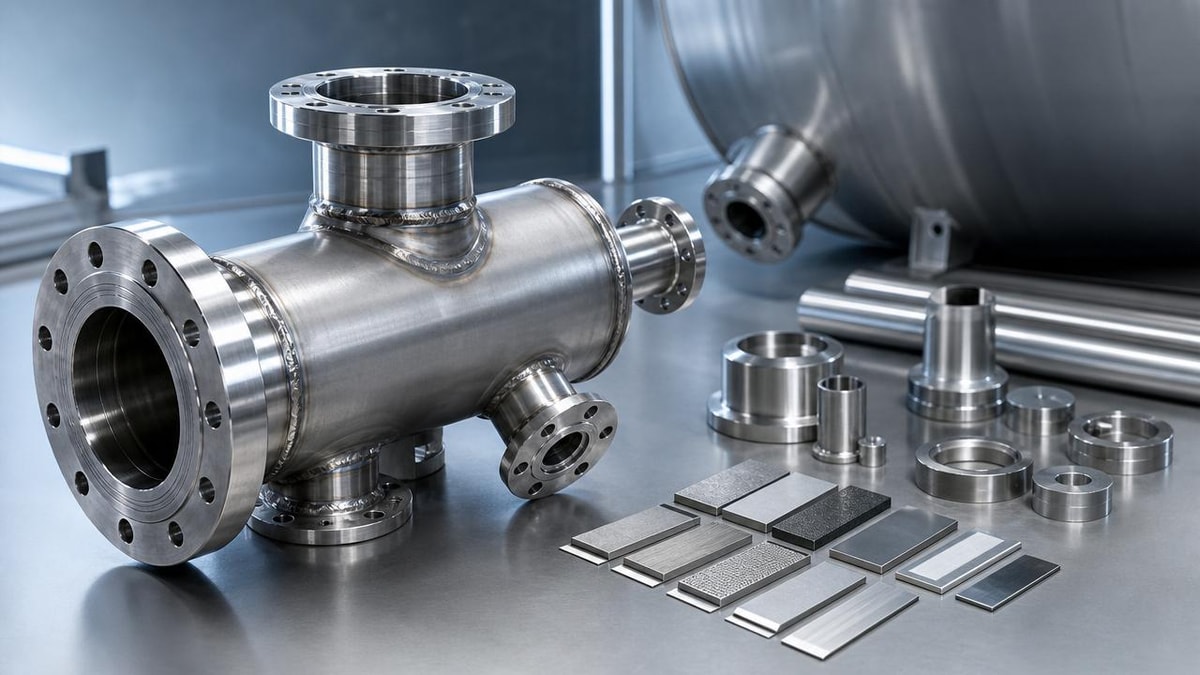
In practical terms, custom metal fabrication for oil and gas refers to the engineered production of parts, assemblies, and structural components designed for specific pressure, temperature, corrosion, and mechanical load conditions. Unlike standard industrial fabrication, oil and gas work rarely succeeds with generic assumptions. Components may operate in sour service, offshore salt exposure, high-vibration skids, abrasive slurry lines, cryogenic processing units, or high-temperature refining systems. Each environment changes what “fit for purpose” really means.
This is why technical evaluation cannot stop at dimensional accuracy or shop capability. The real question is whether the fabrication partner understands metallurgy, weld procedures, inspection scope, surface treatment, traceability, and regulatory expectations well enough to prevent mismatch between design intent and field reality. In oil and gas, the wrong alloy, filler metal, heat treatment sequence, or coating system can quietly undermine an otherwise well-made part.
Why the industry pays close attention to material mismatch
Material mismatch becomes expensive because the consequences are layered. The first layer is direct cost: scrap, replacement, retesting, schedule slippage, and field modification. The second layer is operational: reduced uptime, premature corrosion, seal failure, weld cracking, or fatigue in service. The third layer is strategic: damaged reliability metrics, delayed commissioning, audit findings, and lower confidence in the supply base.
For technical evaluators, this matters because fabricated metal components often sit at the intersection of process safety and long-lifecycle performance. A support frame may seem simple until galvanic corrosion appears at dissimilar-metal interfaces. A vessel nozzle may appear compliant until hardness levels exceed sour-service thresholds. A pipe spool may pass visual inspection yet fail because its positive material identification records are incomplete. In other words, the cost of error is not only in fabrication; it expands across installation, operations, maintenance, and compliance.
Where custom metal fabrication for oil and gas usually goes wrong
Most failures do not begin with dramatic defects. They begin with assumptions. A team assumes that stainless steel is automatically corrosion resistant enough. A fabricator assumes that a successful project in general industrial service translates directly into upstream or offshore duty. A buyer assumes the material test certificate tells the whole story. These shortcuts create hidden exposure.
Common mismatch points include incorrect base metal selection, unsuitable weld consumables, uncontrolled heat input, missing post-weld heat treatment, inappropriate machining tolerances for pressure retention, incompatible coatings, and poor traceability between drawings and finished parts. Even when the component is technically “manufactured correctly,” it may still be operationally wrong if the service conditions were not translated into fabrication requirements with enough precision.
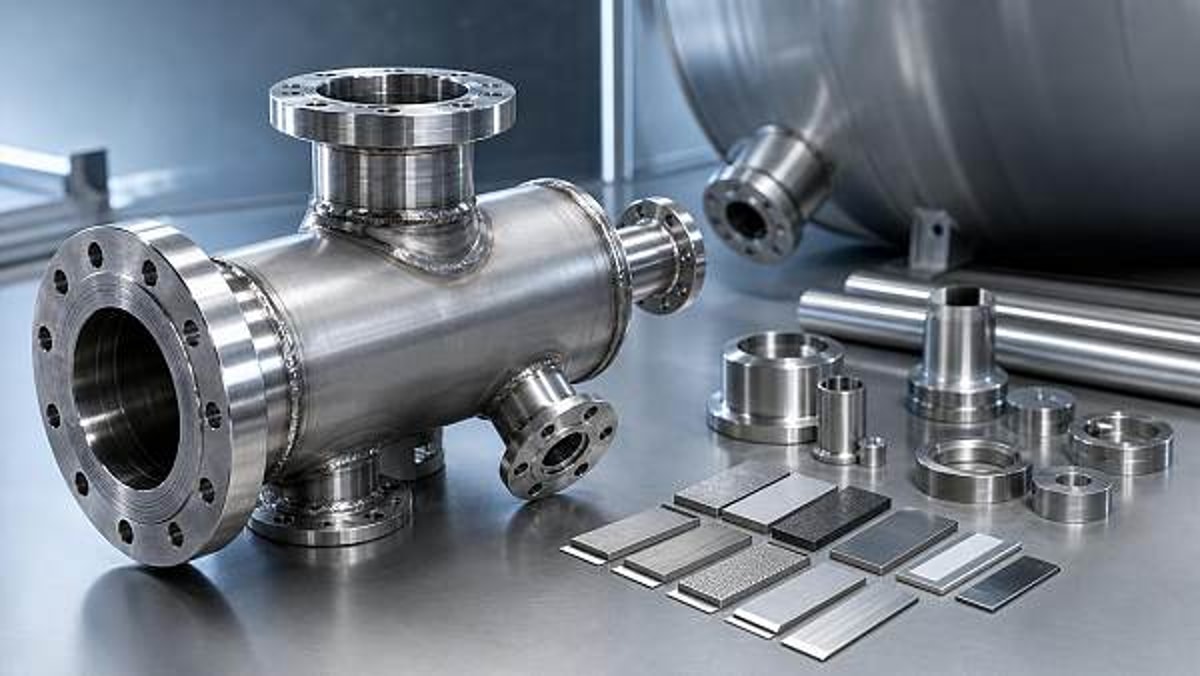
Industry background: why fabrication risk is rising, not falling
Today’s oil and gas environment places more pressure on fabrication quality than in the past. Assets are expected to run longer, operate in harsher environments, and deliver stronger reliability with leaner maintenance budgets. At the same time, projects often involve globalized supply chains, compressed schedules, and stricter documentation demands. This combination increases the risk that a fabrication package looks acceptable on paper while carrying embedded technical gaps.
For platforms such as TradeNexus Pro, which focus on high-authority B2B intelligence, this trend matters because technical evaluators increasingly need decision support that goes beyond vendor claims. Deep topical insight helps procurement directors and engineering teams distinguish between capacity and competence. In custom metal fabrication for oil and gas, a shop’s machine list is less important than its ability to connect standards, service conditions, metallurgy, and inspection into one coherent production system.
A practical overview of high-risk mismatch areas
The table below summarizes where technical evaluators should focus when reviewing custom metal fabrication for oil and gas projects.
Which components are most sensitive to fabrication quality
Not every component carries the same level of exposure. Technical evaluators should prioritize assemblies where failure modes are difficult to detect early or expensive to correct after installation. Pressure-containing equipment leads the list, but many secondary structures also deserve attention because they influence vibration control, alignment, corrosion behavior, and maintainability.
Application value for technical evaluators
For technical evaluators, the value of rigorous review is not simply avoiding defects. It is improving decision quality before costs become locked in. Strong assessment of custom metal fabrication for oil and gas helps teams compare suppliers on meaningful variables: engineering interpretation, specification discipline, inspection readiness, and ability to support lifecycle reliability. This moves evaluation from a transactional exercise to a risk-management function.
A capable fabrication partner can also reduce hidden project friction. Better drawing reviews catch design ambiguities early. Better material controls prevent mixed inventory from entering production. Better documentation supports owner audits, client approvals, and future maintenance planning. In complex energy projects, these benefits often outweigh small differences in piece price because they protect schedule certainty and commissioning confidence.
What to verify before approving a fabrication source
Evaluation should begin with service understanding, not with brochures. Ask whether the fabricator can explain the actual duty conditions of the component: media, pressure cycle, temperature range, corrosion mechanism, inspection class, and expected life. If the answer remains generic, the risk is already visible.
Next, verify technical control points. Review material sourcing and segregation practices. Confirm whether positive material identification is used where needed. Check welding procedure qualification records against project requirements, not against unrelated jobs. Examine the inspection and test plan for realistic hold points. If post-weld heat treatment, hardness testing, ferrite checks, hydrotesting, or coating holiday testing are relevant, they should be reflected clearly rather than added late as reactive measures.
Documentation quality is another strong indicator. In custom metal fabrication for oil and gas, good paperwork is not bureaucracy; it is evidence that the process is controlled. Traceability maps, calibration records, welder continuity logs, dimensional reports, and nonconformance handling all help evaluators distinguish mature suppliers from merely busy ones.
Standards awareness without losing application focus
Codes and standards matter, but technical evaluators should avoid treating them as box-checking substitutes for engineering judgment. ASME, API, ASTM, NACE, ISO, and client-specific specifications establish important boundaries, yet actual field success depends on how those requirements are interpreted and executed. Two suppliers may both claim compliance while delivering very different quality outcomes because one understands the interaction between standard requirements and real service conditions more deeply.
This is especially important in mixed-service environments, where corrosion, fatigue, thermal cycling, and installation constraints interact. A specification-compliant component can still create downstream issues if design details, weld access, drainage, surface finish, or maintenance practicality were poorly addressed during fabrication. The strongest custom metal fabrication for oil and gas programs therefore combine standard compliance with application-specific review.
Practical recommendations for reducing mismatch risk
A practical approach starts with better front-end definition. Translate process conditions into fabrication language early, including corrosion allowance, material grade restrictions, weld acceptance criteria, coating systems, and traceability level. Avoid leaving critical decisions implied. Ambiguity is one of the main drivers of mismatch.
Second, involve technical evaluation before fabrication begins, not only at final inspection. Early review of drawings, bill of materials, welding plans, and inspection checkpoints creates more value than late-stage rejection. Third, treat supplier capability as multidimensional. Capacity, certifications, metallurgy knowledge, documentation discipline, and communication quality should all inform approval decisions. Finally, build feedback from field performance into future sourcing decisions. Repeat failures often trace back to evaluation criteria that were too narrow.
A strategic closing view
Custom metal fabrication for oil and gas is not just a manufacturing activity; it is a reliability decision with long operational consequences. For technical evaluators, the most important insight is simple: expensive failures usually begin with small mismatches that looked acceptable at the time. Better material interpretation, stronger fabrication controls, and closer alignment between specifications and service conditions can prevent those failures before they reach the field.
Organizations that want stronger outcomes should evaluate fabrication partners through an engineering lens, not only a commercial one. That means looking for proven control of materials, welding, inspection, and traceability in the exact environments that matter. In a market shaped by complexity and accountability, informed evaluation is what turns custom metal fabrication for oil and gas from a project risk into a durable operational advantage.
Get weekly intelligence in your inbox.
No noise. No sponsored content. Pure intelligence.
 May 03, 20265 Axis Milling Machines for Automotive: Buy New or Retrofit?5 Axis Milling Machines for Automotive: Buy New or Retrofit?
 May 03, 2026What to Check Before Sourcing OEM Machined Parts from IndiaWhat to Check Before Sourcing OEM Machined Parts from India
 May 03, 2026Why Sheet Metal Bending Machine Price Varies So MuchWhy Sheet Metal Bending Machine Price Varies So Much
 May 03, 2026Plastic Injection Molding Process Guide for Common Defect ControlPlastic Injection Molding Process Guide for Common Defect Control
 May 03, 2026Smart Manufacturing Technology Trends Reshaping Factory UpgradesSmart Manufacturing Technology Trends Reshaping Factory Upgrades
 May 03, 2026Automotive Die Casting Parts and the Hidden Cost of PorosityAutomotive Die Casting Parts and the Hidden Cost of Porosity
 May 03, 2026Assembly Line Robots: Flexibility Can Matter More Than SpeedAssembly Line Robots: Flexibility Can Matter More Than Speed
 May 03, 2026Smart Manufacturing in Energy: Which Upgrades Pay Back FasterSmart Manufacturing in Energy: Which Upgrades Pay Back Faster
 May 03, 2026Why Robotics Integration Fails After a Successful DemoWhy Robotics Integration Fails After a Successful Demo
 May 03, 2026How to Spot a Reliable Precision Components ManufacturerHow to Spot a Reliable Precision Components Manufacturer
 May 03, 2026Sheet Metal Bending Machine Specifications That Affect AccuracySheet Metal Bending Machine Specifications That Affect Accuracy
 May 03, 2026Oil and Gas Fabrication: Where Material Mismatch Gets ExpensiveOil and Gas Fabrication: Where Material Mismatch Gets Expensive
 May 03, 2026Construction Fabrication Delays Often Start at the Drawing StageConstruction Fabrication Delays Often Start at the Drawing Stage
 May 03, 2026Industrial Robotics Maintenance Guide for Fewer Surprise StopsIndustrial Robotics Maintenance Guide for Fewer Surprise Stops
 May 03, 2026Smart Manufacturing Technology Benefits Beyond Labor SavingsSmart Manufacturing Technology Benefits Beyond Labor Savings
 May 03, 2026Defense Components Need More Than Tight TolerancesDefense Components Need More Than Tight Tolerances
 May 03, 2026How to Vet a Die Casting Parts Supplier in MexicoHow to Vet a Die Casting Parts Supplier in Mexico
 May 03, 2026Food Processing Automation Systems and the Cost of DowntimeFood Processing Automation Systems and the Cost of Downtime
 May 03, 20265 Axis Milling for Aerospace: When Extra Precision Is Worth It5 Axis Milling for Aerospace: When Extra Precision Is Worth It
 May 03, 2026How OEM Medical Equipment Parts Affect Validation TimelinesHow OEM Medical Equipment Parts Affect Validation Timelines
 May 03, 2026Packaging Robotics Integration Problems That Slow CommissioningPackaging Robotics Integration Problems That Slow Commissioning
 May 03, 2026What Causes Rework in OEM Aerospace Machined PartsWhat Causes Rework in OEM Aerospace Machined Parts
 May 03, 2026Choosing Sheet Metal Bending Services in Europe Without DelaysChoosing Sheet Metal Bending Services in Europe Without Delays
 May 03, 2026Die Casting Parts for Electronics: Tolerance or Heat Control?Die Casting Parts for Electronics: Tolerance or Heat Control?
 May 03, 2026Marine Metal Fabrication Mistakes That Raise Corrosion RiskMarine Metal Fabrication Mistakes That Raise Corrosion Risk
 May 03, 2026When Welding Robots Improve Quality More Than ThroughputWhen Welding Robots Improve Quality More Than Throughput
 May 03, 2026Medical Device Molding Machines: What Specs Matter MostMedical Device Molding Machines: What Specs Matter Most