Why Sheet Metal Bending Machine Price Varies So Much
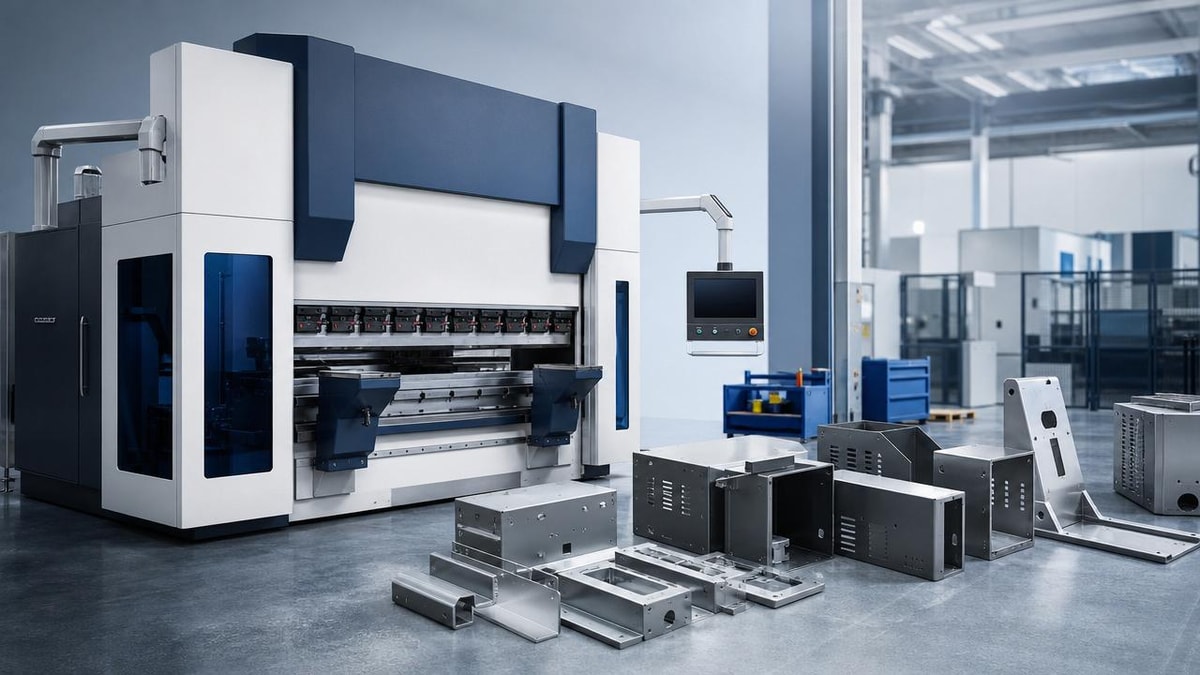
The sheet metal bending machine price can vary dramatically, and for procurement teams, that difference often goes far beyond brand or size. From automation level and bending accuracy to tooling options, material capacity, and after-sales support, every factor affects total value. This guide breaks down what really drives pricing so buyers can compare options more strategically and avoid costly purchasing mistakes.
Why procurement teams should evaluate price with a checklist first
For buyers, the biggest mistake is treating the sheet metal bending machine price as a simple quote comparison. Two machines may look similar on paper yet differ sharply in throughput, repeatability, software capability, energy use, installation scope, and service obligations. A lower upfront number can become the more expensive option once downtime, operator training, tooling replacement, and maintenance response times are included.
That is why a checklist-based approach matters. It helps procurement teams separate cosmetic differences from cost-driving technical factors, compare bids on equal terms, and align purchasing decisions with production goals. In sectors connected to advanced manufacturing, supply chain resilience, and export competitiveness, the right evaluation method reduces both capital waste and operational risk.
Start with the five pricing questions that shape every quote
Before comparing suppliers, confirm these five questions internally. They usually determine whether the sheet metal bending machine price lands in an entry, mid-range, or premium band.
- What material types and thicknesses will be processed most often? Mild steel, stainless steel, and aluminum create different tonnage and tooling requirements.
- What bending length is required? Longer beds and higher tonnage typically raise the sheet metal bending machine price substantially.
- How complex are the parts? Multi-bend parts, tight tolerances, and short batch runs often justify CNC controls, backgauge sophistication, and automation.
- What is the expected production volume? Low-volume fabrication may not need advanced automation, while continuous production often does.
- How important are uptime and service response? Fast support, spare parts availability, and remote diagnostics add cost but reduce business interruption.
If these answers are unclear, quotes will be inconsistent, and the final sheet metal bending machine price comparison will be misleading.
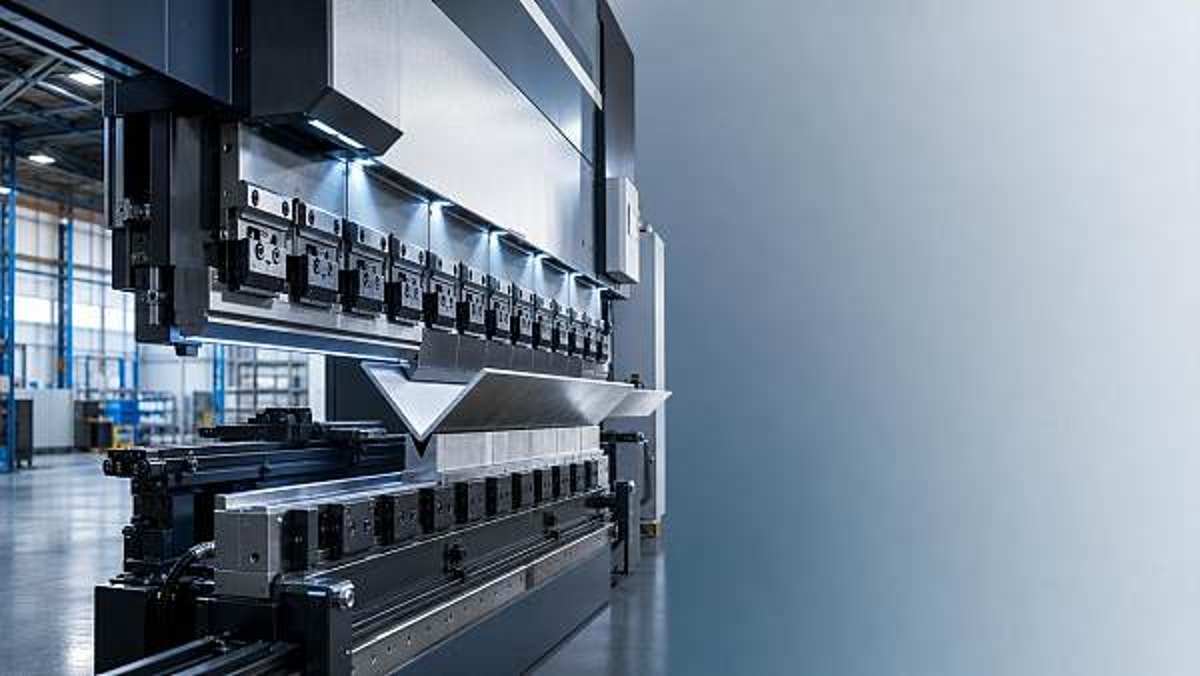
Core checklist: the factors that most directly affect sheet metal bending machine price
1. Machine type and drive technology
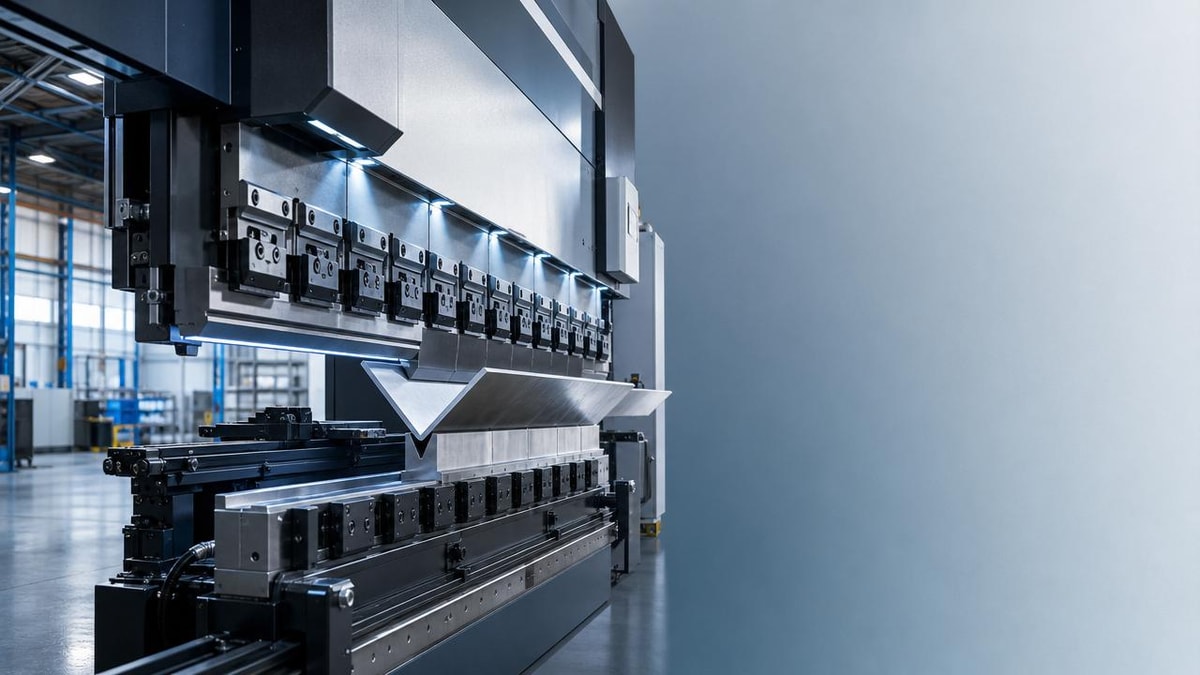
Hydraulic, electric, and hybrid machines are priced differently because they deliver different operating profiles. Hydraulic models are often more affordable at the entry level and widely used for general fabrication. Electric press brakes usually carry a higher sheet metal bending machine price because they offer energy efficiency, cleaner operation, faster cycle times, and high positional control. Hybrid systems sit between the two, balancing performance and operating cost.
2. Tonnage and bending length
This is one of the most obvious cost drivers. Higher tonnage means stronger frames, larger cylinders or motors, and more robust structural design. Longer bending lengths increase machine footprint, transport complexity, and installation demands. Procurement teams should avoid buying excessive capacity “just in case,” because overspecification can inflate the sheet metal bending machine price without generating return.
3. Accuracy, repeatability, and crowning systems
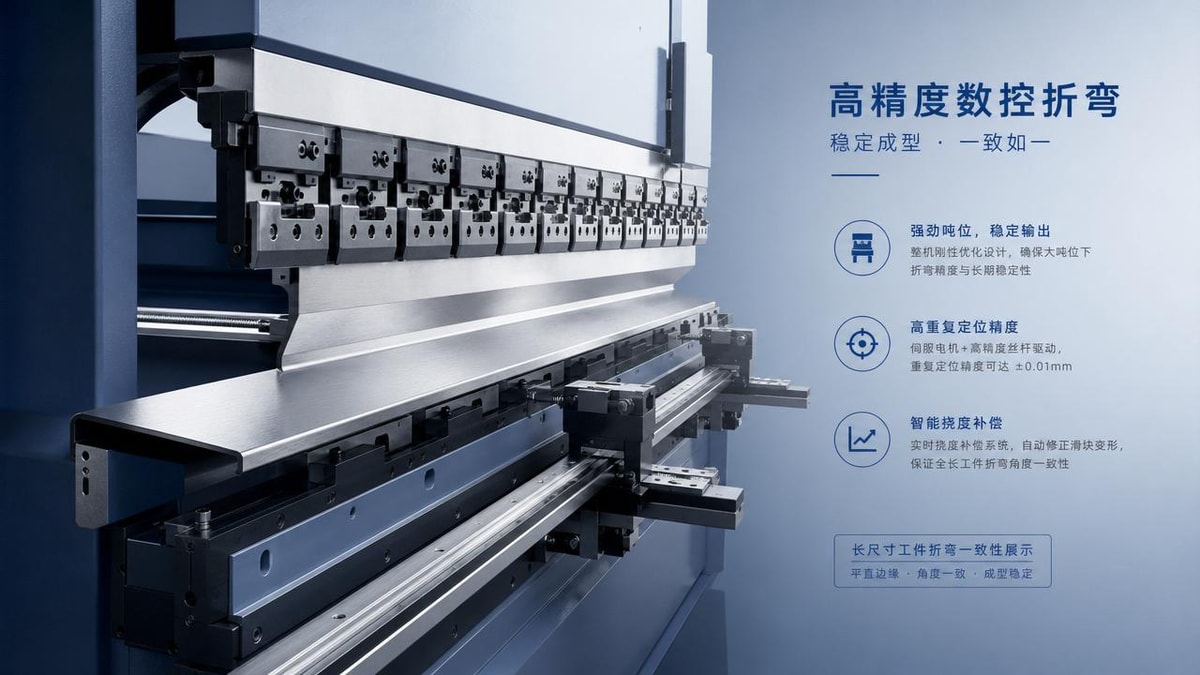
Machines designed for tighter tolerances usually cost more. Price rises when suppliers include advanced CNC compensation, mechanical or hydraulic crowning, precision linear guides, and closed-loop feedback systems. If your parts require consistent angles across long runs or frequent stainless work, these features can justify a higher sheet metal bending machine price through reduced scrap and rework.
4. CNC controller and software capability
The control system has a major influence on both usability and cost. Basic controllers support simple bend sequences, while advanced systems include 2D or 3D simulation, offline programming, tooling libraries, collision detection, production memory, and ERP or MES integration. A sophisticated software environment increases the sheet metal bending machine price, but it can shorten setup time and reduce dependency on highly experienced operators.
5. Backgauge configuration and axis count
A simple backgauge is less expensive than a multi-axis system. More axes improve positioning flexibility for complex parts, but they also increase component count, software requirements, and calibration needs. Buyers should match axis configuration to actual product geometry rather than assuming more axes automatically mean better value.
6. Tooling package and clamping system
Many procurement teams underestimate how strongly tooling affects total project cost. The quoted sheet metal bending machine price may include only a basic punch and die set, or it may cover segmented tooling, quick clamps, specialty dies, and premium hardened tools. If your production involves varied bend radii, short changeover windows, or frequent material shifts, tooling can materially change the economic picture.
7. Automation level
Manual loading, robotic handling, sheet followers, angle measurement systems, and automatic tool changers all raise the sheet metal bending machine price. However, these additions can dramatically improve consistency and labor efficiency in medium- to high-volume environments. The key question is not whether automation is impressive, but whether it fits labor availability, throughput targets, and payback expectations.
8. Brand reputation and manufacturing quality
Established brands often command a premium due to better engineering consistency, stronger export documentation, broader service networks, and higher resale value. Lesser-known manufacturers may offer a lower sheet metal bending machine price, but procurement should verify frame construction, component sourcing, electrical compliance, and machine testing standards before assuming the discount is real value.
A practical comparison table buyers can use
Use the table below to compare quotes on a like-for-like basis. It helps explain why one sheet metal bending machine price can be far above another.
Different buying scenarios require different price logic
Job shops and custom fabricators
These buyers often need flexibility more than maximum speed. The best sheet metal bending machine price decision may favor versatile tooling, intuitive programming, and quick setup over full automation. Wide part variety usually makes software and changeover efficiency more valuable than absolute tonnage.
High-volume manufacturers
For repetitive production, a higher sheet metal bending machine price can be justified by labor savings, lower scrap rates, and more stable throughput. Buyers in automotive components, appliance enclosures, green energy structures, or electronics housings should focus on cycle consistency, uptime, and integration capability.
Export-oriented suppliers
If customer audits, compliance records, and dimensional consistency matter, procurement should consider documentation quality, safety standards, calibration traceability, and service history. In these cases, the lowest sheet metal bending machine price may create hidden risks in certification and delivery performance.
Common hidden costs that distort the quoted price
A quote can look attractive until non-obvious costs appear. Procurement teams should check these items before making any final decision.
- Freight, rigging, and installation charges, especially for heavy machines or cross-border delivery.
- Electrical preparation, foundation work, compressed air requirements, and facility modifications.
- Operator training, programming training, and production ramp-up support.
- Software licensing, updates, and module activation fees.
- Tooling replenishment, special dies, and consumable wear items.
- Lead time risk, especially if spare parts are imported or custom-built.
- Warranty exclusions covering hydraulic components, CNC systems, or labor.
When buyers ignore these factors, the apparent sheet metal bending machine price can be far lower than the actual landed and operational cost.
Execution checklist: what to prepare before requesting final quotations
- Prepare a part mix summary including material grade, thickness range, bend length, tolerance expectations, and monthly volume.
- Define whether your priority is low capital spend, fast payback, high accuracy, labor reduction, or export-quality consistency.
- Request a fully itemized quotation that separates machine base price, tooling, software, freight, installation, training, and optional automation.
- Ask for cycle-time estimates and setup-time assumptions using your own representative parts.
- Verify service reach, spare parts stock policy, and average response time in your operating region.
- Check electrical standards, safety compliance, and documentation requirements for your plant or export market.
- Compare expected total cost of ownership over three to five years, not just the initial sheet metal bending machine price.
FAQ for procurement teams comparing sheet metal bending machine price
Is the cheapest machine always risky?
Not always, but low pricing should trigger deeper verification. Check frame quality, key component brands, controller stability, acceptance testing, and service support before approving the purchase.
When is a higher sheet metal bending machine price justified?
It is justified when the machine reduces labor dependence, shortens setup time, improves first-pass yield, supports complex parts, or protects delivery performance. The premium must connect to measurable business outcomes.
Should buyers prioritize machine price or total cost of ownership?
For most industrial buyers, total cost of ownership is the better benchmark. Energy use, serviceability, tooling life, software efficiency, and downtime exposure often matter more over time than the purchase price alone.
Final buying guidance for a smarter decision
The wide spread in sheet metal bending machine price is not random. It reflects real differences in capacity, control sophistication, tooling scope, automation, precision, and supplier support. Procurement teams that rely only on headline pricing often miss the factors that determine output quality and operating cost.
A better approach is to evaluate every quote against a structured checklist: part requirements, tonnage, software, tooling, service, installation scope, and long-term ownership cost. If your team needs to move forward, the most useful next step is to prepare sample part data, target volumes, tolerance requirements, plant utility conditions, and expected support level. With that information, suppliers can provide a more accurate sheet metal bending machine price and a solution that actually fits your production goals.
Get weekly intelligence in your inbox.
No noise. No sponsored content. Pure intelligence.
 May 03, 20265 Axis Milling Machines for Automotive: Buy New or Retrofit?5 Axis Milling Machines for Automotive: Buy New or Retrofit?
 May 03, 2026What to Check Before Sourcing OEM Machined Parts from IndiaWhat to Check Before Sourcing OEM Machined Parts from India
 May 03, 2026Why Sheet Metal Bending Machine Price Varies So MuchWhy Sheet Metal Bending Machine Price Varies So Much
 May 03, 2026Plastic Injection Molding Process Guide for Common Defect ControlPlastic Injection Molding Process Guide for Common Defect Control
 May 03, 2026Smart Manufacturing Technology Trends Reshaping Factory UpgradesSmart Manufacturing Technology Trends Reshaping Factory Upgrades
 May 03, 2026Automotive Die Casting Parts and the Hidden Cost of PorosityAutomotive Die Casting Parts and the Hidden Cost of Porosity
 May 03, 2026Assembly Line Robots: Flexibility Can Matter More Than SpeedAssembly Line Robots: Flexibility Can Matter More Than Speed
 May 03, 2026Smart Manufacturing in Energy: Which Upgrades Pay Back FasterSmart Manufacturing in Energy: Which Upgrades Pay Back Faster
 May 03, 2026Why Robotics Integration Fails After a Successful DemoWhy Robotics Integration Fails After a Successful Demo
 May 03, 2026How to Spot a Reliable Precision Components ManufacturerHow to Spot a Reliable Precision Components Manufacturer
 May 03, 2026Sheet Metal Bending Machine Specifications That Affect AccuracySheet Metal Bending Machine Specifications That Affect Accuracy
 May 03, 2026Oil and Gas Fabrication: Where Material Mismatch Gets ExpensiveOil and Gas Fabrication: Where Material Mismatch Gets Expensive
 May 03, 2026Construction Fabrication Delays Often Start at the Drawing StageConstruction Fabrication Delays Often Start at the Drawing Stage
 May 03, 2026Industrial Robotics Maintenance Guide for Fewer Surprise StopsIndustrial Robotics Maintenance Guide for Fewer Surprise Stops
 May 03, 2026Smart Manufacturing Technology Benefits Beyond Labor SavingsSmart Manufacturing Technology Benefits Beyond Labor Savings
 May 03, 2026Defense Components Need More Than Tight TolerancesDefense Components Need More Than Tight Tolerances
 May 03, 2026How to Vet a Die Casting Parts Supplier in MexicoHow to Vet a Die Casting Parts Supplier in Mexico
 May 03, 2026Food Processing Automation Systems and the Cost of DowntimeFood Processing Automation Systems and the Cost of Downtime
 May 03, 20265 Axis Milling for Aerospace: When Extra Precision Is Worth It5 Axis Milling for Aerospace: When Extra Precision Is Worth It
 May 03, 2026How OEM Medical Equipment Parts Affect Validation TimelinesHow OEM Medical Equipment Parts Affect Validation Timelines
 May 03, 2026Packaging Robotics Integration Problems That Slow CommissioningPackaging Robotics Integration Problems That Slow Commissioning
 May 03, 2026What Causes Rework in OEM Aerospace Machined PartsWhat Causes Rework in OEM Aerospace Machined Parts
 May 03, 2026Choosing Sheet Metal Bending Services in Europe Without DelaysChoosing Sheet Metal Bending Services in Europe Without Delays
 May 03, 2026Die Casting Parts for Electronics: Tolerance or Heat Control?Die Casting Parts for Electronics: Tolerance or Heat Control?
 May 03, 2026Marine Metal Fabrication Mistakes That Raise Corrosion RiskMarine Metal Fabrication Mistakes That Raise Corrosion Risk
 May 03, 2026When Welding Robots Improve Quality More Than ThroughputWhen Welding Robots Improve Quality More Than Throughput
 May 03, 2026Medical Device Molding Machines: What Specs Matter MostMedical Device Molding Machines: What Specs Matter Most