Why Robotics Integration Fails After a Successful Demo
A flawless pilot often masks the real barriers to factory automation robotics integration. Once deployment moves beyond the demo cell, issues like legacy systems, process variation, workforce readiness, and unclear ROI can quickly derail results. For enterprise decision-makers, understanding why robotics integration fails after early success is the first step toward scaling automation with confidence.
Why scenario differences matter more than the demo itself
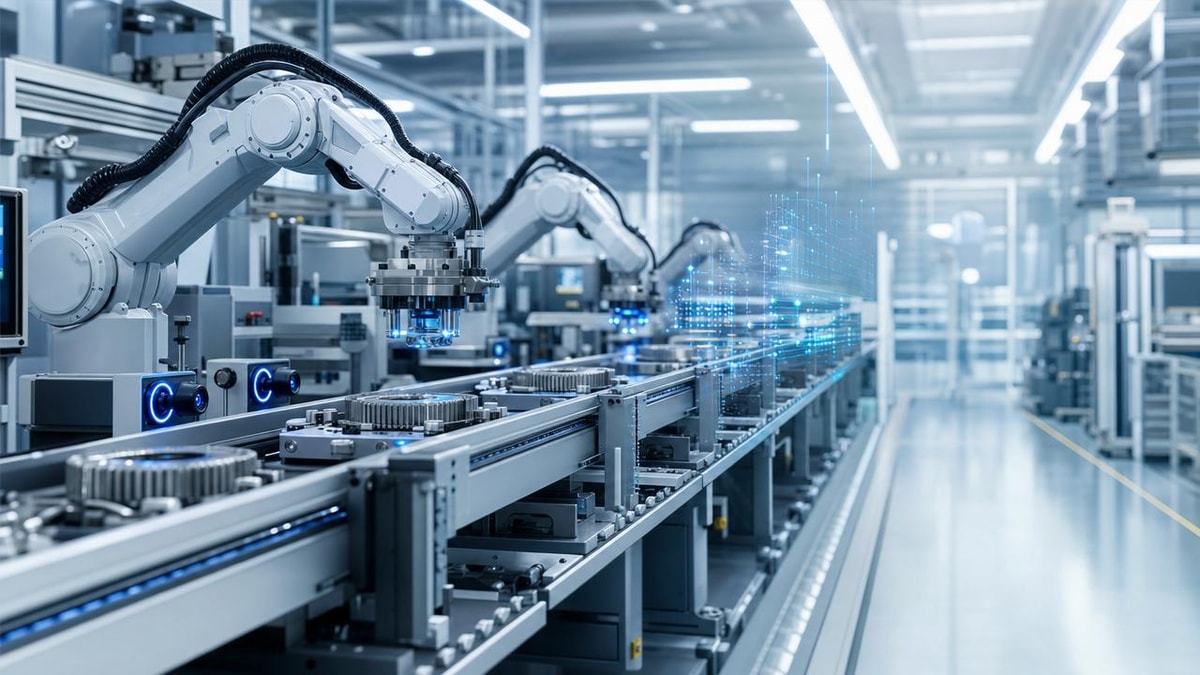
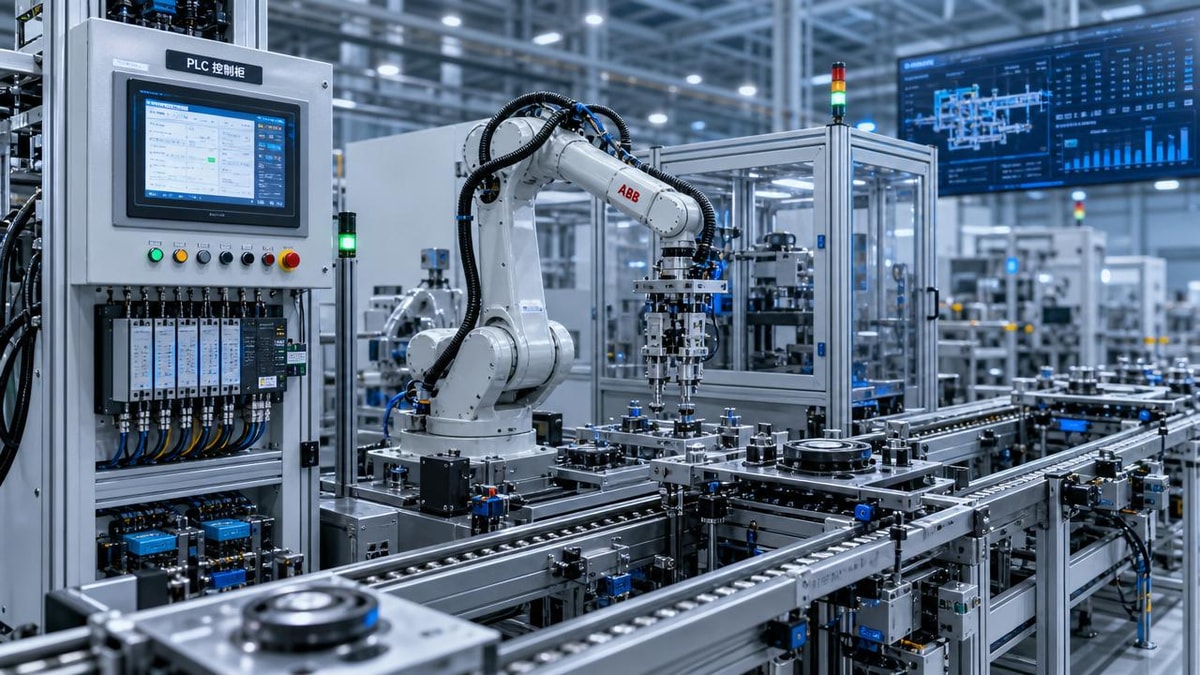
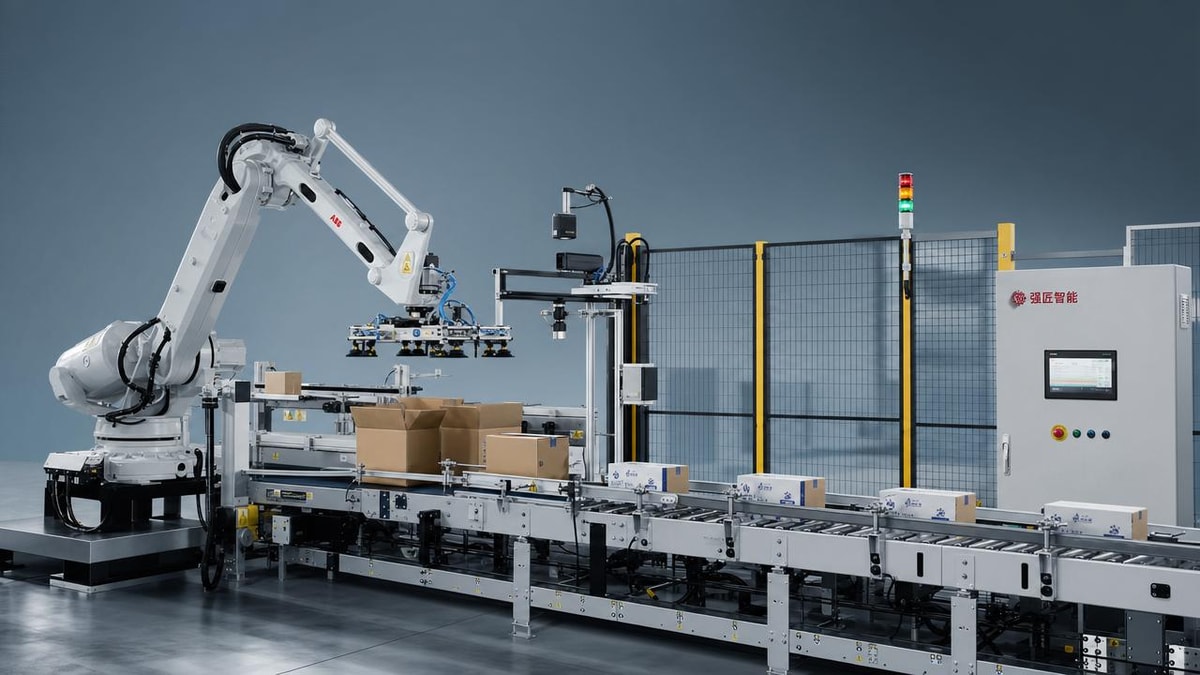
In boardrooms and plant reviews, a successful demo is often treated as proof that robotics is ready for production. In reality, the pilot usually operates in a controlled environment: clean parts, stable cycle times, dedicated engineering attention, and limited variability. That is why factory automation robotics integration can appear simple during evaluation and then become difficult during rollout.
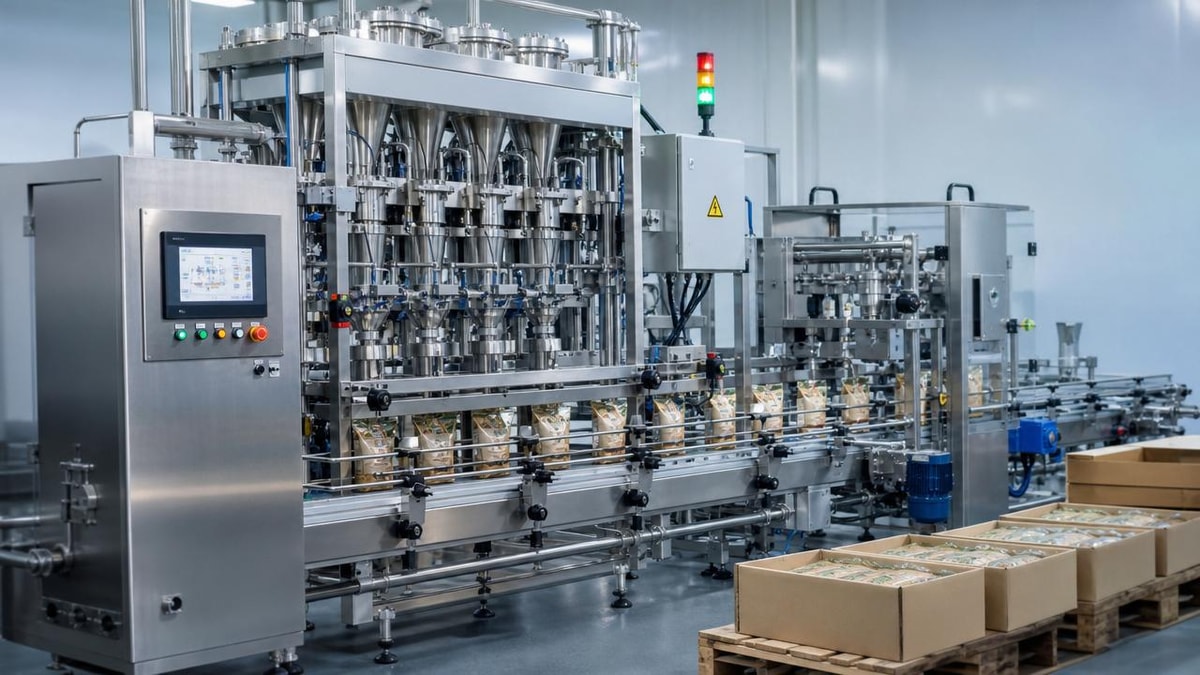
For enterprise decision-makers, the real question is not whether a robot can complete a task once. The better question is whether the full production scenario can support repeatable performance across shifts, product mixes, upstream and downstream systems, maintenance routines, and operator behavior. A welding cell, a pick-and-place line, a packaging station, and a healthcare device assembly operation all present different integration demands. What works in one application may fail in another because the surrounding process, not the robot, determines success.
This is especially relevant in advanced manufacturing and supply chain-driven operations, where even small disruptions can affect throughput, quality, labor planning, and customer commitments. The most common post-demo failures happen when companies buy around the robot and underinvest in the system conditions required for scale.
The common business scenarios where integration breaks down
Factory automation robotics integration tends to fail after a strong pilot in a few repeatable business scenarios. Each has a different risk profile, and each requires a different due diligence approach.
Scenario 1: High-mix, low-volume production
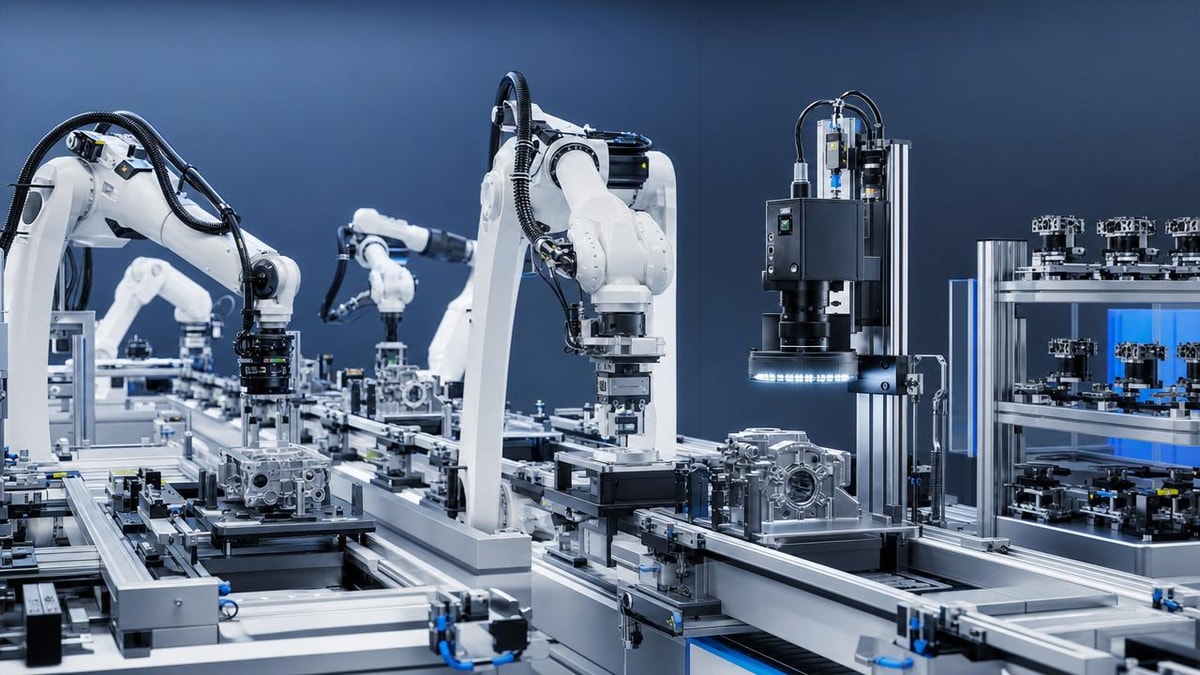
In a demo, integrators often use one product type with consistent dimensions and predictable handling conditions. But many factories run frequent SKU changes, engineering revisions, or customer-specific configurations. In these settings, tooling changes, vision calibration, and recipe management become the real bottlenecks. The robot may be technically capable, yet production teams lose time to reconfiguration and troubleshooting.
Scenario 2: Legacy equipment environments
A robot cell can perform well on a stand-alone basis and still fail once connected to older conveyors, PLCs, MES platforms, or proprietary machine interfaces. Legacy environments introduce communication gaps, data inconsistency, and weak synchronization between assets. The deployment stalls not because robotics lacks value, but because factory automation robotics integration depends on system interoperability that was never fully validated during the demo.
Scenario 3: Labor-constrained plants with low change capacity
Some sites choose automation because staffing is tight, yet those same labor shortages make implementation harder. If there are too few technicians, supervisors, or process engineers to own the transition, the system becomes dependent on external support. A pilot can succeed with vendor specialists on-site, while production rollout fails because internal ownership never matures.
Scenario 4: Quality-critical operations
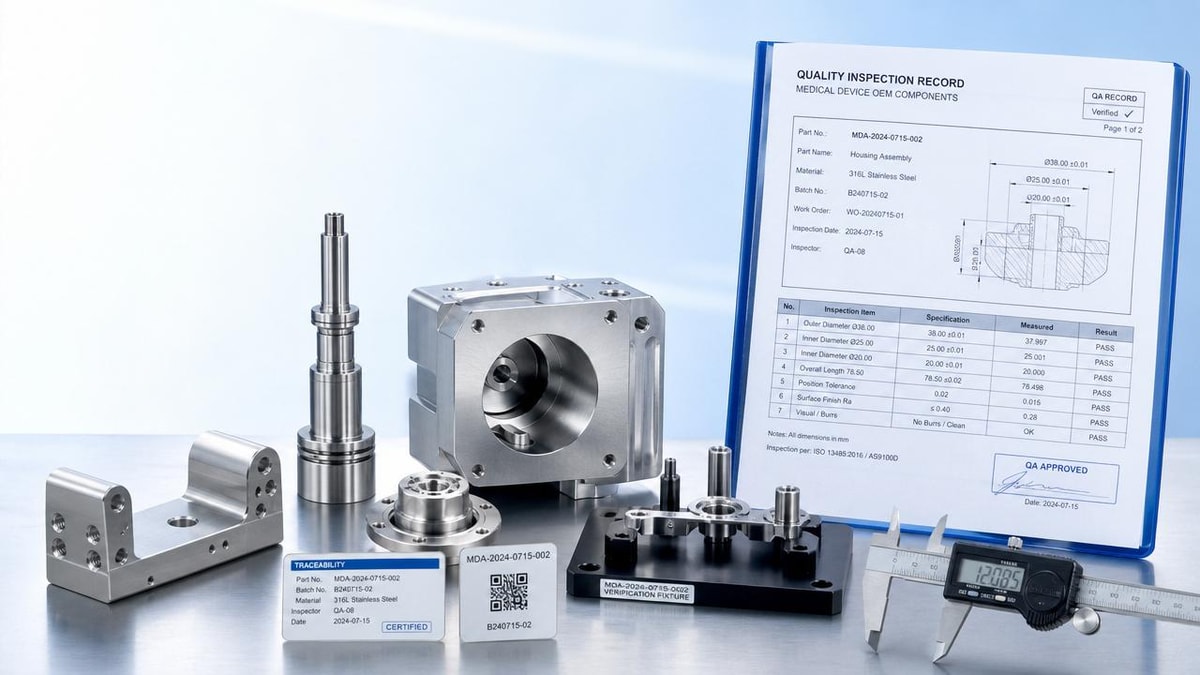
In sectors such as healthcare technology, smart electronics, or precision assembly, the margin for process deviation is narrow. A demo may show speed and repeatability, but production requires traceability, validation, compliance documentation, and controlled exception handling. The integration challenge shifts from motion control to quality governance.
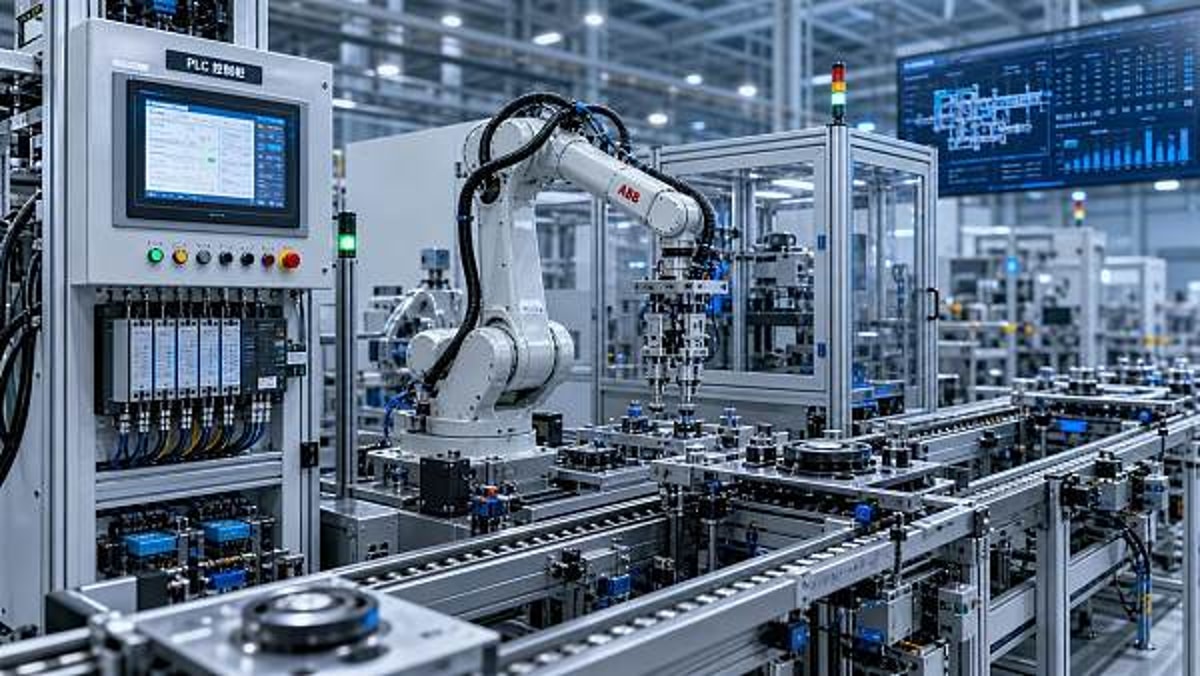
A practical comparison of deployment scenarios
Before approving capital expenditure, leaders should compare the demo conditions with the actual production environment. The table below highlights where factory automation robotics integration risk typically changes by scenario.
The hidden causes behind post-demo failure
Process variation was underestimated
Most demos prove capability under average conditions. Production exposes edge cases: bent parts, inconsistent infeed, packaging variability, upstream stoppages, and operator workarounds. If the automation concept has not been tested against variation, factory automation robotics integration becomes fragile. Throughput targets then depend on perfect inputs, which factories rarely have.
The business case focused on labor only
A narrow ROI model is another reason deployments disappoint. Leaders may approve automation based on headcount reduction assumptions, but actual value often depends on scrap reduction, uptime improvement, safer operations, better data capture, or expanded capacity. If none of these are measured, the project can look financially weak even when operational benefits exist. Good factory automation robotics integration needs a multi-variable ROI case tied to site realities.
Integration ownership was unclear
When engineering, IT, production, quality, and procurement each assume someone else owns the outcome, execution slows. This is common in cross-functional automation programs. The robot vendor may handle mechanical integration, but no one governs data flows, change control, spare parts strategy, or user acceptance. After the demo, the project enters a gray zone and momentum disappears.
Workforce readiness lagged behind technical readiness
A system can be technically sound and still fail because frontline teams were not prepared. Operators need clear escalation rules. Maintenance teams need diagnostic access. Supervisors need revised staffing logic. Without that operational adaptation, even strong factory automation robotics integration ends up underused or bypassed.
How needs differ by enterprise type and operating model
Not every business should evaluate automation in the same way. A multinational with centralized engineering resources can absorb more integration complexity than a mid-sized manufacturer with one overstretched plant team. Likewise, a greenfield facility can design robotics into the process, while a brownfield site must fit automation into existing constraints.
For large enterprises
The main risk is scaling inconsistency across sites. One factory may succeed while another struggles because standards, data architecture, and supplier governance vary. Large organizations should emphasize platform-level standards, replicable cell design, cybersecurity review, and cross-site KPI definitions.
For mid-market manufacturers
The biggest concern is resource depth. A compelling pilot may consume most available engineering bandwidth. Mid-sized firms should prioritize simpler use cases, stronger vendor support commitments, and maintainability over technical sophistication. In these settings, the best factory automation robotics integration plan is often the one the internal team can actually sustain.
For regulated or quality-sensitive sectors
Decision criteria should include validation effort, auditability, process change control, and documentation burden. Here, a slower deployment with stronger governance may outperform a fast rollout built around demo excitement.
What to confirm before moving from pilot to plant-wide rollout
To improve the odds of successful factory automation robotics integration, decision-makers should require a scenario-based review rather than a technology-only review. The most important checkpoints include:
- Whether the pilot tested normal variation, not just ideal conditions
- Whether upstream and downstream systems were included in integration validation
- Whether changeovers, exceptions, and downtime recovery were mapped in detail
- Whether internal teams can operate, maintain, and improve the system without constant external intervention
- Whether ROI assumptions include quality, capacity, utilization, and risk reduction factors
- Whether there is a governance model for ownership across engineering, operations, IT, and quality
These checks are not administrative overhead. They are what separates a successful proof of concept from a durable production system.
Common scenario misjudgments that distort investment decisions
Several errors appear again and again in automation programs. Leaders assume one site’s success can be copied without adjustment. They treat robot utilization as the same thing as line performance. They underestimate the effect of product variation. Or they buy advanced capability for a process that mainly needs standardization first.
Another common misjudgment is assuming that integrator expertise alone can compensate for weak internal process discipline. It cannot. If work instructions are inconsistent, maintenance response is reactive, or quality thresholds are loosely enforced, factory automation robotics integration will expose those weaknesses faster, not hide them.
FAQ: decision-maker questions about factory automation robotics integration
Does a successful demo mean the technology is proven?
It proves task feasibility, not deployment readiness. Production readiness depends on integration with real materials, real operators, real data systems, and real variation.
Which scenarios are most likely to struggle after pilot success?
High-mix operations, legacy equipment environments, quality-regulated lines, and plants with weak technical staffing face the highest risk unless the rollout plan is adapted to those conditions.
What is the best early warning sign of failure?
If the project team cannot clearly explain ownership, exception handling, and support responsibilities after go-live, the integration is vulnerable even if the demo performance looked excellent.
Moving from impressive pilots to scalable automation
The failure of factory automation robotics integration after a successful demo is rarely caused by robotics alone. It is usually the result of a mismatch between the pilot scenario and the operating reality. For enterprise leaders, the smartest path is to evaluate automation through the lens of use case fit, site readiness, system interoperability, and workforce capability.
Organizations that make better decisions do not ask only, “Did the robot work?” They ask, “In our exact scenario, under our constraints, with our people and systems, can this solution scale reliably?” That shift in judgment is what turns automation from a promising demo into a dependable business asset. For companies tracking the future of advanced manufacturing through trusted B2B intelligence sources such as TradeNexus Pro, that scenario-based discipline is becoming the real competitive advantage.
Get weekly intelligence in your inbox.
No noise. No sponsored content. Pure intelligence.
 May 03, 20265 Axis Milling Machines for Automotive: Buy New or Retrofit?5 Axis Milling Machines for Automotive: Buy New or Retrofit?
 May 03, 2026What to Check Before Sourcing OEM Machined Parts from IndiaWhat to Check Before Sourcing OEM Machined Parts from India
 May 03, 2026Why Sheet Metal Bending Machine Price Varies So MuchWhy Sheet Metal Bending Machine Price Varies So Much
 May 03, 2026Plastic Injection Molding Process Guide for Common Defect ControlPlastic Injection Molding Process Guide for Common Defect Control
 May 03, 2026Smart Manufacturing Technology Trends Reshaping Factory UpgradesSmart Manufacturing Technology Trends Reshaping Factory Upgrades
 May 03, 2026Automotive Die Casting Parts and the Hidden Cost of PorosityAutomotive Die Casting Parts and the Hidden Cost of Porosity
 May 03, 2026Assembly Line Robots: Flexibility Can Matter More Than SpeedAssembly Line Robots: Flexibility Can Matter More Than Speed
 May 03, 2026Smart Manufacturing in Energy: Which Upgrades Pay Back FasterSmart Manufacturing in Energy: Which Upgrades Pay Back Faster
 May 03, 2026Why Robotics Integration Fails After a Successful DemoWhy Robotics Integration Fails After a Successful Demo
 May 03, 2026How to Spot a Reliable Precision Components ManufacturerHow to Spot a Reliable Precision Components Manufacturer
 May 03, 2026Sheet Metal Bending Machine Specifications That Affect AccuracySheet Metal Bending Machine Specifications That Affect Accuracy
 May 03, 2026Oil and Gas Fabrication: Where Material Mismatch Gets ExpensiveOil and Gas Fabrication: Where Material Mismatch Gets Expensive
 May 03, 2026Construction Fabrication Delays Often Start at the Drawing StageConstruction Fabrication Delays Often Start at the Drawing Stage
 May 03, 2026Industrial Robotics Maintenance Guide for Fewer Surprise StopsIndustrial Robotics Maintenance Guide for Fewer Surprise Stops
 May 03, 2026Smart Manufacturing Technology Benefits Beyond Labor SavingsSmart Manufacturing Technology Benefits Beyond Labor Savings
 May 03, 2026Defense Components Need More Than Tight TolerancesDefense Components Need More Than Tight Tolerances
 May 03, 2026How to Vet a Die Casting Parts Supplier in MexicoHow to Vet a Die Casting Parts Supplier in Mexico
 May 03, 2026Food Processing Automation Systems and the Cost of DowntimeFood Processing Automation Systems and the Cost of Downtime
 May 03, 20265 Axis Milling for Aerospace: When Extra Precision Is Worth It5 Axis Milling for Aerospace: When Extra Precision Is Worth It
 May 03, 2026How OEM Medical Equipment Parts Affect Validation TimelinesHow OEM Medical Equipment Parts Affect Validation Timelines
 May 03, 2026Packaging Robotics Integration Problems That Slow CommissioningPackaging Robotics Integration Problems That Slow Commissioning
 May 03, 2026What Causes Rework in OEM Aerospace Machined PartsWhat Causes Rework in OEM Aerospace Machined Parts
 May 03, 2026Choosing Sheet Metal Bending Services in Europe Without DelaysChoosing Sheet Metal Bending Services in Europe Without Delays
 May 03, 2026Die Casting Parts for Electronics: Tolerance or Heat Control?Die Casting Parts for Electronics: Tolerance or Heat Control?
 May 03, 2026Marine Metal Fabrication Mistakes That Raise Corrosion RiskMarine Metal Fabrication Mistakes That Raise Corrosion Risk
 May 03, 2026When Welding Robots Improve Quality More Than ThroughputWhen Welding Robots Improve Quality More Than Throughput
 May 03, 2026Medical Device Molding Machines: What Specs Matter MostMedical Device Molding Machines: What Specs Matter Most