How to Vet a Die Casting Parts Supplier in Mexico
Choosing the right die casting parts supplier Mexico can directly affect cost, quality consistency, lead times, and supply chain resilience. For business evaluators, a reliable vetting process goes beyond price comparison to include certifications, production capabilities, tooling expertise, communication standards, and export readiness. This guide outlines the key factors to assess before shortlisting a supplier in Mexico.
Why supplier vetting in Mexico matters more now than it did a few years ago
The decision process for selecting a die casting parts supplier Mexico has changed because the market itself has changed. Mexico is no longer viewed only as a lower-cost production alternative. It has become a strategic manufacturing base for North American supply chains, especially in automotive, industrial equipment, smart electronics, and medical-support components. That shift means procurement teams are evaluating suppliers under tighter standards for continuity, traceability, technical depth, and regional logistics alignment.
Several signals explain this shift. First, companies are moving from single-country sourcing models toward nearshoring or dual-sourcing strategies. Second, OEMs and tier suppliers increasingly demand shorter replenishment cycles and stronger engineering collaboration. Third, quality expectations are rising even for mid-volume programs, because buyers want fewer downstream defects, more predictable PPAP support, and smoother change management. As a result, vetting a die casting parts supplier Mexico now requires a more strategic and evidence-based process than a basic quote comparison.
For business evaluators, this means the supplier review should answer three questions at once: can the supplier make the part, can the supplier scale with the program, and can the supplier remain reliable when market conditions change?
The biggest market shifts affecting die casting supplier selection
A useful way to vet any die casting parts supplier Mexico is to start with the broader changes shaping supplier performance. These changes influence what “good” looks like in today’s market and help evaluators avoid outdated selection criteria.
These trend signals matter because a supplier that looked acceptable under older criteria may no longer be a strong fit. A shop with low pricing but weak tooling control, limited APQP discipline, or poor communication can create hidden costs that outweigh any piece-price advantage.
What a strong die casting parts supplier Mexico should demonstrate today
Modern vetting should focus on operational proof, not marketing claims. A capable die casting parts supplier Mexico should be able to show consistency across manufacturing, engineering, quality, and delivery. For evaluators, the most important evidence usually falls into the following areas.
1. Process capability aligned with your part complexity
Start by confirming whether the supplier’s die casting process actually fits your component requirements. Ask what alloys they regularly cast, what machine tonnage range they operate, and whether they support aluminum, zinc, or magnesium programs depending on your application. A supplier experienced in cosmetic housings may not be ideal for pressure-tight industrial parts, and a producer optimized for high-volume automotive work may not be cost-efficient for lower-volume mixed-part programs.
Review examples of similar parts by geometry, wall thickness, dimensional tolerance, porosity control, and secondary operations. Business evaluators should also verify whether the supplier performs machining, trimming, deburring, impregnation, coating, leak testing, or assembly in-house or through stable local partners.
2. Tooling knowledge as a predictor of long-term stability
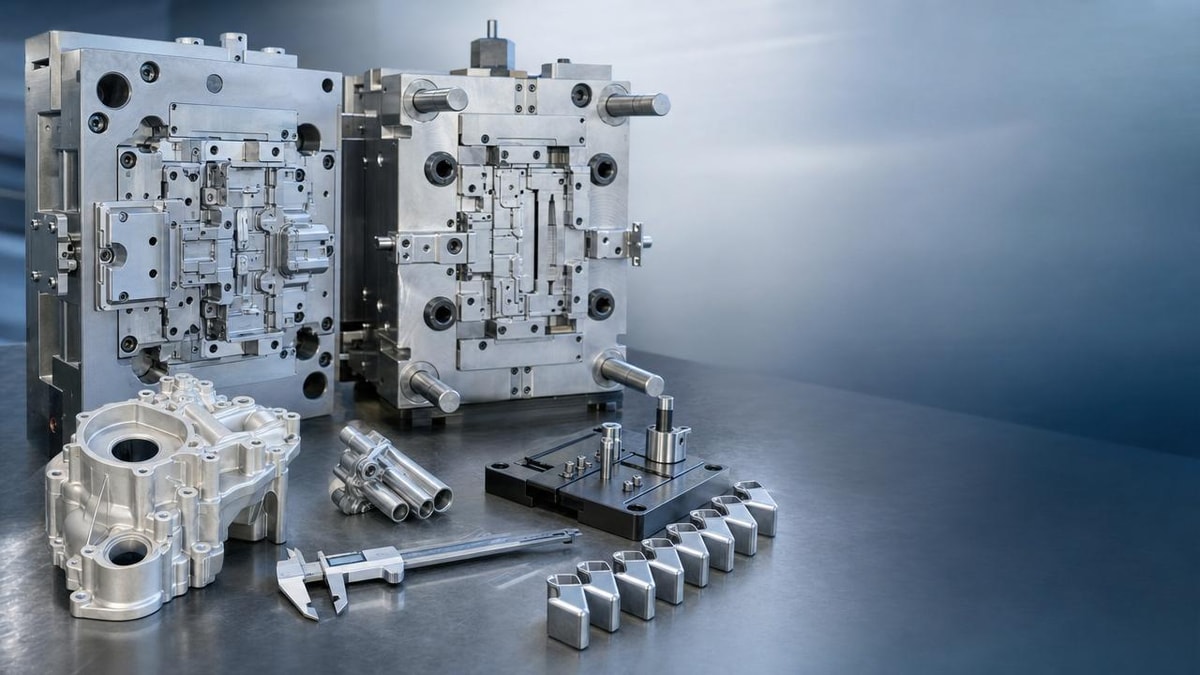
Tooling quality often separates stable suppliers from risky ones. A reliable die casting parts supplier Mexico should explain how dies are designed, maintained, repaired, and monitored over the life of the project. This is especially important now because buyers are asking for longer tool life, faster changeovers, and better part repeatability across production runs.
Ask practical questions: Who owns die design responsibility? Is mold flow analysis used before build approval? How is preventive maintenance scheduled? What is the typical response plan when flash, porosity, or dimensional drift appears? Strong answers indicate a supplier that understands root-cause control rather than short-term production firefighting.
3. Quality systems that go beyond basic inspection
As sourcing decisions become more risk-sensitive, certifications alone are not enough. ISO 9001 can be a baseline, while IATF 16949 is often important for automotive-linked programs. But the more meaningful question is how quality is managed daily. A dependable die casting parts supplier Mexico should show disciplined control plans, first article routines, process monitoring, calibration records, nonconformance handling, and corrective action methods.
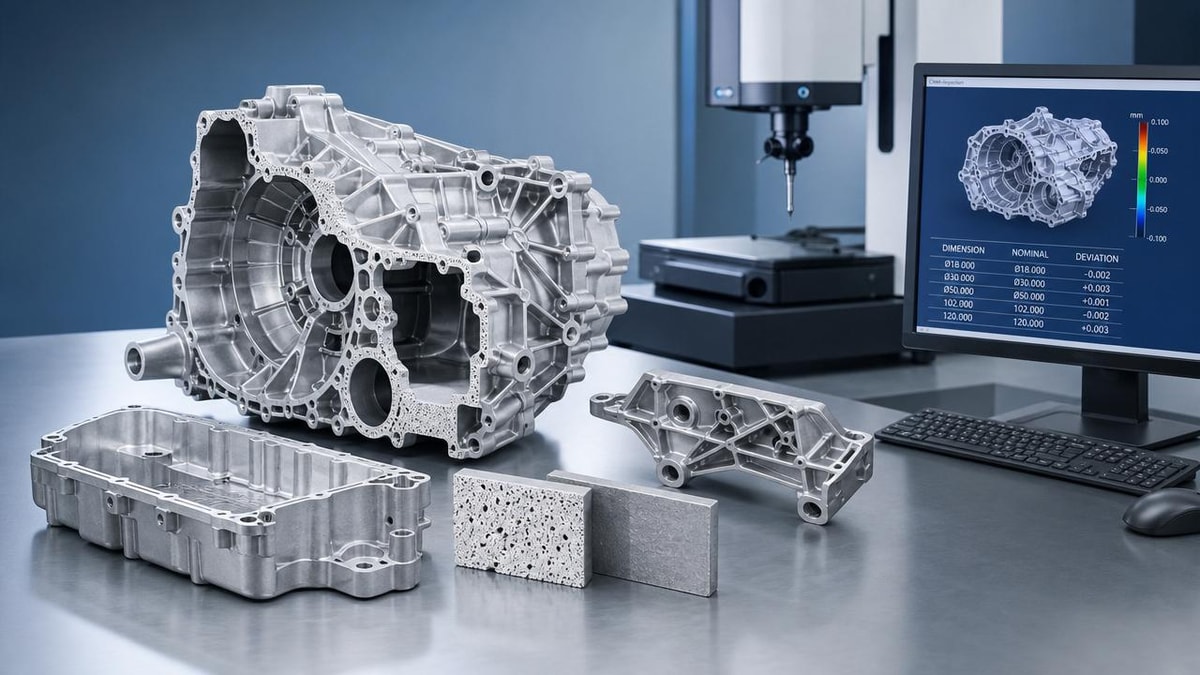
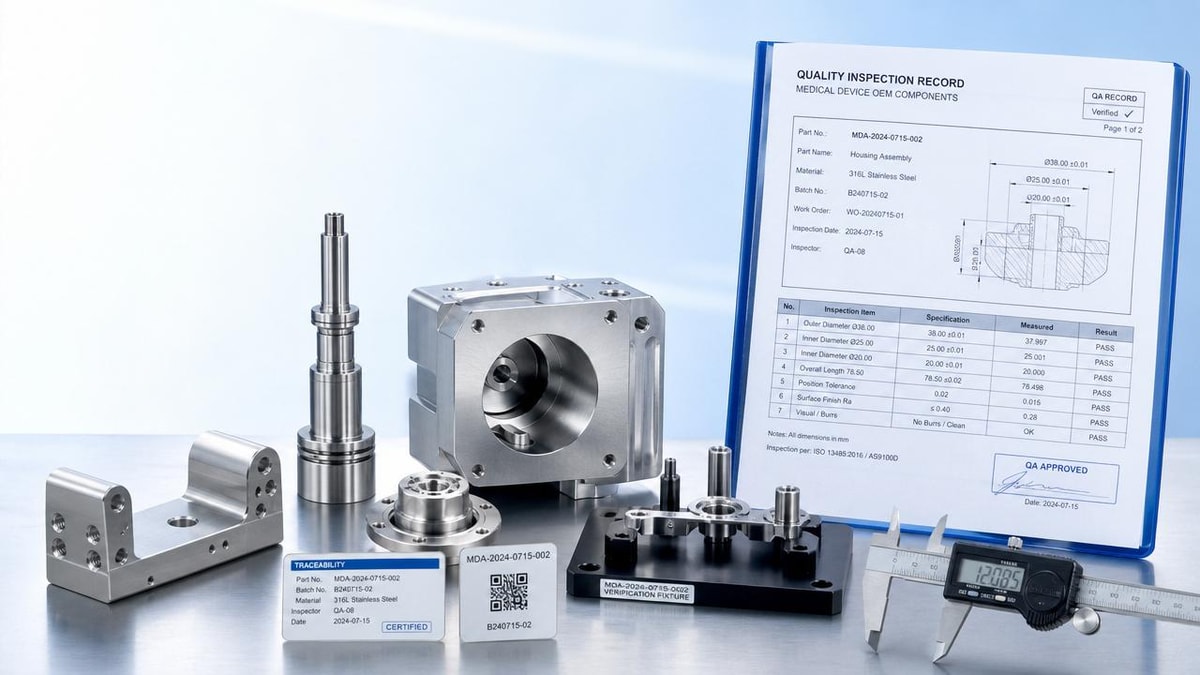
Evaluators should request sample documentation, such as inspection reports, capability studies, PPAP packages, or 8D reports. If the supplier can present clean, timely, and technically sound documentation, that is often a strong indicator of maturity. If records are inconsistent or vague, future quality communication may become difficult.
The rise of export readiness as a make-or-break factor
One of the biggest changes in supplier evaluation is the growing importance of export readiness. Many buyers search for a die casting parts supplier Mexico precisely because they want North American responsiveness with cross-border commercial efficiency. However, not every factory with casting capacity is equally prepared to support international procurement expectations.
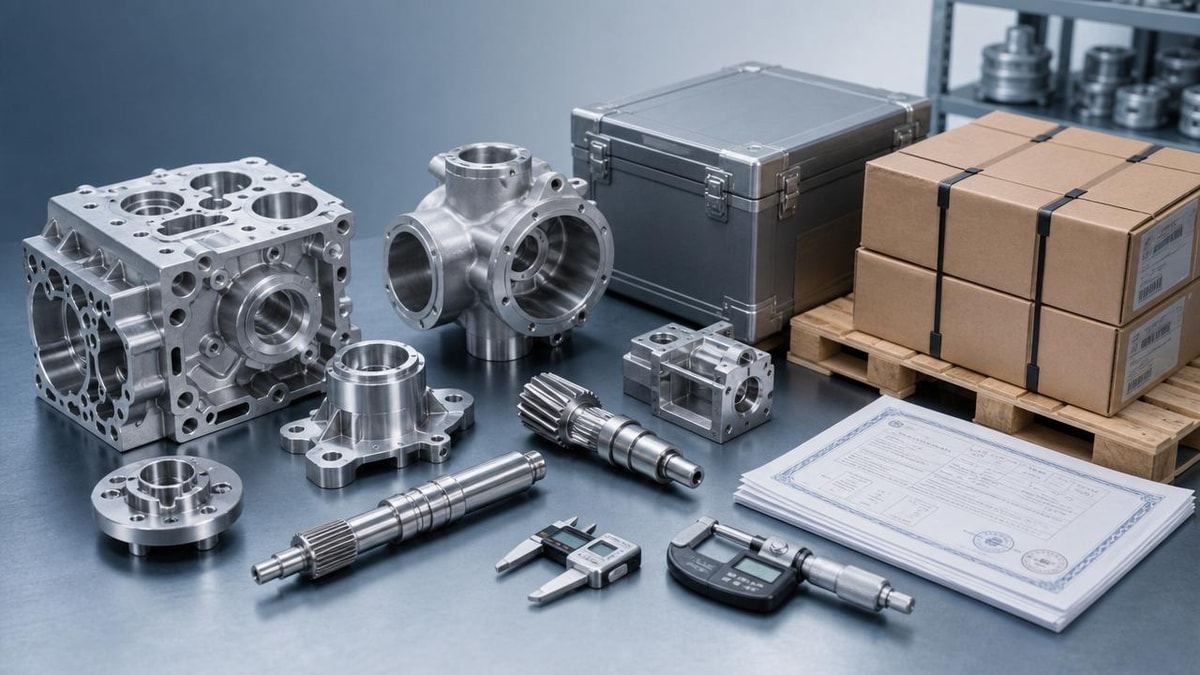
Export readiness includes more than shipping ability. It involves packaging standards, customs documentation, Incoterms familiarity, bilingual communication where needed, schedule discipline, and experience supporting U.S. or global customer audits. A supplier that can make the part but cannot manage border-side execution introduces avoidable risk.
In practical terms, evaluators should ask how often the supplier exports, what lead-time buffers are used, how labeling and palletization are standardized, and whether logistics performance is tracked. This is especially relevant in sectors where final assembly windows are tight and line stoppage exposure is high.
How these changes affect different business roles in the evaluation process
The evaluation of a die casting parts supplier Mexico now involves more stakeholders than before. What matters to procurement is not always identical to what matters to quality, engineering, or operations. A stronger review process maps supplier capability to each function’s risk concerns.
This cross-functional view is important because supplier risk often appears at the handoff points. A technically good supplier may still fail if communication with procurement is slow, or if export coordination is inconsistent, or if engineering changes are not formally controlled.
Warning signs that should trigger deeper review
In a more competitive sourcing environment, many suppliers present similar claims. Business evaluators therefore need a practical filter for early warning signs. A die casting parts supplier Mexico may require deeper scrutiny when any of the following appear:
- Pricing is unusually low but tooling assumptions, scrap expectations, or finishing scope are not clearly defined.
- Technical answers remain generic and do not address part-specific issues such as porosity risk, gating strategy, or secondary machining tolerance.
- Quality documents are delayed, incomplete, or inconsistent across departments.
- The supplier cannot explain preventive maintenance, process capability monitoring, or escalation procedures.
- Lead times sound attractive, but there is little detail on available capacity, shift structure, or bottleneck equipment.
- Export experience is claimed, yet packaging, customs handling, or customer communication protocols are poorly defined.
These signs do not always mean a supplier is unsuitable, but they do suggest that the relationship could become management-intensive after onboarding.
A more effective shortlisting approach for today’s market
Because the market is moving toward strategic nearshoring rather than simple cost arbitrage, shortlisting should be staged. First, screen for basic fit: process type, alloy compatibility, certifications, export ability, and target volumes. Second, compare technical maturity through drawings review, tooling discussion, and sample documentation. Third, verify execution through plant audits, trial orders, or pilot runs where possible.
This staged approach helps evaluators avoid two common mistakes. The first is selecting by unit price before confirming manufacturability and quality control depth. The second is overvaluing certifications without validating real production discipline. The best die casting parts supplier Mexico is usually the one that offers balanced strength across quality, engineering, communication, and delivery, not just an attractive RFQ number.
What to monitor after initial qualification
Supplier vetting should not stop at approval. Current market conditions make ongoing monitoring essential, especially as order volumes rise or part mixes change. Once a die casting parts supplier Mexico is shortlisted or onboarded, evaluators should track a focused set of indicators: quote-to-launch accuracy, first-pass yield, response time to corrective actions, on-time delivery, tooling maintenance adherence, and engineering change responsiveness.
The reason this matters is simple. Many supplier issues do not show up during the RFQ phase. They emerge during ramp-up, part revisions, seasonal demand shifts, or expedited shipments. A supplier that performs well under stable conditions but struggles with controlled change may not support long-term program needs.
Final judgment: what business evaluators should prioritize next
The evaluation of a die casting parts supplier Mexico is now closely tied to larger shifts in manufacturing geography, quality expectations, and supply chain resilience. That is why the most effective reviews combine trend awareness with factory-level verification. Buyers should prioritize evidence of process fit, tooling discipline, robust quality systems, export readiness, and consistent technical communication.
If your team is narrowing options, focus next on a few high-value questions: Can the supplier support your part family as complexity increases? Can they maintain quality when volumes scale? Can they handle cross-border execution without avoidable friction? And can they communicate clearly enough to reduce decision risk before launch? Those answers will do far more to identify the right die casting parts supplier Mexico than price alone.
Get weekly intelligence in your inbox.
No noise. No sponsored content. Pure intelligence.
 May 03, 20265 Axis Milling Machines for Automotive: Buy New or Retrofit?5 Axis Milling Machines for Automotive: Buy New or Retrofit?
 May 03, 2026What to Check Before Sourcing OEM Machined Parts from IndiaWhat to Check Before Sourcing OEM Machined Parts from India
 May 03, 2026Why Sheet Metal Bending Machine Price Varies So MuchWhy Sheet Metal Bending Machine Price Varies So Much
 May 03, 2026Plastic Injection Molding Process Guide for Common Defect ControlPlastic Injection Molding Process Guide for Common Defect Control
 May 03, 2026Smart Manufacturing Technology Trends Reshaping Factory UpgradesSmart Manufacturing Technology Trends Reshaping Factory Upgrades
 May 03, 2026Automotive Die Casting Parts and the Hidden Cost of PorosityAutomotive Die Casting Parts and the Hidden Cost of Porosity
 May 03, 2026Assembly Line Robots: Flexibility Can Matter More Than SpeedAssembly Line Robots: Flexibility Can Matter More Than Speed
 May 03, 2026Smart Manufacturing in Energy: Which Upgrades Pay Back FasterSmart Manufacturing in Energy: Which Upgrades Pay Back Faster
 May 03, 2026Why Robotics Integration Fails After a Successful DemoWhy Robotics Integration Fails After a Successful Demo
 May 03, 2026How to Spot a Reliable Precision Components ManufacturerHow to Spot a Reliable Precision Components Manufacturer
 May 03, 2026Sheet Metal Bending Machine Specifications That Affect AccuracySheet Metal Bending Machine Specifications That Affect Accuracy
 May 03, 2026Oil and Gas Fabrication: Where Material Mismatch Gets ExpensiveOil and Gas Fabrication: Where Material Mismatch Gets Expensive
 May 03, 2026Construction Fabrication Delays Often Start at the Drawing StageConstruction Fabrication Delays Often Start at the Drawing Stage
 May 03, 2026Industrial Robotics Maintenance Guide for Fewer Surprise StopsIndustrial Robotics Maintenance Guide for Fewer Surprise Stops
 May 03, 2026Smart Manufacturing Technology Benefits Beyond Labor SavingsSmart Manufacturing Technology Benefits Beyond Labor Savings
 May 03, 2026Defense Components Need More Than Tight TolerancesDefense Components Need More Than Tight Tolerances
 May 03, 2026How to Vet a Die Casting Parts Supplier in MexicoHow to Vet a Die Casting Parts Supplier in Mexico
 May 03, 2026Food Processing Automation Systems and the Cost of DowntimeFood Processing Automation Systems and the Cost of Downtime
 May 03, 20265 Axis Milling for Aerospace: When Extra Precision Is Worth It5 Axis Milling for Aerospace: When Extra Precision Is Worth It
 May 03, 2026How OEM Medical Equipment Parts Affect Validation TimelinesHow OEM Medical Equipment Parts Affect Validation Timelines
 May 03, 2026Packaging Robotics Integration Problems That Slow CommissioningPackaging Robotics Integration Problems That Slow Commissioning
 May 03, 2026What Causes Rework in OEM Aerospace Machined PartsWhat Causes Rework in OEM Aerospace Machined Parts
 May 03, 2026Choosing Sheet Metal Bending Services in Europe Without DelaysChoosing Sheet Metal Bending Services in Europe Without Delays
 May 03, 2026Die Casting Parts for Electronics: Tolerance or Heat Control?Die Casting Parts for Electronics: Tolerance or Heat Control?
 May 03, 2026Marine Metal Fabrication Mistakes That Raise Corrosion RiskMarine Metal Fabrication Mistakes That Raise Corrosion Risk
 May 03, 2026When Welding Robots Improve Quality More Than ThroughputWhen Welding Robots Improve Quality More Than Throughput
 May 03, 2026Medical Device Molding Machines: What Specs Matter MostMedical Device Molding Machines: What Specs Matter Most