5 Axis Milling for Aerospace: When Extra Precision Is Worth It
In aerospace manufacturing, tighter tolerances only matter when they deliver measurable value. For business evaluators comparing cost, risk, and performance, understanding when 5 axis milling services for aerospace justify the investment is critical. This article explores how added precision affects part complexity, production efficiency, compliance, and long-term supply chain reliability.
What do 5 axis milling services for aerospace actually solve?
For procurement teams and commercial evaluators, the real question is not whether 5-axis machining is advanced, but whether it solves an expensive manufacturing problem better than 3-axis or 4-axis alternatives. In aerospace, many parts include compound curves, deep cavities, tight wall thickness, and critical surfaces that must align precisely across several planes. Conventional setups often require multiple reclamping steps, which increases cumulative error, inspection load, and scrap risk.
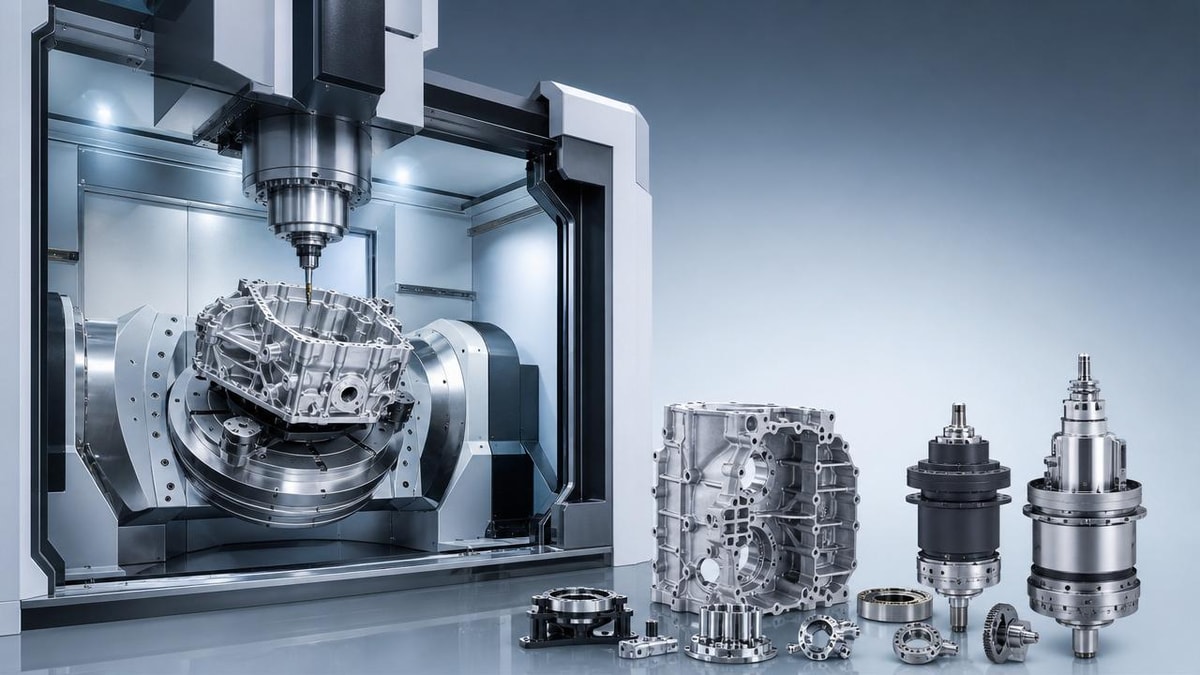
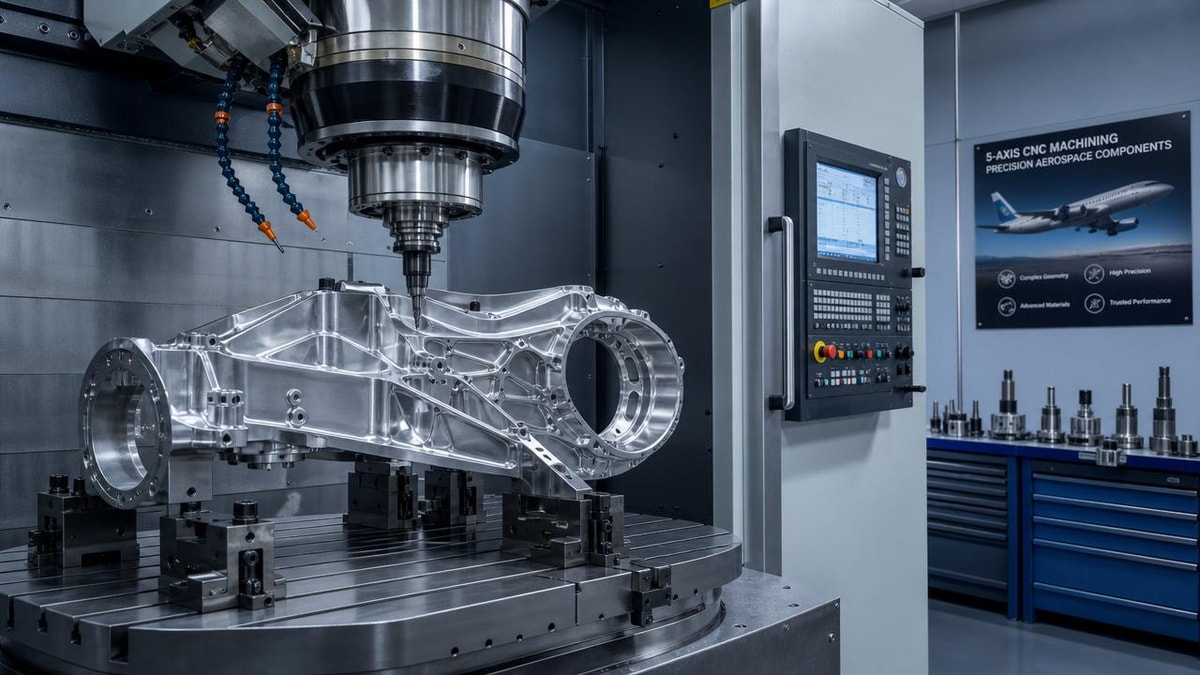
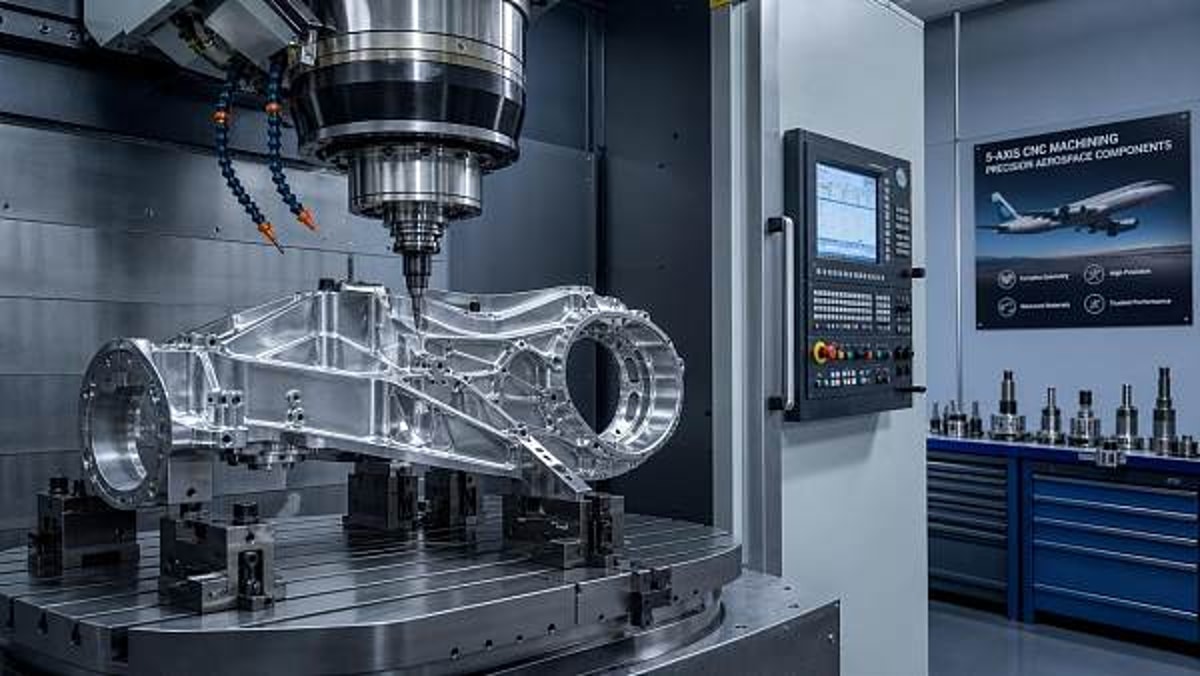
That is where 5 axis milling services for aerospace become commercially relevant. By moving the cutting tool and the workpiece across five coordinated axes, suppliers can machine complex geometries in fewer setups. Fewer setups usually mean better positional accuracy, smoother surface continuity, and less handling damage. For flight-critical or performance-sensitive components, that can directly affect downstream assembly fit, airflow efficiency, and fatigue behavior.
From a business standpoint, the value is rarely limited to “more precision.” It often includes lower rework, fewer special fixtures, shorter hand-finishing time, and more predictable conformity against engineering drawings. These benefits matter most when the part geometry itself creates risk that simpler machining methods cannot control economically.
When is extra precision truly worth paying for?
Not every aerospace component needs the highest-end machining path. Extra precision is worth the premium when failure costs are high, tolerance stack-up threatens assembly success, or geometry complexity drives hidden process waste. Business evaluators should connect precision requirements to a measurable outcome rather than treat them as a blanket quality upgrade.
Typical cases where 5 axis milling services for aerospace justify investment include structural brackets with multiple angled features, impellers, housings, engine-adjacent parts, satellite components, UAV frames, and lightweight parts that cannot tolerate repeated clamping. The same is true when parts use titanium, Inconel, or aerospace-grade aluminum and need tight control of distortion, burrs, or edge conditions.
Precision is also worth more when regulatory exposure is high. If a nonconforming part causes program delay, supplier corrective action, or costly traceability review, the cheapest quote may become the most expensive decision. In those cases, the premium attached to an experienced aerospace machining supplier is often an insurance cost against disruption.
How do 5-axis capabilities affect cost, lead time, and total value?
A common misunderstanding is that 5-axis machining always means higher overall cost. Unit machining rates are often higher, but total landed value can improve when the process eliminates multiple operations. A supplier using advanced toolpaths, in-process probing, and fewer setups may finish the part faster, inspect it more efficiently, and reduce secondary finishing. That can offset hourly machine cost, especially for high-complexity aerospace work.
Lead time benefits also depend on context. For a simple bracket, 5-axis may offer little advantage. For a complex structural or thermal management component, however, it may cut weeks from prototype development by reducing fixture design changes and manual correction cycles. Evaluators should compare process chains, not just quoted prices. Ask suppliers how many setups they use, how much hand finishing is required, and which dimensions are controlled directly in one cycle.
In strategic sourcing, 5 axis milling services for aerospace can also improve value through consistency. A supplier that repeatedly produces conforming complex parts can reduce incoming inspection frequency, expedite first article approval, and support smoother scaling from prototyping to low-volume production. Those operational gains often matter more than a small difference in per-part price.
Which aerospace parts benefit most from 5-axis machining?
The strongest candidates are parts where geometry, material, and performance requirements interact. Examples include impellers, blisks, engine supports, avionics housings, radar mounts, structural connectors, interior lightweight assemblies, and precision enclosures for defense or space systems. These parts often have multiple access angles, contour transitions, or weight-reduction pockets that become inefficient or risky under conventional machining.
Thin-wall aerospace components are another strong use case. Repeated repositioning can introduce deformation or misalignment, especially in lightweight alloys. With 5 axis milling services for aerospace, the ability to maintain better tool orientation and reduce part handling helps preserve dimensional stability. That matters for assemblies where even small deviations can affect vibration, sealing, thermal behavior, or fastener alignment.
Prototype-to-production transition is also important. If a part is likely to evolve through several design iterations, a 5-axis capable supplier can often adapt faster, because the process is less dependent on custom fixtures for each geometry change. For evaluators focused on program agility, that flexibility is a real commercial advantage.
How should a business evaluator compare suppliers beyond the machine count?
A supplier saying “we have 5-axis machines” is not enough. The commercial outcome depends on process maturity, aerospace quality discipline, engineering support, and traceability systems. High-end equipment without strong programming, fixturing, inspection, and documentation practices will not consistently deliver the value buyers expect.
When assessing 5 axis milling services for aerospace, review the supplier across several dimensions:
- Aerospace certifications and quality systems, such as AS9100 alignment, lot traceability, and documented process control.
- Experience with relevant materials, especially titanium, superalloys, and high-spec aluminum grades.
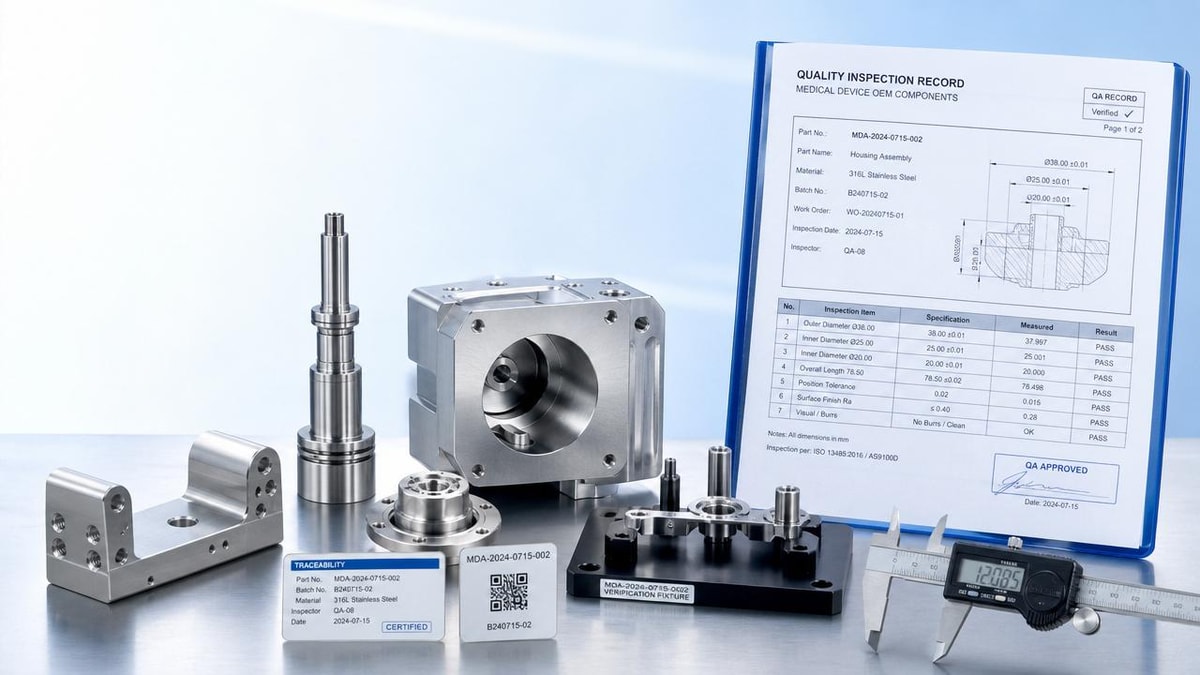
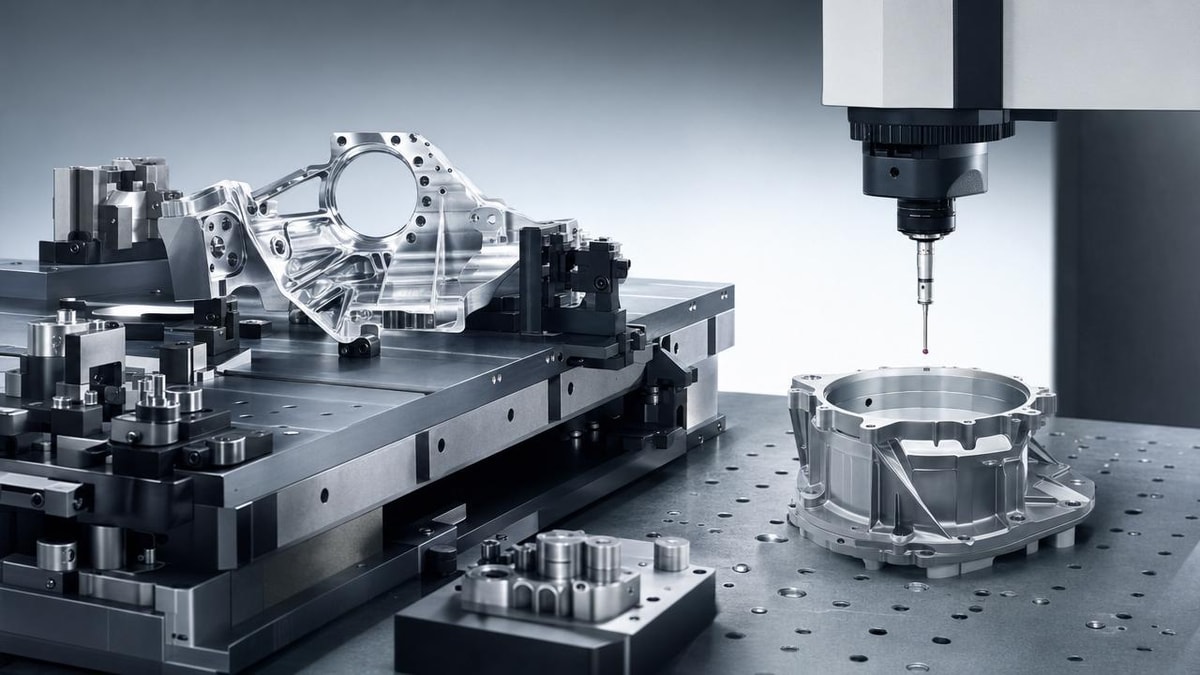
- Inspection capability, including CMM support, in-process probing, and surface/profile verification.
- Evidence of first article success, repeatability, and responsiveness during engineering change requests.
- Programming depth, CAM sophistication, and ability to optimize toolpaths for both accuracy and cycle time.
For platforms such as TradeNexus Pro, where decision-makers need authority rather than generic sourcing claims, the most useful indicators are documented case evidence, technical communication quality, and signs of stable manufacturing discipline. A reliable supplier explains why a process works, not just that it is premium.
What are the biggest buying mistakes in aerospace precision machining?
The first mistake is buying to nominal tolerance without considering functional tolerance. Some features look tight on paper but do not affect mission performance, while others appear ordinary yet drive assembly yield. Over-specifying every dimension increases cost with little return; under-specifying critical surfaces creates hidden program risk. Evaluators should ask engineering teams which tolerances are truly performance-critical.
The second mistake is comparing quotes without comparing process assumptions. Two suppliers may price the same drawing using very different setup counts, tooling strategies, and inspection depth. One quote may exclude extra validation steps that later become change orders. Another may include a more robust route that looks expensive upfront but protects delivery reliability.
The third mistake is ignoring scalability. A supplier may produce a beautiful prototype but struggle with repeatability, documentation, or capacity during small-batch production. For 5 axis milling services for aerospace, the right question is not only “Can they make one part?” but “Can they make the same part repeatedly under controlled conditions?”
The fourth mistake is treating precision as a substitute for collaboration. Aerospace parts often require DFM feedback, tolerance clarification, and fixture strategy review before machining starts. Suppliers that participate early can reduce total risk far more effectively than suppliers that simply accept a drawing and cut metal.
What questions should you ask before selecting 5 axis milling services for aerospace?
For commercial and procurement evaluators, pre-award questions should expose technical fit, process transparency, and supply resilience. A good shortlist conversation can quickly reveal whether a supplier is genuinely equipped for aerospace complexity or merely using advanced equipment as a marketing label.
So, when is the extra precision worth it for aerospace programs?
The premium makes sense when precision reduces a larger cost: scrap, delay, requalification, assembly failure, or supplier instability. In simple terms, 5 axis milling services for aerospace are worth it when part complexity and program risk are high enough that conventional machining creates too much uncertainty. The smartest buyers do not purchase precision as a luxury. They purchase it as a control strategy.
For business evaluators, the best decision framework is to tie machining capability to operational outcomes: fewer setups, stronger repeatability, better fit, faster qualification, and more dependable supply. If those outcomes materially support the program, the added investment is justified. If not, simpler methods may be more economical.
If you need to confirm a specific sourcing path, begin by discussing the part geometry, critical tolerances, material type, expected volumes, inspection requirements, first article expectations, revision control, and delivery milestones. Those questions will clarify whether a supplier’s 5 axis milling services for aerospace are truly aligned with your technical and commercial priorities.
Get weekly intelligence in your inbox.
No noise. No sponsored content. Pure intelligence.
 May 03, 20265 Axis Milling Machines for Automotive: Buy New or Retrofit?5 Axis Milling Machines for Automotive: Buy New or Retrofit?
 May 03, 2026What to Check Before Sourcing OEM Machined Parts from IndiaWhat to Check Before Sourcing OEM Machined Parts from India
 May 03, 2026Why Sheet Metal Bending Machine Price Varies So MuchWhy Sheet Metal Bending Machine Price Varies So Much
 May 03, 2026Plastic Injection Molding Process Guide for Common Defect ControlPlastic Injection Molding Process Guide for Common Defect Control
 May 03, 2026Smart Manufacturing Technology Trends Reshaping Factory UpgradesSmart Manufacturing Technology Trends Reshaping Factory Upgrades
 May 03, 2026Automotive Die Casting Parts and the Hidden Cost of PorosityAutomotive Die Casting Parts and the Hidden Cost of Porosity
 May 03, 2026Assembly Line Robots: Flexibility Can Matter More Than SpeedAssembly Line Robots: Flexibility Can Matter More Than Speed
 May 03, 2026Smart Manufacturing in Energy: Which Upgrades Pay Back FasterSmart Manufacturing in Energy: Which Upgrades Pay Back Faster
 May 03, 2026Why Robotics Integration Fails After a Successful DemoWhy Robotics Integration Fails After a Successful Demo
 May 03, 2026How to Spot a Reliable Precision Components ManufacturerHow to Spot a Reliable Precision Components Manufacturer
 May 03, 2026Sheet Metal Bending Machine Specifications That Affect AccuracySheet Metal Bending Machine Specifications That Affect Accuracy
 May 03, 2026Oil and Gas Fabrication: Where Material Mismatch Gets ExpensiveOil and Gas Fabrication: Where Material Mismatch Gets Expensive
 May 03, 2026Construction Fabrication Delays Often Start at the Drawing StageConstruction Fabrication Delays Often Start at the Drawing Stage
 May 03, 2026Industrial Robotics Maintenance Guide for Fewer Surprise StopsIndustrial Robotics Maintenance Guide for Fewer Surprise Stops
 May 03, 2026Smart Manufacturing Technology Benefits Beyond Labor SavingsSmart Manufacturing Technology Benefits Beyond Labor Savings
 May 03, 2026Defense Components Need More Than Tight TolerancesDefense Components Need More Than Tight Tolerances
 May 03, 2026How to Vet a Die Casting Parts Supplier in MexicoHow to Vet a Die Casting Parts Supplier in Mexico
 May 03, 2026Food Processing Automation Systems and the Cost of DowntimeFood Processing Automation Systems and the Cost of Downtime
 May 03, 20265 Axis Milling for Aerospace: When Extra Precision Is Worth It5 Axis Milling for Aerospace: When Extra Precision Is Worth It
 May 03, 2026How OEM Medical Equipment Parts Affect Validation TimelinesHow OEM Medical Equipment Parts Affect Validation Timelines
 May 03, 2026Packaging Robotics Integration Problems That Slow CommissioningPackaging Robotics Integration Problems That Slow Commissioning
 May 03, 2026What Causes Rework in OEM Aerospace Machined PartsWhat Causes Rework in OEM Aerospace Machined Parts
 May 03, 2026Choosing Sheet Metal Bending Services in Europe Without DelaysChoosing Sheet Metal Bending Services in Europe Without Delays
 May 03, 2026Die Casting Parts for Electronics: Tolerance or Heat Control?Die Casting Parts for Electronics: Tolerance or Heat Control?
 May 03, 2026Marine Metal Fabrication Mistakes That Raise Corrosion RiskMarine Metal Fabrication Mistakes That Raise Corrosion Risk
 May 03, 2026When Welding Robots Improve Quality More Than ThroughputWhen Welding Robots Improve Quality More Than Throughput
 May 03, 2026Medical Device Molding Machines: What Specs Matter MostMedical Device Molding Machines: What Specs Matter Most