How to Spot a Reliable Precision Components Manufacturer
Choosing a precision engineering components manufacturer can directly affect product quality, lead times, and long-term supply stability. For business evaluators, the challenge is separating capable suppliers from those with polished claims but limited technical depth. This guide outlines the key signs of a reliable manufacturer, from process control and certifications to communication, scalability, and proven industry performance.
In sectors such as advanced manufacturing, smart electronics, healthcare technology, green energy, and supply chain-driven industrial systems, component accuracy is rarely a minor detail. A tolerance drift of ±0.02 mm, an inconsistent coating batch, or a 2-week delay in tooling approval can ripple into warranty claims, missed launches, and expensive line stoppages. For procurement and supplier evaluation teams, the right decision is not simply about unit price. It is about operational fit, repeatability, and risk control.
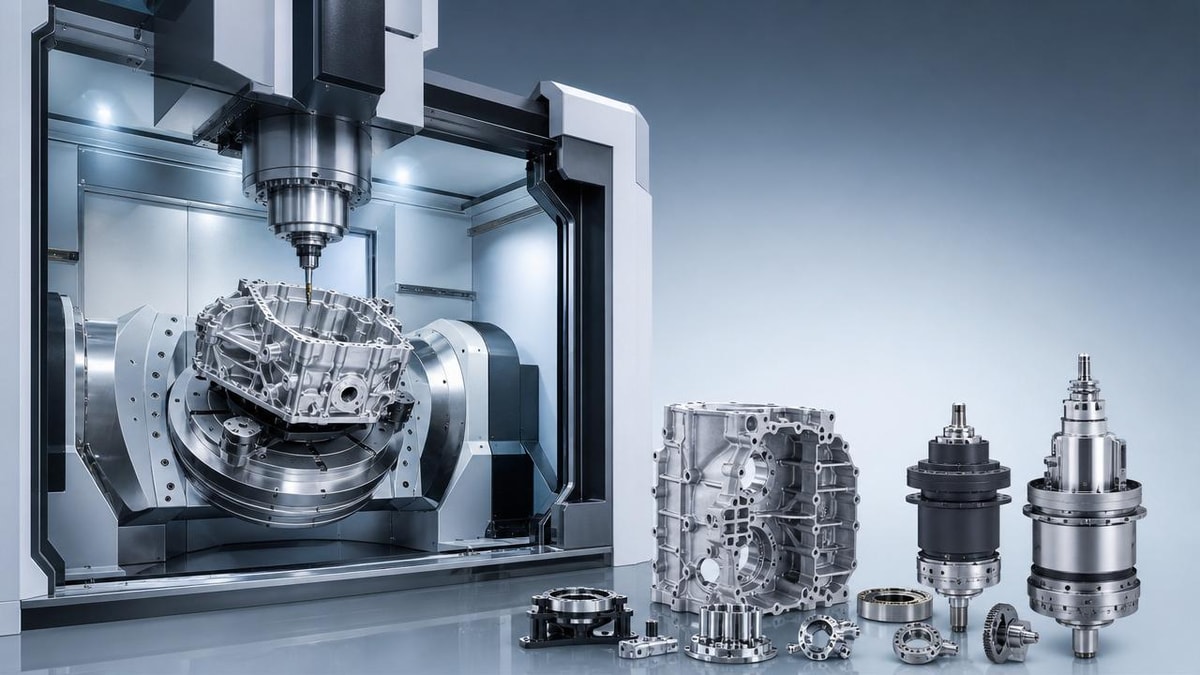
When assessing a precision engineering components manufacturer, buyers should look beyond brochures and sample photos. A dependable supplier typically demonstrates stable process capability, measurable quality systems, traceable materials, disciplined communication, and a realistic understanding of scaling from prototype volumes to serial production. The sections below break down what to verify, which questions to ask, and where hidden risks usually appear.
Why Reliability Matters More Than a Competitive Quote
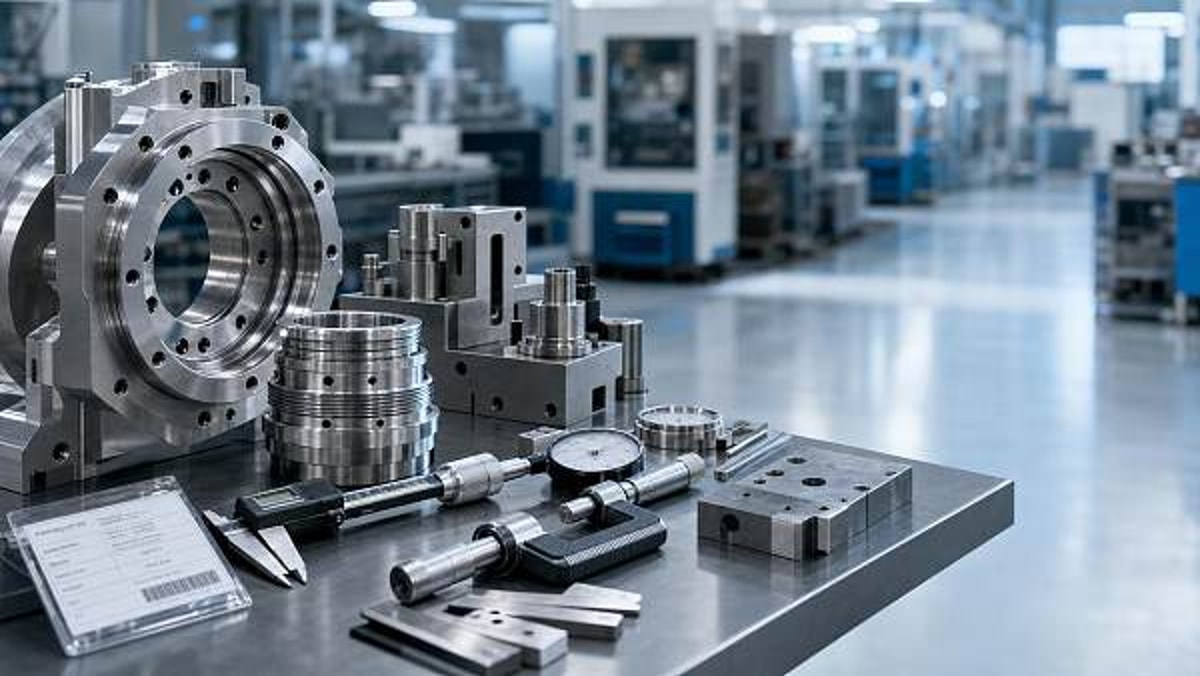
A low quoted price may look attractive during vendor screening, but reliability determines total cost over 6, 12, and 24 months. If a supplier struggles with repeatability, incoming inspection costs rise, engineering teams spend more time on corrective action, and buffer inventory often increases from 2 weeks to 4 or more. That is why experienced evaluators compare technical maturity and supply resilience alongside commercial terms.
A strong precision engineering components manufacturer supports more than dimensional accuracy. It affects assembly yield, field performance, maintenance intervals, and customer confidence. In electronics, poor flatness can distort PCB mounting. In medical device components, surface finish inconsistency can create validation issues. In green energy equipment, misaligned machined parts can shorten service life under vibration or thermal cycling.
The Hidden Costs of an Unreliable Supplier
The most common supplier failure points usually appear in 4 areas: quality escapes, delayed delivery, weak engineering response, and poor documentation. Even if each issue seems manageable on its own, the cumulative effect can be significant. A single nonconforming lot may trigger line holds, extra sorting labor, expedited freight, and customer reporting obligations within 24 to 72 hours.
- Higher scrap and rework rates during assembly
- Longer supplier corrective action cycles, often 7–14 days instead of 48 hours
- Unplanned logistics costs from split shipments or air freight
- Reduced confidence in forecast commitments and long-term sourcing plans
What Business Evaluators Should Prioritize First
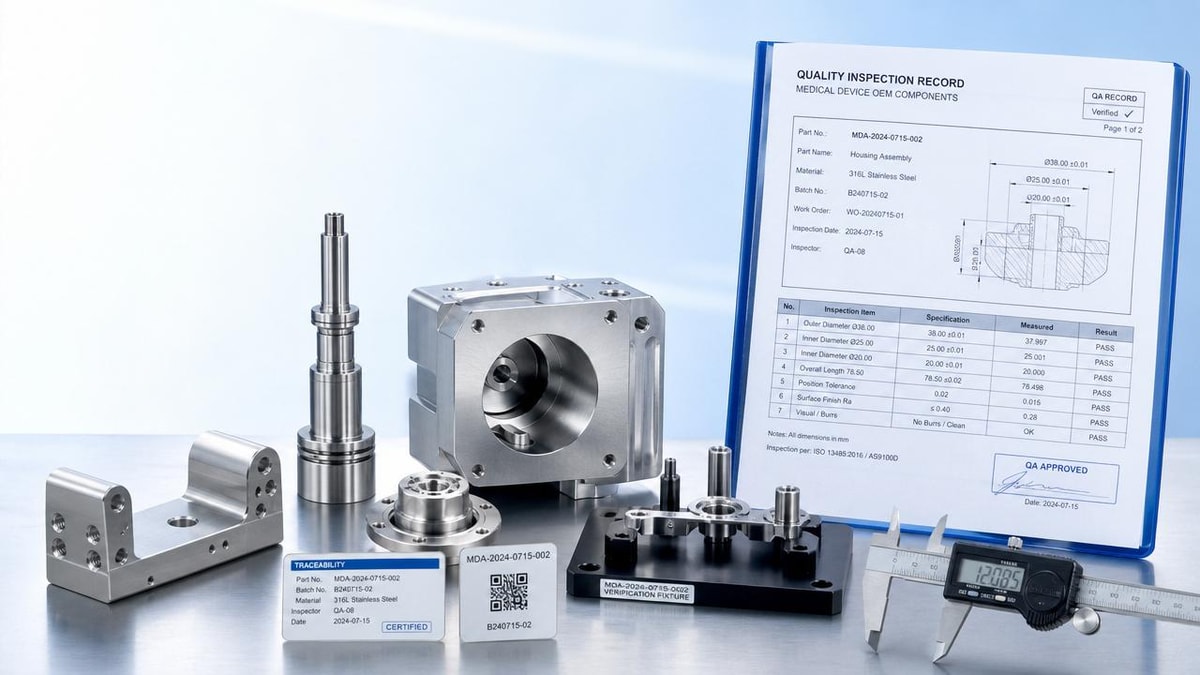
During early qualification, it helps to prioritize evidence over promises. Ask for process flow charts, sample inspection records, material traceability examples, and typical lead time ranges for both prototype and production orders. A credible supplier should be able to explain not just what it makes, but how it controls variation across 3 key stages: incoming material, in-process machining or forming, and final inspection.
The table below shows a practical comparison framework buyers can use when shortlisting a precision engineering components manufacturer.
The key takeaway is simple: reliability becomes visible through specifics. A mature supplier quantifies assumptions, documents control points, and communicates constraints early. That transparency is often more valuable than an initial quote that appears 8% lower but carries unresolved technical risk.
Technical Signs of a Reliable Precision Engineering Components Manufacturer
A capable precision engineering components manufacturer should demonstrate process discipline at every stage of production. Whether the parts are CNC machined, stamped, turned, molded, or assembled into higher-level subcomponents, consistency comes from controlled methods rather than operator intuition alone. Buyers should confirm how the supplier maintains tolerances, verifies materials, and manages change control across multiple batches.
Process Control and Measurement Capability
Start by examining the supplier’s process control logic. For critical dimensions, ask how often measurements are taken: first article only, every 30 pieces, every hour, or per machine cycle family. There is no single perfect frequency for every part, but reliable manufacturers can justify their inspection intervals based on process risk, tolerance bands, and historical stability.
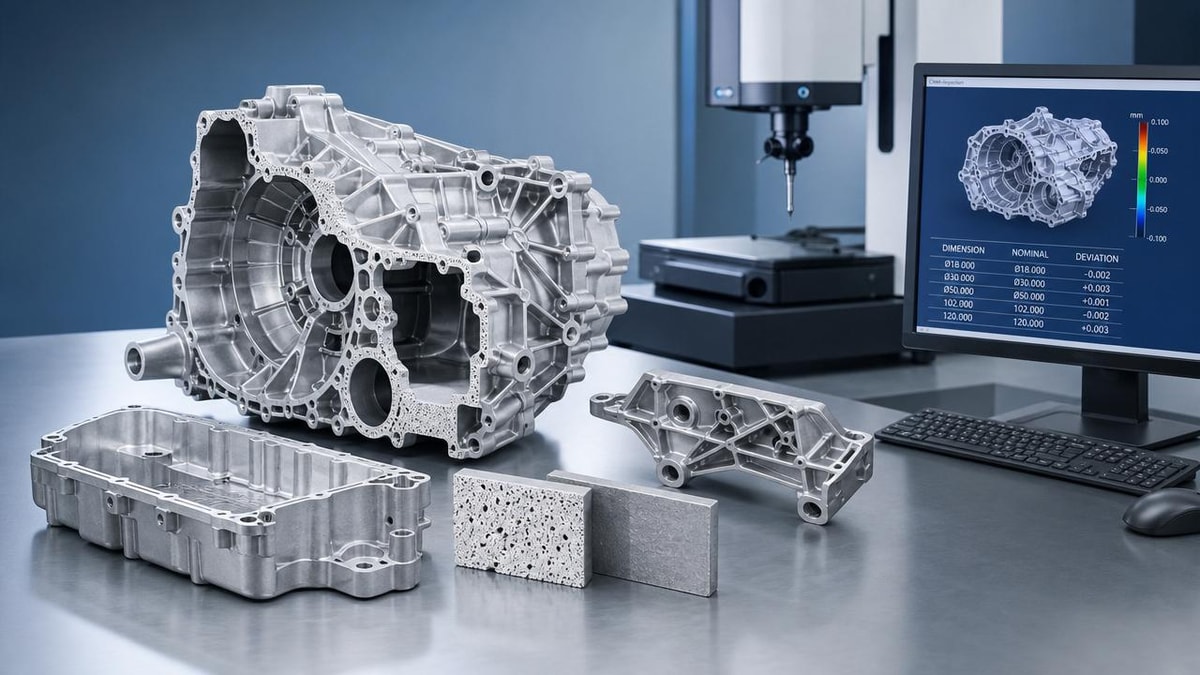
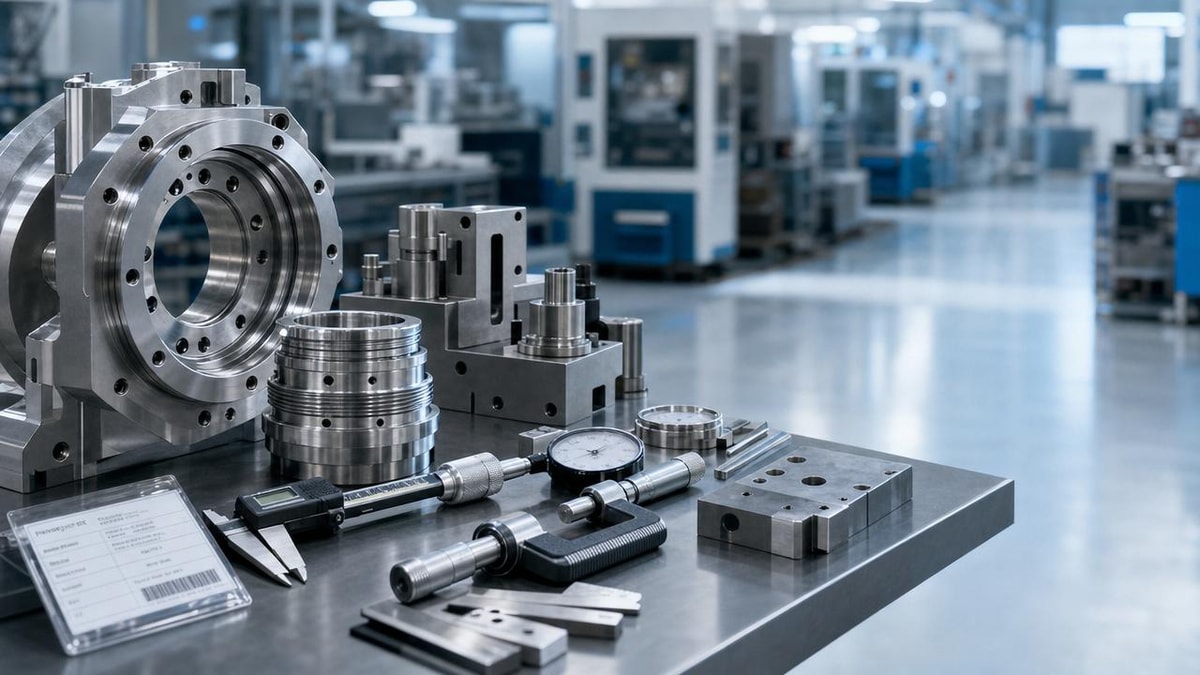
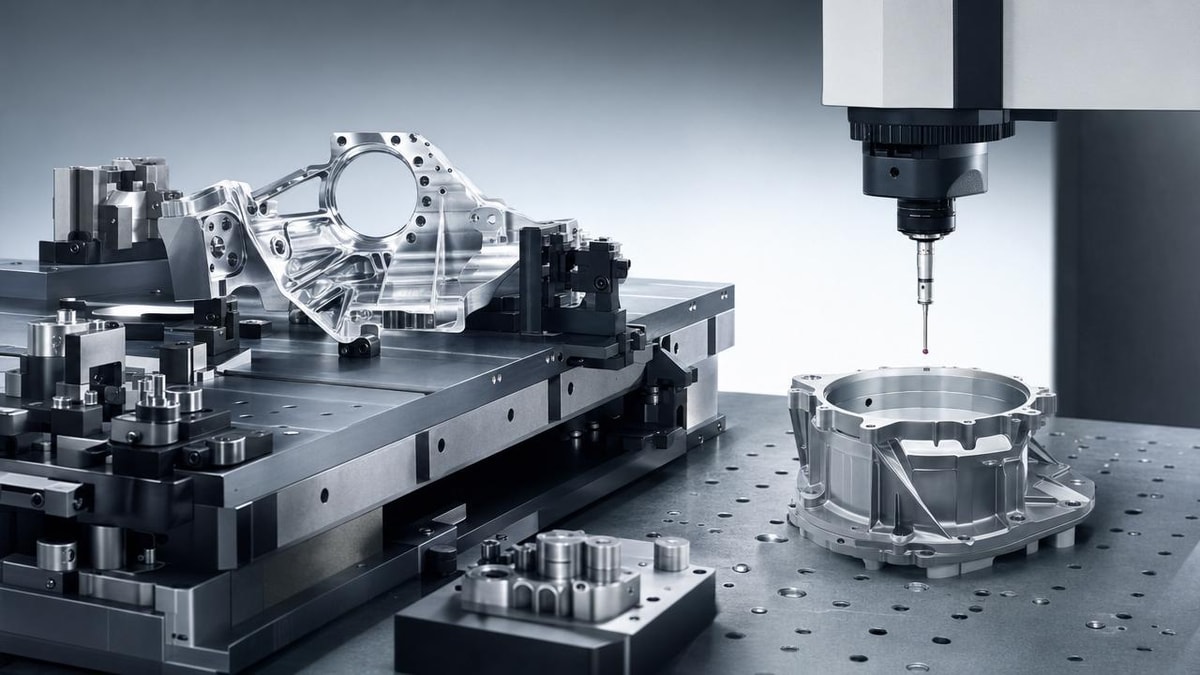
If a component requires tight tolerances such as ±0.01 mm to ±0.05 mm, the supplier should explain which equipment is used for verification, such as CMM, optical measurement, thread gauges, or surface roughness testers. More importantly, they should describe how measurement results feed back into production adjustment. Inspection without corrective action is only partial control.
Questions Worth Asking During Audit or RFQ Review
- What are the critical-to-quality dimensions, and how are they monitored?
- How is tool wear tracked across short runs and long production batches?
- What is the standard response time when a dimension trends out of tolerance?
- Can the supplier provide first article inspection or sample validation records?
- How are engineering revisions controlled to prevent obsolete drawings from being used?
Materials, Traceability, and Surface Requirements
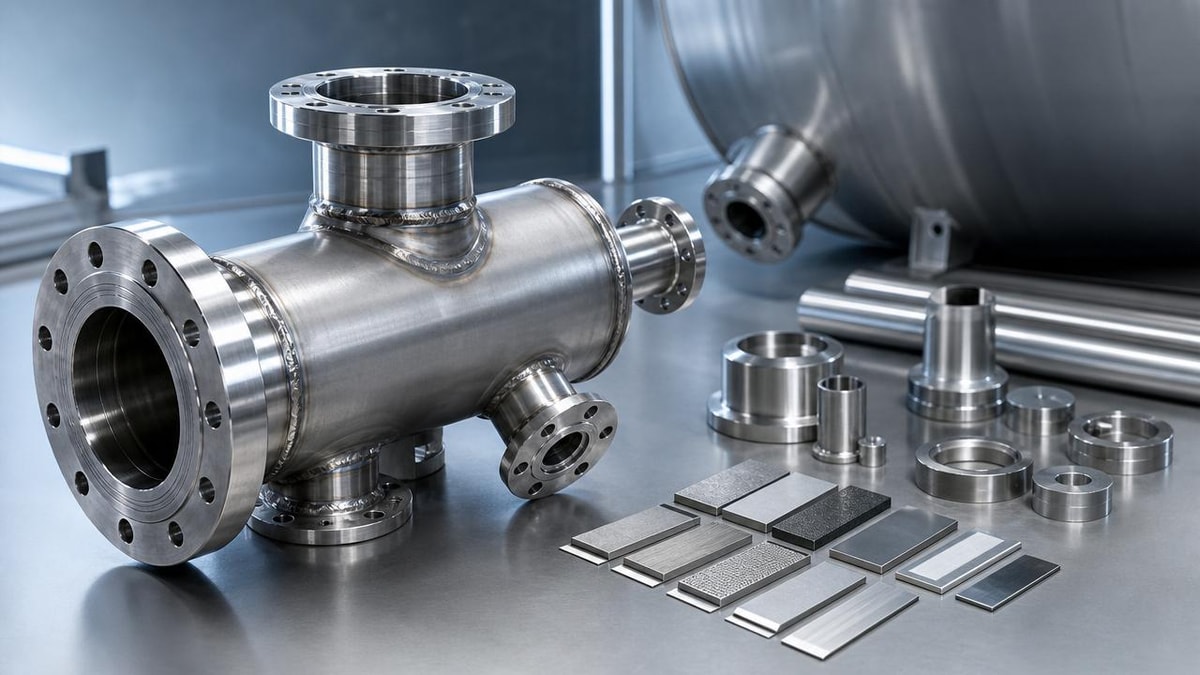
Reliability also depends on material control. A precision part may meet dimensional requirements and still fail in service if the wrong alloy, hardness, plating thickness, or polymer grade is used. This is particularly important in healthcare technology, electronics housings, connectors, heat-dissipation parts, and wear-sensitive industrial assemblies.
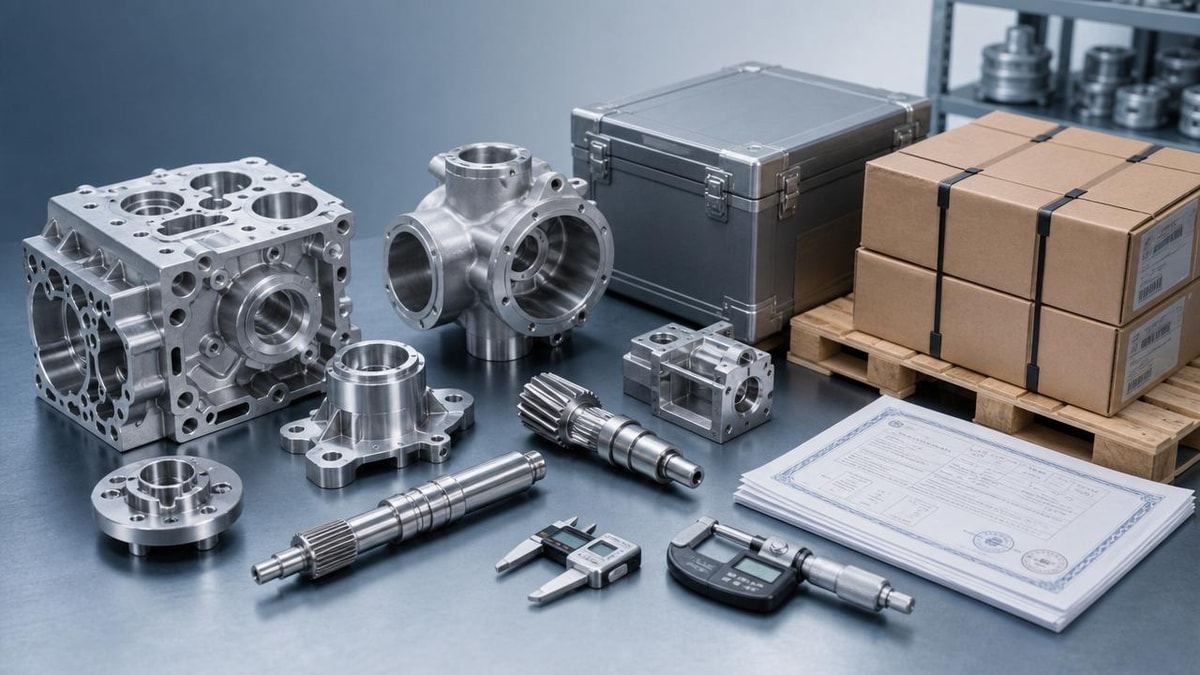
Ask whether raw material lots can be traced to incoming records and whether finished batches can be linked to specific production runs. For many buyers, traceability at the lot level is a minimum requirement, while higher-risk applications may require piece-level or serialized control. Surface finish requirements such as Ra values, burr limitations, coating adhesion, or corrosion resistance test conditions should also be discussed before sampling begins.
Certifications and What They Really Mean
Certifications matter, but they should not be evaluated in isolation. A valid quality management certification can indicate baseline process discipline, document control, and internal audit routines. However, a certificate alone does not prove that a supplier can manufacture your exact component family at the required accuracy and volume. Always connect certifications to real process evidence and product relevance.
The table below summarizes how procurement teams can interpret common qualification signals without overestimating them.
A reliable precision engineering components manufacturer will not hide behind paperwork. It will use certifications and records as part of a broader capability story that includes process validation, equipment suitability, operator training, and evidence from comparable projects.
Commercial and Operational Signals Buyers Should Not Ignore
Technical capability is essential, but many sourcing failures occur because the supplier is operationally weak rather than technically incapable. Reliable supply depends on planning accuracy, communication cadence, subcontractor control, and realistic capacity management. A supplier that machines excellent samples but misses every shipment window is still a supply-chain risk.
Lead Times, Capacity, and Scalability
Ask for separate lead times for 3 stages: quotation and technical review, prototype or first article, and production release. For example, a supplier may need 3–5 business days for engineering review, 2–4 weeks for first samples, and 4–8 weeks for repeat production depending on material and tooling. These ranges are normal when clearly explained. What matters is whether the timeline is stable and backed by planning discipline.
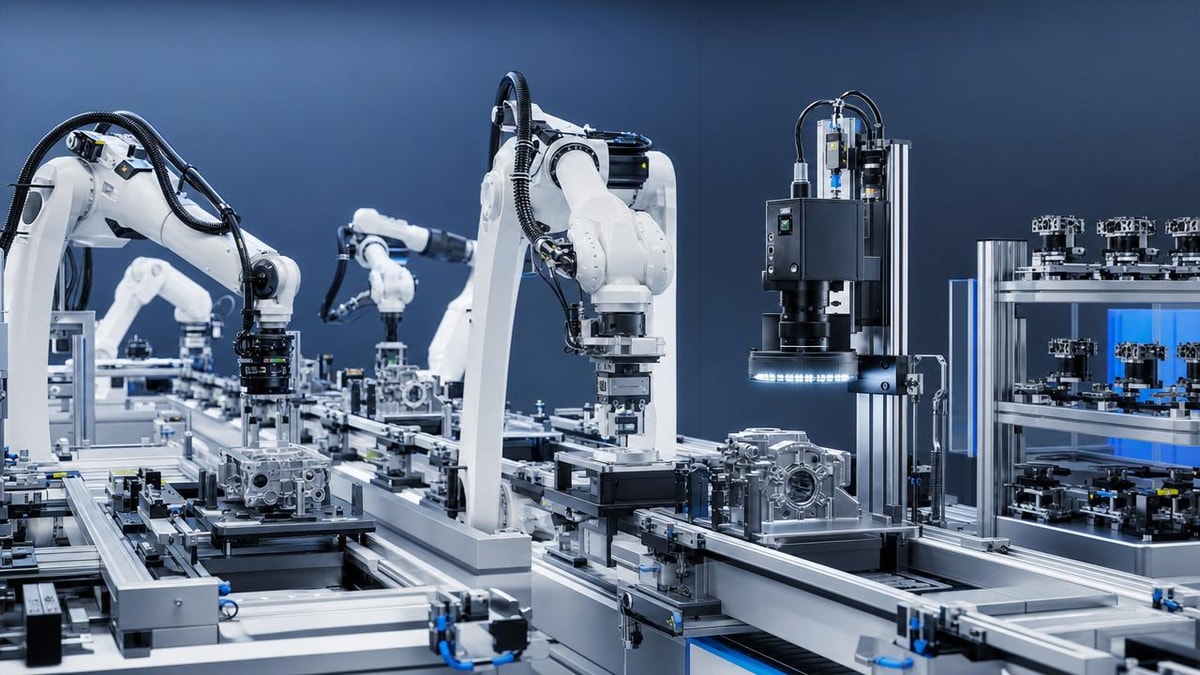
Scalability should also be verified early. A manufacturer that performs well at 200 pieces per month may not be ready for 5,000 pieces per month without adding shifts, fixtures, or outside processing support. Business evaluators should ask what changes when demand doubles, what the bottleneck process is, and how the supplier protects output during machine downtime or labor shortages.
Communication Quality as a Proxy for Execution Quality
In B2B sourcing, response behavior often predicts future performance. A reliable precision engineering components manufacturer usually replies with technical clarity, not generic sales language. If the team can answer drawing questions, flag tolerance conflicts, and return revised documents within 24–48 hours, that indicates stronger internal coordination between sales, engineering, quality, and production.
Watch for these communication indicators during evaluation:
- Quotation revisions are version-controlled and easy to track
- Open issues are listed with deadlines instead of buried in long email threads
- Sample deviations are disclosed before shipment rather than after receipt
- Forecast changes and raw material constraints are communicated early
Supplier Stability and Risk Containment
Long-term reliability also depends on how the manufacturer manages operational risk. Ask whether critical secondary processes such as heat treatment, plating, passivation, molding, or laser marking are performed in-house or outsourced. If subcontractors are involved, find out how they are qualified, how often they are reviewed, and whether incoming verification is done on every lot or by sampling plan.
For strategic programs, it can be useful to request a basic business continuity view. This does not require confidential financial disclosure in every case. Instead, focus on practical questions: How many key machines support the part family? Is there a backup tool set? How much safety stock can be held? What is the escalation path during a disruption lasting more than 48 hours?
A Practical Evaluation Process for Procurement and Supplier Review Teams
To avoid making decisions based on impressions alone, it helps to use a structured review process. This is especially relevant when comparing 3 to 6 shortlisted suppliers across different regions or manufacturing models. A disciplined evaluation process improves internal alignment between procurement, quality, engineering, and operations teams.
Recommended 5-Step Assessment Flow
- Screen for relevance: confirm the supplier has experience with similar part types, materials, and tolerances.
- Review documentation: evaluate drawings, process flow, quality records, certifications, and sample reports.
- Validate communication: measure response quality over 1–2 RFQ cycles and technical clarification rounds.
- Run a pilot order: test first article, packaging quality, lead time consistency, and issue resolution behavior.
- Approve with controls: define KPIs such as on-time delivery, defect rate, response time, and review cadence.
A pilot order is often the most revealing step. It shows whether the supplier can translate claims into execution under real commercial conditions. Even a modest pilot of 50 to 300 pieces can expose problems in packaging, labeling, revision control, or batch consistency that would not appear in a single showroom sample.
Common Red Flags During Qualification
Some warning signs appear repeatedly across the market. None of them automatically disqualifies a supplier, but each one deserves closer review. Procurement teams should be especially cautious when multiple red flags appear together within the first 2 to 3 weeks of engagement.
- Sample parts arrive without inspection data or clear revision reference
- Lead times change significantly between quotation and purchase order confirmation
- The supplier accepts every tolerance without manufacturing discussion
- Critical processes are outsourced, but no control method is explained
- Corrective actions focus on blame rather than root cause and prevention
How to Match Supplier Type to Business Need
Not every buyer needs the same supplier profile. A startup developing a new medical device housing may prioritize engineering collaboration and low-volume flexibility. A mature industrial OEM may need strict cost control, dual-source readiness, and quarterly capacity reviews. The best precision engineering components manufacturer for one program may be the wrong choice for another.
For this reason, evaluators should score suppliers against program-specific criteria rather than using a generic checklist only. Typical weighted categories include technical fit, quality system maturity, cost competitiveness, responsiveness, logistics readiness, and scaling potential. Even a simple 100-point model can produce better decisions than informal judgment alone.
Making the Final Decision With Confidence
A reliable precision engineering components manufacturer is usually identifiable through consistency: consistent answers, consistent documents, consistent sample quality, and consistent delivery logic. Strong suppliers do not need to overstate their capabilities. They show them through process visibility, realistic commitments, and steady execution across qualification milestones.
For business evaluators, the best sourcing outcome comes from balancing technical evidence, commercial practicality, and long-term supply resilience. If a manufacturer can control tolerances, document traceability, communicate deviations early, and scale responsibly from pilot lots to production volumes, it is far more likely to become a dependable partner rather than a recurring escalation point.
If your team is reviewing suppliers across advanced manufacturing, smart electronics, healthcare technology, green energy, or supply chain-critical industrial programs, a structured evaluation approach will reduce sourcing risk and improve decision speed. To explore more supplier selection insights, request a tailored sourcing framework, discuss your component requirements, or contact TradeNexus Pro for deeper market intelligence and practical procurement guidance.
Get weekly intelligence in your inbox.
No noise. No sponsored content. Pure intelligence.
 May 03, 20265 Axis Milling Machines for Automotive: Buy New or Retrofit?5 Axis Milling Machines for Automotive: Buy New or Retrofit?
 May 03, 2026What to Check Before Sourcing OEM Machined Parts from IndiaWhat to Check Before Sourcing OEM Machined Parts from India
 May 03, 2026Why Sheet Metal Bending Machine Price Varies So MuchWhy Sheet Metal Bending Machine Price Varies So Much
 May 03, 2026Plastic Injection Molding Process Guide for Common Defect ControlPlastic Injection Molding Process Guide for Common Defect Control
 May 03, 2026Smart Manufacturing Technology Trends Reshaping Factory UpgradesSmart Manufacturing Technology Trends Reshaping Factory Upgrades
 May 03, 2026Automotive Die Casting Parts and the Hidden Cost of PorosityAutomotive Die Casting Parts and the Hidden Cost of Porosity
 May 03, 2026Assembly Line Robots: Flexibility Can Matter More Than SpeedAssembly Line Robots: Flexibility Can Matter More Than Speed
 May 03, 2026Smart Manufacturing in Energy: Which Upgrades Pay Back FasterSmart Manufacturing in Energy: Which Upgrades Pay Back Faster
 May 03, 2026Why Robotics Integration Fails After a Successful DemoWhy Robotics Integration Fails After a Successful Demo
 May 03, 2026How to Spot a Reliable Precision Components ManufacturerHow to Spot a Reliable Precision Components Manufacturer
 May 03, 2026Sheet Metal Bending Machine Specifications That Affect AccuracySheet Metal Bending Machine Specifications That Affect Accuracy
 May 03, 2026Oil and Gas Fabrication: Where Material Mismatch Gets ExpensiveOil and Gas Fabrication: Where Material Mismatch Gets Expensive
 May 03, 2026Construction Fabrication Delays Often Start at the Drawing StageConstruction Fabrication Delays Often Start at the Drawing Stage
 May 03, 2026Industrial Robotics Maintenance Guide for Fewer Surprise StopsIndustrial Robotics Maintenance Guide for Fewer Surprise Stops
 May 03, 2026Smart Manufacturing Technology Benefits Beyond Labor SavingsSmart Manufacturing Technology Benefits Beyond Labor Savings
 May 03, 2026Defense Components Need More Than Tight TolerancesDefense Components Need More Than Tight Tolerances
 May 03, 2026How to Vet a Die Casting Parts Supplier in MexicoHow to Vet a Die Casting Parts Supplier in Mexico
 May 03, 2026Food Processing Automation Systems and the Cost of DowntimeFood Processing Automation Systems and the Cost of Downtime
 May 03, 20265 Axis Milling for Aerospace: When Extra Precision Is Worth It5 Axis Milling for Aerospace: When Extra Precision Is Worth It
 May 03, 2026How OEM Medical Equipment Parts Affect Validation TimelinesHow OEM Medical Equipment Parts Affect Validation Timelines
 May 03, 2026Packaging Robotics Integration Problems That Slow CommissioningPackaging Robotics Integration Problems That Slow Commissioning
 May 03, 2026What Causes Rework in OEM Aerospace Machined PartsWhat Causes Rework in OEM Aerospace Machined Parts
 May 03, 2026Choosing Sheet Metal Bending Services in Europe Without DelaysChoosing Sheet Metal Bending Services in Europe Without Delays
 May 03, 2026Die Casting Parts for Electronics: Tolerance or Heat Control?Die Casting Parts for Electronics: Tolerance or Heat Control?
 May 03, 2026Marine Metal Fabrication Mistakes That Raise Corrosion RiskMarine Metal Fabrication Mistakes That Raise Corrosion Risk
 May 03, 2026When Welding Robots Improve Quality More Than ThroughputWhen Welding Robots Improve Quality More Than Throughput
 May 03, 2026Medical Device Molding Machines: What Specs Matter MostMedical Device Molding Machines: What Specs Matter Most