Construction Fabrication Delays Often Start at the Drawing Stage
Construction fabrication delays rarely begin on the shop floor—they often start with incomplete, unclear, or poorly coordinated drawings. For project managers overseeing custom metal fabrication for construction, early drawing-stage errors can trigger costly rework, schedule overruns, and procurement setbacks. Understanding these risks is the first step toward improving fabrication accuracy, protecting timelines, and keeping complex builds on track.
Why do fabrication delays so often begin before any steel or metal is cut?
In many projects, teams treat fabrication as a downstream activity, assuming schedule pressure starts once materials reach the workshop. In reality, custom metal fabrication for construction is only as reliable as the information that enters the fabrication process. If drawings are missing dimensions, contain unresolved conflicts, or fail to show installation context, the fabricator has to pause, clarify, revise, or make assumptions. Each of those steps consumes time and introduces risk.
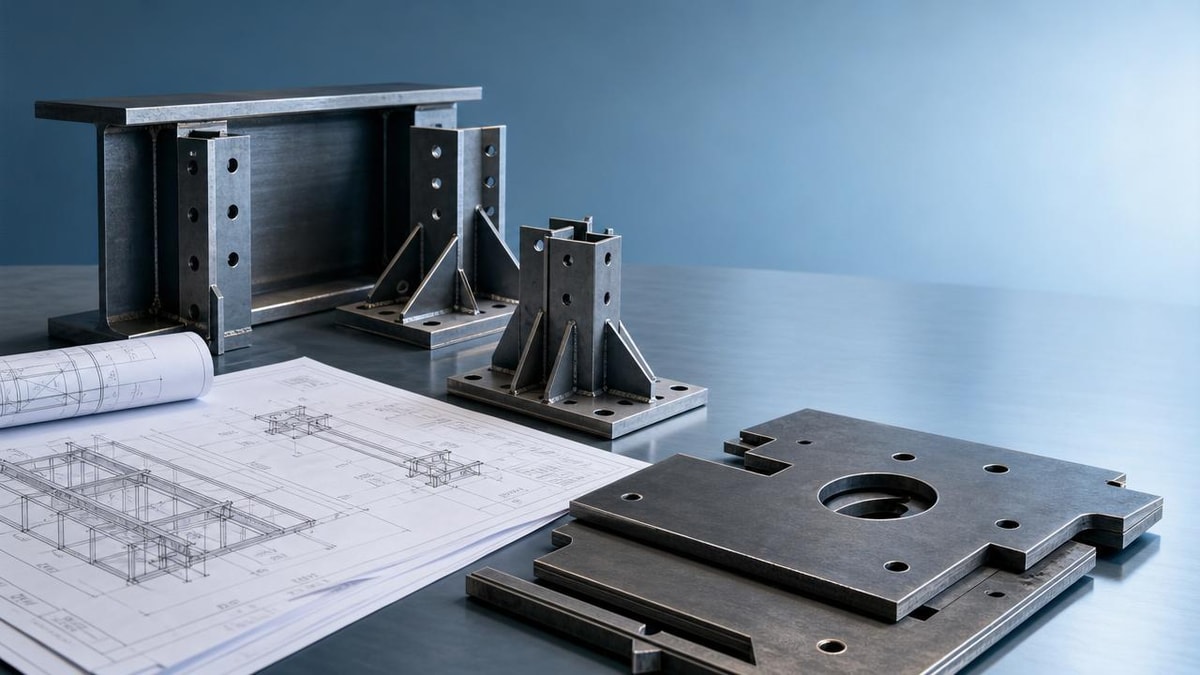
This problem is especially common in fast-track construction, mixed-trade environments, and projects where design packages are released in stages. Structural steel, support frames, embedded plates, architectural metal, pipe racks, access platforms, and custom brackets may all depend on coordinated dimensions from architects, structural engineers, MEP teams, and field conditions. When one drawing package changes late, custom metal fabrication for construction can be forced into redesign or partial rework.
For project leaders, the key insight is simple: delays rarely begin with fabrication capacity alone. They begin when fabrication teams receive drawings that are technically incomplete, commercially ambiguous, or disconnected from site reality. That is why drawing quality is not just an engineering concern; it is a schedule control issue.
What drawing-stage issues create the biggest risk in custom metal fabrication for construction?
The most damaging issues are not always dramatic errors. Often, small gaps in information create chain reactions across procurement, production sequencing, and installation planning. Project managers should watch for several high-impact drawing-stage problems.
- Incomplete dimensions, tolerances, or elevations that prevent accurate shop detailing.
- Conflicts between structural, architectural, and MEP drawings that leave attachment points unresolved.
- Unclear material specifications, finishes, coating systems, or welding requirements that block procurement.
- Design changes issued after detailing has started, causing revision loops and scrap risk.
- Field conditions that differ from the design model, especially in retrofit, industrial, or infrastructure work.
- Approval bottlenecks for shop drawings, delegated design, or engineer review comments.
These issues matter because custom metal fabrication for construction is highly interdependent. A missing embed location may delay plate fabrication. A late finish approval may hold raw material release. A geometry mismatch between the model and field measurements may invalidate a full batch of fabricated components. In a compressed project schedule, even a two-day clarification delay can ripple into lost production slots, shipping changes, and crane rescheduling.
How can project managers tell whether drawings are truly fabrication-ready?
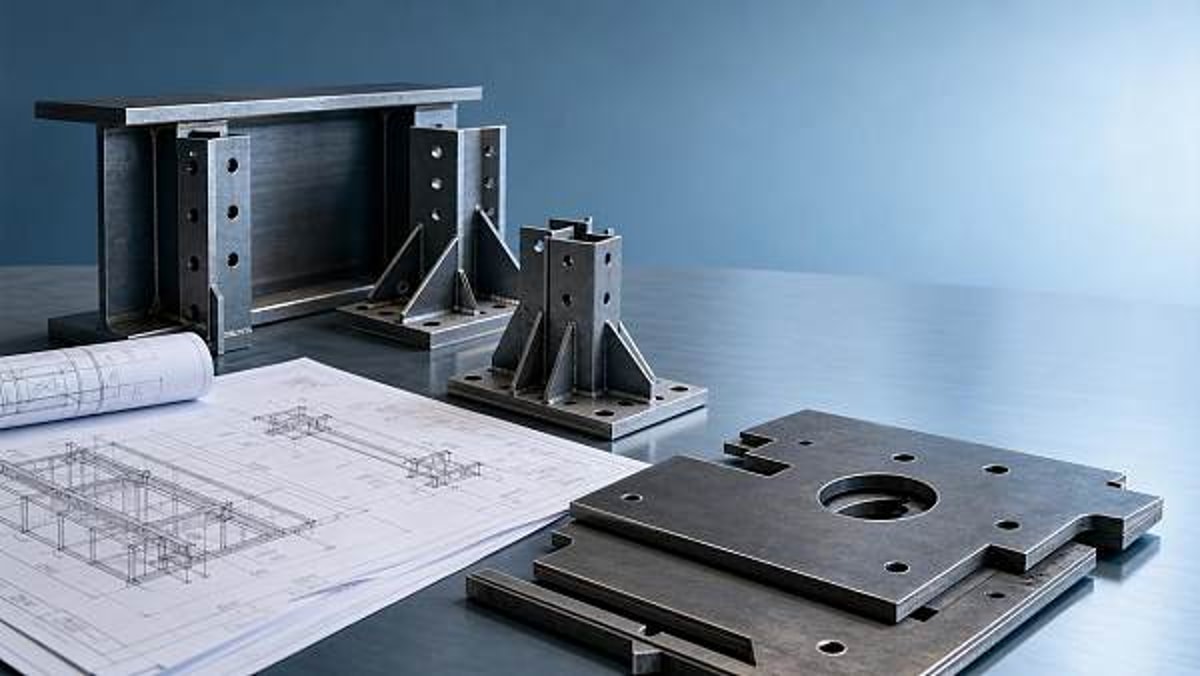
A drawing set may look complete from a design standpoint but still be unready for fabrication. Fabrication readiness means a metal fabricator can convert the information into detailed shop drawings, material orders, and production steps without relying on repeated assumptions. This distinction is critical in custom metal fabrication for construction, where every project contains nonstandard conditions.
A practical way to assess readiness is to ask whether the drawing package answers five operational questions: What is being built, what interfaces with it, what exact materials are required, what approvals are still pending, and what site constraints may affect final geometry? If the answer to any of these is uncertain, fabrication risk remains high.
Project managers should also separate “design-issued” from “fabrication-issued.” A design-issued package may be suitable for bidding or coordination, while a fabrication-issued package must support detailing, nesting, cutting, welding, and assembly. The difference often determines whether a supplier can commit to delivery dates with confidence.
Which types of construction projects are most exposed to drawing-stage fabrication delays?
Not every project carries the same level of exposure. Custom metal fabrication for construction becomes more vulnerable when geometry is complex, interfaces are dense, or sequencing is unforgiving. Several project types stand out.
First, retrofit and brownfield projects are high risk because existing conditions rarely match legacy drawings perfectly. Even minor discrepancies can force redesign of supports, frames, and transition pieces. Second, industrial and healthcare facilities often involve crowded service zones where structural metal must coexist with piping, ducting, cable trays, and equipment clearances. Third, architecturally expressive buildings using bespoke façades, canopies, stairs, or decorative metalwork depend heavily on exact detailing and finish coordination.
Fast-track projects also deserve attention. When teams release drawing packages in phases to accelerate progress, fabricators may begin with partial information. That can work if governance is strong, but it often increases revision exposure. In custom metal fabrication for construction, speed without controlled drawing release can become false efficiency.
What are the most common misconceptions that lead to avoidable rework and schedule slips?
One common misconception is that an experienced fabricator can “figure it out” from an incomplete package. Skilled fabricators can solve many problems, but every assumption carries commercial and technical consequences. What seems like flexibility at the start may become a claim, delay, or installation mismatch later.
Another misconception is that shop drawings alone will fix poor design coordination. Shop drawing teams can refine details, but they cannot reliably resolve conflicting design intent without timely owner, engineer, or consultant input. In custom metal fabrication for construction, the detailing phase should clarify buildability, not absorb uncontrolled design risk.
A third misconception is that material lead time is separate from drawing quality. In practice, procurement depends on approved information. If thickness, finish, alloy, galvanizing scope, or connection hardware remain undefined, buyers may hesitate to place orders or must order conservatively, increasing both cost and delay.
Finally, some teams underestimate the cost of “small” revisions. A revised hole location or bracket offset may appear minor on a screen, yet it can require updated nesting, remanufacturing, re-coating, and delivery resequencing. For project management teams, small drawing changes should be evaluated through a fabrication impact lens, not only a design lens.
How can teams reduce drawing-stage risk before releasing work to fabrication?
The most effective approach is to create a structured pre-fabrication review process. This does not need to be bureaucratic, but it must be disciplined. Before releasing custom metal fabrication for construction, teams should verify ownership of unresolved issues, freeze critical interfaces, and confirm whether any field checks are still outstanding.
A strong process usually includes a coordinated drawing review meeting involving the project manager, fabricator, detailer, relevant engineers, and site representatives. The goal is not merely to review drawings visually, but to stress-test the package against production and installation realities. Questions should cover lifting constraints, splice strategy, coating sequence, transport dimensions, erection tolerances, and interface with adjacent trades.
Digital tools also help, especially 3D models, clash detection, point-cloud verification, and revision tracking. However, technology only adds value when teams use it to make decisions quickly. A highly detailed model with unresolved authority lines can still produce delay. For custom metal fabrication for construction, process discipline matters as much as software sophistication.
- Establish a formal fabrication readiness checklist before issuing work.
- Tag all drawing assumptions and assign owners for closure.
- Separate “approved for coordination” from “approved for fabrication.”
- Require field verification for retrofit, embeds, and tight-fit assemblies.
- Track revision history visibly so procurement and production work from current data only.
When evaluating a fabrication partner, what questions should project managers ask up front?
Supplier selection should go beyond price and nominal capacity. In custom metal fabrication for construction, the right partner helps identify drawing risk early and communicates clearly when information gaps threaten schedule certainty. That makes pre-award questioning essential.
Ask how the fabricator reviews incomplete drawing packages, what information they require before material release, and how they manage revisions once detailing has begun. Clarify whether they provide design-assist input, field measurement support, or BIM coordination. Also ask how they handle hold points, nonconformance reporting, finish approvals, and schedule recovery when upstream drawings change.
The best fabrication partners are transparent about constraints. If a supplier immediately promises speed without discussing drawing maturity, approval lead times, or interface dependencies, that should raise concern. Reliable custom metal fabrication for construction depends on predictable information flow, not optimism alone.
What should a project manager clarify before procurement, fabrication, or collaboration moves forward?
Before committing to production dates or supplier agreements, project managers should clarify a focused set of commercial and technical questions. These early discussions can prevent many downstream disputes and delays.
Confirm which drawing set is the governing issue for fabrication, what revisions are still expected, and who has authority to approve changes. Verify material grade, coating system, inspection requirements, and any project-specific standards. Check whether field dimensions are final, whether interface trades have signed off, and whether installation sequencing imposes batch priorities. For custom metal fabrication for construction, timing is also crucial: ask when long-lead materials must be ordered, when shop drawings must be approved, and what happens if those milestones slip.
If you need to move toward a specific solution, quotation, or partnership, the most useful opening questions are practical ones: Is the package fabrication-ready today? What unresolved items block commitment? What assumptions are being made? What field validation is still needed? What is the likely impact of one more design revision? By asking those questions early, project teams can turn drawing-stage uncertainty into controlled decision-making and keep custom metal fabrication for construction aligned with the broader project schedule.
Get weekly intelligence in your inbox.
No noise. No sponsored content. Pure intelligence.
 May 03, 20265 Axis Milling Machines for Automotive: Buy New or Retrofit?5 Axis Milling Machines for Automotive: Buy New or Retrofit?
 May 03, 2026What to Check Before Sourcing OEM Machined Parts from IndiaWhat to Check Before Sourcing OEM Machined Parts from India
 May 03, 2026Why Sheet Metal Bending Machine Price Varies So MuchWhy Sheet Metal Bending Machine Price Varies So Much
 May 03, 2026Plastic Injection Molding Process Guide for Common Defect ControlPlastic Injection Molding Process Guide for Common Defect Control
 May 03, 2026Smart Manufacturing Technology Trends Reshaping Factory UpgradesSmart Manufacturing Technology Trends Reshaping Factory Upgrades
 May 03, 2026Automotive Die Casting Parts and the Hidden Cost of PorosityAutomotive Die Casting Parts and the Hidden Cost of Porosity
 May 03, 2026Assembly Line Robots: Flexibility Can Matter More Than SpeedAssembly Line Robots: Flexibility Can Matter More Than Speed
 May 03, 2026Smart Manufacturing in Energy: Which Upgrades Pay Back FasterSmart Manufacturing in Energy: Which Upgrades Pay Back Faster
 May 03, 2026Why Robotics Integration Fails After a Successful DemoWhy Robotics Integration Fails After a Successful Demo
 May 03, 2026How to Spot a Reliable Precision Components ManufacturerHow to Spot a Reliable Precision Components Manufacturer
 May 03, 2026Sheet Metal Bending Machine Specifications That Affect AccuracySheet Metal Bending Machine Specifications That Affect Accuracy
 May 03, 2026Oil and Gas Fabrication: Where Material Mismatch Gets ExpensiveOil and Gas Fabrication: Where Material Mismatch Gets Expensive
 May 03, 2026Construction Fabrication Delays Often Start at the Drawing StageConstruction Fabrication Delays Often Start at the Drawing Stage
 May 03, 2026Industrial Robotics Maintenance Guide for Fewer Surprise StopsIndustrial Robotics Maintenance Guide for Fewer Surprise Stops
 May 03, 2026Smart Manufacturing Technology Benefits Beyond Labor SavingsSmart Manufacturing Technology Benefits Beyond Labor Savings
 May 03, 2026Defense Components Need More Than Tight TolerancesDefense Components Need More Than Tight Tolerances
 May 03, 2026How to Vet a Die Casting Parts Supplier in MexicoHow to Vet a Die Casting Parts Supplier in Mexico
 May 03, 2026Food Processing Automation Systems and the Cost of DowntimeFood Processing Automation Systems and the Cost of Downtime
 May 03, 20265 Axis Milling for Aerospace: When Extra Precision Is Worth It5 Axis Milling for Aerospace: When Extra Precision Is Worth It
 May 03, 2026How OEM Medical Equipment Parts Affect Validation TimelinesHow OEM Medical Equipment Parts Affect Validation Timelines
 May 03, 2026Packaging Robotics Integration Problems That Slow CommissioningPackaging Robotics Integration Problems That Slow Commissioning
 May 03, 2026What Causes Rework in OEM Aerospace Machined PartsWhat Causes Rework in OEM Aerospace Machined Parts
 May 03, 2026Choosing Sheet Metal Bending Services in Europe Without DelaysChoosing Sheet Metal Bending Services in Europe Without Delays
 May 03, 2026Die Casting Parts for Electronics: Tolerance or Heat Control?Die Casting Parts for Electronics: Tolerance or Heat Control?
 May 03, 2026Marine Metal Fabrication Mistakes That Raise Corrosion RiskMarine Metal Fabrication Mistakes That Raise Corrosion Risk
 May 03, 2026When Welding Robots Improve Quality More Than ThroughputWhen Welding Robots Improve Quality More Than Throughput
 May 03, 2026Medical Device Molding Machines: What Specs Matter MostMedical Device Molding Machines: What Specs Matter Most