FDA Updates IVD Software Guidance: AI Diagnostic Tools Require Independent Algorithm Validation
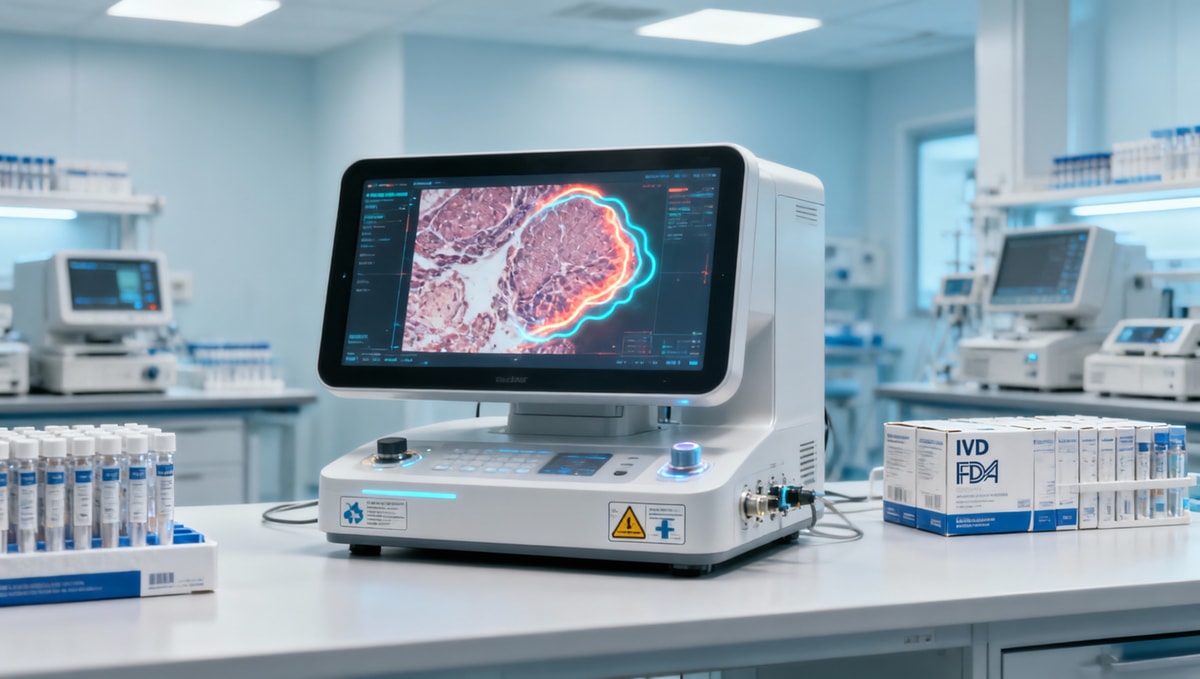
On April 30, 2026, the U.S. Food and Drug Administration (FDA) issued the Supplemental Guidance for Validation of AI-Driven In Vitro Diagnostic Software as a Medical Device (IVD-SaMD). This update introduces mandatory third-party algorithm robustness testing and real-time model iteration audit capabilities for AI-assisted diagnostic devices—including pathology image analysis and ECG abnormality detection systems. Diagnostic equipment exporters, particularly those based in China, must now adjust technical documentation architecture and plan for extended FDA registration timelines (averaging 8–12 weeks longer), while also addressing new requirements for localized AI training data storage and pre-integrated explainability modules.
Event Overview
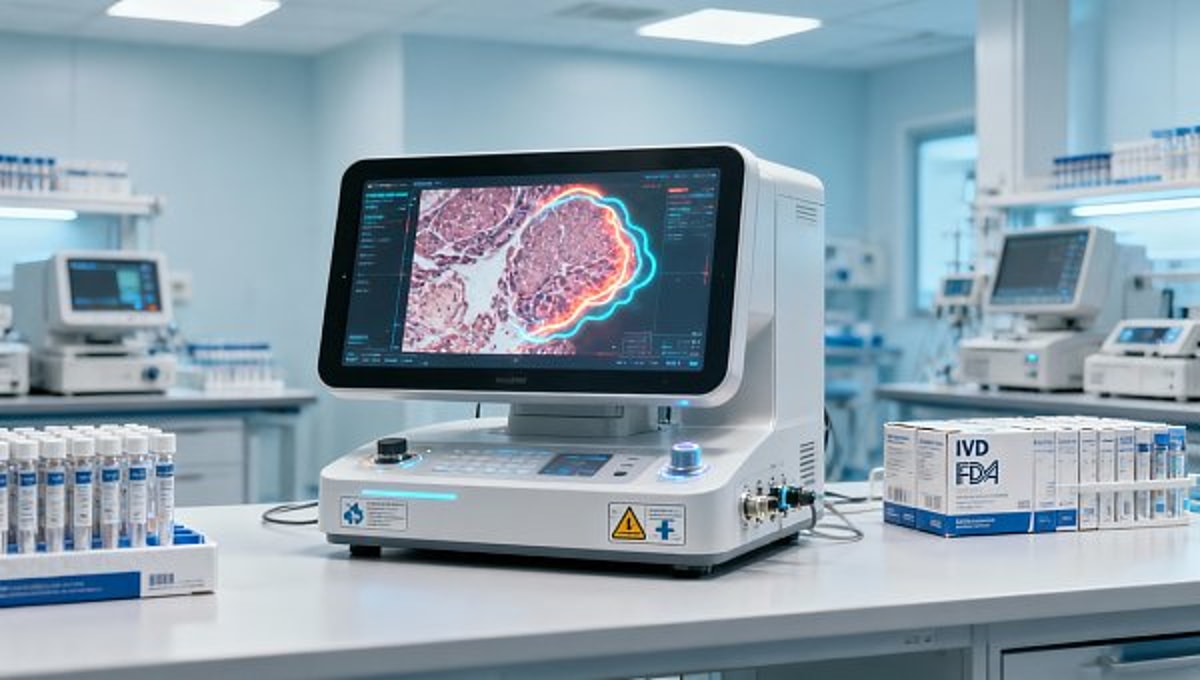
On April 30, 2026, the U.S. FDA published the Supplemental Guidance for Validation of AI-Driven In Vitro Diagnostic Software as a Medical Device (IVD-SaMD). The guidance mandates that all AI-assisted diagnostic devices intended for use as IVD-SaMD submit third-party algorithm robustness test reports and support real-time model iteration auditing. It explicitly applies to products such as automated pathology image analyzers and AI-based electrocardiogram (ECG) anomaly classifiers. The guidance directly impacts registration timelines and technical documentation requirements for Chinese diagnostic equipment exporters.
Industries Affected
Diagnostic Equipment Exporters
These companies face extended FDA premarket review cycles—average delays of 8–12 weeks—as newly required algorithm validation reports and audit-ready model versioning must be integrated into submission packages. Technical documentation must now include structured evidence of data provenance, model interpretability design, and traceable iterative updates.
AI Software Development Providers (for IVD-SaMD)
Developers supporting export-oriented IVD-SaMD manufacturers must adapt engineering workflows to embed audit logging, version-controlled model deployment, and explainability modules early in development—not as post-hoc add-ons. Localized storage of training data (e.g., within U.S.-aligned infrastructure or compliant regional data centers) becomes a prerequisite for validation readiness.
Regulatory Affairs & Quality Assurance Service Providers
Firms offering regulatory strategy, ISO 13485/IEC 62304 compliance support, or clinical evaluation services must revise standard operating procedures to incorporate FDA’s updated expectations for algorithmic transparency, reproducibility, and ongoing performance monitoring—especially for adaptive AI models deployed in diagnostic settings.
Key Considerations and Recommended Actions
Monitor official FDA communications and related draft templates
The supplemental guidance references forthcoming FDA-issued templates for algorithm robustness test protocols and audit trail specifications. Exporters and developers should track FDA’s Digital Health Center of Excellence (DHCoE) updates for standardized reporting formats expected in future submissions.
Prioritize validation readiness for high-volume IVD-SaMD categories
Pathology imaging systems and ECG interpretation software are explicitly named in the guidance as priority use cases. Companies with products in these categories should allocate internal resources to align current validation plans with the new third-party testing and real-time audit requirements before initiating new 510(k) or De Novo submissions.
Distinguish policy signal from immediate enforcement scope
This guidance applies to new submissions and major modifications filed on or after April 30, 2026. It does not retroactively require revalidation of already-cleared devices—unless a significant algorithm update triggers a new submission. Firms should assess whether planned model iterations constitute reportable changes under current FDA classification rules.
Initiate cross-functional alignment on data governance and documentation architecture
Technical writers, AI engineers, QA teams, and regulatory leads must jointly redesign documentation frameworks to capture model lineage, training data geolocation, decision logic mapping, and change logs—all auditable in real time. Early engagement with qualified third-party testing labs familiar with FDA’s evolving AI validation expectations is advised.
Editorial Observation / Industry Perspective
Observably, this guidance signals a structural shift in FDA’s approach to AI-enabled IVDs—from evaluating static algorithms toward governing dynamic, learning-capable systems. Analysis shows it is less a finalized regulatory mandate than a calibrated policy signal: the FDA is formalizing expectations ahead of anticipated increases in adaptive SaMD submissions, while allowing industry time to adapt engineering and documentation practices. From an industry perspective, the emphasis on independent algorithm robustness testing and real-time auditability reflects growing regulatory focus on operational transparency—not just clinical accuracy. Current attention should center on implementation feasibility, not theoretical compliance.
Conclusion
This guidance marks a consequential step in the regulatory maturation of AI-driven IVD software. It does not introduce entirely new regulatory pathways, but rather refines evidentiary expectations within existing frameworks. For affected stakeholders, it is best understood not as an isolated rule change—but as an indicator of sustained regulatory prioritization of algorithmic accountability, data stewardship, and lifecycle traceability in diagnostic AI systems.
Information Sources
Main source: U.S. FDA, Supplemental Guidance for Validation of AI-Driven In Vitro Diagnostic Software as a Medical Device (IVD-SaMD), issued April 30, 2026.
Note: Specific criteria for ‘independent’ third-party testing labs, acceptable robustness metrics, and definitions of ‘real-time audit’ remain subject to further clarification and are under active observation.
Get weekly intelligence in your inbox.
No noise. No sponsored content. Pure intelligence.
 May 03, 2026AI Boom Drives Data Center Power Demand, Liquid Cooling Gains UrgencyAI Boom Drives Data Center Power Demand, Liquid Cooling Gains Urgency
 May 03, 2026Low-Altitude Economy in China's 15th Five-Year Plan Boosts Warehouse Robotics ExportsLow-Altitude Economy in China's 15th Five-Year Plan Boosts Warehouse Robotics Exports
 May 03, 2026EU REACH Adds 5 Organotin Compounds to SVHC List for ElectronicsEU REACH Adds 5 Organotin Compounds to SVHC List for Electronics
 May 03, 2026Western Land-Sea Expressway Boosts Solar PV Exports to ASEANWestern Land-Sea Expressway Boosts Solar PV Exports to ASEAN
 May 03, 2026Southeast Asia Smart Home E-commerce Grows 27.4% Amid New Matter 1.3+ Certification RulesSoutheast Asia Smart Home E-commerce Grows 27.4% Amid New Matter 1.3+ Certification Rules
 May 03, 2026FDA Updates IVD Software Guidance: AI Diagnostic Tools Require Independent Algorithm ValidationFDA Updates IVD Software Guidance: AI Diagnostic Tools Require Independent Algorithm Validation
 May 03, 2026Global Methanol EV Ecosystem Alliance LaunchedGlobal Methanol EV Ecosystem Alliance Launched
 May 03, 2026Vietnam GDP Growth Forecast Raised to 7.2% for 2026Vietnam GDP Growth Forecast Raised to 7.2% for 2026
 May 03, 2026UAE Emerges as Global AI Hub, Driving Demand for AI-Quality Inspection SystemsUAE Emerges as Global AI Hub, Driving Demand for AI-Quality Inspection Systems
 May 03, 2026OFID $500M Funding for Côte d'Ivoire Energy ProjectsOFID $500M Funding for Côte d'Ivoire Energy Projects
 May 03, 20265 Axis Milling Machines for Automotive: Buy New or Retrofit?5 Axis Milling Machines for Automotive: Buy New or Retrofit?
 May 03, 2026What to Check Before Sourcing OEM Machined Parts from IndiaWhat to Check Before Sourcing OEM Machined Parts from India
 May 03, 2026Why Sheet Metal Bending Machine Price Varies So MuchWhy Sheet Metal Bending Machine Price Varies So Much
 May 03, 2026Plastic Injection Molding Process Guide for Common Defect ControlPlastic Injection Molding Process Guide for Common Defect Control
 May 03, 2026Smart Manufacturing Technology Trends Reshaping Factory UpgradesSmart Manufacturing Technology Trends Reshaping Factory Upgrades
 May 03, 2026Automotive Die Casting Parts and the Hidden Cost of PorosityAutomotive Die Casting Parts and the Hidden Cost of Porosity
 May 03, 2026Assembly Line Robots: Flexibility Can Matter More Than SpeedAssembly Line Robots: Flexibility Can Matter More Than Speed
 May 03, 2026Smart Manufacturing in Energy: Which Upgrades Pay Back FasterSmart Manufacturing in Energy: Which Upgrades Pay Back Faster
 May 03, 2026Why Robotics Integration Fails After a Successful DemoWhy Robotics Integration Fails After a Successful Demo
 May 03, 2026How to Spot a Reliable Precision Components ManufacturerHow to Spot a Reliable Precision Components Manufacturer
 May 03, 2026Sheet Metal Bending Machine Specifications That Affect AccuracySheet Metal Bending Machine Specifications That Affect Accuracy
 May 03, 2026Oil and Gas Fabrication: Where Material Mismatch Gets ExpensiveOil and Gas Fabrication: Where Material Mismatch Gets Expensive
 May 03, 2026Construction Fabrication Delays Often Start at the Drawing StageConstruction Fabrication Delays Often Start at the Drawing Stage
 May 03, 2026Industrial Robotics Maintenance Guide for Fewer Surprise StopsIndustrial Robotics Maintenance Guide for Fewer Surprise Stops
 May 03, 2026Smart Manufacturing Technology Benefits Beyond Labor SavingsSmart Manufacturing Technology Benefits Beyond Labor Savings
 May 03, 2026Defense Components Need More Than Tight TolerancesDefense Components Need More Than Tight Tolerances
 May 03, 2026How to Vet a Die Casting Parts Supplier in MexicoHow to Vet a Die Casting Parts Supplier in Mexico