What to Check Before Buying MPPT Controllers in Bulk
Buying mppt controllers in bulk requires more than comparing prices. Procurement teams and project managers should verify compatibility with solar charge controllers, battery management systems, and bms boards, while also checking performance with deep cycle batteries and agm batteries wholesale supply. For businesses sourcing alongside wind generator kits, portable solar panels, folding solar chargers, or solar water heaters, the right evaluation process helps reduce risk, improve system reliability, and protect long-term project value.
What matters first when evaluating MPPT controllers for bulk purchase?
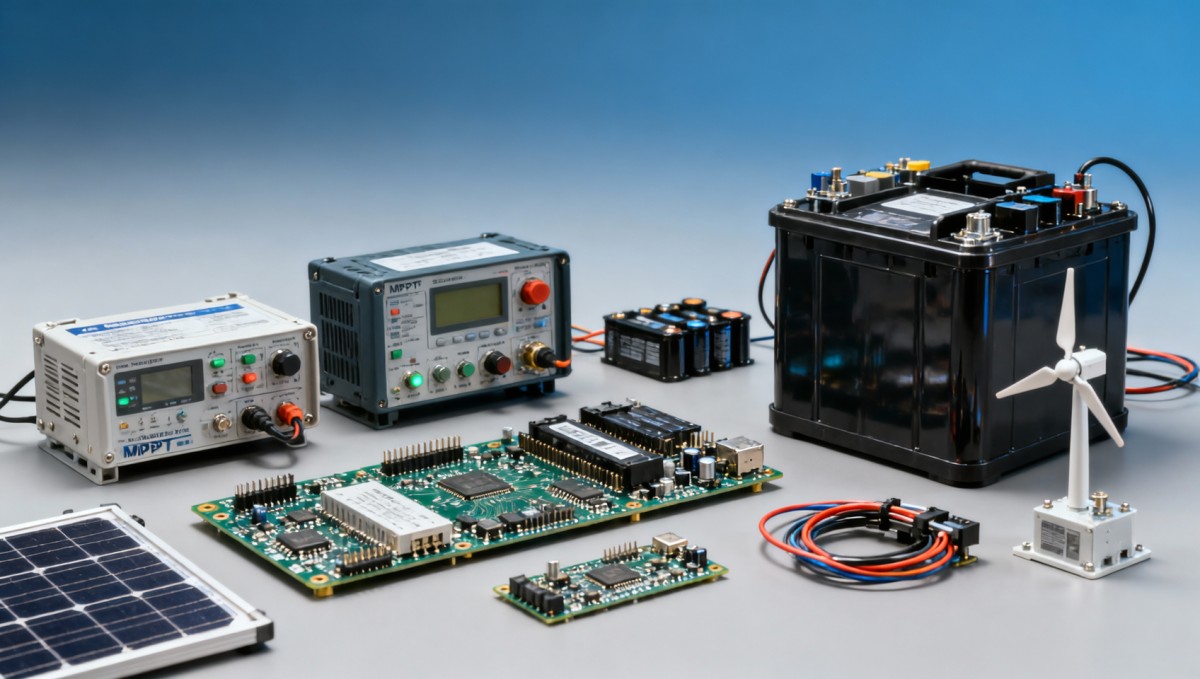
For B2B buyers, the first checkpoint is not unit price but system fit. An MPPT controller may look competitive on paper, yet become costly if its voltage window, charging profile, or communication interface does not match the actual solar array and battery bank. In mixed procurement programs that include solar charge controllers, battery management systems, and BMS boards, even a small mismatch can create redesign work, field failures, or delayed commissioning.
Most project teams assess MPPT controllers across 5 core dimensions: PV input range, battery compatibility, charging logic, environmental durability, and after-sales support. This is especially important when buying for telecom backup, off-grid pumping, mobile energy kits, rural electrification, or hybrid systems paired with wind generator kits. Each use case places different demands on current rating, enclosure protection, and communication protocols.
A practical review should cover the full operating chain. Check whether the controller supports common battery chemistries used in the project, such as AGM, gel, lithium, or deep cycle batteries. Then confirm how charging stages are managed over 24V, 48V, or other system voltages, and whether parameter settings can be adjusted safely by installers or operators within a controlled range.
Bulk procurement is a reliability decision, not only a sourcing decision
In large-volume orders, consistency between batches matters almost as much as electrical performance. Procurement personnel should ask whether firmware, terminal layout, heat dissipation structure, and labeling remain stable across production runs of 500, 1,000, or 5,000 units. Stable specifications simplify installation training, reduce spare-parts complexity, and improve distributor confidence across multiple regions.
Commercial evaluators also need to look at lifecycle implications. A controller with lower upfront cost may require more site visits, more operator training, or more warranty replacements over 12–24 months. In contrast, a slightly higher-cost model with clear documentation, traceable components, and predictable lead times can lower total procurement risk, especially in cross-border sourcing.
- Confirm the controller’s maximum PV open-circuit voltage against the cold-weather conditions expected at the project site.
- Verify battery charging profiles for AGM batteries wholesale programs, deep cycle batteries, and lithium-based storage systems.
- Check whether communication options such as RS485, CAN, or basic remote monitoring are required for fleet management.
- Review production consistency, packaging method, and spare unit ratio for medium and large batch orders.
Which technical specifications should procurement teams verify before ordering?
Technical due diligence should start with the controller’s electrical envelope. Many buyers focus on rated current, such as 20A, 40A, 60A, or 100A, but current alone is not enough. The more useful question is whether the PV input voltage range, battery voltage support, and thermal derating curve align with the intended array size and installation environment. This is critical in projects that may run in ambient temperatures from 0°C to 45°C or even broader outdoor conditions.
Battery charging logic is another major checkpoint. If the project includes deep cycle batteries for off-grid storage or AGM batteries wholesale for backup power, the controller should provide suitable bulk, absorption, and float charging stages. Where lithium batteries are used, teams should confirm whether the MPPT controller can coordinate properly with a battery management system or BMS board, especially around high-voltage cut-off, low-temperature charging protection, and communication-based control.
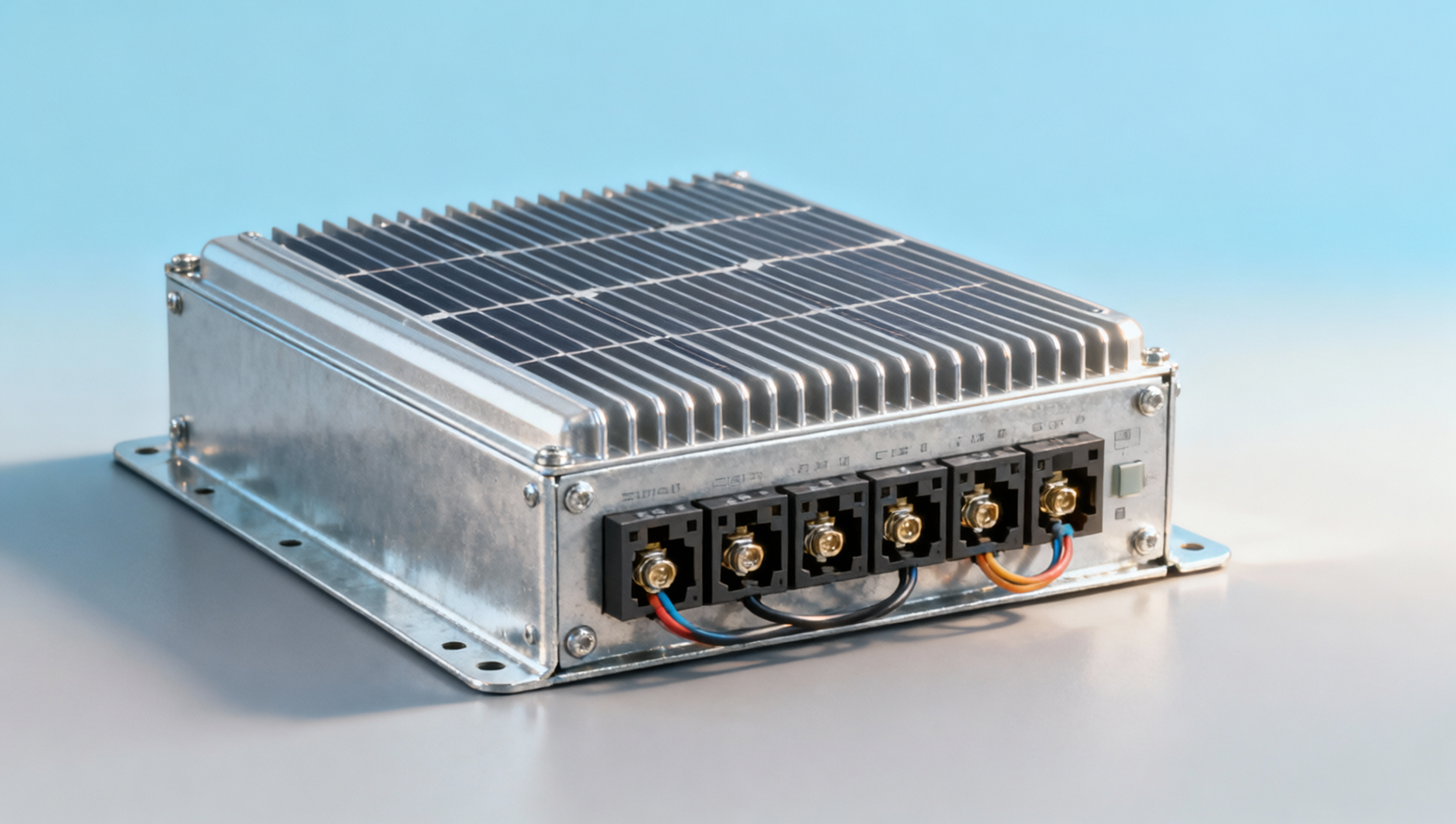
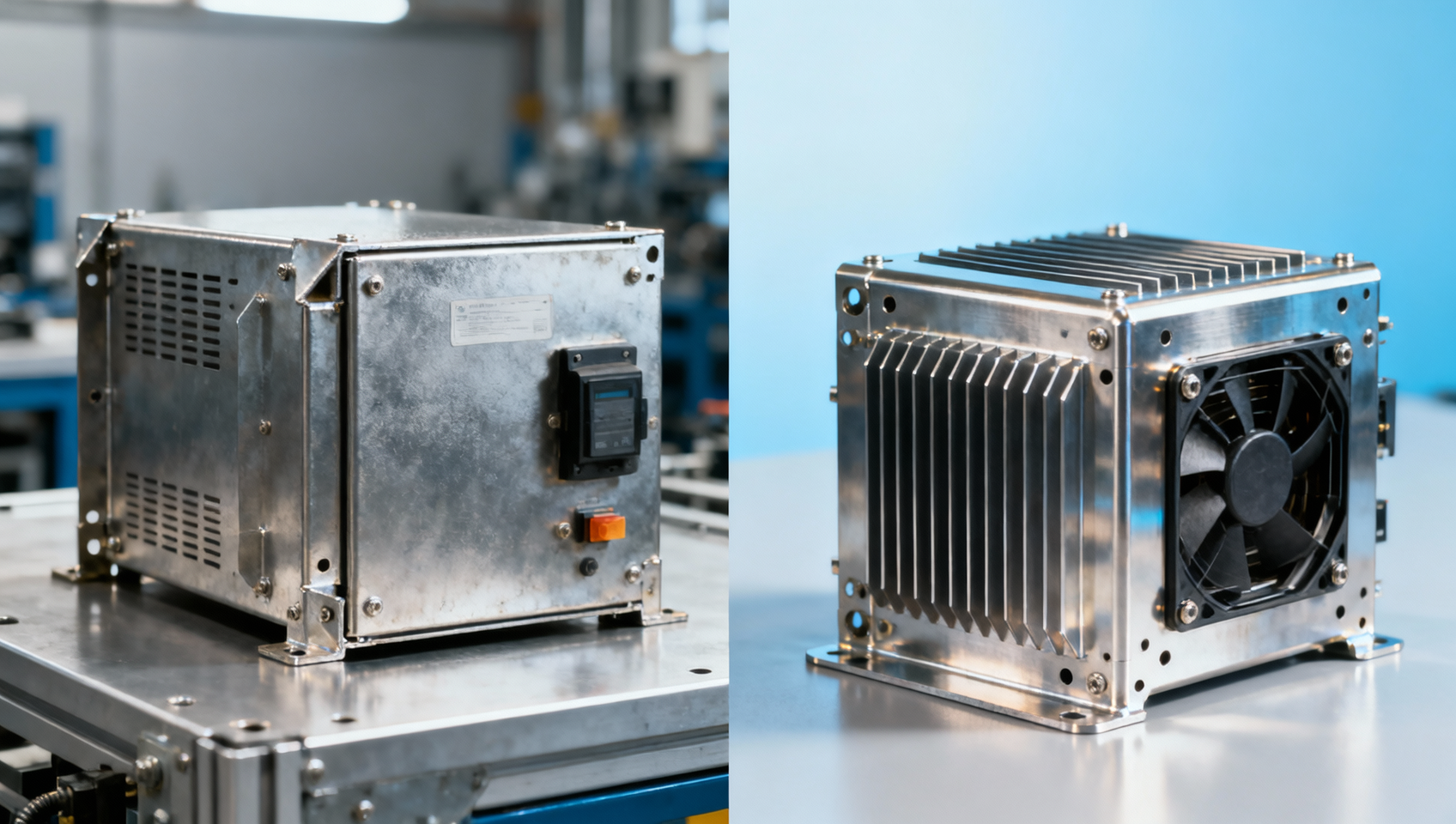
Mechanical and environmental details also deserve attention. Terminal block size, cable entry design, heat sink spacing, fanless or fan-assisted cooling, and enclosure rating affect field service life. In dust-prone or humid locations, buyers often review IP rating, corrosion resistance, and mounting orientation. These details influence real-world performance more than brochure claims alone.
The table below summarizes a practical technical review framework for bulk-buying MPPT controllers across common project conditions.
This type of matrix helps procurement teams compare suppliers beyond catalog language. It also gives operators, engineers, and distributors a shared basis for acceptance testing. In projects with 3 to 6 validation criteria per model, using one technical checklist can shorten internal approval cycles and reduce sourcing errors before the purchase order is released.
How to match MPPT controller ratings to real project loads
A controller should be selected from the array and battery side together. If the project uses portable solar panels or folding solar chargers in smaller mobile systems, the design may prioritize compactness and intermittent charging behavior. If the application is a fixed installation with solar water heaters, pumps, or telecom cabinets, the focus shifts toward continuous thermal performance and stronger terminal capacity.
Key rating checks
- Verify battery system voltage, typically 12V, 24V, or 48V for many commercial off-grid installations.
- Check the maximum PV Voc under low-temperature conditions, not only under standard test assumptions.
- Allow engineering margin for future array expansion where project plans may grow within 6–12 months.
- Confirm whether the controller can sustain rated output current continuously or only under limited thermal conditions.
These checks become more valuable when the buyer is sourcing for multiple markets at once. A distributor may need one MPPT platform for rural electrification kits, rooftop support units, and hybrid wind-solar packages. In that case, platform flexibility can matter more than achieving the lowest price per unit on a single order.
How do application scenarios change the right buying decision?
The right MPPT controller for one project can be the wrong choice for another. Operators and project managers should map application conditions before comparing quotations. A mobile charging kit, a rural health outpost, and a fixed industrial backup system may all use MPPT technology, but their needs differ in current stability, battery chemistry, enclosure robustness, and monitoring level.
This matters even more in combined procurement. Buyers may source MPPT controllers together with wind generator kits, portable solar panels, solar water heaters, or complementary storage hardware. The system architecture then becomes more complex. Integration points, installation skill level, and maintenance intervals should all shape the sourcing decision from the start rather than after delivery.
The following comparison table shows how common application scenarios affect controller selection priorities.
A scenario-based comparison helps different stakeholders make aligned decisions. Procurement teams can compare bids more rationally, engineers can avoid over- or under-specification, and distributors can choose models suited to their downstream customer base. In many organizations, using 4 scenario buckets like these can simplify internal discussions and improve forecast planning for the next 2–4 quarters.
Why mixed product sourcing increases the need for compatibility checks
When MPPT controllers are purchased alongside battery systems, BMS boards, and solar accessories, the hidden risk is not only electrical mismatch but also fragmented accountability. If a charging issue appears after installation, suppliers may blame one another unless the integration boundaries were documented clearly in advance. That is why project managers should request parameter sheets, wiring logic, and charge strategy notes before the first shipment.
For distributors and agents, compatibility clarity also supports sales efficiency. A controller that works reliably with common deep cycle batteries, AGM batteries wholesale inventory, and standard solar charge controllers is easier to resell than a model with narrow or unclear integration limits. Clear technical positioning reduces post-sale questions and lowers channel friction.
What should buyers check in certification, documentation, and supplier capability?
Bulk procurement requires more than technical compliance on the product itself. Buyers should also verify the supplier’s documentation discipline. A usable supplier package usually includes datasheets, wiring guidance, battery setting instructions, packing information, warranty terms, and basic test or inspection records. Without these documents, even a technically acceptable MPPT controller can create delays during import review, installation, or downstream resale.
Certification needs vary by destination market and project type, so procurement teams should define them early. In many cross-border transactions, the practical task is to confirm which market-access or safety-related documents are required before the order is finalized, rather than assuming one document package will fit all regions. This is especially relevant when the shipment is part of a larger green energy package including batteries and electrical accessories.
Lead time visibility is another important factor. Typical production and dispatch windows can differ significantly between standard models and customized units with special firmware, branding, connectors, or packaging. A nominal delivery estimate of 2–4 weeks for standard goods can become 5–8 weeks when changes are introduced. Commercial evaluators should account for this in bid planning and project rollout schedules.
A practical supplier review checklist
- Ask for current datasheets and confirm that all key electrical values match the quotation and sample labels.
- Check whether installation manuals cover battery type selection, cable sizing guidance, and common alarm interpretation.
- Review packaging standards for export shipments, especially if orders move by sea freight over several weeks.
- Clarify warranty response flow, spare policy, and whether replacement units or parts are stocked for recurring buyers.
- Verify whether sample testing can be completed before mass production and whether parameter changes are traceable.
Common procurement mistakes to avoid
A frequent mistake is approving a bulk order after evaluating only one sample under ideal indoor conditions. Another is assuming all MPPT controllers with the same current rating behave similarly with lithium batteries or deep cycle batteries. In reality, charging profiles, thermal behavior, and communication options can vary meaningfully between designs that appear similar in a catalog.
Another common issue is treating after-sales support as optional. For enterprise buyers managing 100 to 1,000 deployed units across multiple sites, support response time and troubleshooting clarity are not secondary details. They influence downtime, technician workload, and customer satisfaction throughout the project lifecycle.
How can buyers reduce cost risk without compromising project performance?
Cost control in MPPT controller procurement should be based on total delivered value, not just ex-works price. The real cost includes incoming inspection, installation time, field service, battery impact, replacement rate, and logistics efficiency. For example, a controller with poor terminal layout may add 10–20 minutes of extra labor per installation, which becomes significant across large deployments.
Buyers should distinguish between acceptable simplification and hidden downgrade. Some projects do not need advanced communication or extensive remote diagnostics, so a simpler unit may be suitable. However, reducing protection functions, battery profile flexibility, or enclosure durability can create much higher downstream cost. The goal is to remove unnecessary features while protecting the specifications that support the intended service life.
A sound procurement process usually follows 4 steps: requirement mapping, sample verification, commercial comparison, and controlled batch release. This structure is useful for enterprise decision-makers because it balances speed and risk. It also gives distributors a repeatable template they can apply across multiple product families, from solar charge controllers to associated battery and renewable energy accessories.
How TradeNexus Pro supports better sourcing decisions
TradeNexus Pro serves procurement directors, supply chain managers, and enterprise buyers who need more than broad marketplace listings. In categories such as green energy, smart electronics, and advanced manufacturing, sourcing quality depends on context: specification discipline, supplier positioning, integration logic, and market timing. That is where structured B2B intelligence becomes valuable.
For companies evaluating MPPT controllers in bulk, TNP helps frame the decision around practical business questions: Which technical attributes are truly critical for the use case? What documentation should be requested before quotation approval? How should compatibility be reviewed when batteries, BMS boards, and other components are sourced together? This kind of insight supports faster internal alignment across technical, commercial, and executive teams.
Instead of relying on fragmented information, buyers can use TNP’s industry-focused perspective to compare options with greater precision. That is especially useful when procurement plans involve recurring orders, multi-region distribution, or strategic sourcing across green energy product categories over the next 6–12 months.
FAQ: what do bulk buyers ask most often about MPPT controllers?
The questions below reflect common purchasing concerns from operators, procurement managers, project leaders, and distribution partners. They also help search users who are comparing MPPT controller options in practical B2B scenarios rather than looking for basic definitions only.
How do I know whether an MPPT controller is compatible with my battery system?
Start by confirming supported battery chemistries and charging stages. Then check whether voltage thresholds, temperature compensation, and charge current limits fit the battery manufacturer’s guidance. If lithium batteries are used, verify whether the controller works with the battery management system directly or operates only through preset charging parameters. For AGM and deep cycle batteries, accurate float and absorption settings are often essential for long service life.
What batch size should be tested before placing a large order?
A common B2B approach is to begin with samples or a pilot batch, then expand to a controlled first order before full-volume rollout. The exact quantity depends on project scale, but the principle remains the same: validate electrical behavior, installation workflow, and documentation quality before committing to larger production runs. This is particularly important if the controller will be paired with other sourced items such as BMS boards or portable solar panels.
Are all MPPT controllers suitable for hybrid systems with wind generator kits?
No. Hybrid systems need coordinated battery charging logic and clear integration boundaries. An MPPT controller may perform well in a solar-only setup but still require additional control strategy review when used with wind charging equipment. Buyers should check how charging priority, voltage protection, and alarm handling are managed across the combined system.
What delivery details should be clarified before confirming a bulk order?
Confirm lead time, packaging method, labeling, firmware version stability, spare ratio, and warranty handling. If the project requires branding, custom connectors, or special documentation, these points should be locked before production starts. Many delivery issues arise not from manufacturing failure but from unclear assumptions during order confirmation.
Why choose us for strategic sourcing insight and next-step evaluation?
TradeNexus Pro is built for serious B2B decision-making across green energy and adjacent industrial sectors. If your team is comparing MPPT controllers in bulk, we help you move beyond generic product listings and focus on procurement-grade evaluation: parameter confirmation, application fit, supplier documentation readiness, compatibility with battery management systems, and practical review of delivery timelines.
You can engage with TNP when you need support on 6 concrete topics: controller specification review, battery compatibility screening, sample assessment logic, certification and document planning, lead-time comparison, and channel-ready product positioning for distributors or agents. This is useful whether you are sourcing for one project or building a repeat purchasing framework across several markets.
If you are currently evaluating solar charge controllers, MPPT models, deep cycle batteries, AGM batteries wholesale programs, or hybrid packages that include wind generator kits and portable solar panels, contact us with your target voltage range, battery type, expected order volume, and destination market. That information makes it easier to discuss model selection, sample support, documentation requirements, delivery planning, and quotation alignment with greater speed and clarity.
For procurement teams, project managers, and enterprise buyers under time pressure, the right next step is a structured review rather than another round of broad searching. Share your technical checklist, project scenario, or sourcing brief, and we can help you narrow options, identify decision risks, and prepare a more confident bulk-buying path.
Get weekly intelligence in your inbox.
No noise. No sponsored content. Pure intelligence.
 Apr 17, 2026Temperature data loggers drift unpredictably inside lithium-ion battery storage enclosuresTemperature data loggers drift unpredictably inside lithium-ion battery storage enclosures
 Apr 17, 2026Are solar microinverters really worth the extra cost?Are solar microinverters really worth the extra cost?
 Apr 17, 2026Bifacial solar panels: How much more energy can they generate?Bifacial solar panels: How much more energy can they generate?
 Apr 17, 2026Gear manufacturing: How to optimize production for high precision?Gear manufacturing: How to optimize production for high precision?
 Apr 17, 2026Why power transmission components fail earlier than expectedWhy power transmission components fail earlier than expected
 Apr 17, 2026Linear motion systems: belt drive or ball screw for speed?Linear motion systems: belt drive or ball screw for speed?
 Apr 17, 2026Industrial bearing suppliers: what signals reliable quality?Industrial bearing suppliers: what signals reliable quality?
 Apr 17, 2026When pneumatic valves wholesale gets expensive laterWhen pneumatic valves wholesale gets expensive later
 Apr 17, 2026Hydraulic cylinder fabrication mistakes that cause oil leaksHydraulic cylinder fabrication mistakes that cause oil leaks
 Apr 17, 2026Heavy equipment manufacturing delays often start hereHeavy equipment manufacturing delays often start here
 Apr 17, 2026Custom heatsinks: when a larger size solves nothingCustom heatsinks: when a larger size solves nothing
 Apr 17, 2026Electronic enclosure fabrication: steel or aluminum?Electronic enclosure fabrication: steel or aluminum?
 Apr 17, 2026Automotive parts machining tolerances that drive up scrapAutomotive parts machining tolerances that drive up scrap
 Apr 17, 2026Medical device manufacturing changes under tighter traceabilityMedical device manufacturing changes under tighter traceability
 Apr 17, 2026How to Choose Solid State Batteries in 2026How to Choose Solid State Batteries in 2026
 Apr 17, 2026Are Solid State Batteries Worth the Cost Yet?Are Solid State Batteries Worth the Cost Yet?
 Apr 17, 2026Commercial Energy Storage Sizing: What Matters Most?Commercial Energy Storage Sizing: What Matters Most?
 Apr 17, 2026Commercial Energy Storage ROI: How to Assess ItCommercial Energy Storage ROI: How to Assess It
 Apr 17, 2026Off Grid Solar Systems: What to Avoid FirstOff Grid Solar Systems: What to Avoid First
 Apr 17, 2026Who Should Use Off Grid Solar Systems?Who Should Use Off Grid Solar Systems?
 Apr 17, 2026Solar Microinverters vs String Inverters: Which Fits?Solar Microinverters vs String Inverters: Which Fits?
 Apr 17, 2026When Do Solar Microinverters Make More Sense?When Do Solar Microinverters Make More Sense?
 Apr 17, 2026How digital freight matching for international shipping cuts transit time by up to 22% in 2026How digital freight matching for international shipping cuts transit time by up to 22% in 2026
 Apr 17, 2026Why port automation tech for smart logistics reduces container handling errors by 37% at Tier-1 terminalsWhy port automation tech for smart logistics reduces container handling errors by 37% at Tier-1 terminals
 Apr 17, 2026What yard management systems for port operations actually deliver in real-world deploymentsWhat yard management systems for port operations actually deliver in real-world deployments
 Apr 17, 2026Can digital customs clearance for sea freight reduce D/O processing from 48 hours to under 90 minutesCan digital customs clearance for sea freight reduce D/O processing from 48 hours to under 90 minutes
 Apr 17, 2026How returnable transport packaging for automotive parts lowers TCO by 18–25% over 3 yearsHow returnable transport packaging for automotive parts lowers TCO by 18–25% over 3 years