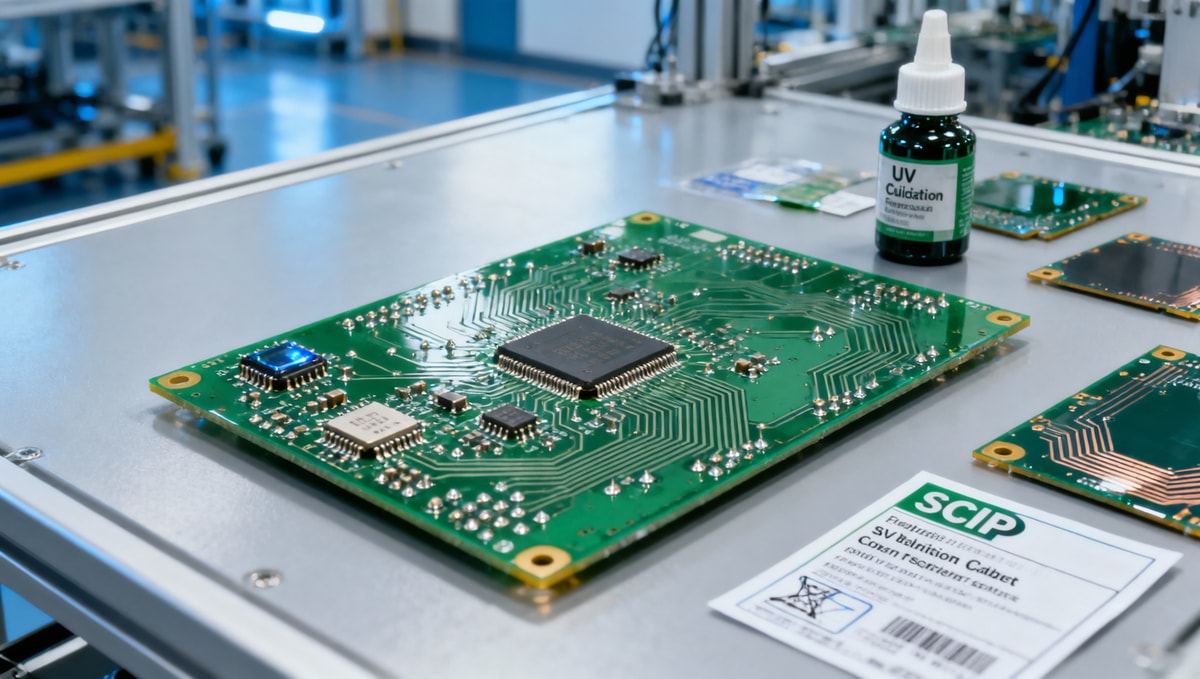
PCB assembly services: what causes hidden rework costs
Hidden rework costs can quietly erode margins, delay delivery, and strain cross-functional teams long before defects appear in final inspection. For project leaders evaluating pcb assembly services, understanding where these costs originate—from DFM gaps and component substitutions to communication breakdowns and test escapes—is essential to protecting timelines, budgets, and product quality.
In complex electronics programs, rework is rarely a single event on the shop floor. It often begins upstream, when design assumptions, sourcing constraints, process capability, and test coverage are not aligned during the first 2 to 4 project phases. By the time boards reach SMT, through-hole insertion, or final system integration, small mismatches can trigger scrap, line stoppages, expedited freight, and unplanned engineering hours.
For engineering managers and project owners, the real challenge is not only to compare unit pricing among pcb assembly services, but to evaluate total execution risk. A quote that appears 6% lower at the RFQ stage can become 12% to 20% more expensive after respins, ECOs, delayed approvals, and post-assembly troubleshooting. The most effective procurement decisions therefore focus on hidden cost drivers before production starts.
Where hidden rework costs usually begin
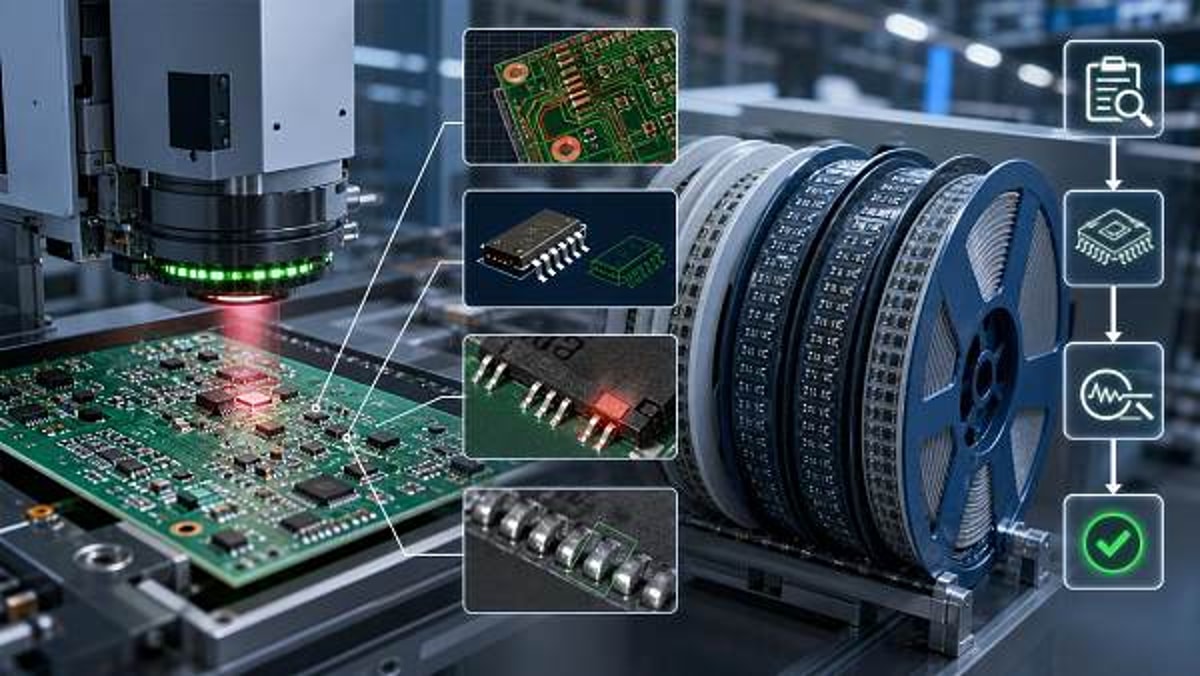
Most hidden costs in pcb assembly services originate long before operators touch a stencil or soldering iron. They tend to emerge at 4 critical points: design transfer, component sourcing, manufacturing preparation, and test planning. When one of these stages is weak, downstream teams compensate through manual intervention, engineering clarification, or repeated inspection cycles.
DFM gaps that create avoidable shop-floor corrections
Design for manufacturability is one of the earliest cost control levers. A layout may pass electrical validation yet still create assembly problems if pad geometries, solder mask clearances, fiducial strategy, panelization, or component spacing do not match process capability. Even a 0.1 mm clearance issue around fine-pitch packages can lead to bridging, insufficient solder joints, or repeated touch-up under magnification.
For project leaders, the cost impact is rarely limited to repair labor. DFM-related rework can add 1 to 3 extra process loops, consume engineering review time, and disrupt line balancing. In NPI builds, that may extend the pilot schedule by 3 to 7 days. In medium-volume programs, the same issue can multiply across hundreds or thousands of boards.
Typical DFM weak points
- Inadequate spacing for BGA, QFN, or high-density connectors
- Unclear polarity, reference designators, or assembly drawings
- Panel designs that increase depanelization stress or handling risk
- Thermal relief choices that affect solderability on mixed copper areas
- Land patterns copied from generic libraries without process verification
Component substitutions that change assembly behavior
Supply pressure often pushes EMS providers and OEM teams toward alternate parts. However, not all substitutions are operationally equal. A replacement component may match electrical specifications but differ in moisture sensitivity level, package dimensions, lead finish, reel orientation, or paste volume requirement. These changes can alter feeder setup, placement accuracy, and reflow outcomes.
Project managers should pay special attention when substitutes are introduced within 7 to 10 days of scheduled production. At that point, process validation windows shrink, and the probability of undocumented manual adjustments increases. If 5 to 8 key parts are changed late, the hidden cost can exceed the apparent savings from procurement flexibility.
The table below outlines common root causes behind hidden rework costs and how they typically affect schedules, labor, and quality performance in pcb assembly services.
A clear pattern emerges: hidden rework cost is usually not caused by one dramatic failure, but by several small controls that were never formalized. For buyers of pcb assembly services, the strongest risk signal is not necessarily defect rate alone, but the absence of documented decision gates before production release.
Communication breakdowns between design, sourcing, and EMS teams
Cross-functional misalignment is one of the least visible but most expensive sources of rework. In many programs, engineering approves revision B, sourcing buys to revision A, and the assembler receives mixed data packets. The result is a chain of clarification emails, line holds, and emergency meetings that can consume 8 to 20 person-hours before a single board is built.
The problem becomes more serious in global supply chains operating across 2 or 3 time zones. A missing footprint note or BOM inconsistency can delay response by 24 hours each cycle. Over a 2-week NPI window, those delays can materially affect launch dates, especially when projects depend on shared resources such as test fixtures, firmware teams, or customer validation slots.
How test strategy and process control influence total cost
Many organizations evaluate pcb assembly services mainly on placement capacity, lead time, and quoted yield assumptions. Yet total cost is often determined by what happens after placement: inspection depth, defect containment, traceability discipline, and escalation speed. If process control is weak, defects move downstream where rework becomes 2x to 5x more expensive than catching them at earlier stages.
Test escapes are expensive because they shift failure discovery downstream
A defect found by SPI or AOI is usually cheaper to correct than one found during final functional test, and dramatically cheaper than one found after shipment. When test coverage is incomplete, latent issues such as cold joints, polarity errors, head-in-pillow defects, or programming mismatches can survive into system integration. At that stage, failure analysis may involve board removal, enclosure disassembly, software investigation, and customer-facing schedule impact.
Project leaders should ask a practical question: what percentage of likely failure modes can be detected at each gate? Even if exact percentages vary by product, the test architecture should clearly define which defects are screened by SPI, AOI, X-ray, ICT, FCT, or burn-in. Without this map, quoted quality levels can be misleading.
Four control points worth reviewing
- Paste inspection before placement for fine-pitch and BGA-heavy designs
- AOI rules adjusted for component mix, not only default library settings
- X-ray criteria for hidden joints, voiding patterns, and alignment concerns
- Functional test coverage tied to actual application conditions and power states
Process drift can turn stable builds into recurring rework events
Even when a pilot run is successful, ongoing builds can drift if setup control is loose. Stencil wear, oven profile variation, feeder maintenance, humidity exposure, and operator changeovers all affect outcomes. On products with mixed technology or high thermal mass, a profile shift of just a few degrees can change wetting behavior enough to increase repair demand over multiple lots.
This is why mature pcb assembly services rely on documented windows rather than informal operator judgment alone. For project managers, it is useful to understand whether the supplier tracks first-pass yield by lot, records top 3 defect categories, and closes corrective actions within a defined period such as 48 hours or 5 working days depending on severity.
The following comparison can help procurement and engineering teams evaluate how different operational controls affect hidden cost exposure across new product introduction and repeat production.
The right-side column does not always mean higher quote prices, but it does indicate stronger protection against schedule volatility and hidden engineering burden. For many B2B programs, that protection matters more than a small difference in assembly rate per board.
What project leaders should ask before selecting pcb assembly services
A strong supplier review should move beyond certifications and surface-level capability lists. The goal is to confirm whether the provider can control cost, not merely process boards. That means asking questions tied to execution discipline, escalation pathways, and how the supplier behaves when a build deviates from plan.
Five practical evaluation areas
- How early does the assembler provide DFM and DFA feedback—within 24 hours, 72 hours, or only after kit receipt?
- What is the documented process for alternate component approval and customer sign-off?
- Which inspections are standard, and which are optional add-ons for higher-risk assemblies?
- How are NCRs, CAPAs, and lot traceability handled across prototype, pilot, and volume stages?
- What response time applies when line-stopping issues occur during active production?
Look at total project economics, not only quoted assembly price
For a project owner, the most useful comparison is total landed execution cost across a 3-stage lifecycle: NPI, pilot, and repeat production. A supplier with disciplined engineering reviews may quote slightly higher setup charges, but reduce revision loops, emergency logistics, and late customer escalations. That tradeoff often improves margin predictability over a 6- to 12-month program horizon.
In sectors such as smart electronics, healthcare technology, and advanced manufacturing, the cost of unstable builds extends beyond internal labor. Delays can affect compliance documentation, customer qualification windows, and field support readiness. For this reason, procurement teams increasingly assess pcb assembly services as operational partners rather than interchangeable line-item vendors.
Common warning signs during supplier evaluation
- Quotes issued without reviewing Gerbers, BOM risk, or test expectations
- No clear owner for engineering queries or production escalation
- Substitution policy based mainly on availability and price pressure
- Limited visibility into yield trends, repair rates, or recurring defect modes
- Generic promises on quality without process-level detail
Build a rework-prevention checklist into sourcing decisions
One effective approach is to add a pre-award checklist with 6 to 10 review points. This should cover design package completeness, approved manufacturer list alignment, test coverage expectations, lead-time risk, process capability for critical package types, and communication governance. When this checklist is used consistently, project teams reduce the chance of discovering avoidable problems during active production.
For organizations managing multiple regional suppliers, a standardized checklist also makes supplier comparisons more objective. It turns discussions away from vague claims and toward measurable execution controls, which is especially valuable when programs span several product variants or frequent engineering changes.
Reducing rework through better governance and supplier collaboration
The most reliable way to reduce hidden rework cost is to combine technical readiness with governance discipline. That means locking revisions, validating substitutes before release, defining test intent, and setting escalation rules that work across sourcing, engineering, quality, and manufacturing. When these controls are established early, pcb assembly services become easier to manage and easier to scale.
A practical 5-step prevention framework
- Conduct DFM and sourcing risk review before PO release
- Freeze the data package with revision control across all stakeholders
- Approve substitutes using both electrical and process criteria
- Match test coverage to product complexity and failure criticality
- Track first-pass yield, defect Pareto, and corrective action closure by lot
For project managers under launch pressure, this framework helps shift conversations from reactive firefighting to controlled execution. It also supports more accurate scheduling, because the team can identify whether the real constraint is design readiness, part availability, fixture timing, or assembly capability before the line is booked.
TradeNexus Pro follows these operational realities closely across smart electronics and supply chain ecosystems, helping decision-makers evaluate not just who can build a board, but who can support a resilient, lower-risk production strategy. If you are reviewing pcb assembly services for a new program or supplier transition, now is the right time to assess hidden rework exposure before it reaches your timeline and margin. Contact us to explore tailored insights, compare sourcing options, and learn more solutions for cost-stable electronics manufacturing.
Get weekly intelligence in your inbox.
No noise. No sponsored content. Pure intelligence.
 May 04, 2026FDA AI Diagnostic Software Guidance: Continuous Validation for Overseas FirmsFDA AI Diagnostic Software Guidance: Continuous Validation for Overseas Firms
 May 04, 2026MIIT Launches Export Compliance Support for Warehouse RoboticsMIIT Launches Export Compliance Support for Warehouse Robotics
 May 04, 2026India BIS Mandates ISI Certification for Smart Home Devices from July 2026India BIS Mandates ISI Certification for Smart Home Devices from July 2026
 May 04, 2026Global Shipping Alliance Raises Heavy-Lift Surcharges from May 2026Global Shipping Alliance Raises Heavy-Lift Surcharges from May 2026
 May 04, 2026GCC EV Charging Certification Unified: 35% Cost Cut for Chinese ExportersGCC EV Charging Certification Unified: 35% Cost Cut for Chinese Exporters
 May 04, 2026TÜV Rheinland Updates IoT Security Standard with AI Voice Data AnonymizationTÜV Rheinland Updates IoT Security Standard with AI Voice Data Anonymization
 May 04, 2026Yangshan Port Launches Green Energy Equipment Express LaneYangshan Port Launches Green Energy Equipment Express Lane
 May 04, 2026Vietnam Enforces Local IoT Certification for Smart Home Devices from May 2026Vietnam Enforces Local IoT Certification for Smart Home Devices from May 2026
 May 04, 2026US CBP Launches Battery Cargo Inspection: ESS Export Delays to 7–12 DaysUS CBP Launches Battery Cargo Inspection: ESS Export Delays to 7–12 Days
 May 04, 2026EU SVHC Update Effective May 1, 2026: Impact on Electronic Components ExportsEU SVHC Update Effective May 1, 2026: Impact on Electronic Components Exports
 May 04, 2026Portable power stations: what matters more than wattage on paperPortable power stations: what matters more than wattage on paper
 May 04, 2026Automotive injection molding machines and the scrap rate problemAutomotive injection molding machines and the scrap rate problem
 May 04, 2026Smart thermostats save energy only when setup is done rightSmart thermostats save energy only when setup is done right
 May 04, 2026Why TWS earbuds sound great in ads but not on callsWhy TWS earbuds sound great in ads but not on calls
 May 04, 2026Industrial robotics for material handling: where downtime startsIndustrial robotics for material handling: where downtime starts
 May 04, 2026LiFePO4 battery lifespan drops faster under these conditionsLiFePO4 battery lifespan drops faster under these conditions
 May 04, 2026Solar grid systems: when storage changes the project mathSolar grid systems: when storage changes the project math
 May 04, 2026Smart manufacturing for pharma fails when data stays isolatedSmart manufacturing for pharma fails when data stays isolated
 May 04, 2026Wearable technology trends that are finally useful in 2026Wearable technology trends that are finally useful in 2026
 May 04, 2026Bluetooth speakers: why battery life claims often miss real useBluetooth speakers: why battery life claims often miss real use
 May 04, 2026Home automation systems that solve everyday annoyances firstHome automation systems that solve everyday annoyances first
 May 04, 2026Solar street lights that underperform after the first rainy seasonSolar street lights that underperform after the first rainy season
 May 04, 2026Why sheet metal bending services in Canada cost more than expectedWhy sheet metal bending services in Canada cost more than expected
 May 04, 2026Factory automation systems for electronics and the ROI gapFactory automation systems for electronics and the ROI gap
 May 04, 2026OEM machined parts supplier Vietnam: quality checks that matterOEM machined parts supplier Vietnam: quality checks that matter
 May 04, 2026What to check before choosing a 5 axis machine for defenseWhat to check before choosing a 5 axis machine for defense
 May 04, 2026Smart grid solutions that fix peak load without major rebuildsSmart grid solutions that fix peak load without major rebuilds