When Electronic Enclosure Fabrication Delays a Product Launch
A delayed product launch rarely comes down to one issue, yet electronic enclosure fabrication often becomes the hidden bottleneck that disrupts schedules, inflates costs, and strains cross-functional teams. For project leaders balancing design changes, supplier coordination, and compliance demands, understanding where enclosure delays begin is essential to protecting milestones and keeping commercialization plans on track.
Why electronic enclosure fabrication is becoming a bigger launch risk
Across advanced manufacturing, smart electronics, healthcare devices, energy systems, and industrial control products, enclosure work is no longer a late-stage packaging task. It now sits closer to product performance, compliance readiness, thermal behavior, EMI shielding, assembly efficiency, and even brand perception. That shift has changed the consequences of delay. When electronic enclosure fabrication slips, the impact no longer stays inside the mechanical workstream; it cascades into validation, procurement, pilot builds, and market entry.
Several trend signals explain why this issue is receiving more attention from project managers. Product cycles are shorter, customization is more common, and cross-border sourcing is more fragile than many launch plans assume. At the same time, teams are asking enclosures to do more: support tighter tolerances, fit denser electronics, manage heat, reduce weight, improve ingress protection, and satisfy regional certification needs. In that environment, electronic enclosure fabrication becomes a strategic dependency rather than a routine procurement line item.
For enterprise teams, the key change is not simply that fabrication takes time. The deeper issue is that enclosure complexity is rising while tolerance for rework is shrinking. A project that once could absorb one or two enclosure revisions may now face major schedule risk if a single dimensional change affects tooling, finish, fit, or compliance testing windows.
The strongest market signals behind these delays
The current delay pattern around electronic enclosure fabrication is being shaped by a mix of technical and commercial pressures. Some are visible early in development, while others emerge only when a project is close to pilot production.
These trends matter because they compress the margin for error. In earlier product models, teams could treat electronic enclosure fabrication as a final conversion of CAD into metal or plastic. Today, fabrication decisions influence heat dissipation, cable routing, serviceability, assembly takt time, and field reliability. As a result, mistakes discovered at the enclosure stage are far more expensive to correct.

Where delays actually begin: earlier than most schedules show
A common planning mistake is to assign schedule risk only to the fabrication window itself. In practice, delays usually begin upstream. Project leaders often see the first signs in unresolved design assumptions, unclear ownership, or weak supplier alignment well before fabrication starts.
One recurring issue is an incomplete design freeze. Electrical, thermal, industrial design, and compliance teams may all approve the product concept, but the enclosure remains exposed to “small” late adjustments. Hole patterns move, connector access changes, venting is revised, display windows are repositioned, or wall thickness changes to improve stiffness. Each modification may appear manageable in isolation, yet together they can reset drawings, prototypes, tooling, and finishing sequences.
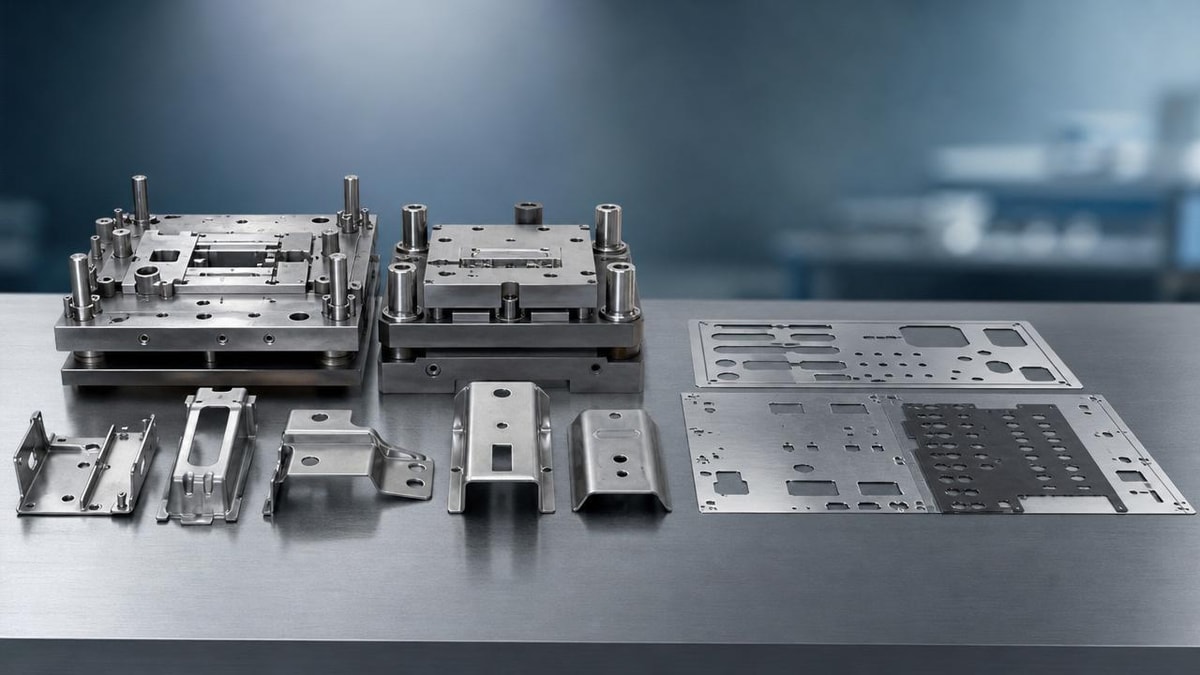
Another source of delay is prototype-to-production mismatch. A prototype enclosure built with CNC machining or 3D printing may validate general fit, but it does not always reveal issues that emerge in stamping, bending, die casting, injection molding, or surface treatment. Teams that validate only form factor, without testing manufacturing realism, often discover tolerance stack-up, warping, assembly interference, or coating-related problems later than expected.
Documentation quality also plays a larger role than many launch plans acknowledge. For electronic enclosure fabrication, missing information on finish, grounding points, inserts, sealing surfaces, hardware torque assumptions, or packaging requirements can create supplier questions that stall execution. Even fast suppliers cannot move efficiently when drawings and revision control are unstable.
Why the impact is now wider across the project organization
The consequences of enclosure delay are no longer limited to mechanical engineering. The current operating environment means multiple functions absorb the cost of disruption.
For project leaders, this broader impact changes the management approach. Electronic enclosure fabrication can no longer be monitored only as a vendor lead-time issue. It needs cross-functional risk visibility, especially when launch-critical testing, market commitments, or customer pilots depend on physical units being ready on a narrow timeline.
The technical drivers that are reshaping enclosure lead times
Several technical shifts are making electronic enclosure fabrication more sensitive to change. First is density. As products pack more electronics into smaller footprints, enclosure tolerances become more consequential. Cable bend radius, board clearance, airflow paths, battery placement, and service access leave less flexibility for fabrication variation.
Second is environmental performance. Products aimed at industrial, medical, outdoor, or energy applications often require stronger sealing, thermal control, and durability. These requirements influence material choice, gasket strategy, vent design, coating selection, and assembly sequence. Each decision can extend the path from prototype to validated production.
Third is aesthetic and branding expectation. In many sectors, buyers increasingly expect industrial products to look refined as well as perform reliably. Cosmetic finishes, custom colors, texture consistency, laser marking, and visible seam quality raise the standard for enclosure execution. They also create extra dependencies on finishing partners and quality approval loops.
Finally, regionalization is reshaping sourcing patterns. More companies are evaluating dual-region or nearshore manufacturing strategies to improve resilience. While this can reduce geopolitical exposure, it also introduces process variation between suppliers. A design optimized for one fabrication ecosystem may not transfer smoothly to another without additional review.
What smart project leaders should monitor earlier
The most effective response is not simply asking for faster quotes. It is improving early-stage judgment. Project managers and engineering leads should watch for the signals that indicate enclosure risk is building before the Gantt chart turns red.
- Repeated “minor” mechanical revisions after electrical architecture is considered stable
- Prototype methods that do not represent the intended production process
- Supplier questions about tolerance logic, finish callouts, inserts, or hardware selection
- Unclear ownership of compliance-sensitive enclosure features such as grounding, shielding, or ingress protection
- Compressed pilot schedules that assume zero tooling or finishing disruption
- Lack of contingency for alternate materials, coatings, or secondary operations
These are not just operational details. They are trend indicators showing whether the enclosure workstream is being treated as a strategic part of product readiness or as a downstream purchase. Teams that detect these signals early are more likely to preserve launch windows.
A better response pattern: from reactive expediting to structured readiness
Because electronic enclosure fabrication now influences multiple launch gates, the better management model is readiness-based rather than purely timeline-based. That means asking whether the design, documentation, process choice, and supplier path are mature enough for the next phase, not merely whether the next date can still be met.
This approach also supports better supplier conversations. Rather than pushing only for speed, teams can discuss process capability, finishing capacity, tooling risk, documentation gaps, and likely revision triggers. That produces more realistic commitments and fewer surprises.
How this trend is likely to evolve
Looking ahead, electronic enclosure fabrication will likely become even more integrated with digital product planning. More teams will expect earlier manufacturability feedback, stronger supplier collaboration during design, and faster simulation of thermal and structural constraints. At the same time, resilience pressures will keep pushing companies to qualify more than one fabrication path, especially for products with aggressive launch targets or regulated end markets.
This does not mean lead times will automatically improve. In many cases, expectations will rise faster than process simplicity. Products are becoming smarter, smaller, and more customized, which means enclosure demands will remain high. The likely winners will be organizations that link engineering decisions, sourcing strategy, and launch governance earlier in the cycle.
What to ask now before the next launch slips
For project management teams, the most practical next step is to review whether electronic enclosure fabrication risk is visible enough in current planning. If a product depends on thermal performance, shielding, sealing, cosmetic quality, or regional certification, enclosure readiness should be treated as a board-level launch variable inside the program team, not just a supplier detail.
Before the next major milestone, confirm a few critical questions: Is the enclosure truly frozen, or just mostly stable? Does the prototype represent production reality? Are supplier assumptions documented and testable? Could a material or finish change trigger new validation work? Which launch commitments would be affected first if fabrication slips by two weeks? These questions help convert delay risk into decision clarity.
In a market where time-to-launch is increasingly tied to supply chain credibility, electronic enclosure fabrication deserves more attention than it typically receives. For organizations trying to protect launch confidence, the right response is early judgment, better cross-functional visibility, and a more realistic view of how enclosure decisions shape commercialization outcomes.
Get weekly intelligence in your inbox.
No noise. No sponsored content. Pure intelligence.
 May 06, 2026Hydraulic Cylinder Fabrication Errors That Shorten Service LifeHydraulic Cylinder Fabrication Errors That Shorten Service Life
 May 06, 2026Surface Finishing Services That Reduce Warranty ComplaintsSurface Finishing Services That Reduce Warranty Complaints
 May 06, 2026Waterjet Cutting Is Better Than Laser for These MaterialsWaterjet Cutting Is Better Than Laser for These Materials
 May 06, 2026Custom Molded Rubber Choices That Affect Seal PerformanceCustom Molded Rubber Choices That Affect Seal Performance
 May 06, 2026Linear Motion Systems Fail Faster When Alignment Is OverlookedLinear Motion Systems Fail Faster When Alignment Is Overlooked
 May 06, 2026How Accurate Is Energy Forecasting When Weather Turns Volatile?How Accurate Is Energy Forecasting When Weather Turns Volatile?
 May 06, 2026Medical Device Manufacturing Delays Often Start in ValidationMedical Device Manufacturing Delays Often Start in Validation
 May 06, 2026Anodizing Services: Which Finish Holds Up Outdoors LongerAnodizing Services: Which Finish Holds Up Outdoors Longer
 May 06, 2026Solar Tracker Maintenance Issues That Hurt Long-Term OutputSolar Tracker Maintenance Issues That Hurt Long-Term Output
 May 06, 2026What Changes the Real Cost of Pneumatic Valves WholesaleWhat Changes the Real Cost of Pneumatic Valves Wholesale
 May 06, 2026Solar Microinverters vs String Inverters for Shaded RoofsSolar Microinverters vs String Inverters for Shaded Roofs
 May 06, 2026Bifacial Solar Panels: Do They Pay Off on Every Site?Bifacial Solar Panels: Do They Pay Off on Every Site?
 May 06, 2026Why Heavy Equipment Manufacturing Lead Times Keep SlippingWhy Heavy Equipment Manufacturing Lead Times Keep Slipping
 May 06, 2026Metal Stamping Parts: When Tooling Cost Stops Making SenseMetal Stamping Parts: When Tooling Cost Stops Making Sense
 May 06, 2026Energy Storage Battery Sizing Mistakes That Raise Project CostsEnergy Storage Battery Sizing Mistakes That Raise Project Costs
 May 06, 2026What Causes Revenue Gaps in a Solar Farm ProjectWhat Causes Revenue Gaps in a Solar Farm Project
 May 06, 2026Low Volume Manufacturing Works Best When Demand Is UnclearLow Volume Manufacturing Works Best When Demand Is Unclear
 May 06, 2026Automotive Parts Machining Costs That Grow With Late Design ChangesAutomotive Parts Machining Costs That Grow With Late Design Changes
 May 06, 2026AS9100 Aerospace Machining: What Fails an Audit Most OftenAS9100 Aerospace Machining: What Fails an Audit Most Often
 May 06, 2026Plastic Extrusion Tolerances That Affect Final Product FitPlastic Extrusion Tolerances That Affect Final Product Fit
 May 06, 2026Is Renewable Power Getting Easier to Finance for Industry?Is Renewable Power Getting Easier to Finance for Industry?
 May 06, 2026Ultrasonic Welding Defects That Are Easy to Miss at FirstUltrasonic Welding Defects That Are Easy to Miss at First
 May 06, 2026How to Compare Industrial Bearing Suppliers by Failure RiskHow to Compare Industrial Bearing Suppliers by Failure Risk
 May 06, 2026Custom Heatsinks: When a Standard Profile Stops WorkingCustom Heatsinks: When a Standard Profile Stops Working
 May 06, 2026Gear Manufacturing Problems That Show Up After AssemblyGear Manufacturing Problems That Show Up After Assembly
 May 06, 2026Why Thin Film Solar Cells Still Matter in 2026Why Thin Film Solar Cells Still Matter in 2026
 May 06, 2026Wire EDM Services or CNC Milling for Tight Tolerance Parts?Wire EDM Services or CNC Milling for Tight Tolerance Parts?