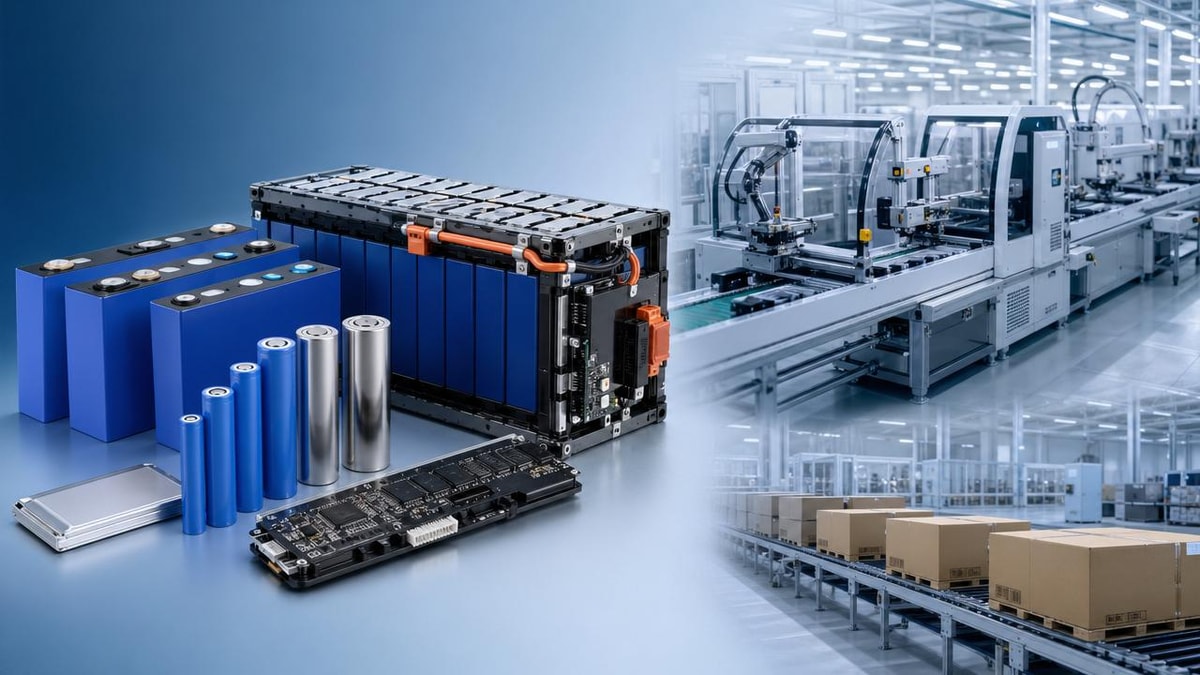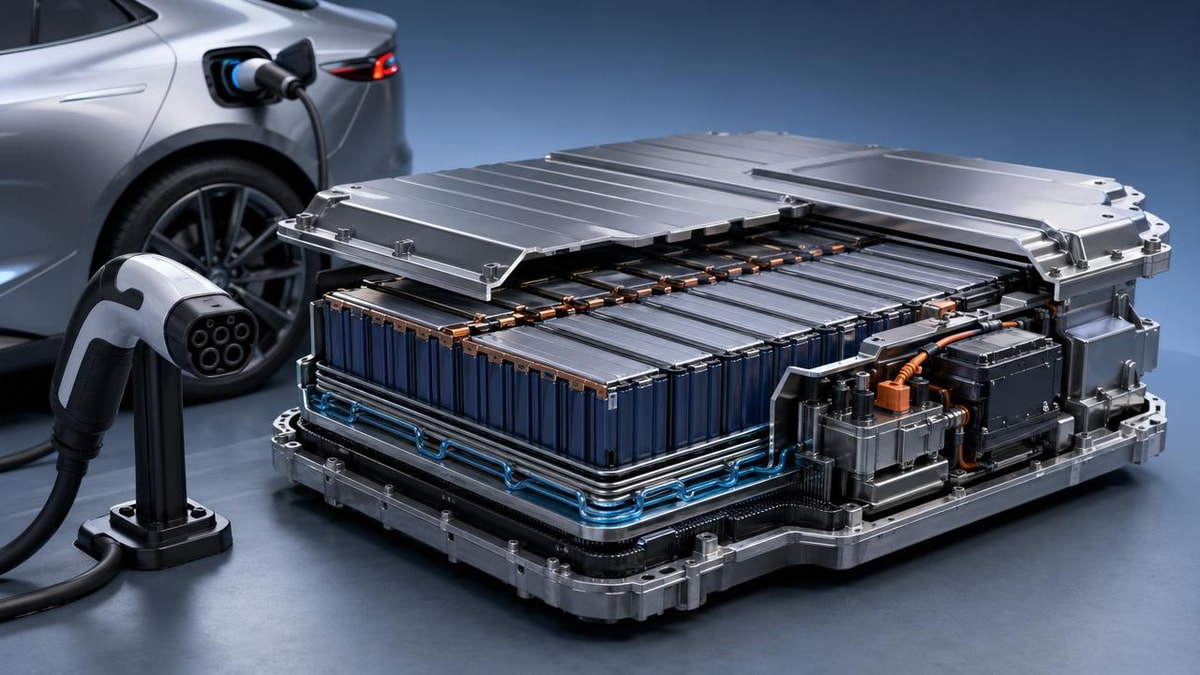
2026 Foshan Tanzhou Auto Industry Expo Opens
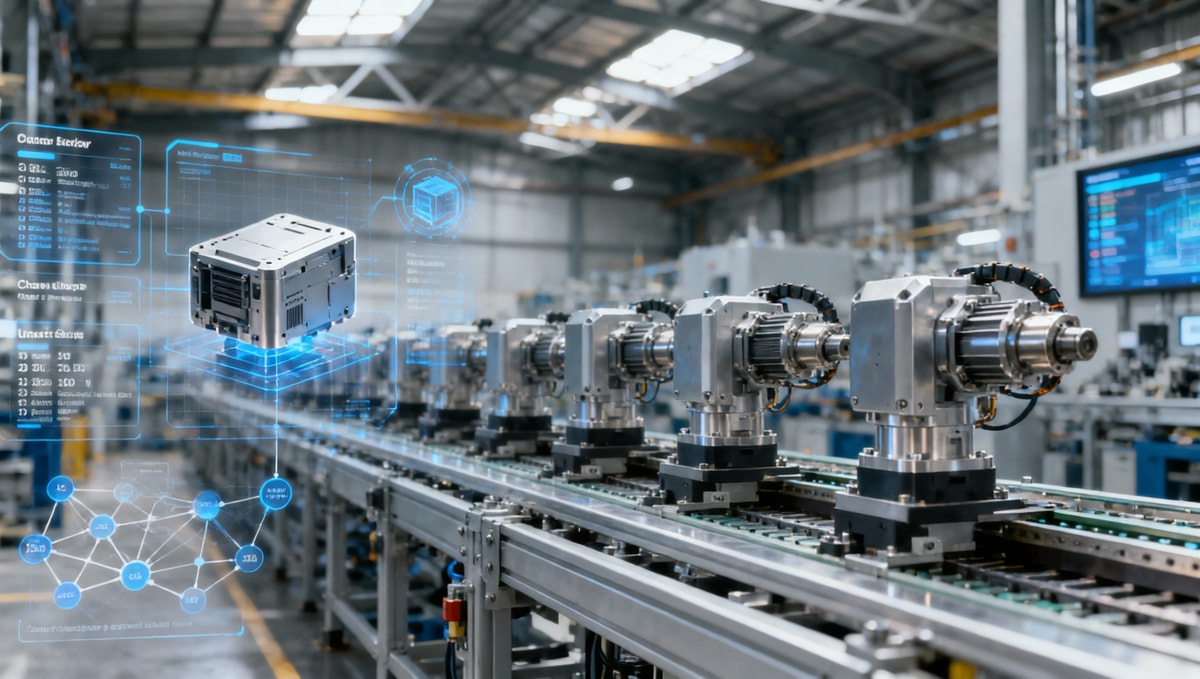
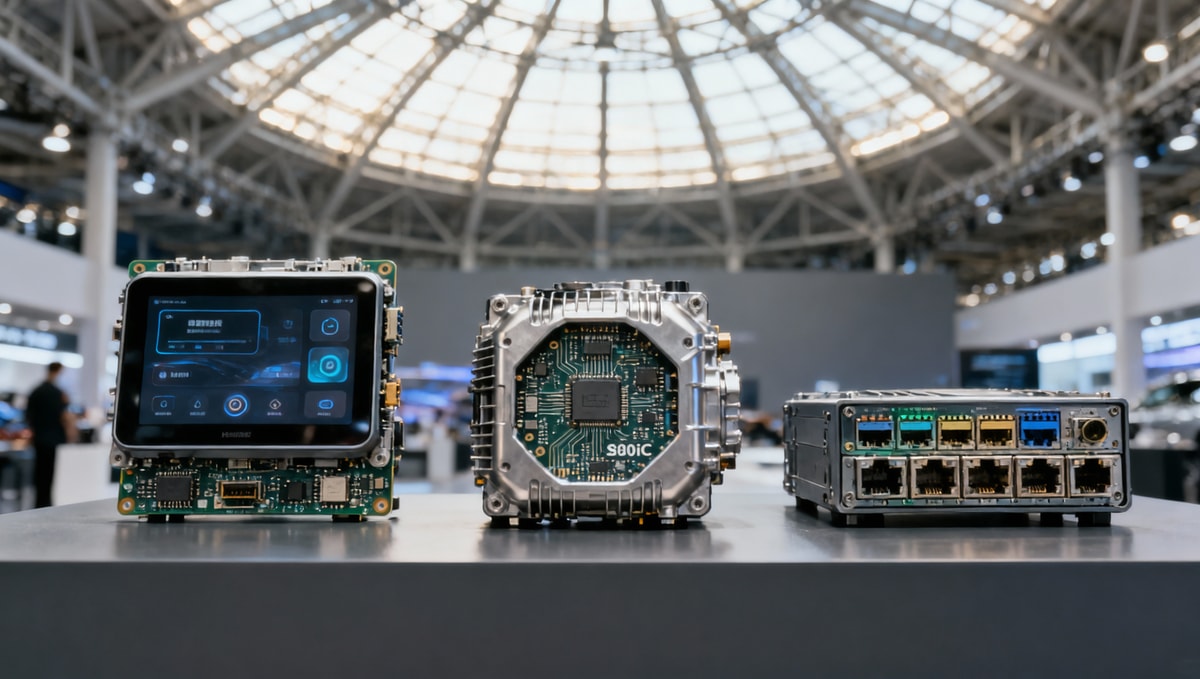
On May 1, 2026, the Foshan Tanzhou Automotive Industry Exhibition opened — drawing on-site supplier evaluation interest from 23 international Tier-1 automotive suppliers including Bosch, Continental, and Magna. The event signals heightened global scrutiny of China’s production readiness in intelligent cockpit HMI modules, 800V SiC electric drive controllers, and automotive Ethernet gateways — making it a critical reference point for OEMs and procurement teams assessing China’s EV infrastructure and IoT device supply chain maturity and responsiveness.
Event Overview
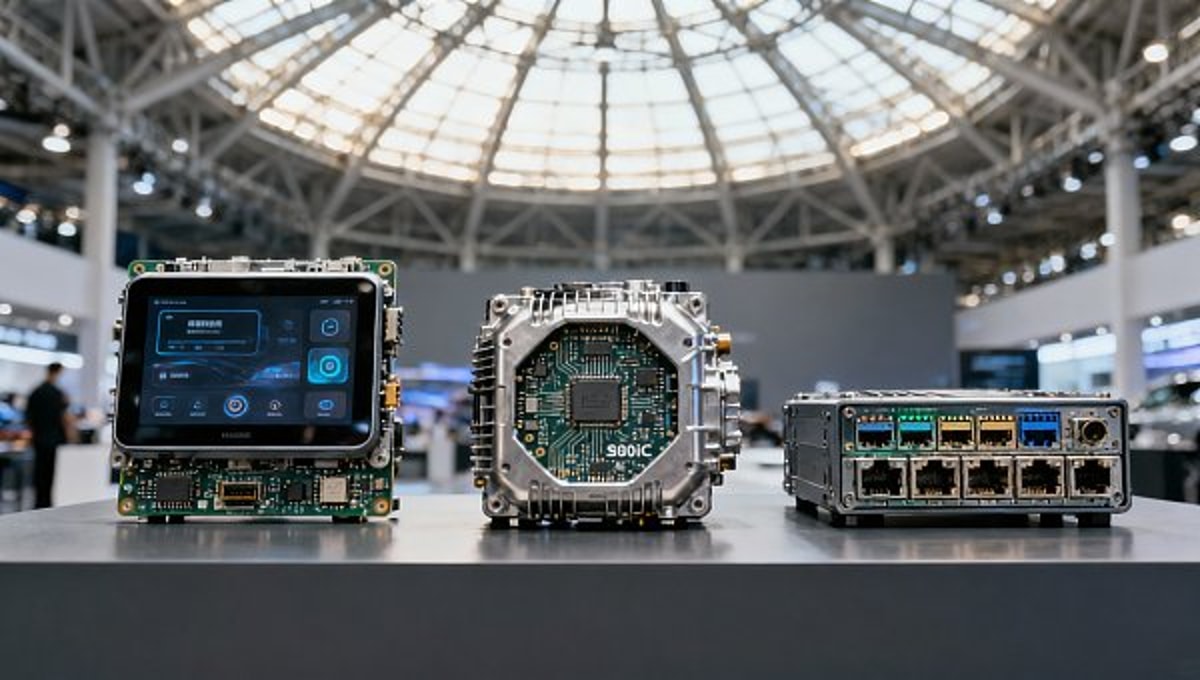
The 2026 Foshan Tanzhou Automotive Industry Exhibition commenced on May 1, 2026. Twenty-three international Tier-1 suppliers — including Bosch, Continental, and Magna — established dedicated on-site verification channels during the exhibition. Their focus centered on evaluating Chinese manufacturers’ mass-production capabilities in three technical domains: intelligent cockpit human-machine interface (HMI) modules, 800V silicon carbide (SiC) electric drive controllers, and automotive Ethernet gateways. On Day 1, 17 ODM joint development intentions were formed, with confirmed volume delivery windows beginning in Q3 2026.
Impact on Specific Industry Segments
Direct Trading Enterprises
These firms act as intermediaries between Chinese component suppliers and overseas Tier-1s or OEMs. They are affected because international buyers now prioritize verified, audit-ready partners over catalog-based sourcing. Impact manifests in tighter due diligence requirements, increased demand for technical documentation (e.g., APQP status, PPAP submissions), and pressure to align lead times with Q3 2026 ramp-up schedules.
Component Manufacturing Enterprises
Manufacturers producing HMI modules, SiC-based power electronics, or automotive Ethernet hardware face direct operational impact. Evaluation by Tier-1s implies intensified scrutiny of process control, functional safety compliance (e.g., ISO 26262), and traceability systems. Delivery commitments tied to Q3 2026 require capacity planning adjustments and cross-functional alignment across R&D, production, and quality assurance.
Supply Chain Service Providers
Logistics integrators, testing labs, and certification support providers see shifting demand patterns. Tier-1 verification activities increase need for localized lab services (e.g., EMC, cybersecurity validation), expedited IATF 16949 audits, and bilingual engineering support for joint development reviews. Providers lacking automotive-grade accreditation may find access to this tier of engagement constrained.
What Relevant Enterprises or Practitioners Should Focus On Now
Monitor official follow-up communications from participating Tier-1s
While 23 Tier-1s opened verification channels at the exhibition, formal qualification pathways, audit timelines, and technical specification updates will be issued post-event. Companies should track announcements from Bosch, Continental, and Magna specifically — especially any published checklists or pre-qualification questionnaires related to HMI, SiC controllers, or Ethernet gateway modules.
Prioritize readiness for functional safety and network security documentation
Observably, Tier-1 evaluations at Tanzhou emphasized production capability — not just design novelty. Current preparation should center on assembling evidence packages covering ASIL-B/C compliance, AUTOSAR stack integration logs, and ISO/SAE 21434-aligned threat analysis reports — particularly for products targeting Q3 2026 delivery.
Align internal delivery cadence with confirmed Q3 2026 volume windows
Analysis shows that all 17 ODM intents identified Q3 2026 as the start of volume shipment. This is not a tentative timeline but an operationally anchored commitment. Manufacturers must verify material availability (e.g., SiC MOSFETs, high-speed Ethernet PHYs), validate line-balancing for target throughput, and confirm sub-tier supplier commitments before mid-2026.
Editorial Perspective / Industry Observation
This event is better understood as a signal of accelerated integration — not yet a completed shift. It reflects growing confidence among Western Tier-1s in China’s ability to deliver complex, safety-critical EV subsystems at scale, but does not indicate wholesale relocation of core development or sourcing. From an industry perspective, the Tanzhou Expo functions less as a one-off trade show and more as a synchronized technical checkpoint: a moment where global procurement strategy, domestic manufacturing capability, and regulatory alignment (e.g., UN R155, GB/T standards convergence) converge visibly. Continued observation is warranted — especially whether subsequent verification leads to formal long-term agreements or remains confined to pilot-stage engagements.
Conclusion
The 2026 Foshan Tanzhou Automotive Industry Exhibition marks a tangible inflection point in how international Tier-1 suppliers assess and engage with China’s advanced automotive electronics supply chain. Its significance lies not in isolated commercial deals, but in the standardized, on-site validation framework now being applied to specific high-complexity components. Currently, it is more accurate to interpret this as a maturation signal — indicating improved technical credibility and responsiveness — rather than evidence of structural realignment in global sourcing hierarchies.
Information Source
Primary source: Official announcement of the 2026 Foshan Tanzhou Automotive Industry Exhibition, including participant list and preliminary outcomes released by the organizing committee on May 1, 2026. Areas requiring ongoing observation include finalization of the 17 ODM agreements, publication of Tier-1 verification criteria, and actual Q3 2026 shipment data.
Get weekly intelligence in your inbox.
No noise. No sponsored content. Pure intelligence.
 May 01, 2026Beijing’s New E-Bike Rules Trigger Dual-Certification Demand for China’s Swappable Battery CabinetsBeijing’s New E-Bike Rules Trigger Dual-Certification Demand for China’s Swappable Battery Cabinets
 May 01, 2026GNA’s GEO Service Assessment Elevates AI Search as Digital Procurement Metric for Chinese ExportersGNA’s GEO Service Assessment Elevates AI Search as Digital Procurement Metric for Chinese Exporters
 May 01, 20262026 China Cycle Expo: Chinese EPS Systems Achieve UL 2849:2026 Full Certification2026 China Cycle Expo: Chinese EPS Systems Achieve UL 2849:2026 Full Certification
 May 01, 2026GB 42236-2026 Enforces EV Charger Efficiency & Overload Protection from May 2026GB 42236-2026 Enforces EV Charger Efficiency & Overload Protection from May 2026
 May 01, 2026GB/T 43790-2026 Drone EMC Standard Effective May 2026GB/T 43790-2026 Drone EMC Standard Effective May 2026
 May 01, 20262026 Foshan Tanzhou Auto Industry Expo Opens2026 Foshan Tanzhou Auto Industry Expo Opens
 May 01, 2026China’s New Hazardous Chemicals Safety Law Takes Effect May 2026China’s New Hazardous Chemicals Safety Law Takes Effect May 2026
 May 01, 2026New Maritime and Fisheries Laws Take Effect May 1, 2026New Maritime and Fisheries Laws Take Effect May 1, 2026
 May 01, 2026Supply Chain Automation Works Best Where Delays RepeatSupply Chain Automation Works Best Where Delays Repeat
 May 01, 2026High Strength Steel Forgings: What Should Be Tested First?High Strength Steel Forgings: What Should Be Tested First?
 May 01, 2026Automotive Steel Forging: Cost Pressure vs Part ReliabilityAutomotive Steel Forging: Cost Pressure vs Part Reliability
 May 01, 2026Why High Durability Steel Forgings Fail Earlier Than ExpectedWhy High Durability Steel Forgings Fail Earlier Than Expected
 May 01, 2026Construction Aluminum Extrusions: Which Finish Lasts Longer?Construction Aluminum Extrusions: Which Finish Lasts Longer?
 May 01, 2026Lightweight Aluminum Extrusions: Where Savings Really HappenLightweight Aluminum Extrusions: Where Savings Really Happen
 May 01, 2026Aerospace Aluminum Extrusions Need More Than Low WeightAerospace Aluminum Extrusions Need More Than Low Weight
 May 01, 2026Precision Lathe Turning Problems That Show Up After AssemblyPrecision Lathe Turning Problems That Show Up After Assembly
 May 01, 2026High Precision Lathe Turning: Tolerance Claims to VerifyHigh Precision Lathe Turning: Tolerance Claims to Verify
 May 01, 2026When CNC Lathe Turning Is Better Than General MachiningWhen CNC Lathe Turning Is Better Than General Machining
 May 01, 2026Medical Device Prototyping Needs More Than SpeedMedical Device Prototyping Needs More Than Speed
 May 01, 20263D Printing Prototyping: Fast Turnaround or Better Finish?3D Printing Prototyping: Fast Turnaround or Better Finish?
 May 01, 2026Low Cost Rapid Prototyping: Where Quality Gets LostLow Cost Rapid Prototyping: Where Quality Gets Lost
 May 01, 2026Quick EV Charger Installation Still Needs Site ChecksQuick EV Charger Installation Still Needs Site Checks
 May 01, 2026Public Parking EV Chargers: What Slows Installation DownPublic Parking EV Chargers: What Slows Installation Down
 May 01, 2026Choosing a Lithium Ion Battery Manufacturer in ChinaChoosing a Lithium Ion Battery Manufacturer in China
 May 01, 2026How to Vet a Lithium Ion Battery OEM SupplierHow to Vet a Lithium Ion Battery OEM Supplier
 May 01, 2026EV Lithium Ion Batteries: Range Is Not the Only MetricEV Lithium Ion Batteries: Range Is Not the Only Metric
 May 01, 2026Lithium Ion ESS Batteries: Safety Details Worth CheckingLithium Ion ESS Batteries: Safety Details Worth Checking