Precision Lathe Turning Problems That Show Up After Assembly
In lathe turning precision machining, some of the most costly defects do not appear until final assembly. For after-sales maintenance teams, hidden issues like poor fit, unexpected vibration, surface mismatch, or tolerance stack-up can quickly turn into warranty claims and downtime. Understanding why these problems surface late is the first step to tracing root causes and preventing repeat failures.
What post-assembly problems mean in lathe turning precision machining
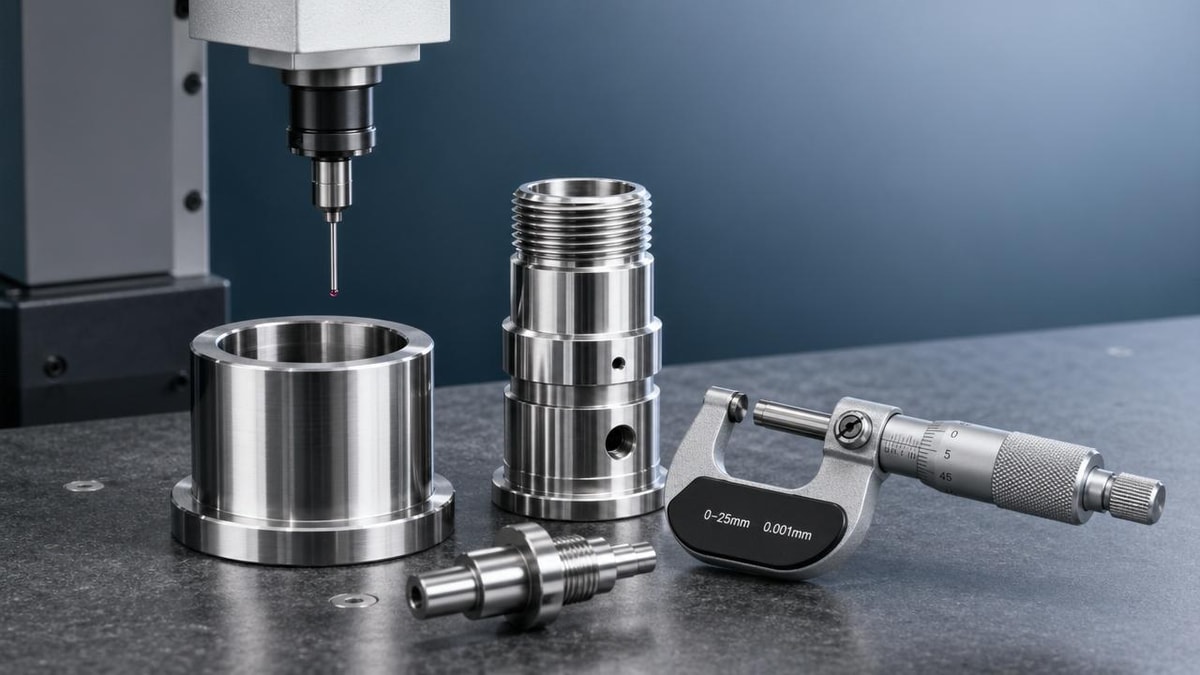
In practical terms, post-assembly problems are defects that remain invisible when a turned part is inspected alone but become obvious once it is installed into a larger mechanism. A shaft may pass diameter checks, yet bind inside a housing. A bearing journal may meet nominal dimensions, yet create noise after running under load. A threaded component may gauge correctly, yet fail to seat because face squareness or runout was overlooked. These are classic risks in lathe turning precision machining, where a part can look acceptable on a drawing-by-drawing basis but still underperform in the real product.
For after-sales maintenance personnel, these late-stage failures are especially frustrating because the fault appears in the field, far from the original production cell. Service teams are then asked to diagnose symptoms rather than causes: vibration, leakage, heat, misalignment, accelerated wear, or intermittent fit issues. The challenge is that assembly reveals interaction errors. A single turned part may not be “bad” in isolation, but its geometric relationship with mating parts may be unstable.
This is why lathe turning precision machining should be understood not only as a process for achieving size accuracy, but also as a discipline for controlling form, position, surface condition, and functional interfaces. In sectors covered by TradeNexus Pro, including advanced manufacturing, healthcare technology, smart electronics, green energy, and supply chain SaaS-driven production environments, the cost of overlooking assembly behavior is rising because systems are becoming more compact, interconnected, and tolerance-sensitive.
Why the industry pays close attention to defects that appear late
The industry focus on post-assembly failure is not just about scrap reduction. It is about lifecycle cost. A defect caught at the machine can often be corrected with offset adjustment or process refinement. The same defect discovered after delivery may trigger field service visits, spare-part replacement, warranty negotiations, line stoppages, and customer trust erosion. In critical applications, the consequences can include safety concerns and regulatory exposure.
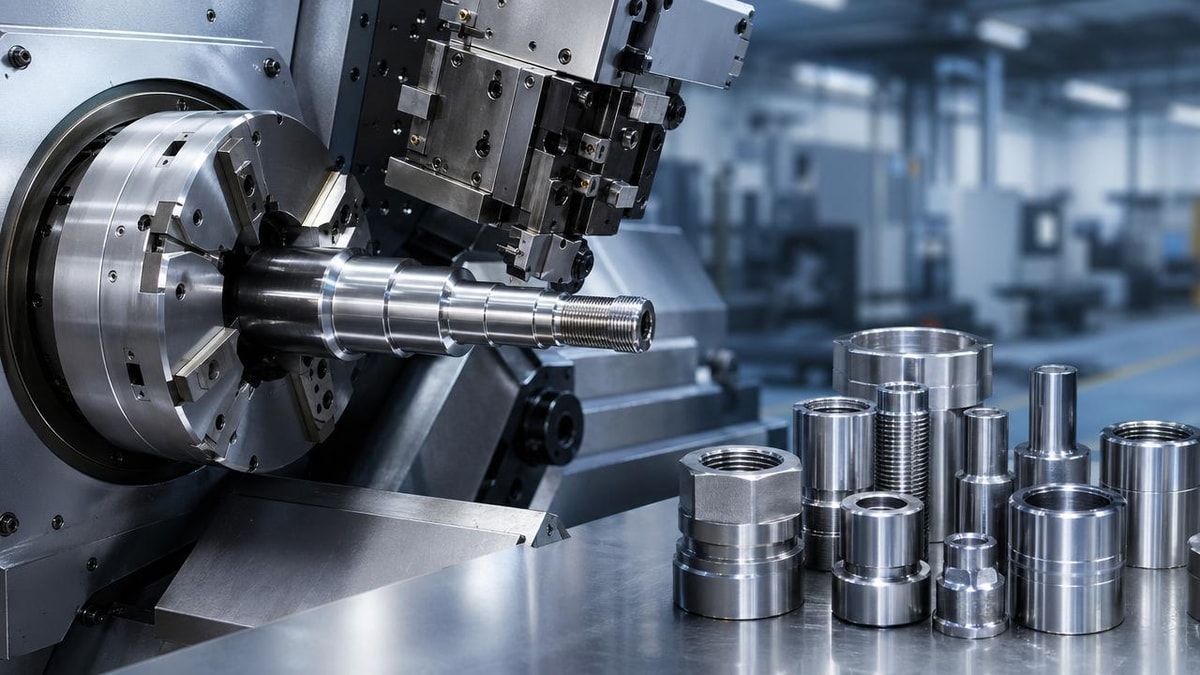
Modern lathe turning precision machining is used in assemblies that rely on repeatable interaction between rotating and stationary parts. This includes motor shafts, valve stems, pump components, sensor housings, medical device connectors, and precision spacers. As operating speeds increase and design envelopes shrink, even minor variation in concentricity, roundness, surface finish, or shoulder location can shift from “acceptable” to “failure-prone.”
Another reason these issues matter is that many organizations still separate machining quality from field reliability. Production may certify dimensions, quality may approve inspection reports, and yet service teams still receive failure complaints. The missing link is functional validation across the full assembly chain. For maintenance teams, understanding this gap helps transform troubleshooting from trial-and-error into evidence-based fault isolation.
Common symptoms that service teams see first
After-sales teams usually do not begin with machining data. They begin with symptoms in use. Recognizing which symptoms commonly trace back to lathe turning precision machining can save time and prevent misdiagnosis.
A useful rule for service personnel is simple: if the failure emerges only after mating, rotation, fastening, or thermal cycling, the root cause may lie in geometric relationships created during lathe turning precision machining rather than in a single out-of-spec dimension alone.

The most typical hidden causes behind assembly-stage failure
Tolerance stack-up across multiple turned features
A part may have several individually acceptable dimensions that collectively create a positional error. For example, shoulder distance, groove location, and thread start may each sit within tolerance, but together they shift the assembled component beyond functional limits. Service teams often encounter this as “nothing looks wrong, but the part still does not fit right.”
Concentricity and runout errors that are small but functionally significant
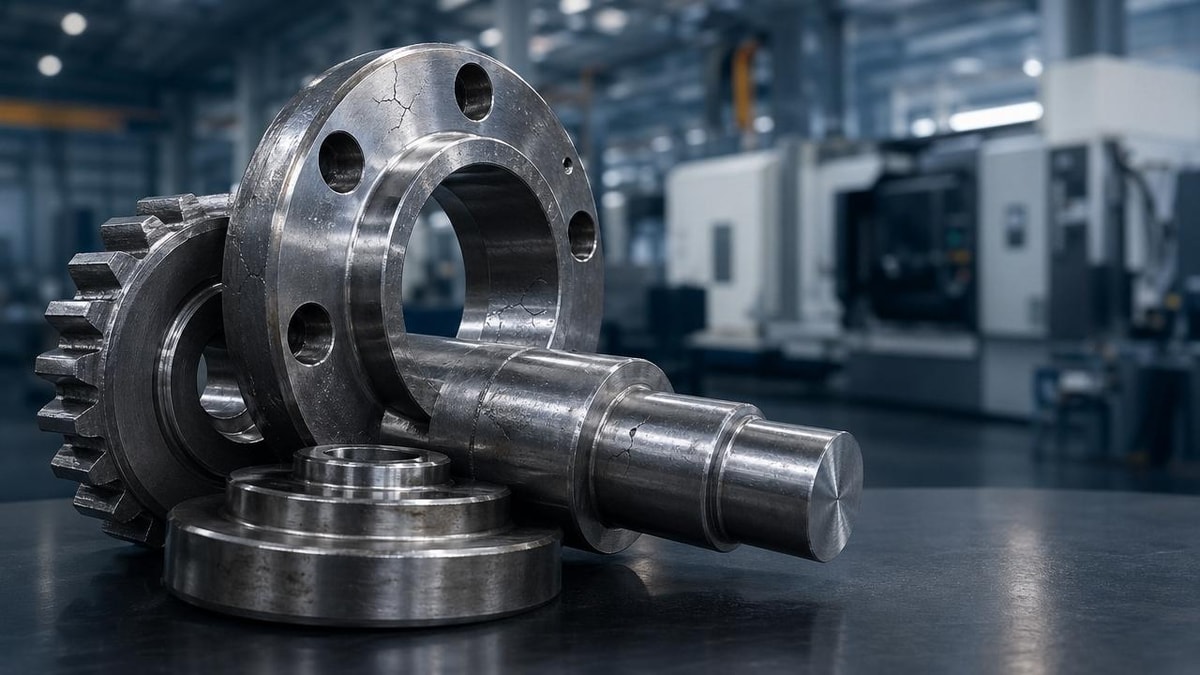
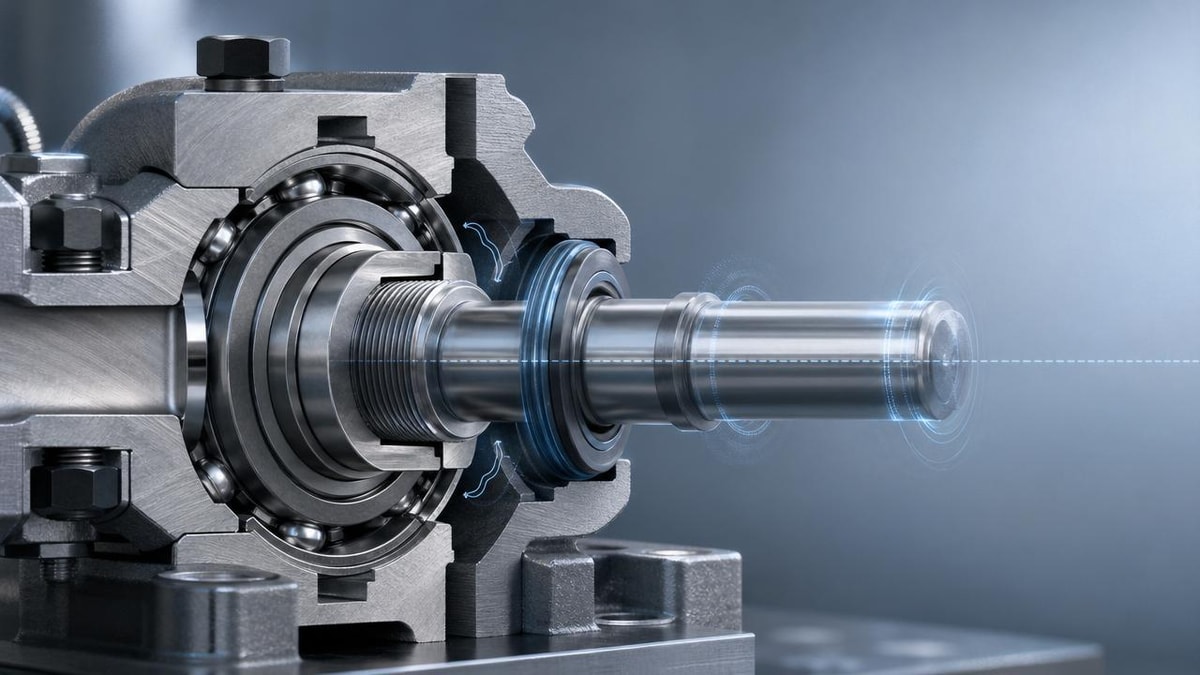
In lathe turning precision machining, coaxial features are often assumed to be naturally aligned because they were cut in one setup. In reality, chucking distortion, tool wear, secondary operations, or re-clamping can introduce eccentricity. A shaft with slight runout may pass bench inspection but create vibration, coupling stress, or uneven sealing after installation.
Surface finish that is correct numerically but wrong functionally
A Ra value alone does not guarantee assembly success. Directional tool marks, torn material, built-up edge, or micro-burrs can alter friction and contact behavior. This matters for press fits, dynamic seals, sliding interfaces, and medical or electronics components where tactile or clean-contact performance is critical.
Thermal and load behavior not reflected in static inspection
Some turned components behave acceptably at room temperature but shift in service because of thermal expansion, preload, or rotational loading. A maintenance team may see failures only after warm-up or sustained duty. In such cases, the original machining may have left too little functional margin, especially in tight-fit assemblies.
Burrs, edge conditions, and transition geometry
Minor burrs at thread reliefs, key transitions, grooves, and chamfers are common causes of assembly difficulty. They may not appear severe in inspection records, yet they can damage seals, obstruct insertion, or create stress concentrations. For field technicians, these are among the easiest issues to observe but often the hardest to trace back to an upstream process-control gap.
Where these issues show up across industries
Although the machining principles are universal, the risk profile differs by application. The table below helps after-sales teams connect symptoms to operating context.
This cross-sector view matters because after-sales maintenance teams increasingly support products assembled from globally sourced parts. In that environment, lathe turning precision machining quality is not only about shop capability; it is also about traceability, revision control, supplier consistency, and the ability to correlate field failures with manufacturing history.
Practical value for after-sales maintenance personnel
A strong understanding of lathe turning precision machining gives service teams three practical advantages. First, it shortens diagnosis time. Instead of replacing multiple parts blindly, technicians can inspect likely failure interfaces such as bearing seats, seal diameters, faces, threads, and locating shoulders. Second, it improves communication with manufacturing and quality teams by turning vague complaints into measurable observations. Third, it supports preventive action by identifying recurring design-process mismatches.
This knowledge is especially valuable when a failure pattern appears only in certain batches, certain suppliers, or under certain operating loads. Maintenance reports that include symptoms, measured mating conditions, wear patterns, and environmental context can become a powerful feedback loop. For companies operating in data-driven B2B environments like TradeNexus Pro’s audience, that loop supports better supplier evaluation and stronger algorithmic trust in technical decision-making.
A practical framework for tracing root causes in the field
When post-assembly issues are suspected, after-sales teams should avoid focusing only on the failed symptom. A more reliable approach is to work through four checkpoints. First, verify the functional interface: which turned surfaces actually control fit, rotation, sealing, or alignment? Second, compare as-found assembly behavior with drawing intent, not just nominal dimensions. Third, look for evidence of interaction, such as uneven wear, polishing, fretting, heat marks, or insertion damage. Fourth, ask whether the issue is repeatable across units, batches, or suppliers.
In many cases, this approach reveals that the defect is systemic rather than accidental. A recurring vibration problem may be linked to cumulative runout from a supplier’s re-chucking method. Repeated seal leakage may trace back to turning parameters that create an unfavorable lay pattern. Tight assembly complaints may originate from inconsistent deburring standards rather than from nominal oversize. These distinctions matter because corrective action differs sharply depending on the true source.
What companies should review to prevent repeat failures
Organizations that want fewer field claims should review more than final inspection reports. They should examine whether drawing tolerances reflect assembly function, whether control plans include geometric and surface-related characteristics, whether operators have stable workholding practices, and whether replacement parts from multiple sources are validated against the same functional criteria.
It is also wise to connect service data with manufacturing data. If maintenance teams repeatedly report noise after warm-up, that signal should be compared with machining records, tool life data, Cpk trends, surface-finish measurements, and assembly torque conditions. In lathe turning precision machining, prevention often depends on seeing relationships that isolated departments miss.
For exporters, OEMs, and strategic suppliers, this discipline creates commercial value as well. Reliable assembly performance strengthens customer retention, reduces dispute risk, and demonstrates technical maturity in global B2B markets. In an environment where buyers increasingly evaluate expertise and consistency, visible control over post-assembly performance becomes a differentiator.
Closing perspective for maintenance-led improvement
The key lesson is that not all machining defects announce themselves at the machine. Many remain hidden until neighboring parts, operating loads, and real service conditions expose them. For after-sales teams, the most effective response is to interpret fit, vibration, leakage, and wear as signals of interface quality, not just isolated failures. That mindset makes lathe turning precision machining easier to evaluate in a real-world context.
If your organization is managing recurring assembly complaints, inconsistent replacement-part performance, or supplier-related variability, a more structured review of turned-part function can uncover the root cause faster than repeated field replacements. By linking maintenance observations with process knowledge, companies can turn expensive post-assembly surprises into long-term reliability gains.
Get weekly intelligence in your inbox.
No noise. No sponsored content. Pure intelligence.
 May 01, 2026Beijing’s New E-Bike Rules Trigger Dual-Certification Demand for China’s Swappable Battery CabinetsBeijing’s New E-Bike Rules Trigger Dual-Certification Demand for China’s Swappable Battery Cabinets
 May 01, 2026GNA’s GEO Service Assessment Elevates AI Search as Digital Procurement Metric for Chinese ExportersGNA’s GEO Service Assessment Elevates AI Search as Digital Procurement Metric for Chinese Exporters
 May 01, 20262026 China Cycle Expo: Chinese EPS Systems Achieve UL 2849:2026 Full Certification2026 China Cycle Expo: Chinese EPS Systems Achieve UL 2849:2026 Full Certification
 May 01, 2026GB 42236-2026 Enforces EV Charger Efficiency & Overload Protection from May 2026GB 42236-2026 Enforces EV Charger Efficiency & Overload Protection from May 2026
 May 01, 2026GB/T 43790-2026 Drone EMC Standard Effective May 2026GB/T 43790-2026 Drone EMC Standard Effective May 2026
 May 01, 20262026 Foshan Tanzhou Auto Industry Expo Opens2026 Foshan Tanzhou Auto Industry Expo Opens
 May 01, 2026China’s New Hazardous Chemicals Safety Law Takes Effect May 2026China’s New Hazardous Chemicals Safety Law Takes Effect May 2026
 May 01, 2026New Maritime and Fisheries Laws Take Effect May 1, 2026New Maritime and Fisheries Laws Take Effect May 1, 2026
 May 01, 2026Supply Chain Automation Works Best Where Delays RepeatSupply Chain Automation Works Best Where Delays Repeat
 May 01, 2026High Strength Steel Forgings: What Should Be Tested First?High Strength Steel Forgings: What Should Be Tested First?
 May 01, 2026Automotive Steel Forging: Cost Pressure vs Part ReliabilityAutomotive Steel Forging: Cost Pressure vs Part Reliability
 May 01, 2026Why High Durability Steel Forgings Fail Earlier Than ExpectedWhy High Durability Steel Forgings Fail Earlier Than Expected
 May 01, 2026Construction Aluminum Extrusions: Which Finish Lasts Longer?Construction Aluminum Extrusions: Which Finish Lasts Longer?
 May 01, 2026Lightweight Aluminum Extrusions: Where Savings Really HappenLightweight Aluminum Extrusions: Where Savings Really Happen
 May 01, 2026Aerospace Aluminum Extrusions Need More Than Low WeightAerospace Aluminum Extrusions Need More Than Low Weight
 May 01, 2026Precision Lathe Turning Problems That Show Up After AssemblyPrecision Lathe Turning Problems That Show Up After Assembly
 May 01, 2026High Precision Lathe Turning: Tolerance Claims to VerifyHigh Precision Lathe Turning: Tolerance Claims to Verify
 May 01, 2026When CNC Lathe Turning Is Better Than General MachiningWhen CNC Lathe Turning Is Better Than General Machining
 May 01, 2026Medical Device Prototyping Needs More Than SpeedMedical Device Prototyping Needs More Than Speed
 May 01, 20263D Printing Prototyping: Fast Turnaround or Better Finish?3D Printing Prototyping: Fast Turnaround or Better Finish?
 May 01, 2026Low Cost Rapid Prototyping: Where Quality Gets LostLow Cost Rapid Prototyping: Where Quality Gets Lost
 May 01, 2026Quick EV Charger Installation Still Needs Site ChecksQuick EV Charger Installation Still Needs Site Checks
 May 01, 2026Public Parking EV Chargers: What Slows Installation DownPublic Parking EV Chargers: What Slows Installation Down
 May 01, 2026Choosing a Lithium Ion Battery Manufacturer in ChinaChoosing a Lithium Ion Battery Manufacturer in China
 May 01, 2026How to Vet a Lithium Ion Battery OEM SupplierHow to Vet a Lithium Ion Battery OEM Supplier
 May 01, 2026EV Lithium Ion Batteries: Range Is Not the Only MetricEV Lithium Ion Batteries: Range Is Not the Only Metric
 May 01, 2026Lithium Ion ESS Batteries: Safety Details Worth CheckingLithium Ion ESS Batteries: Safety Details Worth Checking