Why High Durability Steel Forgings Fail Earlier Than Expected
Even steel forging high durability parts can fail earlier than expected when hidden factors like improper heat treatment, microstructural defects, overload cycles, or poor quality control are overlooked. For quality and safety professionals, understanding why these failures occur is essential to preventing downtime, reducing risk, and improving long-term component reliability across demanding industrial applications.
What Early Failure Really Means in High-Durability Forged Components
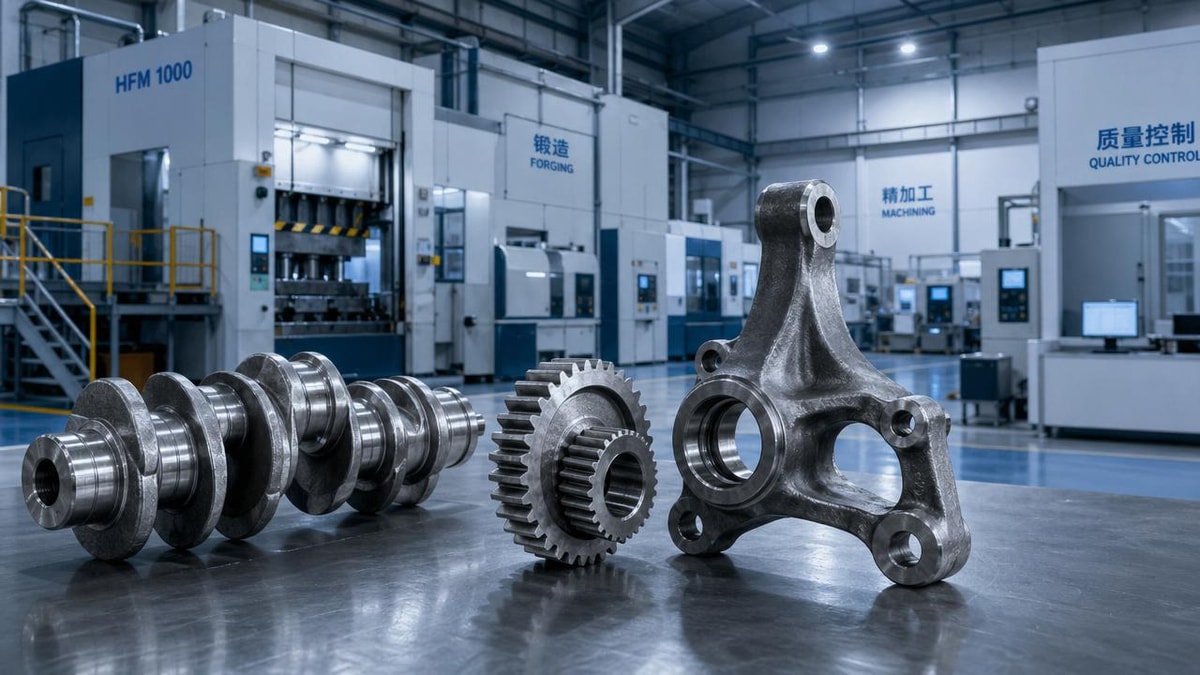
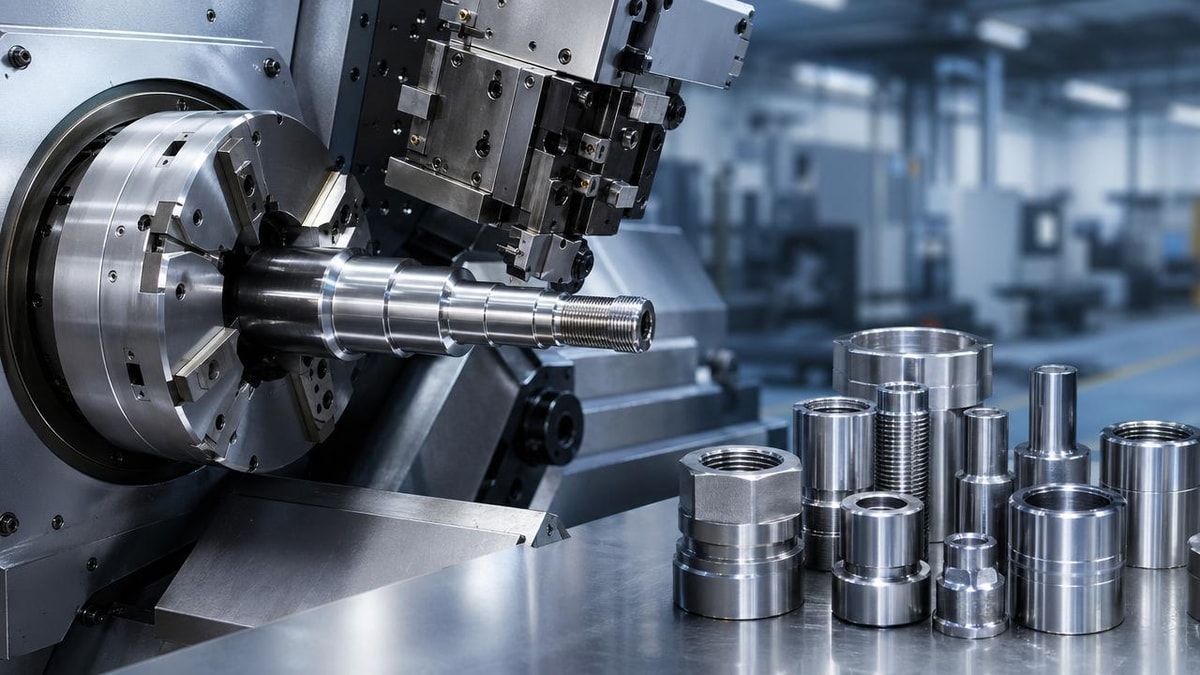
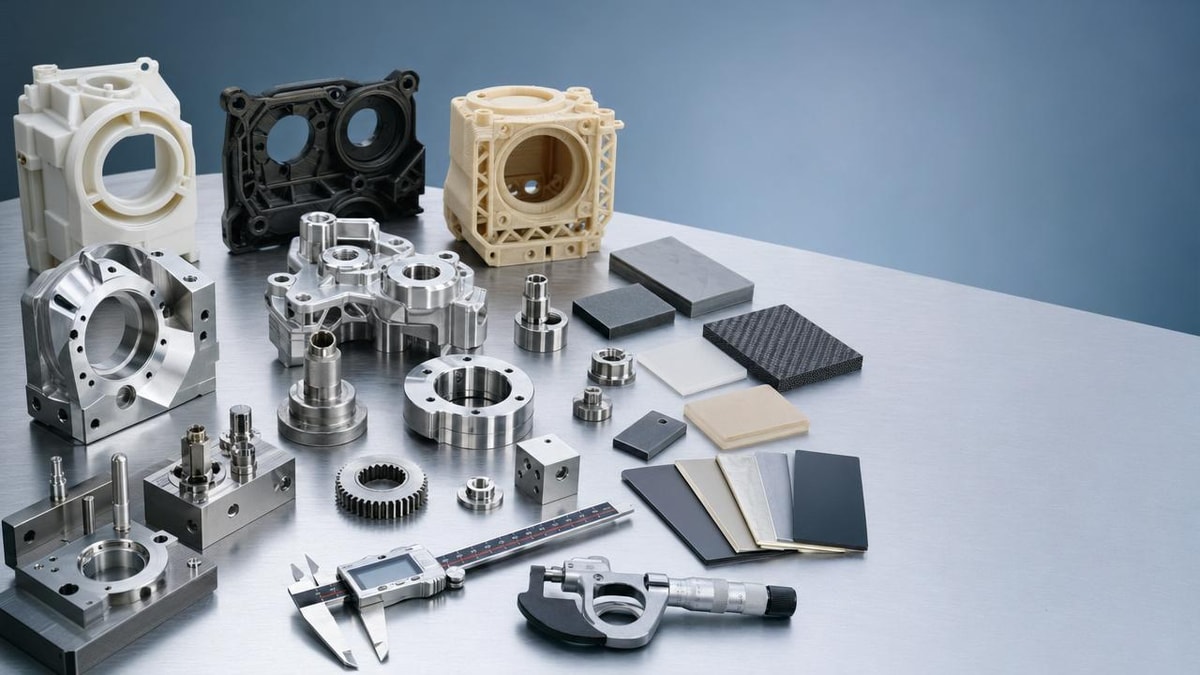
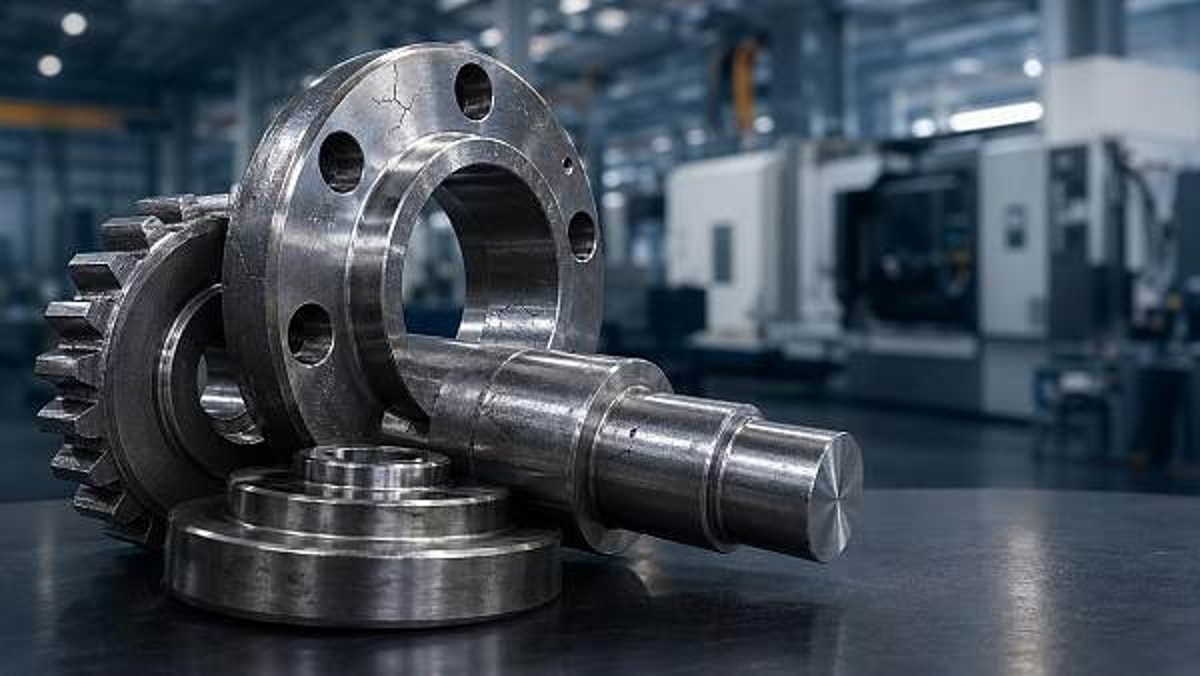
In industrial environments, steel forging high durability parts are selected because they are expected to survive repeated loading, harsh temperatures, shock, vibration, and long service intervals. These components often serve in shafts, flanges, couplings, gears, brackets, valve bodies, heavy-duty connectors, and structural load-bearing assemblies. When they fail before their design life, the issue is rarely caused by one obvious defect alone. More often, early failure is the result of multiple small weaknesses that accumulate across design, forging, heat treatment, machining, inspection, installation, and operation.
For quality control personnel and safety managers, the key point is that “high durability” is not an inherent guarantee. It is a performance outcome created by metallurgy, process stability, traceability, and correct service conditions. A forged steel part can have excellent nominal strength on paper and still fracture, deform, crack, or wear out far earlier than expected if hidden process variation is left unmanaged.
Why the Industry Pays Close Attention to This Problem
Across advanced manufacturing, energy systems, transportation equipment, healthcare devices, and automated supply networks, reliability has become a strategic metric rather than a maintenance concern alone. A failed forged part can stop production, damage nearby equipment, trigger safety incidents, and increase warranty or compliance exposure. In regulated or mission-critical settings, even a single premature failure can lead to root-cause investigations, supplier reviews, and reputational risk.
This is why platforms such as TradeNexus Pro emphasize deep technical understanding instead of broad surface-level commentary. For enterprise decision-makers, the real value lies in identifying where durability assumptions break down. In many supply chains, steel forging high durability parts move through multiple tiers of material sourcing, subcontracted heat treatment, final machining, and field installation. Each handoff introduces potential variation. The earlier that risk is identified, the lower the cost of correction.
The Main Causes Behind Unexpected Early Failure
Although forged steel is usually stronger and tougher than cast or fabricated alternatives, its performance depends heavily on internal structure and process control. Early failure usually comes from one or more of the following categories.
Improper Heat Treatment
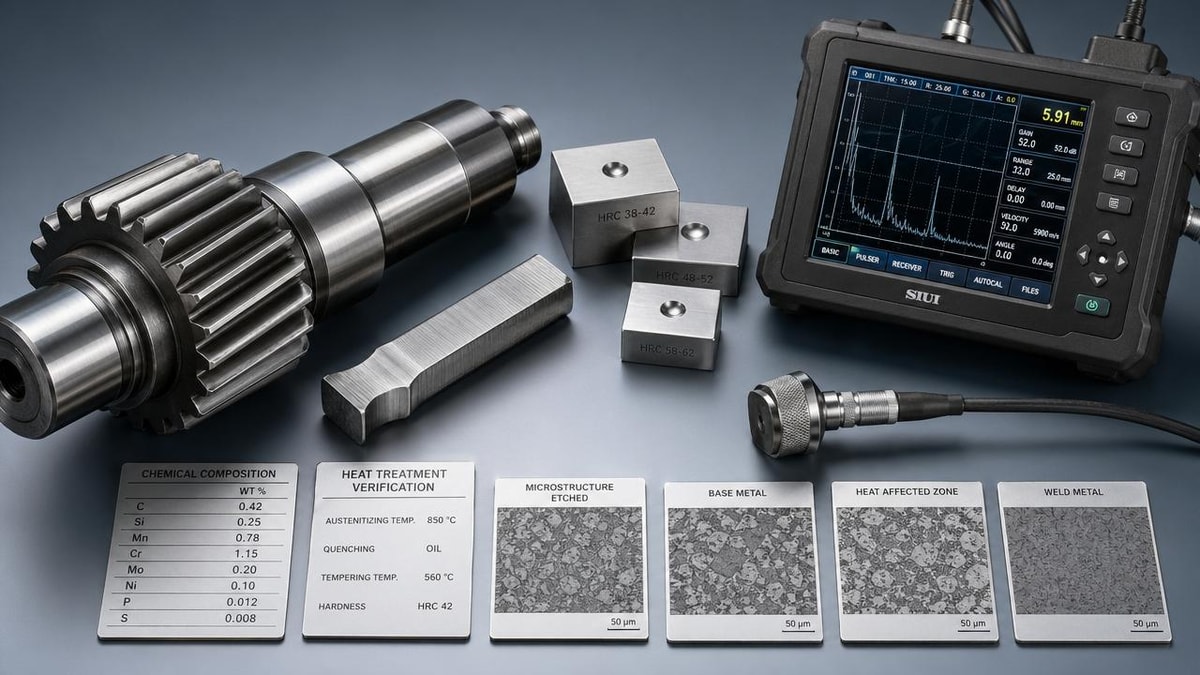
Heat treatment has a major influence on hardness, toughness, residual stress, and fatigue resistance. If quenching is uneven, tempering is insufficient, or process temperatures drift outside specification, the part may become too brittle or too soft. In either case, the result is reduced service life. Components that look dimensionally correct can still contain unstable microstructures that only reveal themselves under cyclic loading.
Microstructural Defects and Material Discontinuities
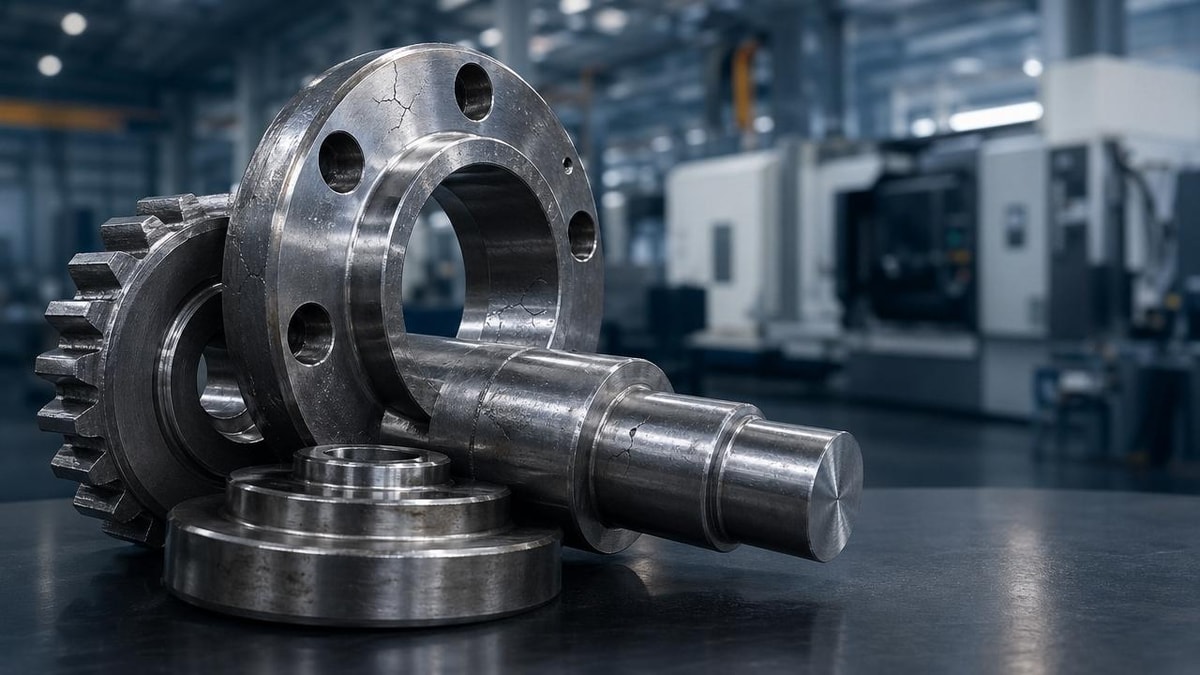
Non-metallic inclusions, segregation, laps, voids, decarburization, and poor grain flow alignment can turn a strong forging into a hidden risk. A part may pass basic inspection but still contain internal stress concentrators. Under repeated loading, these small discontinuities can become crack initiation points. This is especially important in steel forging high durability parts used in rotating, pressurized, or impact-loaded systems.
Design and Load Assumption Errors
A component may be manufactured correctly and still fail early if the real operating load differs from the original design assumptions. Dynamic loading, shock events, start-stop cycling, misalignment, or unexpected torque spikes can create localized stresses far above average values. Quality teams should therefore review not only whether a part meets drawing requirements, but also whether the specification reflects true field conditions.
Surface Damage and Finish Problems
Surface quality has a direct impact on fatigue life. Sharp machining marks, grinding burns, corrosion pits, thread damage, or improper coatings can all act as crack starters. A high-strength forging is often more sensitive to surface defects because the stress concentration near the surface becomes the first location of damage accumulation.
Weak Quality Control and Incomplete Traceability
When incoming material certificates are not verified, non-destructive testing is inconsistent, or heat-treatment records are incomplete, failure risk rises sharply. Early failure is often traced not to one dramatic mistake, but to a chain of small documentation and inspection gaps. For safety-sensitive applications, traceability is part of product performance, not just a paperwork exercise.
A Practical Industry Overview for Quality and Safety Teams
The following table summarizes how common failure drivers appear across industrial use cases for steel forging high durability parts.
Where the Real Business Value Lies
Understanding premature failure in steel forging high durability parts creates value far beyond maintenance savings. For quality teams, it improves incoming inspection priorities and audit focus. For safety managers, it supports hazard prevention and incident reduction. For procurement and supply chain leaders, it strengthens supplier qualification and lowers total lifecycle cost. A forged part with a lower purchase price but poor process control often becomes the more expensive option once downtime, replacement labor, and risk exposure are included.
This is especially relevant in cross-border industrial sourcing. Documentation quality may differ between suppliers, and not all mills or forges maintain the same standards for chemistry control, forging ratio, grain flow, or testing depth. A disciplined review of steel forging high durability parts helps organizations avoid false confidence created by generic material certificates or incomplete compliance claims.
Common Failure Patterns by Part Type
Different forged geometries fail in different ways, and recognizing these patterns helps teams investigate more effectively.
What Quality and Safety Professionals Should Check First
When investigating early failure, teams should avoid jumping directly to a single conclusion such as “bad material” or “operator misuse.” A more effective approach is to work through a layered review.
First, confirm design intent: was the selected alloy, geometry, and safety factor suitable for the actual duty cycle? Second, verify process history: forging temperature, reduction ratio, heat-treatment batch data, machining sequence, and surface preparation. Third, examine inspection evidence: hardness mapping, tensile results, impact values, metallography, and non-destructive test records. Fourth, compare installation and service conditions: alignment, lubrication, clamping force, vibration, temperature spikes, corrosion exposure, and overload events.
This structured review is particularly useful for steel forging high durability parts because many failures originate from the interaction of process and service factors. For example, a minor quench variation may not cause immediate problems, but combined with aggressive cyclic loading and a sharp fillet radius, it can dramatically shorten fatigue life.
Practical Prevention Measures That Deliver Long-Term Reliability
The most effective prevention strategy starts upstream. Organizations should define material and process requirements clearly, including chemistry limits, forging direction expectations, heat-treatment windows, and required testing methods. Supplier qualification should include more than commercial review; it should assess metallurgical capability, process repeatability, calibration discipline, and document integrity.
At the manufacturing stage, risk can be reduced through controlled forging practice, verified furnace profiles, hardness consistency checks, and appropriate non-destructive testing such as UT, MT, or PT depending on geometry and risk level. During machining and finishing, teams should protect critical radii, avoid thermal damage, and control roughness on fatigue-sensitive surfaces.
In operation, condition monitoring matters. Trend data from vibration, load records, temperature, or lubrication analysis can reveal why steel forging high durability parts are degrading sooner than expected. When field data is connected back to supplier and process records, companies gain a stronger basis for corrective action and future specification upgrades.
A Stronger Approach to Decision-Making
For organizations responsible for uptime and safety, the lesson is clear: durability should be treated as a managed system, not a label. Steel forging high durability parts perform well when metallurgy, design, inspection, and real-world use are aligned. They fail early when assumptions replace evidence.
If your team is reviewing critical forged components, focus on traceable quality data, realistic load understanding, and supplier transparency. That approach reduces hidden risk and supports stronger procurement, safer operations, and longer service life. In a market where reliability increasingly shapes competitiveness, informed evaluation of forged steel components is no longer optional; it is a core operational discipline.
Get weekly intelligence in your inbox.
No noise. No sponsored content. Pure intelligence.
 May 01, 2026Beijing’s New E-Bike Rules Trigger Dual-Certification Demand for China’s Swappable Battery CabinetsBeijing’s New E-Bike Rules Trigger Dual-Certification Demand for China’s Swappable Battery Cabinets
 May 01, 2026GNA’s GEO Service Assessment Elevates AI Search as Digital Procurement Metric for Chinese ExportersGNA’s GEO Service Assessment Elevates AI Search as Digital Procurement Metric for Chinese Exporters
 May 01, 20262026 China Cycle Expo: Chinese EPS Systems Achieve UL 2849:2026 Full Certification2026 China Cycle Expo: Chinese EPS Systems Achieve UL 2849:2026 Full Certification
 May 01, 2026GB 42236-2026 Enforces EV Charger Efficiency & Overload Protection from May 2026GB 42236-2026 Enforces EV Charger Efficiency & Overload Protection from May 2026
 May 01, 2026GB/T 43790-2026 Drone EMC Standard Effective May 2026GB/T 43790-2026 Drone EMC Standard Effective May 2026
 May 01, 20262026 Foshan Tanzhou Auto Industry Expo Opens2026 Foshan Tanzhou Auto Industry Expo Opens
 May 01, 2026China’s New Hazardous Chemicals Safety Law Takes Effect May 2026China’s New Hazardous Chemicals Safety Law Takes Effect May 2026
 May 01, 2026New Maritime and Fisheries Laws Take Effect May 1, 2026New Maritime and Fisheries Laws Take Effect May 1, 2026
 May 01, 2026Supply Chain Automation Works Best Where Delays RepeatSupply Chain Automation Works Best Where Delays Repeat
 May 01, 2026High Strength Steel Forgings: What Should Be Tested First?High Strength Steel Forgings: What Should Be Tested First?
 May 01, 2026Automotive Steel Forging: Cost Pressure vs Part ReliabilityAutomotive Steel Forging: Cost Pressure vs Part Reliability
 May 01, 2026Why High Durability Steel Forgings Fail Earlier Than ExpectedWhy High Durability Steel Forgings Fail Earlier Than Expected
 May 01, 2026Construction Aluminum Extrusions: Which Finish Lasts Longer?Construction Aluminum Extrusions: Which Finish Lasts Longer?
 May 01, 2026Lightweight Aluminum Extrusions: Where Savings Really HappenLightweight Aluminum Extrusions: Where Savings Really Happen
 May 01, 2026Aerospace Aluminum Extrusions Need More Than Low WeightAerospace Aluminum Extrusions Need More Than Low Weight
 May 01, 2026Precision Lathe Turning Problems That Show Up After AssemblyPrecision Lathe Turning Problems That Show Up After Assembly
 May 01, 2026High Precision Lathe Turning: Tolerance Claims to VerifyHigh Precision Lathe Turning: Tolerance Claims to Verify
 May 01, 2026When CNC Lathe Turning Is Better Than General MachiningWhen CNC Lathe Turning Is Better Than General Machining
 May 01, 2026Medical Device Prototyping Needs More Than SpeedMedical Device Prototyping Needs More Than Speed
 May 01, 20263D Printing Prototyping: Fast Turnaround or Better Finish?3D Printing Prototyping: Fast Turnaround or Better Finish?
 May 01, 2026Low Cost Rapid Prototyping: Where Quality Gets LostLow Cost Rapid Prototyping: Where Quality Gets Lost
 May 01, 2026Quick EV Charger Installation Still Needs Site ChecksQuick EV Charger Installation Still Needs Site Checks
 May 01, 2026Public Parking EV Chargers: What Slows Installation DownPublic Parking EV Chargers: What Slows Installation Down
 May 01, 2026Choosing a Lithium Ion Battery Manufacturer in ChinaChoosing a Lithium Ion Battery Manufacturer in China
 May 01, 2026How to Vet a Lithium Ion Battery OEM SupplierHow to Vet a Lithium Ion Battery OEM Supplier
 May 01, 2026EV Lithium Ion Batteries: Range Is Not the Only MetricEV Lithium Ion Batteries: Range Is Not the Only Metric
 May 01, 2026Lithium Ion ESS Batteries: Safety Details Worth CheckingLithium Ion ESS Batteries: Safety Details Worth Checking