Aerospace Aluminum Extrusions Need More Than Low Weight
Low weight is only one part of the equation when specifying aluminum extrusions for aerospace industry applications. Technical evaluators must also assess strength-to-weight performance, dimensional precision, corrosion resistance, fatigue behavior, and certification readiness across demanding operating environments. This article examines why material selection and extrusion quality directly influence safety, manufacturability, and long-term program value.
Why technical evaluators should look beyond mass reduction
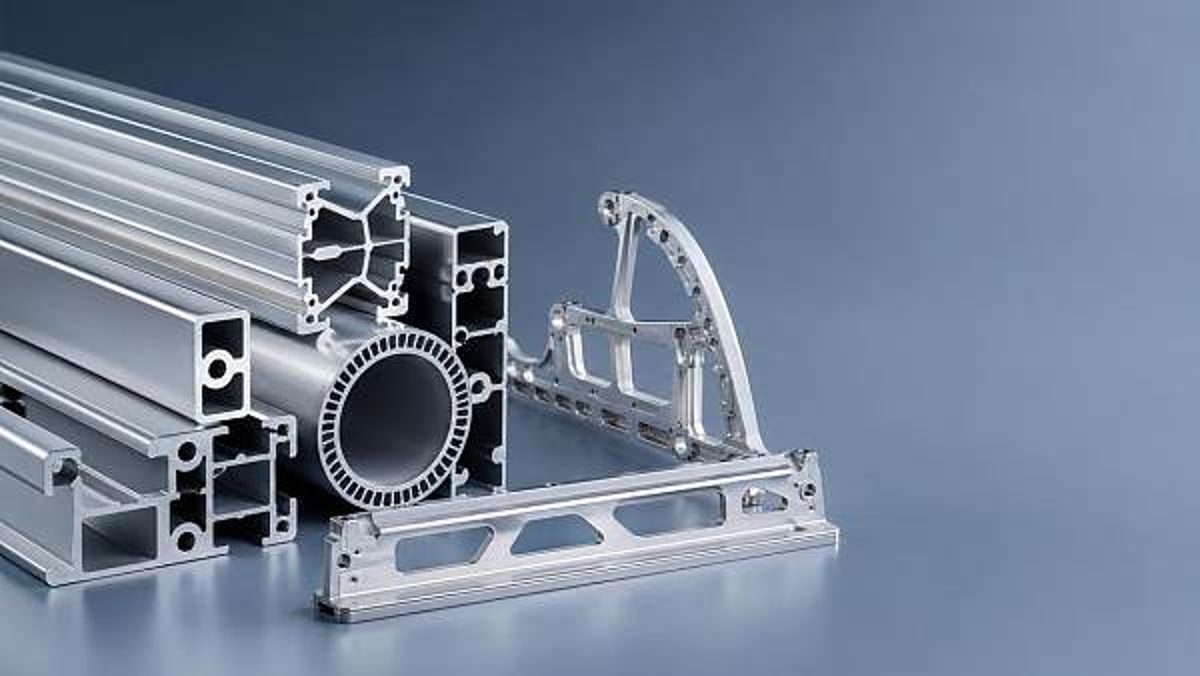
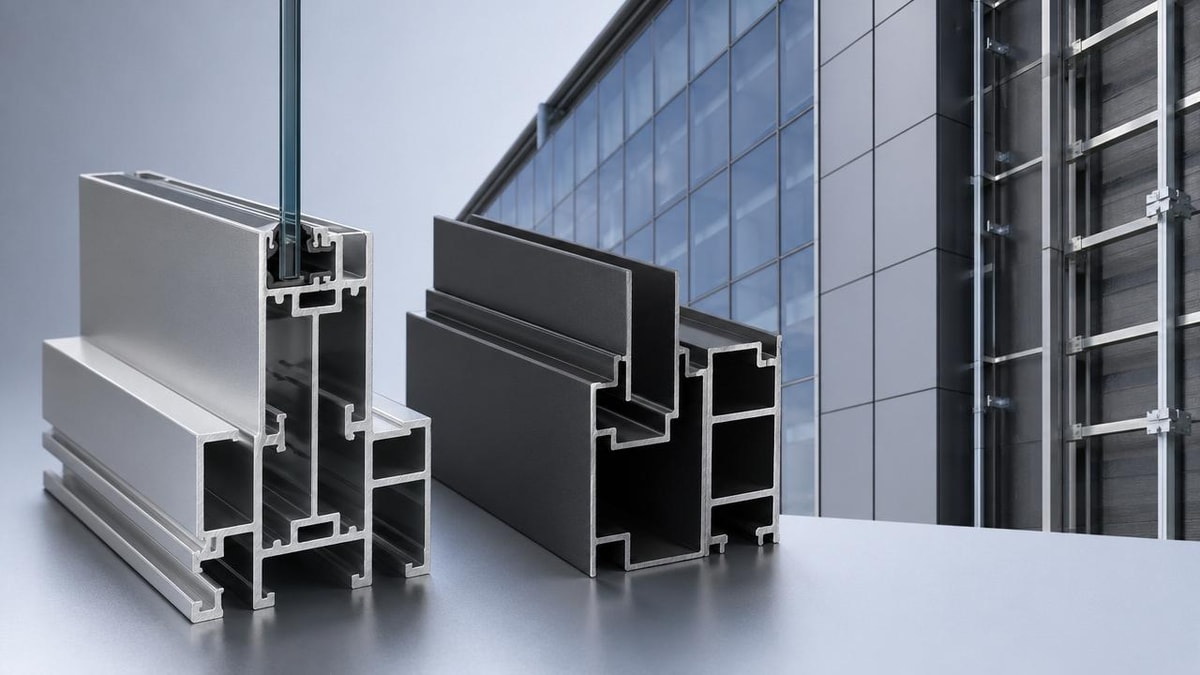
In aircraft structures, cabin systems, support rails, seat tracks, cargo handling assemblies, avionics housings, and satellite-adjacent support components, aluminum extrusions for aerospace industry projects are judged on a much broader set of criteria than weight alone. A lighter profile that distorts during machining, fails fatigue expectations, or creates traceability issues can increase program risk instead of reducing it.
For technical evaluation teams, the real challenge is balancing performance, manufacturability, and compliance under tight delivery windows. Aerospace supply chains are unforgiving. A profile that appears cost-effective at quotation stage may produce downstream scrap, assembly misalignment, or extra finishing steps that erase any apparent savings.
- Mechanical reliability matters because extruded sections often become part of load-bearing or vibration-exposed assemblies.
- Dimensional stability matters because aerospace tolerances affect joining, hole location consistency, and system integration.
- Surface quality matters because anodizing, bonding, sealing, and corrosion protection all depend on clean and repeatable substrate conditions.
- Documentation matters because procurement teams must verify material pedigree, process control, and applicable inspection records.
This is where market intelligence and supplier evaluation intersect. TradeNexus Pro helps enterprise buyers and engineers compare supplier capabilities, monitor process maturity, and identify where extrusion quality affects lifecycle cost, not just purchase price.
What defines fit-for-purpose aluminum extrusions for aerospace industry use?
A fit-for-purpose aerospace extrusion is not simply an aluminum profile made to drawing dimensions. It must be produced from an appropriate alloy and temper, supported by consistent billet quality, controlled die design, repeatable extrusion parameters, and post-processing steps aligned with the final application. In aerospace programs, these variables determine whether the part performs reliably during qualification and in service.
Core evaluation dimensions
When screening aluminum extrusions for aerospace industry sourcing, technical teams typically review the following dimensions together rather than in isolation.
The table shows why purchasing by unit weight alone is insufficient. In many aerospace procurement cycles, failure to qualify the supplier’s process discipline creates larger costs in rework, delayed approvals, and inconsistent field performance.
Which technical properties drive aerospace performance most?
For aluminum extrusions for aerospace industry applications, mechanical values on a datasheet are only the starting point. The useful decision lies in how the profile behaves after cutting, machining, fastening, finishing, and long-term service exposure.
Performance factors that deserve close review
- Strength-to-weight ratio: Critical for structures that must reduce mass without sacrificing stiffness or load capability.
- Fatigue resistance: Important where cyclic loading, vibration, or repeated stress concentration occurs around holes, joints, or cutouts.
- Corrosion resistance: Essential for cabin humidity, coastal storage, de-icing chemicals, and mixed-metal contact conditions.
- Thermal stability: Relevant for electronics housings, heat-sensitive assemblies, and components facing temperature swings.
- Machinability and finish response: Directly linked to hole quality, edge condition, final appearance, and takt time in production.
Some projects prioritize high static strength, while others prioritize formability or corrosion resistance. That is why evaluators should align material choice with mission profile, processing route, and inspection expectations instead of defaulting to a familiar alloy family.
Parameter guidance by application priority
The following comparison framework helps technical teams discuss aluminum extrusions for aerospace industry programs with both engineering and sourcing stakeholders.
This type of parameter table is useful because it prevents overengineering in low-risk parts and under-specifying critical components. It also gives procurement teams a common language for discussing total program fit instead of isolated material numbers.
How should buyers compare suppliers, not just profiles?
The performance of aluminum extrusions for aerospace industry programs depends heavily on process capability. Two suppliers may quote the same alloy and nominal section, yet deliver very different results in straightness, residual stress, machining behavior, and lot-to-lot consistency.
A practical supplier comparison checklist
- Review extrusion press range and profile complexity experience. Thin walls, asymmetrical sections, and hollow shapes require stronger process discipline.
- Ask about die management. Die correction frequency, maintenance practices, and restart control influence dimensional repeatability over time.
- Confirm heat treatment and straightening controls. These affect final mechanical condition and residual distortion during machining.
- Check inspection capability. Profile measurement methods, lot sampling, and record retention are especially important for approval-driven sectors.
- Evaluate value-added operations. Cutting, CNC machining, surface treatment coordination, and packaging standards can reduce handoff risk.
Technical evaluators often face a familiar tension: lower quoted cost versus higher process confidence. In aerospace sourcing, the cheaper option can become more expensive if the supplier cannot support first-article review, documentation requests, or sustained delivery quality.
TradeNexus Pro adds value here by helping decision-makers track supplier positioning, capability signals, and market shifts across advanced manufacturing networks. That is especially useful when teams need alternatives due to capacity constraints, geopolitical exposure, or qualification bottlenecks.
What standards, documentation, and compliance questions matter most?
For aluminum extrusions for aerospace industry sourcing, compliance is not a box to tick late in the process. Documentation should be reviewed early, especially when the component may enter a regulated supply chain or a customer-specific approval workflow. Requirements vary by program, but general discipline is always expected.
Common documentation areas to verify
- Material certification showing alloy chemistry and temper condition.
- Inspection records for dimensional conformance, straightness, wall thickness, and surface condition.
- Traceability linking production lots to billet source, process route, and shipment batch.
- Any required quality management alignment requested by the customer or program integrator.
- Special process controls where finishing, anodizing, bonding, or machining validation is required downstream.
Technical teams should also distinguish between generic industrial capability and actual readiness for aerospace documentation culture. A supplier may produce excellent commercial extrusions but still struggle with revision control, test record retrieval, or customer audit responsiveness.
Cost, alternatives, and hidden trade-offs in extrusion selection
Budget pressure is real, but cost analysis for aluminum extrusions for aerospace industry programs should extend beyond the profile price per kilogram. Engineers and buyers need to quantify processing yield, machining hours, finishing scrap, packaging losses, and approval delays. Those factors usually decide real landed value.
Where hidden cost often appears
- Loose tolerances that require extra machining stock or secondary straightening.
- Surface defects that reduce anodizing yield or force cosmetic sorting.
- Residual stress that causes profile movement after cutting or pocket milling.
- Fragmented supply chains where extrusion, machining, and finishing are managed by separate vendors without clear accountability.
Alternatives such as machined plate, fabricated assemblies, or different alloy families may be worth considering when profile complexity, lot size, or certification burden changes the economic model. However, alternatives should be tested against not just material cost, but weight target, cycle time, and qualification impact.
Common mistakes when specifying aluminum extrusions for aerospace industry projects
Many sourcing setbacks come from preventable specification gaps. Technical evaluators can reduce risk significantly by tightening the front-end decision process.
Frequent specification errors
- Selecting an alloy based on catalog familiarity without matching it to fatigue, corrosion, or finishing conditions.
- Underdefining tolerances, which creates interpretation gaps between design intent and supplier output.
- Ignoring post-extrusion operations such as machining, joining, or anodizing during initial profile design review.
- Focusing only on the sample lot and not on repeatability across future production orders.
- Delaying documentation review until after commercial negotiation, when switching suppliers becomes expensive.
A disciplined specification package should include intended application, critical-to-function dimensions, expected surface class, downstream process needs, packaging expectations, and documentation requirements. That level of clarity improves quotations and reduces technical-commercial mismatch.
FAQ: what technical teams ask before approval
How do we choose the right alloy for aluminum extrusions for aerospace industry applications?
Start with the actual service condition, not the material list from a previous project. Define load level, corrosion exposure, finishing route, and machining intensity. Then compare candidate alloys based on those priorities. If the component will see cyclic stress, fatigue behavior deserves more attention than static strength alone. If the profile supports electronics, thermal behavior and dimensional stability may lead the decision.
What should we prioritize during supplier qualification?
Prioritize repeatability, traceability, and communication quality. A supplier should be able to explain how profile geometry affects extrusion difficulty, what controls are used to maintain tolerances, and how inspection data is recorded. For aerospace-related procurement, responsiveness on documentation and technical change control is often as important as production capacity.
Are lighter profiles always better?
No. A lighter section may save mass but lose stiffness, machining stability, or fatigue margin. It may also require tighter process control that some suppliers cannot sustain economically. The better question is whether the profile achieves target performance with acceptable manufacturing risk and lifecycle cost.
What is the biggest hidden risk in procurement?
The biggest hidden risk is assuming nominal conformance equals functional conformance. A profile can meet basic dimensions yet still create problems in assembly, finishing, or field durability. That is why technical teams should review process capability, residual stress behavior, and documentation maturity before awarding long-term business.
Why decision-makers use TradeNexus Pro for better sourcing intelligence
When teams evaluate aluminum extrusions for aerospace industry supply, they are rarely making a material decision in isolation. They are navigating manufacturing capability, supplier resilience, market volatility, and program timing. TradeNexus Pro supports that process with sector-focused intelligence across advanced manufacturing and supply chain ecosystems.
What you can consult with us about
- Parameter confirmation for aerospace profile requirements, including tolerance, finish, and downstream machining considerations.
- Supplier shortlisting support based on process capability signals, documentation readiness, and strategic sourcing fit.
- Lead time and delivery risk discussions for programs facing ramp-up pressure or supply base restructuring.
- Custom sourcing pathways for low-volume, high-compliance, or geometry-sensitive extrusion projects.
- Sample planning, quotation alignment, and certification-related communication before formal procurement launch.
If your team is comparing suppliers, refining specifications, or preparing a sourcing strategy for aluminum extrusions for aerospace industry applications, contact TradeNexus Pro to turn fragmented market information into a more confident technical and commercial decision.
Get weekly intelligence in your inbox.
No noise. No sponsored content. Pure intelligence.
 May 01, 2026Beijing’s New E-Bike Rules Trigger Dual-Certification Demand for China’s Swappable Battery CabinetsBeijing’s New E-Bike Rules Trigger Dual-Certification Demand for China’s Swappable Battery Cabinets
 May 01, 2026GNA’s GEO Service Assessment Elevates AI Search as Digital Procurement Metric for Chinese ExportersGNA’s GEO Service Assessment Elevates AI Search as Digital Procurement Metric for Chinese Exporters
 May 01, 20262026 China Cycle Expo: Chinese EPS Systems Achieve UL 2849:2026 Full Certification2026 China Cycle Expo: Chinese EPS Systems Achieve UL 2849:2026 Full Certification
 May 01, 2026GB 42236-2026 Enforces EV Charger Efficiency & Overload Protection from May 2026GB 42236-2026 Enforces EV Charger Efficiency & Overload Protection from May 2026
 May 01, 2026GB/T 43790-2026 Drone EMC Standard Effective May 2026GB/T 43790-2026 Drone EMC Standard Effective May 2026
 May 01, 20262026 Foshan Tanzhou Auto Industry Expo Opens2026 Foshan Tanzhou Auto Industry Expo Opens
 May 01, 2026China’s New Hazardous Chemicals Safety Law Takes Effect May 2026China’s New Hazardous Chemicals Safety Law Takes Effect May 2026
 May 01, 2026New Maritime and Fisheries Laws Take Effect May 1, 2026New Maritime and Fisheries Laws Take Effect May 1, 2026
 May 01, 2026Supply Chain Automation Works Best Where Delays RepeatSupply Chain Automation Works Best Where Delays Repeat
 May 01, 2026High Strength Steel Forgings: What Should Be Tested First?High Strength Steel Forgings: What Should Be Tested First?
 May 01, 2026Automotive Steel Forging: Cost Pressure vs Part ReliabilityAutomotive Steel Forging: Cost Pressure vs Part Reliability
 May 01, 2026Why High Durability Steel Forgings Fail Earlier Than ExpectedWhy High Durability Steel Forgings Fail Earlier Than Expected
 May 01, 2026Construction Aluminum Extrusions: Which Finish Lasts Longer?Construction Aluminum Extrusions: Which Finish Lasts Longer?
 May 01, 2026Lightweight Aluminum Extrusions: Where Savings Really HappenLightweight Aluminum Extrusions: Where Savings Really Happen
 May 01, 2026Aerospace Aluminum Extrusions Need More Than Low WeightAerospace Aluminum Extrusions Need More Than Low Weight
 May 01, 2026Precision Lathe Turning Problems That Show Up After AssemblyPrecision Lathe Turning Problems That Show Up After Assembly
 May 01, 2026High Precision Lathe Turning: Tolerance Claims to VerifyHigh Precision Lathe Turning: Tolerance Claims to Verify
 May 01, 2026When CNC Lathe Turning Is Better Than General MachiningWhen CNC Lathe Turning Is Better Than General Machining
 May 01, 2026Medical Device Prototyping Needs More Than SpeedMedical Device Prototyping Needs More Than Speed
 May 01, 20263D Printing Prototyping: Fast Turnaround or Better Finish?3D Printing Prototyping: Fast Turnaround or Better Finish?
 May 01, 2026Low Cost Rapid Prototyping: Where Quality Gets LostLow Cost Rapid Prototyping: Where Quality Gets Lost
 May 01, 2026Quick EV Charger Installation Still Needs Site ChecksQuick EV Charger Installation Still Needs Site Checks
 May 01, 2026Public Parking EV Chargers: What Slows Installation DownPublic Parking EV Chargers: What Slows Installation Down
 May 01, 2026Choosing a Lithium Ion Battery Manufacturer in ChinaChoosing a Lithium Ion Battery Manufacturer in China
 May 01, 2026How to Vet a Lithium Ion Battery OEM SupplierHow to Vet a Lithium Ion Battery OEM Supplier
 May 01, 2026EV Lithium Ion Batteries: Range Is Not the Only MetricEV Lithium Ion Batteries: Range Is Not the Only Metric
 May 01, 2026Lithium Ion ESS Batteries: Safety Details Worth CheckingLithium Ion ESS Batteries: Safety Details Worth Checking