GB 42236-2026 Enforces EV Charger Efficiency & Overload Protection from May 2026
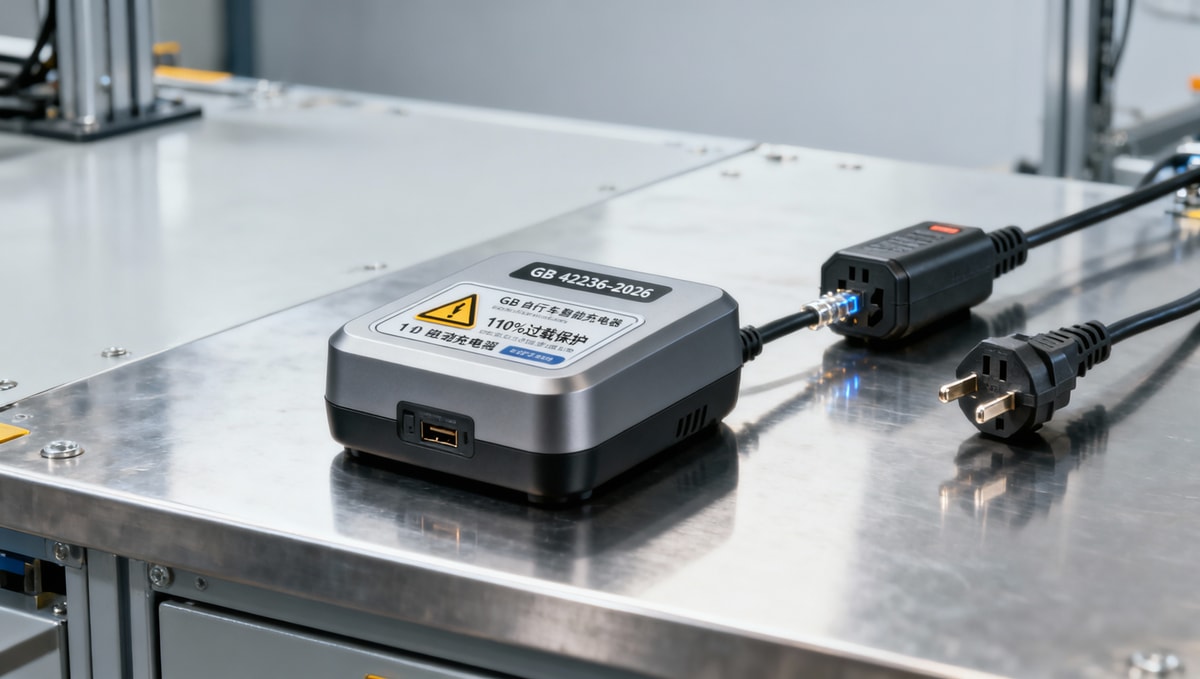
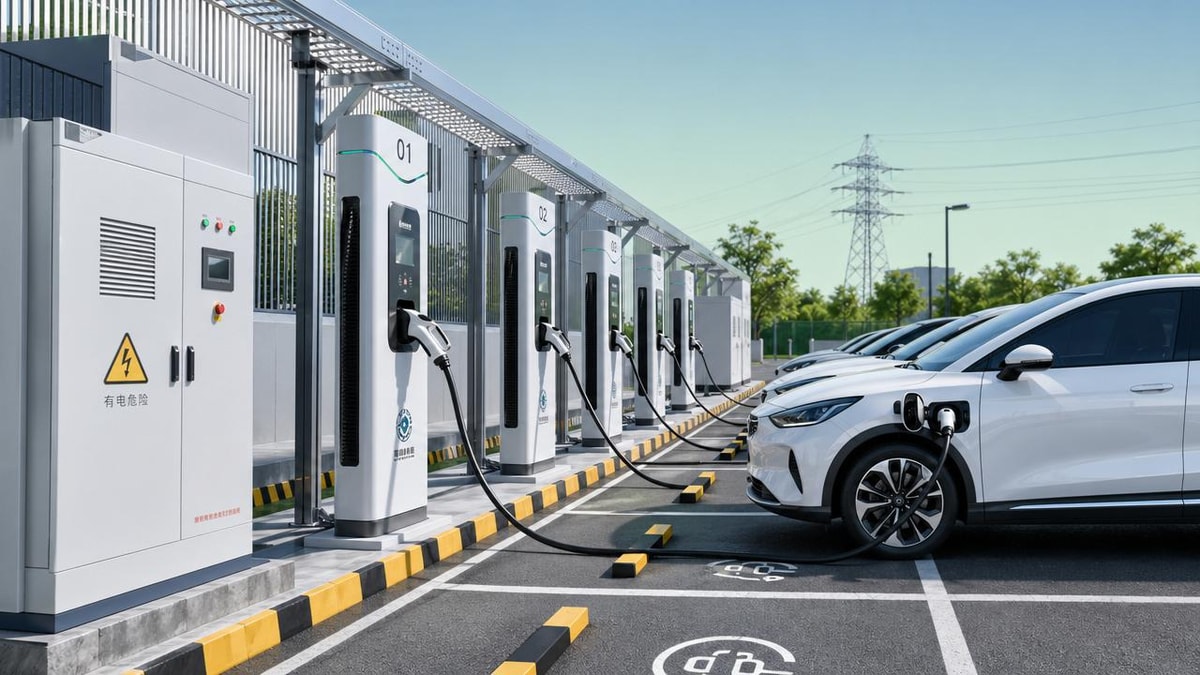
Effective 1 May 2026, China’s newly issued mandatory national standard GB 42236-2026 — upgrading Beijing’s local DB11/T 2220-2026 — imposes binding energy efficiency and overload protection requirements on all electric bicycle chargers supplied with exported e-bikes. This regulation directly impacts manufacturers, exporters, and distributors serving global markets, especially those targeting Indonesia, Vietnam, and Colombia, where the standard is now accepted by customs for expedited clearance.
Event Overview
The People’s Republic of China has promulgated GB 42236-2026, Safety Technical Specification for Electric Bicycle Chargers, as a mandatory national standard effective 1 May 2026. It replaces the Beijing local standard DB11/T 2220-2026. The standard requires all chargers bundled with exported electric bicycles to sustain 110% of rated load for 30 minutes without failure and achieve minimum energy efficiency grade 2 (per GB/T 35727). The standard has been formally adopted by customs authorities in Indonesia, Vietnam, and Colombia as a basis for rapid release of compliant consignments. Leading Chinese charger manufacturers report order concentration toward certified production facilities; non-certified suppliers face average lead times exceeding 10 weeks.
Industries Affected by Segment
Export-Oriented E-Bike Manufacturers
These companies must ensure every export-bound e-bike is paired with a charger compliant with GB 42236-2026. Non-compliance risks shipment rejection at origin or destination ports, especially in adopting markets. Impact includes revised BOM validation, updated technical documentation for customs declarations, and potential delays if sourcing from uncertified suppliers.
OEM/ODM Charger Suppliers
Manufacturers supplying chargers under private labels or integrated into e-bike OEM contracts are directly subject to testing and certification obligations. Impact manifests in increased compliance overhead, third-party lab testing cycles, and capacity constraints — evidenced by extended lead times (>10 weeks) for non-certified lines.
International Distributors & Importers
Importers handling e-bike shipments into Indonesia, Vietnam, or Colombia now encounter de facto regulatory gatekeeping: customs authorities reference GB 42236-2026 for verification. Impact includes heightened pre-shipment audit expectations, documentation requirements (e.g., test reports referencing clause 5.4 and Annex A), and liability exposure if non-compliant chargers trigger post-clearance recalls.
Supply Chain Certification & Testing Service Providers
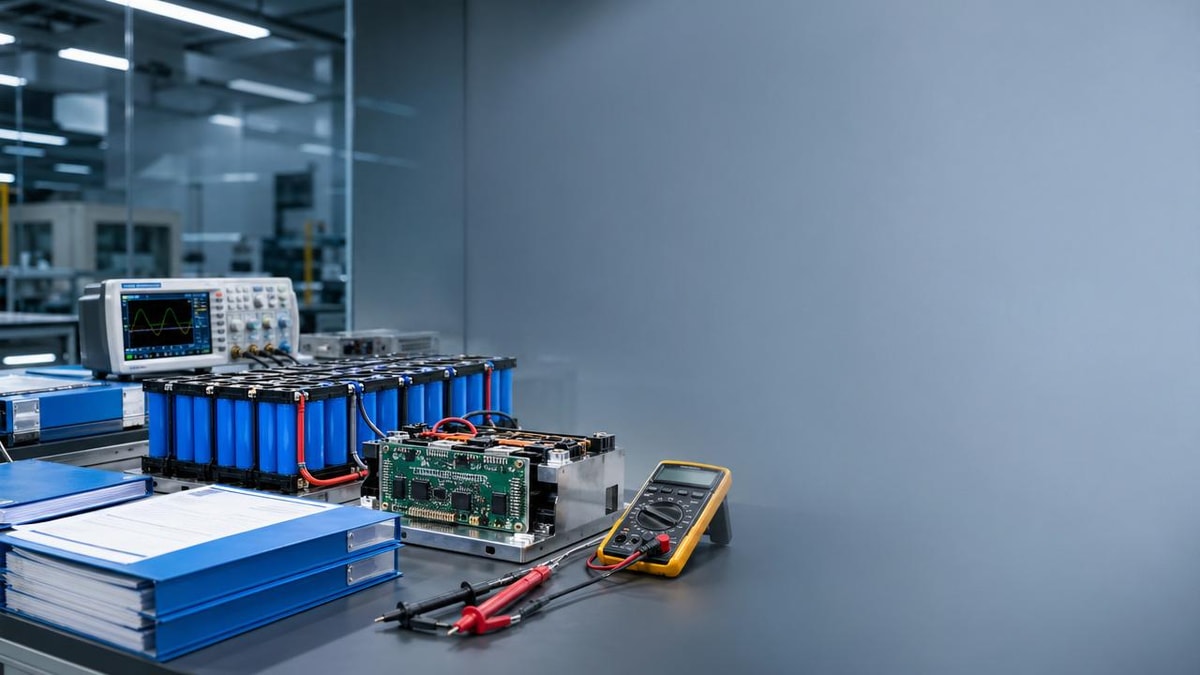
Third-party labs and certification bodies accredited for GB 42236-2026 testing are experiencing demand surges. Impact includes expanded workload for overload endurance (110% × 30 min) and efficiency grade verification, requiring calibrated equipment traceable to national metrology institutes.
Key Focus Areas and Practical Responses for Stakeholders
Verify certification status of current charger suppliers
Confirm whether existing suppliers hold valid GB 42236-2026 test reports issued by CNAS-accredited laboratories. Cross-check report validity against Clause 6 (Test Methods) and Annex A (Efficiency Grading Table). Do not rely solely on supplier self-declarations.
Prioritize procurement from certified lines ahead of Q2 2026
Given reported 10-week lead times for non-certified production, initiate purchase orders for GB 42236-2026-compliant chargers no later than March 2026 to secure May launch readiness — particularly for shipments destined to Indonesia, Vietnam, or Colombia.
Update technical files and customs documentation
Integrate GB 42236-2026 compliance statements into product specifications, packing lists, and commercial invoices. For shipments to adopting countries, include laboratory test reports (with unique report ID, date, and scope) in electronic customs submissions where permitted.
Monitor official interpretations from SAC and AQSIQ
While GB 42236-2026 is published, implementation guidance — such as acceptable test tolerances, transitional arrangements for legacy stock, or enforcement thresholds — may be issued separately by the Standardization Administration of China (SAC) or General Administration of Customs. Subscribe to official notices via www.sac.gov.cn and www.customs.gov.cn.
Editorial Perspective / Industry Observation
Observably, GB 42236-2026 functions less as a standalone safety update and more as an early-stage regulatory anchor for cross-border e-mobility supply chains. Its adoption by multiple emerging-market customs agencies signals a shift toward harmonized technical baselines — not just for market access, but for risk-based inspection prioritization. Analysis shows this is currently a compliance signal rather than a fully enforced outcome: while certification is mandatory from 1 May 2026, field-level enforcement consistency across Chinese ports and overseas customs remains variable. From an industry perspective, the standard’s real impact lies in accelerating consolidation among charger suppliers — favoring vertically integrated, test-capable manufacturers over fragmented contract assemblers.
Conclusion
GB 42236-2026 marks a structural inflection point for the e-bike charger value chain: it transforms a formerly voluntary or regionally applied specification into a nationally mandated, internationally referenced requirement. Its significance is not merely technical — it reshapes procurement timelines, certifies manufacturing capability, and redefines liability across export workflows. Currently, it is best understood as an operational threshold, not a policy experiment: compliance is enforceable, verifiable, and already shaping trade behavior in key growth markets.
Information Sources
Primary source: GB 42236-2026, Safety Technical Specification for Electric Bicycle Chargers, published by Standardization Administration of China (SAC), effective 1 May 2026.
Supplementary confirmation: Public notices from customs authorities of Indonesia, Vietnam, and Colombia citing GB 42236-2026 for expedited clearance (as reported in industry communications dated Q1 2026).
Note: Ongoing observation is required for official implementation guidelines, including transitional provisions and enforcement protocols, which have not yet been published by SAC or AQSIQ.
Get weekly intelligence in your inbox.
No noise. No sponsored content. Pure intelligence.
 May 01, 2026Beijing’s New E-Bike Rules Trigger Dual-Certification Demand for China’s Swappable Battery CabinetsBeijing’s New E-Bike Rules Trigger Dual-Certification Demand for China’s Swappable Battery Cabinets
 May 01, 2026GNA’s GEO Service Assessment Elevates AI Search as Digital Procurement Metric for Chinese ExportersGNA’s GEO Service Assessment Elevates AI Search as Digital Procurement Metric for Chinese Exporters
 May 01, 20262026 China Cycle Expo: Chinese EPS Systems Achieve UL 2849:2026 Full Certification2026 China Cycle Expo: Chinese EPS Systems Achieve UL 2849:2026 Full Certification
 May 01, 2026GB 42236-2026 Enforces EV Charger Efficiency & Overload Protection from May 2026GB 42236-2026 Enforces EV Charger Efficiency & Overload Protection from May 2026
 May 01, 2026GB/T 43790-2026 Drone EMC Standard Effective May 2026GB/T 43790-2026 Drone EMC Standard Effective May 2026
 May 01, 20262026 Foshan Tanzhou Auto Industry Expo Opens2026 Foshan Tanzhou Auto Industry Expo Opens
 May 01, 2026China’s New Hazardous Chemicals Safety Law Takes Effect May 2026China’s New Hazardous Chemicals Safety Law Takes Effect May 2026
 May 01, 2026New Maritime and Fisheries Laws Take Effect May 1, 2026New Maritime and Fisheries Laws Take Effect May 1, 2026
 May 01, 2026Supply Chain Automation Works Best Where Delays RepeatSupply Chain Automation Works Best Where Delays Repeat
 May 01, 2026High Strength Steel Forgings: What Should Be Tested First?High Strength Steel Forgings: What Should Be Tested First?
 May 01, 2026Automotive Steel Forging: Cost Pressure vs Part ReliabilityAutomotive Steel Forging: Cost Pressure vs Part Reliability
 May 01, 2026Why High Durability Steel Forgings Fail Earlier Than ExpectedWhy High Durability Steel Forgings Fail Earlier Than Expected
 May 01, 2026Construction Aluminum Extrusions: Which Finish Lasts Longer?Construction Aluminum Extrusions: Which Finish Lasts Longer?
 May 01, 2026Lightweight Aluminum Extrusions: Where Savings Really HappenLightweight Aluminum Extrusions: Where Savings Really Happen
 May 01, 2026Aerospace Aluminum Extrusions Need More Than Low WeightAerospace Aluminum Extrusions Need More Than Low Weight
 May 01, 2026Precision Lathe Turning Problems That Show Up After AssemblyPrecision Lathe Turning Problems That Show Up After Assembly
 May 01, 2026High Precision Lathe Turning: Tolerance Claims to VerifyHigh Precision Lathe Turning: Tolerance Claims to Verify
 May 01, 2026When CNC Lathe Turning Is Better Than General MachiningWhen CNC Lathe Turning Is Better Than General Machining
 May 01, 2026Medical Device Prototyping Needs More Than SpeedMedical Device Prototyping Needs More Than Speed
 May 01, 20263D Printing Prototyping: Fast Turnaround or Better Finish?3D Printing Prototyping: Fast Turnaround or Better Finish?
 May 01, 2026Low Cost Rapid Prototyping: Where Quality Gets LostLow Cost Rapid Prototyping: Where Quality Gets Lost
 May 01, 2026Quick EV Charger Installation Still Needs Site ChecksQuick EV Charger Installation Still Needs Site Checks
 May 01, 2026Public Parking EV Chargers: What Slows Installation DownPublic Parking EV Chargers: What Slows Installation Down
 May 01, 2026Choosing a Lithium Ion Battery Manufacturer in ChinaChoosing a Lithium Ion Battery Manufacturer in China
 May 01, 2026How to Vet a Lithium Ion Battery OEM SupplierHow to Vet a Lithium Ion Battery OEM Supplier
 May 01, 2026EV Lithium Ion Batteries: Range Is Not the Only MetricEV Lithium Ion Batteries: Range Is Not the Only Metric
 May 01, 2026Lithium Ion ESS Batteries: Safety Details Worth CheckingLithium Ion ESS Batteries: Safety Details Worth Checking