New Maritime and Fisheries Laws Take Effect May 1, 2026
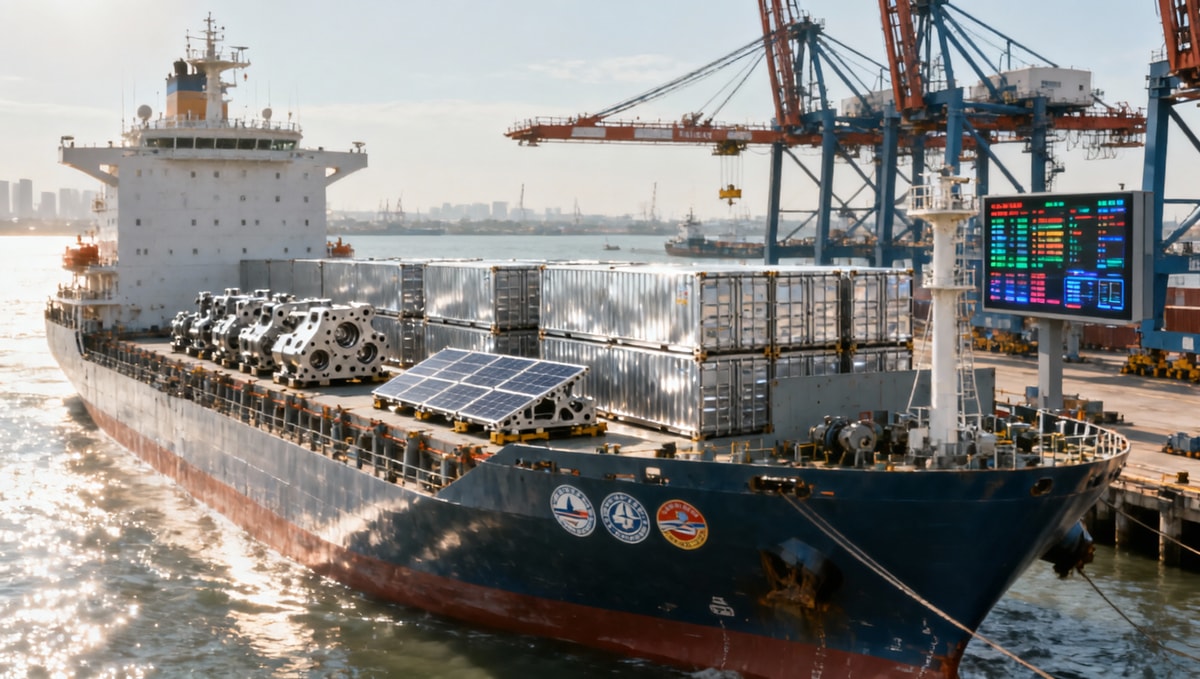
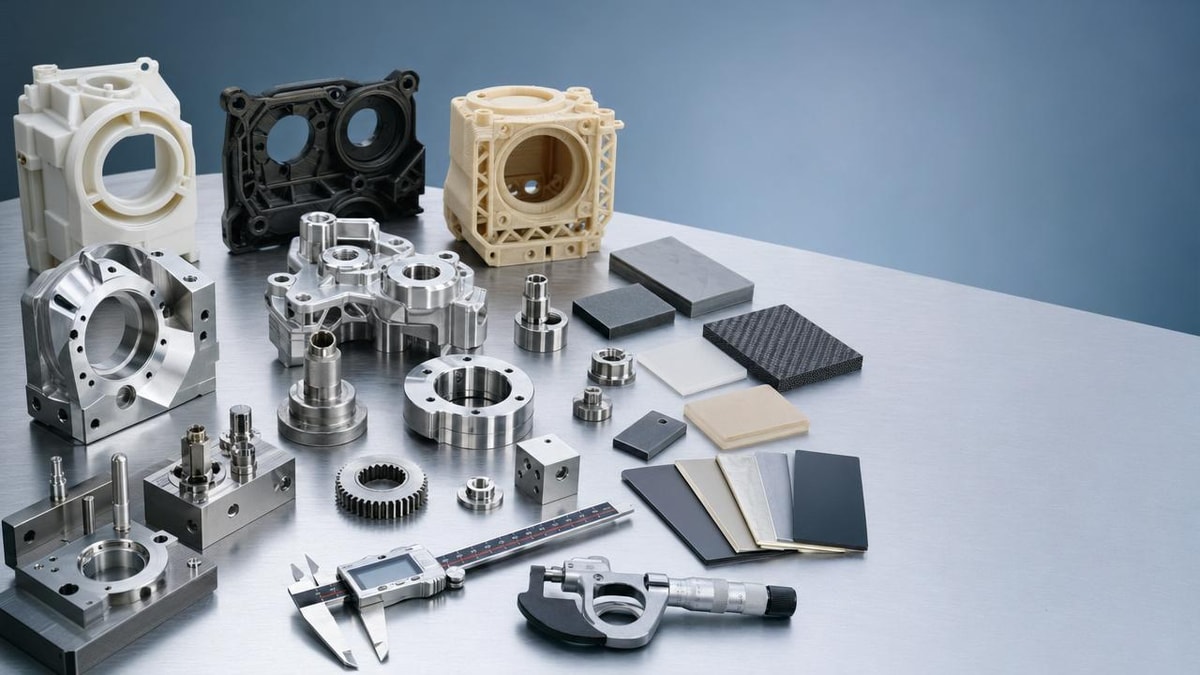
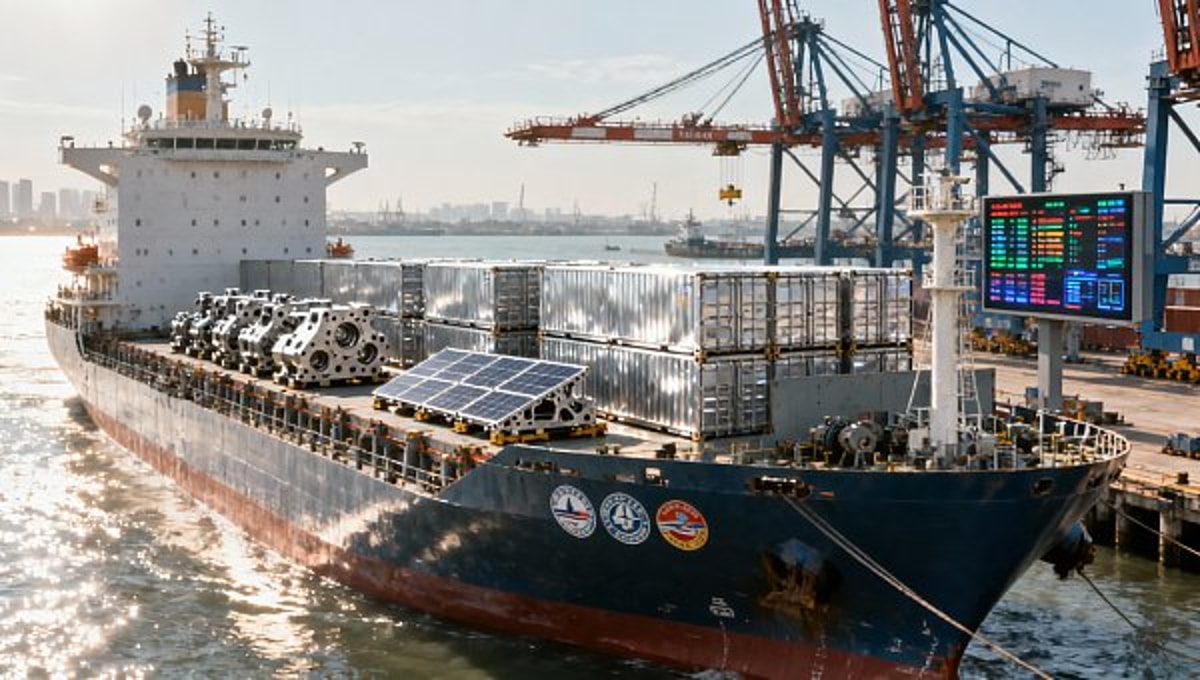
Starting May 1, 2026, the newly revised Maritime Code of the People’s Republic of China and Fisheries Law of the People’s Republic of China will enter into force. These updates introduce stricter requirements on vessel seaworthiness, legal recognition of electronic bills of lading, and mandatory data traceability for远洋 (ocean-going) transport operations — directly affecting exporters of high-value goods such as CNC-machined parts, industrial materials, and photovoltaic modules, as well as their European import partners.
Event Overview
On May 1, 2026, the revised Maritime Code and Fisheries Law officially take effect. Confirmed provisions include enhanced carrier liability for vessel seaworthiness, formal legal standing for electronic bills of lading, and new obligations for digital recordkeeping of ocean freight data. The revisions apply to all maritime transport activities governed by Chinese law, including contracts involving FOB and CIF trade terms with EU counterparties.
Industries Affected by Sector
Export-oriented manufacturing enterprises
These firms — especially those shipping CNC-machined components, industrial raw materials, or solar PV modules — face direct implications in contract execution and documentation compliance. Under FOB or CIF terms, revised seaworthiness standards may shift evidentiary burdens during cargo loss or delay disputes; electronic bill of lading adoption affects document chain integrity and customs clearance timelines.
International trading companies (FOB/CIF intermediaries)
Trading firms acting as contractual parties between Chinese suppliers and EU buyers must reassess liability allocation in existing and new sales agreements. The updated laws redefine carrier obligations and evidence standards, meaning that single-document inconsistencies — e.g., mismatched electronic vs. paper B/L issuance, missing audit logs — could trigger cargo title disputes or customs hold-ups in EU ports.
EU-based importers and procurement teams
Importers sourcing from China must now verify alignment between purchase order terms and the revised legal framework — particularly regarding who bears responsibility for vessel certification, data retention, and electronic document acceptance. Non-aligned clauses risk unenforceability under Chinese law, potentially undermining insurance claims or delivery guarantees.
Logistics and freight forwarding service providers
Forwarders handling China–EU ocean freight must ensure internal systems support full digital traceability of shipment events (e.g., loading, stowage, departure timestamps) and enforce standardized electronic B/L workflows. Failure to maintain compliant records may expose them to liability as de facto carriers or agents under the revised seaworthiness and documentation regimes.
Key Points for Enterprises and Practitioners to Monitor and Act On
Track official implementation guidance and enforcement precedents
While the laws take effect on May 1, 2026, detailed administrative measures — such as technical specifications for electronic B/L interoperability or definitions of ‘adequate seaworthiness verification’ — remain pending. Enterprises should monitor notices from the Ministry of Transport and China Maritime Safety Administration for operational thresholds.
Prioritize review of high-value, time-sensitive shipments
Focus initial compliance efforts on consignments involving CNC parts, PV modules, or bulk industrial materials shipped under CIF terms — where carrier liability, insurance coverage, and customs release are most sensitive to documentation accuracy and data completeness.
Distinguish legal signal from immediate operational impact
Analysis shows the revisions codify emerging industry practices (e.g., electronic B/L use) rather than introduce wholly novel concepts. Their immediate practical effect depends heavily on judicial interpretation and port-level enforcement — meaning pilot-phase inconsistencies across Chinese ports are likely in early 2026.
Update contracts, train staff, and test document flows ahead of May 2026
Before May 1, 2026, export teams should revise standard FOB/CIF annexes to reflect updated seaworthiness warranties and electronic B/L acceptance protocols; logistics staff should conduct dry-runs of end-to-end digital documentation handoffs with EU counterparts and insurers.
Editorial Perspective / Industry Observation
Observably, this regulatory update functions less as a sudden disruption and more as a formalization of long-developing trends: digitization of trade documents, tightening of carrier accountability, and greater emphasis on verifiable operational data. From an industry perspective, it signals growing convergence between Chinese maritime regulation and international standards (e.g., UNCITRAL Model Law on Electronic Transferable Records), but also highlights jurisdictional friction points — especially where EU importers rely on legacy paper-based processes. Current attention should focus not on whether the rules apply, but on how consistently they will be applied across regional ports and courts.
Conclusion
This legislative update does not overhaul China–EU maritime trade fundamentals, but it does recalibrate risk allocation, documentation expectations, and evidentiary requirements within existing frameworks. It is best understood not as an isolated compliance milestone, but as a marker of ongoing institutional alignment — one requiring proactive coordination between Chinese exporters, EU importers, and shared logistics partners to avoid operational friction post-May 2026.
Information Sources
Primary source: Official promulgation notice issued by the Standing Committee of the National People’s Congress (April 2025); confirmed effective date and scope published in the State Council Gazette, No. 12, 2025. Pending items for continued observation include implementing regulations from the Ministry of Transport and case law developments following May 1, 2026.
Get weekly intelligence in your inbox.
No noise. No sponsored content. Pure intelligence.
 May 01, 2026Beijing’s New E-Bike Rules Trigger Dual-Certification Demand for China’s Swappable Battery CabinetsBeijing’s New E-Bike Rules Trigger Dual-Certification Demand for China’s Swappable Battery Cabinets
 May 01, 2026GNA’s GEO Service Assessment Elevates AI Search as Digital Procurement Metric for Chinese ExportersGNA’s GEO Service Assessment Elevates AI Search as Digital Procurement Metric for Chinese Exporters
 May 01, 20262026 China Cycle Expo: Chinese EPS Systems Achieve UL 2849:2026 Full Certification2026 China Cycle Expo: Chinese EPS Systems Achieve UL 2849:2026 Full Certification
 May 01, 2026GB 42236-2026 Enforces EV Charger Efficiency & Overload Protection from May 2026GB 42236-2026 Enforces EV Charger Efficiency & Overload Protection from May 2026
 May 01, 2026GB/T 43790-2026 Drone EMC Standard Effective May 2026GB/T 43790-2026 Drone EMC Standard Effective May 2026
 May 01, 20262026 Foshan Tanzhou Auto Industry Expo Opens2026 Foshan Tanzhou Auto Industry Expo Opens
 May 01, 2026China’s New Hazardous Chemicals Safety Law Takes Effect May 2026China’s New Hazardous Chemicals Safety Law Takes Effect May 2026
 May 01, 2026New Maritime and Fisheries Laws Take Effect May 1, 2026New Maritime and Fisheries Laws Take Effect May 1, 2026
 May 01, 2026Supply Chain Automation Works Best Where Delays RepeatSupply Chain Automation Works Best Where Delays Repeat
 May 01, 2026High Strength Steel Forgings: What Should Be Tested First?High Strength Steel Forgings: What Should Be Tested First?
 May 01, 2026Automotive Steel Forging: Cost Pressure vs Part ReliabilityAutomotive Steel Forging: Cost Pressure vs Part Reliability
 May 01, 2026Why High Durability Steel Forgings Fail Earlier Than ExpectedWhy High Durability Steel Forgings Fail Earlier Than Expected
 May 01, 2026Construction Aluminum Extrusions: Which Finish Lasts Longer?Construction Aluminum Extrusions: Which Finish Lasts Longer?
 May 01, 2026Lightweight Aluminum Extrusions: Where Savings Really HappenLightweight Aluminum Extrusions: Where Savings Really Happen
 May 01, 2026Aerospace Aluminum Extrusions Need More Than Low WeightAerospace Aluminum Extrusions Need More Than Low Weight
 May 01, 2026Precision Lathe Turning Problems That Show Up After AssemblyPrecision Lathe Turning Problems That Show Up After Assembly
 May 01, 2026High Precision Lathe Turning: Tolerance Claims to VerifyHigh Precision Lathe Turning: Tolerance Claims to Verify
 May 01, 2026When CNC Lathe Turning Is Better Than General MachiningWhen CNC Lathe Turning Is Better Than General Machining
 May 01, 2026Medical Device Prototyping Needs More Than SpeedMedical Device Prototyping Needs More Than Speed
 May 01, 20263D Printing Prototyping: Fast Turnaround or Better Finish?3D Printing Prototyping: Fast Turnaround or Better Finish?
 May 01, 2026Low Cost Rapid Prototyping: Where Quality Gets LostLow Cost Rapid Prototyping: Where Quality Gets Lost
 May 01, 2026Quick EV Charger Installation Still Needs Site ChecksQuick EV Charger Installation Still Needs Site Checks
 May 01, 2026Public Parking EV Chargers: What Slows Installation DownPublic Parking EV Chargers: What Slows Installation Down
 May 01, 2026Choosing a Lithium Ion Battery Manufacturer in ChinaChoosing a Lithium Ion Battery Manufacturer in China
 May 01, 2026How to Vet a Lithium Ion Battery OEM SupplierHow to Vet a Lithium Ion Battery OEM Supplier
 May 01, 2026EV Lithium Ion Batteries: Range Is Not the Only MetricEV Lithium Ion Batteries: Range Is Not the Only Metric
 May 01, 2026Lithium Ion ESS Batteries: Safety Details Worth CheckingLithium Ion ESS Batteries: Safety Details Worth Checking