When medical 5 axis milling costs more but delivers less
For finance approvers, higher pricing should mean lower risk, better throughput, and stronger margins. Yet in medical manufacturing, that equation often fails. This article examines why some 5 axis milling services for medical applications cost more while delivering less in precision, compliance efficiency, supplier responsiveness, and total value—helping decision-makers separate premium capability from expensive underperformance before approving the next sourcing contract.
What higher-cost medical machining is supposed to deliver
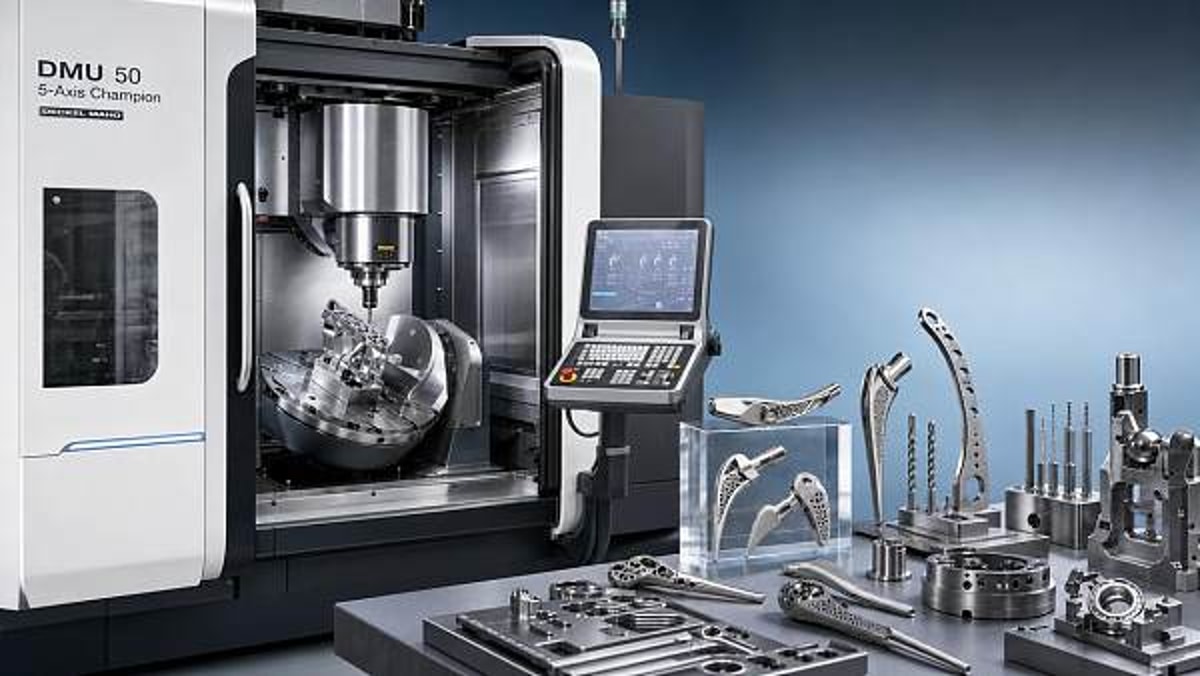
In principle, 5 axis milling services for medical should justify premium pricing. Medical parts are rarely simple. Orthopedic implants, surgical instrument components, endoscopy housings, robotic-assisted surgery parts, and diagnostic hardware all demand complex geometries, tight tolerances, advanced surface quality, and documented process control. A capable 5-axis supplier can machine difficult angles in fewer setups, reduce handling risk, improve consistency, and support validation-heavy production environments.
That is why procurement teams and finance approvers often accept a higher quote. They are not only buying spindle time. They are buying process stability, engineering support, traceability, compliance readiness, and confidence that one nonconforming batch will not disrupt a regulated supply chain. However, price alone does not guarantee these outcomes. In many sourcing situations, elevated cost reflects supplier overhead, weak scheduling, inefficient programming, or outdated quality systems rather than true operational excellence.
For B2B decision-makers, the real question is not whether medical 5-axis machining is expensive. It is whether the premium is attached to measurable value drivers that reduce total cost of ownership over the life of the program.
Why the market pays close attention to 5-axis performance in healthcare technology
Healthcare technology is one of the most quality-sensitive sectors in advanced manufacturing. The market pressure is multidimensional: shorter product cycles, tighter regulatory expectations, growing demand for miniaturized devices, and globalized supplier networks. In this environment, 5 axis milling services for medical have become strategically important because they influence launch timing, scrap rates, compliance burden, and product reliability.
Yet market maturity is uneven. Some suppliers have invested in modern machines but not in process engineering. Others have strong machinists but weak documentation discipline. Some maintain premium branding around “medical-grade capability” while depending on manual workarounds that introduce delays and variation. This gap between marketed sophistication and operational reality is where finance teams can lose value.
For organizations using intelligence-led sourcing models, including the kind of sector-specific insight promoted by TradeNexus Pro, the key is to evaluate suppliers as integrated systems: machine capability, people capability, digital traceability, quality maturity, and commercial responsiveness must all align.
Where expensive underperformance usually begins
When a supplier charges more but delivers less, the issue rarely starts on the shop floor alone. It often begins with a weak business model hidden beneath a technical sales message. Finance approvers should understand the main failure patterns.
1. Machine count is mistaken for manufacturing capability
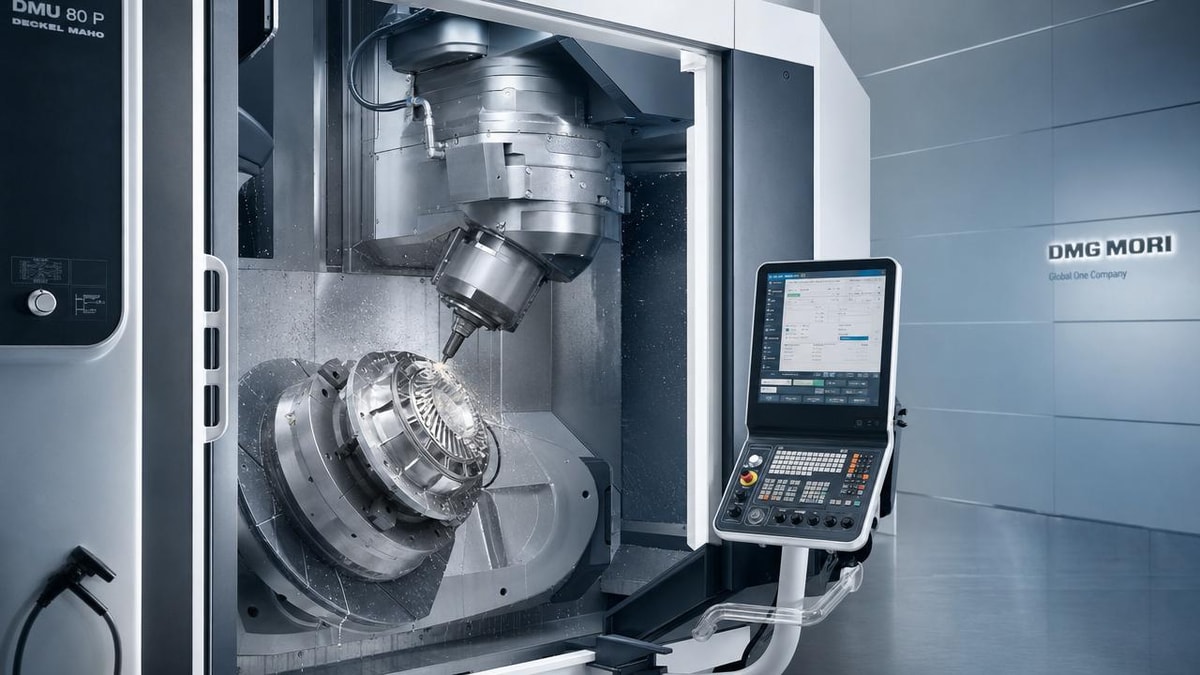
Owning several 5-axis machining centers does not automatically mean a supplier can manage complex medical programs. True capability depends on fixture design, toolpath optimization, thermal stability, probing strategy, first article discipline, and change control. A shop may advertise advanced equipment while still generating high setup times, inconsistent dimensional outcomes, or excessive operator dependency.
2. Compliance language masks poor execution
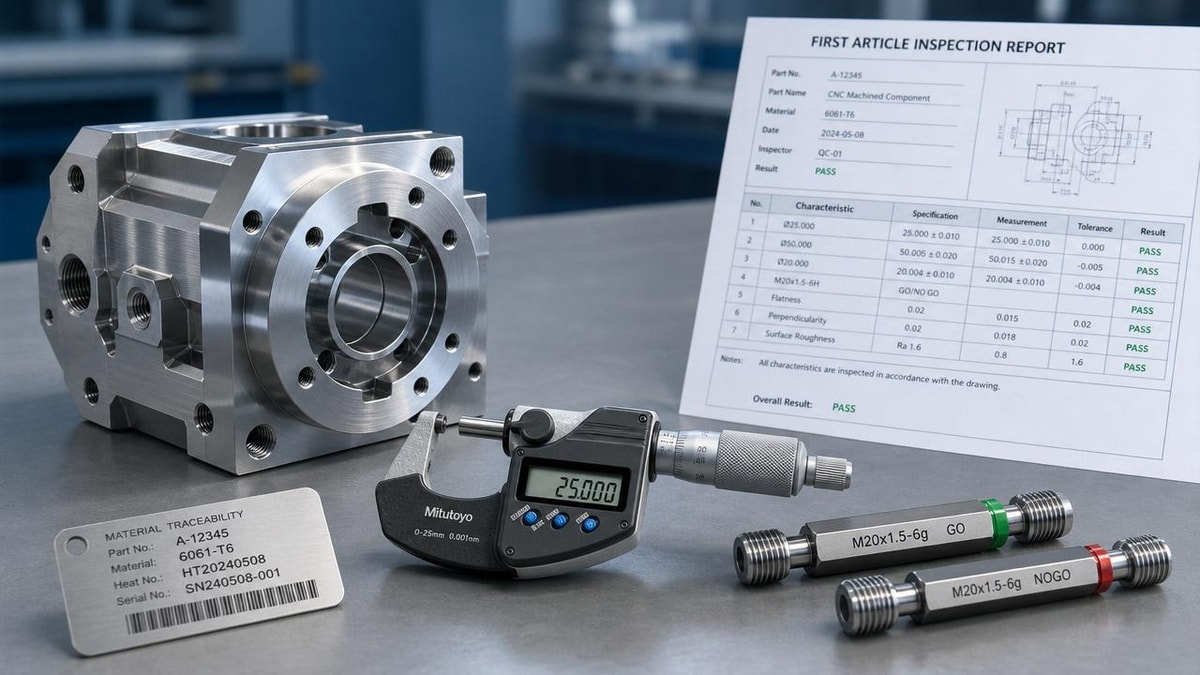
Medical buyers expect documentation, lot traceability, calibration records, and material certification control. Some suppliers price themselves as compliance-ready but create friction through incomplete records, delayed deviation reporting, or weak CAPA follow-through. That increases hidden labor on the customer side and can offset any perceived quality premium.
3. Engineering bottlenecks inflate lead times
5-axis machining depends heavily on CAM programming and process planning. If the supplier has too few experienced programmers, every revision becomes slow, every setup sheet becomes overloaded, and every urgent order disrupts the queue. Buyers end up paying premium rates for ordinary responsiveness.
4. Quality is achieved through inspection, not process control
A supplier may rely on extensive final inspection to catch defects instead of building repeatability into the process. That raises labor cost and still leaves risk in the system. In medical manufacturing, prevention is more valuable than detection, especially for tight-tolerance geometries and parts with difficult-to-measure features.
5. Commercial premiums are disconnected from production reality
Some shops maintain premium pricing because they once served high-end medical accounts, not because current performance supports that position. If OTD performance slips, engineering response slows, and NPI support weakens, the customer is effectively financing reputation rather than capability.
A practical overview of value signals in medical 5-axis sourcing
Finance approvers need a framework that goes beyond quoted unit price. The table below helps distinguish between premium value and premium waste when evaluating 5 axis milling services for medical.
Who is most affected when medical 5-axis services miss expectations
The consequences of weak supplier performance do not stay inside manufacturing. They spread across the enterprise, especially in regulated product environments.
Finance approvers
Finance leaders face diluted ROI when premium suppliers generate hidden costs: incoming inspection burden, repeated supplier audits, resubmission cycles, emergency logistics, and delayed revenue recognition. A more expensive supplier should reduce these costs, not shift them downstream.
Procurement and supply chain teams
When 5 axis milling services for medical are unstable, planners lose confidence in lead times and buffer inventory rises. Single-source risk increases, and dual-sourcing becomes harder because process documentation is often weak or inconsistent.
Quality and regulatory teams
Poorly controlled machining suppliers generate avoidable audit pressure. Documentation gaps, unstructured deviation handling, and inconsistent records consume quality resources that should be focused on prevention and strategic compliance improvement.
Commercial leadership
For product companies, delayed launches and constrained production volumes directly affect customer relationships and market share. In fast-moving healthcare technology segments, the lost opportunity cost may exceed any initial supplier premium by a large margin.
Typical medical applications where the value gap becomes visible
Not every part exposes supplier weakness in the same way. The following categories show where expensive but weak execution becomes most obvious.
How finance approvers can evaluate total value more accurately
A disciplined approval process should treat 5 axis milling services for medical as a strategic capability purchase, not a simple machining line item. The most reliable approach is to connect technical performance to financial outcomes.
Start with cost-of-failure metrics. Ask how many engineering change loops, nonconformance events, late shipments, and expediting events the supplier generated over the last comparable program. Next, assess time-to-release metrics, including first article turnaround, PPAP-equivalent documentation readiness where applicable, and responsiveness to design revisions. Then review whether the supplier’s quality maturity reduces internal labor for your quality, sourcing, and operations teams.
This broader view matters because the best supplier is not always the lowest quote, but neither is it the highest-priced “specialist.” Premium value only exists when the supplier compresses risk and supports throughput with evidence.
Practical due diligence before approving the next contract
Before signing off on a new medical machining agreement, decision-makers should request proof in five areas:
- Documented examples of similar medical parts with comparable geometry and tolerance complexity.
- Evidence of process repeatability, not just final inspection reports.
- Named engineering and quality contacts with clear response-time expectations.
- Real lead-time performance data, including schedule adherence for production orders.
- A commercial model that explains what the premium pays for and how it lowers operational risk.
This is where market intelligence becomes valuable. In complex global sourcing environments, companies benefit from sector-focused platforms that evaluate supplier positioning through deeper industry context rather than surface-level claims. That is especially true in healthcare technology, where a supplier’s true competence often sits at the intersection of machining, documentation, and responsiveness.
Conclusion: premium should buy confidence, not excuses
The central lesson is simple: higher pricing in 5 axis milling services for medical only makes sense when it produces measurable gains in quality stability, compliance efficiency, lead-time reliability, and cross-functional support. If a supplier costs more but still creates engineering friction, documentation burden, or delivery uncertainty, the premium is not strategic—it is wasteful.
For finance approvers, the smartest move is to shift from quote comparison to value verification. Ask what risk is being removed, what internal cost is being reduced, and what evidence proves the supplier can perform at a medical standard consistently. In an industry where operational weakness can become commercial loss very quickly, that discipline turns sourcing approval from a budget exercise into a margin-protection strategy.
Get weekly intelligence in your inbox.
No noise. No sponsored content. Pure intelligence.
 May 04, 2026FDA AI Diagnostic Software Guidance: Continuous Validation for Overseas FirmsFDA AI Diagnostic Software Guidance: Continuous Validation for Overseas Firms
 May 04, 2026MIIT Launches Export Compliance Support for Warehouse RoboticsMIIT Launches Export Compliance Support for Warehouse Robotics
 May 04, 2026India BIS Mandates ISI Certification for Smart Home Devices from July 2026India BIS Mandates ISI Certification for Smart Home Devices from July 2026
 May 04, 2026Global Shipping Alliance Raises Heavy-Lift Surcharges from May 2026Global Shipping Alliance Raises Heavy-Lift Surcharges from May 2026
 May 04, 2026GCC EV Charging Certification Unified: 35% Cost Cut for Chinese ExportersGCC EV Charging Certification Unified: 35% Cost Cut for Chinese Exporters
 May 04, 2026TÜV Rheinland Updates IoT Security Standard with AI Voice Data AnonymizationTÜV Rheinland Updates IoT Security Standard with AI Voice Data Anonymization
 May 04, 2026Yangshan Port Launches Green Energy Equipment Express LaneYangshan Port Launches Green Energy Equipment Express Lane
 May 04, 2026Vietnam Enforces Local IoT Certification for Smart Home Devices from May 2026Vietnam Enforces Local IoT Certification for Smart Home Devices from May 2026
 May 04, 2026US CBP Launches Battery Cargo Inspection: ESS Export Delays to 7–12 DaysUS CBP Launches Battery Cargo Inspection: ESS Export Delays to 7–12 Days
 May 04, 2026EU SVHC Update Effective May 1, 2026: Impact on Electronic Components ExportsEU SVHC Update Effective May 1, 2026: Impact on Electronic Components Exports
 May 04, 2026Portable power stations: what matters more than wattage on paperPortable power stations: what matters more than wattage on paper
 May 04, 2026Automotive injection molding machines and the scrap rate problemAutomotive injection molding machines and the scrap rate problem
 May 04, 2026Smart thermostats save energy only when setup is done rightSmart thermostats save energy only when setup is done right
 May 04, 2026Why TWS earbuds sound great in ads but not on callsWhy TWS earbuds sound great in ads but not on calls
 May 04, 2026Industrial robotics for material handling: where downtime startsIndustrial robotics for material handling: where downtime starts
 May 04, 2026LiFePO4 battery lifespan drops faster under these conditionsLiFePO4 battery lifespan drops faster under these conditions
 May 04, 2026Solar grid systems: when storage changes the project mathSolar grid systems: when storage changes the project math
 May 04, 2026Smart manufacturing for pharma fails when data stays isolatedSmart manufacturing for pharma fails when data stays isolated
 May 04, 2026Wearable technology trends that are finally useful in 2026Wearable technology trends that are finally useful in 2026
 May 04, 2026Bluetooth speakers: why battery life claims often miss real useBluetooth speakers: why battery life claims often miss real use
 May 04, 2026Home automation systems that solve everyday annoyances firstHome automation systems that solve everyday annoyances first
 May 04, 2026Solar street lights that underperform after the first rainy seasonSolar street lights that underperform after the first rainy season
 May 04, 2026Why sheet metal bending services in Canada cost more than expectedWhy sheet metal bending services in Canada cost more than expected
 May 04, 2026Factory automation systems for electronics and the ROI gapFactory automation systems for electronics and the ROI gap
 May 04, 2026OEM machined parts supplier Vietnam: quality checks that matterOEM machined parts supplier Vietnam: quality checks that matter
 May 04, 2026What to check before choosing a 5 axis machine for defenseWhat to check before choosing a 5 axis machine for defense
 May 04, 2026Smart grid solutions that fix peak load without major rebuildsSmart grid solutions that fix peak load without major rebuilds