Custom metal fabrication for renewable energy: common cost traps
Custom metal fabrication for renewable energy can unlock long-term value, but hidden cost traps often surface long before ROI does. For financial approvers, the real risk is not just unit price—it is how design changes, material volatility, compliance demands, and supplier misalignment quietly inflate total project costs. This article highlights where spending typically escapes control and how smarter sourcing decisions can protect both budget and performance.
In solar, wind, battery storage, and grid-support infrastructure, fabricated metal parts are rarely simple line items. They shape installation speed, structural reliability, corrosion resistance, service life, and even warranty exposure. For finance teams reviewing capital expenditure or supplier proposals, the challenge is to separate a competitive quote from a cost structure that will later expand through change orders, scrap, delays, and rework.
That is why custom metal fabrication for renewable energy should be evaluated through total landed cost, not only ex-works pricing. A bracket, enclosure, skid, frame, tower insert, cable tray, or battery cabinet may look affordable at the RFQ stage, yet become 12% to 30% more expensive once coating revisions, certification needs, packaging changes, and logistics constraints are added. Financial approvers need visibility into those pressure points before approving spend.
Why renewable energy fabrication budgets drift faster than expected

Custom metal fabrication for renewable energy operates in a cost environment that is more dynamic than standard industrial fabrication. Components often serve outdoor or semi-harsh environments for 10 to 25 years, which means suppliers must balance structural performance, anti-corrosion treatment, tolerances, transport constraints, and assembly efficiency at the same time. Even a small engineering change can cascade across cutting, welding, finishing, inspection, and freight.
The finance view: unit price is only one cost layer
A low initial quote may exclude 4 to 6 major cost elements: tooling updates, first-article inspection, material surcharges, non-standard packaging, destination labeling, and compliance documentation. For projects above 500 units or multi-site deployments over 2 to 4 quarters, these exclusions can materially affect approval accuracy. This is especially true when buyers compare suppliers using inconsistent assumptions.
Typical hidden cost drivers
- Design revisions after prototype approval
- Raw material switching between carbon steel, stainless steel, and aluminum
- Surface treatment upgrades such as galvanizing, powder coating, or marine-grade protection
- Tighter tolerances, for example moving from ±1.5 mm to ±0.5 mm
- Additional testing, traceability files, and weld records
- Freight inefficiency caused by oversized frames or poor nesting design
The table below shows how budget drift typically appears in custom metal fabrication for renewable energy, especially when procurement and engineering teams lock scope too late.
For financial approvers, the key takeaway is simple: most overruns are not dramatic one-time failures. They accumulate in small increments across engineering, manufacturing, quality, and logistics. When custom metal fabrication for renewable energy is evaluated only on piece price, these increments remain invisible until invoices or delay penalties appear.
Where renewable projects create unusual fabrication pressure
Unlike indoor industrial cabinets or general commercial metalwork, renewable energy systems must often survive UV exposure, moisture cycling, salt air, dust, vibration, and thermal fluctuation. A solar mounting frame in one region may need different finish assumptions than a battery enclosure in a coastal logistics hub. That complexity increases specification risk if the sourcing package is not precise from day 1.
In practice, finance teams should pay close attention when a project has any of these 5 signs: more than 3 fabrication processes, mixed-material assemblies, overseas shipment, field installation by third parties, or required service life above 15 years. Each factor raises the chance that the approved budget will miss downstream costs.
The most common cost traps in custom metal fabrication for renewable energy
Not every cost increase is avoidable, but most are predictable. Financial approvers can improve outcomes by understanding where custom metal fabrication for renewable energy usually breaks budget discipline. The following categories matter across solar balance-of-system parts, wind subassemblies, energy storage housings, and electrification support frames.
1. Design-for-manufacturing gaps
A drawing can be technically correct and still be expensive to fabricate. Tight bend radii, unnecessary weld length, excessive part count, inaccessible fastener locations, and poor stackability all raise production cost. If one enclosure design uses 22 parts instead of 14, labor content and quality checkpoints both increase. Over a 1,000-unit run, that difference can outweigh a lower raw material rate.
What finance should ask before approval
- Has the supplier completed a formal manufacturability review?
- Are tolerance bands aligned with functional need, not ideal engineering preference?
- Can part count be reduced by 10% to 20% through redesign or integrated forming?
- Has packaging density been considered for container or truck utilization?
2. Material selection based on habit, not lifecycle need
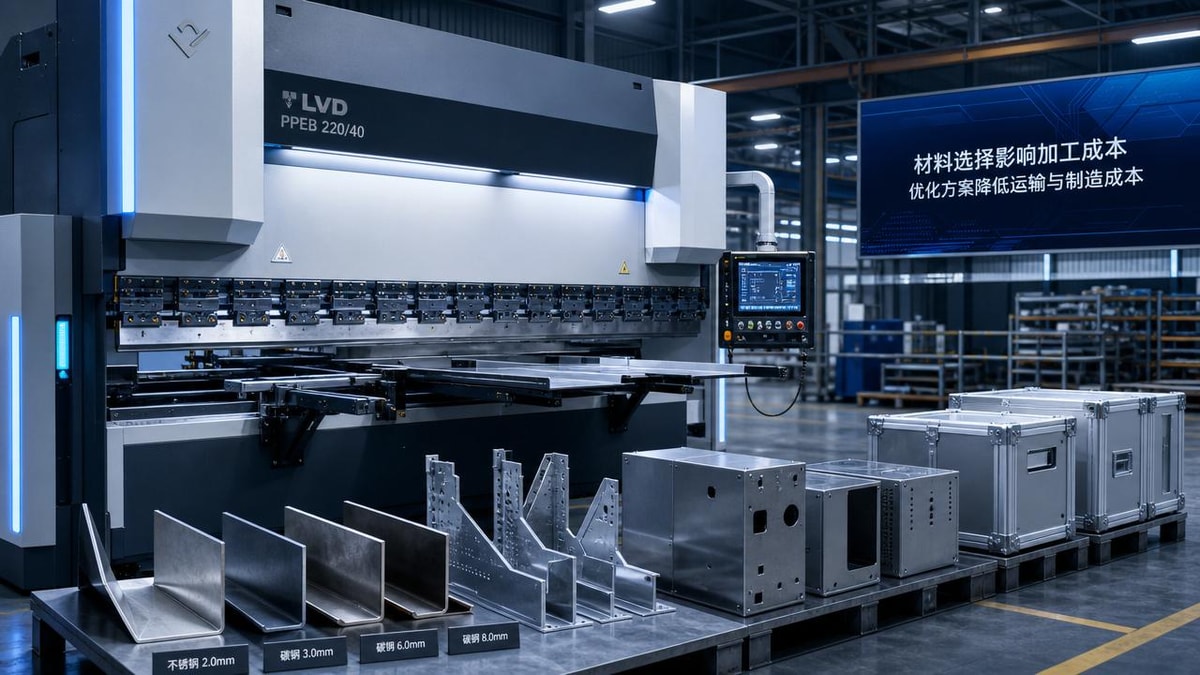
Choosing between mild steel, hot-dip galvanized steel, stainless steel, and aluminum is never just a material question. It affects weldability, coating process, freight weight, corrosion performance, repairability, and field handling. A cheaper substrate may require a more expensive finish system or more frequent maintenance. In renewable applications with 10- to 20-year exposure assumptions, lifecycle cost matters more than procurement optics.
For example, heavier sections may reduce raw material volatility risk but increase freight, installation labor, and lifting requirements. In projects spread across 3 to 8 deployment sites, handling cost can become as important as shop-floor cost.
3. Coating and corrosion control underestimated at RFQ stage
Many fabrication quotes treat finishing as a standard add-on, but corrosion control is often one of the largest variables in custom metal fabrication for renewable energy. Powder coating, e-coating, galvanizing, duplex systems, and specialty primers do not carry the same lead times, defect risks, or rework exposure. If edge coverage, film thickness, salt exposure, or outdoor service intervals are not clarified, quote comparisons become misleading.
A finish decision can add 5 to 14 days to lead time and materially affect reject rates if fabricated parts are poorly designed for drainage, venting, or coating access. Those details belong in early technical review, not after PO release.
4. Prototype pricing confused with scalable production pricing
Prototype units often include manual handling, engineering attention, and flexible routing that do not scale efficiently. If finance approves production budgets based on prototype assumptions, volume pricing can move in either direction. Sometimes costs fall with scale; other times they rise because jigs, fixtures, inspection routines, and packaging systems are needed once output exceeds 100, 500, or 1,000 units.
5. Logistics ignored until finished goods are ready
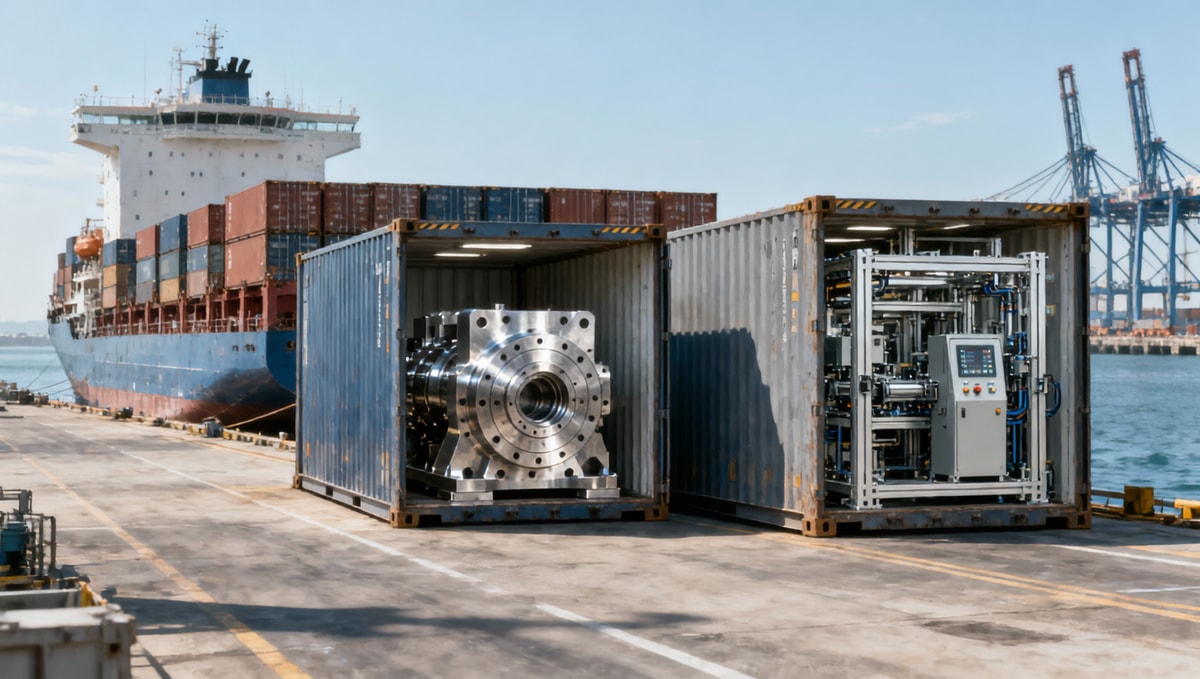
Freight is a frequent blind spot. Oversized skids, non-nestable frames, mixed-SKU pallets, and destination-specific packaging can erode savings from a low factory price. A part that ships at 65% trailer utilization is not commercially equivalent to one designed for 85% utilization. For international shipments, customs labeling, corrosion prevention during transit, and crate compliance can add both cost and risk.
How to evaluate suppliers beyond the quoted price
The strongest sourcing decisions for custom metal fabrication for renewable energy come from structured supplier evaluation. Financial approvers do not need to review every weld symbol, but they do need a disciplined framework that links technical capability to budget reliability. A supplier that looks 6% cheaper on paper may become 18% more expensive if schedule slips and engineering clarifications multiply.
A practical comparison framework for approval teams
Before releasing funds, compare suppliers on at least 6 dimensions: design review depth, material sourcing strategy, process capability, quality control plan, logistics readiness, and change-order discipline. The goal is not to eliminate every risk, but to understand which vendor can hold cost within a predictable range over a 3- to 12-month program.
The matrix below can help finance, sourcing, and engineering teams align around a common approval standard.
A reliable supplier for custom metal fabrication for renewable energy should be able to explain not just what the part costs, but why it costs that amount, which assumptions are fixed, and where variability may occur. Transparency is often a stronger indicator of cost control than an aggressive opening quote.
Warning signs in supplier proposals
- Quote validity shorter than 7 days in a volatile material environment, without alternatives offered
- No distinction between prototype lead time and serial production lead time
- Coating scope described in broad terms without preparation or inspection criteria
- Freight assumptions missing for oversized or export-bound fabricated assemblies
- No process for engineering change requests or revision cost approval
How financial approvers can reduce total cost before the PO is signed
Finance teams are often brought in when pricing is already under negotiation, but several high-impact controls can still be applied before approval. In custom metal fabrication for renewable energy, the best savings usually come from scope discipline, quote normalization, and milestone-based supplier governance rather than last-minute price pressure.
Use a 5-point approval checklist
- Confirm that drawings, revision levels, and BOMs are frozen for commercial quotation.
- Request separate pricing for fabrication, finishing, packaging, tooling, and freight.
- Set a material price validity window and define what happens after it expires.
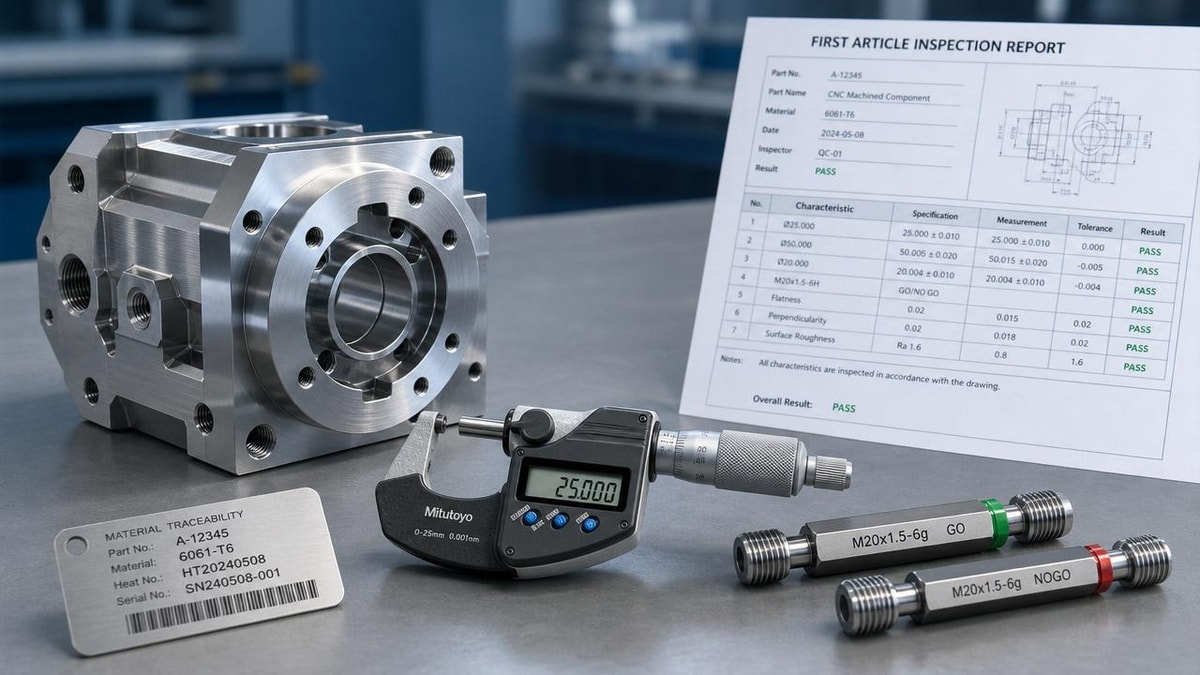
- Require first-article approval before full-volume release when quality risk is meaningful.
- Define change-order authorization thresholds, such as any variance above 3% or any lead-time extension above 7 days.
Normalize quote comparisons
Many approval mistakes happen because suppliers quote different scopes. One vendor includes galvanizing and export packing; another excludes them. One assumes MOQ of 300 pieces; another prices at 1,000. One offers 4-week lead time from approved drawings; another from deposit receipt. Finance should require an apples-to-apples commercial sheet before any decision is escalated.
Minimum normalization fields
- Incoterm and shipping point
- Material grade and acceptable substitutes
- Coating specification and inspection method
- Tooling ownership and amortization basis
- Lead time split between prototype, pilot, and production
- Warranty or replacement responsibility for fabrication defects
Build commercial controls into the sourcing process
A disciplined sourcing process can reduce variance without slowing procurement. For example, a 3-stage gate of technical review, commercial normalization, and pilot validation helps identify hidden cost drivers before large capital is committed. On larger programs, even one pilot lot of 20 to 50 units can reveal assembly bottlenecks, coating damage risk, or packaging waste that would otherwise affect the full release.
This matters because custom metal fabrication for renewable energy is often integrated into broader project schedules. A delayed fabricated subassembly may hold up inverter installation, battery rack deployment, or site commissioning. The real financial impact can therefore exceed the fabrication line item itself.
Practical sourcing scenarios where smarter fabrication decisions protect ROI
The value of better sourcing becomes clearer when viewed in real purchasing scenarios. A utility-scale solar buyer may prioritize corrosion resistance and freight density; a battery storage developer may focus on enclosure consistency, thermal access points, and maintenance serviceability. In each case, custom metal fabrication for renewable energy works best when cost control is linked to operational reality.
Scenario A: Solar mounting and support structures
In solar support assemblies, a 2% material saving can be erased by poor pack density or slow field installation. Buyers should test whether the supplier can reduce weld count, improve nesting, and maintain tolerance compatibility with on-site assembly tools. Savings are strongest when fabrication and installation are considered together.
Scenario B: Battery storage cabinets and skids
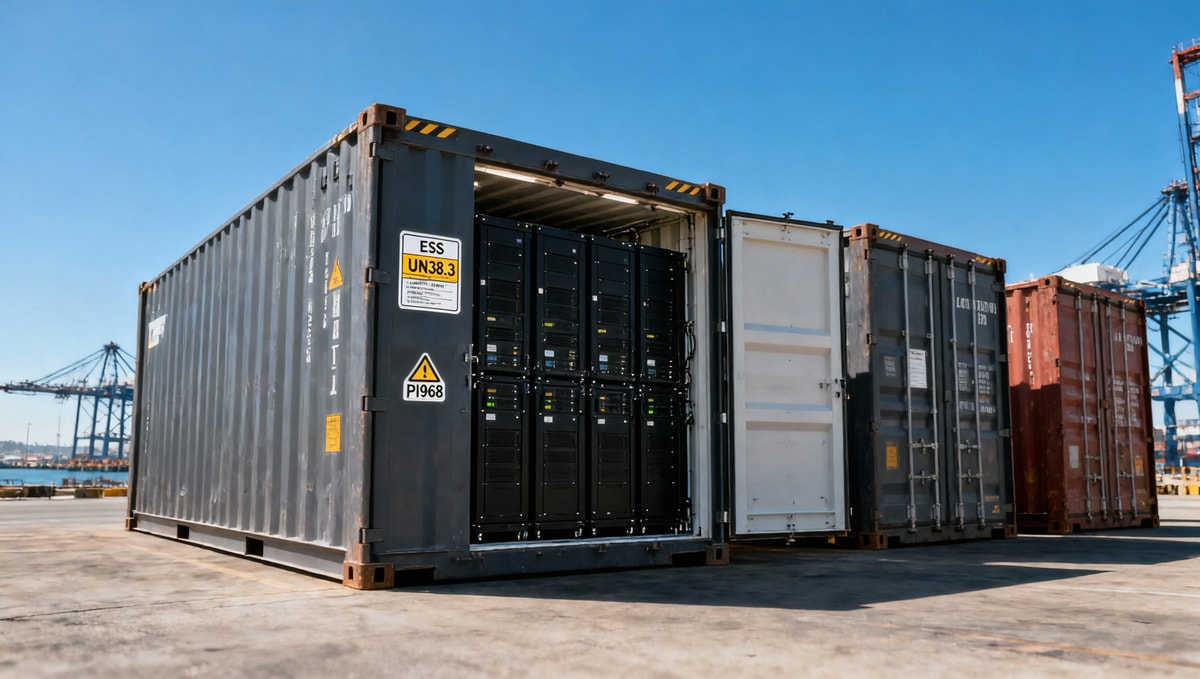
For energy storage hardware, enclosure fabrication affects cable routing, service access, thermal interfaces, and safety labeling. If panel cutouts or bracket positions change after production starts, rework cost rises quickly. Early prototype review and revision control are essential when multiple internal systems depend on one fabricated shell.
Scenario C: Wind and hybrid energy balance-of-plant parts
Large or awkward geometries often create freight and handling risk. In these cases, the best supplier may be the one that proposes modular fabrication or more efficient packaging, not the one with the lowest unit rate. Financial approvers should ask whether part segmentation can reduce transport damage and site handling hours without increasing structural complexity.
For procurement leaders, supply chain managers, and enterprise decision-makers using intelligence-led sourcing models, the lesson is consistent: cost traps in custom metal fabrication for renewable energy are manageable when commercial evaluation includes process fit, technical clarity, and total delivered value. TradeNexus Pro supports that decision process by helping buyers assess supply-side shifts, technical tradeoffs, and sourcing risk with greater precision.
If your team is comparing suppliers, validating fabrication scope, or trying to reduce hidden cost in a renewable energy project, now is the right time to tighten the sourcing framework before approvals are finalized. Contact TradeNexus Pro to explore tailored market intelligence, supplier evaluation support, and deeper renewable manufacturing insights that can protect both budget and project performance.
Get weekly intelligence in your inbox.
No noise. No sponsored content. Pure intelligence.
 May 04, 2026FDA AI Diagnostic Software Guidance: Continuous Validation for Overseas FirmsFDA AI Diagnostic Software Guidance: Continuous Validation for Overseas Firms
 May 04, 2026MIIT Launches Export Compliance Support for Warehouse RoboticsMIIT Launches Export Compliance Support for Warehouse Robotics
 May 04, 2026India BIS Mandates ISI Certification for Smart Home Devices from July 2026India BIS Mandates ISI Certification for Smart Home Devices from July 2026
 May 04, 2026Global Shipping Alliance Raises Heavy-Lift Surcharges from May 2026Global Shipping Alliance Raises Heavy-Lift Surcharges from May 2026
 May 04, 2026GCC EV Charging Certification Unified: 35% Cost Cut for Chinese ExportersGCC EV Charging Certification Unified: 35% Cost Cut for Chinese Exporters
 May 04, 2026TÜV Rheinland Updates IoT Security Standard with AI Voice Data AnonymizationTÜV Rheinland Updates IoT Security Standard with AI Voice Data Anonymization
 May 04, 2026Yangshan Port Launches Green Energy Equipment Express LaneYangshan Port Launches Green Energy Equipment Express Lane
 May 04, 2026Vietnam Enforces Local IoT Certification for Smart Home Devices from May 2026Vietnam Enforces Local IoT Certification for Smart Home Devices from May 2026
 May 04, 2026US CBP Launches Battery Cargo Inspection: ESS Export Delays to 7–12 DaysUS CBP Launches Battery Cargo Inspection: ESS Export Delays to 7–12 Days
 May 04, 2026EU SVHC Update Effective May 1, 2026: Impact on Electronic Components ExportsEU SVHC Update Effective May 1, 2026: Impact on Electronic Components Exports
 May 04, 2026Portable power stations: what matters more than wattage on paperPortable power stations: what matters more than wattage on paper
 May 04, 2026Automotive injection molding machines and the scrap rate problemAutomotive injection molding machines and the scrap rate problem
 May 04, 2026Smart thermostats save energy only when setup is done rightSmart thermostats save energy only when setup is done right
 May 04, 2026Why TWS earbuds sound great in ads but not on callsWhy TWS earbuds sound great in ads but not on calls
 May 04, 2026Industrial robotics for material handling: where downtime startsIndustrial robotics for material handling: where downtime starts
 May 04, 2026LiFePO4 battery lifespan drops faster under these conditionsLiFePO4 battery lifespan drops faster under these conditions
 May 04, 2026Solar grid systems: when storage changes the project mathSolar grid systems: when storage changes the project math
 May 04, 2026Smart manufacturing for pharma fails when data stays isolatedSmart manufacturing for pharma fails when data stays isolated
 May 04, 2026Wearable technology trends that are finally useful in 2026Wearable technology trends that are finally useful in 2026
 May 04, 2026Bluetooth speakers: why battery life claims often miss real useBluetooth speakers: why battery life claims often miss real use
 May 04, 2026Home automation systems that solve everyday annoyances firstHome automation systems that solve everyday annoyances first
 May 04, 2026Solar street lights that underperform after the first rainy seasonSolar street lights that underperform after the first rainy season
 May 04, 2026Why sheet metal bending services in Canada cost more than expectedWhy sheet metal bending services in Canada cost more than expected
 May 04, 2026Factory automation systems for electronics and the ROI gapFactory automation systems for electronics and the ROI gap
 May 04, 2026OEM machined parts supplier Vietnam: quality checks that matterOEM machined parts supplier Vietnam: quality checks that matter
 May 04, 2026What to check before choosing a 5 axis machine for defenseWhat to check before choosing a 5 axis machine for defense
 May 04, 2026Smart grid solutions that fix peak load without major rebuildsSmart grid solutions that fix peak load without major rebuilds