Geothermal Heat Pumps: Why Installation Quotes Differ So Widely
Why do quotes for geothermal heat pumps vary by thousands of dollars from one contractor to another? The answer goes far beyond equipment price. From soil conditions and loop design to home size, drilling depth, and installer expertise, several hidden factors shape the final cost. Understanding these differences helps homeowners compare proposals more confidently and avoid paying more than necessary.
What exactly are homeowners paying for in a geothermal heat pump quote?
When people first compare geothermal heat pumps, they often assume every quote covers the same scope. In reality, proposals can differ sharply because one contractor may include a full ground loop design, drilling, ductwork adjustments, controls, permits, flushing, startup testing, and warranty support, while another may show only a partial installation price. That is why two estimates that both mention geothermal heat pumps may not be directly comparable.
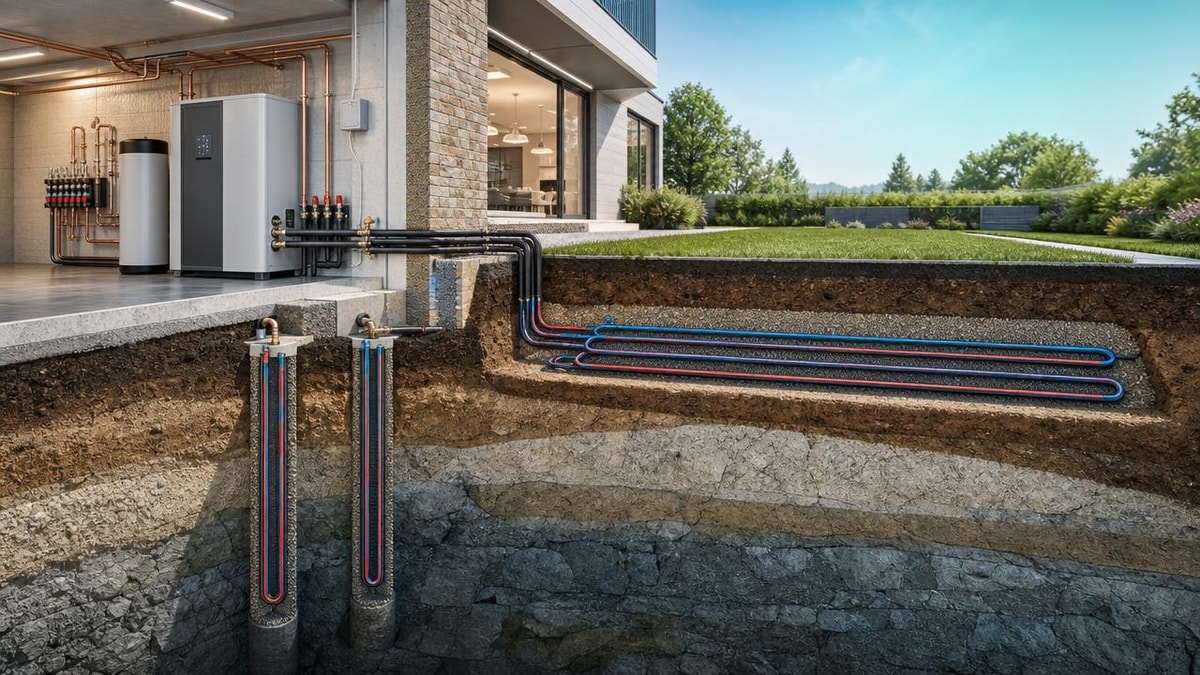
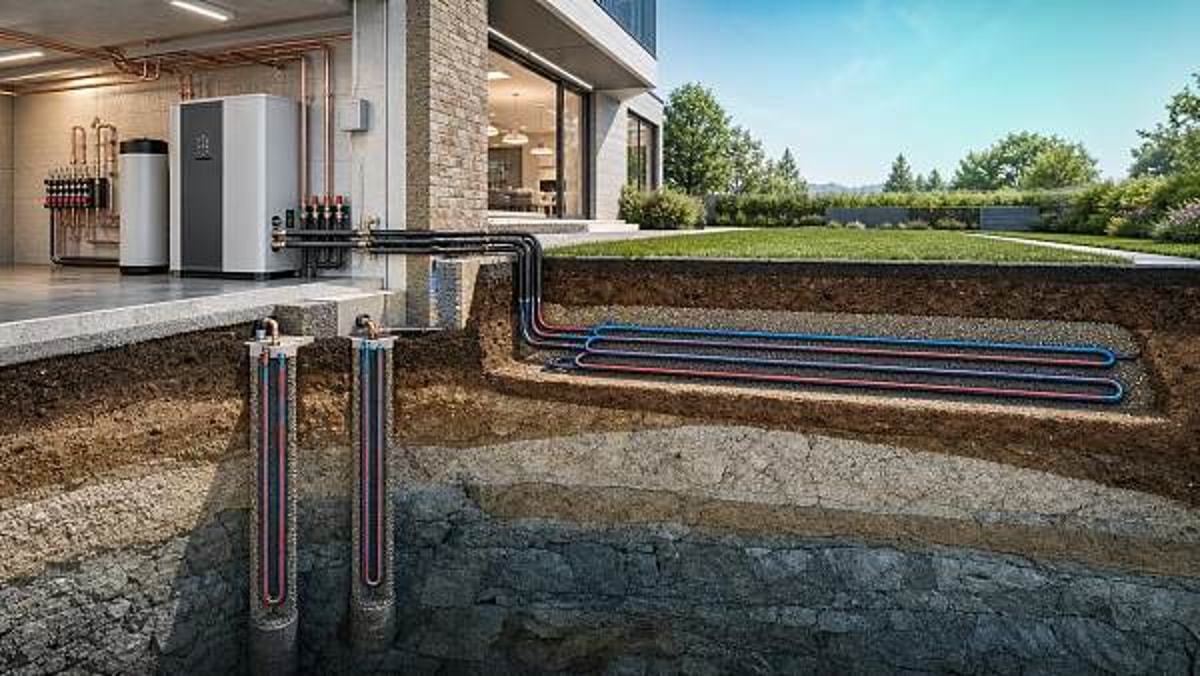
A complete quote usually includes three broad cost categories: the indoor heat pump unit, the ground heat exchange system, and the labor required to integrate everything with the home. The underground loop is often the biggest variable. Depending on property size and geology, the installer may recommend vertical boreholes, horizontal trenches, or a pond loop. Each option uses different equipment, labor hours, and permitting steps, which can significantly change the final number.
Homeowners should also remember that geothermal heat pumps are not just appliances. They are engineered systems. A lower quote may reflect less site analysis, smaller loop sizing, fewer controls, lower-efficiency equipment, or reduced post-installation support. A higher quote may include better design accuracy and lower operating costs over time. That does not automatically make the expensive option best, but it does mean the cheapest proposal is not always the best value.
Why does the ground loop create so much price variation?
The loop field is one of the main reasons installation quotes for geothermal heat pumps differ so widely. Unlike a standard HVAC replacement, geothermal performance depends heavily on the conditions underground. Soil type, rock content, groundwater presence, available land, and drilling access all affect how easy or difficult it is to install the loop system.
For example, a home with open land and soft soil may be suitable for horizontal trenching, which can sometimes reduce drilling costs. Another property may require vertical drilling because the lot is too small or landscaped too heavily for trenches. Vertical loops often need specialized drilling rigs, more coordination, and greater depth, which can push the quote much higher. If bedrock is close to the surface, drilling may become slower and more expensive. If groundwater conditions are favorable, the design may improve efficiency, but local regulations can add complexity.
Loop length matters too. A contractor who performs a detailed load calculation may specify a larger or more carefully balanced loop field than one using rough assumptions. That can raise upfront costs but protect long-term efficiency and equipment lifespan. An undersized loop may look attractive on paper, yet lead to higher utility bills, comfort problems, and added strain on the system.
How do home size, insulation, and existing HVAC systems affect geothermal heat pump pricing?
Many homeowners think larger houses simply need larger geothermal heat pumps, but the real picture is more nuanced. The heating and cooling load depends not only on square footage, but also on insulation quality, window performance, air leakage, ceiling height, climate zone, and how the home is currently distributed for heating and cooling.
A well-insulated home may need a smaller system than an older, drafty home of similar size. That is why serious contractors perform Manual J or comparable load calculations instead of relying on rough rules of thumb. If one quote is based on real engineering and another is based on guesswork, the numbers may be far apart. In geothermal heat pumps, sizing accuracy matters because both over-sizing and under-sizing can reduce performance.
Existing ductwork can also influence the quote. If ducts are too small, poorly sealed, or badly laid out, the installer may recommend upgrades. Some homes may need new air handlers, zoning controls, buffer tanks, or distribution changes to work properly with geothermal heat pumps. Homes using radiant floor systems may require different integration steps than homes with forced air. If domestic hot water assistance is included, that adds another layer of cost.
In other words, one contractor may be pricing a straightforward retrofit, while another is pricing a more complete system correction. The second estimate can look expensive, but it may also solve comfort and efficiency issues the first quote ignores.
Are all geothermal heat pump contractors quoting the same level of quality?
No, and this is one of the biggest reasons for wide quote gaps. Geothermal heat pumps require more specialized design and installation skill than many conventional systems. Contractor experience affects loop design, antifreeze concentration, pump selection, flushing procedures, control setup, commissioning, and long-term system reliability. A quote from an experienced geothermal specialist may be higher because it includes more detailed engineering, better materials, and more rigorous testing.
Some installers also have stronger relationships with drillers, permitting agencies, and equipment suppliers. That coordination can reduce delays and improve quality control. Others may subcontract large portions of the work without clearly defining responsibilities. Homeowners comparing geothermal heat pumps should ask who is responsible for drilling, trenching, fusion of underground piping, pressure testing, startup, and warranty service.
It is also smart to review what kind of warranty is included. One quote may cover only the equipment manufacturer warranty, while another includes labor coverage, loop warranty, and service follow-up. Since the underground portion is expensive to correct later, workmanship quality matters just as much as the brand of the heat pump itself.
What should be compared side by side when reviewing geothermal heat pump quotes?
To compare geothermal heat pumps fairly, homeowners need a practical checklist. Looking only at the total price can hide major differences in scope, efficiency, and long-term value. The table below summarizes the most important items to review before choosing a contractor.
What are the most common mistakes homeowners make when comparing geothermal heat pumps?
The first mistake is assuming the lowest bid is the best deal. If a quote leaves out duct repairs, loop testing, site restoration, or permit costs, the initial price may look attractive but grow later. The second mistake is focusing only on the brand name. Even excellent geothermal heat pumps can underperform if the ground loop is poorly designed or the system is badly commissioned.
Another frequent error is ignoring operating cost and lifespan value. A higher quote may include better controls, improved loop sizing, and more precise installation that lowers utility bills for years. Homeowners should evaluate total ownership value, not just purchase price. Tax credits, local incentives, and utility rebates can also change the real net cost, so every proposal should be reviewed both before and after incentives.
It is also risky to skip questions about project timeline and jobsite disruption. With geothermal heat pumps, excavation or drilling can affect landscaping, driveways, and access routes. Understanding restoration responsibilities in advance prevents frustration later. Finally, some buyers do not ask for references from similar homes. Speaking with past customers can reveal whether a contractor delivers the comfort, savings, and service promised during the sales process.
How can a homeowner tell whether a higher quote is justified?
A higher quote for geothermal heat pumps may be justified if it includes deeper site evaluation, formal heat-load calculations, better loop design, stronger warranties, more experienced drilling partners, and complete startup verification. It may also be reasonable if the property is difficult to access, has rocky ground, requires extensive ductwork modification, or needs additional electrical work.
The key is documentation. A trustworthy contractor should explain why the system size was selected, what loop configuration is proposed, what assumptions were made about the property, and what is included in the price. If one estimate is much higher but offers clear engineering logic and transparent scope, while another is vague and minimal, the more expensive option may actually carry less risk.
That said, not every high quote is automatically superior. Some companies price aggressively because they are busy, have higher overhead, or use premium positioning. Homeowners should request itemized proposals and compare not just totals, but deliverables. In many cases, the best choice is the contractor who is neither the cheapest nor the most expensive, but the one who provides the clearest, most complete path to reliable performance.
What questions should you ask before choosing a geothermal heat pump installer?
Before signing a contract for geothermal heat pumps, ask practical questions that reveal both technical competence and project transparency. You should know whether the company has installed similar systems in homes like yours, whether it performs room-by-room load calculations, and whether drilling or trenching is handled in-house or by subcontractors. Ask how loop length was determined, what efficiency ratings the equipment delivers, and what backup or auxiliary heating strategy is included if needed.
You should also ask what permits are required, who manages inspections, what site restoration is covered, and what happens if ground conditions differ from expectations after work begins. Clear answers reduce the chance of change orders and budget surprises. For geothermal heat pumps, it is especially important to ask about commissioning: Will the installer measure flow rates, pressure, loop temperature, and system performance after startup? That final verification often separates a carefully installed system from one that merely gets turned on.
If you need to confirm a specific solution, budget, timeline, or contractor fit, prioritize these questions first: What is included in the quote line by line? How was the loop system sized? What property risks could increase the cost later? What efficiency and comfort results should you realistically expect? What warranty covers the equipment, labor, and underground loop? Those answers will help you compare geothermal heat pumps with greater confidence and choose a proposal based on value, not guesswork alone.
Get weekly intelligence in your inbox.
No noise. No sponsored content. Pure intelligence.
 May 07, 2026Sustainable Building Materials That Cut Carbon Without Cutting DurabilitySustainable Building Materials That Cut Carbon Without Cutting Durability
 May 07, 2026Green Hydrogen Production: What Decides Whether a Project ScalesGreen Hydrogen Production: What Decides Whether a Project Scales
 May 07, 2026Wind Turbine Blades: Why Repairs Cost More Than PlannedWind Turbine Blades: Why Repairs Cost More Than Planned
 May 07, 2026Folding Solar Chargers: What Real Output Looks Like OutdoorsFolding Solar Chargers: What Real Output Looks Like Outdoors
 May 07, 2026Vehicle to Grid Revenue Looks Attractive, but What Are the Limits?Vehicle to Grid Revenue Looks Attractive, but What Are the Limits?
 May 07, 2026Wireless EV Charging Sounds Easy, So Why Is Adoption Slow?Wireless EV Charging Sounds Easy, So Why Is Adoption Slow?
 May 07, 2026Floating Solar Farms: The Hidden Tradeoffs Behind Water SavingsFloating Solar Farms: The Hidden Tradeoffs Behind Water Savings
 May 07, 2026Geothermal Heat Pumps: Why Installation Quotes Differ So WidelyGeothermal Heat Pumps: Why Installation Quotes Differ So Widely
 May 07, 2026Sodium Ion Batteries: Where They Make Sense Before 2030Sodium Ion Batteries: Where They Make Sense Before 2030
 May 07, 2026EV Battery Recycling Is Growing, but the Supply Chain Isn’t ReadyEV Battery Recycling Is Growing, but the Supply Chain Isn’t Ready
 May 07, 2026BMS Boards Selection Problems That Show Up After InstallationBMS Boards Selection Problems That Show Up After Installation
 May 07, 2026Deep Cycle Batteries: Why Runtime Estimates Often Miss the MarkDeep Cycle Batteries: Why Runtime Estimates Often Miss the Mark
 May 07, 2026Carbon Capture Technology Projects Often Stall at This StageCarbon Capture Technology Projects Often Stall at This Stage
 May 07, 2026What Makes Offshore Wind Technology So Expensive to Deploy?What Makes Offshore Wind Technology So Expensive to Deploy?
 May 07, 2026EV Charging Cables: Small Spec Differences, Big Fit ProblemsEV Charging Cables: Small Spec Differences, Big Fit Problems
 May 07, 2026Solid State Batteries: Progress Is Real, Timelines Are Not SimpleSolid State Batteries: Progress Is Real, Timelines Are Not Simple
 May 07, 2026Microgrid Controllers: What Changes Once Systems Scale UpMicrogrid Controllers: What Changes Once Systems Scale Up
 May 07, 2026Energy Efficient HVAC Claims That Deserve a Closer LookEnergy Efficient HVAC Claims That Deserve a Closer Look
 May 07, 2026Biomass Energy Equipment: Why Maintenance Costs Vary So MuchBiomass Energy Equipment: Why Maintenance Costs Vary So Much
 May 07, 2026Smart Meters Wholesale: Which Specs Matter Most in Bulk OrdersSmart Meters Wholesale: Which Specs Matter Most in Bulk Orders
 May 07, 2026Commercial Energy Storage Sizing Mistakes That Raise CostsCommercial Energy Storage Sizing Mistakes That Raise Costs
 May 07, 2026Residential Solar Kits: What Gets Overlooked Before BuyingResidential Solar Kits: What Gets Overlooked Before Buying
 May 07, 2026V2G Technology Is Moving Fast, but What Still Holds It Back?V2G Technology Is Moving Fast, but What Still Holds It Back?
 May 07, 2026Smart Street Lighting Upgrades: Where Savings Often SlipSmart Street Lighting Upgrades: Where Savings Often Slip
 May 07, 2026Portable Solar Panels That Work Better in Real Travel UsePortable Solar Panels That Work Better in Real Travel Use
 May 07, 2026How to Compare AGM Batteries Wholesale Beyond Unit PriceHow to Compare AGM Batteries Wholesale Beyond Unit Price
 May 07, 2026Do Solar Water Heaters Still Pay Off in Mild Climates?Do Solar Water Heaters Still Pay Off in Mild Climates?