Folding Solar Chargers: What Real Output Looks Like Outdoors
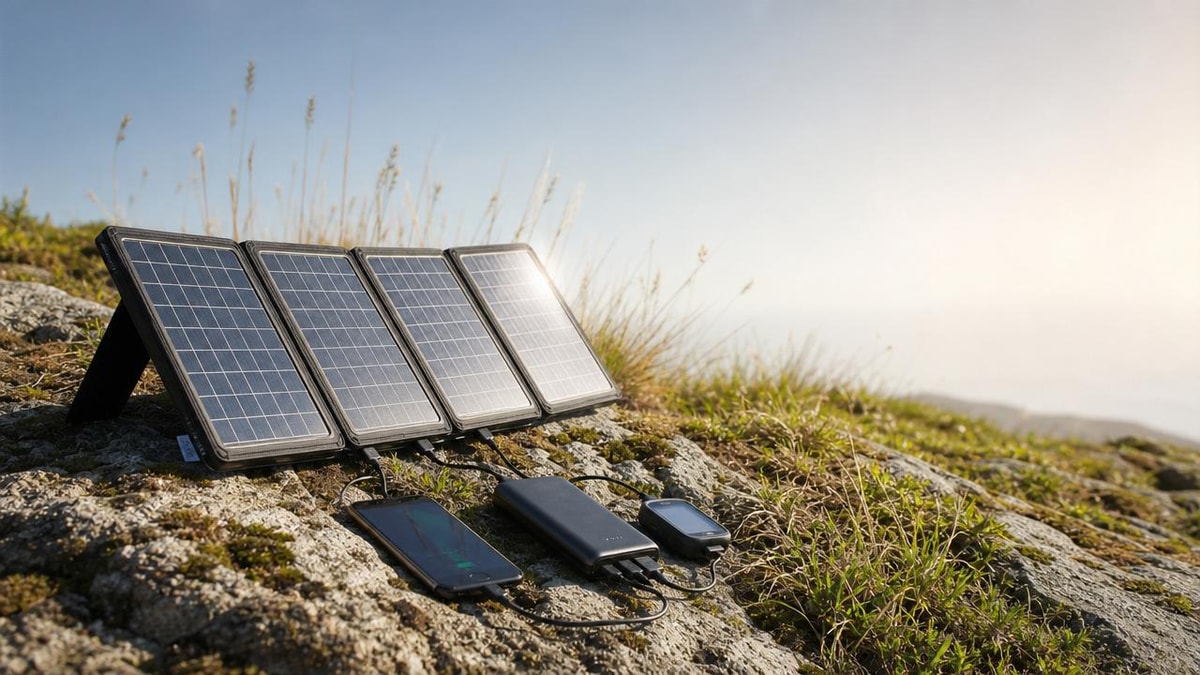
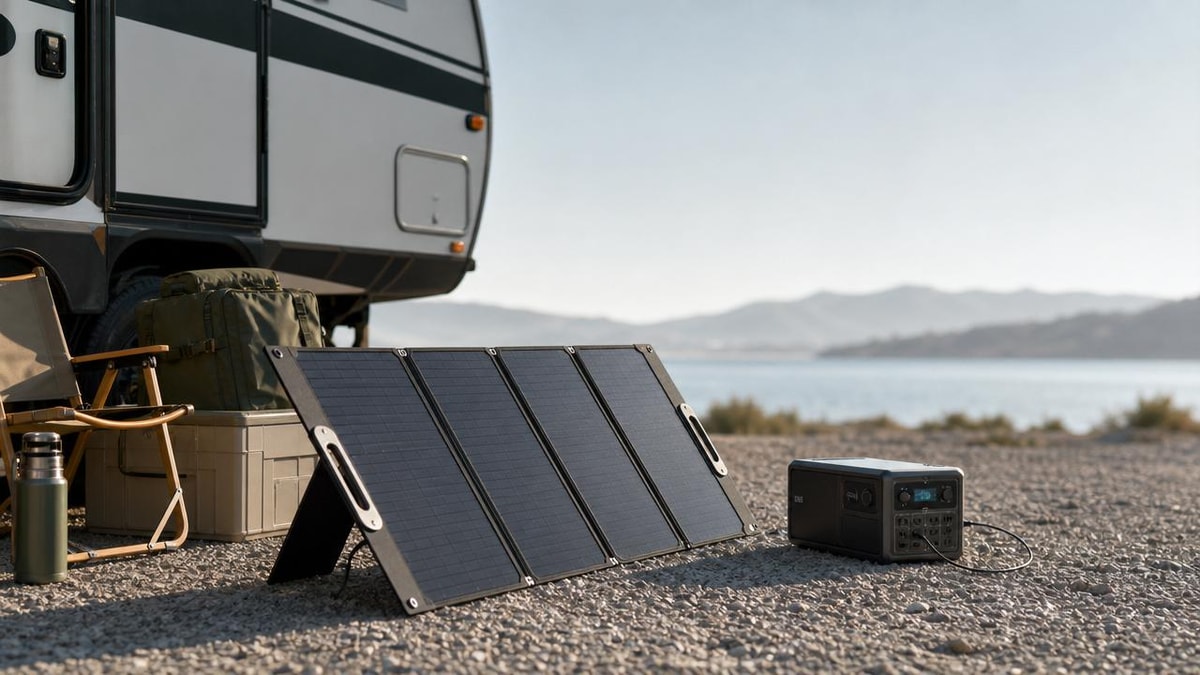
Folding solar chargers sound simple on paper, but real outdoor performance depends on sunlight, angle, temperature, panel quality, and the devices you charge. If you are choosing one for camping, hiking, road trips, or emergency backup, it helps to know what actual output looks like beyond the marketing claims. This guide breaks down the key factors that affect charging speed and what users can realistically expect outside.
For most buyers, the short answer is this: folding solar chargers usually deliver far less than their rated wattage in normal outdoor use, but that does not make them useless. A well-made panel can still be very practical for topping up phones, power banks, GPS units, lights, and small USB devices when you have enough daylight and realistic expectations.
The real question is not whether folding solar chargers work. They do. The better question is how much power they produce outside, under changing weather and imperfect conditions, and whether that output matches your use case. That is where many shoppers get disappointed, especially when a “40W” or “60W” panel behaves like a much smaller charger in the field.
If you want a useful buying rule, think in terms of average real-world output rather than advertised peak output. In clear sun, a quality folding panel may often produce around 50% to 75% of its rated wattage during good hours. In less ideal conditions, it can fall much lower. Understanding that gap is the key to choosing the right setup.
What people really want to know before buying a folding solar charger
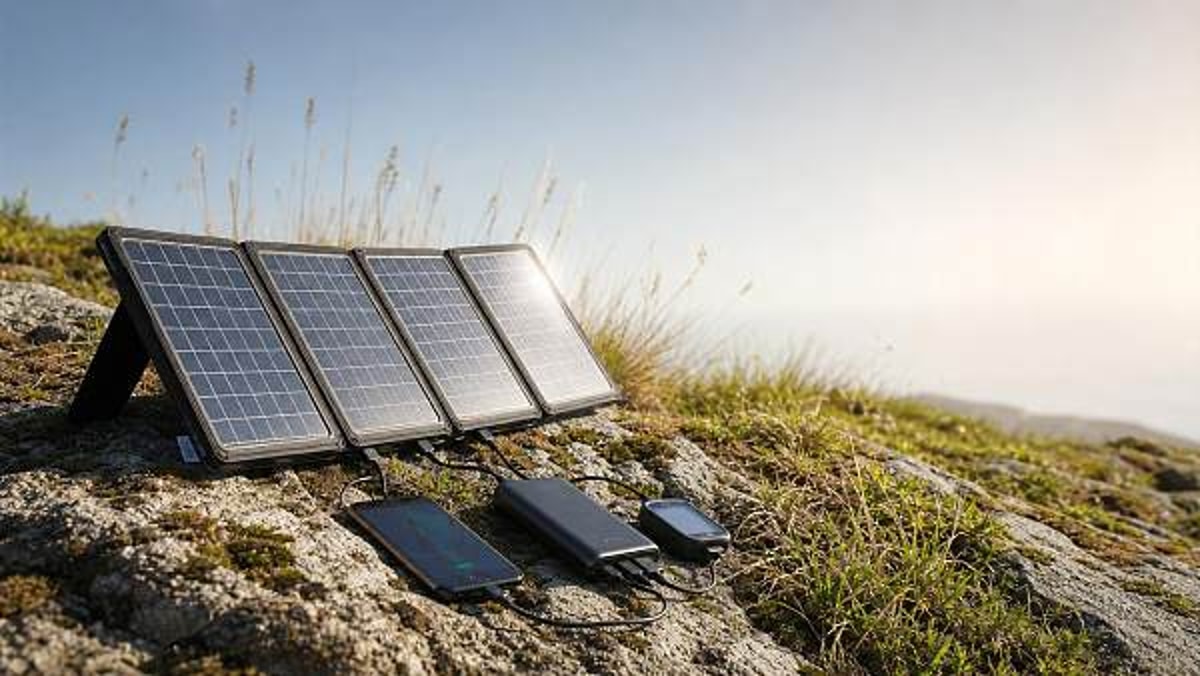
When consumers search for folding solar chargers, they are usually trying to answer practical questions, not technical ones. They want to know whether a charger can actually power their phone on a camping trip, recharge a power bank in a day, or provide backup energy during an outage. They also want to avoid overpaying for wattage they will never see.
The biggest concerns are usually very consistent. How fast will it charge outdoors? Will it work on cloudy days? Can it charge a power bank and a phone reliably? Is a bigger panel worth the extra weight? And are the advertised watt figures even honest? These are the questions that shape real buying decisions.
That means the most helpful way to evaluate folding solar chargers is through use scenarios. Instead of focusing only on specifications, it helps to translate wattage into expected device charging results. Consumers care about outcomes: a full phone charge, a half-full power bank by late afternoon, or enough daily solar input to extend a trip without wall power.
Why rated wattage and real outdoor output are not the same thing
The wattage printed on a folding solar charger is usually based on standard test conditions in a lab. These conditions assume strong sunlight, ideal panel temperature, perfect alignment to the sun, and controlled measurement standards. Outdoor reality is different almost all the time.
Even on a bright day, sunlight angle changes constantly. If the panel is laid flat on the ground, attached loosely to a backpack, or shaded by a tree branch for part of the day, output drops quickly. A panel rated at 40W may only deliver 20W to 28W during the best midday window, and much less in the morning or late afternoon.
Heat also reduces efficiency. Many people assume hotter weather means better charging, but solar panels often lose performance as they get hotter. A charger sitting in direct summer sun can become much less efficient than expected, even while conditions feel ideal.
Then there are conversion losses. If the panel is charging a power bank or battery station through a USB regulator, some energy is lost in the process. If your cable is poor, your power bank limits input speed, or your device renegotiates charging badly, the final usable power can drop again.
That is why folding solar chargers should be judged by sustained usable output, not peak claims. In the real world, what matters is how many watt-hours you can collect over a day, not the largest number printed on the product page.
What real output usually looks like in common outdoor conditions
For a realistic expectation, it helps to think by weather and timing rather than by brand promises. On a clear summer day with good panel positioning, a quality 20W folding solar charger might deliver roughly 10W to 15W for meaningful portions of midday. A 40W model might produce around 20W to 30W during its strongest hours.
On partly cloudy days, output often fluctuates constantly. You may see brief moments near strong performance, followed by sudden drops to a fraction of that level. This unstable behavior is one reason many experienced users prefer charging a power bank or portable battery first instead of charging a phone directly.
On overcast days, performance can become disappointing if your expectations are too high. A folding solar charger may still produce some power, but often not enough to fast charge larger devices or recover a meaningful amount of energy quickly. Under heavy cloud cover, the charger may only be useful for very slow charging or maintaining small electronics.
In forested campsites, canyon areas, or urban environments with partial shade, real output can drop sharply. Solar panels are highly sensitive to shading. Even a small amount of blocked surface area can reduce total production more than many buyers expect.
As a rough consumer guide, a good-quality folding solar charger in strong sun may give you a useful charging window of four to six productive hours in a day. That does not mean six hours at full rated power. It means several hours of decent generation if you place and adjust the panel well.
How much charging can you realistically get for phones and power banks?
This is where real-world framing helps most. A modern smartphone battery often holds roughly 15Wh to 20Wh of energy, depending on battery size. If your folding solar charger collects 40Wh to 60Wh over a good day, that can translate to around two to three full phone charges in theory, though actual delivered results will be lower after conversion losses.
In practical use, a decent 20W folding charger on a good sunny day may be enough to recharge one phone comfortably and add useful extra energy to a small power bank. A 40W unit gives more headroom and is often a better choice for people who want to support multiple devices or charge more consistently across varied conditions.
If you are relying on solar for a weekend hike, topping up a 10,000mAh power bank can be realistic with a larger and well-positioned panel, especially over a full day of clear weather. But expecting a compact folding charger to quickly refill a large 20,000mAh or 25,000mAh power bank in mixed weather is often unrealistic.
This is why many outdoor users build their setup around energy budgeting. They lower screen brightness, use airplane mode when possible, charge power banks during peak sun, and then recharge devices later. Folding solar chargers work best when paired with thoughtful power use, not constant high-drain charging behavior.
Does panel size matter more than efficiency for most buyers?
For end consumers, panel size often matters more than small efficiency differences once you are comparing decent products from reputable brands. More panel area usually means more potential power collection, and in real outdoor use that generally has a larger effect than minor laboratory efficiency improvements.
A larger folding solar charger can keep producing useful output even when sunlight is less than perfect, simply because it has more collection surface. That said, the extra bulk and weight may not be worth it for hikers who count every gram. For backpacking, a smaller setup paired with a power bank may still be the smarter compromise.
For car camping, road trips, van use, beach days, and emergency home backup, larger folding solar chargers usually make more sense. These use cases reduce the penalty of added size and let you take advantage of greater solar harvest. If portability is not your first priority, going too small is a common mistake.
In other words, the best folding solar charger is not just the one with the highest efficiency claim. It is the one whose size, weight, and real output fit the way you actually travel and charge devices.
What affects output the most when you use folding solar chargers outdoors?
The single most important factor is direct sunlight. Not warm weather, not brand labels, not app features. Strong, unobstructed sunlight determines most of your usable output. If you are in deep shade or under heavy cloud cover, even the best panel will struggle.
The second major factor is panel angle. A panel aimed more directly at the sun can produce significantly more power than one lying flat. Many users lose a large amount of potential output simply because they do not reposition the charger during the day. Even one or two small angle adjustments can improve performance noticeably.
The third factor is charging destination. Power banks and portable battery stations usually behave better than phones when solar input fluctuates. Some smartphones repeatedly connect and disconnect when the sunlight changes, while a power bank is often better at handling uneven input.
Build quality also matters. Better folding solar chargers tend to have more stable output electronics, more durable stitching and lamination, improved weather resistance, and stronger ports. Low-cost models may advertise attractive wattage but perform inconsistently or wear out faster after repeated outdoor use.
Finally, cable quality and port standards matter more than people expect. A weak USB cable can bottleneck charging. Likewise, if the panel supports USB-C Power Delivery or efficient voltage regulation, it may offer better real-world compatibility than a basic USB-A-only design.
Should you charge a phone directly or charge a power bank first?
For most outdoor use, charging a power bank first is the more reliable strategy. Solar output is rarely steady all day, and power banks handle fluctuating input better than many phones do. This also lets you store energy during strong sun and use it later when the sun is weaker or after dark.
Direct-to-phone charging can work fine in stable, bright conditions, especially if you are stationary and can monitor the panel angle. But it is often less convenient on trails, at campsites with shifting shade, or during partly cloudy weather. Interruptions can slow charging or stop it entirely.
There is also a practical benefit: your phone stays with you while the panel and power bank sit in the sun. That keeps your main device cooler, safer, and available for navigation or emergency contact. For most consumers, a folding solar charger plus a good power bank is a more dependable system than a panel alone.
How to tell if a folding solar charger is worth buying
Start by ignoring exaggerated expectations. No folding solar charger is magic, and the highest wattage claim does not automatically mean the best result for you. Focus on whether the panel can meet your daily energy needs under realistic conditions.
Look for trustworthy reviews that mention actual measured outdoor output, not just unboxing impressions. Reviews that test the charger at different times of day, in different temperatures, and with common devices are far more useful than marketing copy.
Check the port selection and charging protocol support. If you use newer phones, tablets, or fast-charging power banks, USB-C output may matter more than a slightly higher advertised watt figure. Also look at durability details such as reinforced hinges, weather-resistant fabric, and protected ports.
Weight and folded size are just as important as power if you plan to carry the charger regularly. Many consumers buy panels that look powerful online but end up leaving them at home because they are too bulky. The best product is one you will actually bring and deploy properly.
Finally, match panel size to your use case. For occasional emergency phone charging, a compact unit may be enough. For multi-device camping, road trips, or off-grid backup, moving up in size often provides a much better user experience.
The bottom line on real outdoor performance
Folding solar chargers can be genuinely useful, but only when judged by realistic outdoor output instead of headline wattage. In good sun, quality models can provide meaningful charging for phones, power banks, lights, and other small devices. In poor light, shade, or heat, performance can fall much lower than many buyers expect.
If your goal is convenience and energy extension rather than guaranteed wall-charger speed, a folding solar charger can be a smart buy. It is especially effective when paired with a power bank, good panel positioning, and a realistic understanding of daily solar harvest.
The simplest takeaway is this: buy for your real use, not the printed peak number. Consumers who understand what folding solar chargers actually do outdoors are far more likely to choose the right size, use it effectively, and feel satisfied with the result.
Get weekly intelligence in your inbox.
No noise. No sponsored content. Pure intelligence.
 May 07, 2026Sustainable Building Materials That Cut Carbon Without Cutting DurabilitySustainable Building Materials That Cut Carbon Without Cutting Durability
 May 07, 2026Green Hydrogen Production: What Decides Whether a Project ScalesGreen Hydrogen Production: What Decides Whether a Project Scales
 May 07, 2026Wind Turbine Blades: Why Repairs Cost More Than PlannedWind Turbine Blades: Why Repairs Cost More Than Planned
 May 07, 2026Folding Solar Chargers: What Real Output Looks Like OutdoorsFolding Solar Chargers: What Real Output Looks Like Outdoors
 May 07, 2026Vehicle to Grid Revenue Looks Attractive, but What Are the Limits?Vehicle to Grid Revenue Looks Attractive, but What Are the Limits?
 May 07, 2026Wireless EV Charging Sounds Easy, So Why Is Adoption Slow?Wireless EV Charging Sounds Easy, So Why Is Adoption Slow?
 May 07, 2026Floating Solar Farms: The Hidden Tradeoffs Behind Water SavingsFloating Solar Farms: The Hidden Tradeoffs Behind Water Savings
 May 07, 2026Geothermal Heat Pumps: Why Installation Quotes Differ So WidelyGeothermal Heat Pumps: Why Installation Quotes Differ So Widely
 May 07, 2026Sodium Ion Batteries: Where They Make Sense Before 2030Sodium Ion Batteries: Where They Make Sense Before 2030
 May 07, 2026EV Battery Recycling Is Growing, but the Supply Chain Isn’t ReadyEV Battery Recycling Is Growing, but the Supply Chain Isn’t Ready
 May 07, 2026BMS Boards Selection Problems That Show Up After InstallationBMS Boards Selection Problems That Show Up After Installation
 May 07, 2026Deep Cycle Batteries: Why Runtime Estimates Often Miss the MarkDeep Cycle Batteries: Why Runtime Estimates Often Miss the Mark
 May 07, 2026Carbon Capture Technology Projects Often Stall at This StageCarbon Capture Technology Projects Often Stall at This Stage
 May 07, 2026What Makes Offshore Wind Technology So Expensive to Deploy?What Makes Offshore Wind Technology So Expensive to Deploy?
 May 07, 2026EV Charging Cables: Small Spec Differences, Big Fit ProblemsEV Charging Cables: Small Spec Differences, Big Fit Problems
 May 07, 2026Solid State Batteries: Progress Is Real, Timelines Are Not SimpleSolid State Batteries: Progress Is Real, Timelines Are Not Simple
 May 07, 2026Microgrid Controllers: What Changes Once Systems Scale UpMicrogrid Controllers: What Changes Once Systems Scale Up
 May 07, 2026Energy Efficient HVAC Claims That Deserve a Closer LookEnergy Efficient HVAC Claims That Deserve a Closer Look
 May 07, 2026Biomass Energy Equipment: Why Maintenance Costs Vary So MuchBiomass Energy Equipment: Why Maintenance Costs Vary So Much
 May 07, 2026Smart Meters Wholesale: Which Specs Matter Most in Bulk OrdersSmart Meters Wholesale: Which Specs Matter Most in Bulk Orders
 May 07, 2026Commercial Energy Storage Sizing Mistakes That Raise CostsCommercial Energy Storage Sizing Mistakes That Raise Costs
 May 07, 2026Residential Solar Kits: What Gets Overlooked Before BuyingResidential Solar Kits: What Gets Overlooked Before Buying
 May 07, 2026V2G Technology Is Moving Fast, but What Still Holds It Back?V2G Technology Is Moving Fast, but What Still Holds It Back?
 May 07, 2026Smart Street Lighting Upgrades: Where Savings Often SlipSmart Street Lighting Upgrades: Where Savings Often Slip
 May 07, 2026Portable Solar Panels That Work Better in Real Travel UsePortable Solar Panels That Work Better in Real Travel Use
 May 07, 2026How to Compare AGM Batteries Wholesale Beyond Unit PriceHow to Compare AGM Batteries Wholesale Beyond Unit Price
 May 07, 2026Do Solar Water Heaters Still Pay Off in Mild Climates?Do Solar Water Heaters Still Pay Off in Mild Climates?